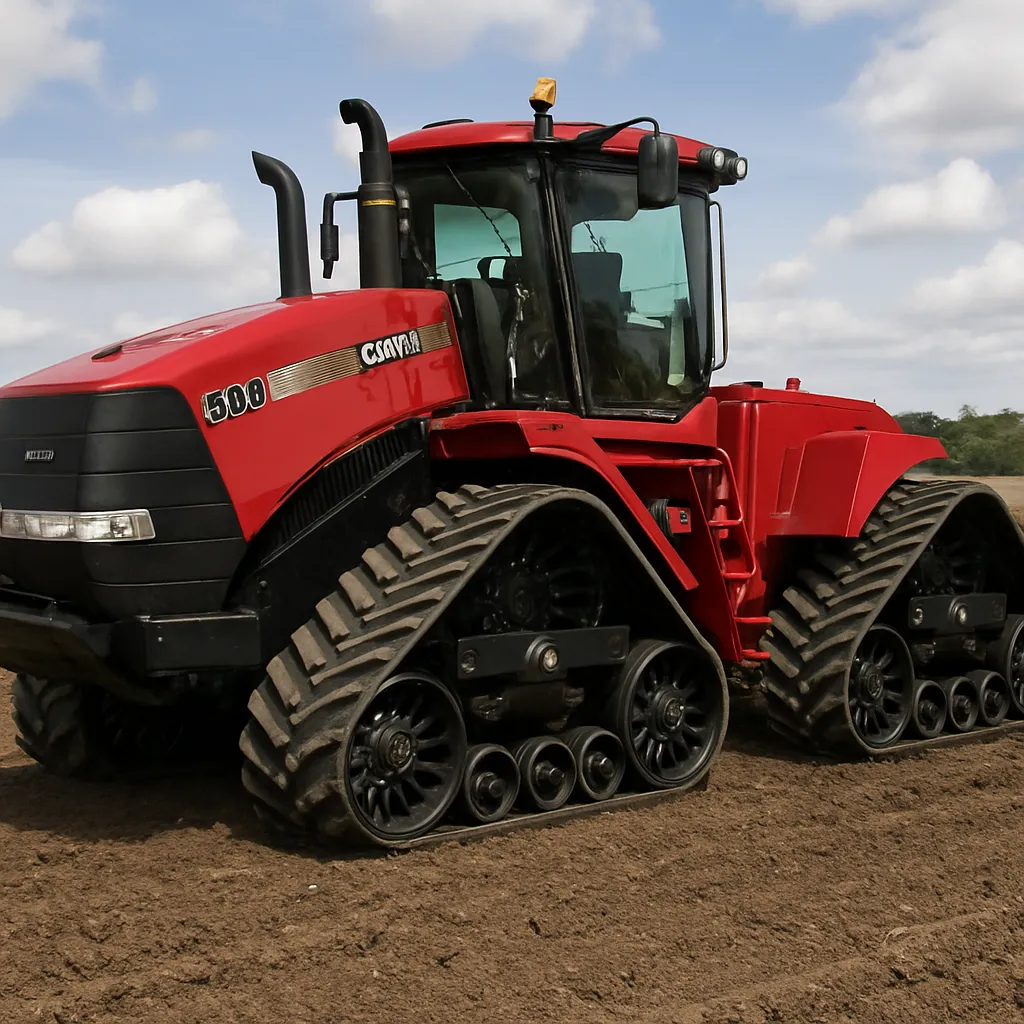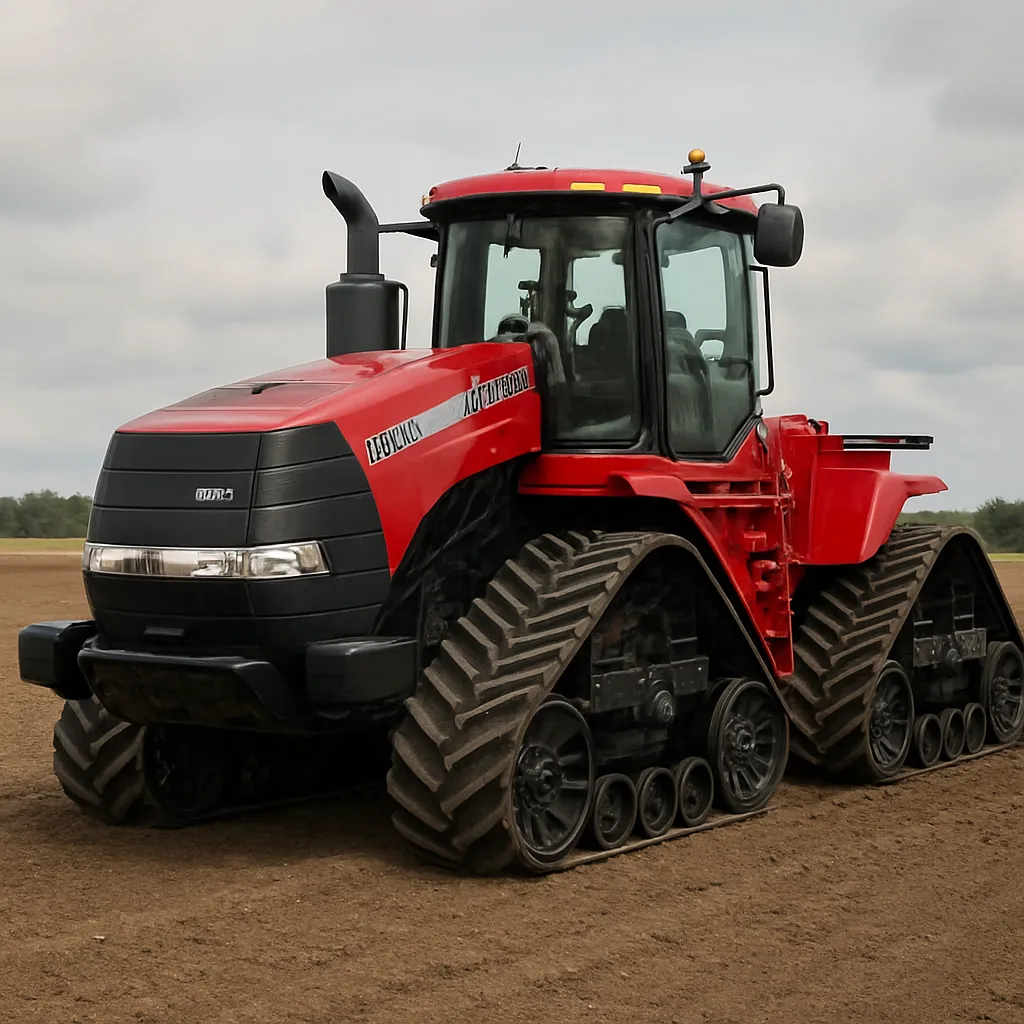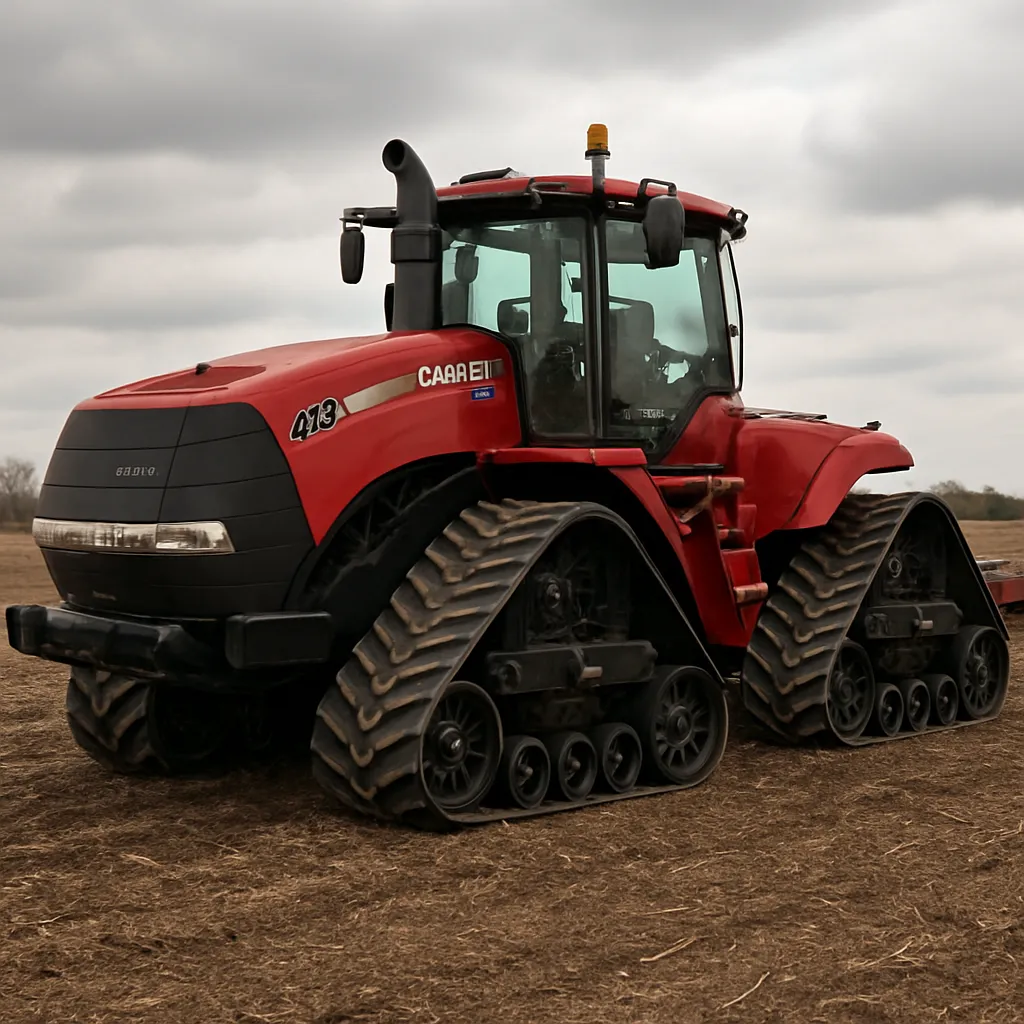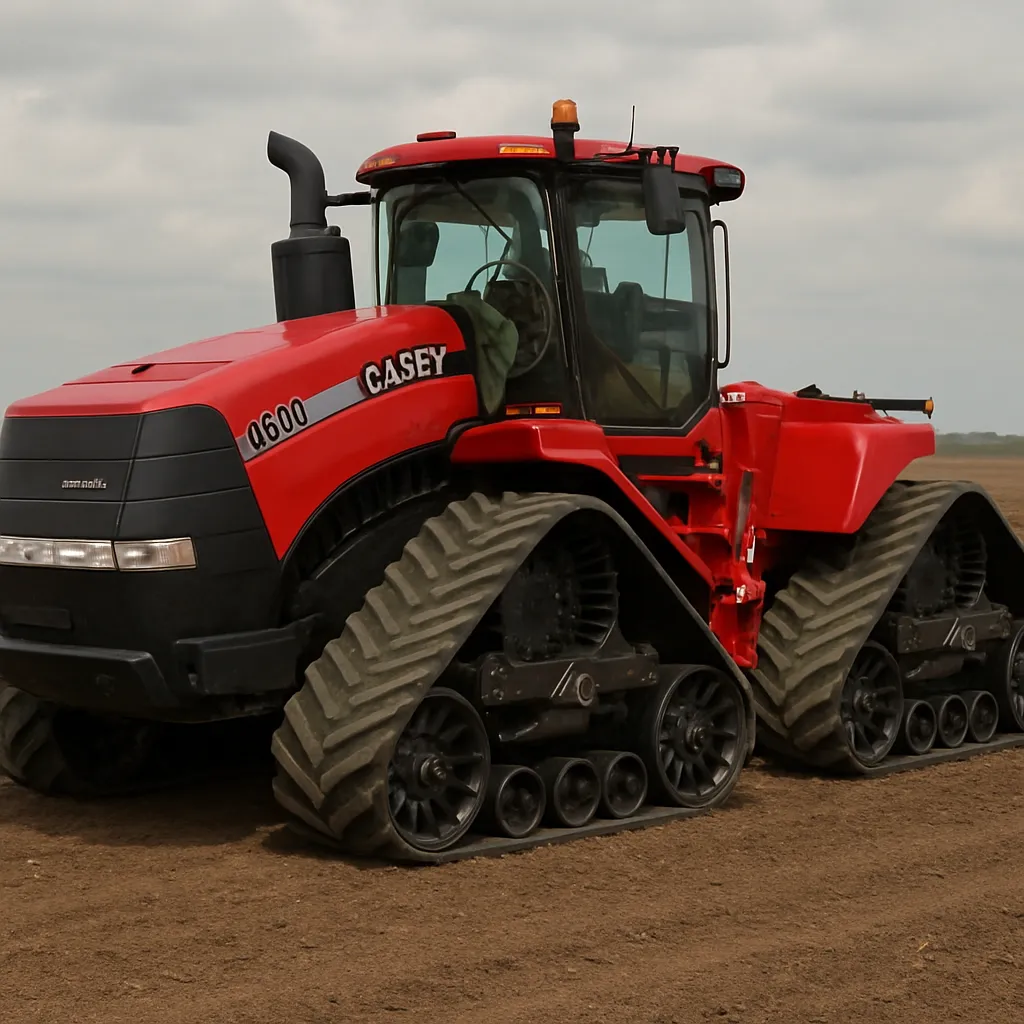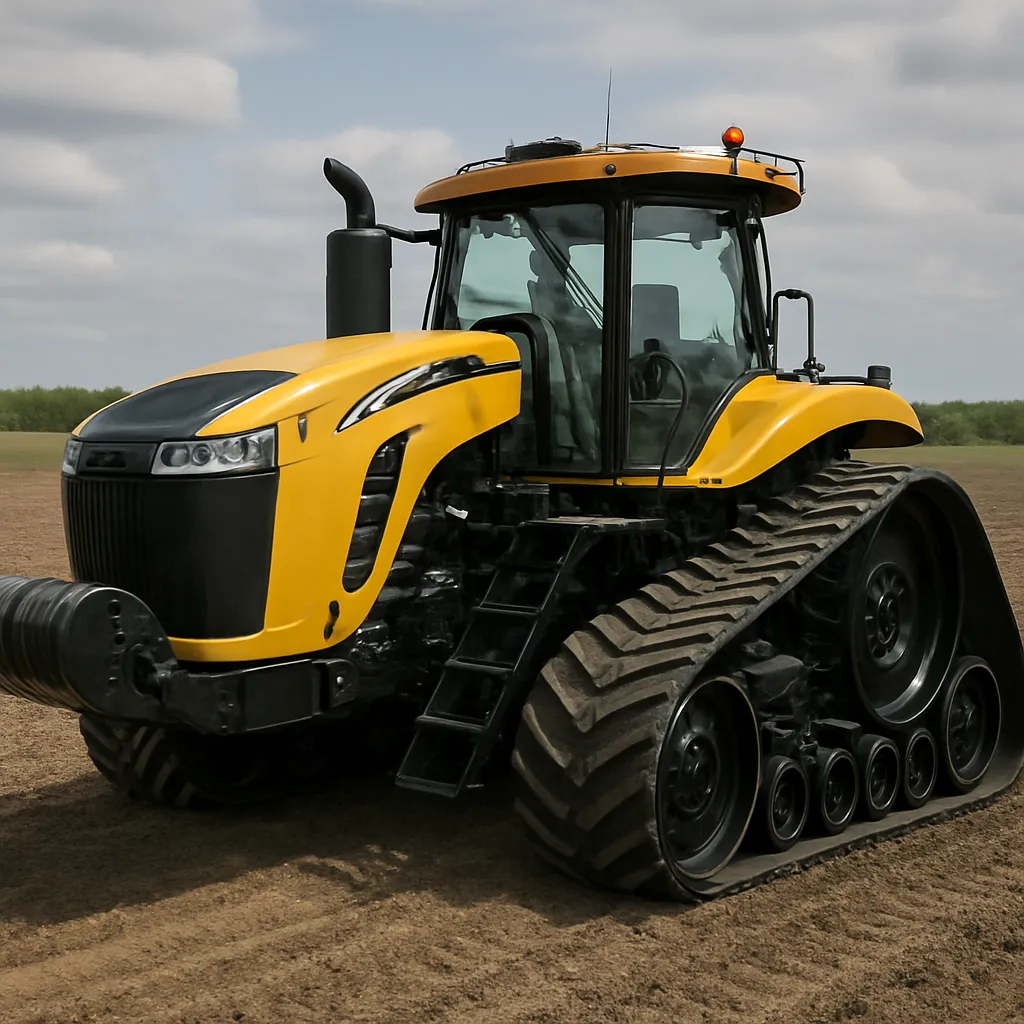
The Challenger MT855E is a member of the Challenger MT series of high‑horsepower, tracked agricultural tractors that earned a reputation for durable, high‑traction performance on large farms and commercial operations. Designed for heavy tillage, seeding and other primary field work where both pulling power and minimal soil disturbance matter, the MT855E blends robust mechanical systems with features intended to improve operator efficiency and reduce soil compaction. In the following sections we will examine the tractor’s design and specifications, typical applications and field performance, technologies and operator ergonomics, maintenance and operating costs, and its place in the market and resale landscape.
Design and technical specifications
The Challenger MT855E is built around the concept of a fully tracked power unit intended to deliver sustained tractive performance under load. The MT designation denotes the tracked platform, a key design choice that differentiates it from wheeled tractors of comparable power. Over the years the MT lines were developed by AGCO under the Challenger brand to serve large‑scale arable and mixed farms, contractors and contractors using heavy implements.
Powertrain
The MT855E typically features a high‑displacement diesel engine tuned for continuous high‑load operation. While exact values vary with model year and emissions package, accepted working ranges for MT800‑series machines place the engine output roughly between 400 and 550 horsepower (approximately 300–410 kW). These engines are configured to provide strong mid‑range torque for deep tillage tasks, with turbocharging and aftertreatment systems added in later model years to meet emissions regulations (E.g. DOC, SCR solutions).
Chassis and undercarriage
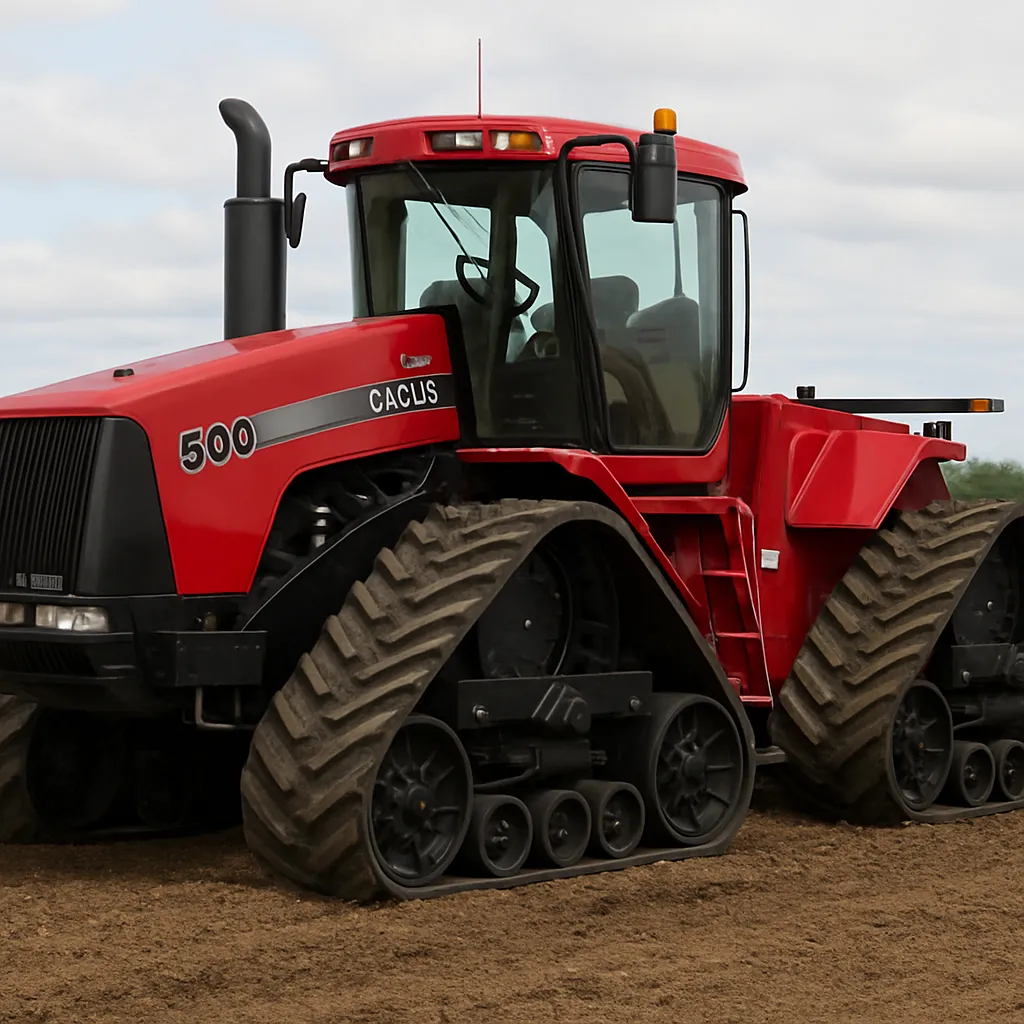
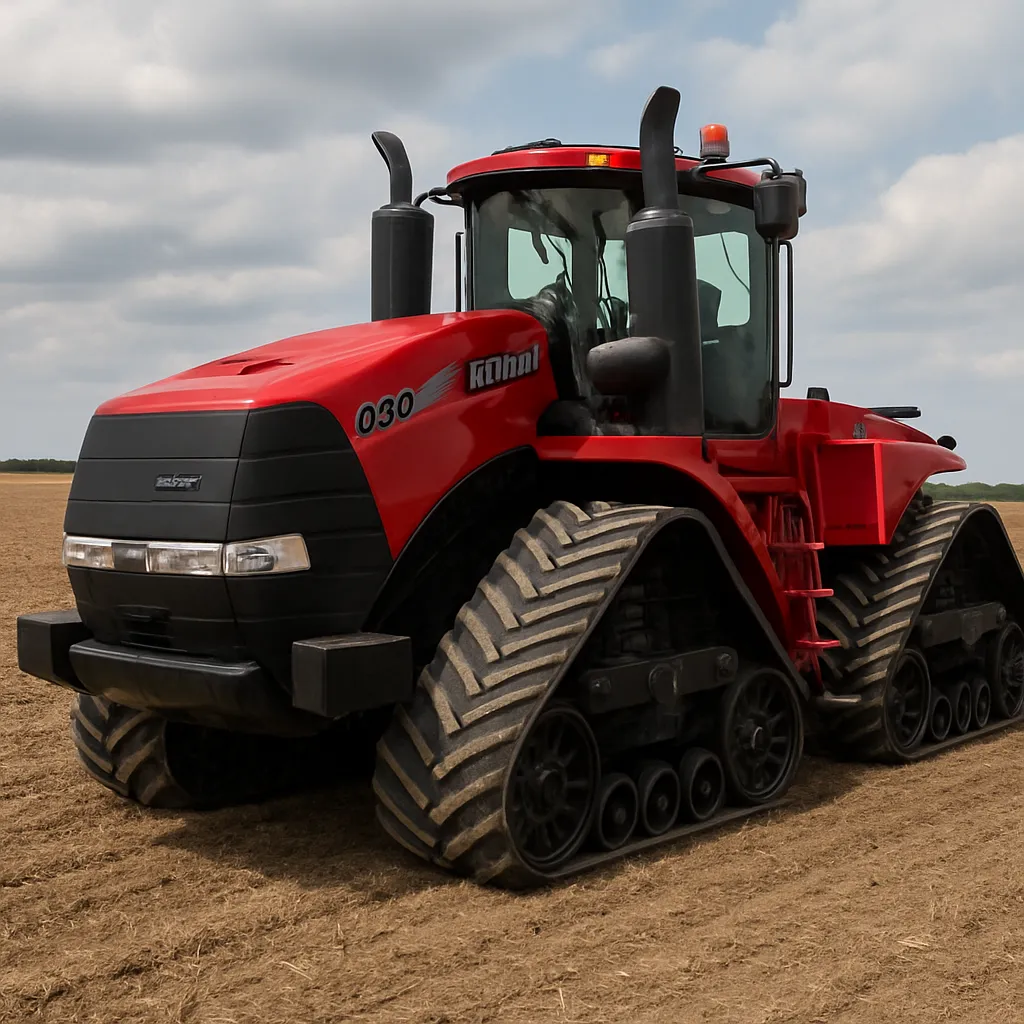
A defining feature is the full rubber track undercarriage. Compared with dual wheels, the tracks increase the contact area with the ground and reduce ground pressure. Typical operating weight for this class can range widely depending on the specific track configuration and ballast but commonly falls in the area of 12 to 20 tonnes (12,000–20,000 kg). Track widths, contact patch lengths and suspension options are chosen to balance flotation, ride comfort and maneuverability. The track system also improves pulling capacity on soft soils and in wet conditions where wheeled machines might struggle.
Transmission and hydraulics
The MT855E uses robust transmissions designed for heavy draft work, often featuring multiple gears and an electronic management system for smooth power delivery. Hydraulic systems on this class of tractor typically deliver high flow rates (often 150–300 L/min or more in aggregate on modern units) to power large planters, seeders, traffickers and high‑capacity implements. Drawbar and hitch capacities are sized to handle deep cultivators, large disc harrows and heavy subsoilers.
PTO and implement compatibility
While tracked tractors are most commonly used for pull‑type implements, many MT tractors include power take‑off (PTO) capability and hitch systems to operate drive‑through equipment, large rotary tillers and special applications. Compatibility with modern implement control standards such as ISOBUS is often supported or available as an option, allowing integrated control of planters, spreaders and other implements.
Typical technical highlights (approximate and model dependent)
- Engine output: approximately 400–550 hp (≈300–410 kW)
- Operating weight: roughly 12,000–20,000 kg
- Hydraulic flow: typically 150–300 L/min available for implements
- Track width/contact area configured for reduced soil compaction
- Advanced emissions controls (DOC/SCR) on later models
Applications and field performance
The principal strengths of the Challenger MT855E—high tractive effort, wide contact patch and sustained power delivery—make it suitable for specific agricultural tasks where those characteristics deliver clear advantages. The machine is often used on large arable farms, by contractors and in regions with heavy soils or where large acreages necessitate efficient, high‑capacity operations.
Tillage and primary cultivation
The MT855E excels at heavy primary tillage such as deep ploughing, heavy discing and multi‑pass soil inversion. The combination of engine torque and tracked grip allows it to pull very large implements with consistent depth control. On cohesive or wet soils, tracks maintain traction and prevent wheel spin, shortening pass counts and improving field finish.
Seeding and planting
For large planters and multi‑row seeders, the MT855E serves as a reliable power source, maintaining consistent ground speed and reducing slippage that can otherwise compromise seed spacing. Many operators pair the tractor with air seeders and high‑volume planters, taking advantage of the steady tractive force to maximize planting accuracy across wide widths.
Land leveling, subsoiling and bed preparation
When deep soil loosening is required (e.g., subsoilers, rippers), the MT855E is capable of pulling heavier implements to greater depths. The distributed weight of the tracks also helps preserve the soil profile and reduces the formation of compacted wheel lines that are common with heavy wheeled tractors.
Other specialist uses
Beyond conventional row crop work, the MT855E is used in specialty roles such as orchard and vineyard ridge flattening (on very large operations), construction‑adjacent earthmoving, and as a tow vehicle for large sprayers or fertilizer applicators. Contractors often employ this tractor for one‑pass operations that require steady power over long working hours.
Field performance notes: operators cite improved fuel efficiency in many scenarios when the job requires steady, high‑load pulling rather than short bursts of acceleration. The track design reduces wheel slip, which improves efficiency and reduces seedbed damage. Performance is most advantageous in large, contiguous fields where turning time is a smaller proportion of total work time.
Technology, ergonomics and operator environment
Challenger has integrated features over the years aimed at improving productivity and reducing operator fatigue. The MT855E series benefits from a combination of mechanical simplicity in the core drivetrain and optional modern precision‑agriculture systems.
Guidance and precision farming
Many MT855E tractors are equipped or can be retrofitted with GPS guidance and autosteer systems. These systems enable accurate pass‑to‑pass control, lower overlap and improve field efficiency when operating large implements over hundreds of hectares. Integration with yield monitors, variable rate application mapping and ISOBUS implement control further enhances the tractor’s utility in precision agriculture workflows.
Cab comfort and controls
Operator comfort in long‑haul field operations is essential. The cab in MT‑class machines typically offers climate control, an ergonomic seat with suspension, and logically arranged controls for hydraulics and transmission. Visibility over wide implements is considered in cab placement and glass area design. Noise and vibration damping are improved compared with older generations, which helps reduce operator fatigue on multi‑hour shifts.
Safety and monitoring
Modern MT tractors include diagnostics and alerts to help maintain uptime. Onboard displays provide engine and hydraulic monitoring, implement status and sometimes telematics connectivity for fleet management. Safety features include rollover protection integrated in the cab design, readily accessible emergency stops and robust lighting packages for early morning or late evening work.
Maintenance, reliability and operating costs
High‑horsepower, tracked units like the MT855E bring strengths and costs that operators must weigh. The following points summarize typical considerations for maintenance and total cost of ownership.
Routine maintenance
Regular service items include engine oil and filter changes, fuel and air filter replacements, track system inspections and adjustments, hydraulic fluid and filter changes, and cooling system maintenance. Because tracked undercarriages are mechanically complex, periodic inspection of rollers, idlers, drive sprockets and track tension is critical to prevent accelerated wear. Operators report that disciplined preventive maintenance schedules dramatically extend component life and reduce unscheduled downtime.
Fuel consumption
Fuel burn depends on the intensity of the work and the implement being used. Under heavy draft tasks, units in this power class often average fuel consumption in the approximate range of 25–45 liters per hour, though peak consumption during the most demanding operations can exceed that range. Precision use (where slip is minimized and field passes are optimized) can reduce per‑hectare fuel consumption compared to less efficient practices.
Track maintenance and lifecycle costs
Tracks and undercarriage components represent a significant maintenance cost when compared with wheeled machines. However, the advantages in reduced ground compaction, improved traction and extended effective field days in wet seasons can offset lifecycle costs. Many operators also report reduced wear on tillage points because controlled traction lowers implement bounce and uneven draft forces.
Depreciation and resale
Challenger tractors built a solid reputation for durability; well‑maintained MT‑series tractors tend to retain reasonable resale value, particularly in regions where tracked tractors are desirable. Factors that influence resale value strongly include hours of operation, condition of the tracks, documented service history and the presence of modern guidance systems. For contractors who need consistently high traction and who operate year‑round, the value proposition remains attractive despite higher initial capital cost.
Market presence, variations and global use
The Challenger brand, produced by AGCO, marketed tracked tractors like the MT855E primarily to large‑scale farms, contractors and regions with heavy soils or large contiguous acreages. Usage patterns show concentration in the North American and European markets, with expanding interest in other global grain and oilseed producing areas.
Model variants and options
Over its production run the MT series saw multiple configurations and options. Variations can include different track widths, cab packages, comfort and electronics options (GPS/autosteer, ISOBUS compatibility), and emissions packages to meet local regulations. Some machines come equipped with factory‑fitted telematics for fleet monitoring.
Comparative advantages versus wheeled tractors
Key benefits compared to similar‑power wheeled tractors include:
- Improved traction and reduced slippage under heavy draft
- Lower ground pressure and reduced risk of forming dense wheel tracks
- Ability to operate more effectively in wet conditions
- Potential for improved fuel efficiency per hectare on high‑draft tasks
Tradeoffs include higher initial cost for the tracked platform and the expense of track and undercarriage maintenance. Choice between tracked and wheeled solutions typically depends on field conditions, cropping system, and total acreage.
Buying considerations and tips for operators
For those considering acquisition of an MT855E—either new when available or as a used purchase—careful evaluation of the machine’s history and condition is crucial. Below are practical tips.
- Inspect track condition thoroughly: look for wear on lugs, cracks in the rubber, condition of drive sprockets, and track tensioning systems.
- Request full service history: regular oil changes, track maintenance, and any major component replacements should be documented.
- Confirm guidance and electronics packages: if precision farming is important, ensure autosteer and ISOBUS functionality are present and tested.
- Assess implement compatibility: match hitch capacity and hydraulic flow to the implements currently in use or planned for future purchase.
- Consider total cost of ownership: factor in fuel, parts, track replacements and potential downtime in addition to the purchase price.
Environmental and sustainability aspects
The adoption of tracked tractors like the MT855E can have nuanced environmental implications. On one hand, reduced soil compaction and improved traction can improve soil health and crop yields over time by preserving soil structure and allowing better root penetration. Lower slip during operations tends to reduce wasted fuel and implement wear, which can contribute to lower greenhouse gas emissions per hectare in certain operations.
On the other hand, larger tractors generally consume significant fuel under heavy loads; emissions control systems added in later models mitigate local pollutants and particulates. Many operators increasingly pair high‑power tractors with precision farming tools to optimize passes and lower input use, thereby improving overall sustainability metrics.
Summary and final notes
The Challenger MT855E represents a class of powerful tracked agricultural tractors designed for demanding, high‑acreage farming and contracting work. Its strengths—steadfast traction, high continuous power and flotation—make it especially useful for deep tillage, wide‑width planting and operations on soils or in seasons where wheeled tractors are limited. Operators considering the MT855E should weigh the advantages of the tracked platform against maintenance and ownership costs, ensure appropriate implement matching, and take advantage of precision farming technologies to maximize efficiency.
Challenger MT855E, tracked tractor, horsepower, engine, traction, soil compaction, fuel efficiency, autosteer, ISOBUS and maintenance are recurring themes for anyone evaluating this machine. When properly matched to farm size, soil conditions and crop systems, the MT855E can be a highly productive and cost‑effective power unit that extends the workable season and enables larger, more efficient field operations.