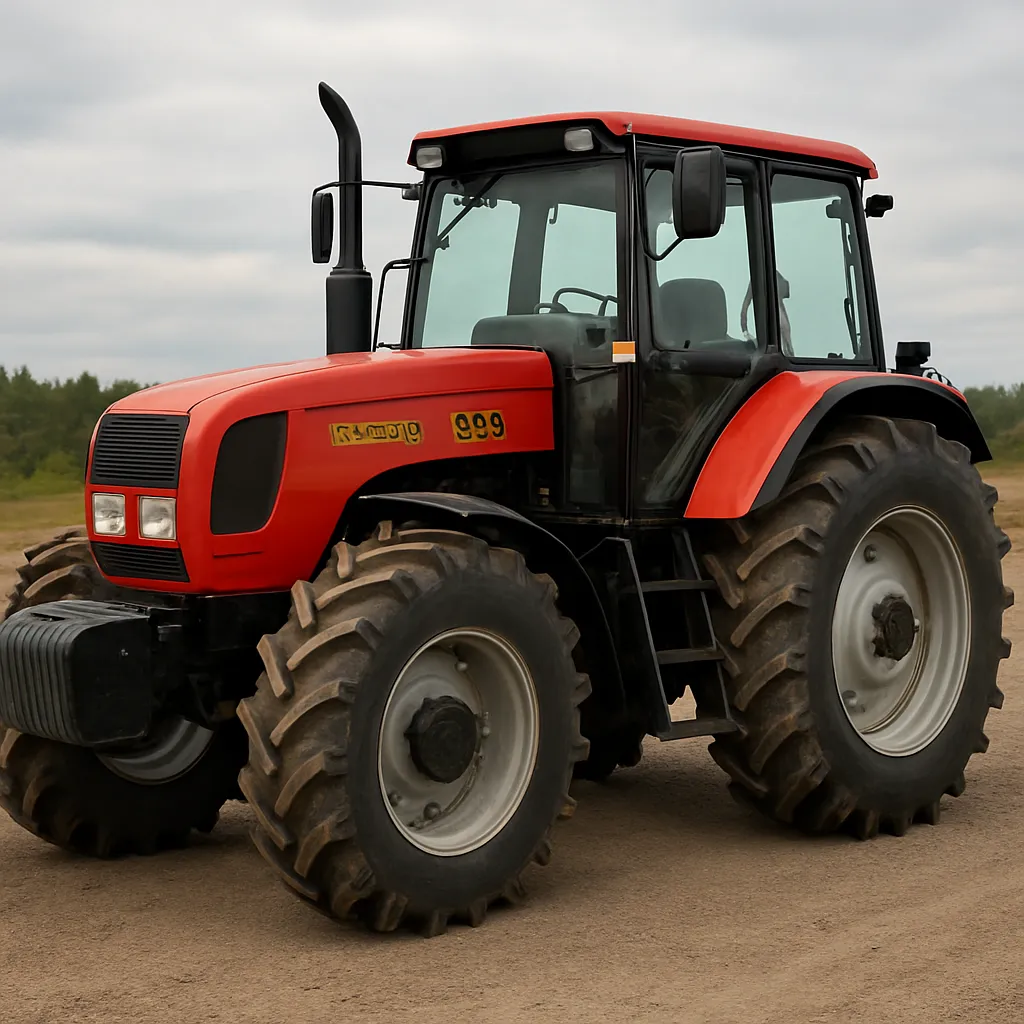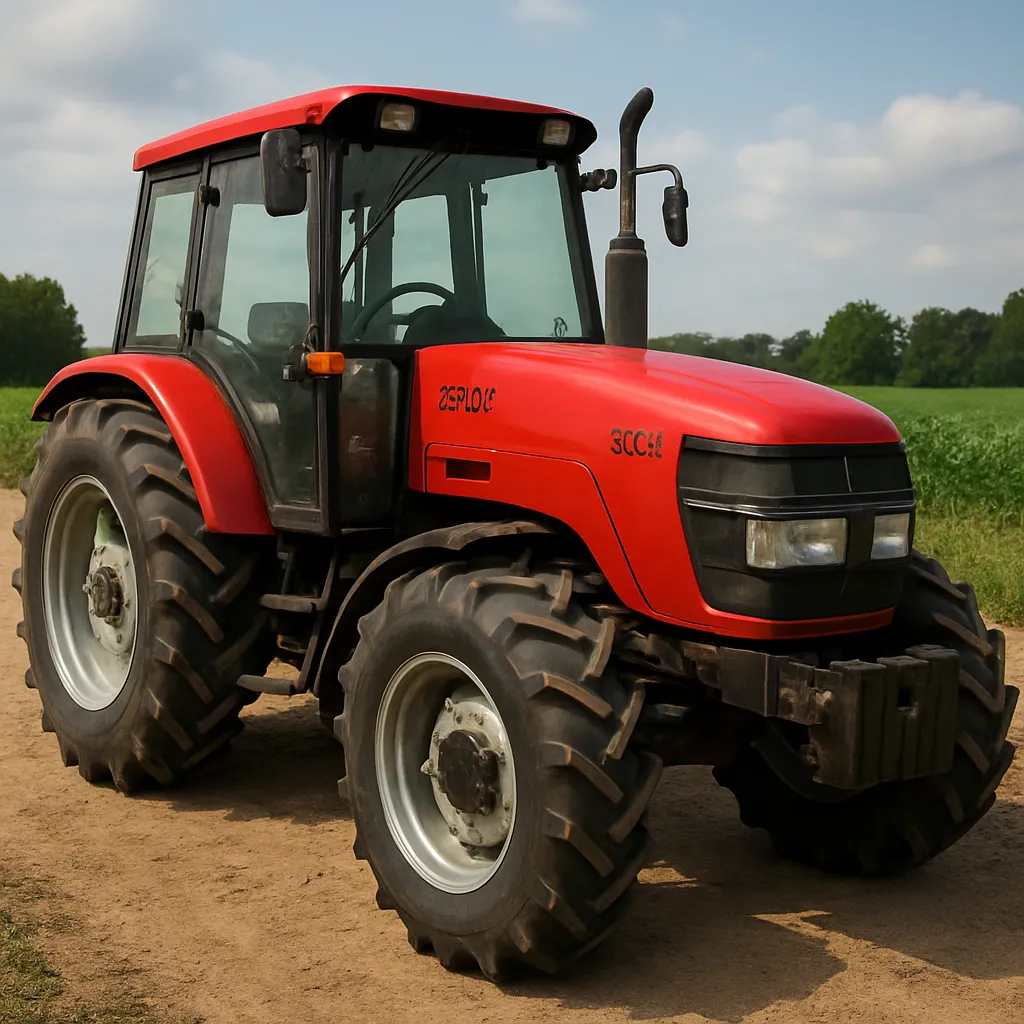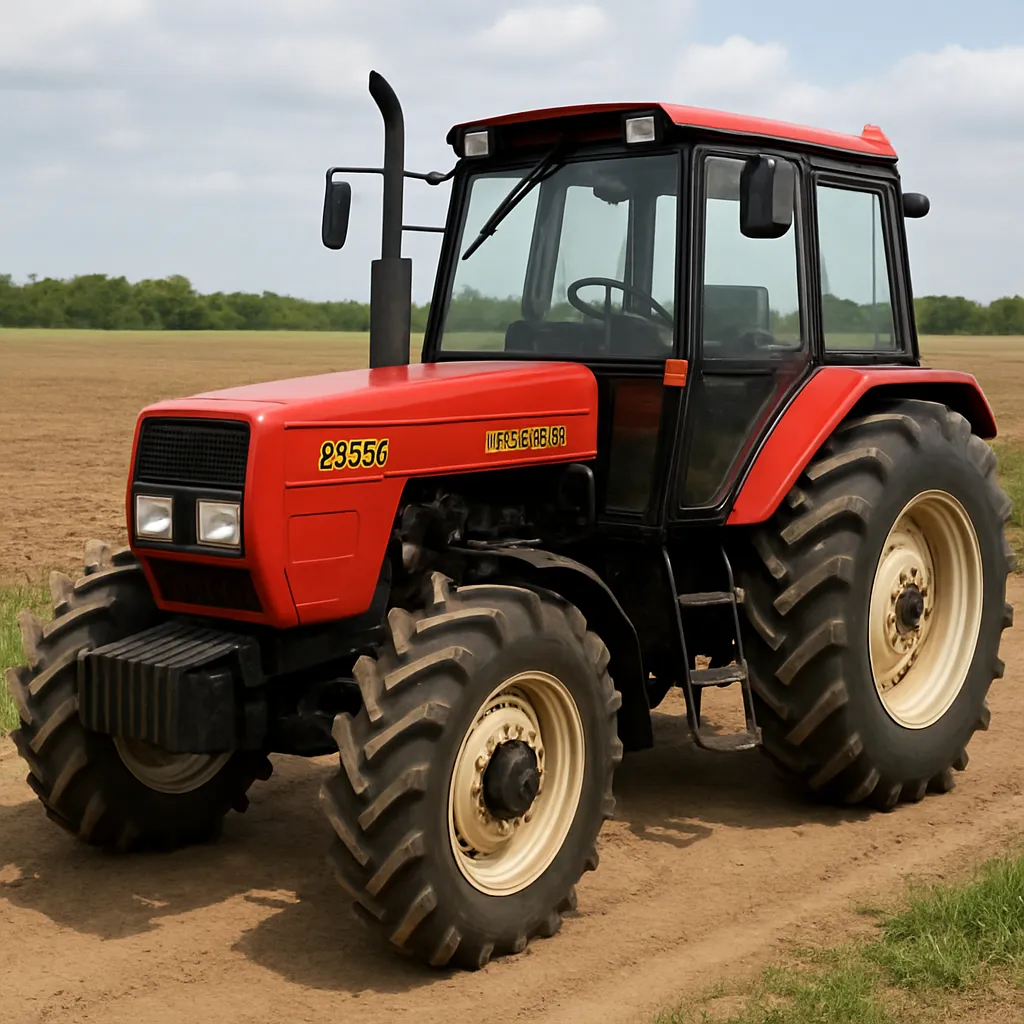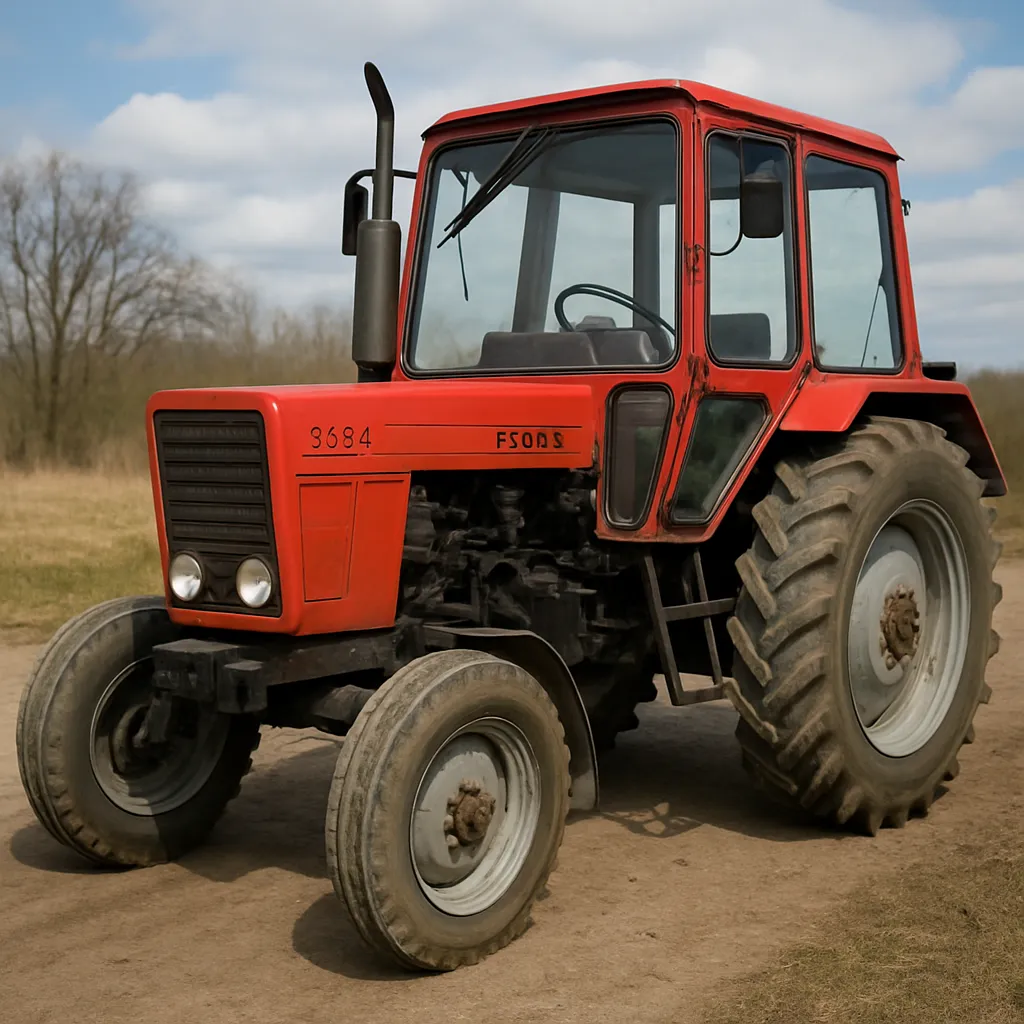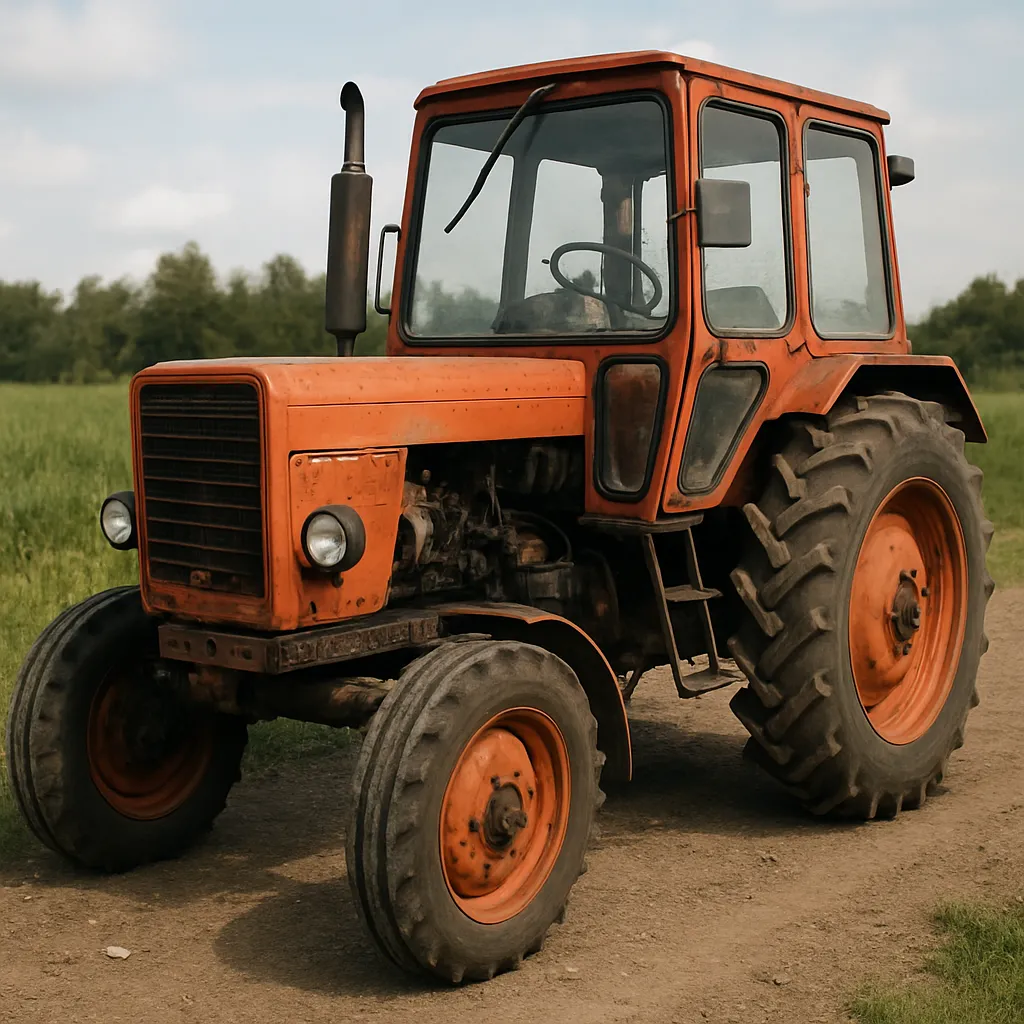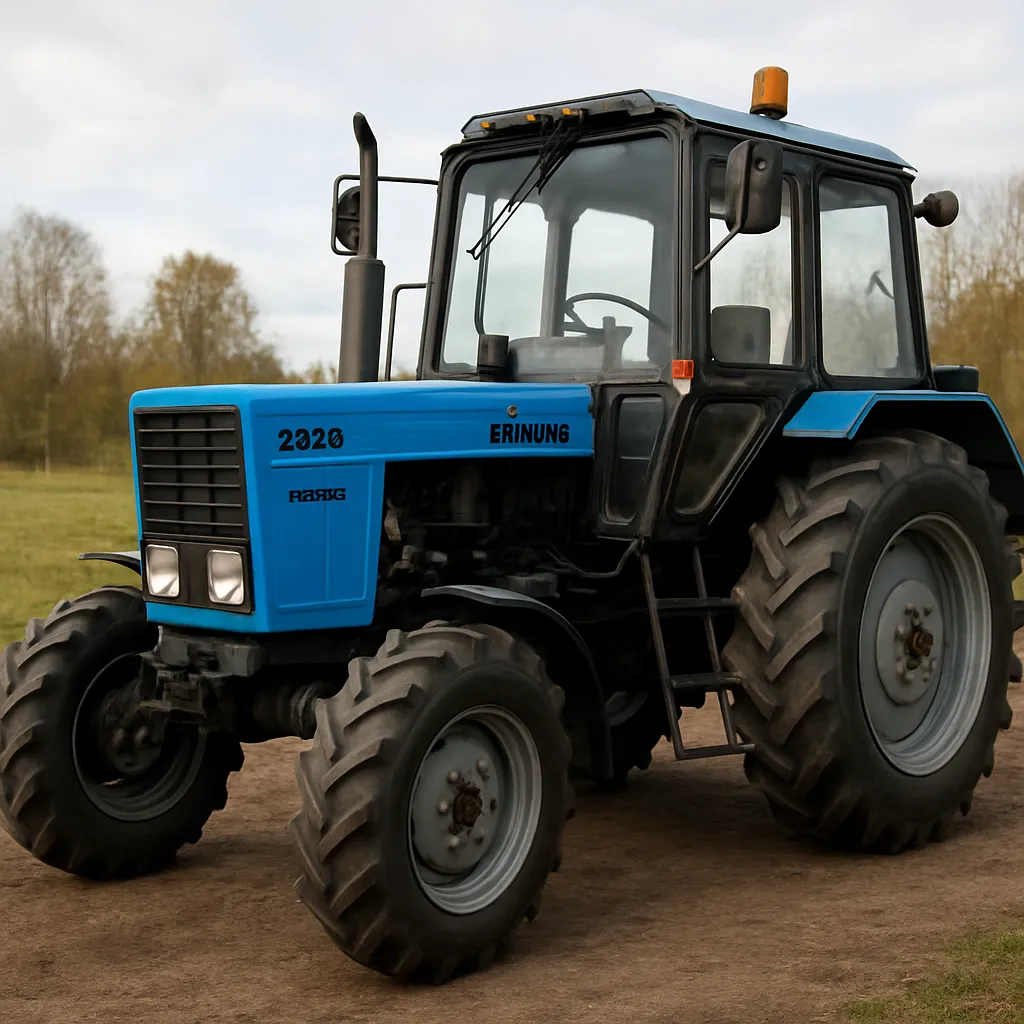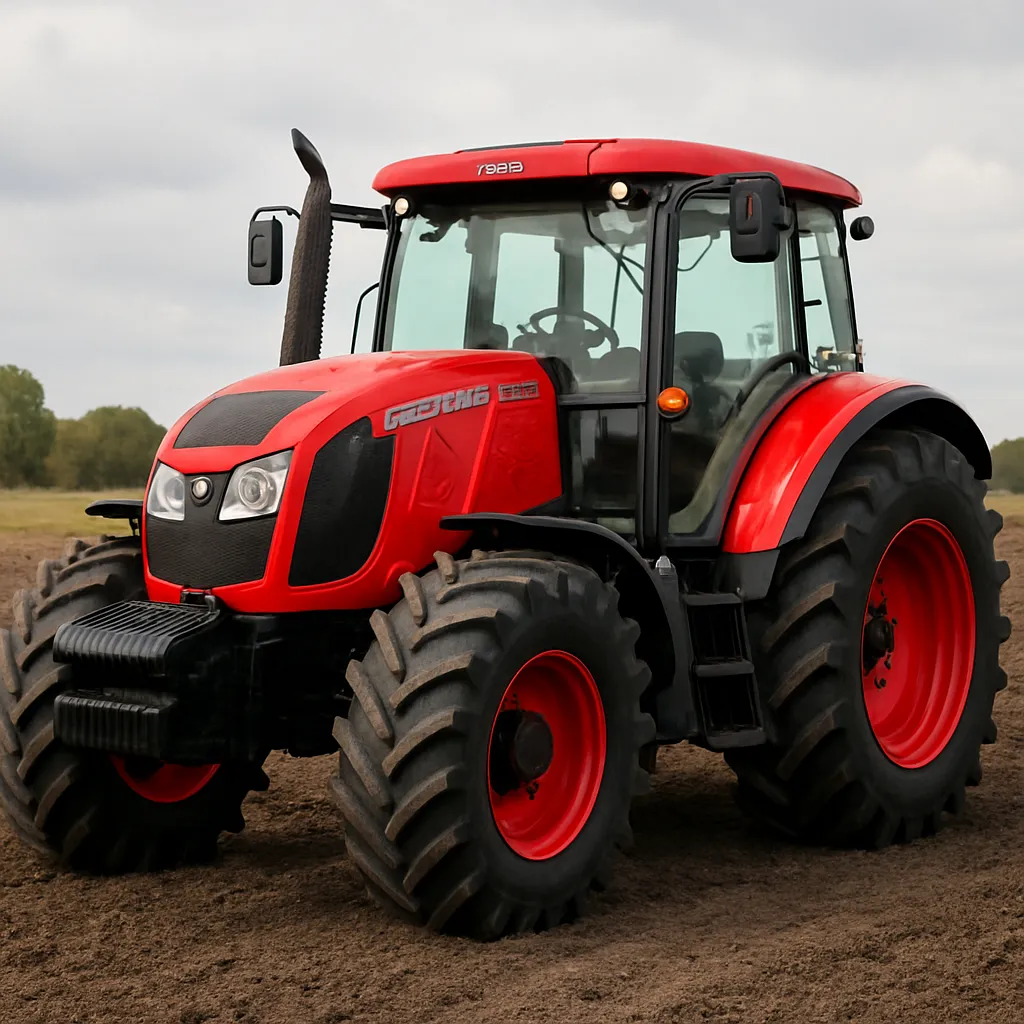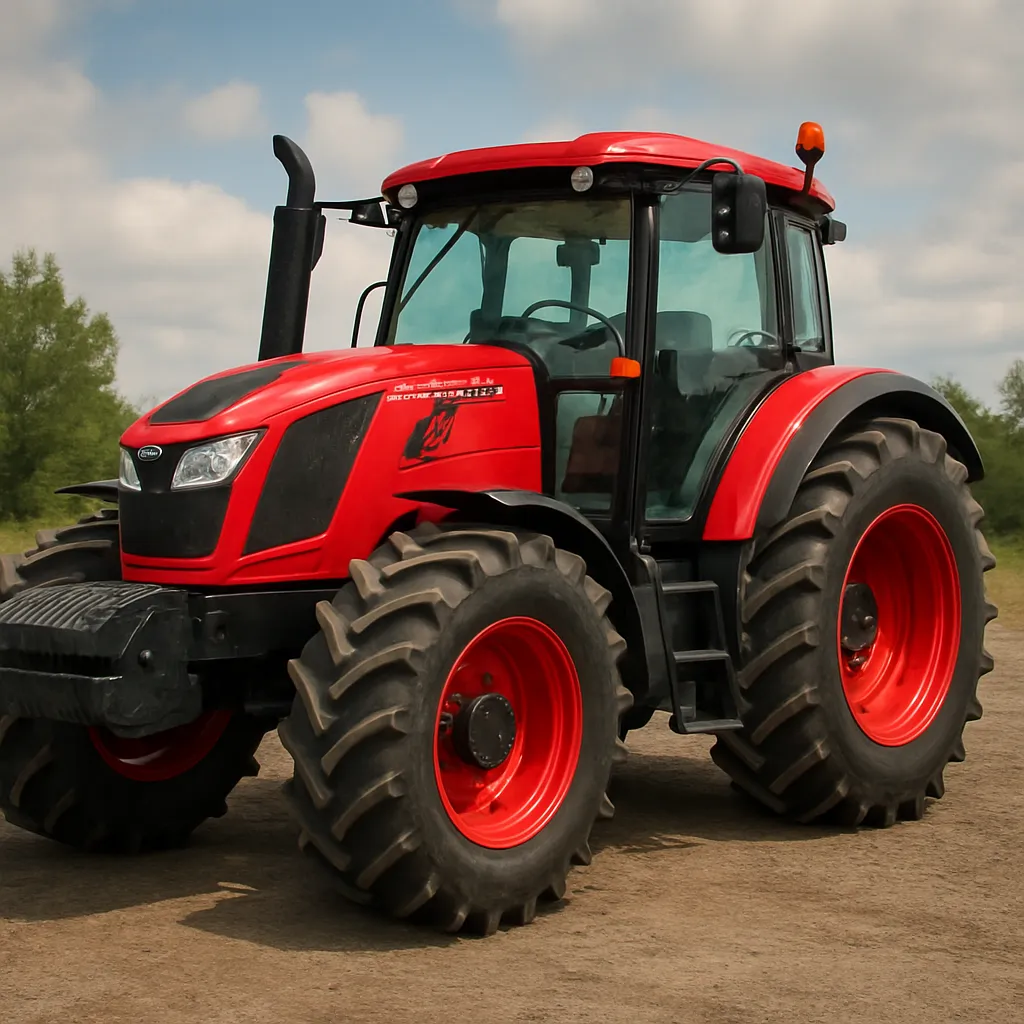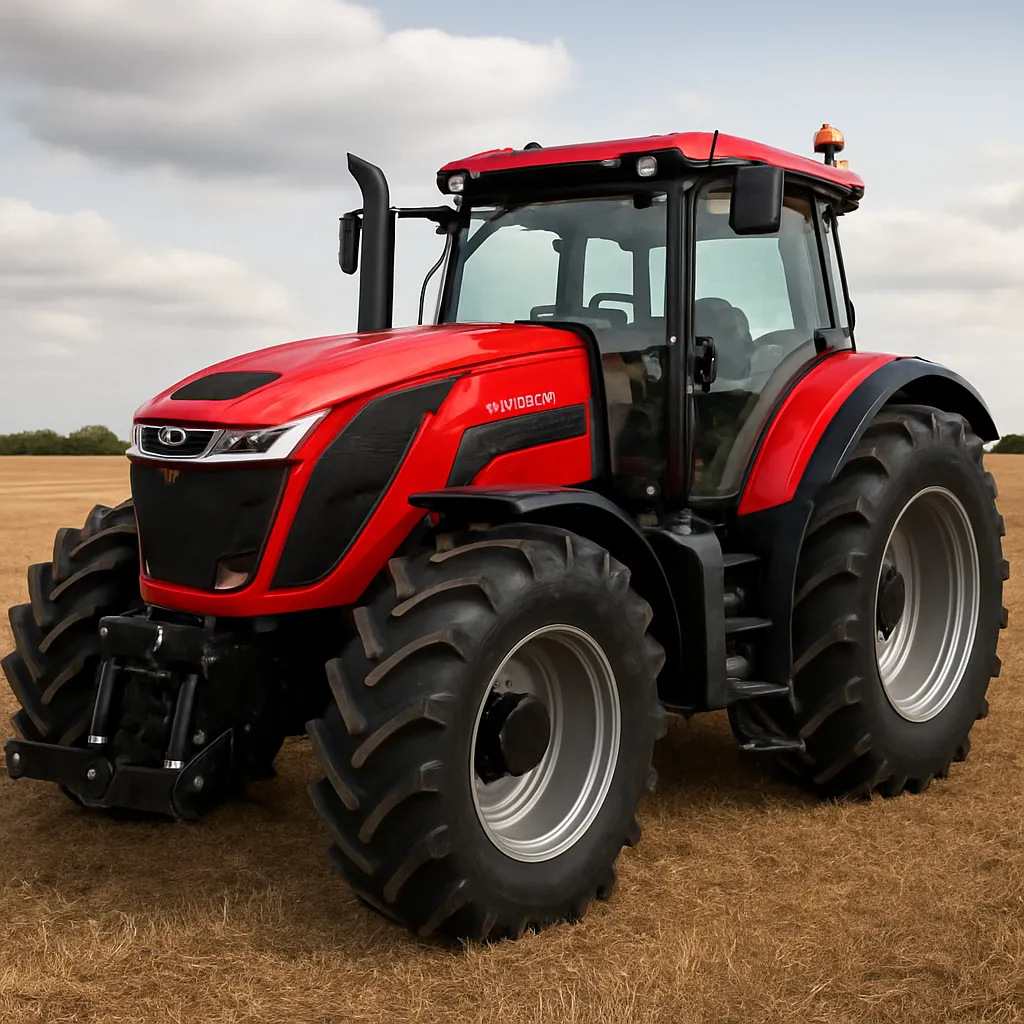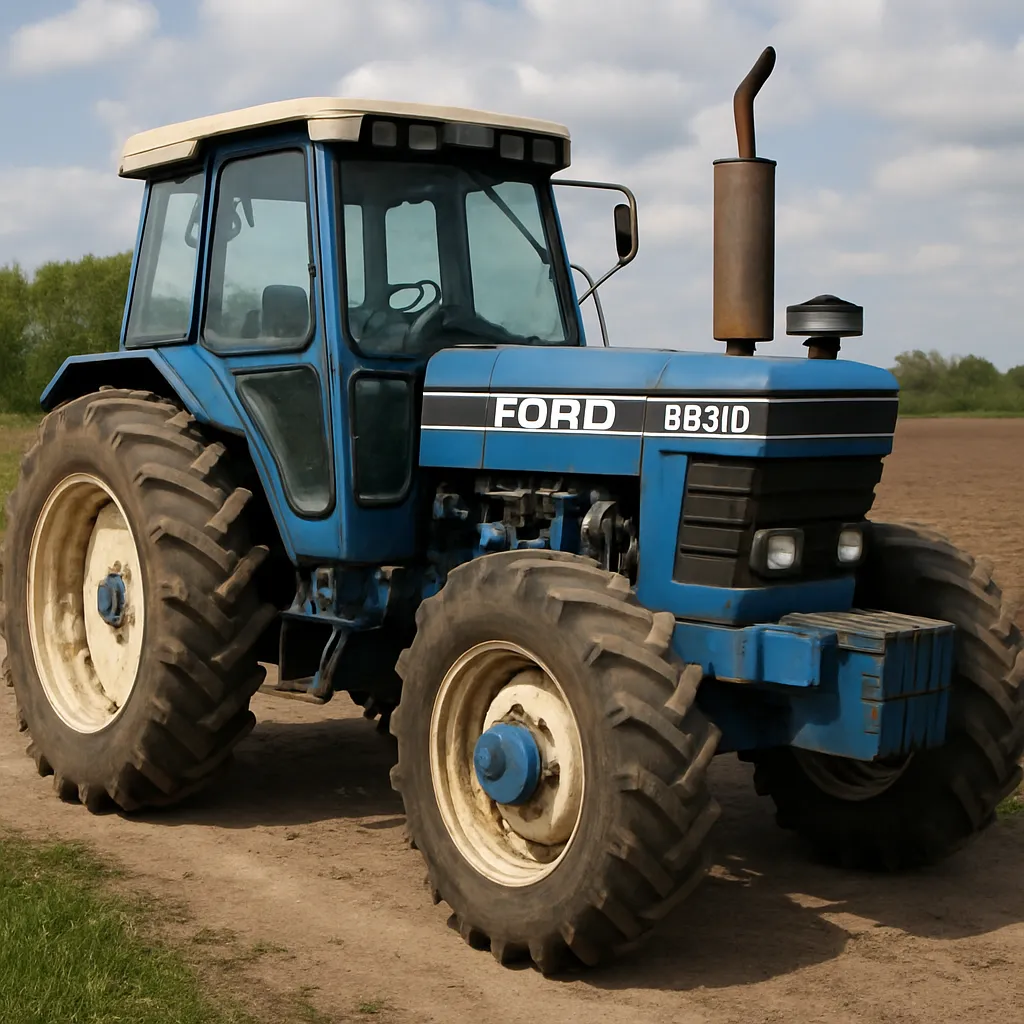
The Ford 8630 is a classic agricultural tractor model that has earned a reputation for solid performance, practical engineering and enduring popularity among farmers and contractors. Built during an era when simplicity and serviceability were prioritized, the 8630 combines a purposeful chassis, straightforward mechanical systems and compatibility with a wide range of implements. This article examines the 8630’s technical characteristics, typical applications, historical significance and practical considerations for owners, along with useful maintenance tips and market observations.
Design and technical specifications
The Ford 8630 belongs to a family of medium-to-large agricultural tractors designed to deliver dependable power for fieldwork, transport and auxiliary duties. It was engineered with a focus on durability and ease of repair, using robust components that remain accessible to technicians and hobbyists alike. While specific factory figures can vary depending on production year and market, several common characteristics define the 8630 platform.
Engine and performance
- Most units were fitted with turbocharged diesel engines optimized for agricultural load profiles: strong mid-range torque and steady power delivery rather than peak rpm performance. The engine layout emphasizes accessibility for routine service tasks.
- The engine is designed for long service intervals, with heavy-duty components intended to withstand daily agricultural use. Typical service items include fuel filters, oil and coolant changes and valve adjustments at recommended intervals.
Exact power and displacement figures depend on the variant and the year, but the 8630’s performance is generally characterized by a balance between continuous pulling power and economical fuel consumption. The design philosophy favored torque at working revs to make the machine efficient in tasks such as tillage, baling and heavy transport.
Transmission, drivetrain and hydraulics
- The transmission options available on tractors of this class usually include synchronized gearboxes with multiple ranges and often a power-shift or semi-power-shift option in later models. This allows the operator to maintain optimal engine load during field operations.
- A robust rear axle and final drive are typical, often offering dual or selectable rear-wheel configurations along with differential lock for traction in variable ground conditions.
- The hydraulic system is a critical feature, enabling the use of three-point linkages, remote valves and PTO-driven implements. The 8630 was popular for its practical hydraulic capacity and straightforward plumbing, which simplifies adding or maintaining attachments.
Operators valued the transmission for its ease of use and the hydraulics for their versatility. Whether performing precision loader work or pulling deep tillage equipment, the platform’s hydraulic flow and control responsiveness were designed to be reliable under rugged conditions. Core elements such as the PTO were engineered to industry standards, supporting a wide range of mounted and trailed implements.
Common applications and compatible implements
The versatility of the Ford 8630 is one of its strongest selling points. Owners used it across a broad spectrum of agricultural and auxiliary tasks, highlighting the tractor’s adaptability.
Fieldwork and cultivation
- Tillage: The 8630 is suited for ploughing, disk harrowing and subsoiling thanks to its torque characteristics and stable chassis.
- Seedbed preparation: It performs well with cultivators and seed drills, especially when paired with appropriate ballast and traction management.
- Crop maintenance: Mounted sprayers, fertilizer applicators and side-mounted weed-control tools are commonly used with this model.
Hay and forage handling
- Baling: With robust PTO and hydraulic control, the tractor can operate both round and square balers efficiently.
- Loader work: Front loaders are a frequent attachment, turning the 8630 into a highly capable material-handler for bales, feed and farm supplies.
Transport and heavy-duty tasks
- Trailed tankers and trailers: The 8630’s power and chassis allow for effective transport of harvest, livestock feed and machinery between fields and storage points.
- Ground works: With proper attachments, the tractor can handle grading, snow clearance, and small earth-moving tasks — often replacing specialized equipment in smaller operations.
Overall, the model’s combination of a reliable PTO, a competent hydraulic system and a sturdy three-point hitch made it a highly adaptable machine across temperate agricultural systems.
Durability, maintenance and typical issues
Longevity is a recurring theme in discussions about the Ford 8630. The tractor’s straightforward mechanical design simplifies troubleshooting and repair, which can greatly reduce total cost of ownership over time. Regular maintenance and a few preventive measures allow these tractors to remain productive for decades.
Routine maintenance schedule
- Daily: Visual inspection for leaks, tire condition, and function of lights and controls. Check engine oil and coolant levels before starting heavy work.
- Every 50–200 hours: Replace or clean air and fuel filters, inspect belts and hoses, lubricate chassis grease points.
- Every 300–600 hours: Change engine oil and filters, check transmission and hydraulic fluid condition and levels, inspect clutch and brakes.
- Annually or 1,000+ hours: Major service including valve clearance checks, fuel system calibration and any needed replacement of wear parts.
Some known wear points — which are common to many tractors of similar vintage — include the fuel injection system (requiring periodic calibration or element replacement), hydraulic seals and hoses, and wear in the clutch or gearbox if used continuously under heavy load without appropriate maintenance. Attention to cooling system integrity is critical, especially when operating in warm climates or dusty conditions.
Common repairs and upgrades
- Hydraulic pump rebuilds or upgrades to improve flow for modern implements.
- Replacement of worn injection pump components or injectors to restore fuel efficiency and reduce smoke under load.
- Retrofitting modern lighting, electrical charging systems or simple comfort features (more ergonomic seat, cab modifications) for improved operator experience.
Because many components were built to standard sizes and are shared across other models, parts availability remains reasonable on the used market, and aftermarket options or remanufactured parts are often available for major assemblies.
Historical context and production notes
The Ford series that includes the 8630 was produced during a time of significant consolidation and technological transition in the agricultural machinery industry. Manufacturing approaches emphasized modularity and interchangeability, which benefited long-term serviceability.
Market positioning and reputation
The Ford 8630 was typically seen as a good balance between power and economy — powerful enough for most medium to large farm jobs, yet simple enough that small-scale operations could maintain it without specialized facilities. Its reputation for mechanical reliability and straightforward servicing made it popular in regions where dealer networks were present but full-service support might be limited.
Across second-hand markets, the 8630 is often sought by hobby farmers, small contractors and collectors seeking a functional workhorse or a restorable classic. Well-maintained examples that retain original parts and have documented service histories tend to command higher prices.
Practical buying and ownership considerations
When evaluating a Ford 8630 — whether for daily farm use, occasional work or restoration — consider the following checklist items to assess condition and expected ownership costs.
- Service history: A detailed maintenance record is one of the best indicators of future reliability. Look for regular oil changes, filter replacements and documented major services.
- Engine condition: Check for abnormal smoke on start-up and under load, listen for unusual noises, and inspect for oil or coolant leaks.
- Transmission and clutch: Verify smooth engagement across gears and examine for slipping or excessive wear during heavy pulls.
- Hydraulics and PTO: Operate all remote circuits and the PTO under load to ensure adequate flow and consistent pressure without excessive noise or heat.
- Frame and chassis: Look for signs of structural repairs, excessive rust in load-bearing areas and condition of the axle housings.
- Attachments compatibility: Confirm that existing implements match the machine’s PTO speed and hydraulic capacity, or plan for required adapters/upgrades.
Pricing varies widely by region, condition and included implements. A well-kept, running 8630 with a documented history and functional attachments will be more valuable than a non-running unit or one requiring major restoration. Consider the availability of spare parts in your location when estimating long-term maintenance costs.
Collectibility, modifications and modern use
Beyond conventional farming, many owners repurpose the 8630 for niche tasks: landscape contracting, municipal work, hobby farming and even as a restoration project for tractor shows. Its sound mechanical base makes it a popular platform for sympathetic modifications.
- Common modifications: Upgraded hydraulic pumps, modernized electrical systems (alternator and battery upgrades), cab comfort improvements and improved operator controls.
- Conservation and restoration: Enthusiasts often focus on returning tractors to factory appearance while refreshing mechanical components for safe modern use.
- Sustainable practices: Some owners adapt older tractors like the 8630 for lower-emission operation by optimizing fuel systems, maintaining precise engine tune and using cleaner fuels when practical.
In many agricultural communities, older tractors serve as a bridge between purely historic preservation and productive modern use. The Ford 8630’s mix of durability and simplicity means it can still be a practical choice for many low- to medium-intensity tasks while also appealing to collectors who appreciate its engineering and historical place in mechanized farming.
Summary and final observations
The Ford 8630 exemplifies a class of tractors valued for practical performance, ease of maintenance and adaptability. With a design that prioritized useful torque characteristics, dependable hydraulics and a robust transmission layout, the 8630 remained a versatile asset on farms, contractors’ fleets and in municipal service. For buyers and owners, careful inspection, routine maintenance and an understanding of the tractor’s operating envelope are key to maximizing service life and minimizing unexpected costs.
Whether viewed as a working tool or a restoration project, the 8630 continues to find relevance. Its balance of straightforward mechanics and functional capability makes it an enduring choice for those who appreciate machines that are built to be serviced and used rather than discarded. For anyone considering acquisition, prioritizing documented maintenance, checking critical components and assessing implement compatibility will help ensure a successful and productive ownership experience.