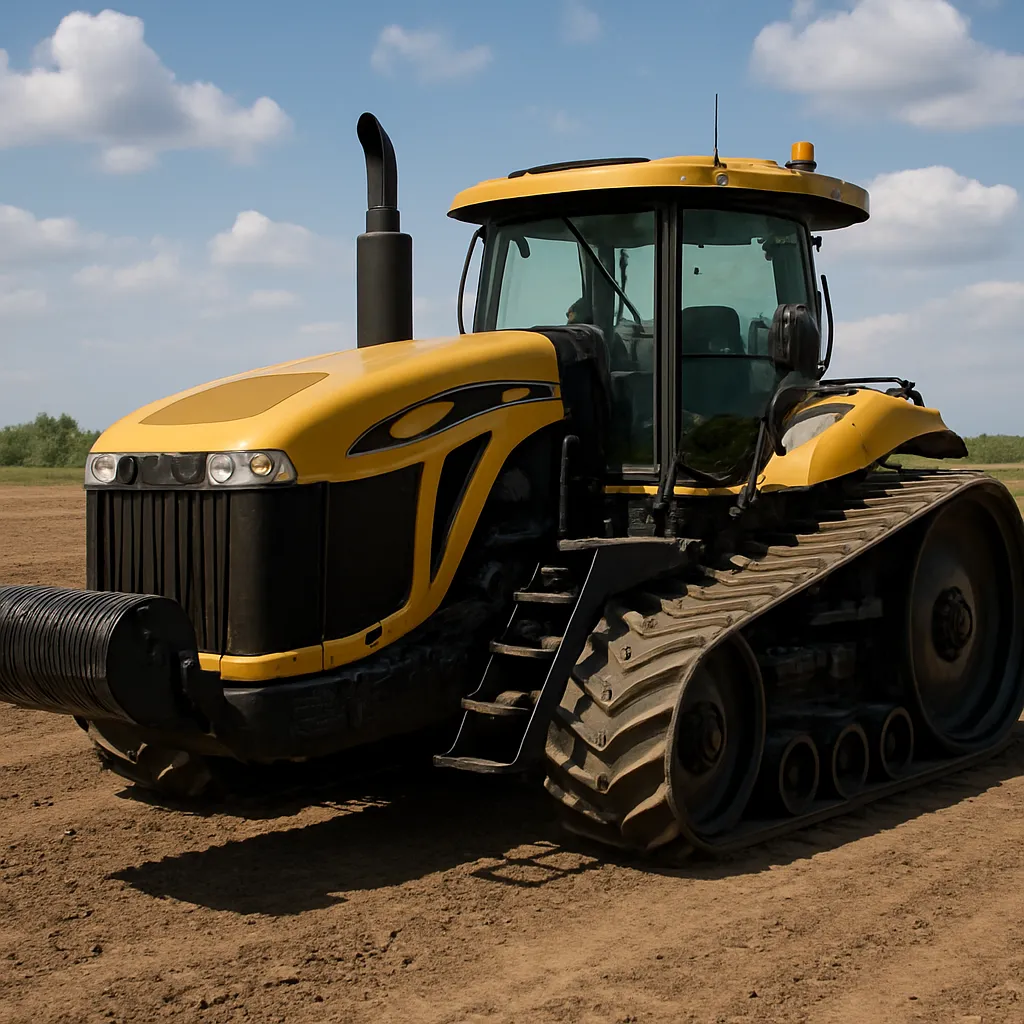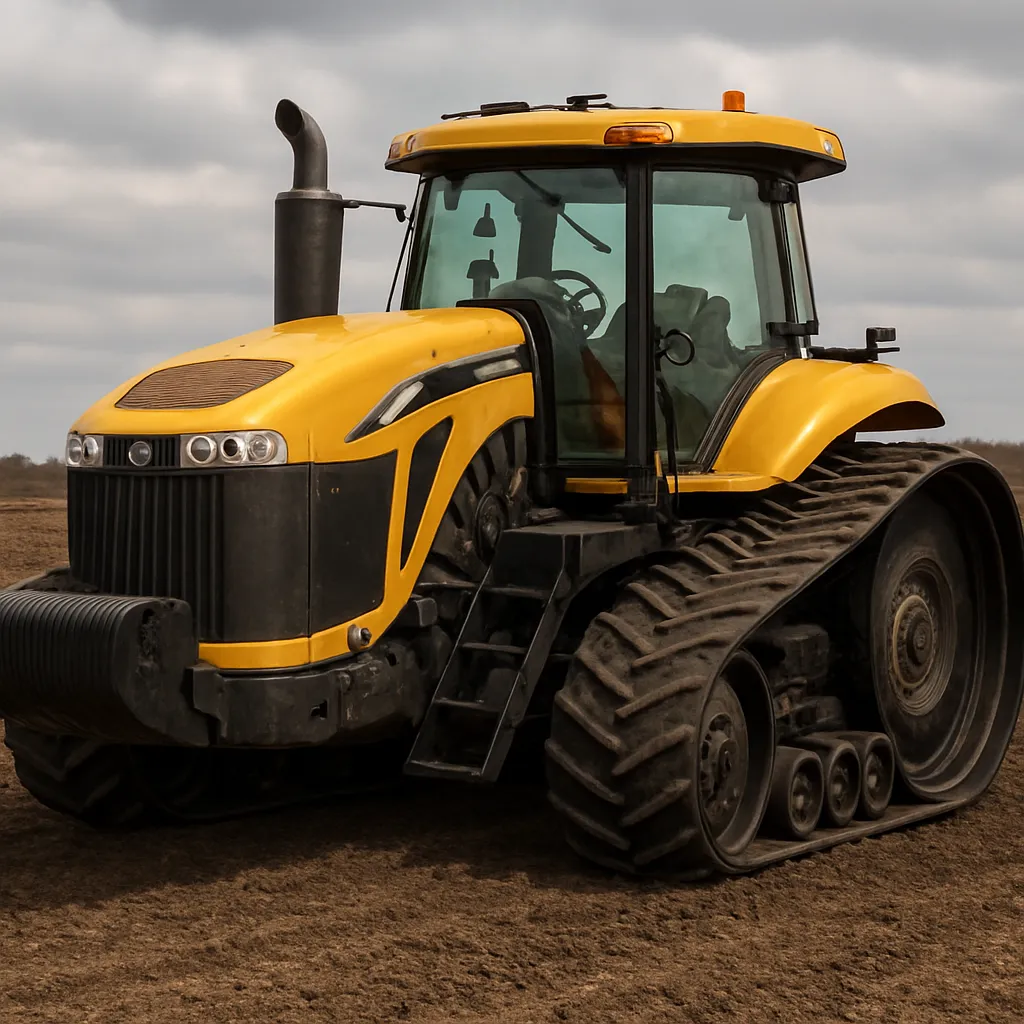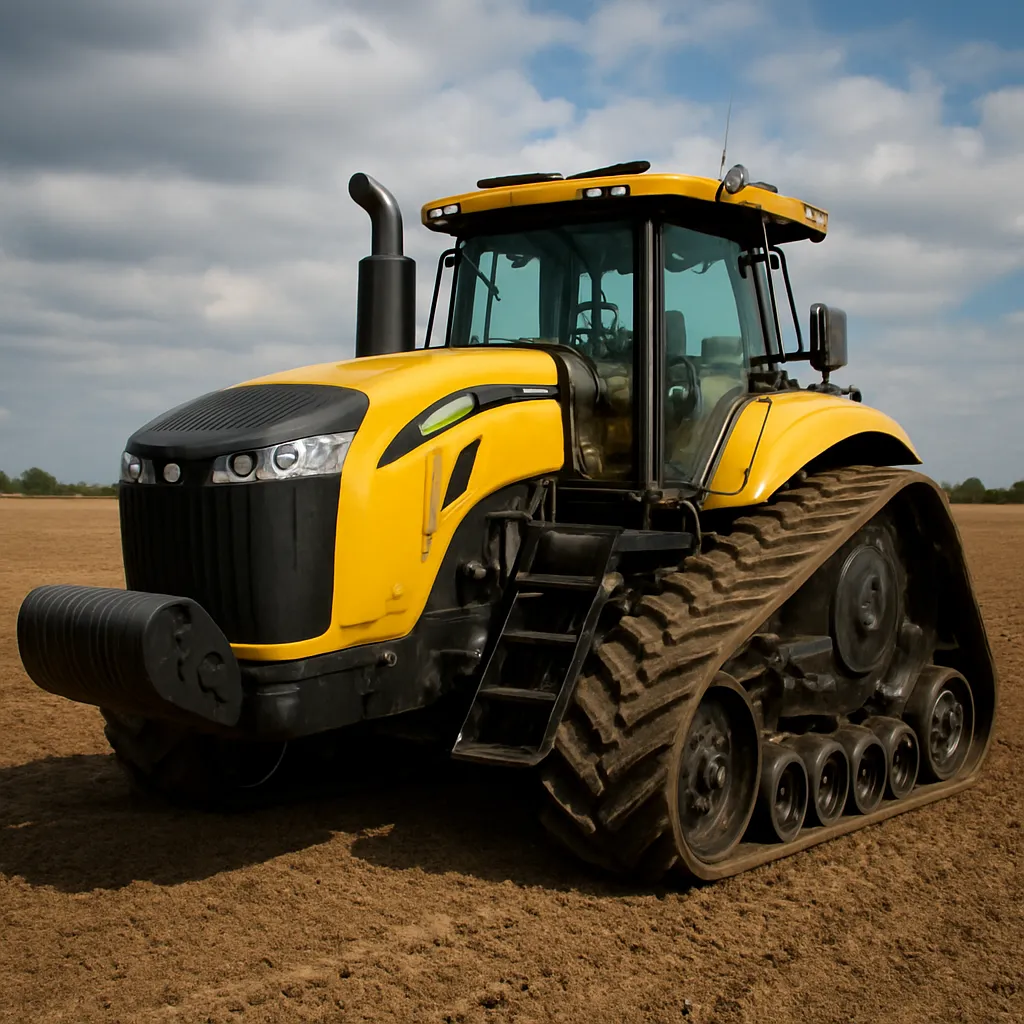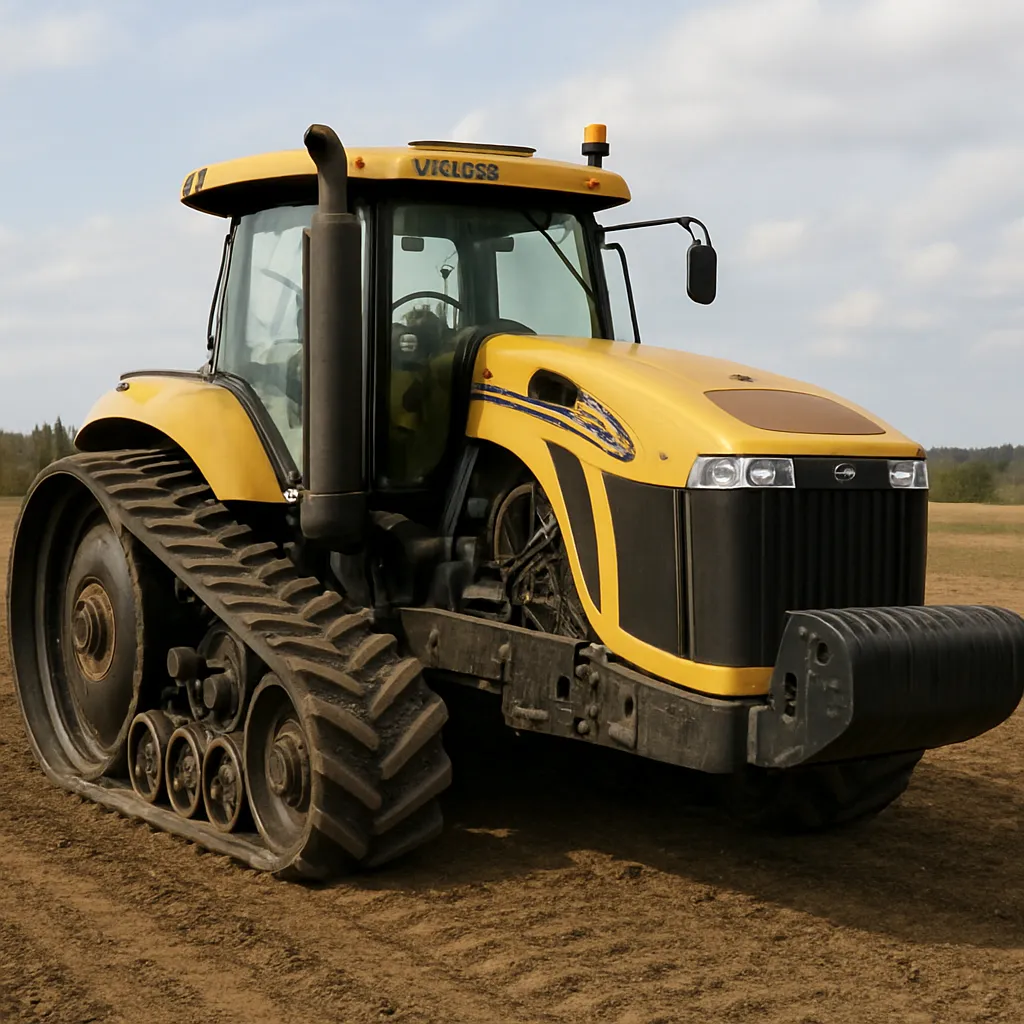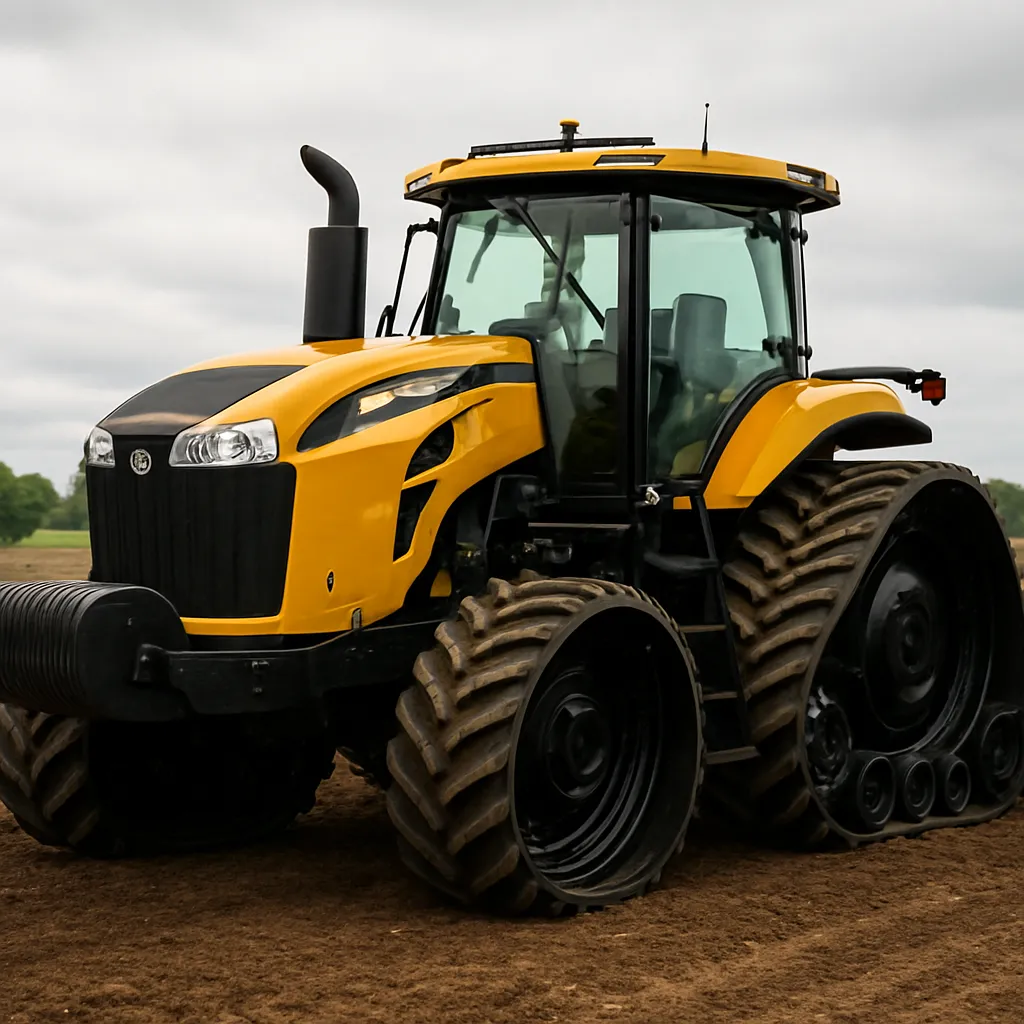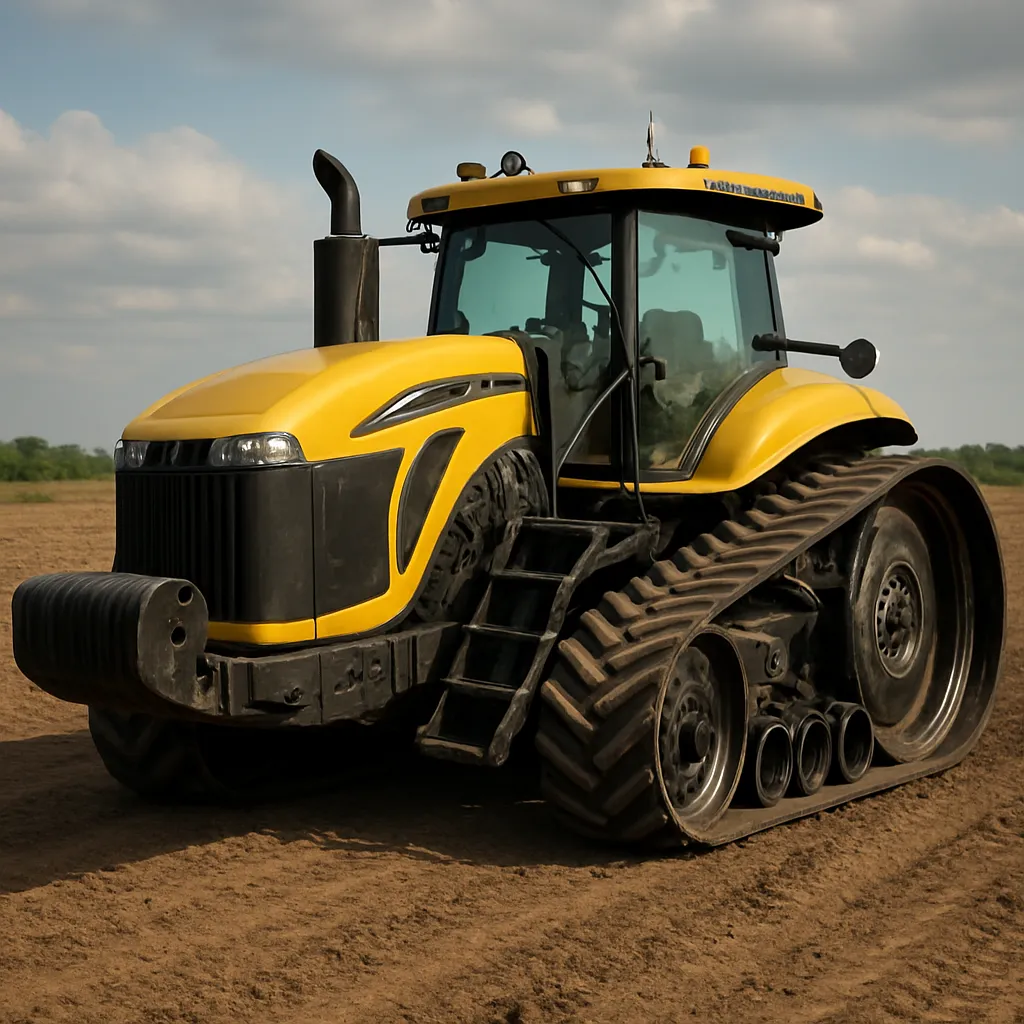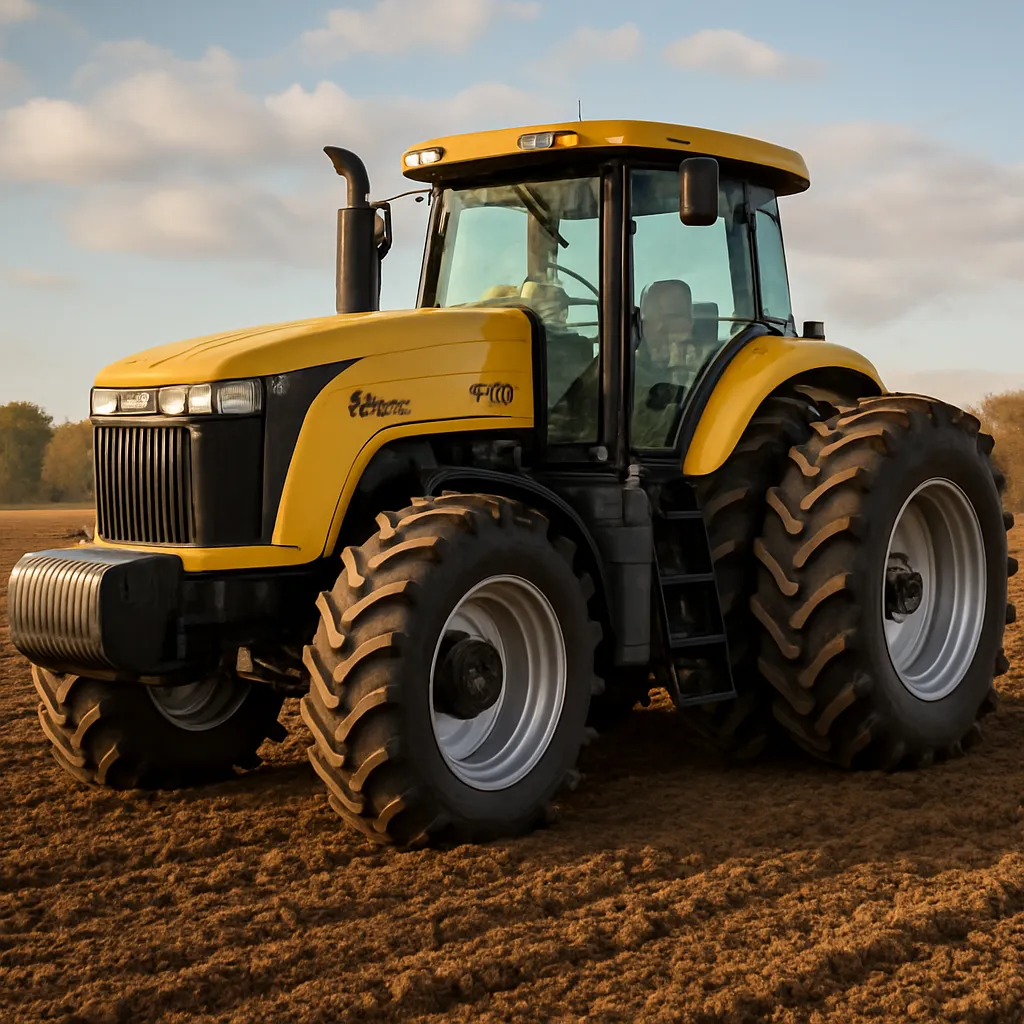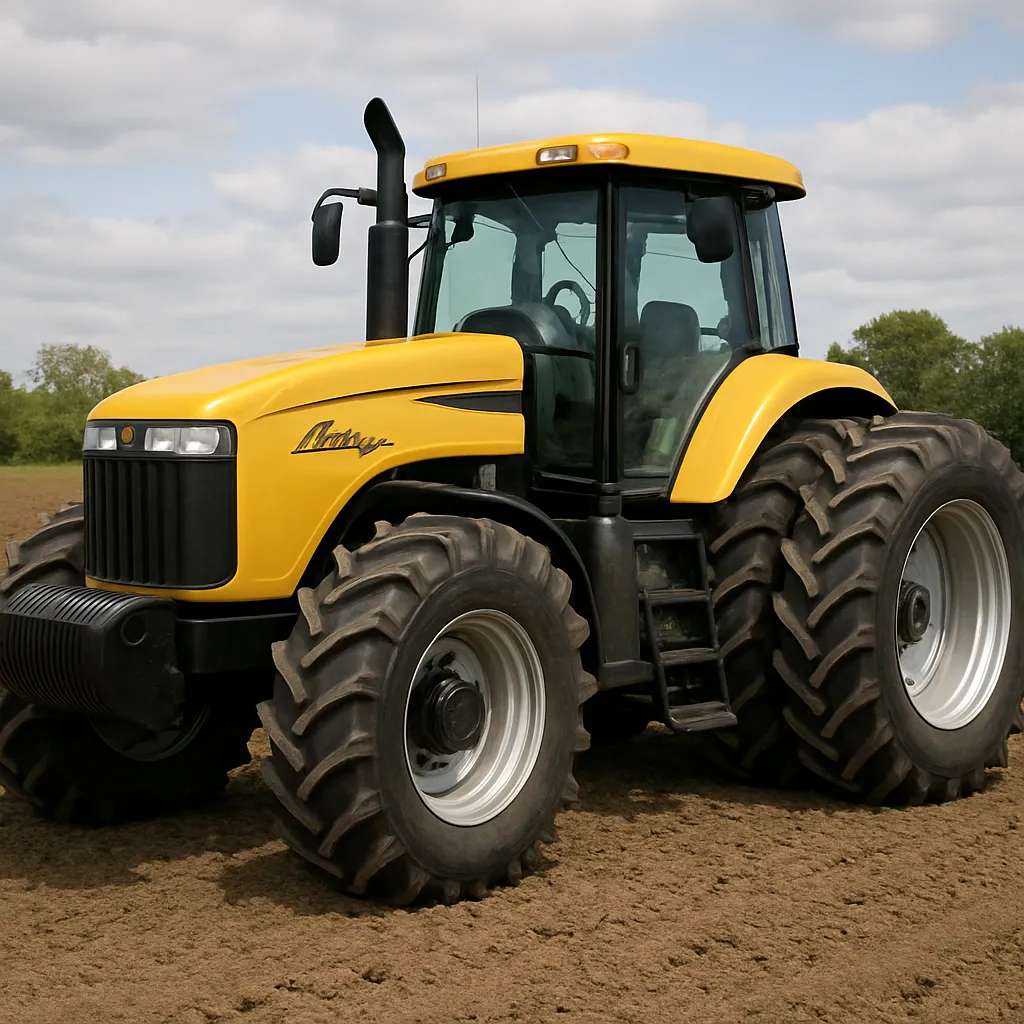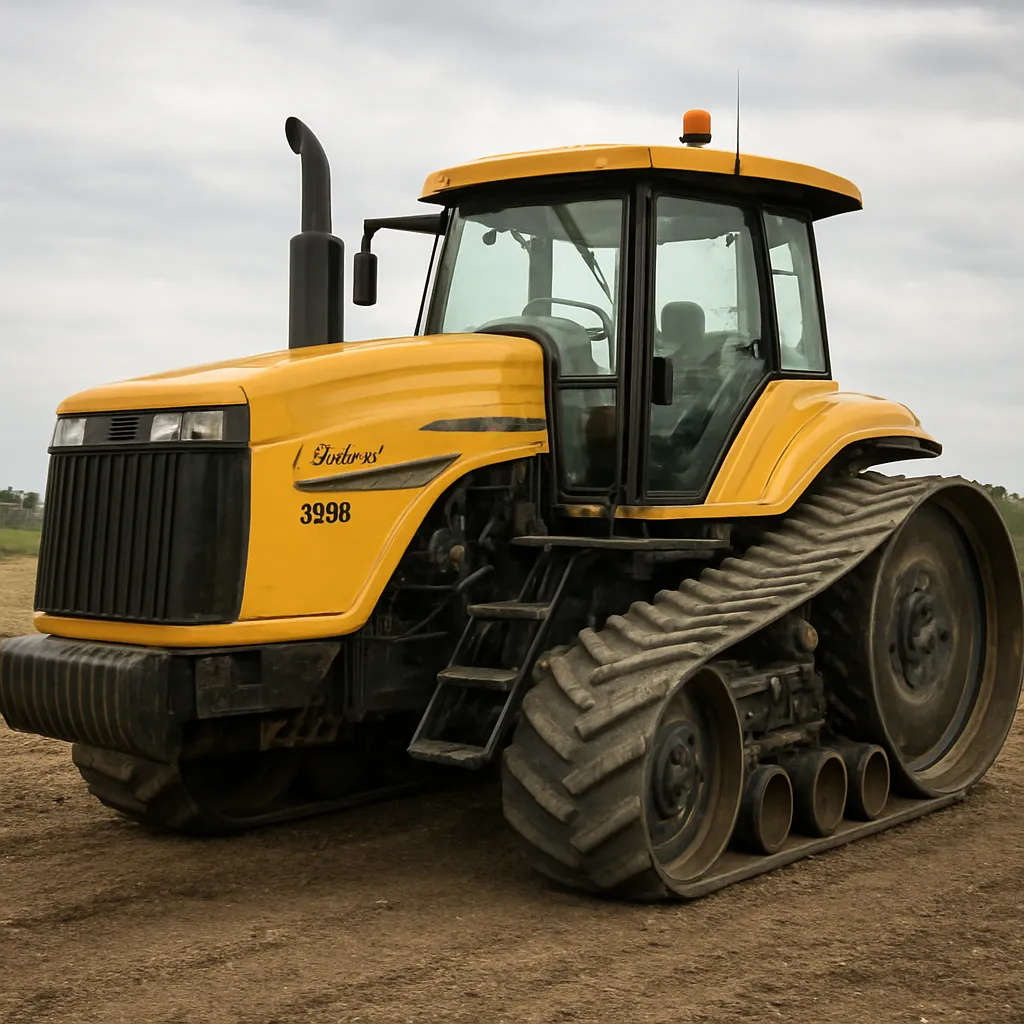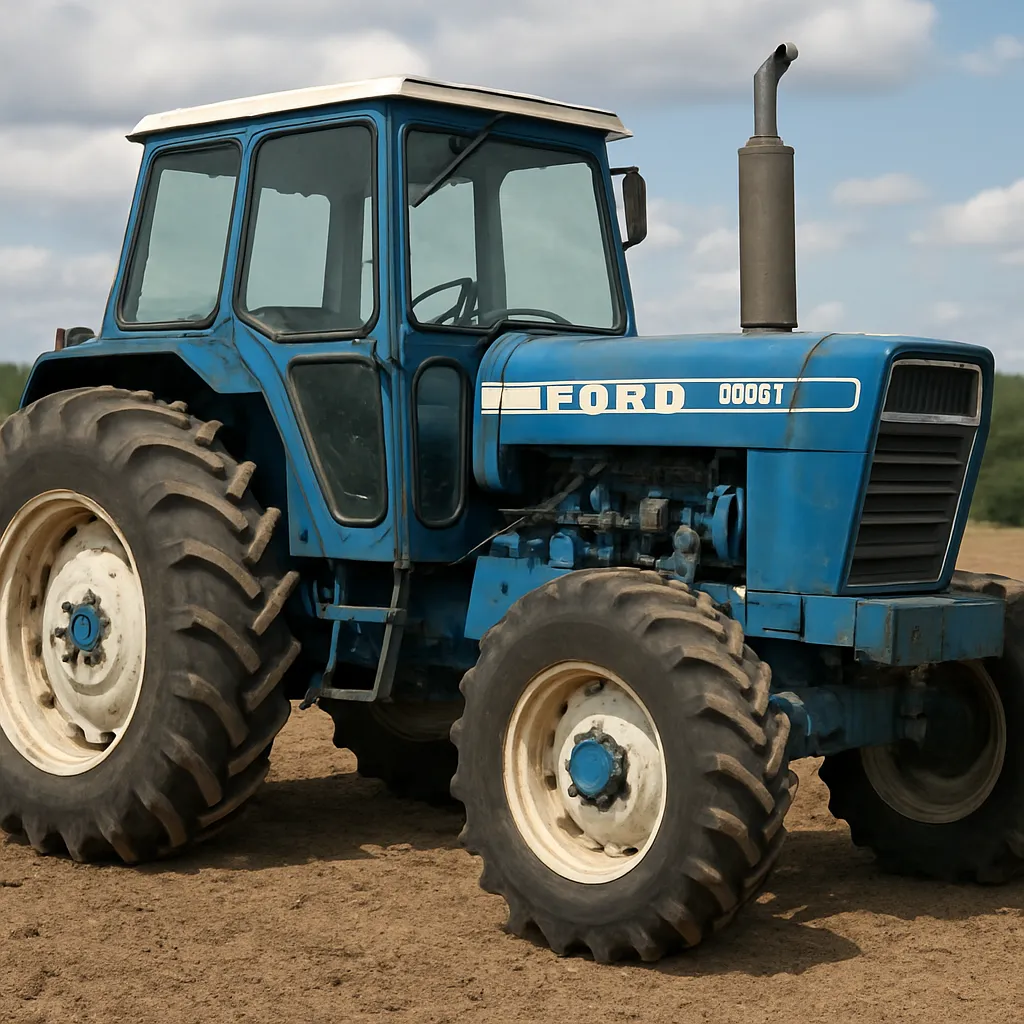
The Ford 8000 is a tractor that has earned a lasting place in the memory of farmers, contractors and enthusiasts for its balanced mix of power, simplicity and adaptability. Although not the flashiest or the newest model on the block, this machine represents a class of durable, utilitarian tractors that have been used for a wide variety of tasks — from fieldwork to hauling and light construction. In the following sections, we explore the technical characteristics, typical applications, operational considerations, maintenance realities and the broader significance of the Ford 8000 in agricultural and rural settings.
Design and technical characteristics
General construction and chassis
The Ford 8000 was designed with a focus on a robust, straightforward build that balances strength with serviceability. Its frame and axle layout reflect the needs of row-crop and general-purpose agricultural work: a rigid front axle on many versions, optional four-wheel drive on some configurations, and a durable three-point hitch at the rear. The ergonomics of the operator station emphasize visibility and simple, intuitive control placement. The robust steel construction and relatively uncluttered engine bay make routine servicing and long-term ownership easier for small operators and mechanics.
Engine and powertrain
The powerplant in the Ford 8000 family is typically a turbocharged, water-cooled diesel engine tuned for mid-range pulling power and longevity rather than high-speed output. The design philosophy prioritizes consistent torque delivery under load — useful for plowing, pulling implements and PTO-driven equipment. Typical models in this class commonly offer a range of output suited to medium-duty work; a practical working range for tractors similar to the 8000 is often between approximately horsepower figures that meet the demands of 2–3 furrow plows and a wide variety of mounted or trailed implements.
Drive options include two-wheel drive and four-wheel drive variants; the 4WD versions add traction and stability for heavier draft work or slippery conditions. The effectiveness of the drivetrain is complemented by a transmission designed to cover a broad spectrum of field and road speeds, whether a synchronized mechanical gearbox or a power-shift unit in later or upgraded versions.
Transmission, PTO and hydraulics
Transmissions offered in tractors of this class typically include multiple forward and reverse gears to provide both low-speed, high-torque settings for field operations and higher gears for road transport. The presence of features such as a synchronized shuttle or power shuttle can significantly improve field productivity by allowing rapid direction changes without clutching.
- PTO — The power take-off (PTO) is a central feature for utility: it powers mowers, balers, augers and other implements. A standard 540 rpm PTO is common, with some tractors offering optional 1000 rpm or dual-speed PTOs to suit higher-demand implements. The reliability and ease of engagement of the PTO are important for everyday operations.
- Hydraulics — A practical three-point hitch and hydraulic system are essential. The hydraulic circuit typically supports remote valves for trailed implements, and lift capacity is tuned to the machine’s gross vehicle mass and linkage geometry. Reliable hydraulics allow efficient use of loaders, plows and mounted implements.
Dimensions, weight and operational parameters
Tractors in this segment are balanced for field stability and maneuverability. Typical weight and dimensions reflect a compromise: heavy enough for traction and implement control, but light enough to operate on smaller family farms and to avoid soil compaction where possible. Ground clearance and wheelbase are set to suit row-crop work and general terrain variability. While exact figures vary by factory configuration and regional variants, owners can expect a machine engineered for daily, practical use rather than specialized heavy-duty earthmoving.
Applications and typical uses
The versatility of the Ford 8000 makes it suitable for a wide range of tasks across agriculture, municipal services and small-scale contracting. The combination of a dependable diesel engine, adequate PTO and hydraulic capacity and a robust chassis makes the tractor a multi-role tool.
Agricultural uses
- Primary tillage: plowing, discing and cultivating for seedbed preparation.
- Secondary tillage and seedbed finishing: harrowing, rotavating and field leveling.
- Planting and seeding: pulling planters and seed drills, often using hydraulic depth control and PTO-driven seed handling equipment.
- Harvest support: powering balers, forage harvesters, and crop transport trailers via the PTO and hitch systems.
- Livestock farm tasks: feeding, bedding, manure handling with appropriate implements including front loaders and manure spreaders.
Non-agricultural and auxiliary roles
- Loader work: many owners fit front-end loaders for material handling — gravel, silage, feed and light construction duties.
- Municipal tasks: roadside mowing, snow clearing with plows and blowers, and light grading with attachments.
- Forestry and small-scale timber tasks: with protective cabs and appropriate guarding, used for skidder-like tasks and dragging logs with winches.
- Grounds maintenance and landscaping: powered implements for turf work, stump grinding, and site preparation.
Because of its adaptability, the Ford 8000 is often chosen by operators who need a single machine to handle many chores rather than several specialized tractors.
Operational performance and practical considerations
Fuel economy and running costs
Diesel engines in tractors of this size are optimized for torque and long service life, but fuel consumption varies with load, implement selection and operator technique. Typical field-use consumption should be considered in the context of power output and hours of operation; efficient matching of implements (right-size plow, correct tire pressure, appropriate gear choice) is crucial to keep fuel and operating costs manageable. The relatively simple mechanical systems on the Ford 8000 mean that many routine repairs can be accomplished by local mechanics, reducing downtime and outsourced service costs.
Operator comfort and ergonomics
While older tractors were not known for plush operator stations, the Ford 8000 offers practical visibility and layout aimed at long workdays. Seating, pedal placement, and instrument clusters are designed for clarity and durability. Cab options — from open stations to enclosed cabs with heating — affect comfort, noise levels and seasonal usability. For many users, a well-sealed cab with heating and optional air filtration transforms the tractor into a year-round tool.
Performance in varied conditions
Four-wheel drive versions of the tractor greatly enhance performance on soft, steep or muddy ground. Traction control and ballast options allow operators to tune the machine for implements and soil conditions. The balance of engine torque and transmission gearing makes the tractor useful in both low-speed draft tasks and moderate-speed transport duties.
Maintenance, common issues and longevity
Routine maintenance essentials
Like any diesel tractor, the life and dependability of a Ford 8000 are tied to disciplined maintenance:
- Regular oil and filter changes for engine, hydraulic and transmission systems.
- Fuel system upkeep: clean filters and periodic fuel tank checks to prevent contamination.
- Cooling system care: coolant level and radiator cleanliness to avoid overheating.
- PTO and linkage checks: greasing, wear inspections and verifying PTO shields and couplings.
- Tire checks and alignment to ensure traction and reduce soil compaction and wear.
Common wear points and troubleshooting
Older tractors often show predictable wear patterns. Expect to monitor and potentially replace items such as clutch assemblies, hydraulic seals, PTO splines and front axle components over the long term. Electrical systems on older units may require attention due to wire aging or corrosion. A methodical inspection schedule can uncover small issues — leaks, worn hoses, or loose fasteners — before they escalate into costly failures.
Longevity and rebuild potential
Well-maintained units can serve for many thousands of hours. The Ford 8000’s straightforward mechanical layout makes it a good candidate for mid-life overhauls or partial rebuilds. Replacement parts for core components are often available through aftermarket suppliers and salvage yards, and many agricultural workshops are familiar with the systems used in this family of tractors. The combination of mechanical simplicity and a widespread user base contributes to long service life and reasonable resale and collectible value for well-maintained examples.
Variants, market presence and collectible status
Regional variants and options
Depending on the market and production period, the tractor was available in multiple configurations: two-wheel drive or four-wheel drive, industrial or agricultural trims, different cab options and various hitch and hydraulic packages. These variations allowed the machine to be tailored to orchards, row-crop farms, livestock operations and industrial yards. Aftermarket options — loaders, cab upgrades, and specialty implements — further expanded the machine’s usefulness.
Market lifespan and resale considerations
As with many durable tractors, the resale value is influenced by hours, condition, maintenance history and regional demand. In areas with small to medium-sized farms, a well-kept Ford 8000 remains attractive to buyers who seek a dependable and affordable workhorse. Collectors and restorers often prize early, well-documented examples with original paint and intact decals, especially when they have low operating hours and documented service history.
Legacy and influence
The Ford 8000 represents an era of agricultural machinery where simplicity, repairability and multi-role capability were paramount. Its design and use patterns influenced the expectations farmers and contractors would have from subsequent mid-range tractors: durable engines, practical hydraulics, and adaptable PTO arrangements. For many owners, the memory of dependable seasons and years of service with this tractor contributes to a sentimental as well as practical value.
Choosing and owning a Ford 8000 today
What to inspect before purchase
- Service and hours record — corroborated by receipts if possible — to assess usage and maintenance history.
- Compression and smoke checks for the engine: excessive smoke or low compression readings can signal costly engine repairs.
- Transmission and clutch behavior: slipping clutches or grinding gears imply wear or misadjustment.
- Hydraulic performance: lifting ability, leaks and valve responsiveness are critical for implement use.
- Structural integrity: frame cracks, axle wear and weld repairs indicate past heavy use or stress.
Practical ownership tips
New owners should plan for a short period of preventive servicing immediately after purchase: fresh oil and filters, fuel and air filter replacements, a cooling system flush if history is unknown, and a full greasing of all points. Establishing a relationship with a local mechanic experienced with older diesel tractors will pay dividends in minimizing downtime and keeping the tractor productive. Investing in a few commonly used spare parts — belts, filters, basic seals and fuses — is a low-cost hedge against common failures in the field.
Conclusion
The Ford 8000 stands as a practical, dependable tractor well-suited to farms and operations that prize versatility, straightforward mechanics and durability. Its role across agricultural and auxiliary tasks has cemented its reputation as a capable mid-range workhorse. With attentive maintenance, reasonable expectations regarding modernization and upgrades when needed, owners can continue to rely on this type of tractor for many seasons. The enduring presence of machines like the Ford 8000 in the countryside is a testament to engineering that prioritized function and repairability — qualities that remain highly valued by farmers and operators worldwide.