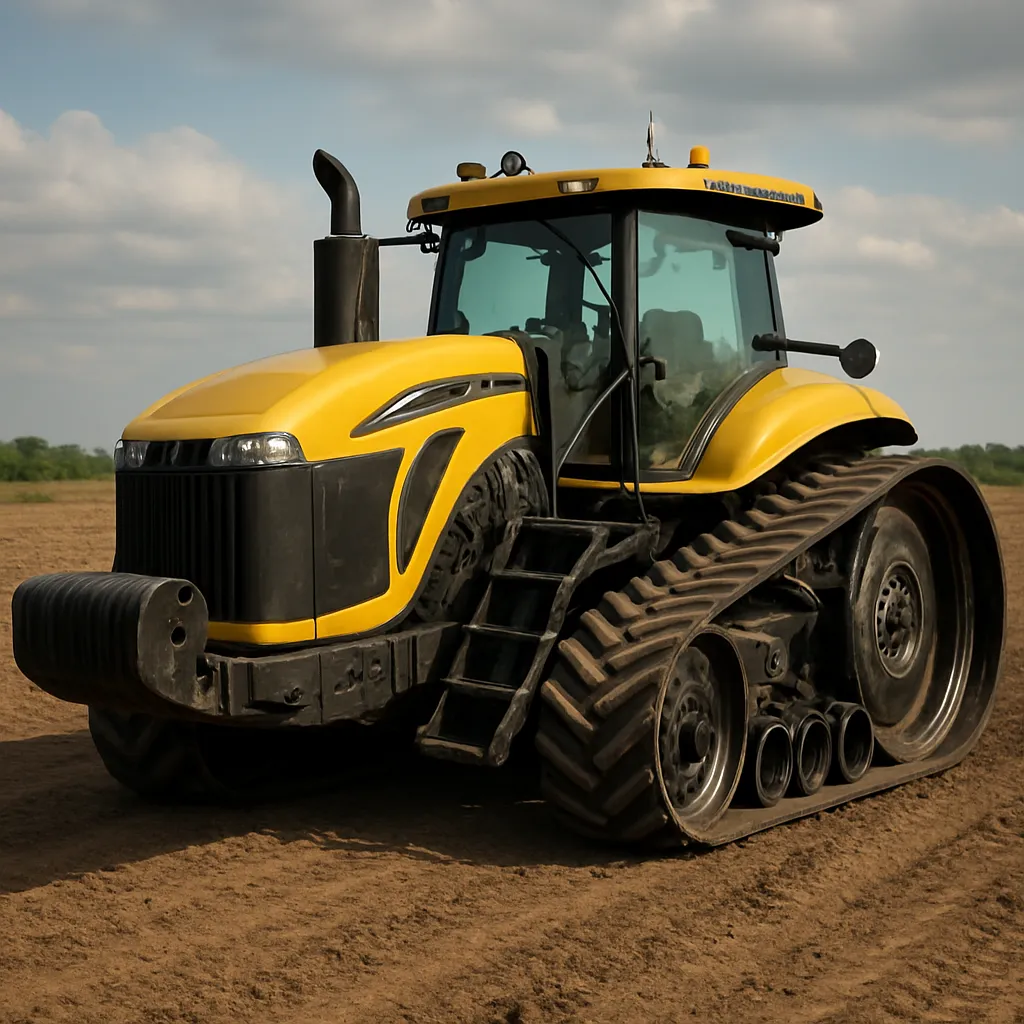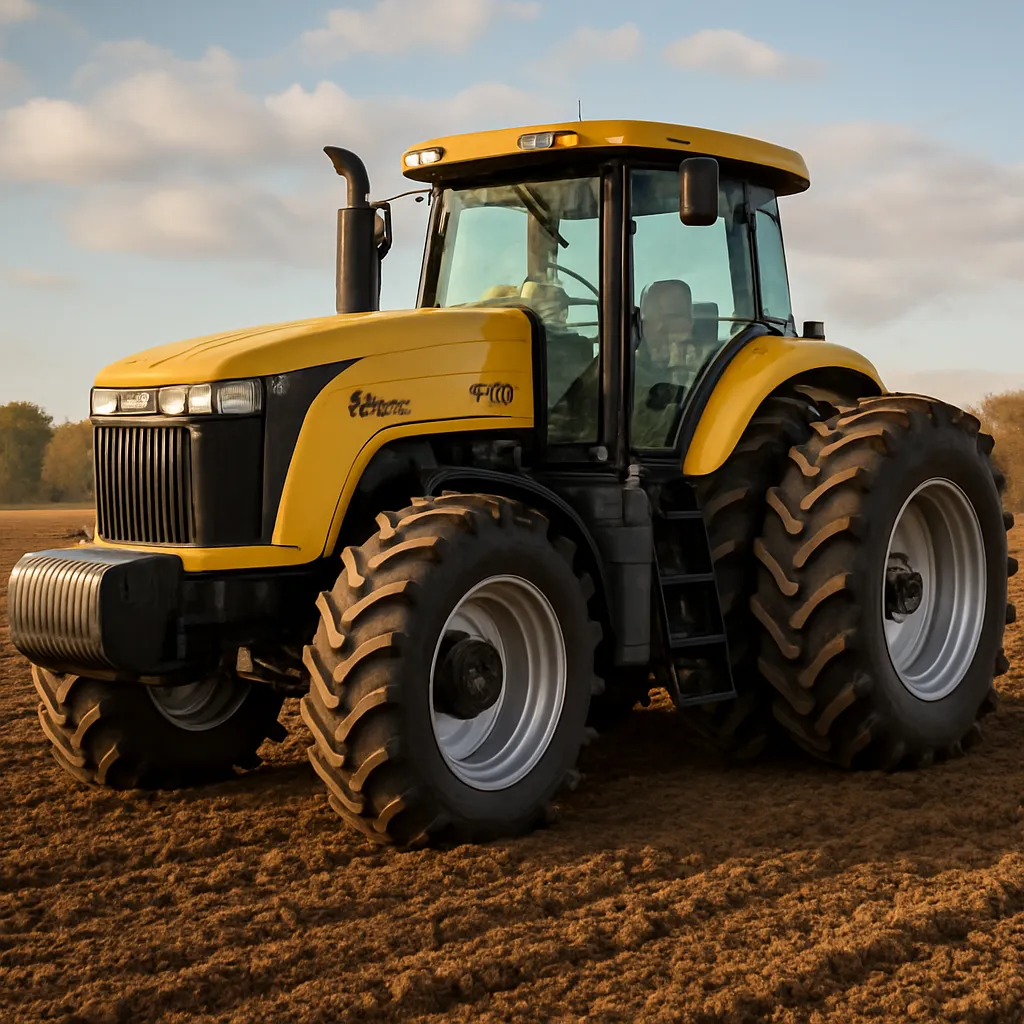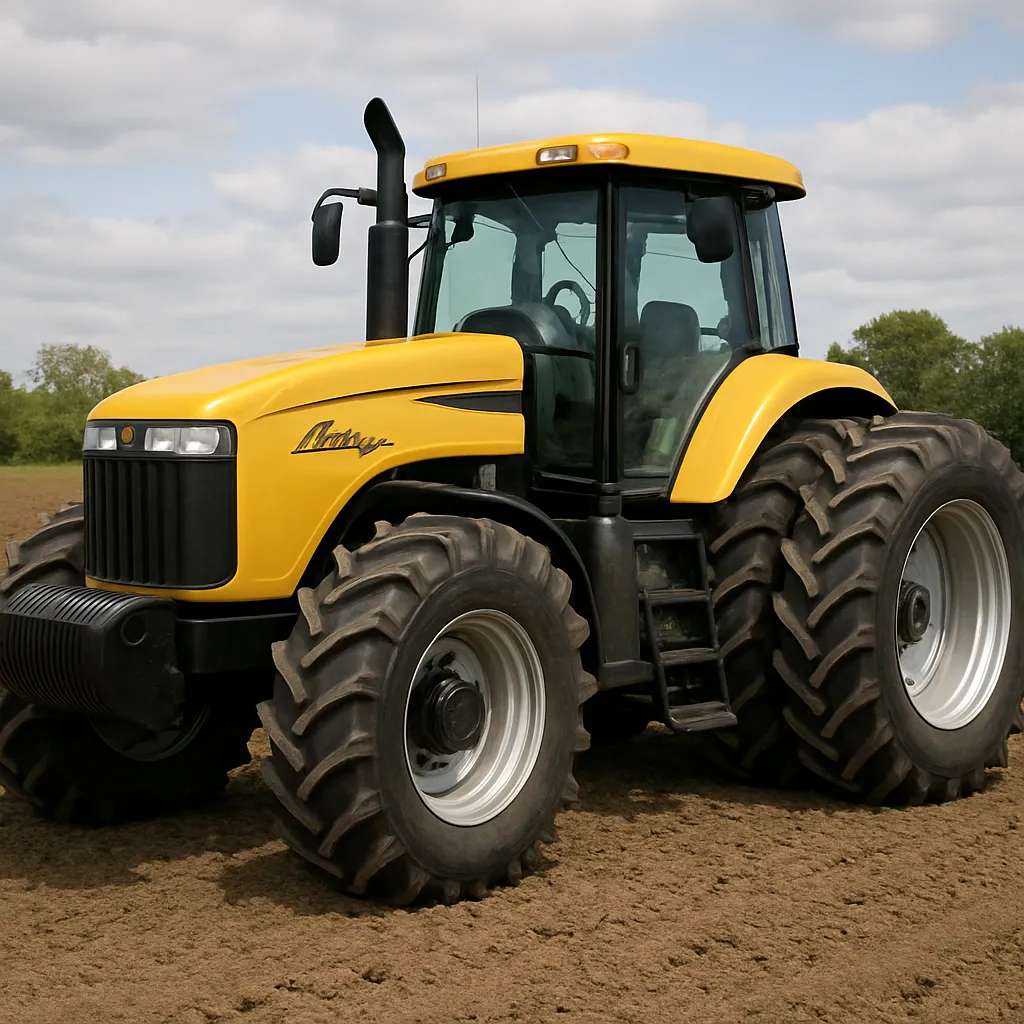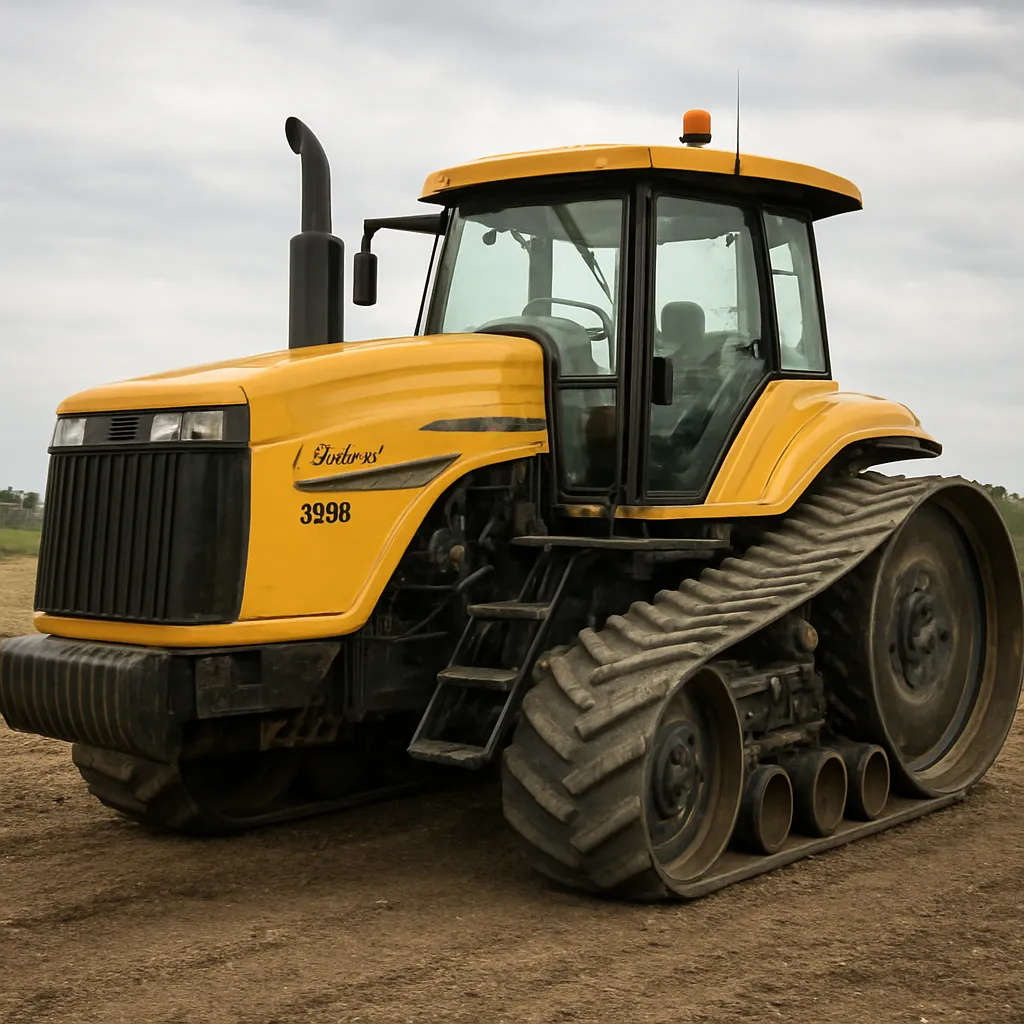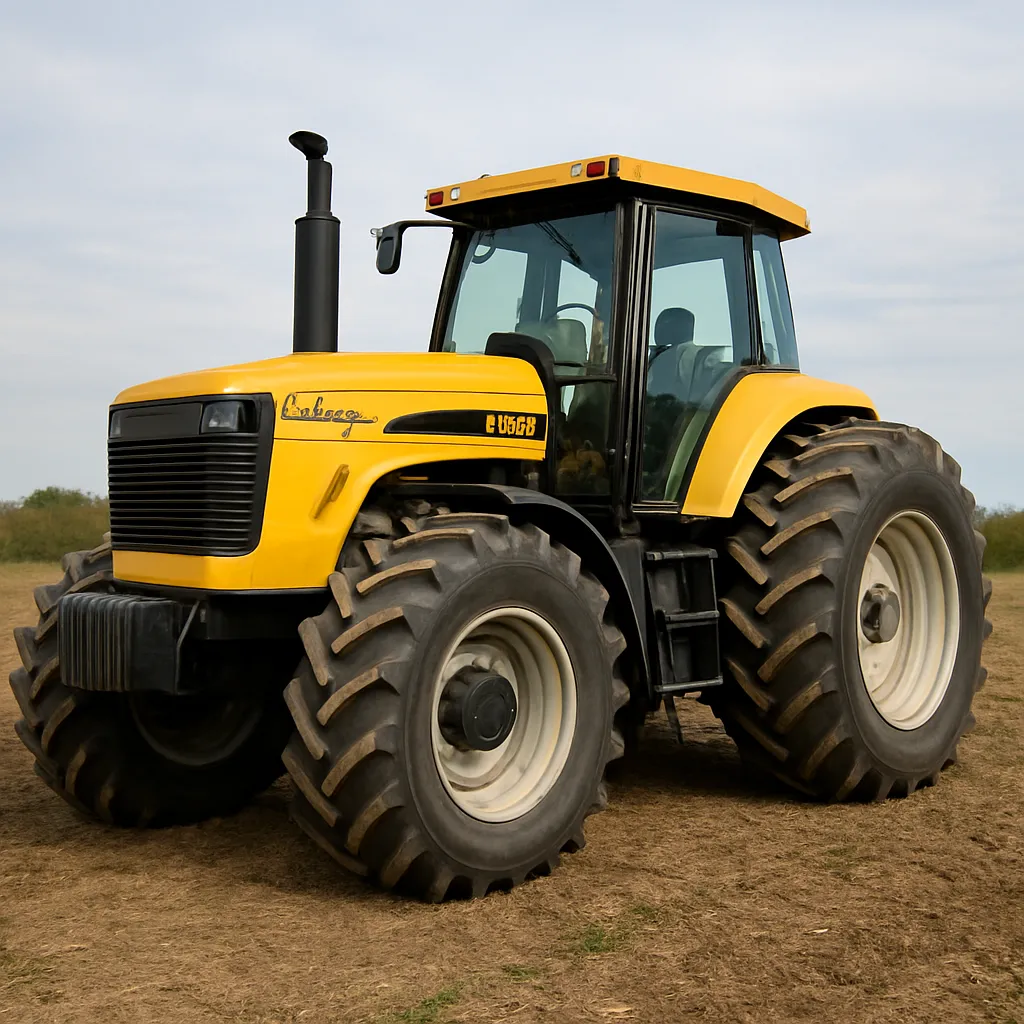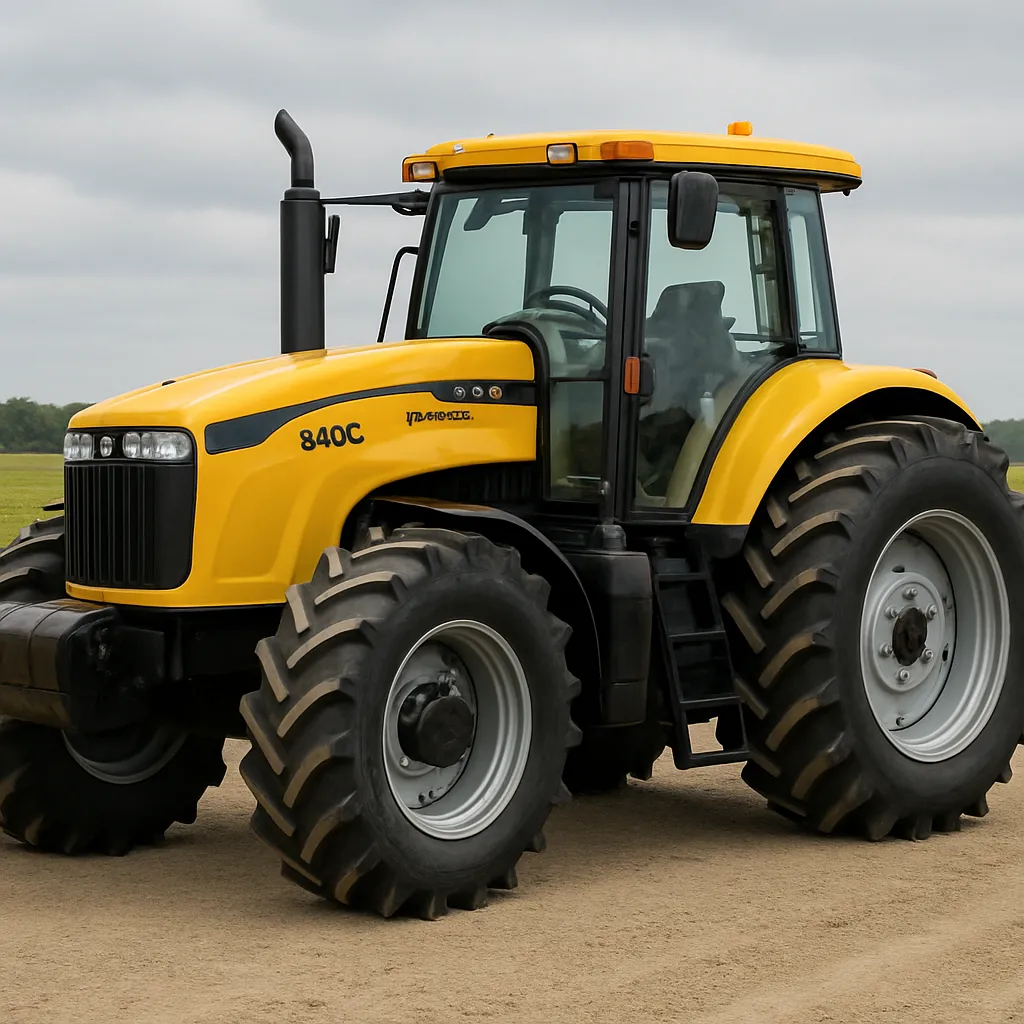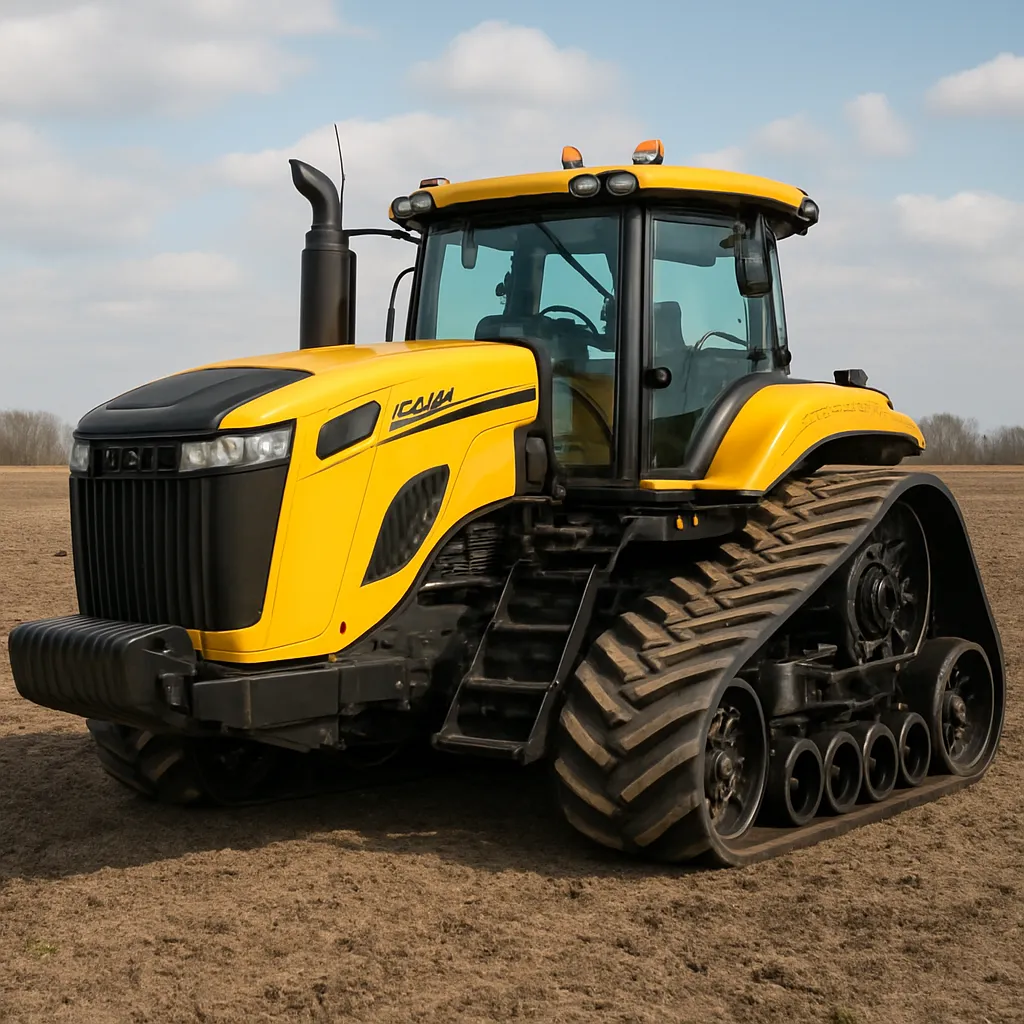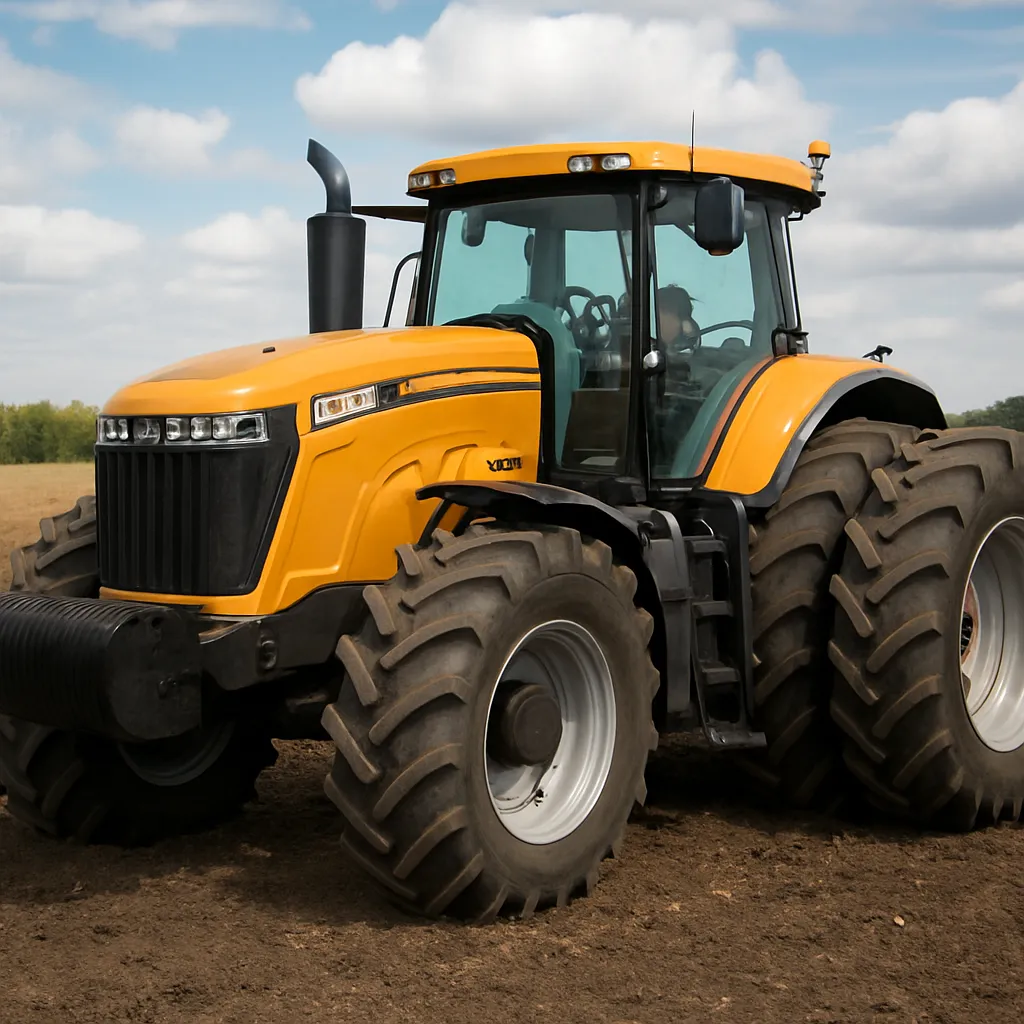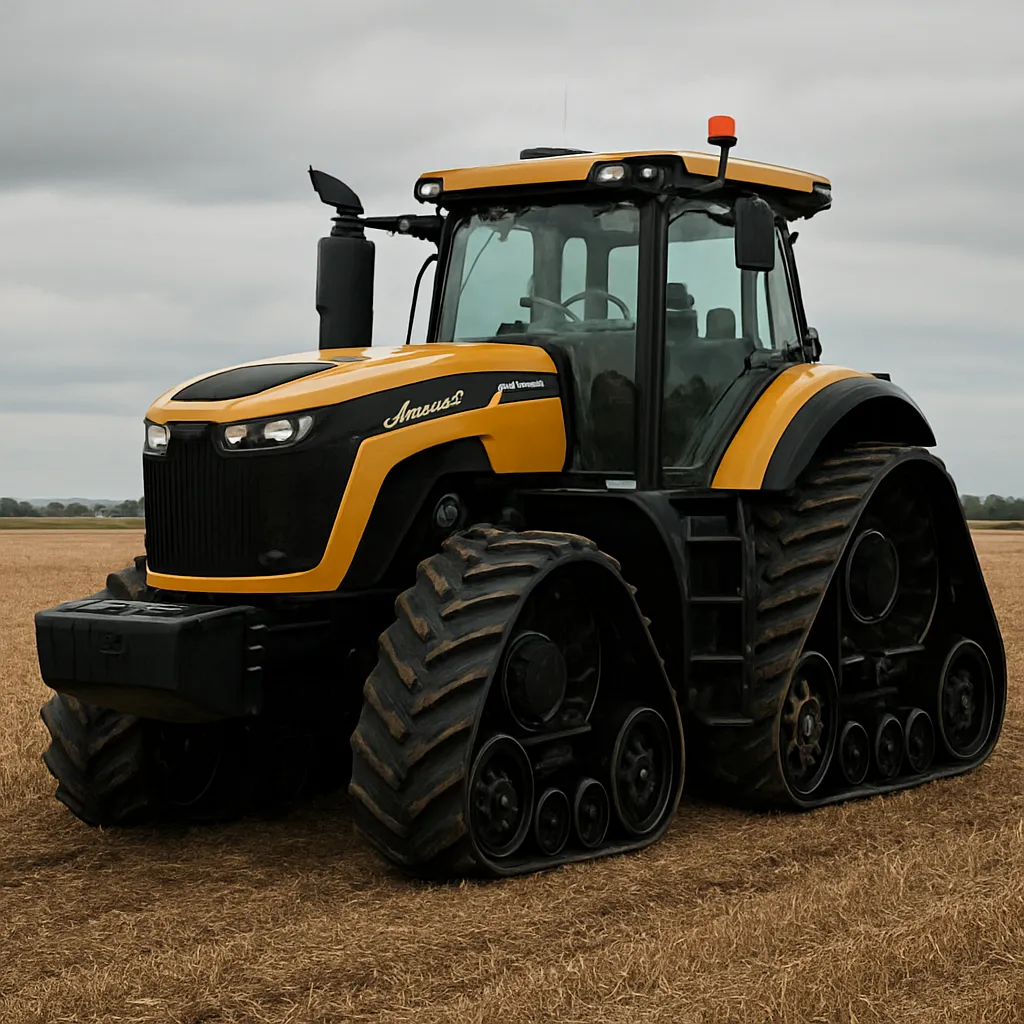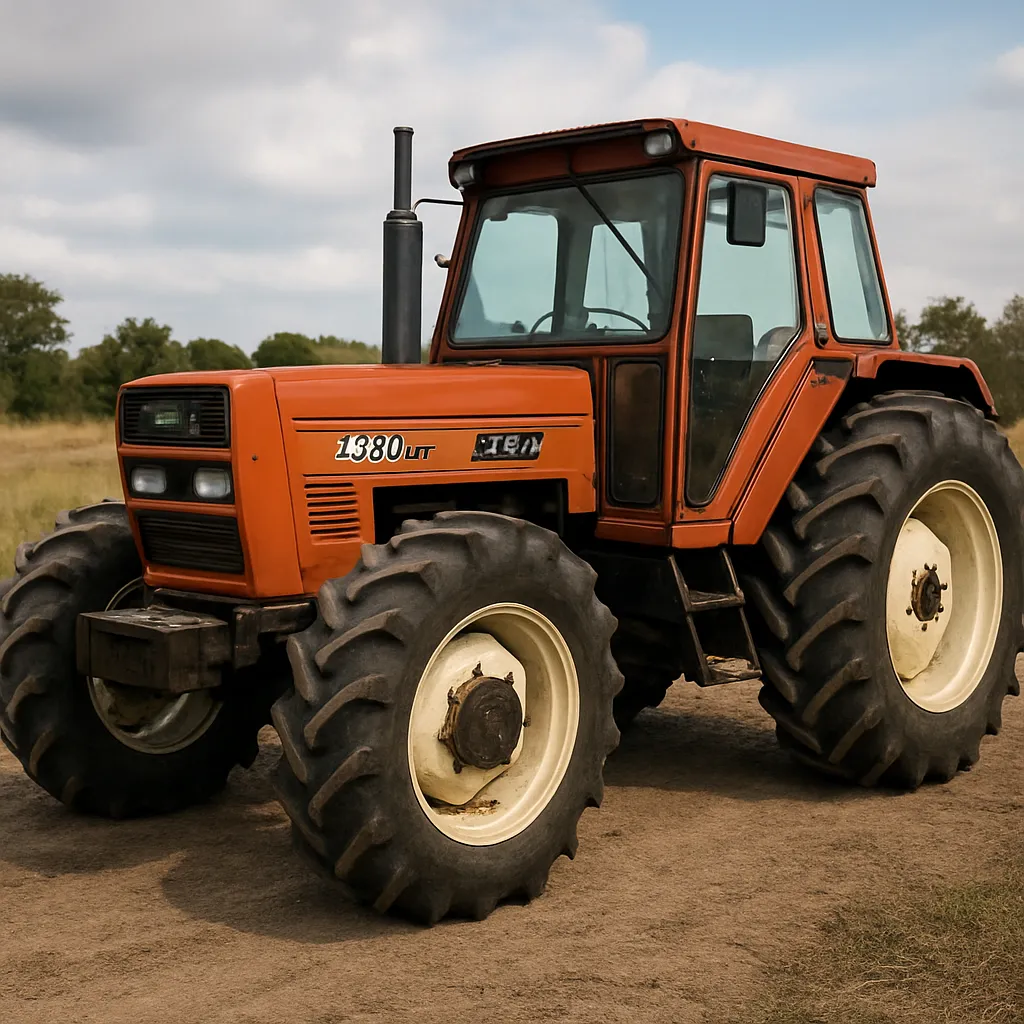
The Fiat 1880 DT is a classic agricultural tractor model that has attracted attention from farmers, collectors and machinery enthusiasts for its practical design and robust performance. In this article we explore the machine’s background, technical characteristics, typical applications on the farm and beyond, maintenance concerns, and the reasons it remains valued decades after its introduction. The following sections offer a balanced mix of historical context, practical data, and useful insights for owners and potential buyers.
Origins, Manufacturer and Historical Context
The Fiat 1880 DT was produced by Fiat Trattori, a division of the Italian industrial group that played a major role in European agricultural mechanization. Fiat Trattori became known for combining simple, serviceable engineering with competitive economies of scale, making their tractors accessible to small and medium-sized farms across Europe, North Africa and parts of South America.
Although specific production years and exact serial ranges vary by market, the Fiat 1880 DT is typically associated with the late 1970s through the 1980s, a period when Fiat expanded its lineup with models aimed at bridging the gap between compact utility tractors and larger field tractors. The suffix DT commonly denotes a version equipped with some form of dual traction or driven-axle option—practical for mixed-field and four-wheel drive-like duties—although nomenclature could vary by region.
In the broader historical picture, this era saw rising demand for tractors that could handle both tillage and loader duties, and the 1880 DT fit that niche by delivering a balance of power, reliability and ease of maintenance. Its popularity was sustained by parts availability through Fiat’s dealer networks and by the modular nature of many Fiat components, which facilitated repairs even in remote locations.
Design and Technical Characteristics
The Fiat 1880 DT represents a pragmatic design philosophy: practical ergonomics, straightforward mechanical systems, and components that prioritize durability. Below are the common technical highlights and design elements you are likely to encounter when examining a 1880 DT.
Engine and Performance
- Engine type: typically a naturally aspirated diesel engine with an inline-4 layout. This configuration balances simplicity, fuel efficiency and torque delivery for field work.
- Power range: many examples of the model class are rated in the range of 80–100 horsepower (roughly 60–75 kW). Exact power output can vary depending on market and year.
- Torque characteristics: diesel tuning favors strong low-end torque to help with pulling implements and loader tasks. Peak torque is commonly available at modest rpms to preserve fuel economy and reduce stress on transmissions.
- Displacement and fuel system: displacements in this class typically range between about 4.0 and 5.5 liters, with direct or indirect injection systems depending on the specific engine variant and emissions regulations at the time.
Transmission and Drivetrain
- Transmission: the 1880 DT often features a multi-speed gearbox with multiple ranges; synchronized options make shuttle changes easier for loader operators. Gear counts commonly fall in the 8–16 forward range with 2–4 reverse gears depending on whether creeper or range-extension options were fitted.
- Drivetrain: DT designation implies enhanced traction capability; many units include selectable front-wheel engagement or full-time front axle drive for improved traction in soft soils or slopes. Differential locks front and/or rear are frequently present as factory or dealer-fitted options.
- PTO: most tractors of this class provide a standardized PTO output, commonly offering 540 rpm with optional 1000 rpm capability through gearbox or pulley configurations. PTO torque is matched to the engine and transmission to drive mowers, balers, and power harrows reliably.
Hydraulics and Three-Point Hitch
- Hydraulic system: the model typically features an open-center hydraulic system with a pump capacity adequate for lifting implements and powering auxiliary functions such as front loaders and rear remote valves.
- Lift capacity: rated lift capacity at the rear linkage commonly falls in the range of 2000–3000 kg, enabling the tractor to handle heavy implements such as ploughs, seed drills, and modern balers when properly ballasted.
- Auxiliary valves: multiple rear remote hydraulic outlets are often available to operate complex implements; factory or dealer-fitted front loaders were a common pairing with spool valves and joystick controls for easy front-end operation.
Dimensions, Weights and Ergonomics
- Operational weight: depending on configuration (4WD, ballast, loader), the Fiat 1880 DT may weigh approximately 3,000–4,500 kg. Heavier configurations improve traction and stability during heavy draft work.
- Wheelbase and clearance: a moderate wheelbase provides a compromise between field stability and maneuverability in gateways or yards. Ground clearance and front axle geometry are optimized for loader clearance and implement hookups.
- Operator station: cabs or open canopy versions were offered. Cab models include basic heating and ventilation, with later examples having improved controls and better visibility for loader tasks.
Typical Applications and Use Cases
The Fiat 1880 DT was engineered for versatility. Farmers and contractors chose it because it could perform a wide range of tasks across different seasons and terrains. Below are the most common uses and why the model suited them:
Field Work and Tillage
With adequate horsepower and a robust three-point hitch, the 1880 DT is capable of medium to heavy tillage tasks. It can pull multi-furrow ploughs, harrows and seed drills on small to medium-sized farms. Good low-end torque and reliable hydraulics make depth control and implement management straightforward.
Haymaking and Forage Handling
The PTO and hydraulic services allow the tractor to run mowers, tedders, balers and forage wagons. For farmers with mixed cropping and livestock operations, the 1880 DT often served as the central power unit throughout the hay season and during winter feed preparation.
Loader Work and Yard Duties
Equipped with a front loader, the tractor becomes a versatile material handling machine—moving feed, stacking bales, shifting pallets and loading manure or silage. The combination of balanced chassis and optional synchronized shuttle transmissions makes loader work efficient and reduces operator fatigue.
Transport and Road Haulage
With the right gearing and ballast, the 1880 DT can tow trailers for crop transport, slurry tanks and utility trailers. Its comfortable operator environment and transmission gearing make short-distance road travel practical between fields, yards and local markets.
Specialist Roles: Orchard, Vineyard and Forestry
Some configurations of the model—especially lower-height or narrower variants—were adapted for orchards and vineyards, where compact width and maneuverability matter. In smaller forestry tasks, fitted with protective equipment and winches, the tractor could assist in extraction and light roadside timber handling.
Maintenance, Common Issues and Practical Advice
Longevity is one of the Fiat 1880 DT’s selling points, but like all machinery, it benefits from timely maintenance. Below are common wear points, preventive measures and practical tips for owners.
Routine Maintenance
- Oil and filters: adhere to regular engine oil and filter changes. Diesel engines of this era benefit from frequent fuel filter replacement to prevent clogging and injector wear.
- Cooling system: check coolant levels and hoses; radiators can clog with dust in arid conditions, so periodic cleaning is essential.
- Transmission and hydraulics: monitor fluid condition and levels. Contaminated hydraulic fluid accelerates wear in pumps and control valves.
- Greasing: regular greasing of joints, linkages and PTO splines preserves component life and prevents unexpected failures.
Common Issues
- Electrical wear: aging wiring harnesses, connectors and starter motors are typical failure points on older tractors. Upgrading to modern connectors or replacing brittle wiring can improve reliability.
- Hydraulic leaks: seals and hose fittings can degrade. Early detection and replacement prevent more extensive damage and environmental contamination.
- Clutch and gearbox wear: heavy loader work and frequent shuttle use will show clutch wear earlier. Reconditioning the clutch and checking gearbox synchronizers extends service life.
- Rust and corrosion: bodywork and underframe corrosion can be an issue in moist climates or where salt is used. Treating and painting exposed metal helps preserve value.
Modernizing and Upgrades
Many owners seek to modernize vintage tractors for improved safety and productivity. Typical upgrades include:
- Fitting a roll-over protection structure (ROPS) or upgrading the cab for operator safety.
- Installing more efficient LED lighting for road work and early morning tasks.
- Upgrading the hydraulic pump or adding third-line hydraulics for contemporary implements.
- Retrofitting electronic ignition or fuel-management aids where feasible and compatible with the engine.
Market Presence, Availability of Parts and Collectibility
Fiat tractors of this era retain a presence on the used market. Their value and availability depend on three major factors: mechanical condition, regional popularity and the degree of originality.
Parts and Dealer Networks
One advantage of buying a Fiat model like the 1880 DT is the relative availability of spare parts. During its lifetime, Fiat built extensive supply chains and many parts are either still available new, reproduced by aftermarket firms, or can be sourced from donor vehicles. Common replaced items include filters, gaskets, brake components, and hydraulic seals.
Collectibility
While not as sought-after as rare vintage tractors with unique styling, the 1880 DT has a following among enthusiasts who appreciate practical classic tractors. Well-preserved examples in original condition attract both collectors and working farmers who desire a reliable, non-electronic machine. Rarity in a given region can increase prices, and provenance (documents, service history) adds to sale value.
Comparisons and Position in the Market
In its market segment, the Fiat 1880 DT competed with models from manufacturers like Ford/New Holland, Massey Ferguson and John Deere. Its competitive advantages typically included a favorable price-to-performance ratio, simple mechanics for easier field repairs, and a comfortable operator station for long working days.
Strengths
- Durability: mechanical simplicity reduces points of failure.
- Versatility across crop types and tasks.
- Good parts support in many regions due to Fiat’s historical reach.
- Effective balance of power and fuel economy for mixed farms.
Limitations
- Older emission and noise standards compared to modern tractors.
- Less refined operator comforts (depending on trim) versus contemporary machines.
- Potential scarcity of some specific components depending on the local aftermarket.
Environmental and Economic Considerations
From an environmental standpoint, older diesel tractors like the Fiat 1880 DT are less efficient and more polluting than modern Tier 4 emissions-compliant machines. Owners should weigh operational costs, fuel consumption and maintenance when comparing continued use versus replacement. Economically, keeping a well-maintained 1880 DT running can be cost-effective for smaller operations where the capital cost of a new tractor is prohibitive.
Buying Guide and Inspection Checklist
If you are considering purchasing a Fiat 1880 DT—whether for work or restoration—here is a practical checklist to guide assessment:
- Service records: review maintenance history and replacement parts invoices if available.
- Engine health: look for smoke on start-up, compression condition, and oil contamination.
- Hydraulics: test lift capacity, spool valve responsiveness and leak presence.
- Transmission: check for smooth shifting, clutch engagement and unusual noises.
- Electrical system: verify lights, starter and charging system operation.
- Body and chassis: inspect for structural rust, especially on the frame and lift arms.
- Tyres and axles: check for wear, alignment and bearing play.
Preservation, Restoration and Community Resources
Owners restore and preserve Fiat 1880 DT tractors through a mixture of DIY work, specialist workshops and online communities. Clubs and forums dedicated to classic tractors are valuable resources for hard-to-find parts, manuals and peer advice. Documenting restorations and contributing parts lists helps the wider community and preserves technical knowledge for future owners.
Conclusion
The Fiat 1880 DT is a practical, robust tractor that has served a broad range of agricultural tasks effectively. Its combination of dependable diesel power, workable hydraulic capacity, and adaptable drivetrain made it a popular choice for mixed farms and contractors. For those looking to buy, restore or operate an 1880 DT, the emphasis should be on thorough inspection, careful maintenance and sensible modernization to preserve both functionality and value. Whether used for classic machinery events or everyday farm work, the 1880 DT stands as an example of pragmatic engineering that continues to be appreciated by operators and collectors alike.