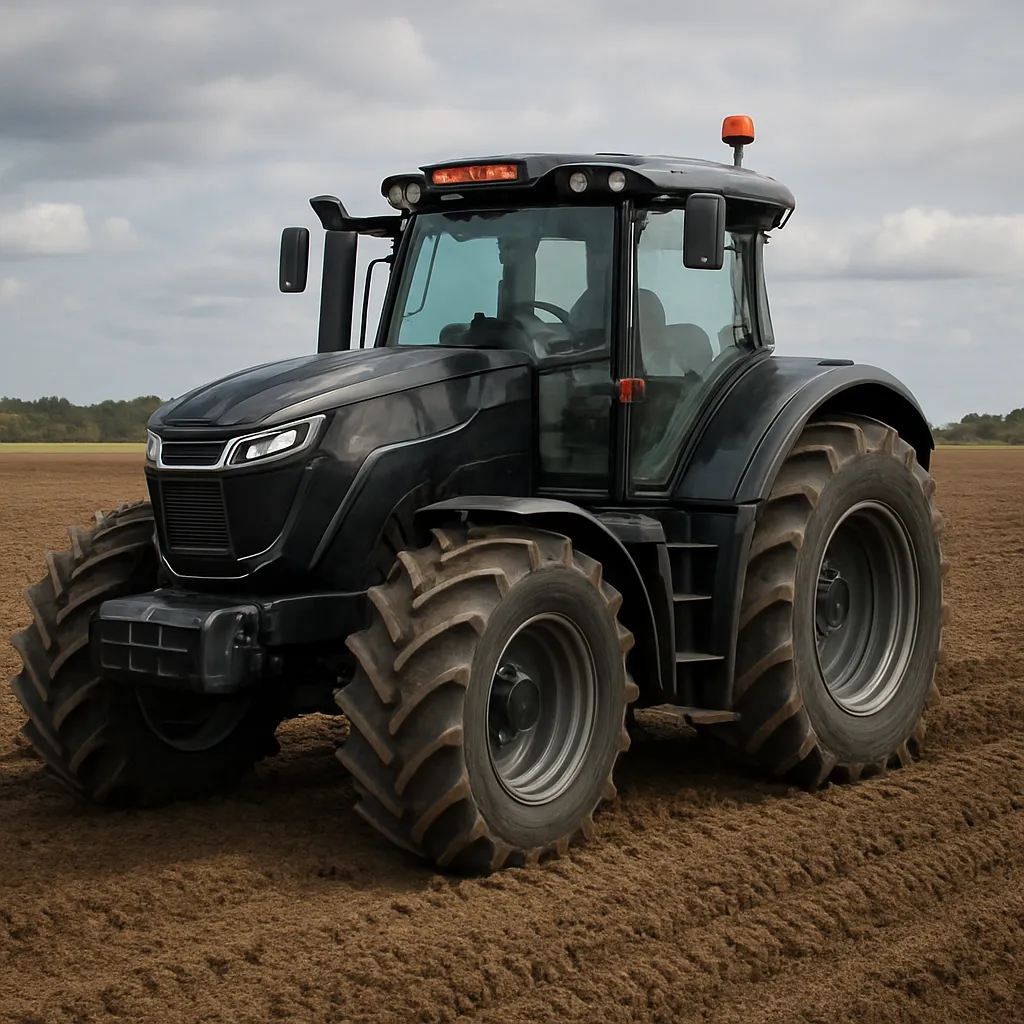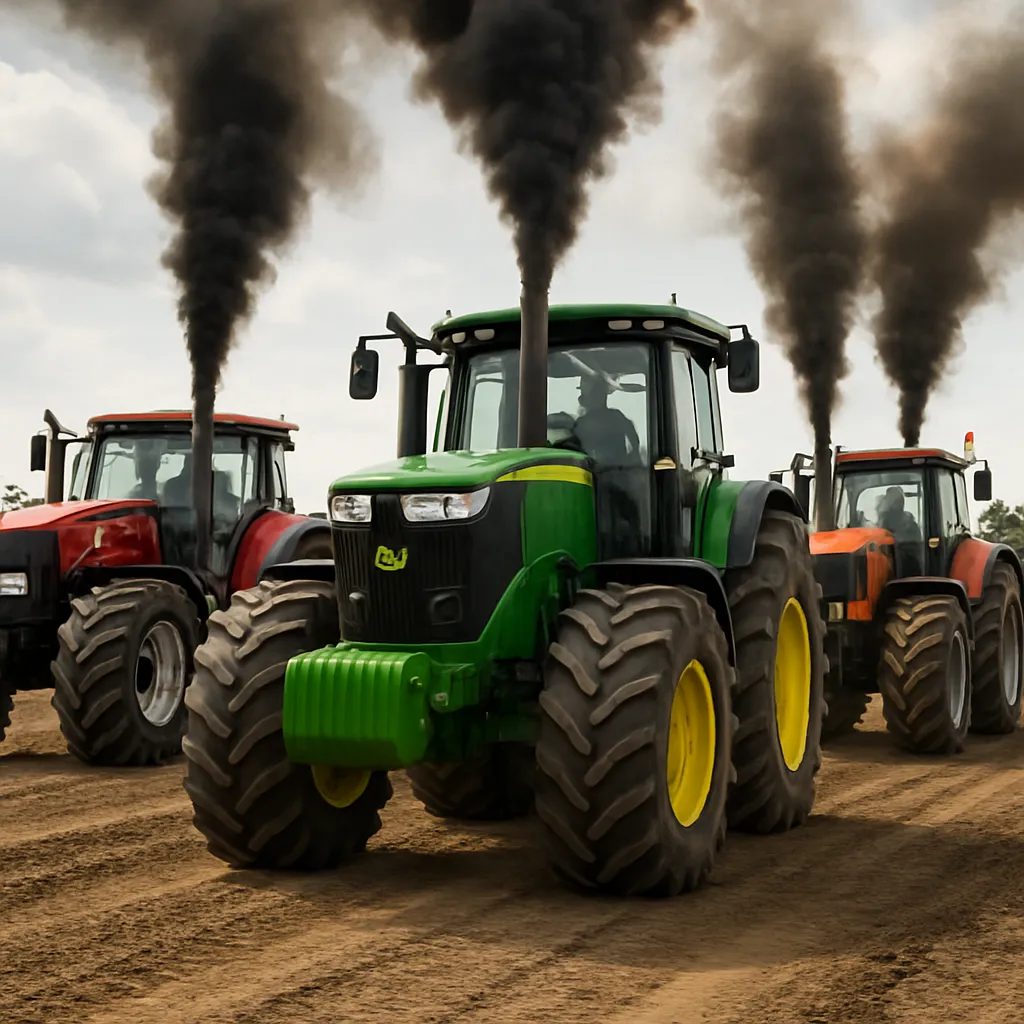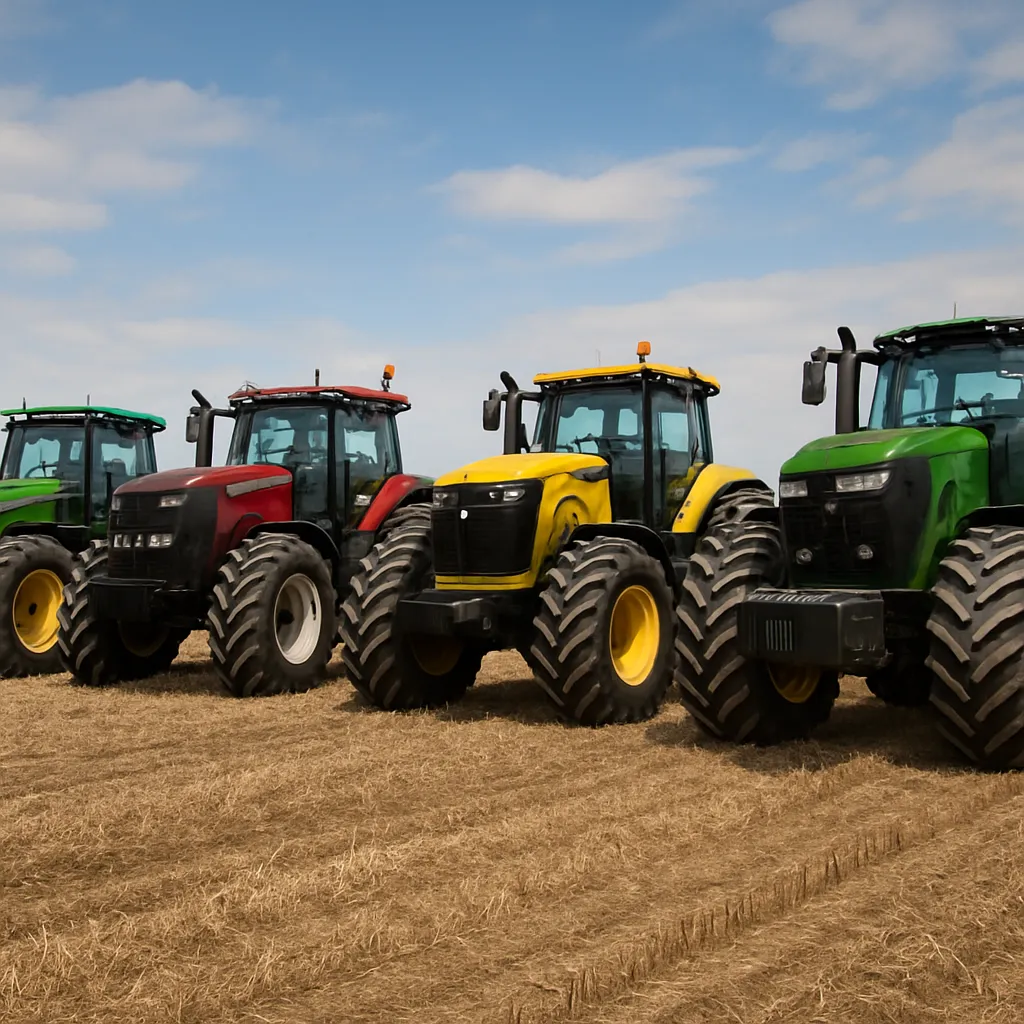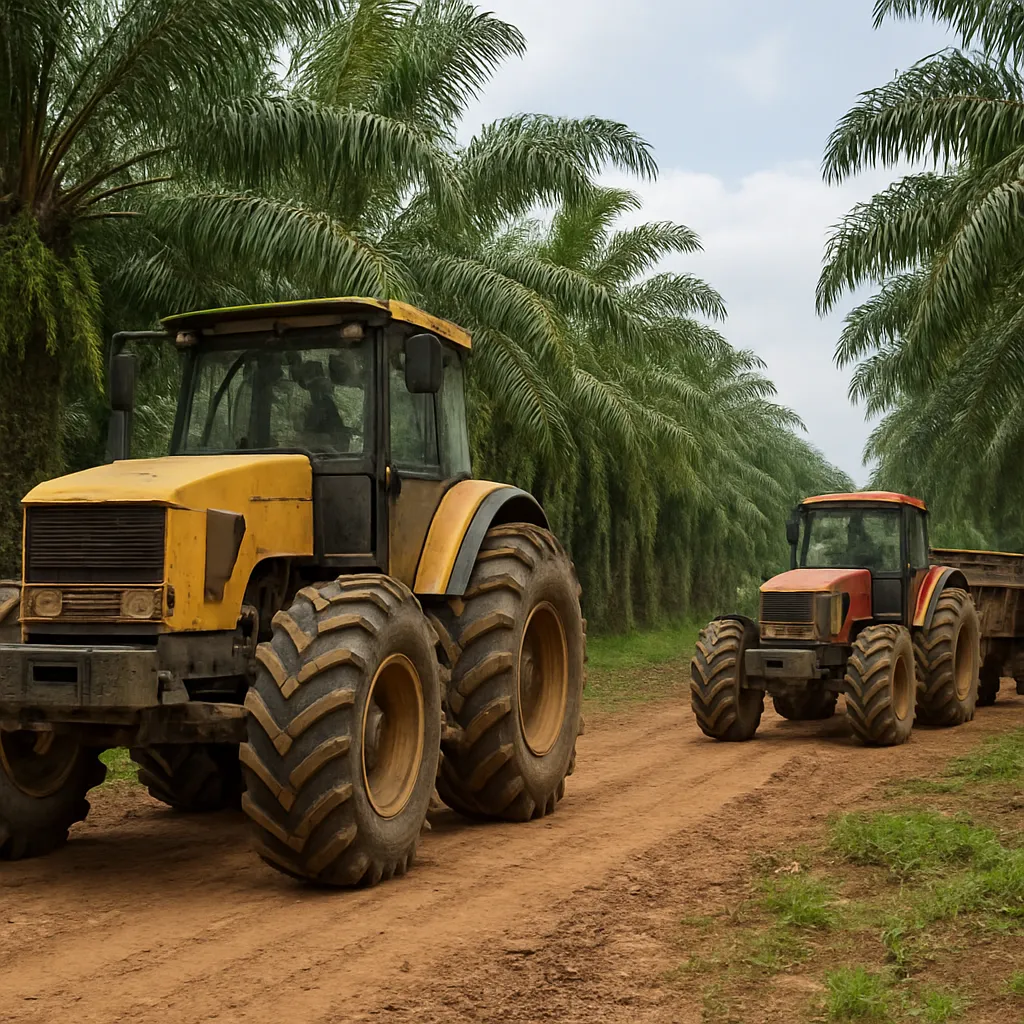
Massive agricultural machines are marvels of modern engineering, combining raw power with precision tasks that drive the global agriculture industry forward. Among these giants, super-sized tractors stand out due to their astronomical horsepower ratings and complex systems working in harmony. One crucial aspect often overlooked by casual observers is how these titans manage the tremendous heat generated during operation. This article explores the rise of the largest tractors, the unique thermal management challenges they face, and the sophisticated solutions that keep their colossal engines running cool under pressure.
The Evolution of Super-Sized Tractors
From Horsepower Milestones to Gigantic Beasts
In the early days of mechanized farming, tractors barely delivered enough power to pull a single plow. As engineering advanced, manufacturers pushed boundaries, driving output past 100 horsepower and eventually into four- and five-figure numbers. Today’s biggest models boast ratings well over 600 HP, with some concept prototypes flirting with 1,000 HP. This evolution rested on key breakthroughs:
- Turbocharging and Supercharging: Increasing air intake density for greater fuel combustion.
- Advanced Fuel Injection: Precise metering of diesel for maximum efficiency.
- High-Strength Alloys: Allowing lighter, stronger components to handle elevated pressures.
Implications for Modern Farming
These mechanical behemoths have reshaped large-scale cultivation by cutting pass counts, reducing labor costs, and covering hundreds of acres per day. Yet scaling up horsepower by several times brings an unintended side effect: heat generation skyrockets, straining vital components like radiator cores, coolant circuits, and hydraulic cooling loops.
Challenges in Heat Management
Why Heat Becomes a Critical Factor
Internal combustion engines convert only about 30 to 40 percent of fuel energy into useful power. The rest dissipates as waste heat. In modest tractors, heat rejection systems cope easily with this thermal load. However, when an engine churns out 600 HP, waste heat can exceed 500 kilowatts. Unchecked, such heat can lead to:
- Overheating and engine knock
- Degradation of lubricant oils
- Warping of critical components like cylinder heads
- Failure of seals in high-pressure systems
Furthermore, tractors often operate in dusty, dusty, and muddy fields under direct sunlight for long hours. These environmental factors foul radiator fins, impede airflow, and reduce efficiency of heat exchangers, compounding thermal risks.
Balancing Cooling Capacity and Airflow
Designers must optimize two interlinked variables:
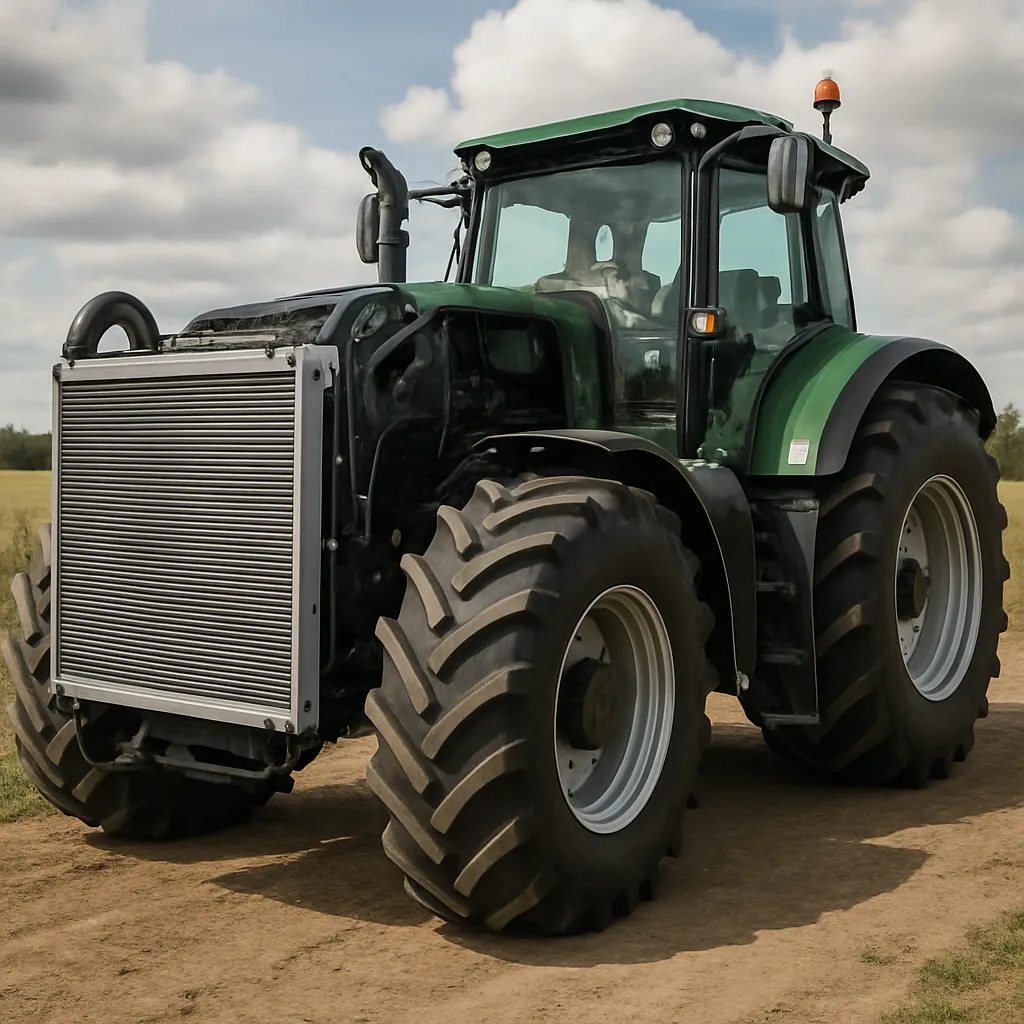
- Heat Rejection Surface Area: Larger radiators and intercoolers with more rows of tubes and fins.
- Airflow Management: Powerful fans and ducting to channel air through heat exchangers.
But bigger radiators mean increased weight and frontal area, which can hamper maneuverability and fuel economy. Overly aggressive fans draw more engine power and generate noise. The art lies in balancing adequate coolant flow and fan performance without compromising overall machine efficiency.
Engineering Solutions and Future Trends
Innovative Cooling Architectures
Manufacturers have deployed several cutting-edge approaches to tame heat in the largest tractors:
- Multi-Pass Radiator Cores: Ensuring coolant passes multiple times through the core for improved heat transfer.
- Variable-Speed Electric Fans: Adjusting RPM based on temperature, saving engine torque and reducing noise.
- Split Cooling Circuits: Dedicated loops for engine, transmission, and hydraulics, each optimized for specific temperature ranges.
- Advanced Coolants: Mixtures with corrosion inhibitors and higher boiling points for enduring extreme conditions.
Integration of Electronics and Smart Thermal Control
Modern tractors leverage electronic control units (ECUs) to monitor dozens of temperature sensors in real time. The ECU dynamically adjusts fan speed, pump output, and even auxiliary vents. Adaptive algorithms predict thermal loads based on:
- Engine throttle position and torque output
- Ambient temperature and humidity
- Operational duty cycle and ground speed
Intelligent heat exchanger bypass valves can reroute coolant when rapid warm-up is desired or when peak cooling is unnecessary, improving fuel burn and emissions compliance.
Looking Ahead: Electrification and Hybrid Systems
While diesel remains dominant, electrified drivetrains offer new thermal challenges and opportunities. In hybrid tractors, battery packs and electric motors generate heat but can also recuperate waste warmth for cabin heating or pre-warming the diesel engine. Emerging liquid-cooled battery systems demand high-precision thermal management to maximize cell life and performance. The next generation of super-tractors may rely on integrated cooling loops that serve both traditional engines and electrified components, further complicating—but also optimizing—the overall heat rejection network.
Materials and Surface Treatments
Advances in metallurgy and coatings enhance the durability and conductivity of cooling system parts. Copper-aluminum composites, ceramic coatings for hot spots, and self-cleaning hydrophobic fins keep cooling surfaces free of mud and debris. These innovations improve heat transfer rates and prolong maintenance intervals during peak planting and harvest seasons.
Environmental and Sustainability Considerations
Maximizing coolant efficiency not only safeguards engine longevity but also reduces fuel consumption and emissions. Lower operating temperatures enable cleaner combustion, cutting particulate matter and NOx formation. As global regulations tighten, robust thermal management becomes a pivotal factor in meeting environmental targets without sacrificing the immense power demands of large-scale cultivation.