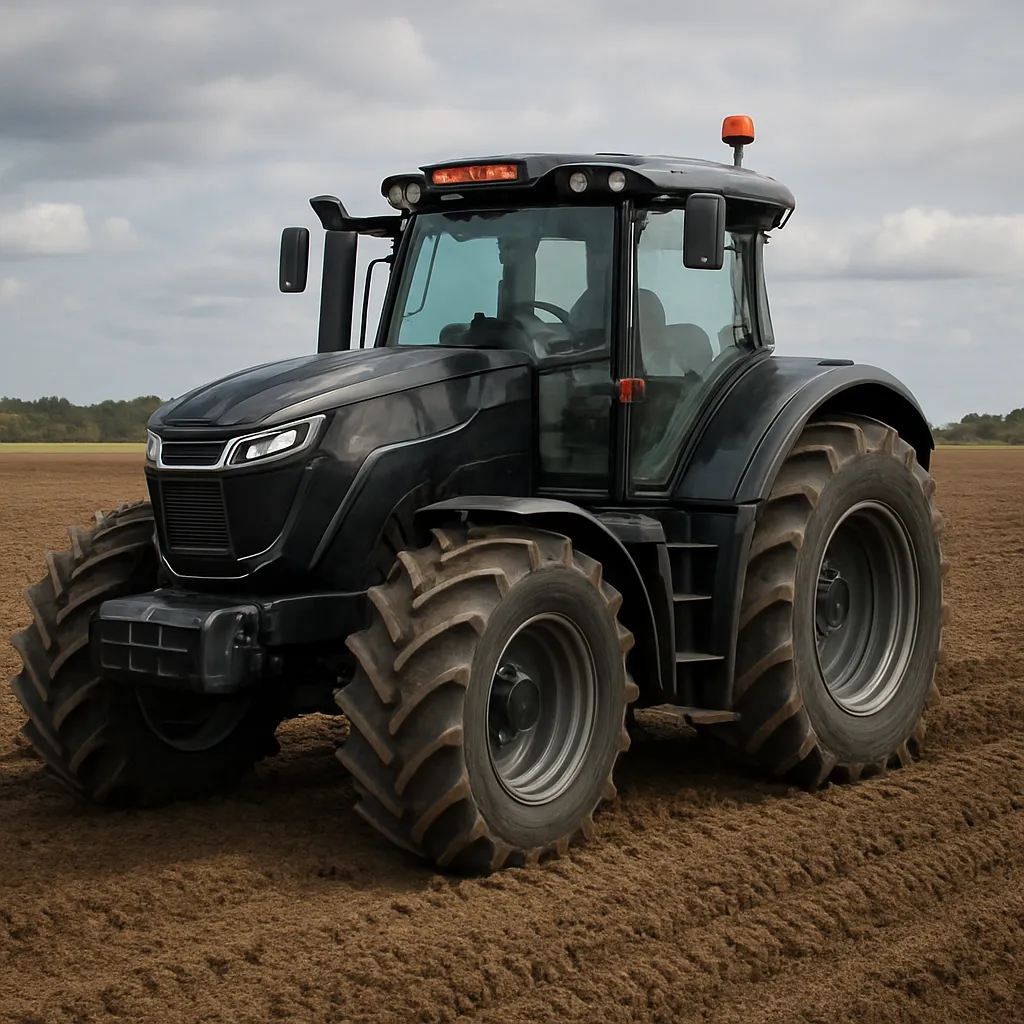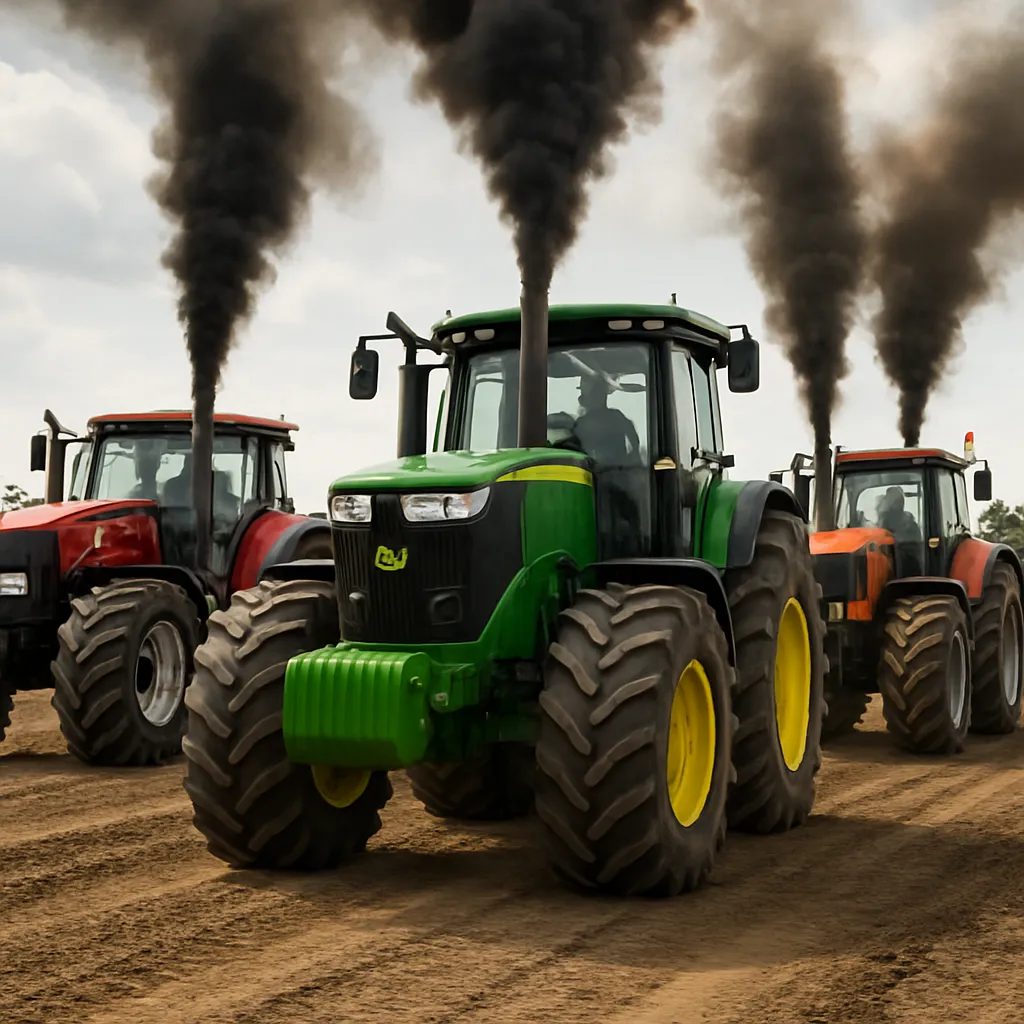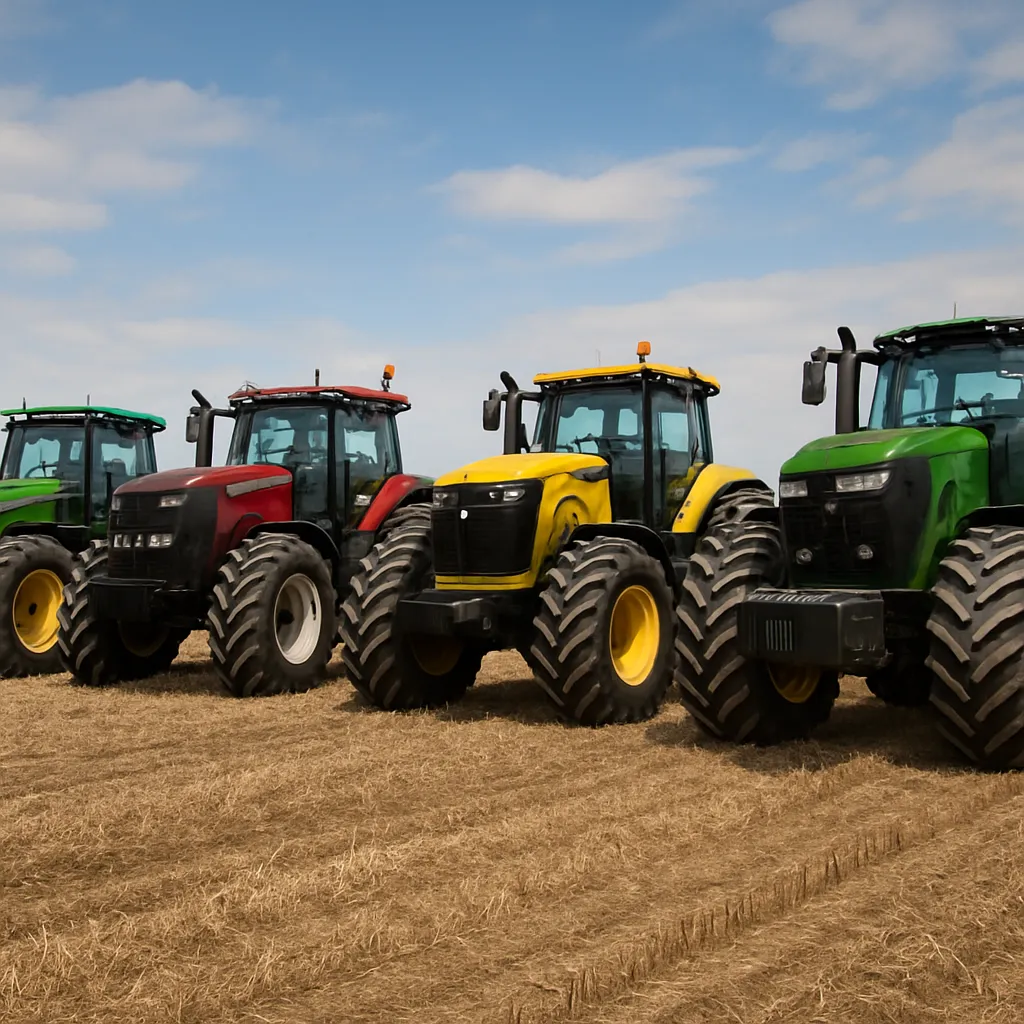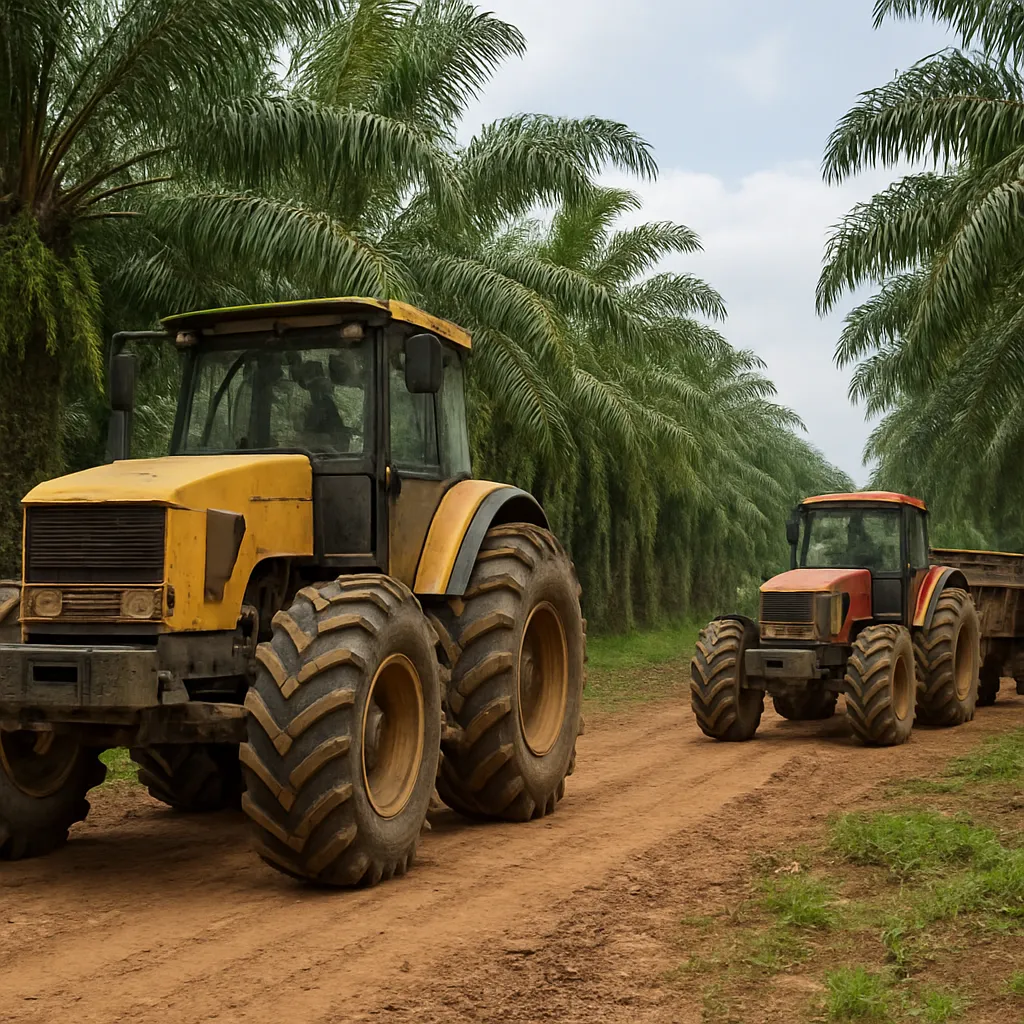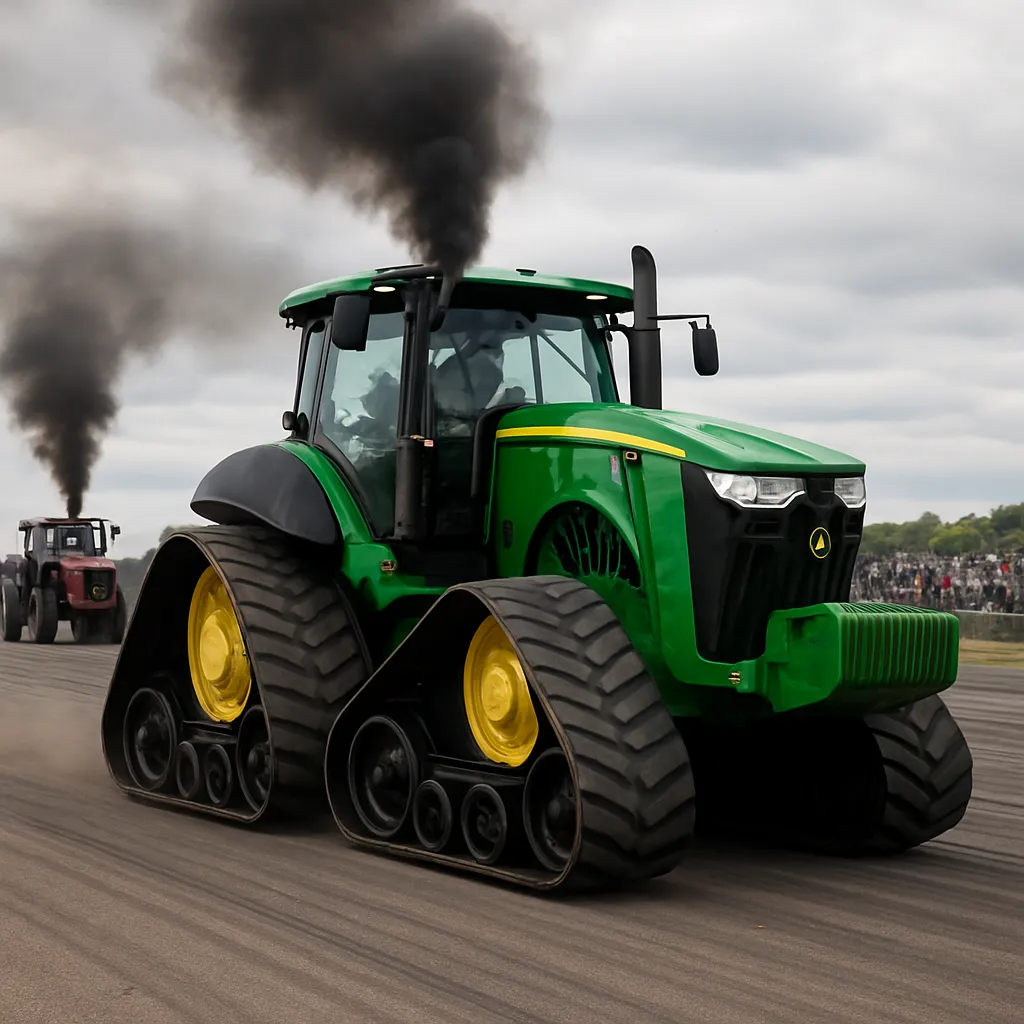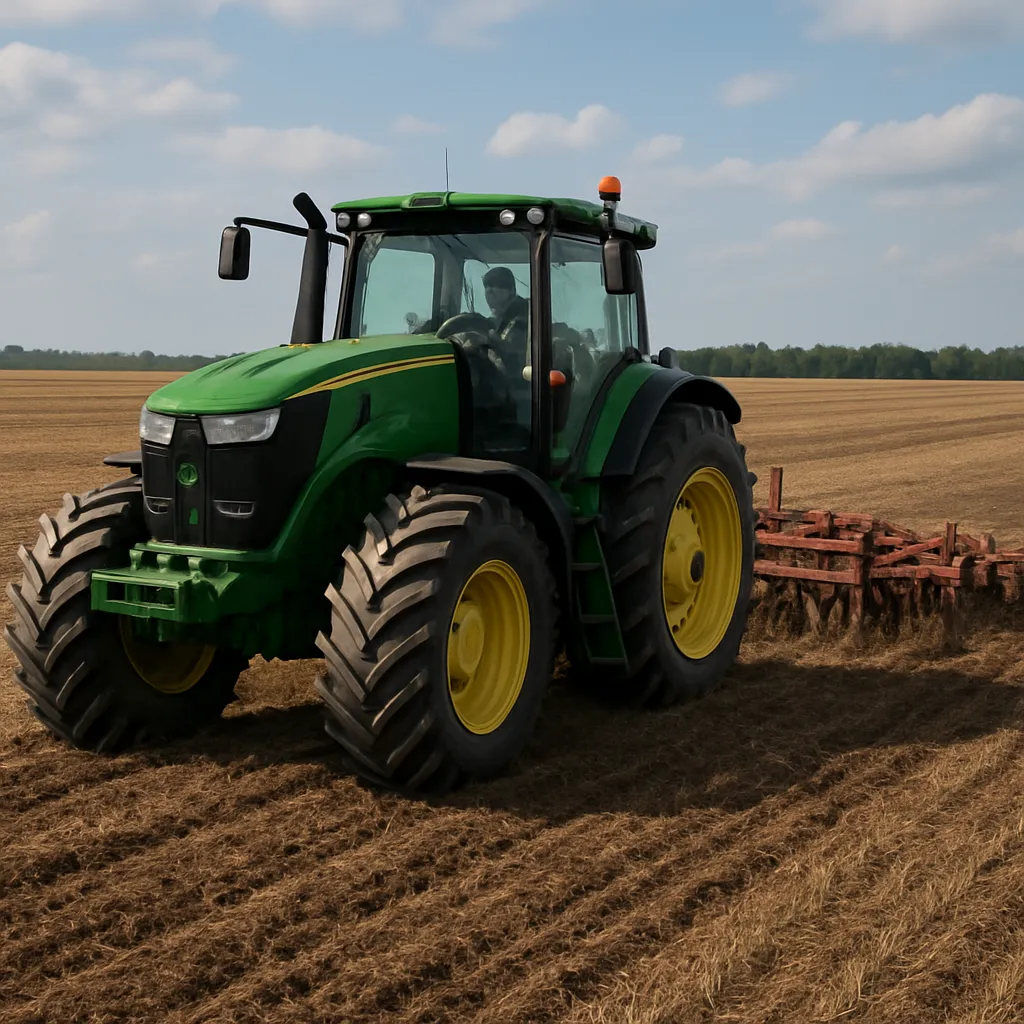
Across vast acres of arable land, modern agriculture relies on powerful machines to cultivate, sow, and harvest crops with unprecedented speed. On sprawling mega farms, where thousands of acres demand constant attention, the introduction of oversized tractors has revolutionized operations. These giants of the field bring unparalleled power, cutting-edge technology, and advanced features that shrink labor requirements, optimize workflows, and secure higher yields for operators striving to meet global food demands.
Evolution of Mega Tractors
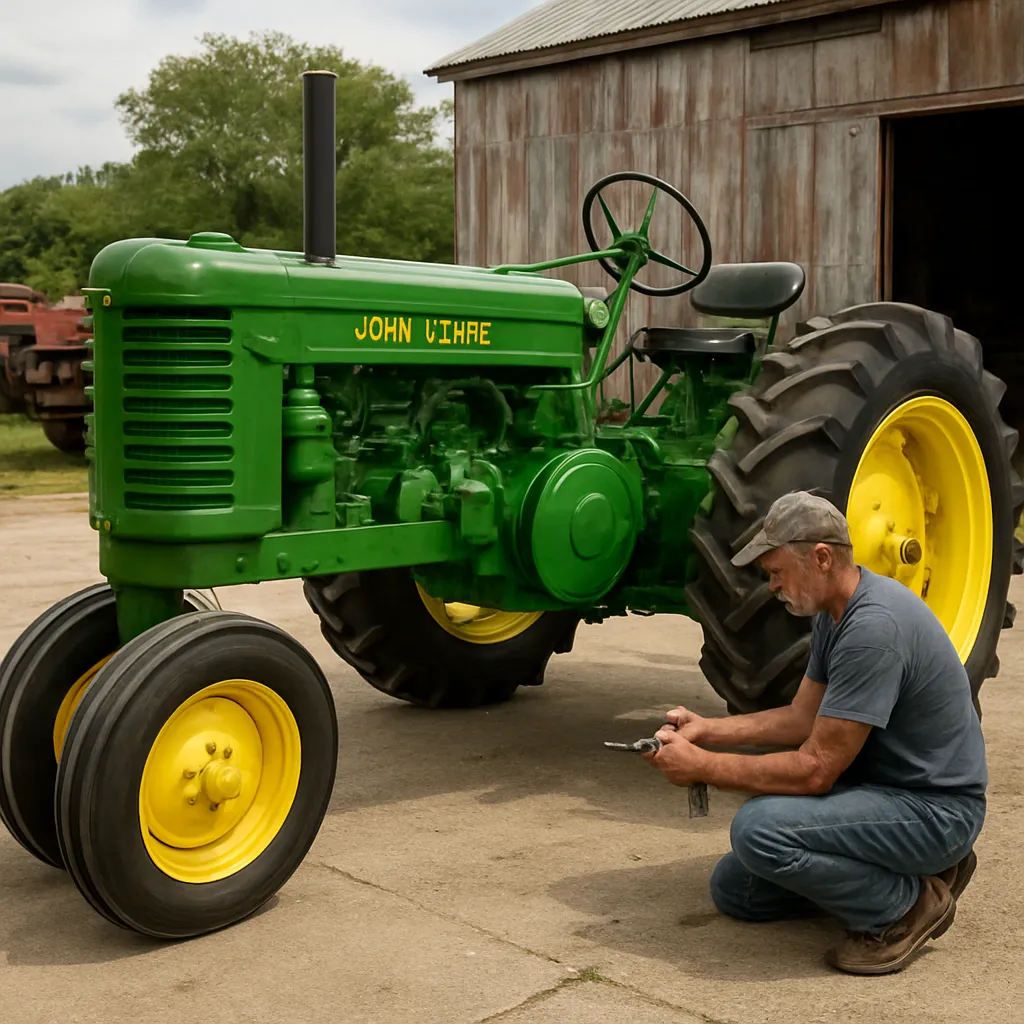
Early tractors of the mid‐20th century were compact, offering basic mechanization to replace horse‐drawn plows. As farm sizes swelled, demand grew for more robust machinery. Today’s mega tractors boast engines exceeding 600 horsepower, hydraulic systems that handle tonnage previously reserved for entire fleets, and cabs equipped with ergonomic controls and environmental comfort. This dramatic upscaling marks a transition from manual, labor‐intensive tasks to streamlined, machine‐driven processes.
Engine Capacity and Power
- Multi‐cylinder diesel engines delivering 300–700+ HP
- Turbocharging and intercooling for constant torque under load
- Advanced cooling systems to sustain performance over long shifts
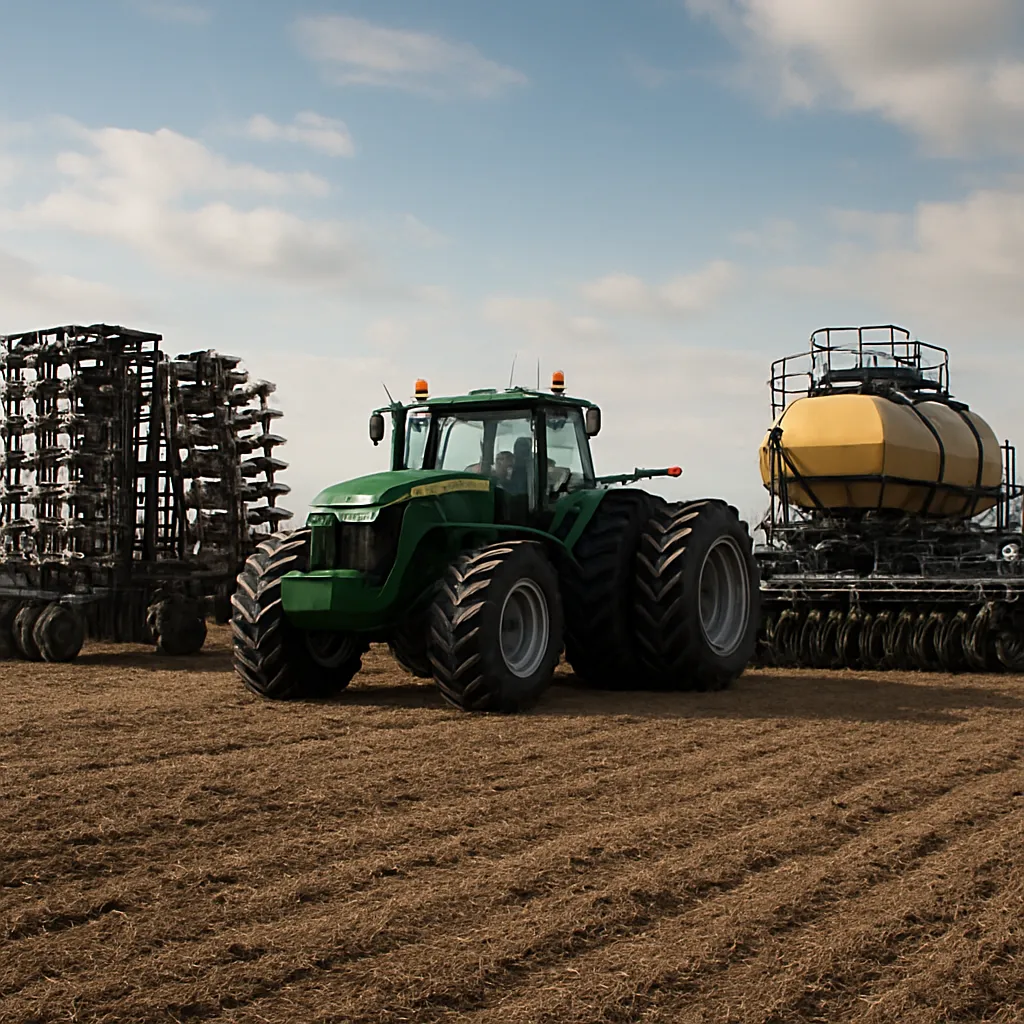
The core of every mega tractor is its engine. By harnessing high displacement and sophisticated fuel injection systems, manufacturers achieve reliability and consistent output during the most challenging field conditions. Farmers can operate larger implements—plows, seeders, sprayers—without hitching multiple smaller tractors in tandem.
Historical Milestones
- 1950s: Introduction of 50–100 HP tractors revolutionizes small‐scale farms
- 1980s: 200–300 HP models emerge in response to growing land consolidation
- 2000s onward: Specialized mega tractors, GPS‐guided and ultra‐powerful, define modern mega farms
Impact on Labor Efficiency
One of the most pressing challenges on large agricultural enterprises is workforce management. Seasonal peaks in planting and harvesting require hundreds of hands when machines are limited in capacity. By deploying mega tractors, farm managers reduce dependence on manual labor by nearly 50% in many operations, translating to significant cost savings and fewer logistical hurdles related to hiring and housing temporary crews.
Key benefits include:
- Extended working hours: Climate‐controlled cabins allow operators to work longer with less fatigue.
- Fewer operators needed: A single driver can manage multiple high‐capacity implements that once required entire teams.
- Reduced downtime: Automated filling and calibration systems minimize breaks for adjustments and maintenance.
In practice, one 600+ HP unit can perform the field work of three standard tractors. This consolidation enhances overall efficiency, ensuring that each acre is covered swiftly during optimal weather windows. It also lowers exposure to labor shortages, a growing concern in many rural regions.
Technological Innovations and Automation
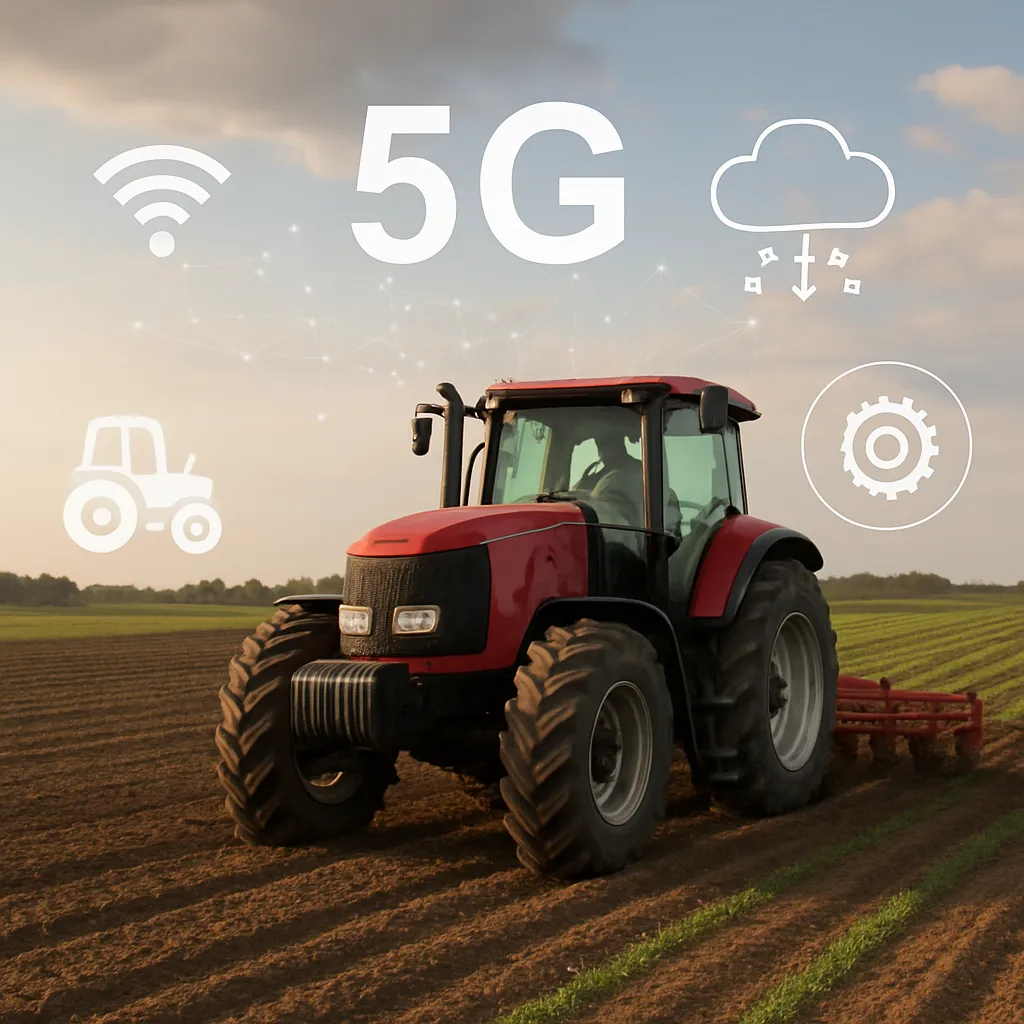
Modern mega tractors have become mobile data centers, integrating sensors, cameras, and software platforms to drive precision agriculture. With auto‐steer and guidance packages, GPS satellites pinpoint tractor position to within two centimeters, enabling perfectly straight rows and eliminating overlaps or gaps.
Precision Farming Tools
- Variable rate application: Adjust fertilizer and pesticide delivery on the go.
- Yield mapping: Record harvest data to inform future planting decisions.
- Real‐time diagnostics: Monitor engine performance and hydraulic health remotely.
These systems give farmers granular control over inputs, boosting productivity while conserving resources. By coupling sensors with machine learning algorithms, tractors can adapt to field variability, optimizing seed placement and application rates in real time.
Automation and Remote Operation
- Telematics: Oversee fleet operations from a central office or even a mobile device.
- Autonomous guidance: Tractors follow predefined paths with minimal human supervision.
- Fleet coordination: Multiple units communicate to avoid collisions and coordinate tasks.
These advancements drastically reduce labor demands. In some enterprises, operators now supervise several machines simultaneously, intervening only when exceptions occur. The rise of automation accelerates throughput and cuts human error, contributing to consistent planting depths and harvesting windows.
Challenges and Future Outlook
Despite the advantages, mega tractors present notable challenges. Their initial purchase price can exceed half a million dollars, making them a significant investment. Maintenance costs are also high, requiring specialized technicians and parts. Additionally, oversized implements may compact soil excessively if not managed properly, threatening long‐term soil health and sustainability.
To address these issues, manufacturers and farmers are exploring:
- Modular weight distribution systems to reduce soil compaction
- Hybrid and electric powertrains for lower emissions and fuel consumption
- Subscription‐based machinery services to spread capital expenditures
- Advanced tele‐maintenance platforms for proactive repairs
Looking ahead, next‐generation mega tractors will likely feature enhanced connectivity, greater on‐board intelligence, and even finer control over field operations. Integration with drones and satellite imagery will enable these machines to respond dynamically to crop health indicators, further improving precision and resource allocation. As global demand for food escalates, the blend of brute force and smart data will define the future of farm machinery, offering scalable solutions for growers worldwide.