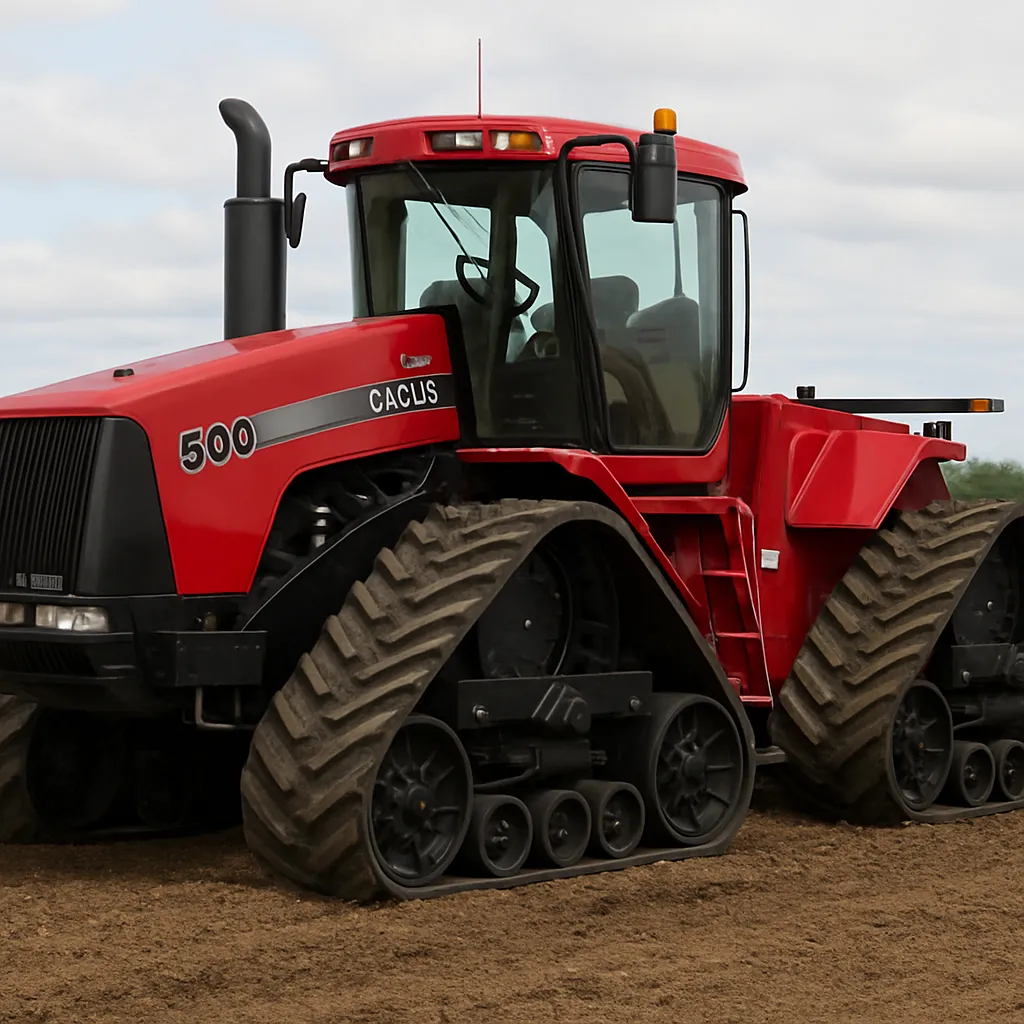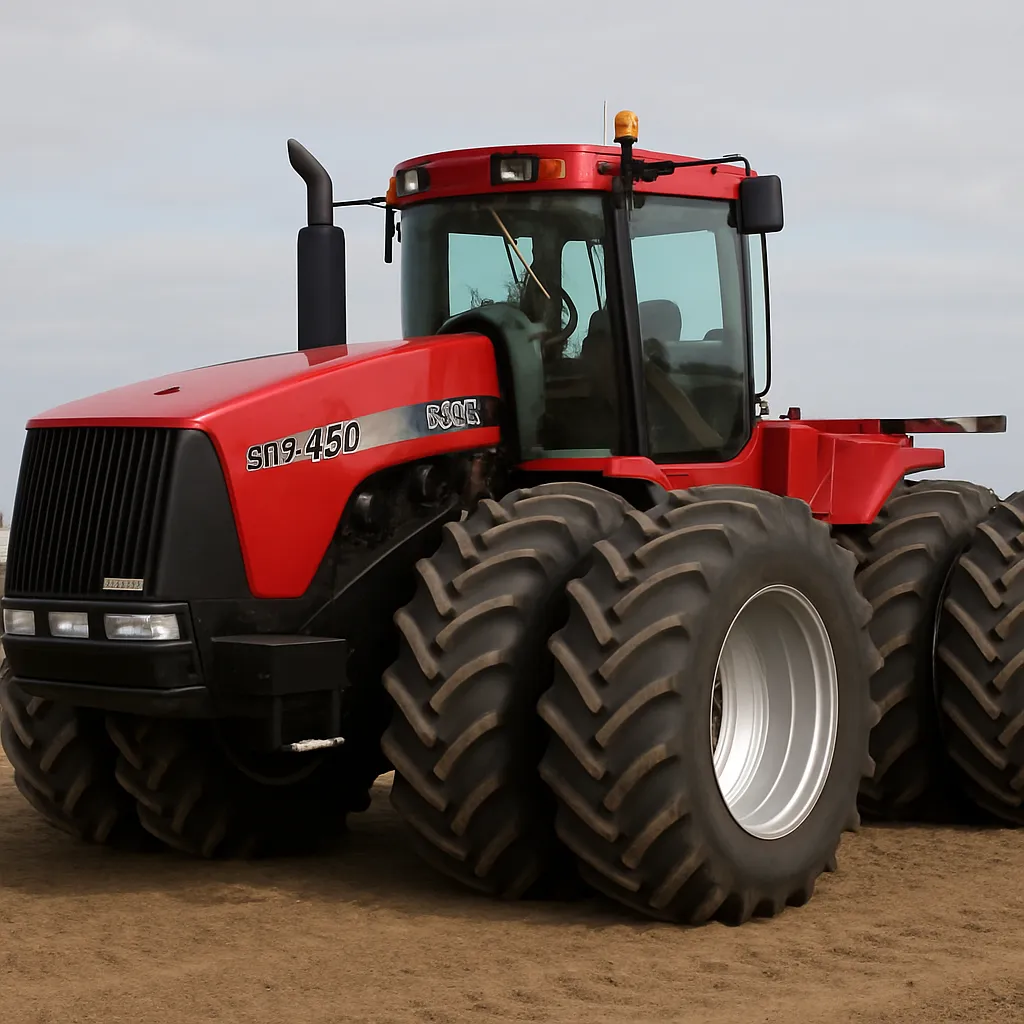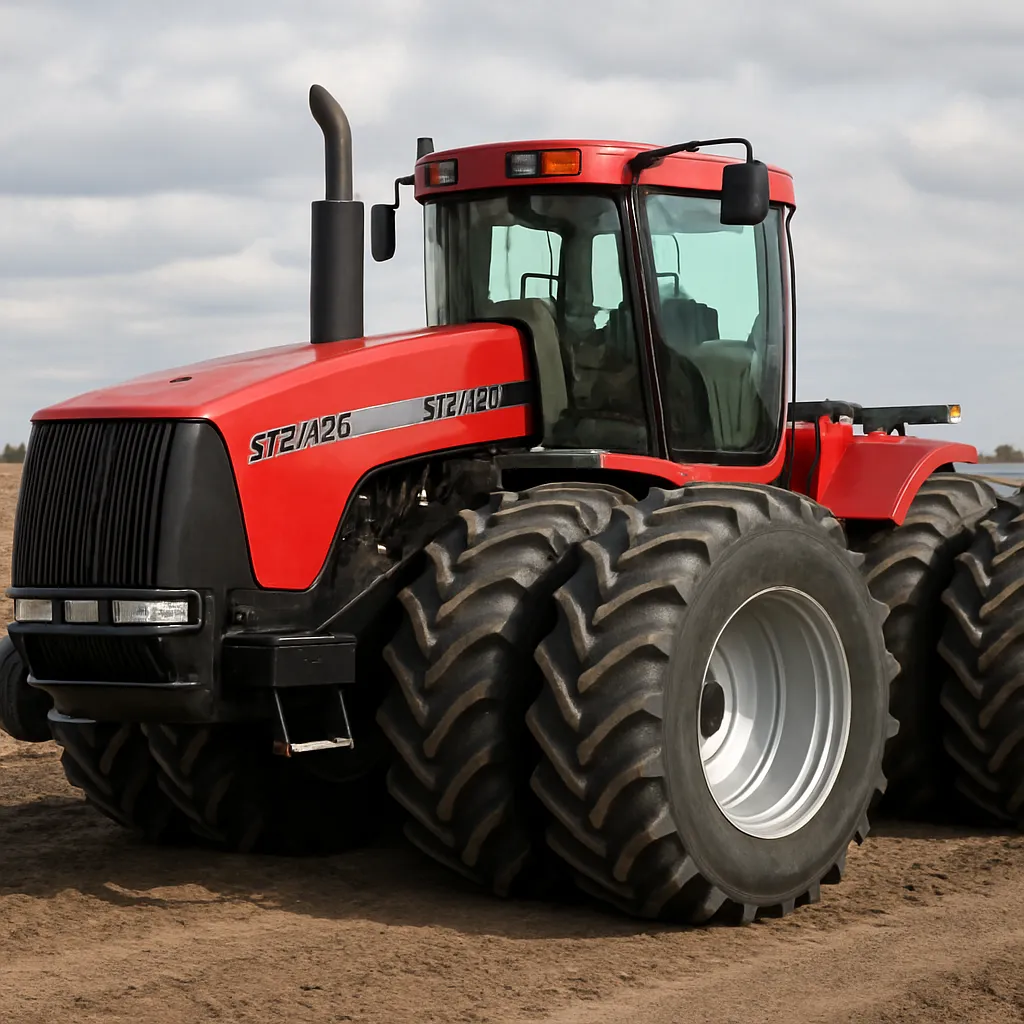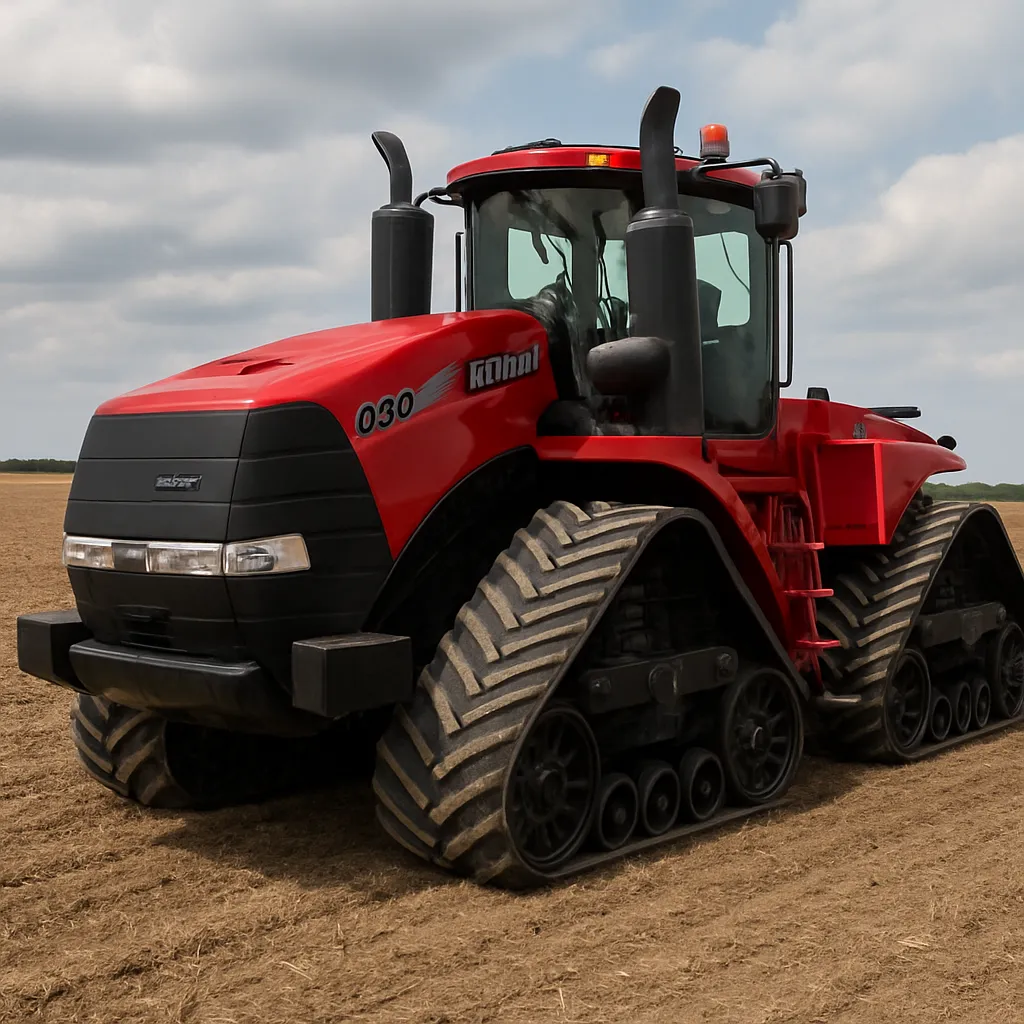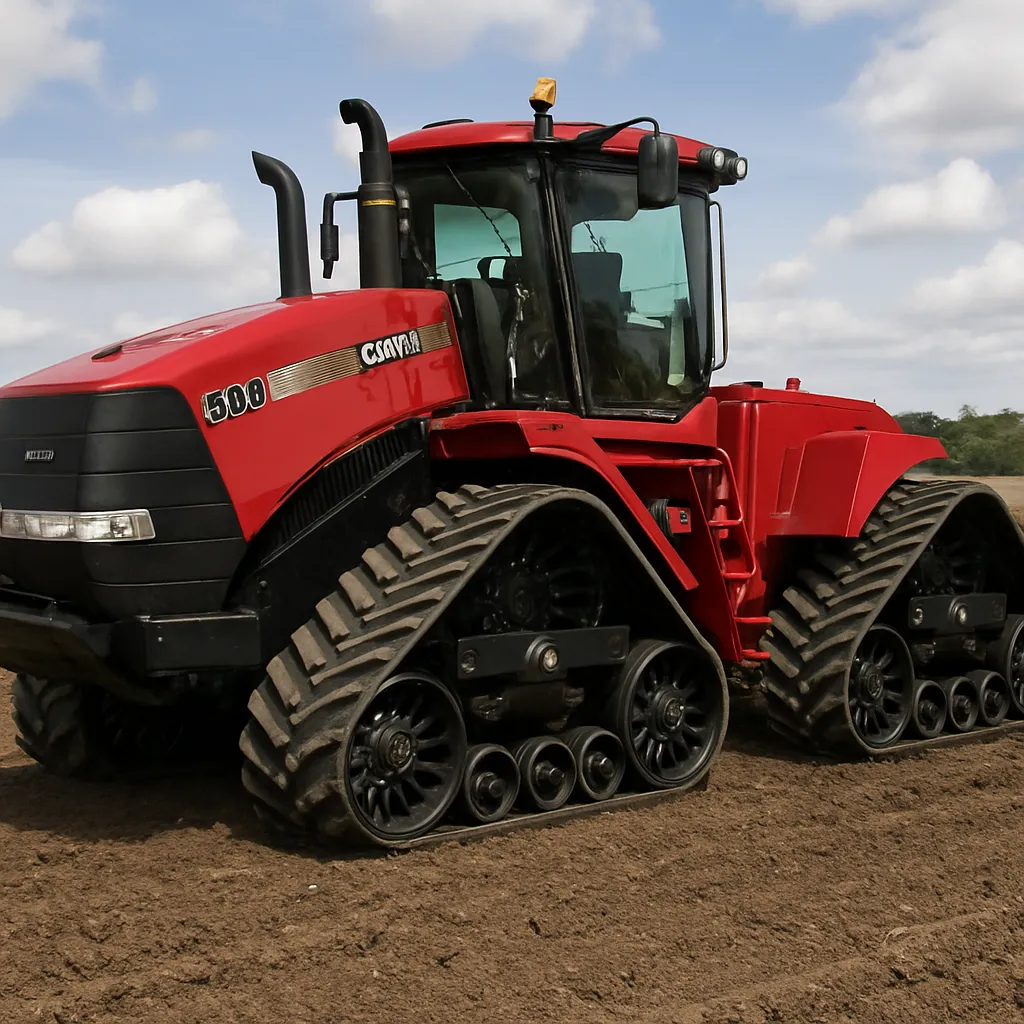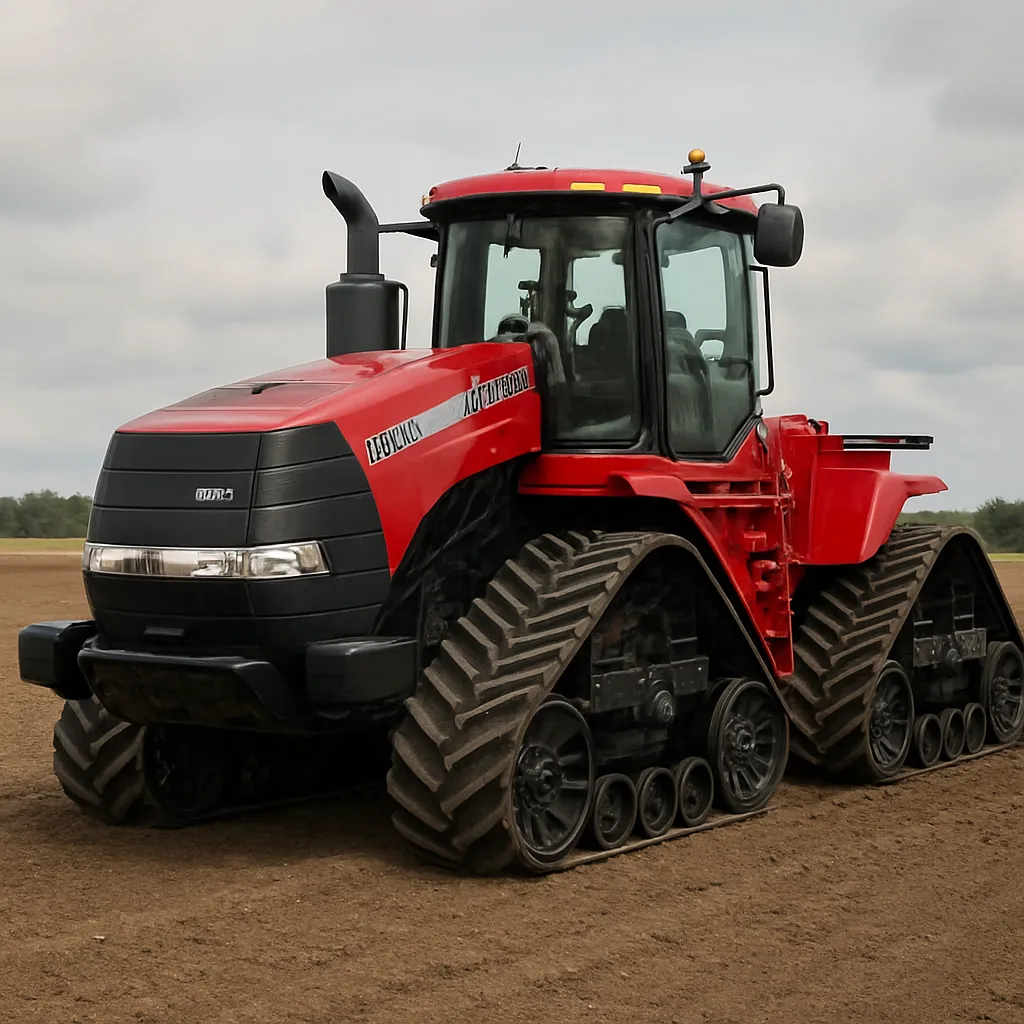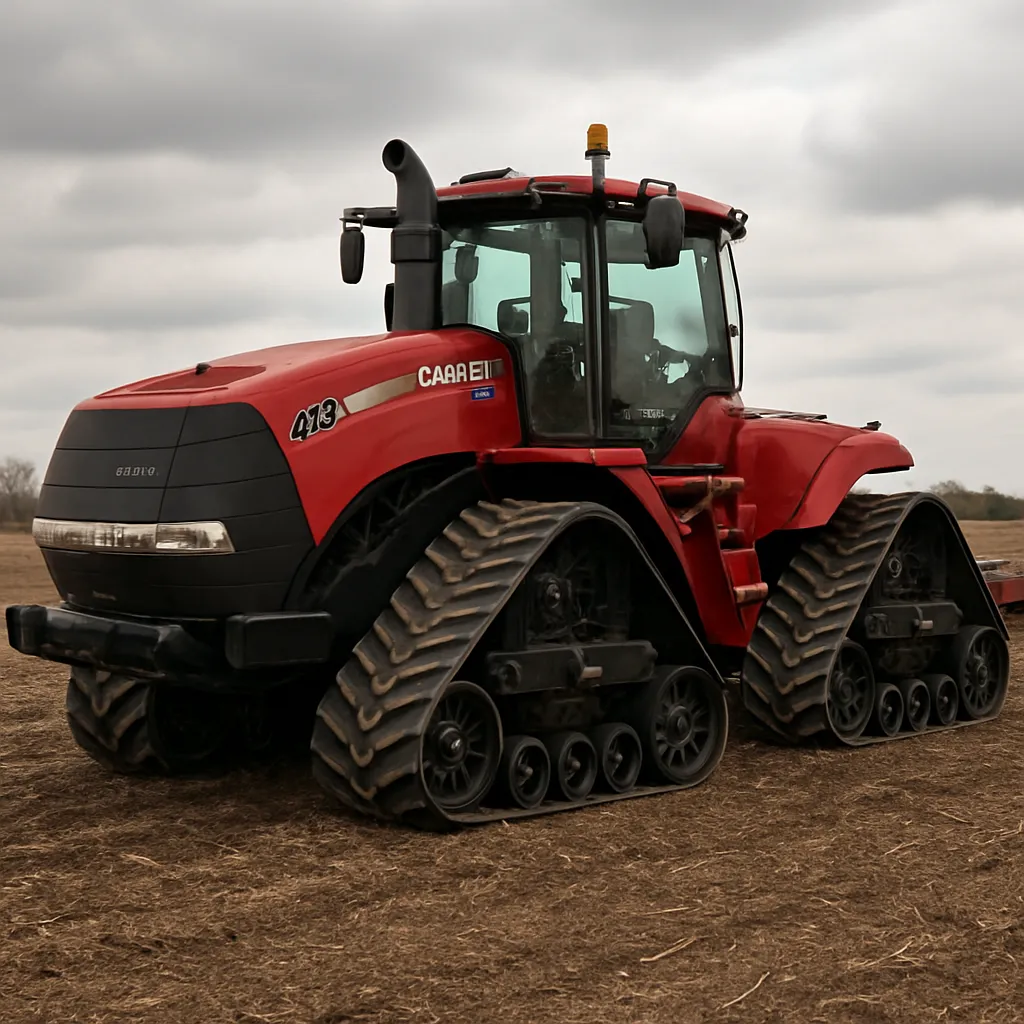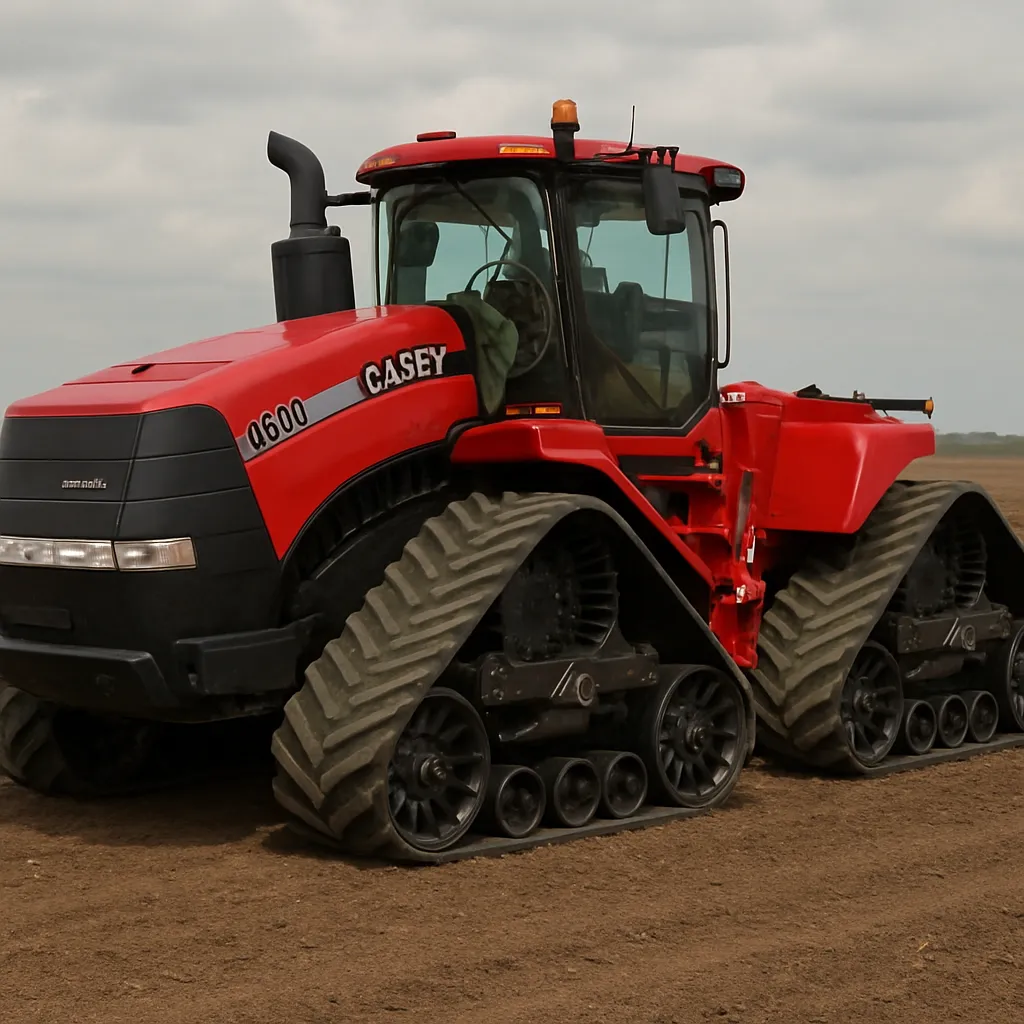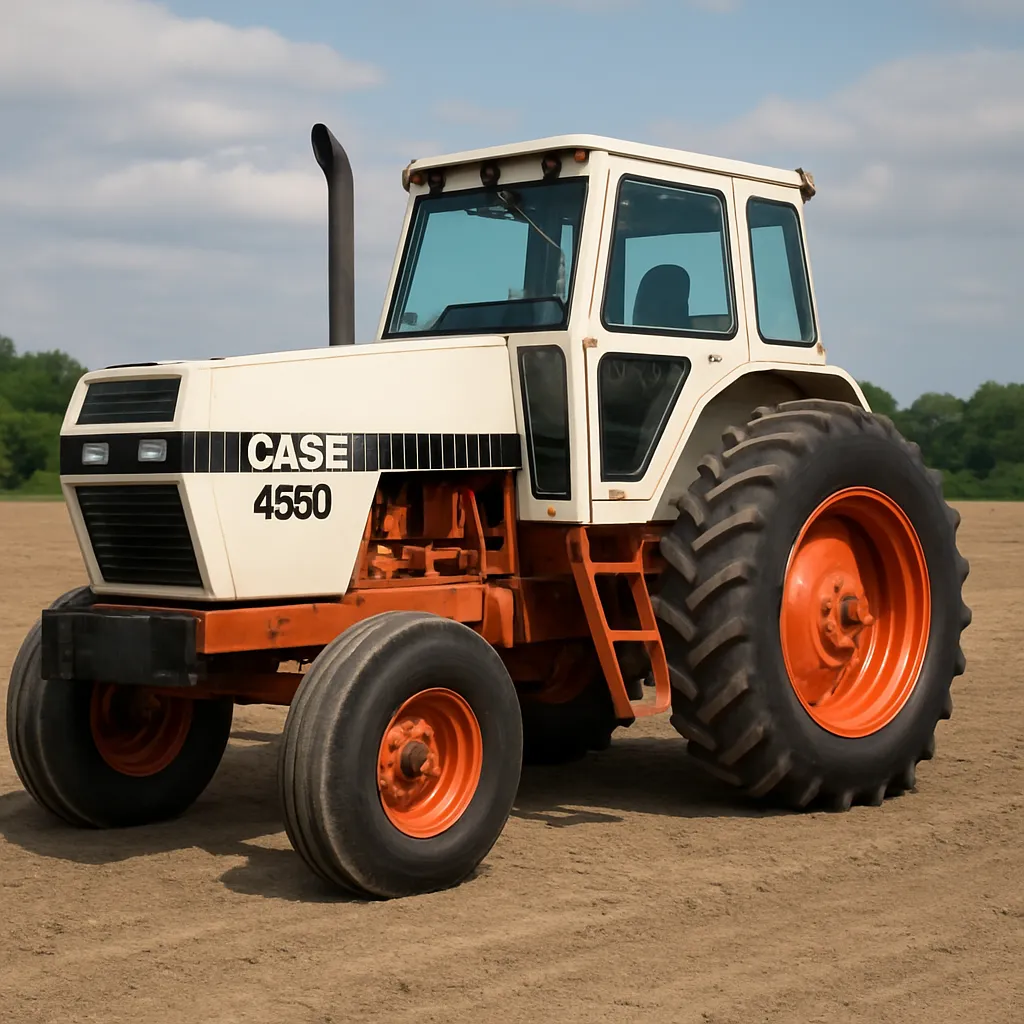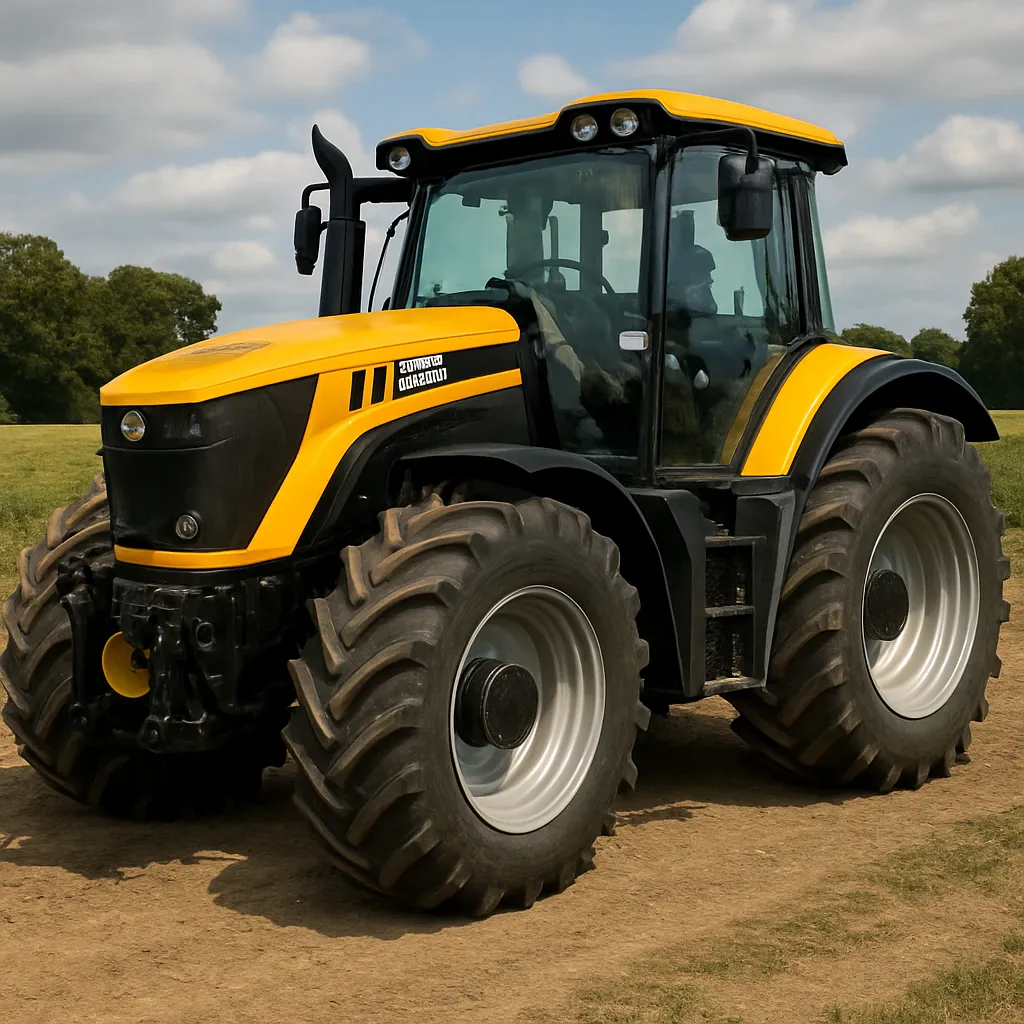
The JCB 8190 represents a modern approach to the agricultural and specialised-utility tractor segment, combining road speed, implement versatility and operator comfort with serviceability and safety. In the sections that follow, this article examines the machine’s design philosophy, typical applications, technical attributes (with approximate figures where manufacturer data vary by market), key innovations, maintenance and operational best practices, and the economic and environmental context in which a tractor like the JCB 8190 operates. Wherever specific numerical data are mentioned, note that exact values can vary by configuration and regional spec; check the manufacturer’s official documentation or a local dealer for precise figures.
Overview and design philosophy
The JCB 8190 is part of JCB’s broader effort to bridge the divide between conventional agricultural tractors and high-speed field-to-field machines. From the outset, JCB focused on delivering a vehicle that allows farm operators to move quickly on public roads while maintaining the agricultural power and linkage versatility needed for demanding tasks. Core to this philosophy are emphasis on a balanced chassis, advanced suspension, and modular configuration options for different working environments.
The family resemblance to other models in the same range is clear: a low, roomy cab with excellent sightlines; a strong, boxed chassis designed to accept heavy front loaders and rear mounted implements; and driveline choices that favour both tractive ability and fuel efficiency. The JCB 8190 aims to be a workhorse that can transition swiftly between field, transport and specialist roles, making it desirable for mixed farming, contractors and large estate operations.
Primary applications and fields of use
Tractors like the JCB 8190 are intended for a wide array of tasks. Their high specification and flexibility make them suitable for:
- Arable farming: seedbed preparation, drilling, cultivation and haulage of grain or trailers between fields.
- Livestock enterprises: moving feed, bedding, and muck handling with loader or slurry equipment.
- Contracting: operators who need a reliable machine for variable tasks across different client sites, requiring quick road transit.
- Agricultural transport: moving trailers, balers and wagons at higher road speeds while maintaining good stability and safety.
- Specialist tasks: forestry work, municipal maintenance, and airport grass management where a tractor’s modularity is an advantage.
Because of the combination of road speed and suspension, models in this class are particularly efficient for farms with dispersed fields, where time on the road is significant. The ability to reach higher speeds legally and safely reduces transport time and increases productive hours for field operations.
Key features and technologies
Several design elements distinguish the JCB 8190 and similar machines:
- Fastrac-style approach to transport: enhanced road speed and stability compared to conventional tractors, often combined with advanced braking systems.
- Powertrain flexibility: engines tuned for torque at low revs and gearboxes that provide close ratios for fieldwork and higher ratios for transport.
- Hydraulics and linkage capacity: generous hydraulic flow and robust three-point linkage to support a wide range of implements.
- Operator ergonomics and visibility: roomy cab, adjustable seats and controls laid out to reduce fatigue during long shifts.
Below are some of these elements explained in more detail.
Engine and driveline
The power unit in machines of this class is chosen to provide strong low-end torque, necessary for pull and lift work. Typical engines are modern diesel units with electronic fuel control for improved efficiency and emissions performance. Transmission systems are selected to balance the needs of fieldwork (fine speed control) and transport (higher top speeds), often including powershift or continuously variable transmissions in more advanced specifications.
Chassis, suspension and braking
A distinguishing trait for high-speed agricultural tractors is a robust chassis paired with an advanced suspension system. The aim is to maintain stability at road speeds while providing a smooth ride for the operator and protecting delicate implements and loads from excessive shock. Braking systems are enhanced to handle heavier loads at higher speeds, and many machines include independent rear and front braking with ABS-type features for safety.
Hydraulic systems and implement control
High-flow hydraulic pumps and multiple spool valves support multi-function implements such as loaders, mowers, seeders and slurry equipment. Electro-hydraulic or fully electronic control systems enable precise implement management and easy switching between tasks. Many modern tractors also include ISOBUS or similar compatibility for implement-machine communication.
Technical specifications — general indicators
Exact specifications for the JCB 8190 vary by market and configuration. The figures below are representative ranges for this class and help set expectations for performance:
- Engine power: typically in the range of approximately 150 to 250 horsepower, depending on tune and emission package.
- Top road speed: designed to enable safe transit at speeds commonly between 40 and 65 km/h in appropriate markets where allowed.
- Weight (operating): often between 6 and 10 tonnes, depending on ballast, tyres and attachments.
- Hydraulic flow: main pumps commonly deliver between 120 and 200 litres per minute total flow in higher-spec units.
- Lift capacity: rear linkage lift capacities often range from 4,000 kg to over 7,000 kg depending on specification and reinforcements.
- Fuel tank: tanks of 200–400 litres are common in tractors intended for long working shifts without frequent refuelling.
These indicators are useful for comparing machines and identifying if a specific setup suits planned tasks. For precise data on the JCB 8190 fitted in a particular region, always consult the official product brochure or JCB dealer.
Innovations and operator-focused design
JCB has historically invested in improvements that raise productivity and reduce total cost of ownership. For a model like the 8190, innovations typically include:
- Cab comfort: low noise levels, climate control, and ergonomic controls that reduce operator fatigue during long transits and fieldwork.
- Serviceability: grouped service points, easy access to filters and daily checks to minimise downtime for maintenance.
- Telematics and connectivity: remote diagnostics, operational monitoring and GPS-enabled precision farming features that enable better fleet management.
- Safety aids: cameras, improved lighting packages and enhanced roll-over protection integrated into the cab design.
These innovations are intended to increase effective uptime, lower operating costs and provide an attractive working environment — all factors that influence fleet purchasing decisions.
Maintenance, reliability and lifecycle costs
Maintenance practices heavily influence the lifetime cost of ownership of any tractor. For the JCB 8190 class, some practical recommendations are:
- Adhere to scheduled servicing: regular oil, filter and fluid changes as specified by the manufacturer prevent premature wear.
- Daily pre-use checks: tyres, lights, hydraulics and linkage pins should be inspected daily to catch issues early.
- Use authorised parts and fluids: while aftermarket parts can be cost-effective, OEM parts preserve designed tolerances and performance.
- Record keeping: maintain a log of servicing, fuel usage and working hours to help with resale valuation and warranty claims.
When properly maintained, tractors in this performance class typically offer long service lives measured in many thousands of hours. The availability of dealer support, local spares and trained technicians has a major influence on reliability in practice.
Economic and environmental considerations
The decision to purchase a tractor such as the JCB 8190 should consider both direct economics and environmental impacts. Key points include:
- Productivity gains from reduced transit times and higher implement efficiency can offset a premium purchase price.
- Fuel efficiency typically improves with modern engine management and transmission tuning; however, actual savings depend on duty cycles and operator behaviour.
- Emissions standards: modern tractors meet progressively stricter emissions limits (Tier/Stage regulations) through after-treatment and engine design; choose the specification aligned with local regulations.
- Resale value: machines from reputable manufacturers with good service records tend to hold value better, reducing effective cost per hour.
Environmental stewardship is increasingly part of farm management. Using precision application, reduced-engine-idle strategies and well-matched implements can reduce both emissions and inputs while maintaining productivity.
Market presence, statistics and purchasing trends
JCB is a global manufacturer with a well-established presence in agricultural, construction and industrial machinery markets. While specific sales figures for the JCB 8190 are typically distributed through regional dealers rather than public aggregated data, some general trends in the tractor market inform buyer expectations:
- Demand for multi-role tractors that can perform both fieldwork and high-speed transport has been growing in regions with fragmented land holdings and long field-to-farm distances.
- Fleet purchasers increasingly prioritise connectivity and telematics to manage uptime and maintenance costs across multiple machines.
- There is a noticeable shift toward machines that comply with post-2010 emissions standards, which affects engine choices and after-treatment systems.
For a precise purchasing decision, compare lifecycle costs (purchase price, fuel, maintenance, resale) rather than focusing solely on initial capital cost.
Attachments, versatility and practical examples
A major advantage of tractors like the JCB 8190 is the ability to operate a wide range of implements. Common attachments and their uses include:
- Front loaders and forks — material handling, bale stacking, feed delivery.
- Mowers and flail mowers — grassland management and roadside vegetation control.
- Seed drills and planters — precision sowing for arable enterprises.
- Sprayers and spreaders — nutrient and crop protection application.
- Trailers and grain wagons — haulage with improved road speed reduces turnarounds.
Contractors often favour machines that can be quickly reconfigured between tasks, as changeover speed translates directly into revenue-generating time.
Operator training and safe use
Effective operator training is crucial for safety and productivity. Recommended practices include:
- Formal familiarisation with controls, safety systems and daily checks.
- Training on attachment coupling and hydraulic systems to prevent accidental damage.
- Guidance on safe transport speeds, braking distances with trailers and load securing.
- Awareness on the use of telematics and in-cab displays to optimise implement settings and share data with managers.
Tractor incidents are most often related to rollovers, improper hitching and runovers. Modern cabs with ROPS, clear sightlines and camera systems reduce these risks when combined with competent operator practice.
Choosing the right configuration and closing considerations
Selecting a JCB 8190 or equivalent tractor starts with a careful assessment of intended duties, field sizes, road distances, and attachment needs. Key questions to answer before purchase include:
- What is the typical mix between fieldwork and road transit?
- Which implements will be used most often, and what hydraulic/three-point/lift specs do they require?
- How important are telematics, cabin comfort and resale value for your operation?
- What local emissions requirements and available service support influence specification choices?
When these factors are evaluated, the JCB 8190-style machine can deliver substantial gains in operational flexibility, speed and comfort. The combined benefits of robust build quality, well-considered ergonomics and modern control systems make it a compelling option for mixed farms, contractors and estate managers who need a capable, road-worthy tractor.
Note: For exact technical specifications, performance figures and available options for the JCB 8190 in your country, please consult the official JCB product literature or your authorised JCB dealer.