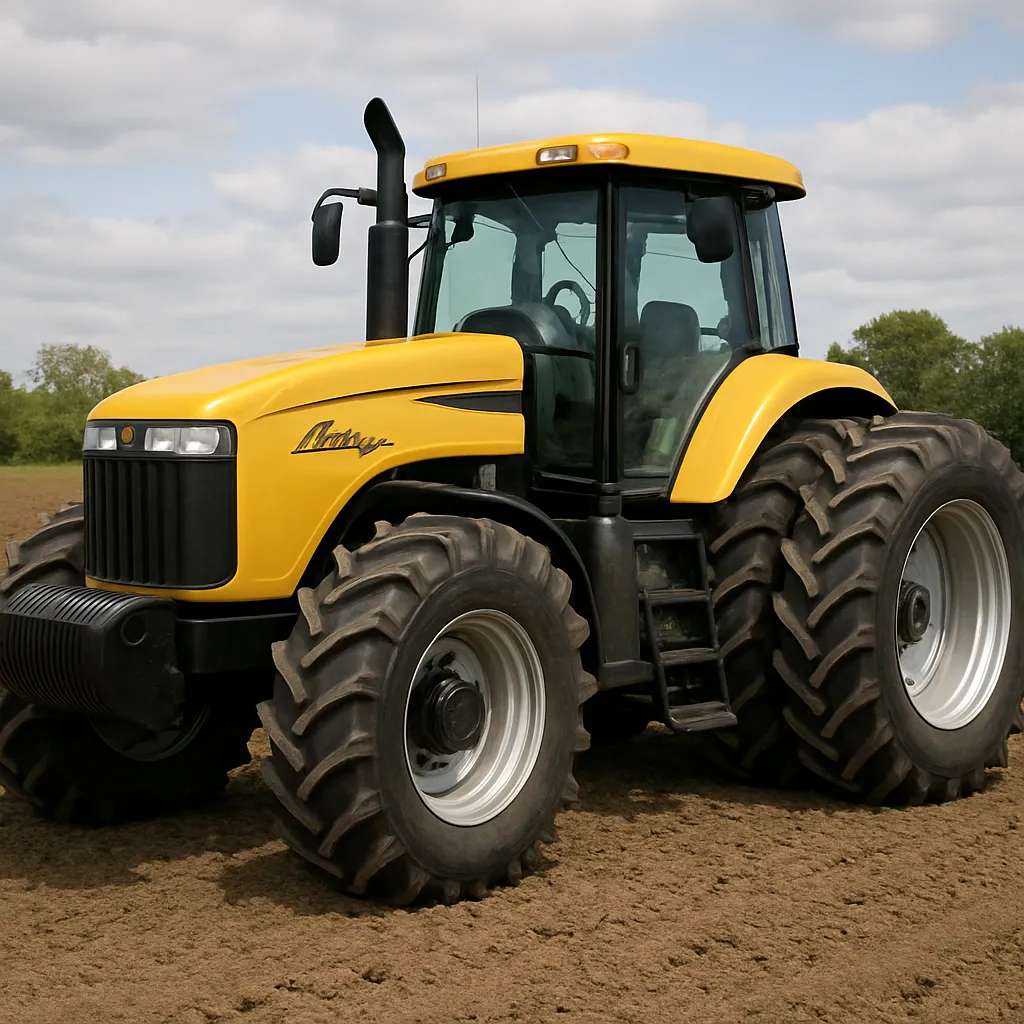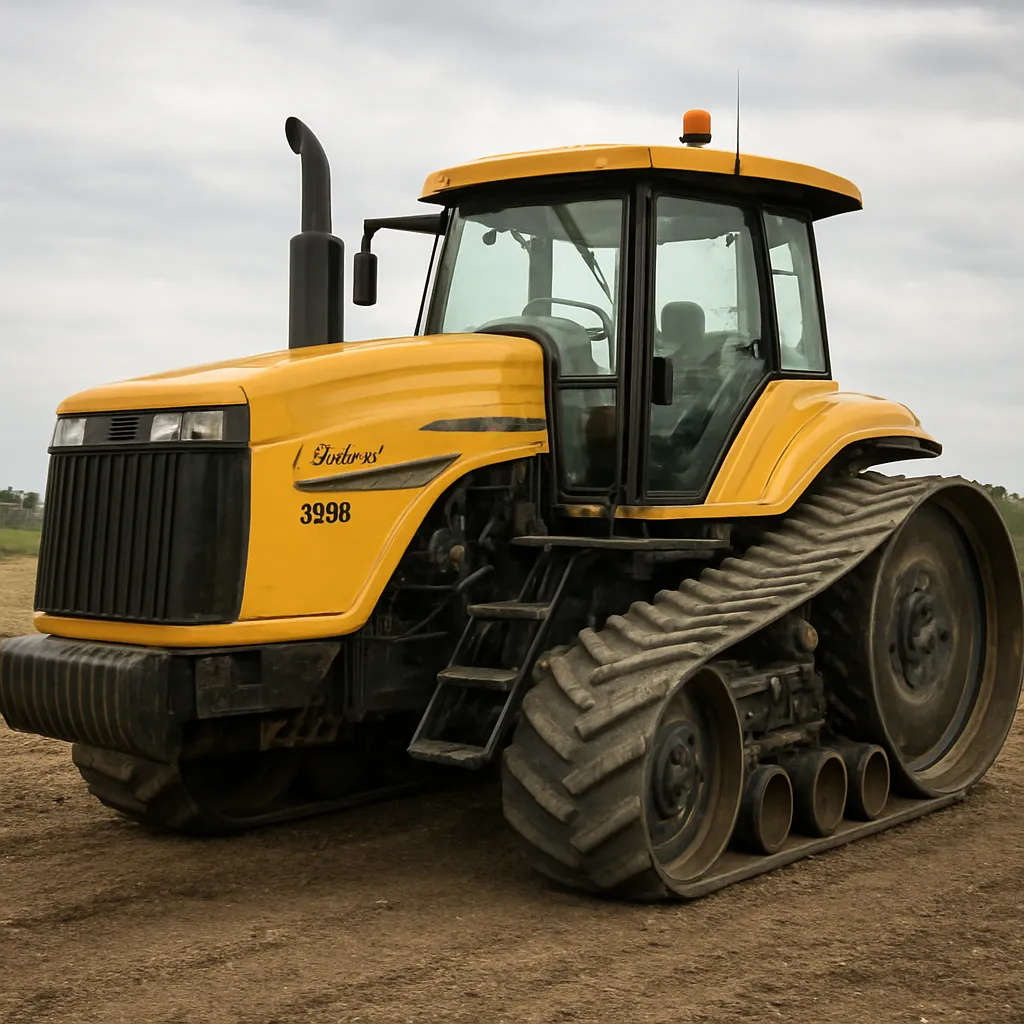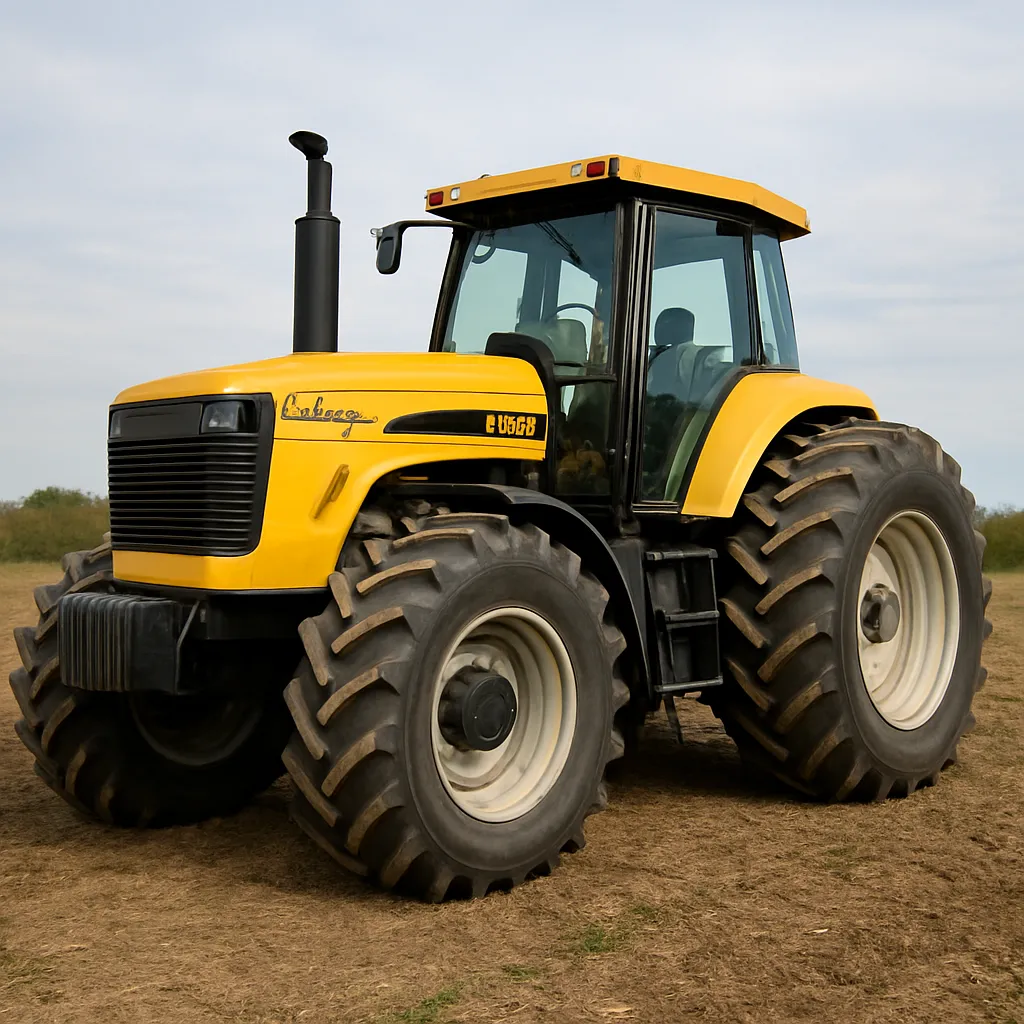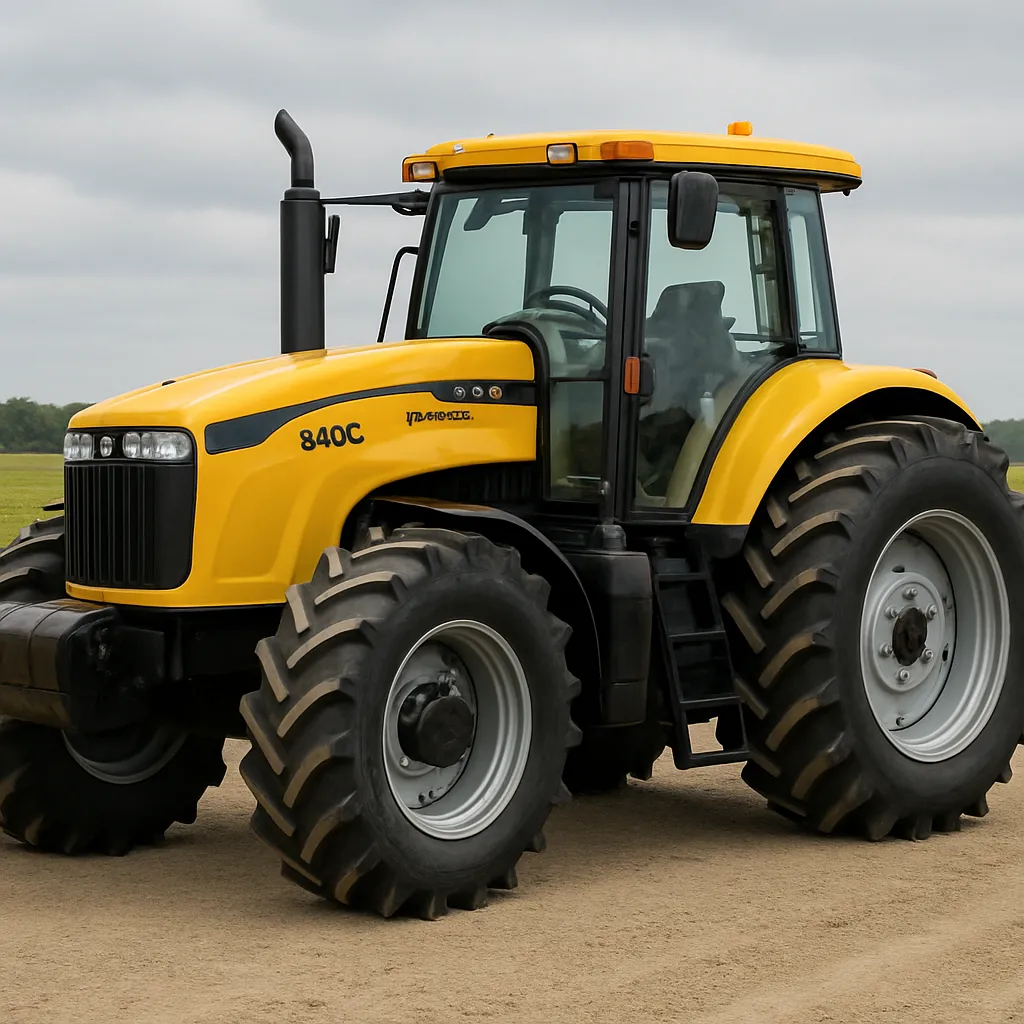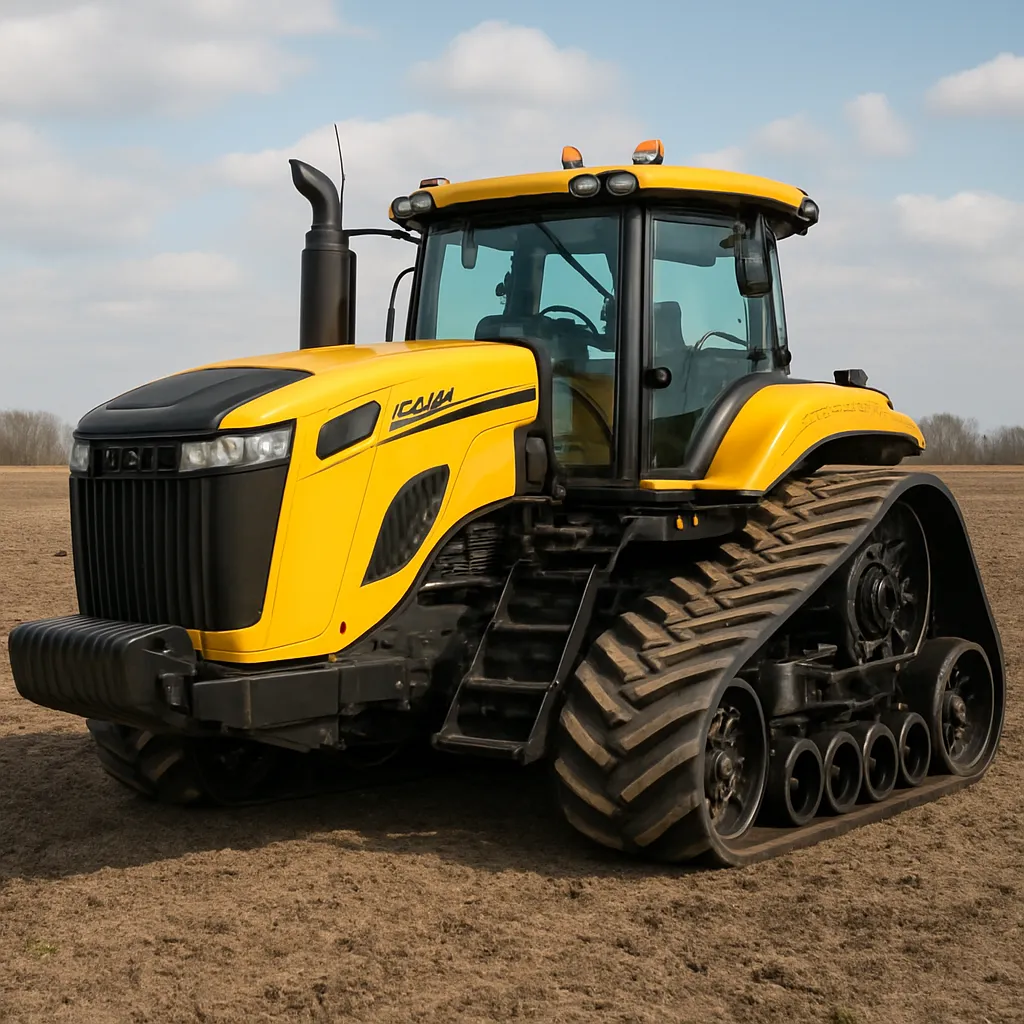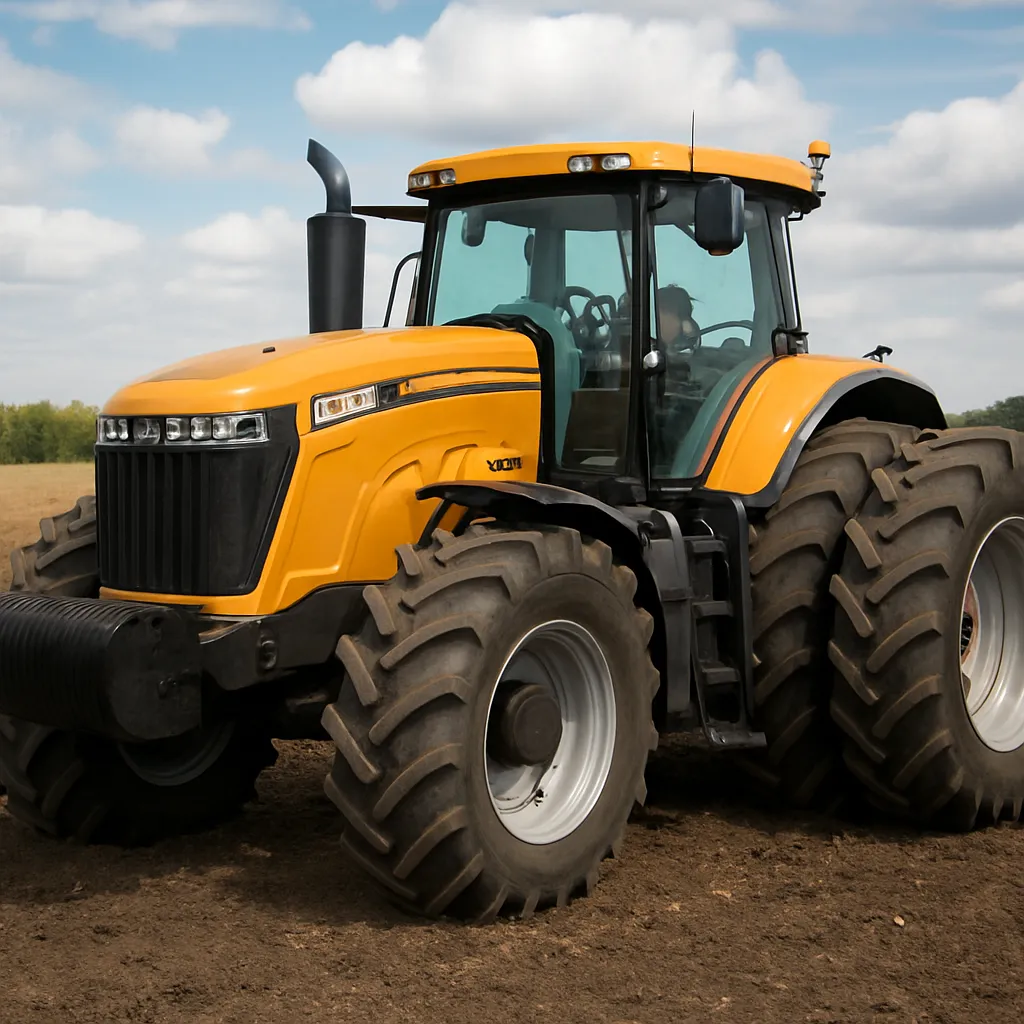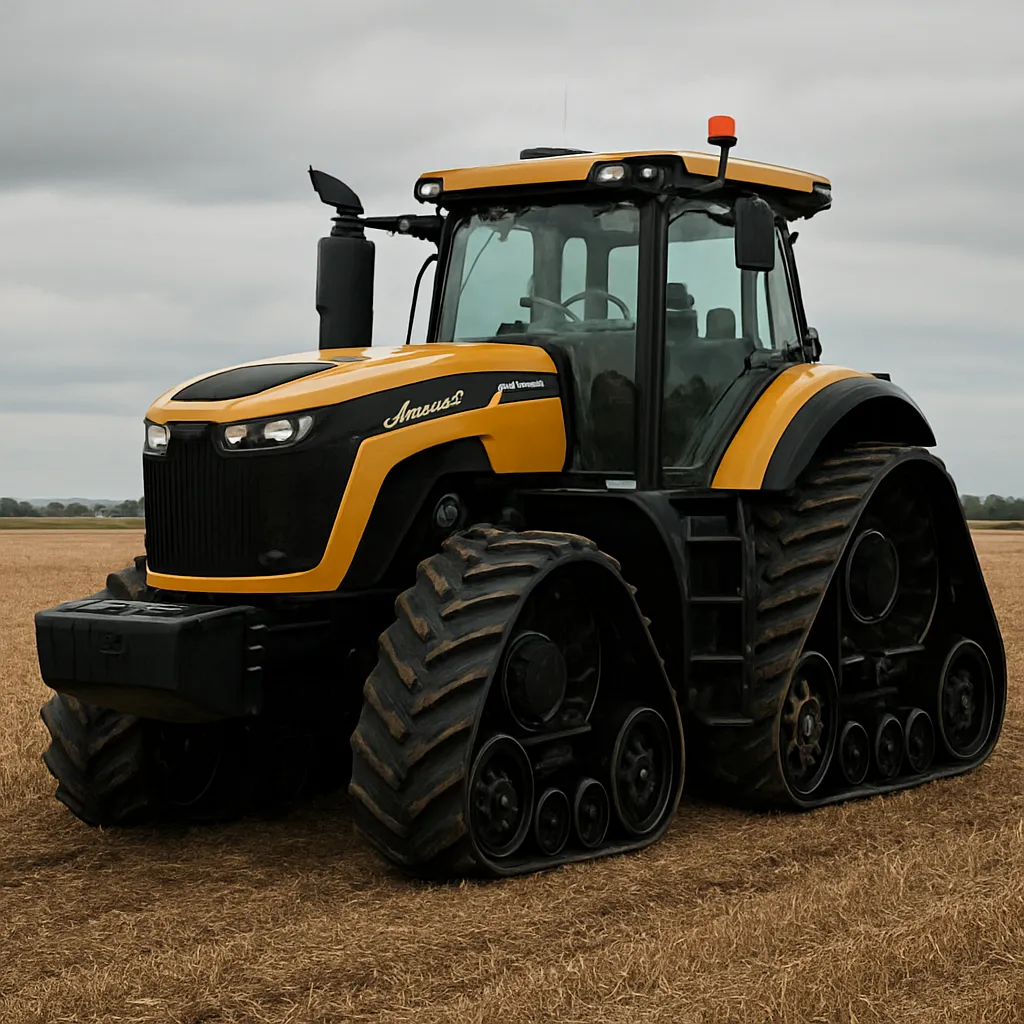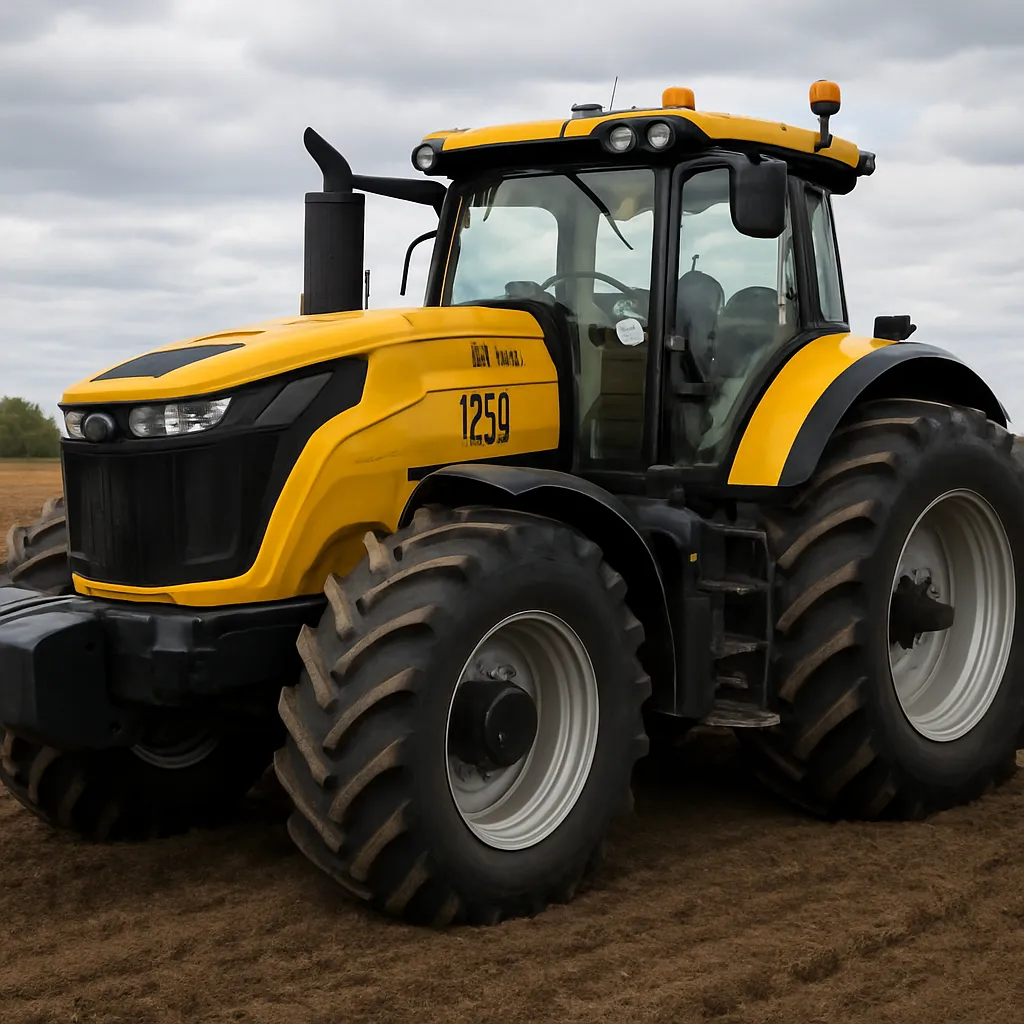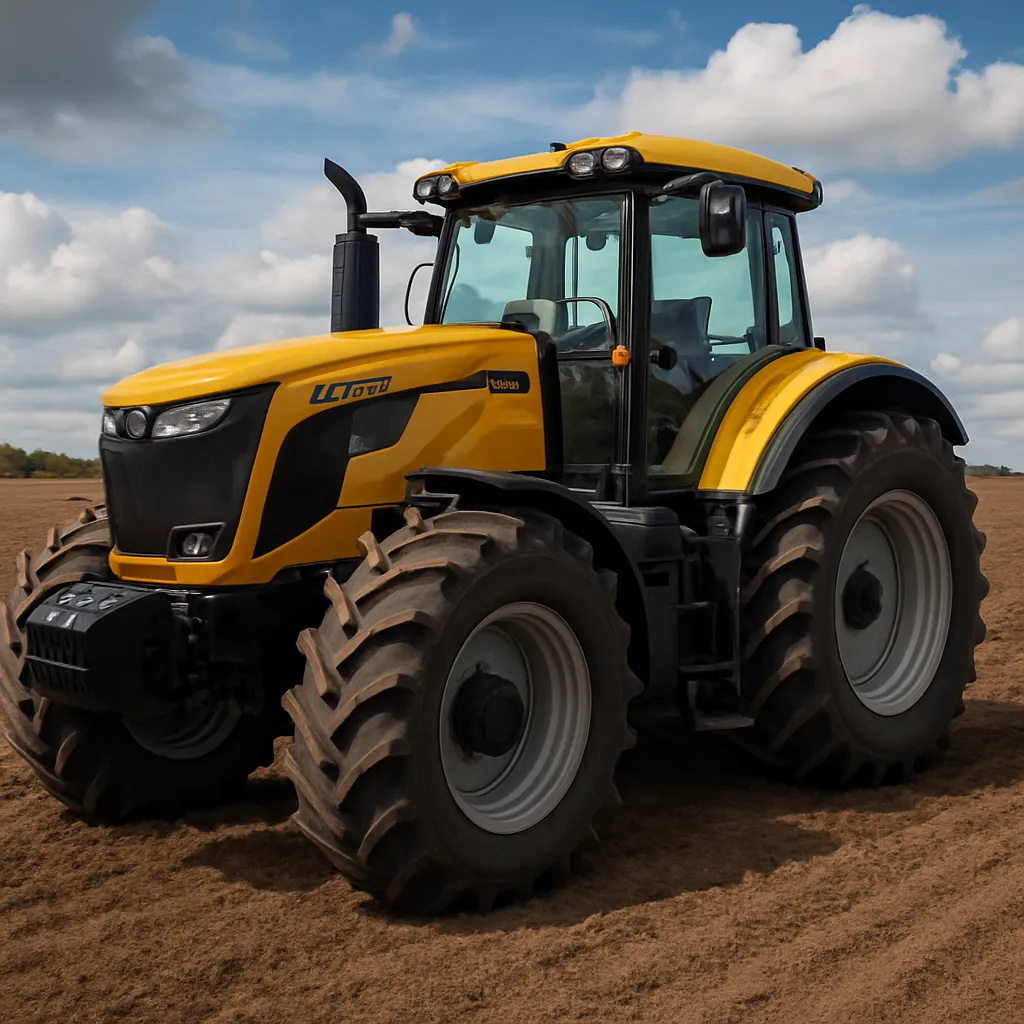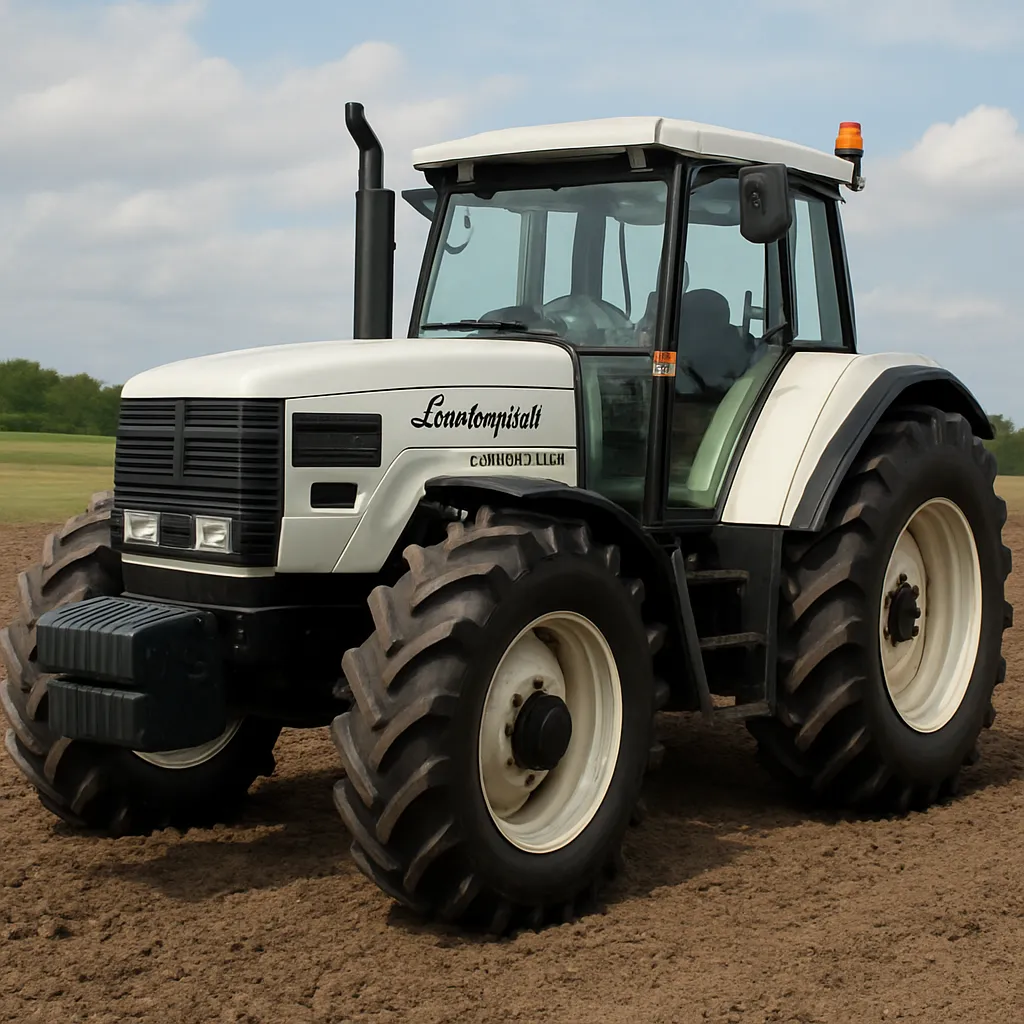
The Lamborghini Champion 190 is a high-power agricultural tractor that represents a blend of Italian engineering heritage and practical utility for demanding farm and contract work. Although Lamborghini is best known for its supercars, the Lamborghini Trattori division has a long history of producing rugged, reliable tractors for a wide range of agricultural, industrial and municipal tasks. The Champion 190 sits in the upper-middle to high-power class of tractors and is designed to deliver sustained performance under heavy loads, making it attractive for large-scale arable farms, contractors, and specialty applications. This article explores the tractor’s design, typical applications, technical characteristics, operational considerations and market role, providing a broad picture for prospective users, collectors and technicians.
Design and engineering philosophy
The Lamborghini Trattori marque has traditionally combined functional, no-nonsense engineering with attention to operator ergonomics. The Champion line embodies that philosophy by emphasizing structural strength, durability and serviceability while offering modern comforts in the operator station. Key elements that define the design of the Champion 190 include a robust chassis, a torque-rich diesel engine, a versatile transmission system and a hydraulic system sized for heavy implements.
Engine and powertrain
The heart of the Champion 190 is its diesel engine, tuned to deliver sustained torque in the moderate-to-high RPM range. The numeric designation “190” commonly corresponds to the engine’s approximate marketed horsepower class. That means the tractor is optimized for tasks that require continuous power rather than short bursts of speed. Typical features of this class include:
- Turbocharged diesel architecture for improved low-end torque and fuel economy
- Intercooling on many variants to enhance combustion efficiency and power output
- 6-cylinder layouts are common in tractors of this size for vibration balance and smooth torque delivery
- Options for mechanical or powershift transmissions, and in later variants, semi-powershift or full powershift gearboxes
The gearbox options influence how the tractor is used: mechanical transmissions are highly reliable and serviceable, powershift types allow gear changes under load and improve productivity in headland turns and loader work, and variant-specific options can include creeper gears for very low-speed cultivation work.
Frame, axles and drivetrain
To withstand the stresses of heavy tillage and large implements, the Champion 190 features a reinforced frame and heavy-duty axles. Four-wheel drive (4WD) is typically standard or widely available, providing traction in soft soils and for pulling heavy equipment. Differential locks (front and rear) are often included to ensure power delivery when traction is variable. PTO (power take-off) options usually include a 540/1000 rpm arrangement or selectable PTO speeds to match a variety of implements.
Applications and typical uses
The true value of the Champion 190 is realized in its versatility. With a combination of torque, hydraulic capacity and PTO options, this tractor is suitable for a wide range of applications:
- Primary tillage: ploughing, subsoiling and heavy cultivator work on large arable farms
- Seedbed preparation: operating heavy disc harrows and power harrows
- Baling and forage: running large balers, forage harvesters and trailers in silage operations
- Transport: hauling trailers and grain carts—its high power makes it efficient on long-distance farm road runs
- Loader and material handling: front-end loader work for handling silage, feed, stone and timber
- Contractor operations: roadside mowing, land reclamation, seeding and heavy cultivation where uptime and durability are crucial
- Specialized implements: mounted seed drills, deep rippers and subsoilers that demand high hydraulic flow and heavy lifting capacity
Because of its size and weight, the Champion 190 is generally better suited to larger farms and contractors rather than small mixed farms or tight vineyard/orchard environments that require compact, narrow-track tractors.
Technical characteristics and performance indicators
Exact specifications for a particular Lamborghini Champion 190 depend on the production year and the market-specific variant. Tractor manufacturers often offered multiple configurations (engine tuning, gearbox type, and optional equipment), and that remains true for Lamborghini models. The following section summarizes typical technical characteristics and performance indicators that prospective buyers or users should consider.
Power and torque
– Nominal engine power: the model name implies approximately 190 horsepower at the flywheel in many factory configurations. This class of tractor commonly has a rated engine power in the 170–200 hp range depending on tuning and whether the number indicates engine or PTO horsepower.
– PTO power: typically slightly lower than engine power—expect PTO output in the 150–180 hp range depending on drivetrain losses and specific PTO speed selected.
– Torque: high peak torque at moderate rpm is a hallmark, supporting heavy draft and PTO-driven implements without frequent downshifts.
Hydraulics and lifting
A strong hydraulic system is crucial for heavy implements. For the Champion 190 class:
- Hydraulic flow rate: medium to high flow pumps are commonly specified; typical values might be around 70–110 L/min in machines equipped for loader/remote valve-rich tasks.
- Rear lift capacity: heavy-duty three-point hitch with lift capacities often ranging from 6,000 to over 8,000 kg at the lift arms, allowing deep tillage implements and large seed drills to be used without additional ballast concerns.
Weight and dimensions
– Operating weight: depending on configuration (cab, ballast, front axles), tractors in this power class generally weigh between 6,000 and 8,500 kg. Heavier weights increase drawbar traction but may require road permits in some jurisdictions.
– Dimensions: wider tracks and larger tires to distribute weight and minimize soil compaction; tire options include flotation tires for wet soils or higher-profile tires for field traction.
Fuel capacity and consumption
Fuel consumption is a function of load and duty cycle. Typical medium- to heavy-duty use might result in consumption of roughly 20–35 L/hour under heavy drawbar or PTO loads, though this is highly variable. Large fuel tanks (200–400 L range) are common to support long field days without frequent refueling.
Transmission and PTO
Transmission choices profoundly affect field productivity:
- Mechanical gearboxes: durable and economical but require clutching for direction changes
- Powershift/full-powershift: facilitate shifting under load, improving productivity during frequent speed changes
- Creeper options: available for very low-speed seeding and specialized operations
- PTO options: 540/1000 rpm settings, with ground-speed PTO or optional economy PTO on some variants
Operator comfort and safety
The operator environment is a significant consideration for long operating hours. The Champion 190 typically features a roomy cab with good visibility over the bonnet and to the rear, adjustable seating, and heating/air-conditioning for year-round comfort. Control layout on tractors in this class emphasizes ergonomics to reduce operator fatigue—hydraulic levers, joystick options for loader control, and easily accessible PTO and hitch controls.
Safety features often include ROPS-certified cab structures, good lighting packages for night work, and mirrors or camera options for improved rear visibility. For contractors working in public spaces, options like amber beacon lights and heavy-duty front and rear work lights are common.
Maintenance, serviceability and reliability
Lamborghini tractors are known for being serviceable and robust, with many components designed for easy access. Routine maintenance items include engine oil and filter changes, hydraulic fluid checks, transmission service intervals, and PTO shaft inspections. Practical maintenance notes:
- Keep cooling system clean and check intercooler and radiator regularly—dusty conditions increase cooling demand.
- Monitor fuel system filters closely—diesel quality and clean fuel storage significantly affect reliability.
- Hydraulic hoses and fittings should be inspected for wear and replaced proactively to prevent downtime during heavy-lift operations.
- Use proper front and rear tire pressures to balance traction, fuel efficiency and soil compaction.
Availability of parts and dealer support varies by region. In many markets Lamborghini tractors are supported by dealer networks associated with the SAME Deutz-Fahr (SDF) group or local authorized service partners, which can influence total cost of ownership and resale values.
Economic considerations and lifecycle costs
When evaluating the Champion 190, buyers should consider purchase price, operating costs, resale value and the match between machine capability and the intended workload. Key economic considerations include:
- Fuel costs: higher power output typically means higher fuel consumption under heavy loads—optimize implement selection and match PTO speeds to minimize waste.
- Maintenance intervals and parts availability: factor dealer proximity and parts prices into total ownership cost.
- Depreciation and resale: tractors from reputable brands with thorough maintenance records maintain stronger resale values—Lamborghini name recognition in some markets enhances desirability.
- Productivity gains: a tractor capable of working longer hours and pulling larger implements can reduce the number of passes and machines needed on the farm, improving overall operational efficiency.
Market position, history and collector interest
Lamborghini Trattori has a rich history dating back to the postwar era. While not as large in industrial scale as some competitors, Lamborghini tractors are respected for their build quality and Italian design. The Champion line occupies a segment aimed at larger professional operations. In many regions the brand commands a premium for its heritage, and well-maintained older models often become sought after by collectors who appreciate the brand’s story and distinctive styling.
Precise production numbers for specific Champion 190 variants are not always publicly disclosed, and they can vary by country and year. For historical models, production runs tend to be smaller than mass-market brands, which can raise interest among vintage tractor enthusiasts. For modern iterations, Lamborghini’s integration within larger agricultural groups (such as SDF) has aimed to combine brand identity with economies of scale in parts and service.
Practical buying guide and tips for prospective owners
If you are considering a Lamborghini Champion 190—new or used—these practical checks will help ensure you get a machine suited to your needs:
- Define your primary tasks: match the tractor’s PTO and drawbar power to your most common implements.
- Inspect maintenance records: regular servicing and clear history improve reliability and resale value.
- Check PTO and hydraulic function under load: verify that flow rates and hitch performance meet implement requirements.
- Examine the transmission: test shifts in all ranges and listen for unusual noises that might indicate wear.
- Assess tire condition and axles: heavy-use tractors may need axle checks and differential inspections.
- Consider fuel tank capacity: for extended fieldwork, larger tanks minimize downtime for refuelling.
Environmental and regulatory considerations
Emissions regulations have tightened globally, and engine generations matter. Older Champion 190 tractors may predate modern emissions stages (such as Tier 4 / Stage V) and therefore may not comply with current local emissions regulations without retrofits. When purchasing used equipment, confirm local environmental compliance requirements—especially if the tractor will be used in low-emission zones or transported across borders with strict standards.
Retrofitting options are limited for older engines; for operations requiring contemporary emissions performance, newer tractors with factory-compliant engines may be a better long-term investment despite higher upfront costs.
Summary and final observations
The Lamborghini Champion 190 is a compelling choice for anyone needing a high-power, durable tractor capable of handling large implements and sustained workloads. Its strengths include a torque-rich diesel engine, robust frame and drivetrain, and a hydraulic system suited to heavy-duty applications. It is particularly well-suited to large arable farms, contractors and anyone whose operations benefit from a balance of power and maneuverability in open-field contexts.
When assessing a Champion 190, prioritize identifying the exact variant and year to match available specifications to your tasks. Consider maintenance history, local parts and service availability, and regulatory compliance. With appropriate care and the right matching of tools and duties, the Champion 190 can be a productive, long-lived piece of equipment that delivers strong returns on investment for demanding agricultural enterprises.