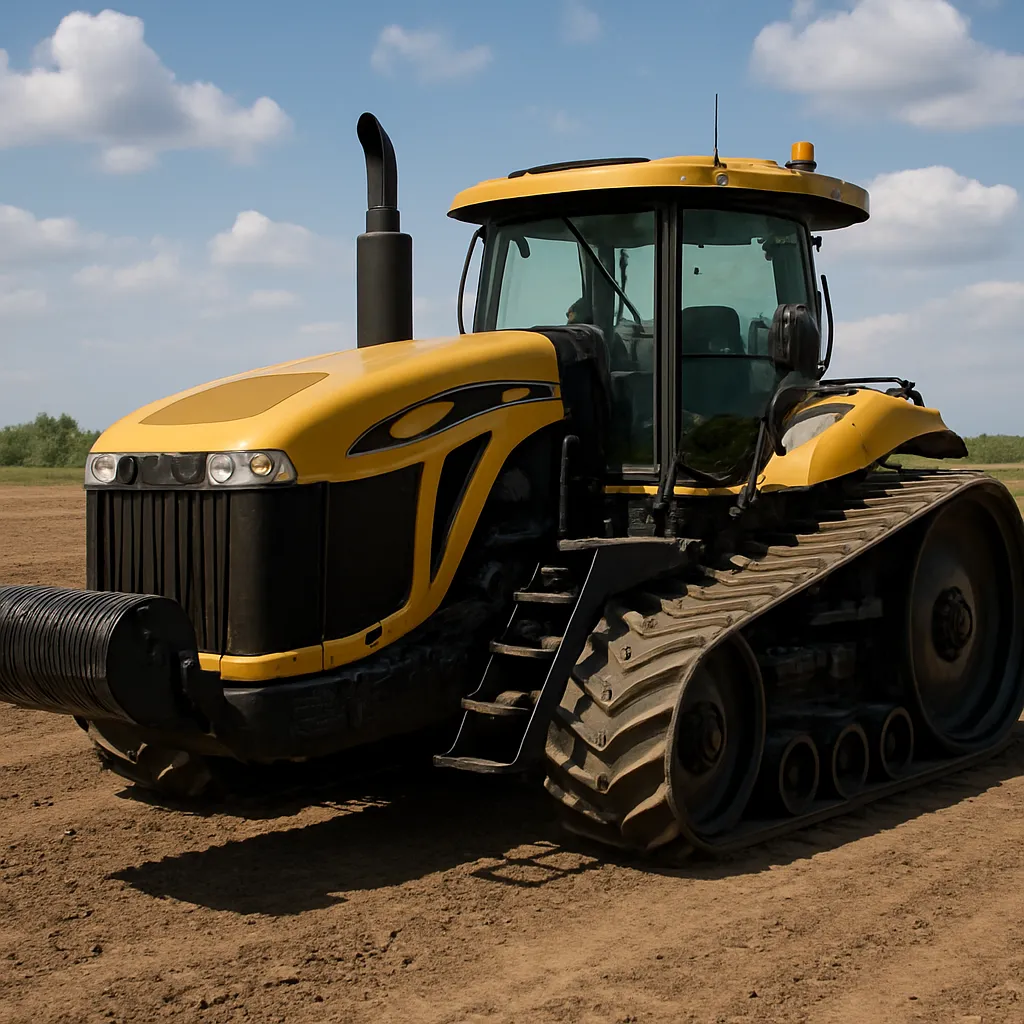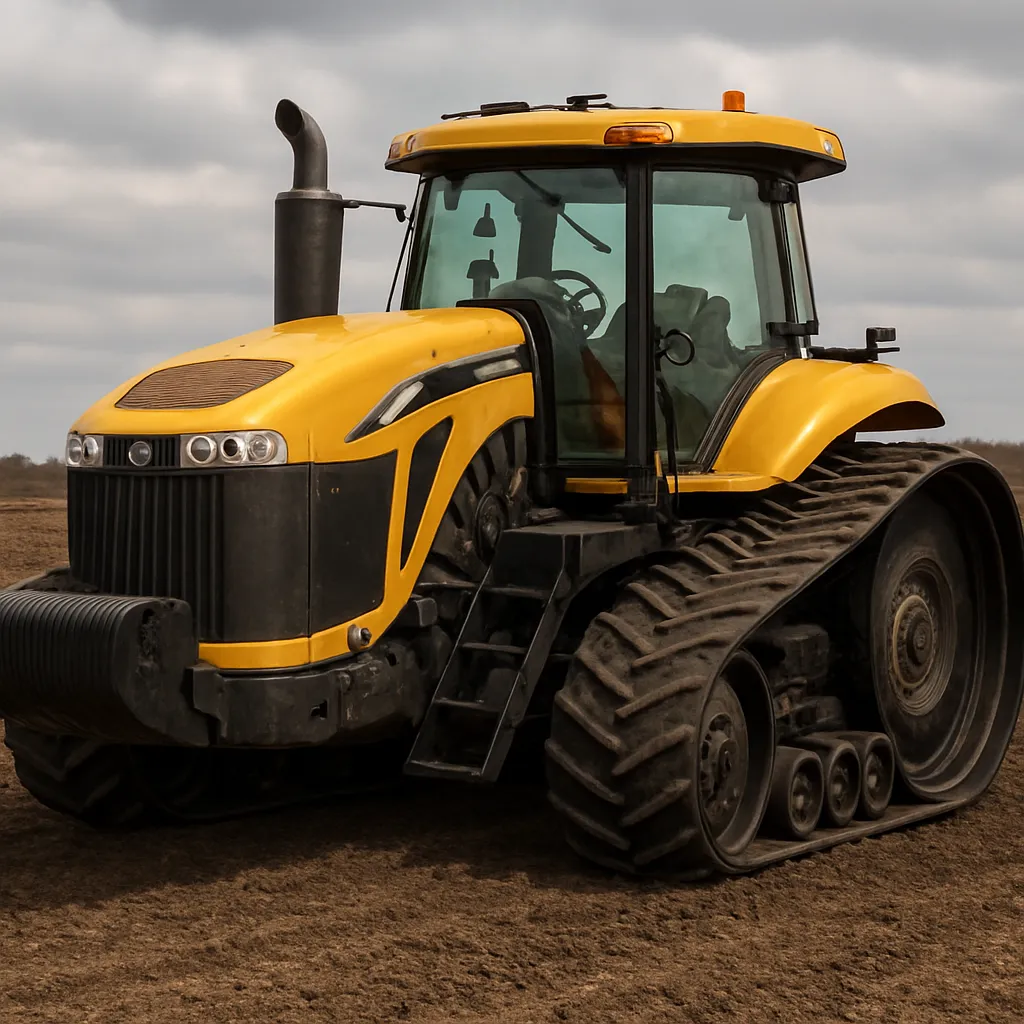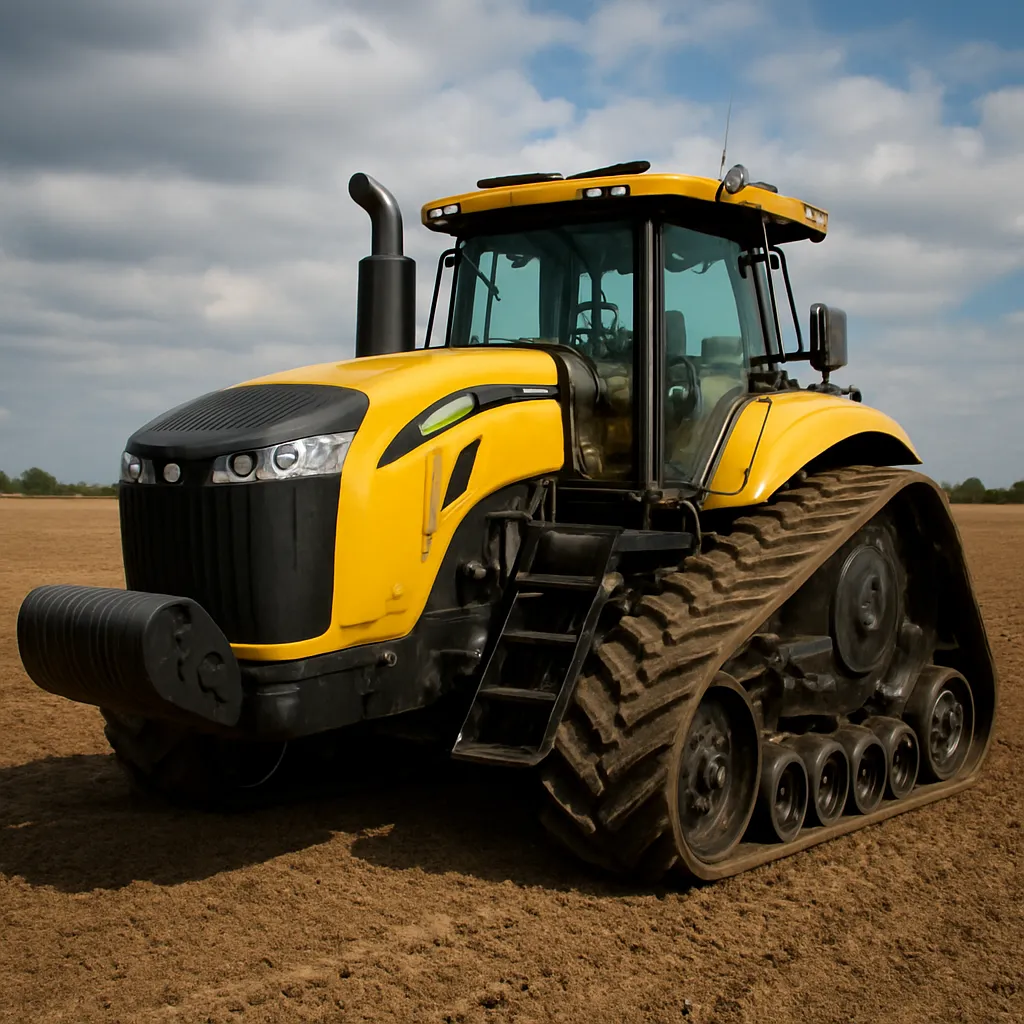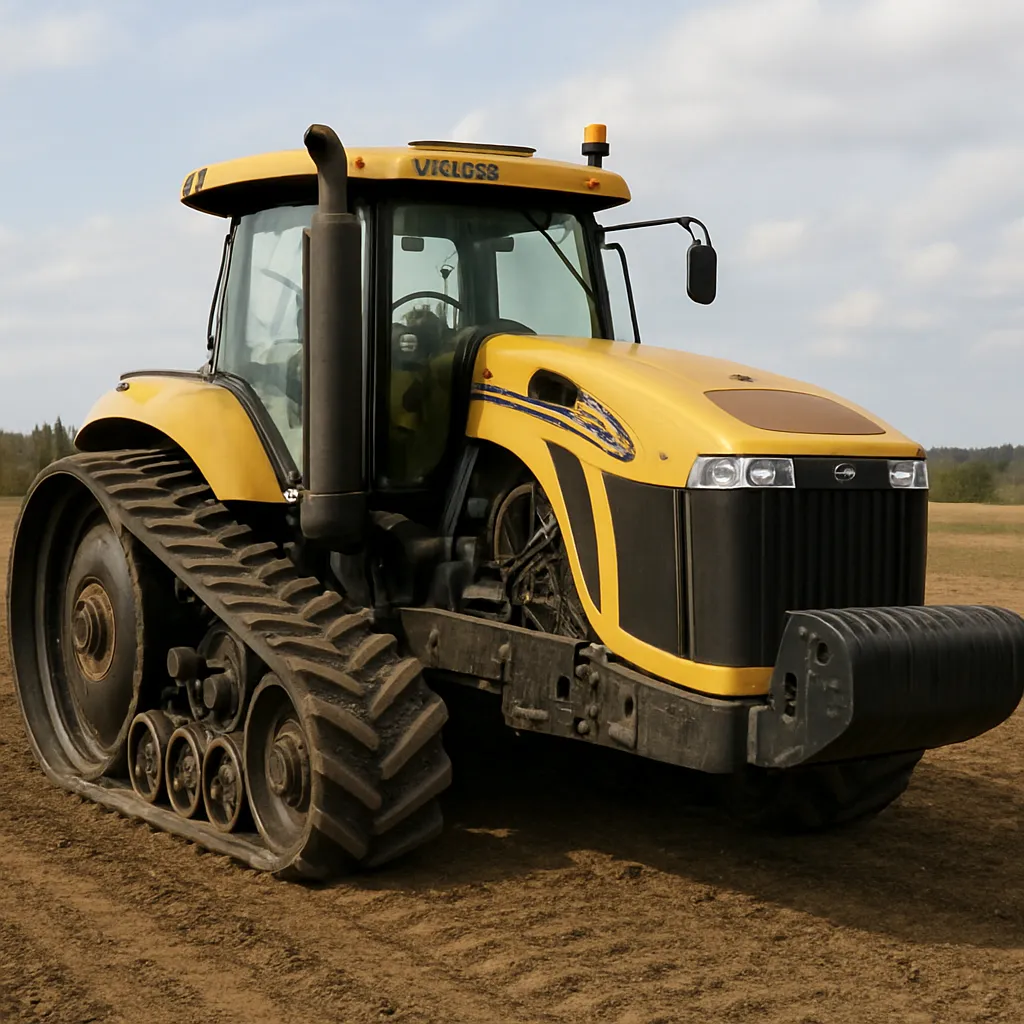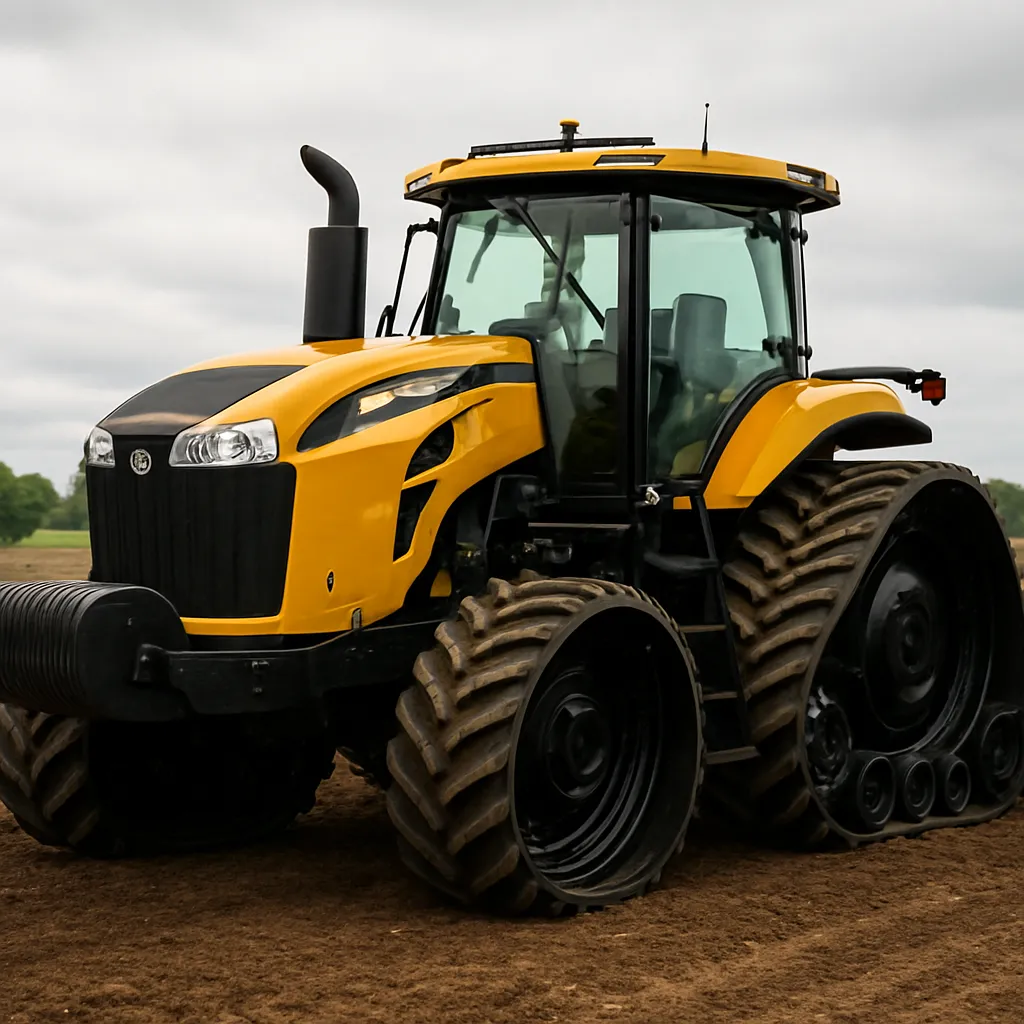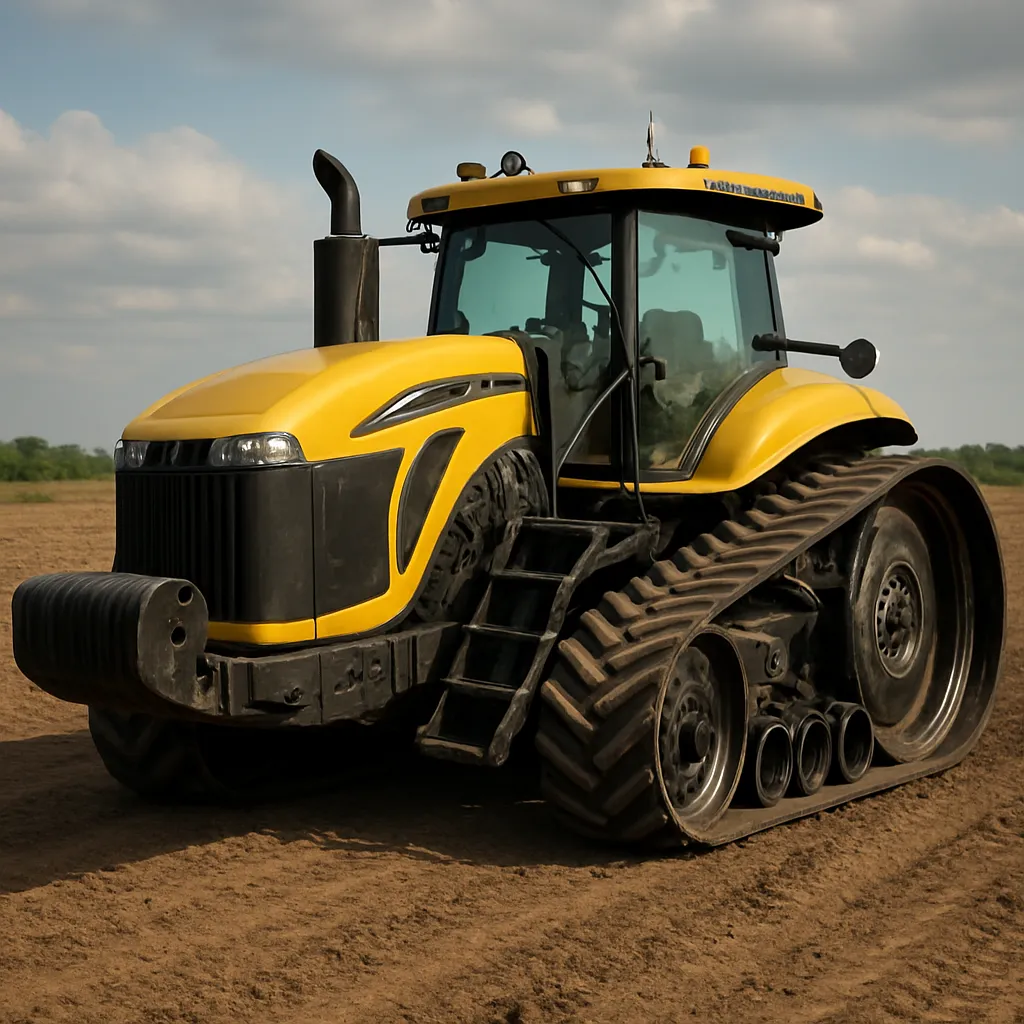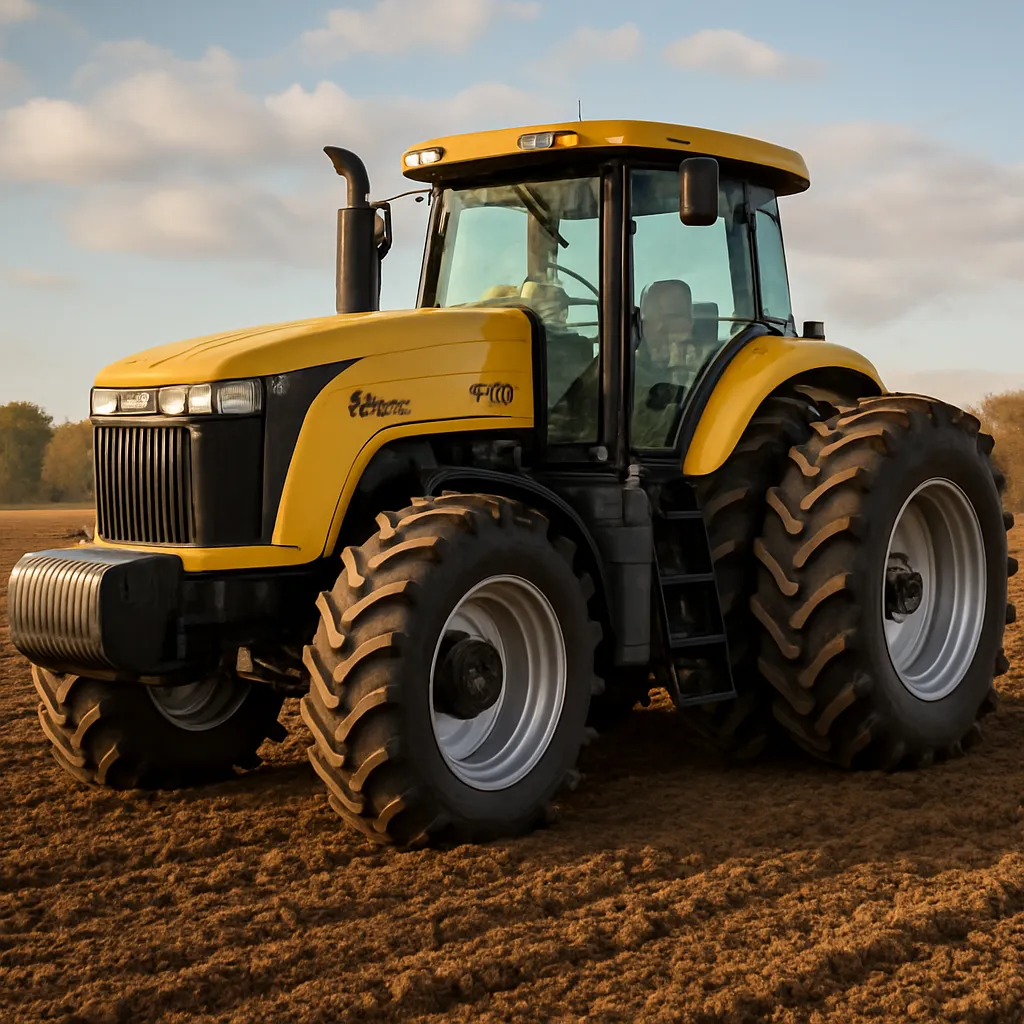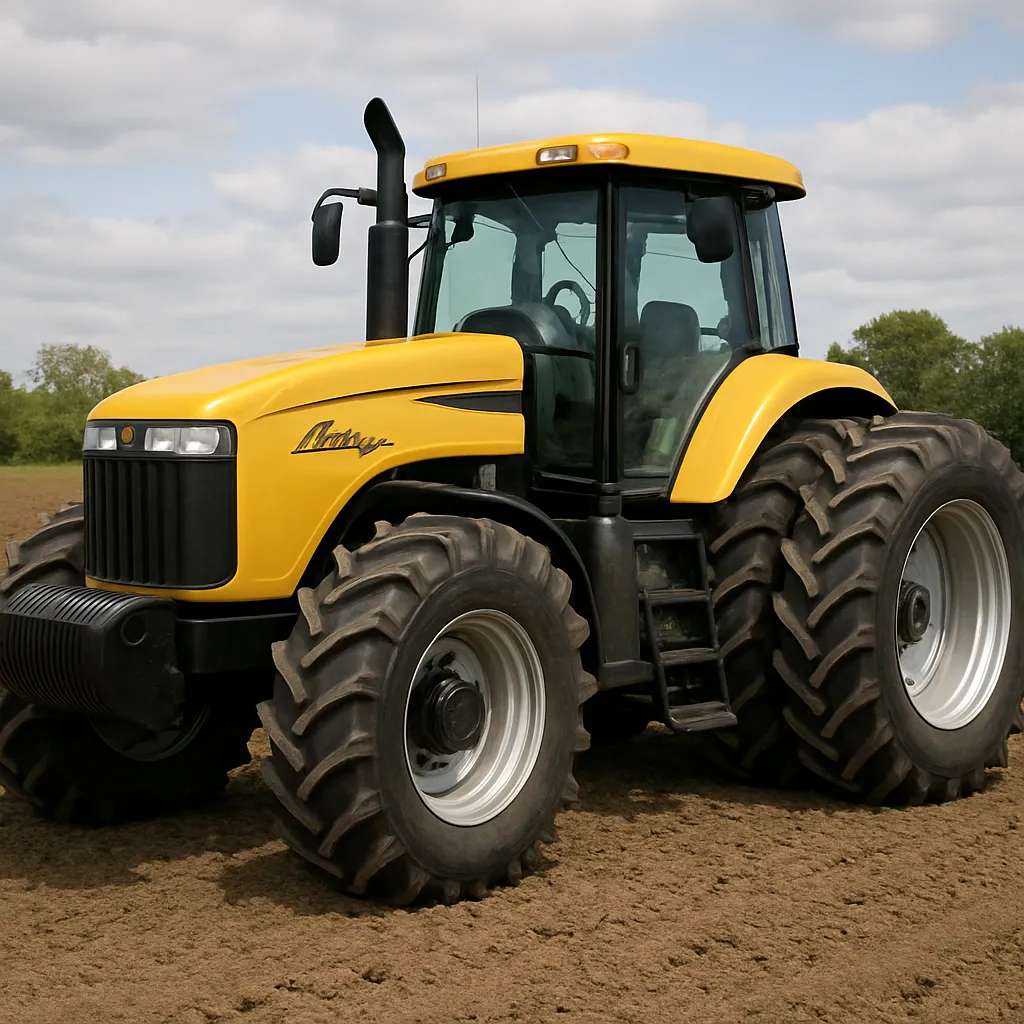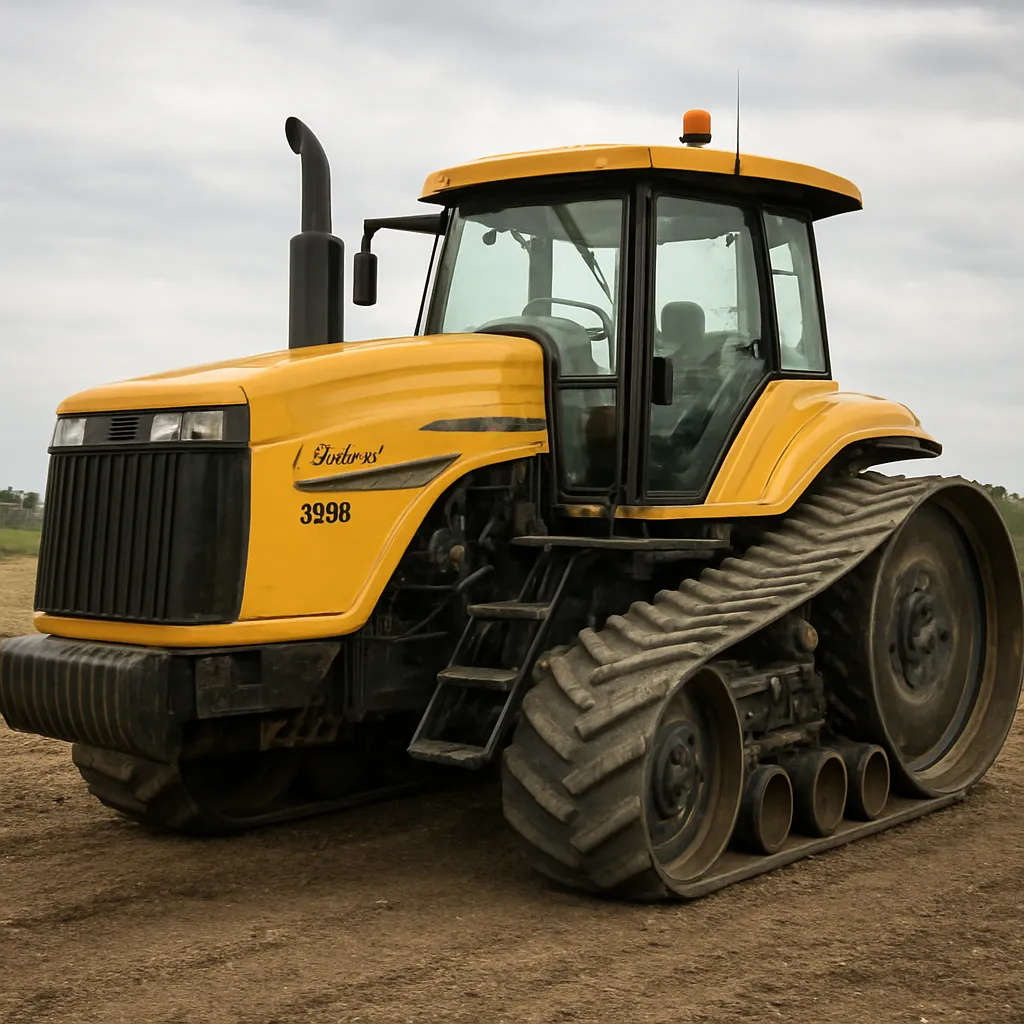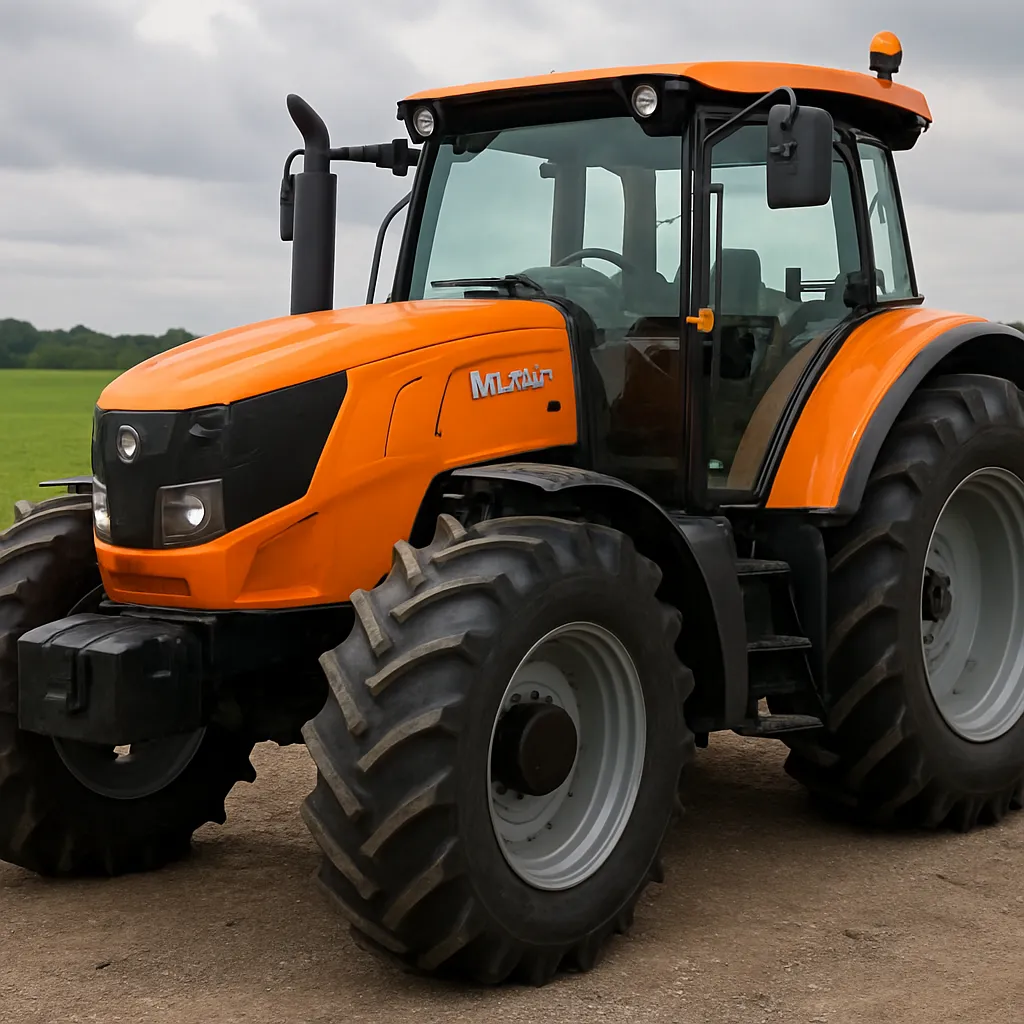
The Lamborghini R8 250 is a heavy-duty agricultural machine produced under the well-known Lamborghini Trattori name, combining decades of Italian tractor engineering with modern power and versatility. In this article you will find an in-depth look at the R8 250: what it is, how it is built, where it performs best, and what operators and fleet managers should know about performance, maintenance, and economics. The text covers history, technical characteristics, typical applications and attachments, operator comfort and safety, and market considerations — all in practical terms for farmers, contractors, and equipment specialists.
Overview and history of the model and brand
Lamborghini Trattori has a long heritage in agricultural machinery that dates back to the mid-20th century. Today the brand is part of the SAME Deutz-Fahr (SDF) group, benefiting from shared technologies, engines and production resources while preserving a distinct identity and design language. The Lamborghini R8 250 is positioned as one of the larger, high-power offerings in the manufacturer’s lineup, aimed at demanding fieldwork and heavy transport tasks.
In broad terms, the naming R8 250 indicates placement in the R8 series and a class of **high** power output around the 250 mark (see technical section). The model is designed to bridge the requirements of large arable farms, mixed farming operations that require strong towing and PTO capacity, and agricultural contractors whose machines must deliver both power and long-term durability. Over successive updates the R8 family has received improvements in engine control, emissions compliance, transmission options and operator ergonomics, reflecting market demands for greater efficiency and comfort.
Brand positioning and philosophy
- Lamborghini Trattori emphasizes a mix of Italian design and robust mechanical engineering.
- Models such as the R8 250 are designed to compete in the high-power segment against other major tractor manufacturers.
- Integration with SDF group technologies means the R8 250 benefits from modern engine management and emissions solutions while keeping brand-specific styling and operator interface.
Technical specifications and performance characteristics
The R8 250 is a heavy tractor in the 200–270 horsepower class (figures vary by market and model year). It is engineered to deliver the torque and hydraulic capacity necessary for deep tillage, large seedbed cultivations, heavy transport and power-intensive implements. Below is a consolidated, practical summary of the technical characteristics you can expect when evaluating the model.
Engine and emissions
- Power: approximately 230–260 hp at rated engine speed depending on configuration and year — the “250” in the name identifies the model’s performance bracket rather than an exact fixed output across all versions.
- Torque: high torque peaks at low rpm to aid heavy draft work; electronic engine management optimizes fuel delivery and response under load.
- Emission standards: depending on production year, R8 250 units comply with Stage IIIA, Stage IV or Stage V (EU) emission levels, using after-treatment systems such as DOC, DPF and selective catalytic reduction (SCR) where required.
- Fuel: diesel with modern common-rail injection and turbocharging for efficiency and altitude performance.
Transmission and driveline
- Transmission options: powershift or stepless (CVT/continuously variable) transmissions are commonly offered in the R8 class; this provides both smooth speed control and efficient power transfer for field and transport work.
- Four-wheel drive as standard in heavy-duty variants for traction in difficult field conditions.
- Axles and differential locks built to handle heavy draft loads and frequent direction changes under load.
PTO, hydraulics and hitch
- PTO options include the standard 540/1000 rpm settings; higher-capacity PTO configurations may be available for high-power implements.
- Hydraulic flow: significant flow capacity (typical range 100–180 L/min depending on pump configuration) to power modern hydraulic-driven implements such as large seeders, ploughs with hydraulic depth control, front loaders and active tillage equipment.
- Rear 3-point hitch designed for heavy implements; electronic draft control and auto-leveling available on many configurations.
Performance metrics (operational)
- Maximum road speed typically up to 40 km/h in transport variants; field speed control optimized by transmission selection for fuel-efficient work rates.
- Fuel consumption varies with task and load; a heavy-duty 200–260 hp tractor under sustained draft load can consume in the region of 15–30 L/h depending on work intensity and hydraulic load. Actual consumption depends on soil conditions, implement type and operator technique.
- Operating weight and ballast: heavy-duty R8 models often weigh several tonnes (7–10 t or more in fully ballasted configurations) to provide traction and stability for large implements.
Primary applications and attachments
The R8 250 is a multi-role machine whose design priorities include strong drafting power, high hydraulic capacity and flexibility to accept a wide range of implements. Below are the most common and effective applications for this tractor class.
Arable and row-crop farming
- Primary tillage: deep ploughing and subsoiling with wide multi-furrow ploughs where high torque and weight provide consistent depth and performance.
- Seedbed preparation: large disc harrows, power harrows and cultivators benefit from the available hydraulic flow and traction.
- Sowing and drilling: pairing with heavy seed drills and combinable seeders where consistent forward speed and stability are required.
Forage and livestock support
- Mowing, forage harvesting and transport: towing silage wagons and heavy forage equipment, particularly where PTO power and hydraulic capacity are essential.
- Baling and wrapper units: reliable PTO output and stable traction minimize losses during tight harvest windows.
Contracting, transport and municipal use
- Contractors use the R8 250 for heavy hire work: large seedbed preparation, land reclamation, drainage installation and heavy tillage.
- Transport and haulage: with suitable suspension and transmission options the tractor works well on road runs between fields and worksites, hauling trailers and tankers.
- Municipal tasks: when fitted with front loaders, snow blowers or sweepers, the tractor can be part of municipal fleets for winter maintenance and heavy civil tasks.
Forestry and specialized tasks
- Forestry operations with protective packages and specialized tires or tracks can use the R8 250 for skidding and hauling timber.
- Specialized attachments such as stump grinders, mulchers and flail mowers are feasible with the available PTO capacity and hydraulic flow.
Design, operator comfort and ergonomics
Modern versions of the R8 250 emphasize operator comfort during long shifts. Good ergonomics and visibility reduce operator fatigue and increase productivity, especially important in the high-power tractor segment where machines are used many hours per day.
Cab layout and controls
- Spacious cab with excellent all-around visibility for safe implementation operation and road travel.
- Ergonomic control layout puts main transmission, hydraulic and PTO controls within easy reach; electronic displays provide engine, transmission and implement data.
- Comfort options: climate control, adjustable suspension seat, and soundproofing to lower in-cab noise levels during long operating cycles.
Safety features
- ROPS-certified cab structure and optional safety packages for front loader operations.
- Lighting packages for 24-hour operation during harvest windows.
- Telematics and monitoring systems available on many modern tractors allow fleet managers to track utilization, location and maintenance needs remotely.
Maintenance, reliability and operating economics
One of the practical strengths of the R8 250 is that it is engineered for high uptime across seasons. But like any heavy tractor, maintenance discipline and correct specification for the intended tasks are critical to achieve optimal total cost of ownership.
Service intervals and typical maintenance
- Routine maintenance: oil and filter changes (engine, transmission, hydraulic), fuel system checks and air filters according to use intensity; intervals depend on duty cycle and local conditions.
- After-treatment systems require attention: DPF and SCR systems need occasional servicing and correct diesel exhaust fluid (DEF/AdBlue) management where fitted.
- Hydraulic system and PTO checks: ensure correct hydraulic oil levels and implement couplings are in good condition to avoid costly downtime.
Reliability considerations
- Reliability in heavy tractors is influenced by build quality, operating conditions and maintenance practices; the R8 250 benefits from robust components designed for long duty cycles.
- Using the correct tires, ballast and hitch settings reduces mechanical stress and improves traction efficiency while preserving components.
- Access to parts and qualified service personnel is a practical factor: being part of the SDF group improves parts availability in many regions.
Operating cost factors
- Fuel is the largest ongoing expense; matching engine speed and load to implement requirements reduces fuel bills.
- Depreciation and resale: high-power tractors retain value when documented service history and upgrades (e.g., telematics) are present.
- Insurance, attachments and labor should be included in any fleet-level cost modelling when deciding to purchase or hire such a machine.
Market placement, variants and statistical context
Exact sales figures and production totals for a specific model like the R8 250 are not always publicly disclosed by manufacturers. However, some useful market observations and contextual statistics can help evaluate the R8 250’s place in the industry.
Segment and competition
- The R8 250 competes in the large high-horsepower tractor segment against models from major manufacturers (e.g., John Deere, New Holland, Case IH, Massey Ferguson, Fendt and Claas in various markets).
- Customers selecting this class prioritize high continuous power, hydraulic capacity and PTO performance for large implements and contractor workloads.
Approximate performance and usage statistics
- Power class: the R8 250 nominally sits in the ~250 hp class which is commonly used on farms larger than 200–300 hectares or by contractors handling large-scale arable work.
- Utilization: tractor utilization in this class often ranges 800–1,800 hours per year in mixed contractor and farm use; exact hours depend on seasonality and contract work.
- Fuel consumption: typical full-load consumption figures often fall in the 15–30 L/h range for sustained heavy draft tasks; short-duration high-power peaks will be higher.
Depreciation and resale trends
- Heavy tractors tend to depreciate more slowly if maintained and if hours remain within a typical range; resale values remain strong for machines with service history and modern emissions compliance.
- Upgrades such as front linkage kits, telematics and upgraded hydraulic packages enhance resale appeal.
Choosing the right configuration and buyer advice
Selecting an R8 250 or comparable tractor requires clarity about the tasks you expect it to perform. Below are practical factors to weigh before purchasing or hiring.
Match power to implements
- Make a list of implements and their power requirements; ensure the tractor’s PTO and hydraulic specifications meet or exceed peak needs.
- Consider transmission type: powershift may be simpler and robust, while a CVT delivers better fuel economy and fine ground speed control for precision tasks.
Consider service and parts availability
- Check dealer network strength and spare parts availability in your region; downtime during critical seasons is costly.
- Evaluate warranty and service packages; extended maintenance plans can stabilize operating budgets.
Evaluate total cost of ownership
- Include fuel, maintenance, insurance and expected depreciation in your cost model.
- For contracting businesses, consider hourly ownership cost and whether renting or sharing machinery during off-peak seasons is viable.
Final remarks
The Lamborghini R8 250 is a representative example of a modern, high-power agricultural tractor designed for demanding users who require dependable traction, strong PTO and hydraulic performance, and operator comfort during long working days. It is well suited to large arable operations, contractors and mixed farms that need a single machine able to perform a wide range of heavy tasks. When specifying an R8 250, prioritize matching the tractor’s hydraulic, PTO and transmission options to your implements and operating profile, and maintain a disciplined service routine to maximize uptime and resale value.
Key highlighted terms in this article: Lamborghini, R8 250, tractor, horsepower, torque, transmission, versatility, vineyard, reliability, maintenance.