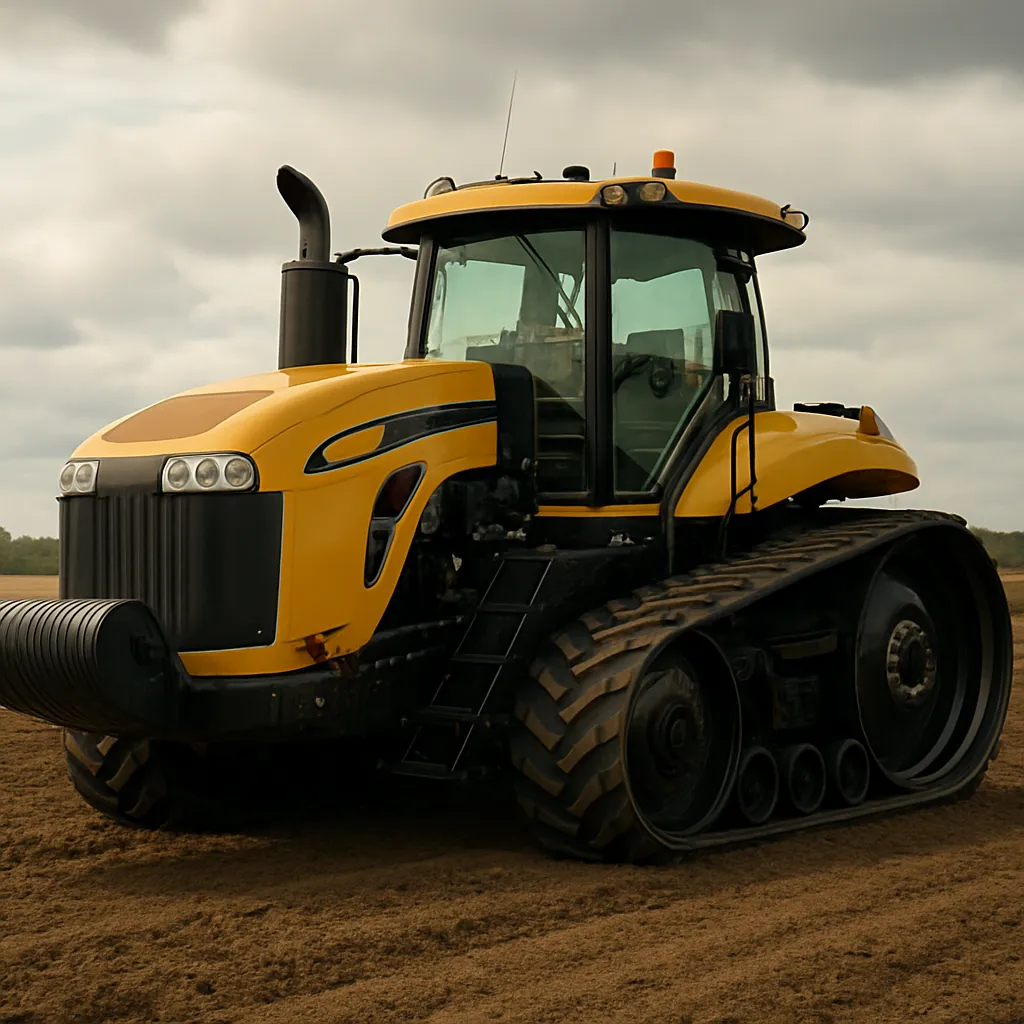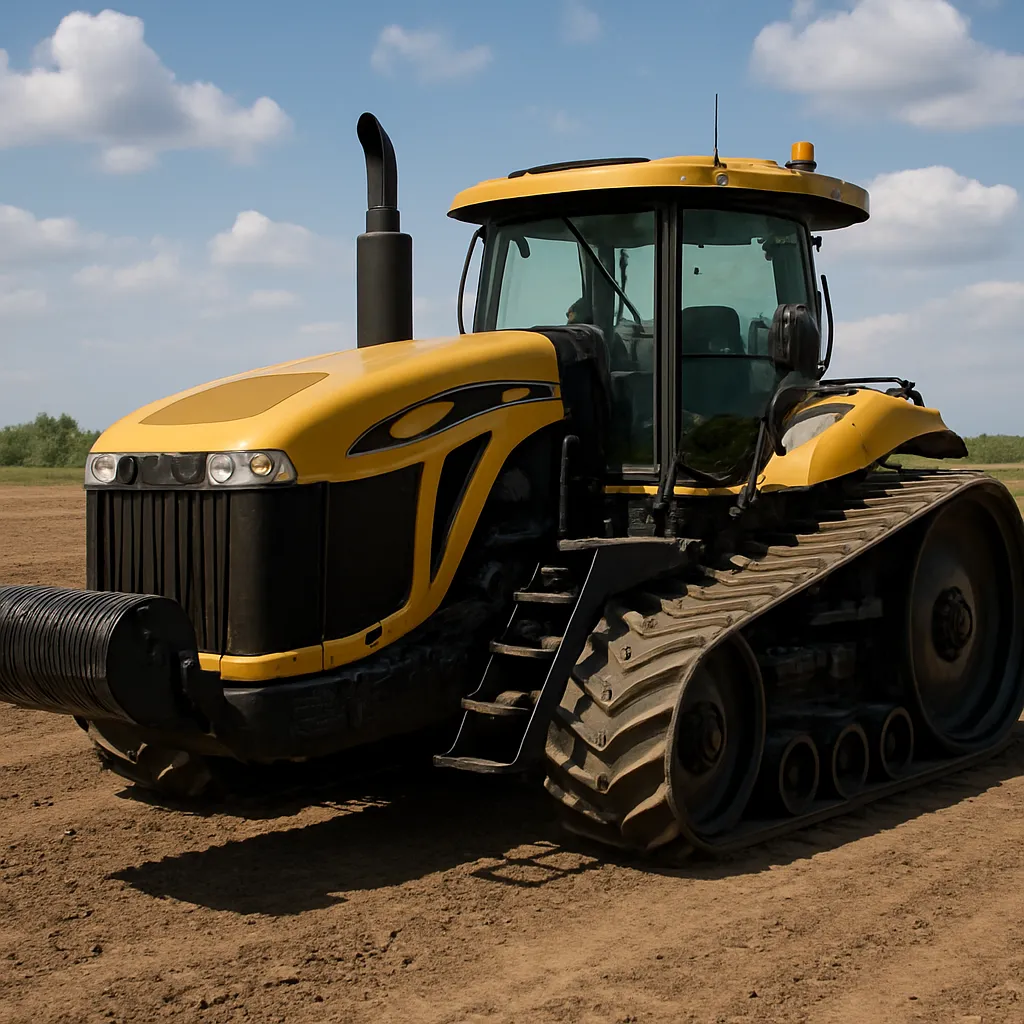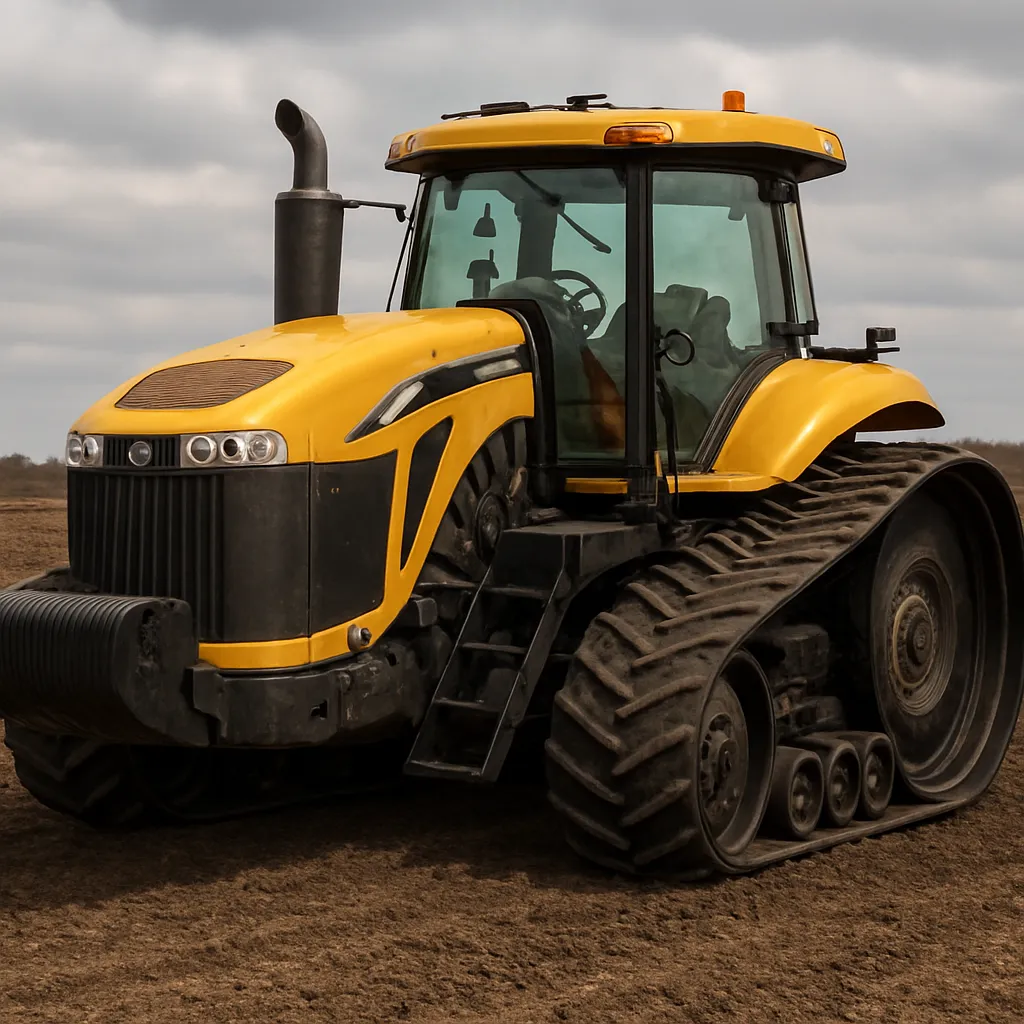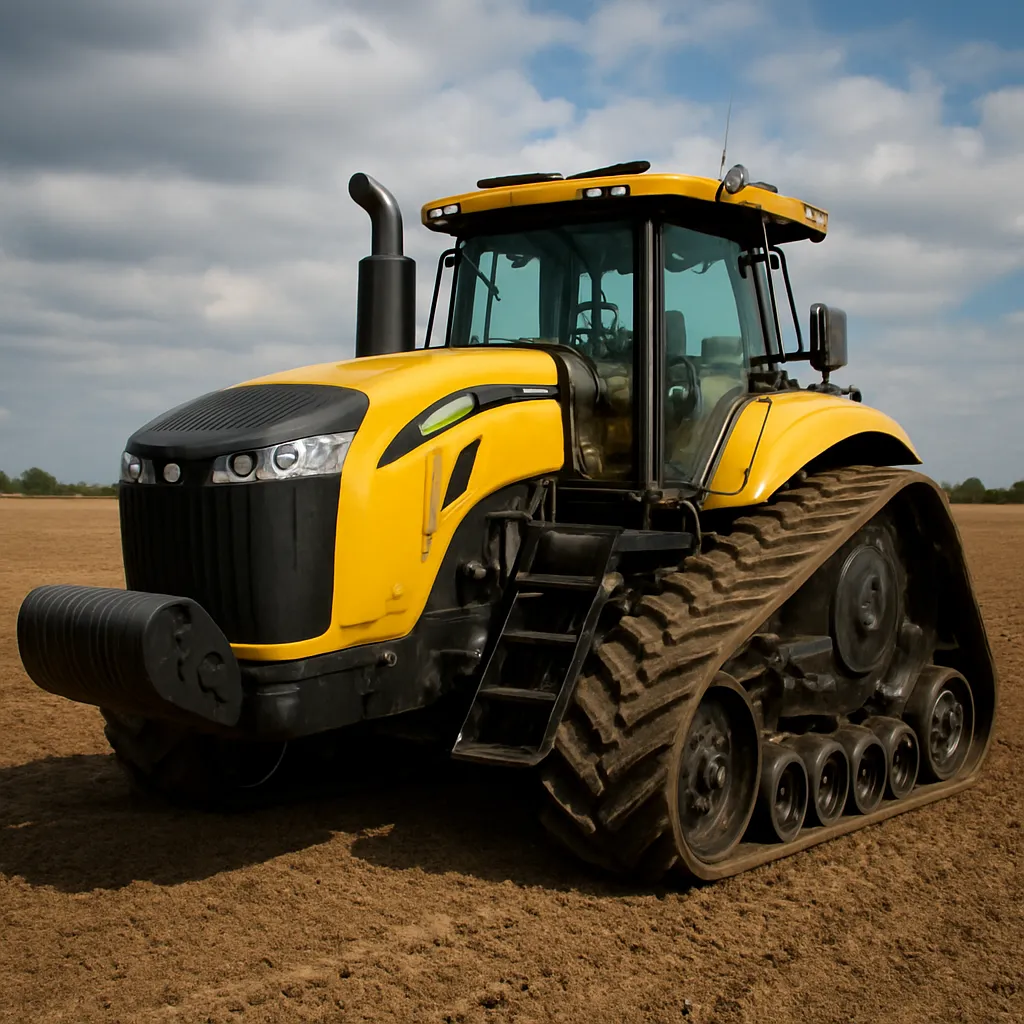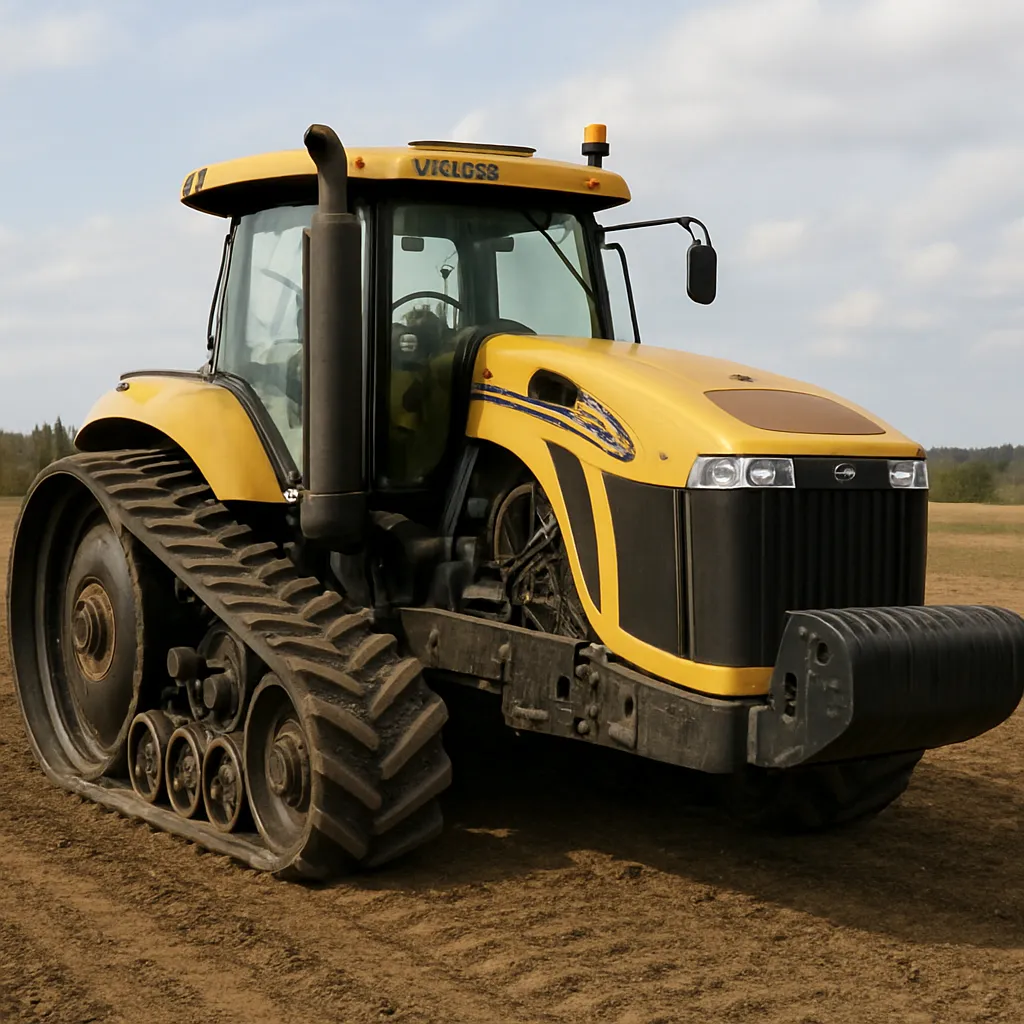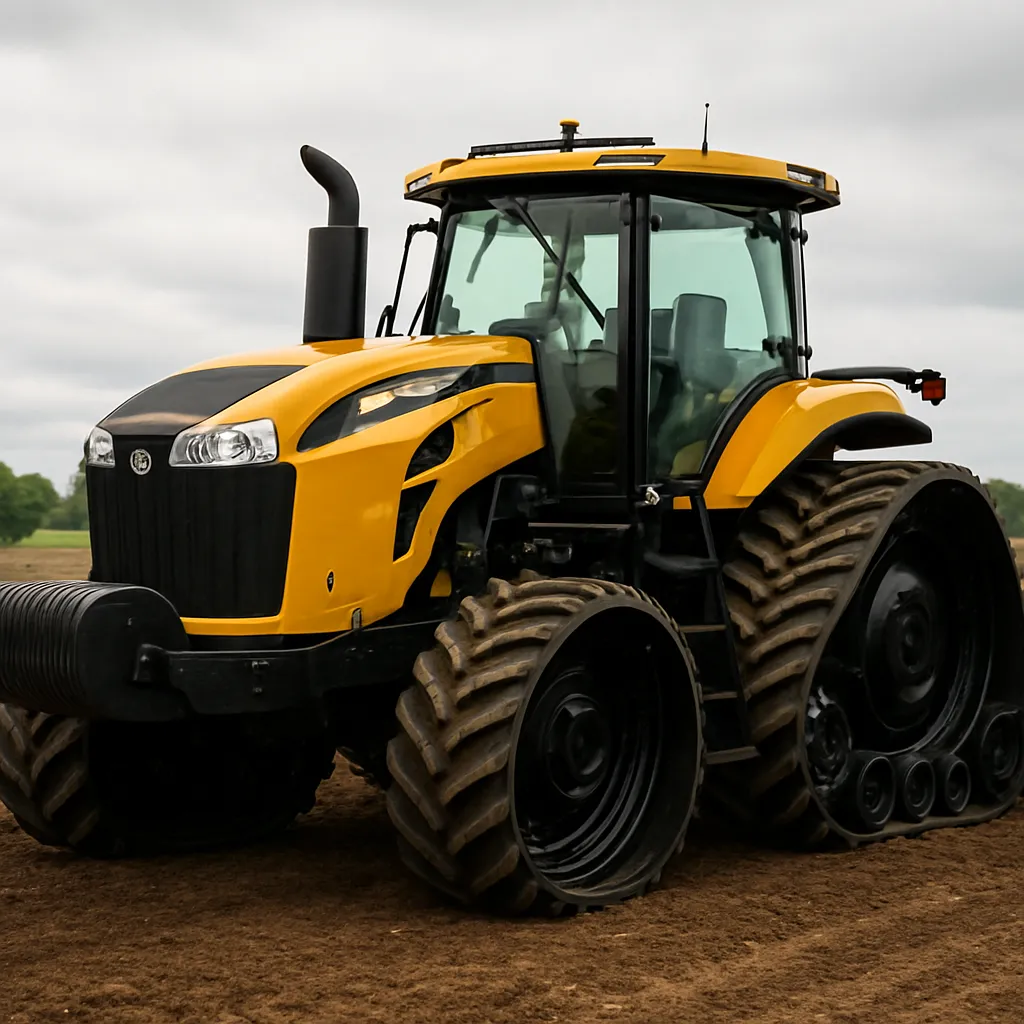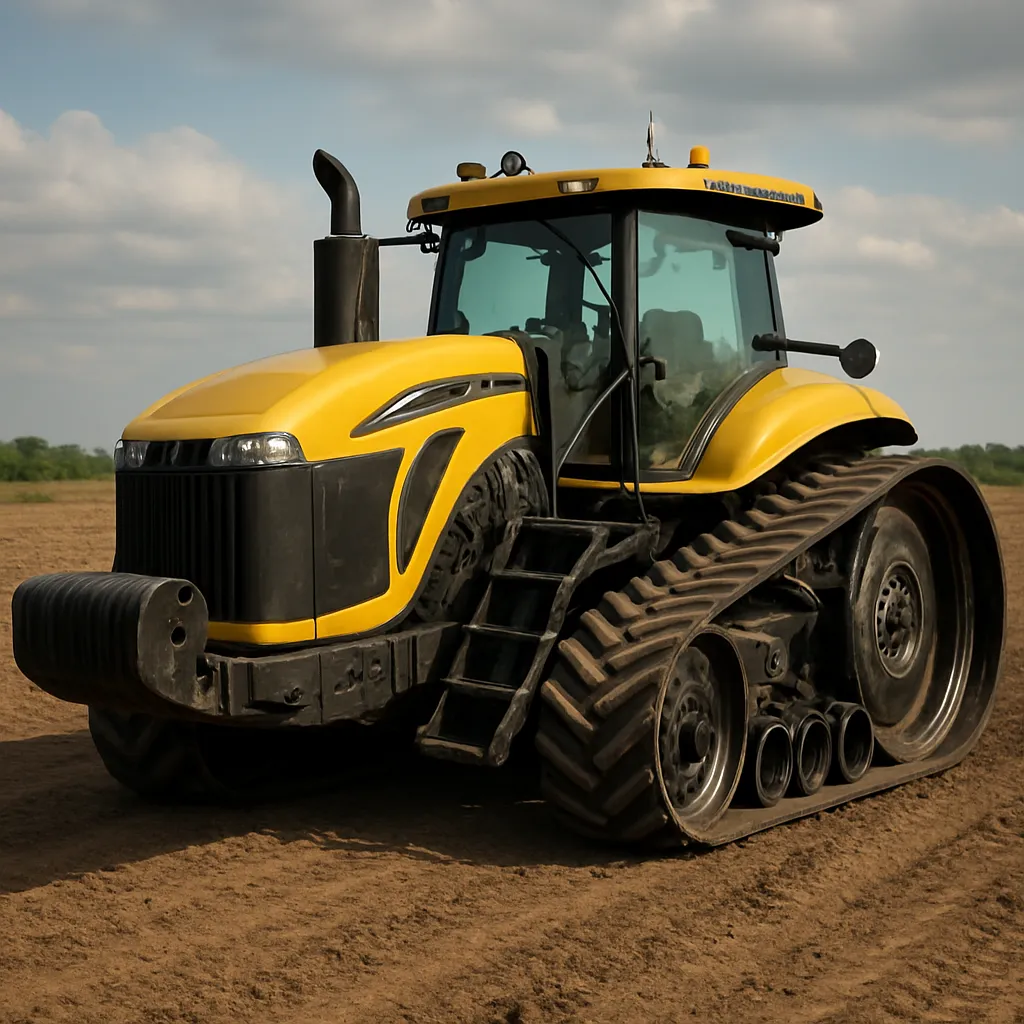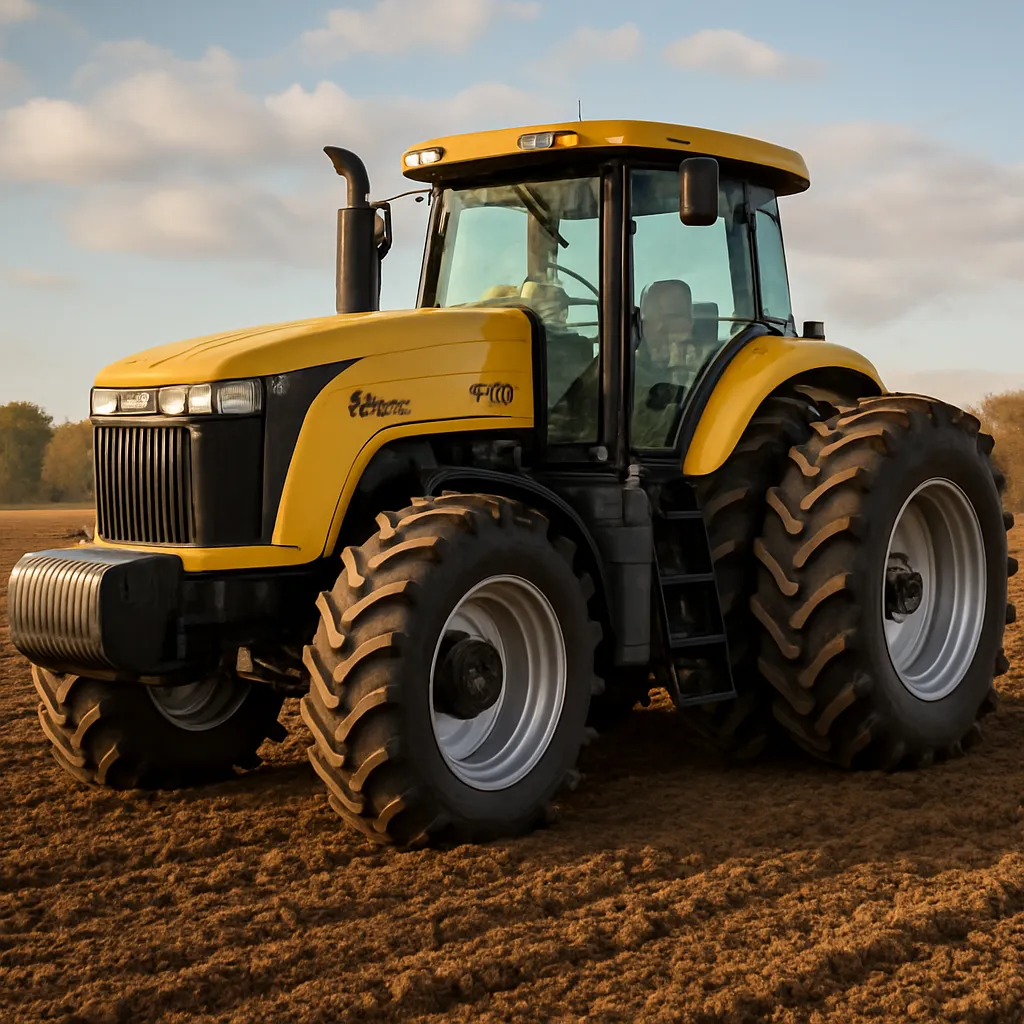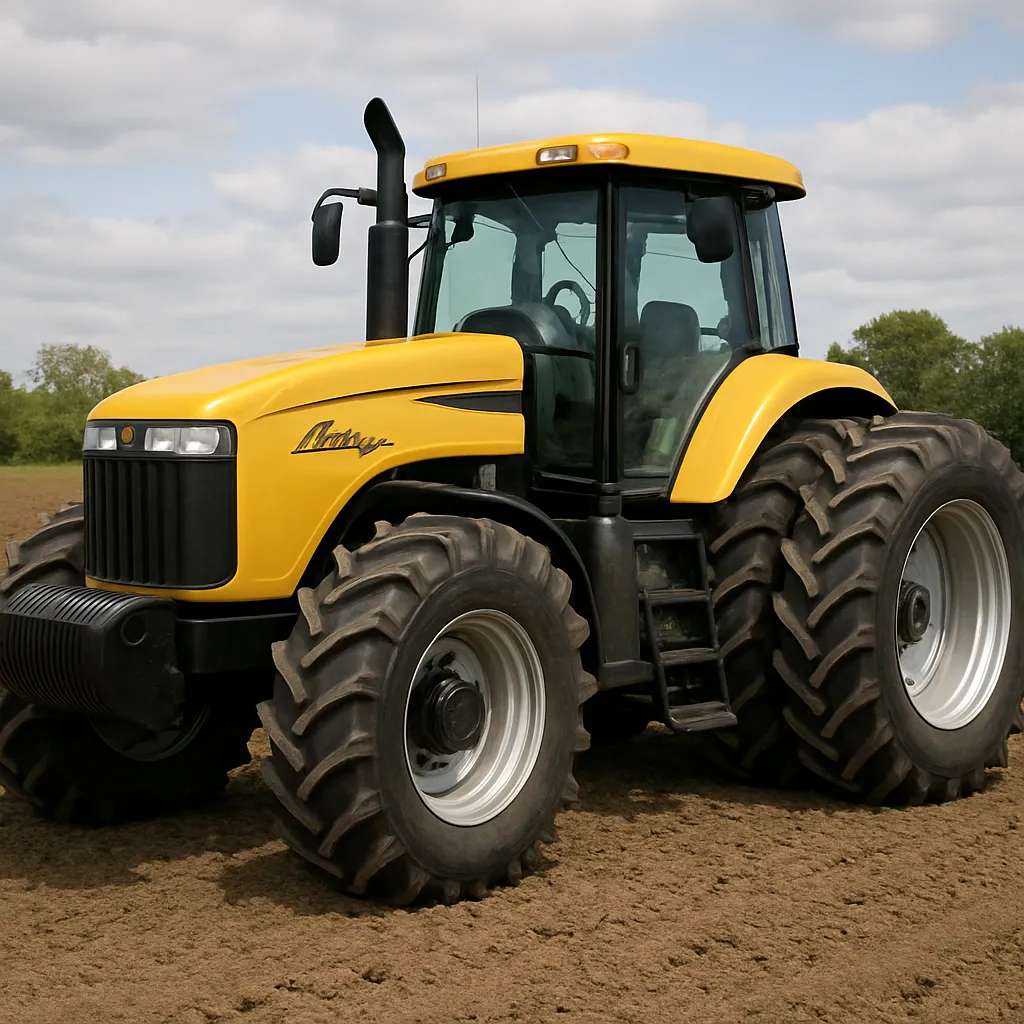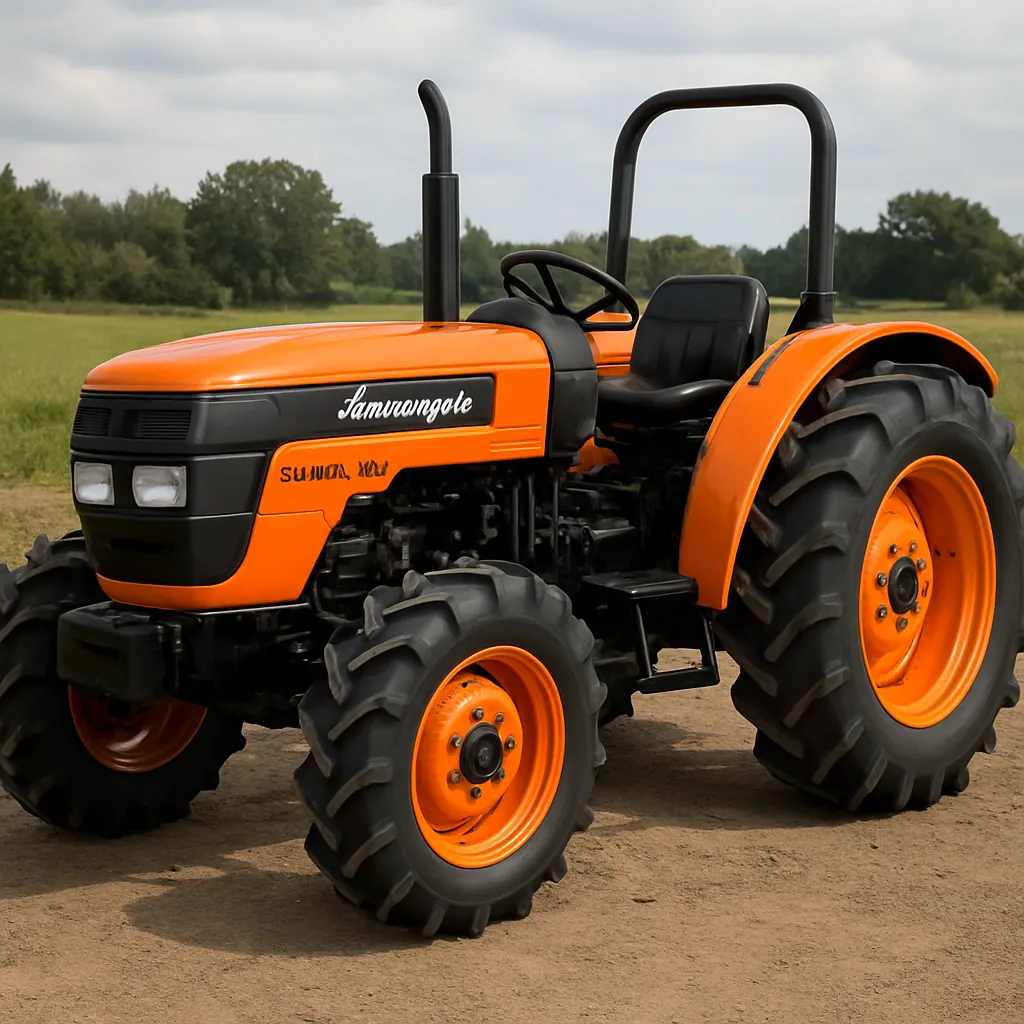
The Lamborghini Spark 195 tractor represents a blend of traditional Italian agricultural craftsmanship and modern farm machinery engineering. In this article we explore its design philosophy, typical applications, technical characteristics, operational advantages, maintenance considerations and market context. Wherever precise public specifications are uncertain, the discussion highlights likely features and practical implications for farmers, contractors and equipment managers. The text aims to give a clear, usable picture of what to expect from a machine bearing the Spark 195 name and where it best fits in contemporary agricultural operations.
Overview and heritage
The Lamborghini brand, long associated with high-performance sports cars, also has a deep history in agricultural machinery through Lamborghini Trattori. Established in the mid-20th century, the company built a reputation for robust, well-engineered tractors suitable for European and international agricultural markets. The Spark line is positioned as a family of versatile, compact-to-mid-size utility tractors intended for mixed farming, specialty crops and general estate work.
The designation Spark 195 implies a specific model within that line. While exact manufacturer publications should be consulted for official technical data, models in the Spark family are generally designed to combine durability, comfort and sufficient power for demanding tasks. The Spark 195 is therefore best understood as a machine intended for users who need a balance of power and versatility without stepping into the largest, heavy-duty tractor classes.
Design and technical characteristics
The Spark 195’s design philosophy centers on adaptability across multiple tasks: tillage, transport, loader work, mowing, baling and operation of PTO-driven implements. Key design areas to consider include the engine, transmission, hydraulics, PTO and operator environment.
Engine and emissions
Engines in the Spark series are typically modern turbocharged diesel units with electronic fuel injection to meet contemporary emission standards. Expected engine characteristics include reliable cold-start performance, strong mid-range torque and fuel-efficient combustion mapping. Many tractors in this segment incorporate engines sourced from reputable suppliers or produced within the SAME Deutz-Fahr group, featuring robust construction and serviceability.
- Turbocharging for improved low-end torque and responsiveness
- Intercooling in many configurations to maintain power at varied altitudes and ambient temperatures
- Emission control systems (DOC, DPF or SCR) depending on model year and market
Note: The numeric suffix 195 could indicate a nominal power class, but this interpretation varies by manufacturer and region. Always verify the exact rated power and torque curve from official Lamborghini Trattori documentation for the model year you are evaluating.
Transmission and driveline
The Spark line usually offers multiple transmission choices to match operational needs—from simple gearboxes for cost-conscious buyers to more advanced synchronized shuttle or powershift transmissions for heavy-duty loader and transport tasks. A robust 4WD system with mechanical or electro-hydraulic engagement increases traction and handling in difficult soil conditions.
- Options: mechanical 8/8 or 12/12; synchronized shuttle; creeper ranges for low-speed operations
- PTO speeds commonly include 540/540E and sometimes 1000 rpm variants depending on implement needs
- Heavy-duty driveline components to withstand repeated torque spikes from implements such as mowers and balers
Hydraulics and three-point hitch
Hydraulic capacity is a crucial factor for implement performance. The Spark 195 is expected to feature a mid-to-high flow hydraulic pump and multiple remote valves to operate loaders, hydraulic motors and precision implements. Category II or III three-point hitch compatibility is common in this class, providing flexibility for a broad range of implements.
- Rear linkage with electronic or mechanical draft control
- Hydraulic flow rates sufficient for front loaders and hydraulic top-links
- Optional front hitch and PTO for multi-tasking in compact operations
Cab and operator ergonomics
A comfortable, ergonomic cab improves productivity. Expect the Spark 195 to offer a well-insulated cab with heating and air conditioning options, clear visibility, intuitive controls and modern displays that provide important machine diagnostics and implement settings.
- Adjustable seat and steering column for operator comfort
- Good all-around visibility for loader work
- Optional modern telemetry or ISOBUS compatibility for precision farming
Applications and practical uses
The Spark 195 is tailored to a wide range of agricultural and non-agricultural roles. Its size and specification balance make it suitable for medium-scale farms, vineyards, orchards (with appropriate configurations), municipal work and contracting services.
Agricultural uses
- Primary tillage and secondary cultivation when paired with appropriate ploughs, discs and harrows
- Seeding and precision planting using front or rear-mounted planters and seeders
- Mowing, haymaking and baling operations, where stable PTO output and consistent torque are essential
- Spreading and spraying with boom or air-assisted sprayers
Horticultural and speciality crops
With narrower track options and specialized attachments, the Spark 195 can be adapted for vineyards and orchards. Its maneuverability and payload capacity make it suitable for tasks such as canopy management, fruit collection and transport on uneven terrain.
Contracting, municipal and estate work
- Loader duties—material handling, pallet transport, silage feed-out
- Roadside mowing, snow clearing and street sweeping with dedicated implements
- Transport tasks on farms and estates using trailers up to the machine’s towing capacity
Performance, efficiency and fuel economy
Performance is a mix of engine characteristics, transmission efficiency and hydraulic responsiveness. The Spark 195 is designed to offer consistent performance across a wide range of workloads:
- Fuel efficiency benefits from electronic engine management and turbocharging
- Hydraulic systems optimized to reduce power loss and improve implement responsiveness
- Transmission choices that match the mission profile—more gears and synchronized shifting typically improve efficiency during transport and loader cycles
Actual fuel consumption depends on load profiles, terrain, duty cycle and implement efficiency. For mixed use involving transport and fieldwork, modern tractors in this class tend to achieve reasonable fuel-use per hectare when matched properly to implements and operated within their optimal rev ranges.
Maintenance, serviceability and lifecycle costs
One of the strengths of tractors in the Spark family is their serviceability. Straightforward access to filters, fluids and routine inspection points reduces downtime and maintenance labor. Considerations for long-term ownership include:
- Routine maintenance: oil and filter changes, fuel filtration, air filter replacement and cooling system checks
- Consumables: brake and clutch wear items, PTO couplings and hydraulic seals
- Emissions system care: diesel particulate filters and SCR systems can require periodic attention
- Availability of parts and qualified technicians through authorized Lamborghini Trattori dealerships
Investing in preventive maintenance extends the useful life of the machine and preserves resale value. Operators should follow manufacturer-recommended service intervals and use genuine parts when possible to maintain warranty coverage and long-term reliability.
Safety, attachments and customization
Safety features are a prominent part of modern tractor design. The Spark 195 is typically equipped with roll-over protective structures (ROPS or cab with integrated ROPS), seat belts, clear work lights and operator locking systems. Many owners customize their tractors with specialized attachments and options to suit local tasks:
- Front loaders and quick-attach systems for rapid tool changes
- Specialized mowers, shredders and mulchers for landscape and municipal work
- GPS guidance, ISOBUS implements and telematics packages for precision farming
- Track or low-ground-pressure tires for sensitive soils
The modularity of attachments increases the machine’s versatility, making it a multi-purpose asset across seasons and tasks.
Market positioning and comparisons
Lamborghini tractors occupy a segment that values engineering pedigree, European design and a balance between performance and maneuverability. The Spark 195 competes with other compact-to-mid-sized tractors from manufacturers such as New Holland, John Deere (in comparable classes), Massey Ferguson and Fendt, depending on regional availability. Buyers typically compare:
- Power-to-weight ratios and fuel efficiency
- Transmission types and operator comfort
- Dealer network and aftermarket support
- Upfront cost versus lifecycle operating expenses
Where Lamborghini often appeals is in combining a strong design heritage with the practical needs of modern farms, offering machines that are both capable and refined for demanding users.
Practical buying and ownership advice
When evaluating a Spark 195, prospective buyers should:
- Confirm official engine power and torque curves from the manufacturer for the exact model year
- Inspect hydraulic flow rates, number of remotes and hitch capacity to ensure implement compatibility
- Consider transmission choice based on the primary use—loader/transport vs. slow-speed fieldwork
- Review warranty terms and local dealer service capabilities
- Assess resale value trends for Lamborghini Trattori machines in the local market
Test-driving machines with the specific implements you plan to use is highly recommended; real-world operation reveals how well the tractor matches your workflow and ergonomic preferences.
Environmental considerations and emissions
Modern tractors face increasingly strict emissions regulations. The Spark 195, like contemporary models, must meet regional standards that may include Stage V in Europe or Tier 4 Final in North America. Emissions hardware and software improve air quality but add complexity to maintenance. Key practices to minimize environmental impact include:
- Using low-sulfur diesel and manufacturer-recommended lubricants
- Maintaining and correctly regenerating particulate filters where fitted
- Adopting precision farming techniques to reduce overlapping passes and conserve fuel
Fuel-saving strategies such as engine management, matching implement size to tasks and training operators on efficient driving techniques contribute to lower operational emissions and costs.
Final assessment and suitability
The Lamborghini Spark 195 is best viewed as a versatile, well-engineered tractor designed to meet the needs of medium-scale operations and specialty tasks. Its core strengths are adaptability, a focus on operator comfort and the ability to work with a wide range of implements. While precise numeric specifications should be confirmed through official channels for any given production year, farmers and contractors seeking a balanced combination of power, durability and modern features will find the Spark 195 an attractive option.
In summary, the Spark 195 aims to offer reliable agricultural performance across diverse applications—from fieldwork to estate management—backed by the engineering tradition of Lamborghini Trattori. Properly matched with implements, maintained according to service recommendations and operated with an eye to efficiency, this tractor can be a valuable tool in contemporary farm operations.