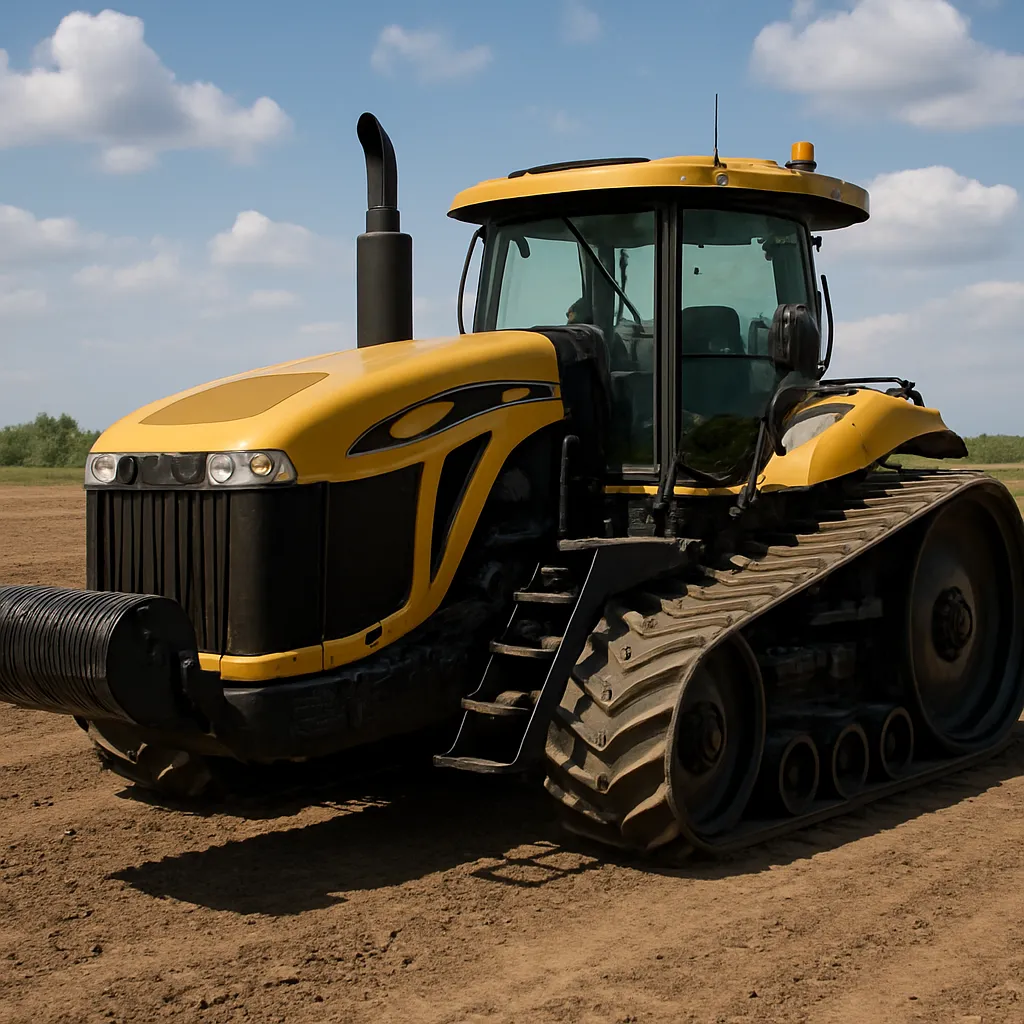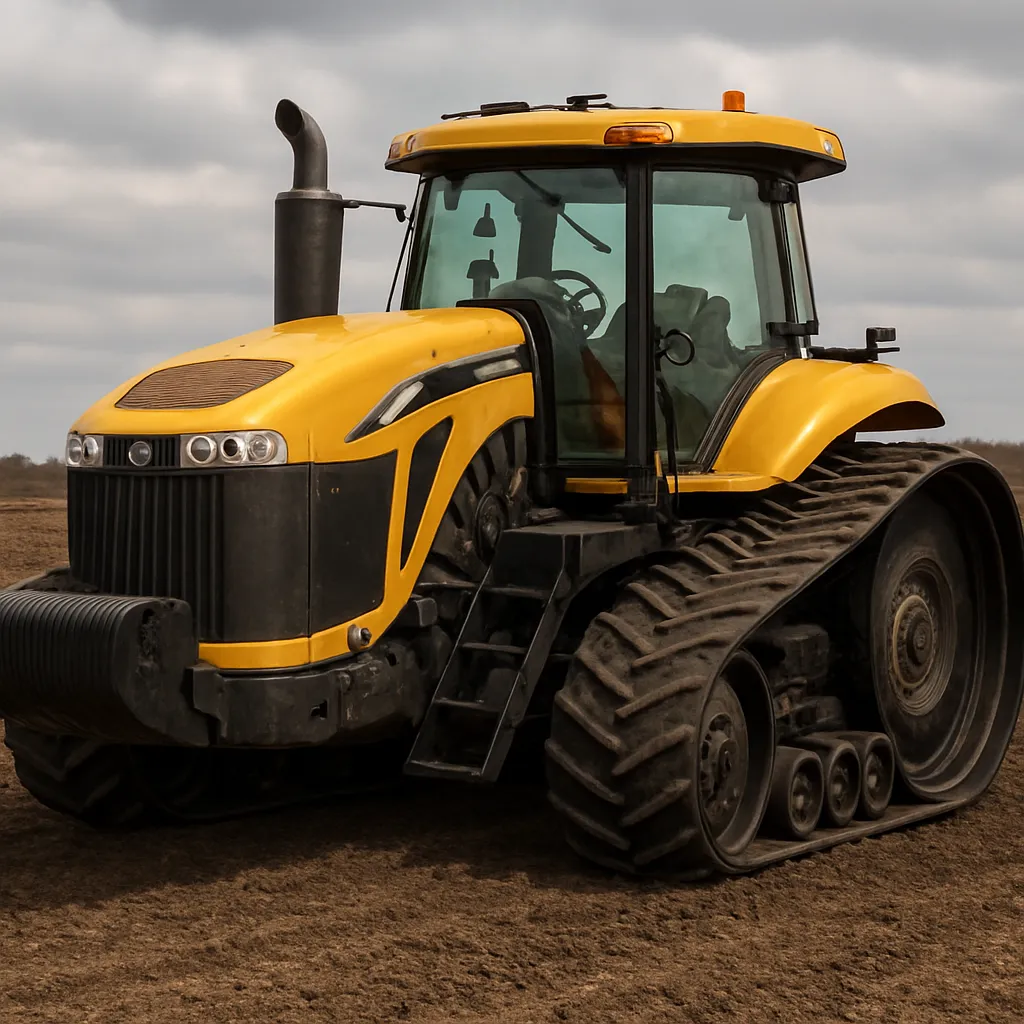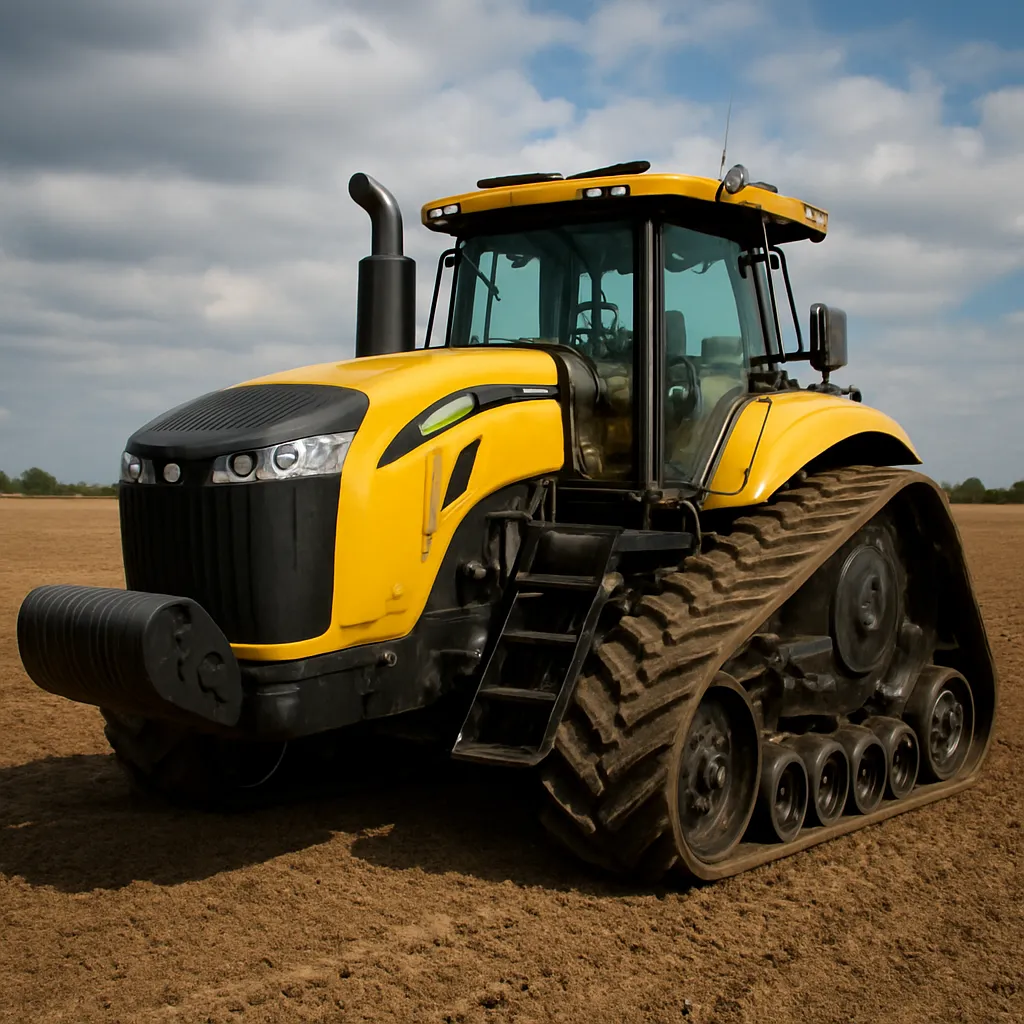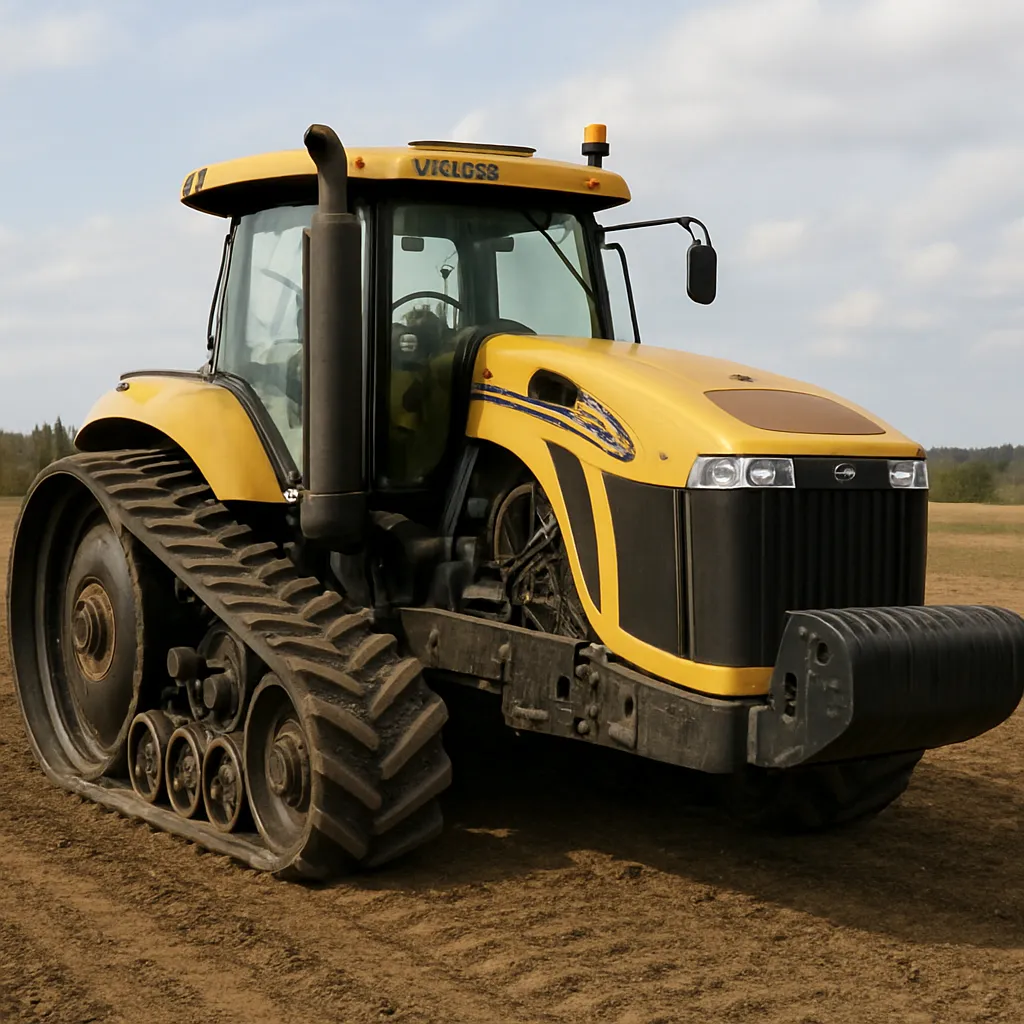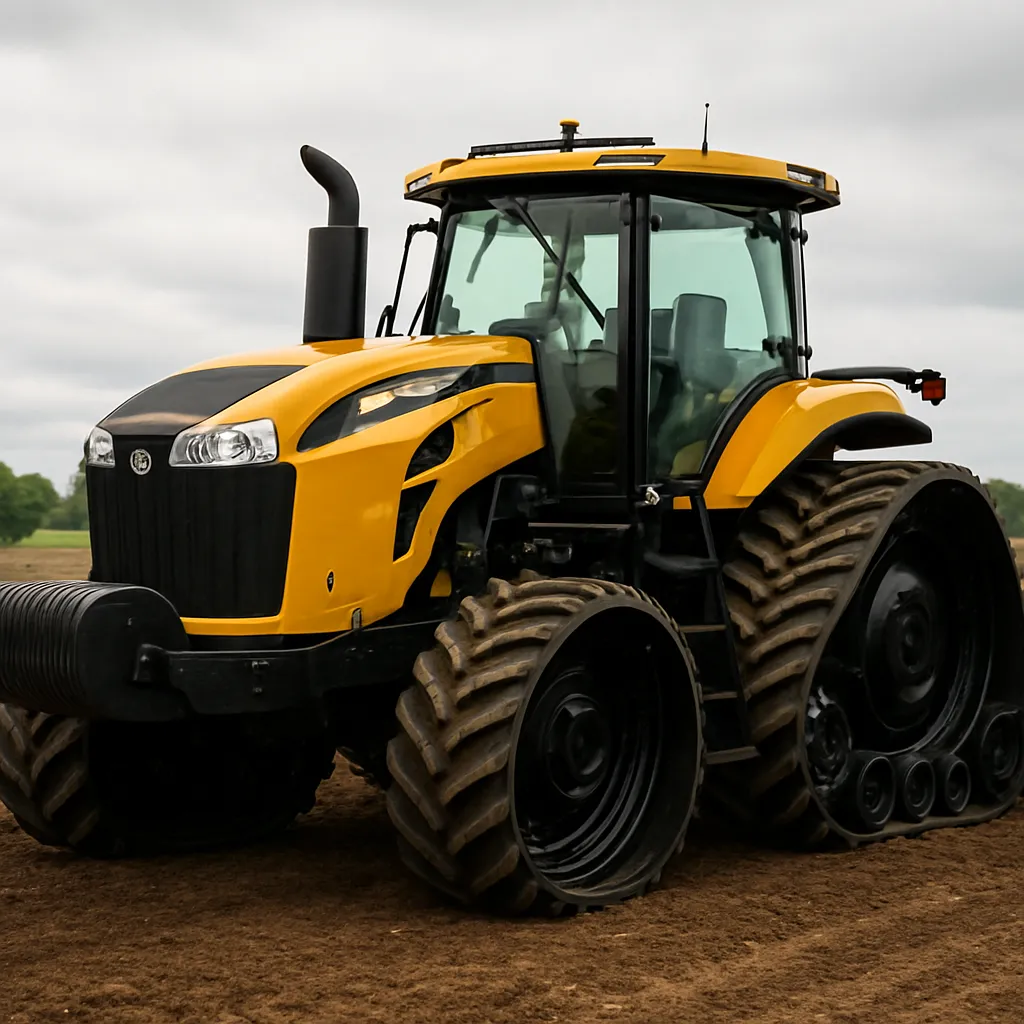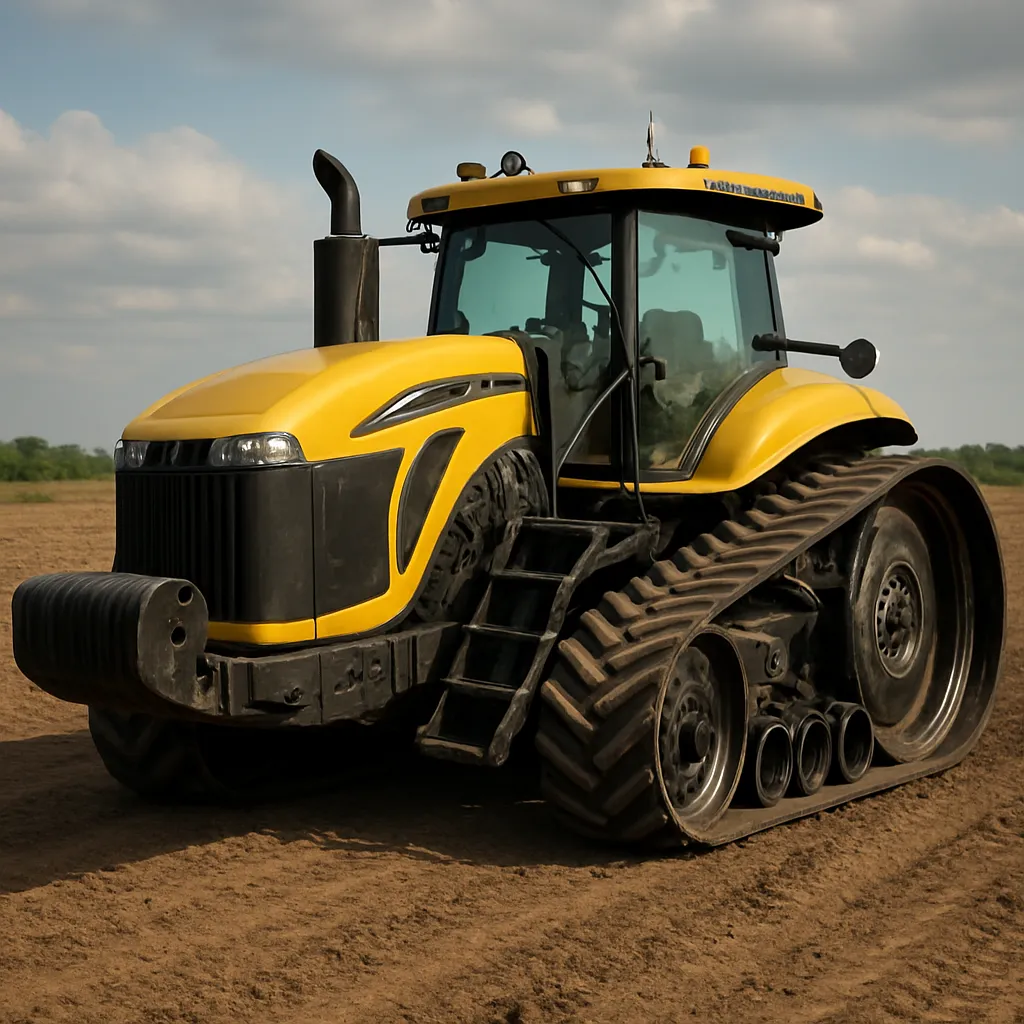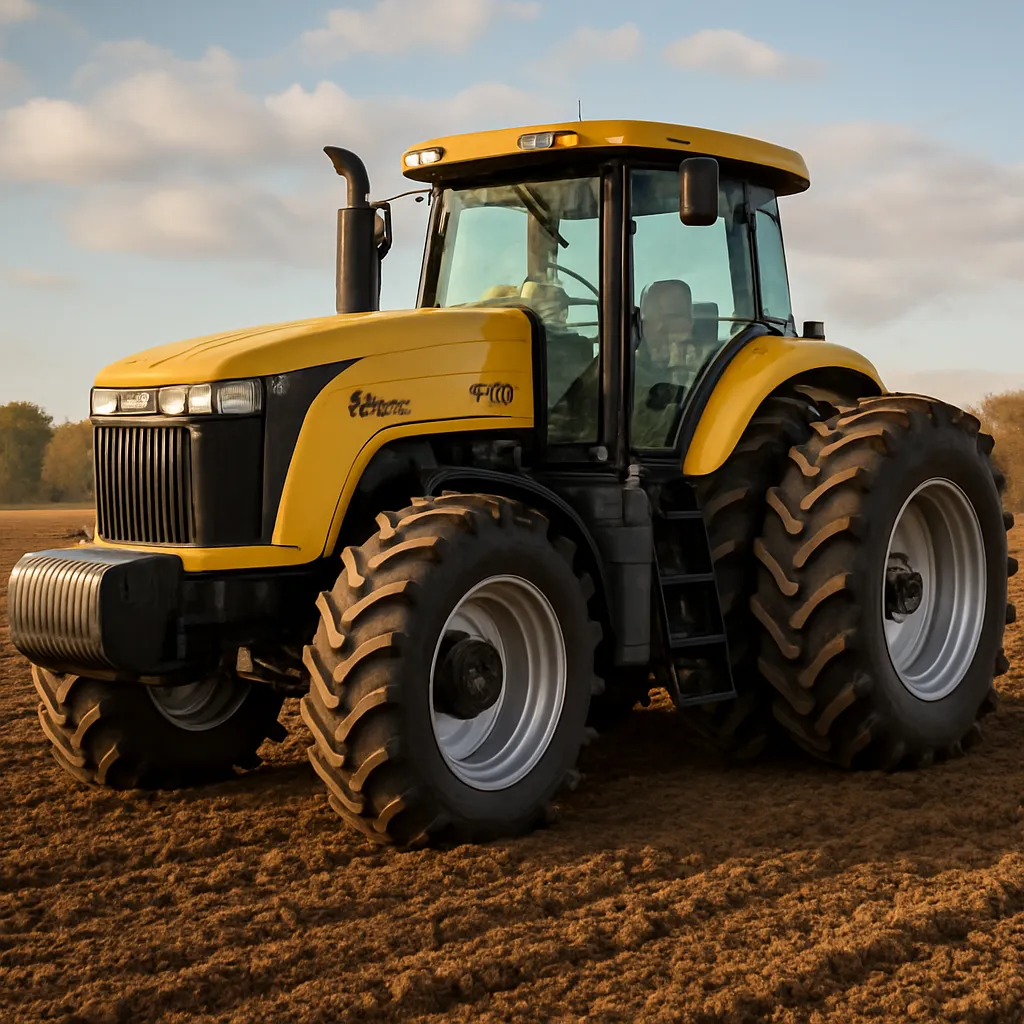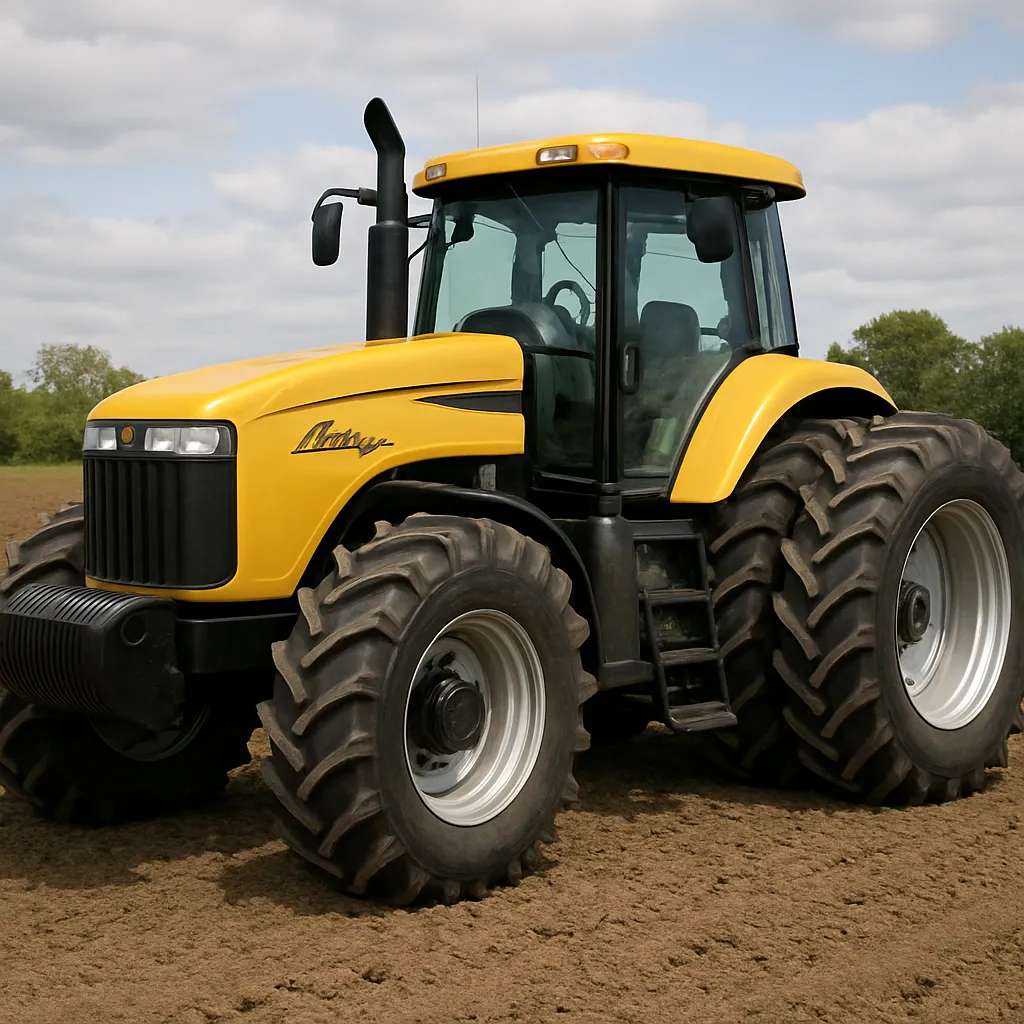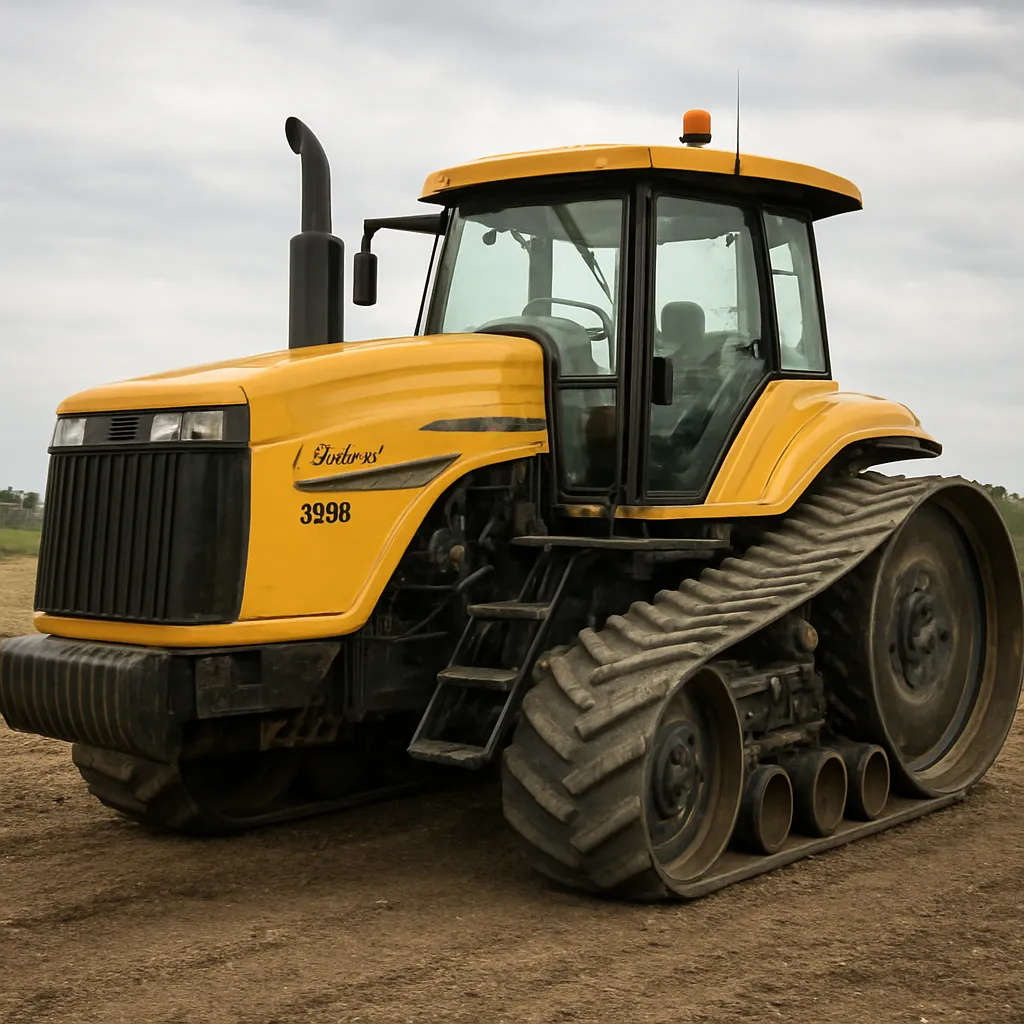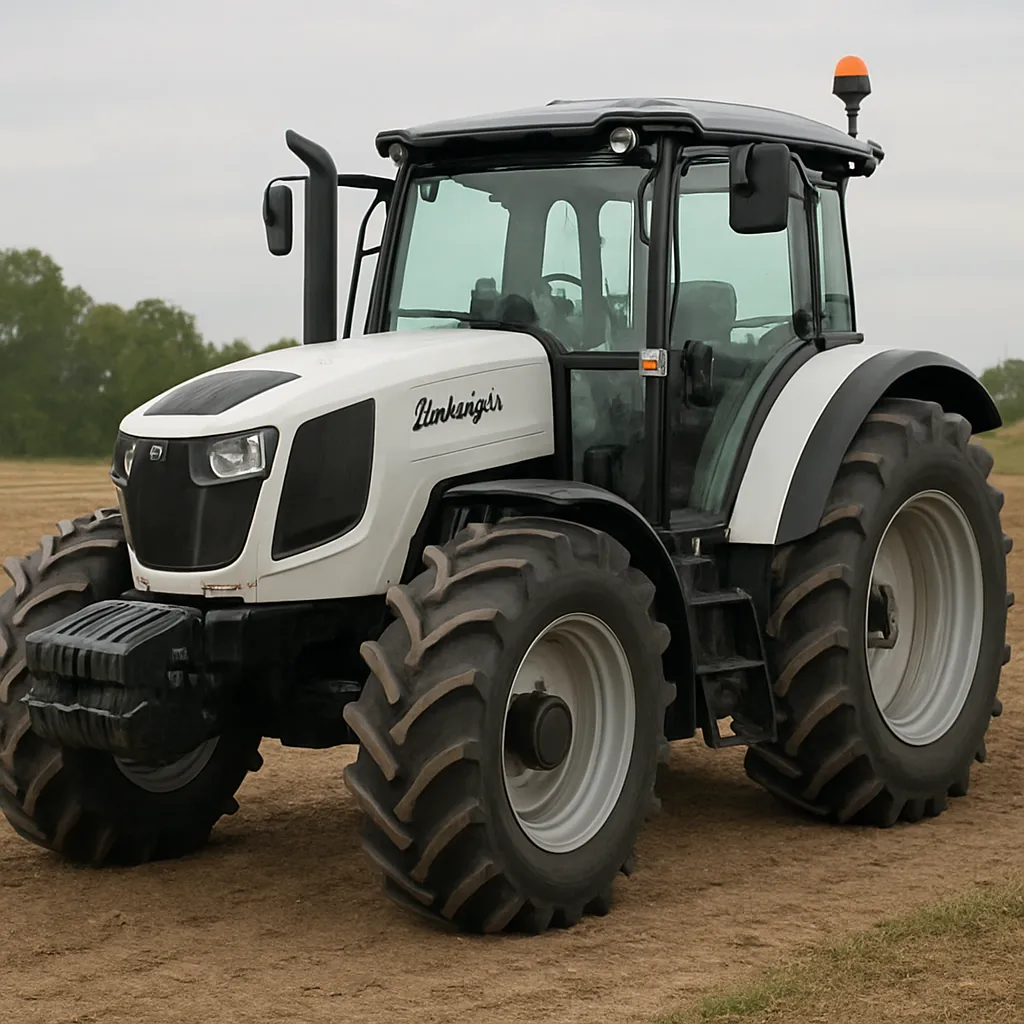
The Lamborghini Spark 210 is a compact, versatile machine that reflects the long agricultural heritage of the Lamborghini name. Although many consumers immediately associate Lamborghini with high-performance sports cars, the brand’s agricultural division has for decades produced robust and innovative agricultural machinery tailored to modern farm requirements. The Spark 210 sits within a family of compact tractors designed for high maneuverability, efficient power delivery and adaptability across a wide range of tasks. This article explores the design philosophy, typical uses, technical characteristics, operational advantages and market context of the Lamborghini Spark 210, offering practical insight for prospective owners, fleet managers and enthusiasts.
Design and engineering philosophy
The Lamborghini Spark 210 was conceived with emphasis on compactness, ergonomic operation and durable mechanical systems that can withstand daily use on small- to medium-sized farms. The design stems from the long tradition of Lamborghini agricultural machinery, which prioritizes a balance between modern technology and serviceability.
- Lamborghini heritage: The Spark series benefits from decades of engineering experience in agricultural tractors, combining Italian design sensibilities with functional robustness.
- Chassis and weight distribution: The Spark 210 typically features a compact wheelbase and a low center of gravity, which improves stability on slopes and in orchard rows.
- Operator environment: Cab or platform layouts for the model commonly focus on visibility, easy access to controls and reduced operator fatigue for prolonged use.
- Modularity: The tractor is designed to accept a variety of implements such as mowers, loaders, ploughs and specialty orchard tools with standardized hitch and PTO interfaces.
Engine and driveline choices are tuned to deliver smooth torque at working speeds rather than focusing exclusively on top speed. This tuning supports operations like tillage, mowing, and PTO-driven implements, where consistent torque and predictable response are crucial.
Primary applications and suitability
The most common applications for a machine like the Spark 210 encompass a wide range of agricultural and municipal tasks. Its adaptability makes it attractive to mixed-use farms, vineyards, small livestock operations and contractors who require a compact but capable power unit.
Vineyards, orchards and specialty crops
- Vineyard compatibility: The Spark 210’s narrow track options and agile steering make it suitable for row-crop operations and narrower vineyard passages. It can be equipped with protective fenders and low-height cabs to navigate beneath canopies.
- Precision tasks: Low-speed maneuverability and fine control allow for spraying, under-trellis mowing and mechanical weeding without excessive crop disturbance.
General arable and mixed farms
- Tillage and seeding: With appropriate ballast and rear-mounted implements, the Spark 210 can handle light-to-medium tillage, seedbed preparation and planting tasks.
- Hay and forage work: PTO-driven mowers, tedders and balers can be operated efficiently by this class of tractor, given correct PTO speed and hydraulic provisioning.
Livestock and smallholders
- Feeding and bedding: The Spark 210 excels at front loader work — moving bedding, feeding, and stacking bales — due to compact dimensions and visibility.
- Farm maintenance: Its compactness and optional 4WD allow it to perform yard grading, snow clearing and fence work around farmsteads.
Municipal and contractor roles
- Groundskeeping: Municipalities and contractors use compact tractors like the Spark 210 for roadside mowing, verge maintenance and small-scale landscaping.
- Seasonal tasks: Snow removal, salt spreader mounting and light demolition are within scope when the proper attachments are fitted.
Key technical features and typical specifications
Exact specifications for the Spark 210 can vary by year, market and optional equipment. The paragraphs below describe typical attributes and capabilities commonly associated with tractors in this class. Where precise data may differ by configuration, the text highlights what to verify when selecting a specific machine.
- Sizing and weight: The Spark 210 is typically categorized as a compact/utility tractor. Dry weight for similar models often ranges from roughly 1,800 to 2,600 kg depending on cab, ballast and attachment equipment. Exact tare weight is important for implement compatibility and transport logistics.
- Engine: Models in this segment usually mount a modern, turbocharged diesel engine with electronic or mechanical fuel injection. Displacement often falls between 3.0 and 4.5 liters in comparable tractors. These engines are tuned to produce strong low-end torque for fieldwork.
- Horsepower: The nominal power may span a broad band; a common output range for comparable machines is approximately 80–120 hp. The Spark 210 name does not necessarily indicate exact horsepower, so confirm rated PTO and engine outputs from manufacturer documentation.
- Transmission: Options often include range-change mechanical gearboxes, synchro-shuttle, or powershift transmissions. Some variants may offer a CVT (continuously variable transmission) or hydrostatic option for smooth ground-speed control and efficient loader usage.
- PTO and hydraulics: Standard rear PTO speeds are typically 540/540E (economy) rpm; some versions also offer 1000 rpm. A mid-PTO may be available for mounted implements. Hydraulic flow rates can vary from ~40 to ~90 liters per minute depending on pumps and circuits; the Spark 210 is usually fitted with a hydraulic system capable of driving three-point linkage implements and loader functions.
- Three-point hitch and lift capacity: Lift capacity at the hitch commonly ranges from 1,500 to 3,200 kg for tractors of this size. Check lift capacity at the link ends when evaluating implement needs.
- Axles and 4WD: Front axle options typically include mechanical or limited-slip differentials, with optional four-wheel drive engagement for better traction in soft soils or steep terrain.
- Electrical and comfort options: Air-conditioned cabs, LED work lights, air-suspended seats and modern instrument clusters are common optional upgrades.
When considering a purchase, operators should request the certified technical sheet for the exact unit to confirm PTO ratings, hydraulic flow, lift capacity and emissions compliance for their jurisdiction.
Operational advantages and user considerations
Tractors of the Spark 210 class emphasize a balance between power, compactness and ease of use. Below are practical advantages and important considerations for prospective operators.
- Maneuverability: A relatively tight turning radius and responsive steering allow the tractor to operate efficiently in confined spaces, such as between trees or inside barns.
- Versatility: The combination of hydraulic capacity, PTO options and three-point hitch compatibility makes the Spark 210 adaptable to a wide range of implements.
- Reliability: Designed for intensive use, these tractors often prioritize simple, service-friendly assemblies and robust components, reducing downtime in the field.
- Fuel efficiency: Modern diesel engines with electronic fuel management can deliver economical fuel consumption under load; operators should evaluate fuel burn figures relative to typical duty cycles.
- Maintenance and parts: Availability of authorized service centers and genuine parts should factor into purchasing decisions to minimize lifecycle costs.
Safety features commonly include rollover protective structures (ROPS), optional modern cab air filtration for spray operations, and optional advanced lighting packages for extended-day work.
Variants, customization and attachments
A major strength of tractors in this segment is the breadth of compatible attachments and configurations. The Spark 210 can be specified or adapted for many situations through optional packages and aftermarket tools.
- Front loaders and quick couplers for pallet, bucket and fork work.
- Dedicated orchard or vineyard configurations offering narrow profiles, full-length protection and reduced overhang.
- Specialty implements: flail mowers, hedge trimmers, mulchers, sprayers and precision seeders.
- Transport and roadwork packages including road lighting, mirrors and turn indicators when used for contracting on public ways.
Customization allows the same base tractor to serve multiple roles across seasons, enhancing return on investment for small to medium enterprises.
Market presence and statistical context
The agricultural tractor market is segmented by horsepower, use case and geography. Compact utility tractors like the Spark 210 occupy an important niche where full-sized farm tractors would be impractical. While specific sales figures for the Spark 210 model may not be publicly detailed across all markets, some general points provide useful context:
- Market demand: Across Europe and many other regions, demand for compact, high-agility tractors has grown with increased planting of high-value specialty crops (e.g., vineyards, orchards, berries) and intensification of small-farm production.
- Resale and lifecycle considerations: Compact tractors with widely available parts tend to hold value better in local markets. Service networks and brand reputation influence residual values and total cost of ownership.
- Environmental regulation: Emissions standards (Stage V in Europe, Tier 4 in the U.S.) affect engine choices and aftertreatment systems; newer units will typically include particulate filters or selective catalytic reduction to comply.
For fleet managers considering acquisition, comparing lifecycle fuel consumption, scheduled maintenance intervals and expected hours between major services provides a realistic picture of operating cost per hectare or per hour. If precise regional sales or model-year production numbers are required, contacting local dealerships or the manufacturer’s regional office is the recommended route to obtain verified data.
Maintenance, serviceability and total cost of ownership
Simple, frequent maintenance tasks keep compact tractors like the Spark 210 in service and reduce the likelihood of unexpected repairs. Key maintenance considerations include:
- Engine service intervals: oil and filter change schedules, air filter maintenance, coolant condition and fuel filter replacement.
- Hydraulic system care: maintaining fluid levels and replacing hydraulic filters as specified to prevent wear on pumps and valves.
- PTO and driveline inspection: checking universal joints, PTO guards and clutch engagement mechanisms for wear and proper adjustment.
- Tire and axle checks: monitoring pressure and tread condition to sustain traction and minimize soil compaction.
Planned maintenance reduces downtime and preserves resale value. Factory-authorized service centers often offer maintenance contracts and genuine part kits to standardize servicing across a fleet.
Comparisons and competitor positioning
In the compact/utility segment, the Spark 210 competes with models from established manufacturers offering similar horsepower brackets and configurations. Buyers typically compare:
- Engine and PTO performance for specific implements
- Hydraulic flow rates and remote valve counts for multi-function work
- Cab comfort and ergonomics for long working days
- Dealer network and parts availability
- Initial purchase price versus long-term operating costs
Choosing between brands often comes down to local support and the availability of specific implements suited to the farm’s operation.
Environmental and regulatory considerations
Modern agricultural tractors must comply with emissions regulations in their markets. This affects engine selection and the presence of aftertreatment systems. Operators should confirm that any Spark 210 they purchase meets local emissions standards (for example, EU Stage V) and understand maintenance requirements for emission control systems, such as diesel particulate filters or SCR tanks.
Additionally, sustainable operation practices — including precision application of fertilizers and fuels, maintaining correct tire inflation to reduce compaction, and using PTO-driven implements at optimal speeds — can improve the machine’s environmental footprint and operational efficiency.
Summary and final considerations
The Lamborghini Spark 210 represents a class of compact, adaptable tractors suited to diversified agricultural operations, specialized cropping systems and municipal applications. Its strengths lie in agility, implement compatibility and an operator-focused design approach derived from Lamborghini’s agricultural lineage. Potential buyers should evaluate exact technical sheets, local service networks and the match between hydraulic and PTO capabilities and the implements they intend to use.
Key points to verify before purchase include the certified engine and PTO outputs, hydraulic flow rates, three-point hitch lift capacity, emissions compliance and the availability of local spare parts and service. When these elements align with the farm’s operational demands, a machine like the Spark 210 can deliver efficient, reliable performance across seasons and tasks.