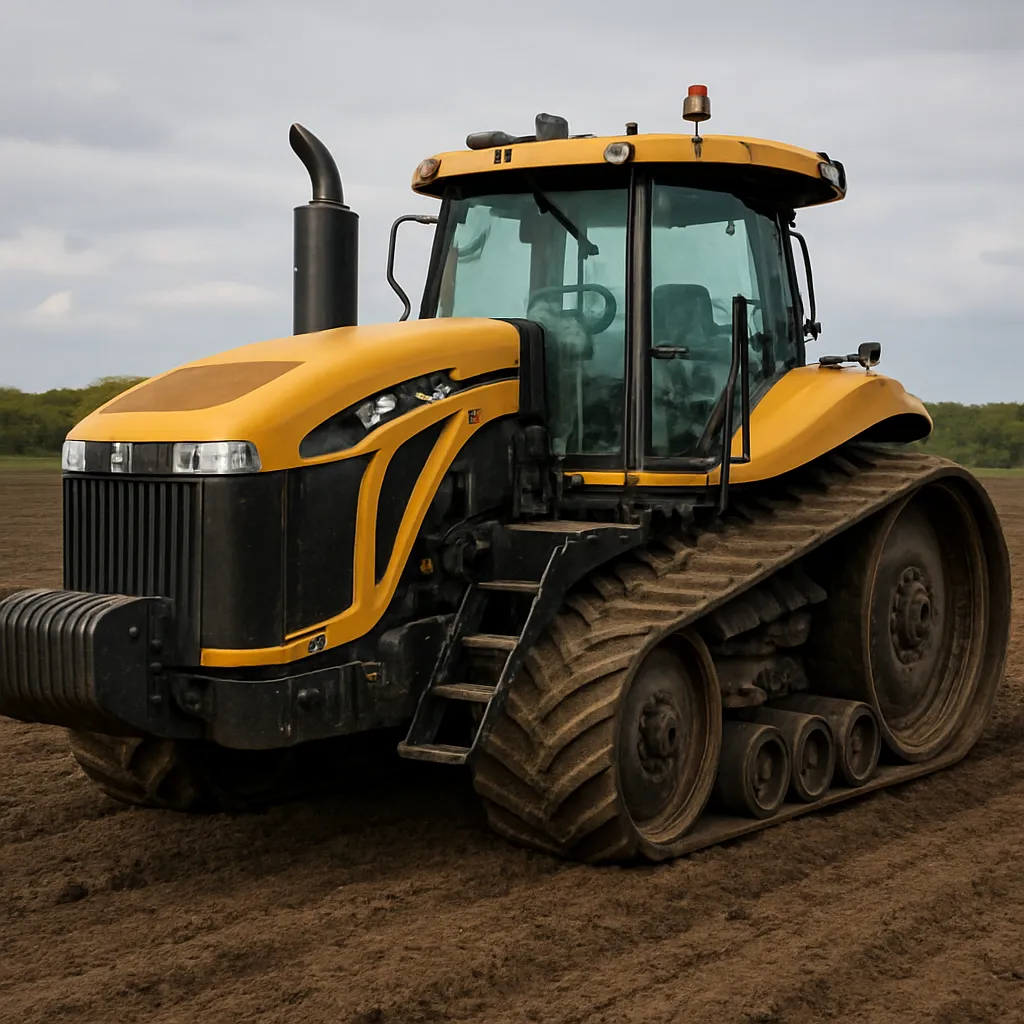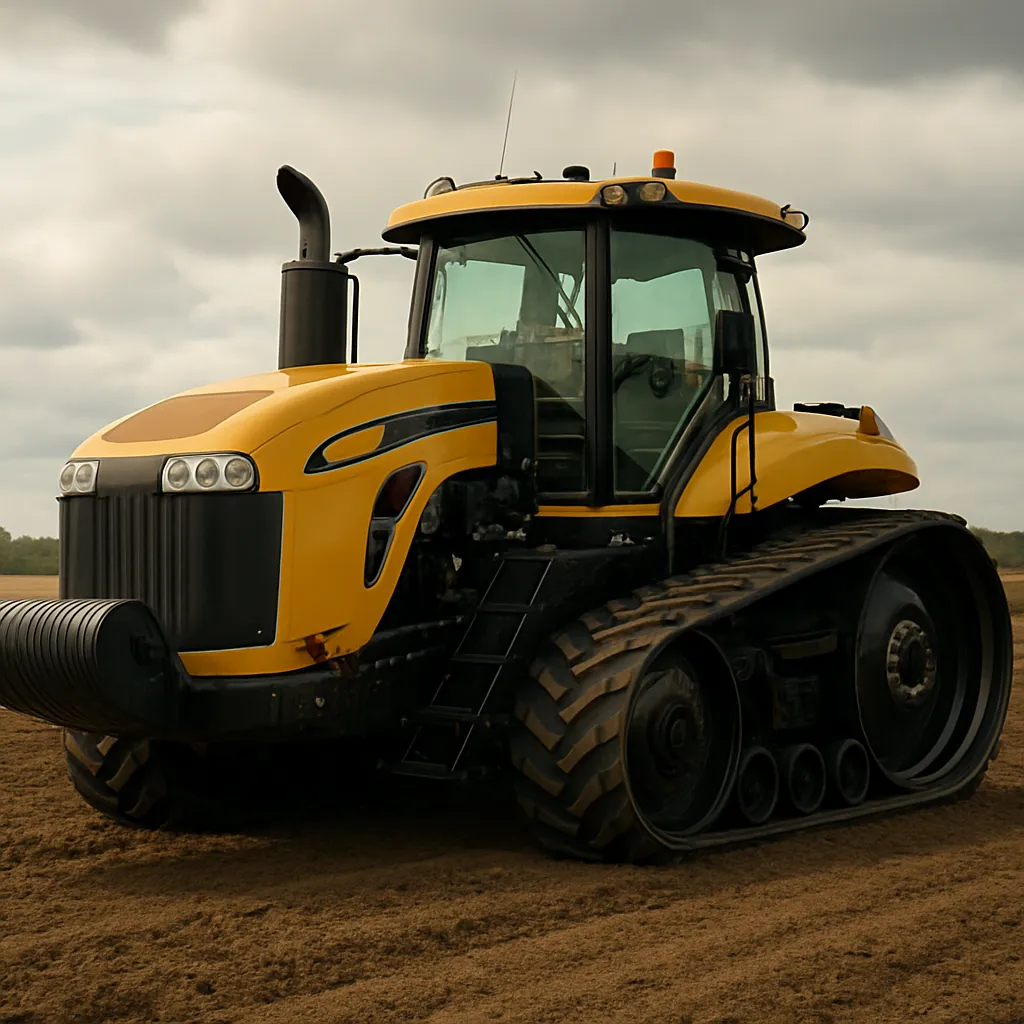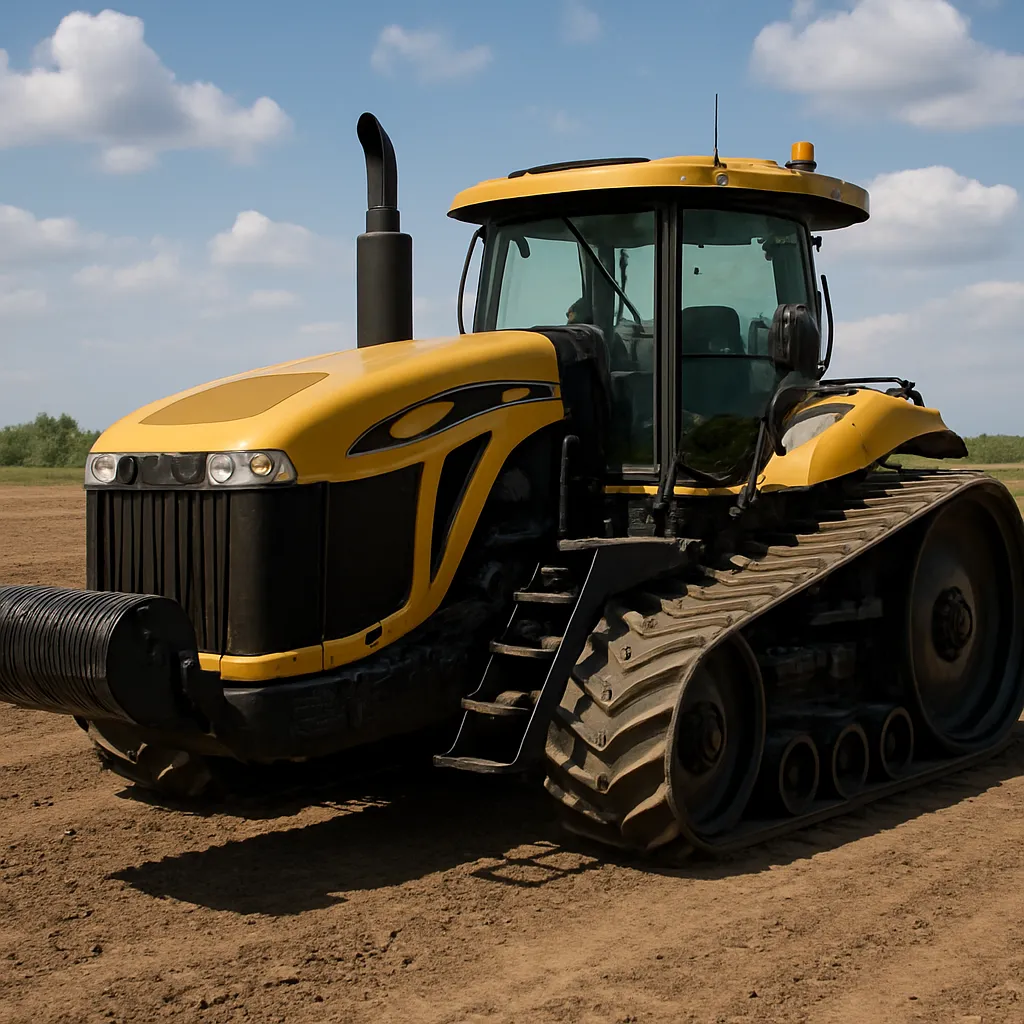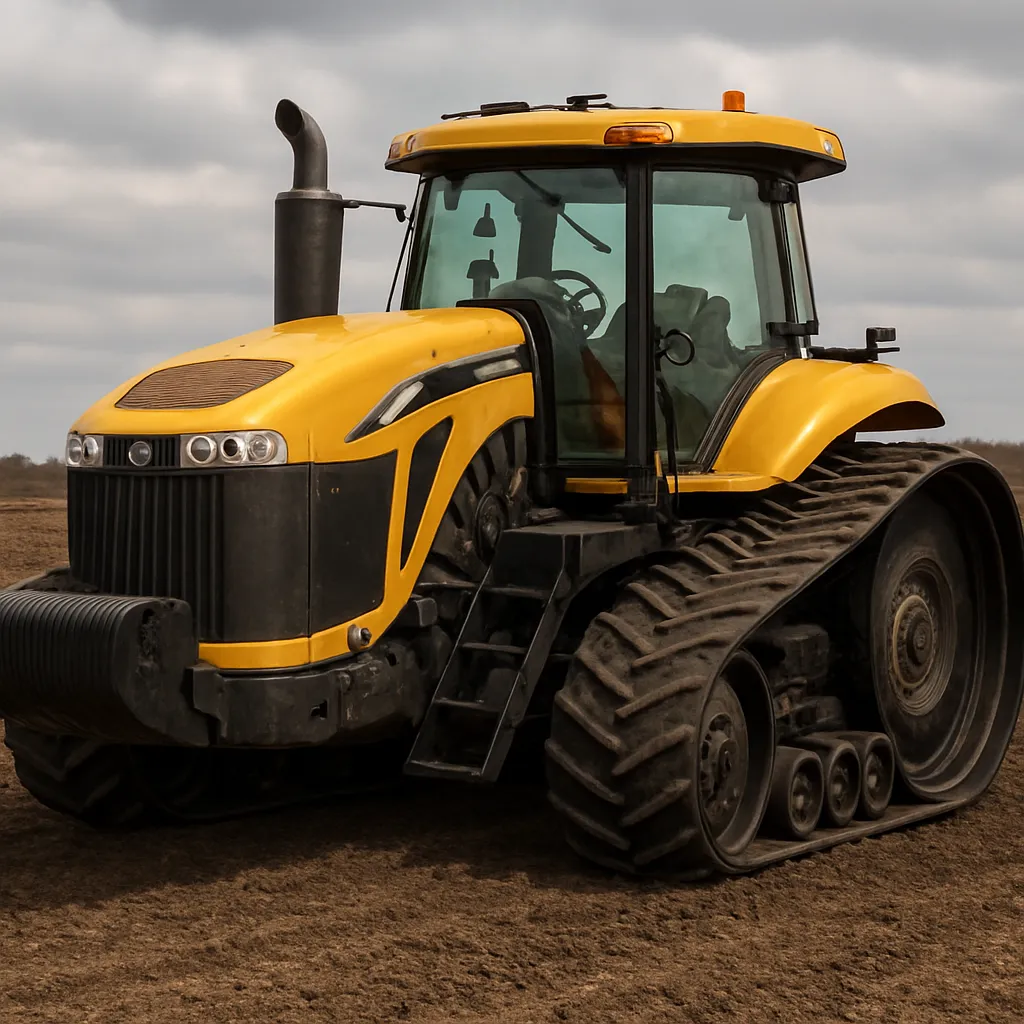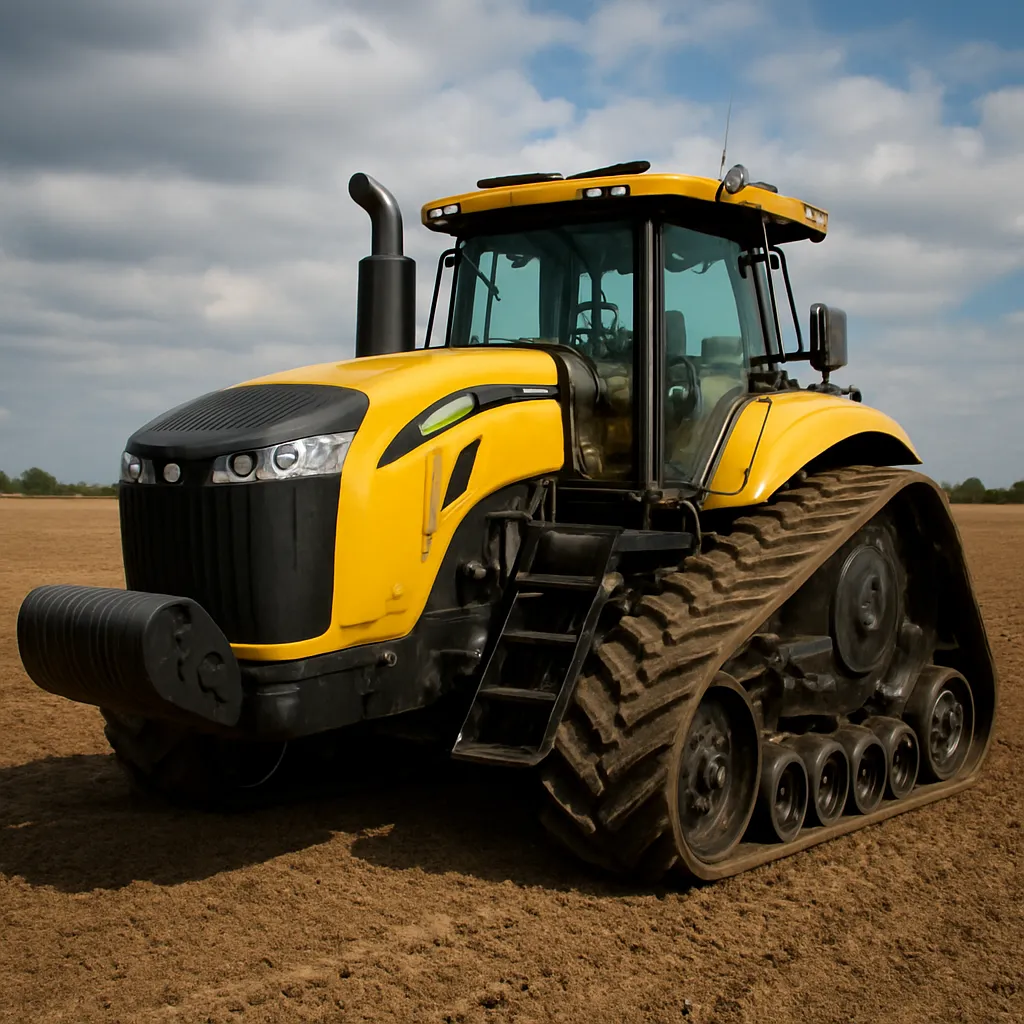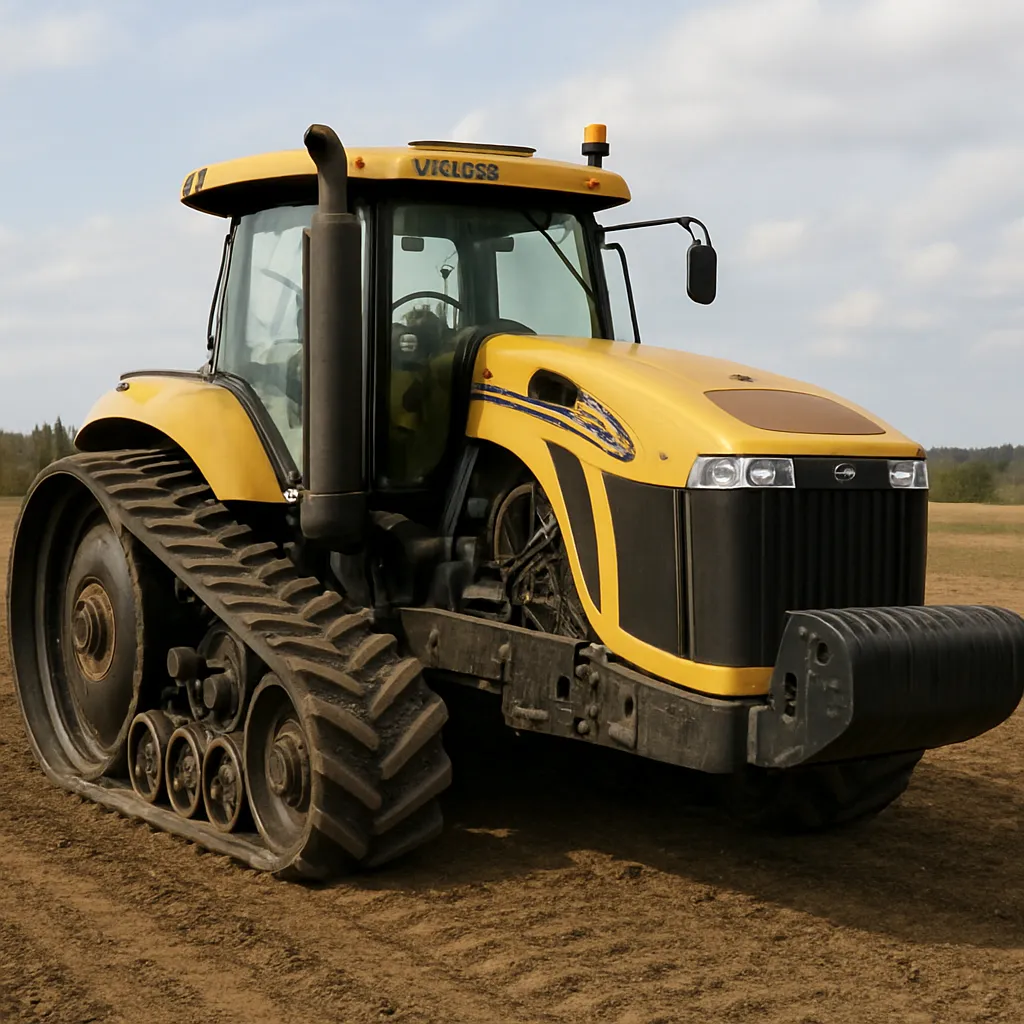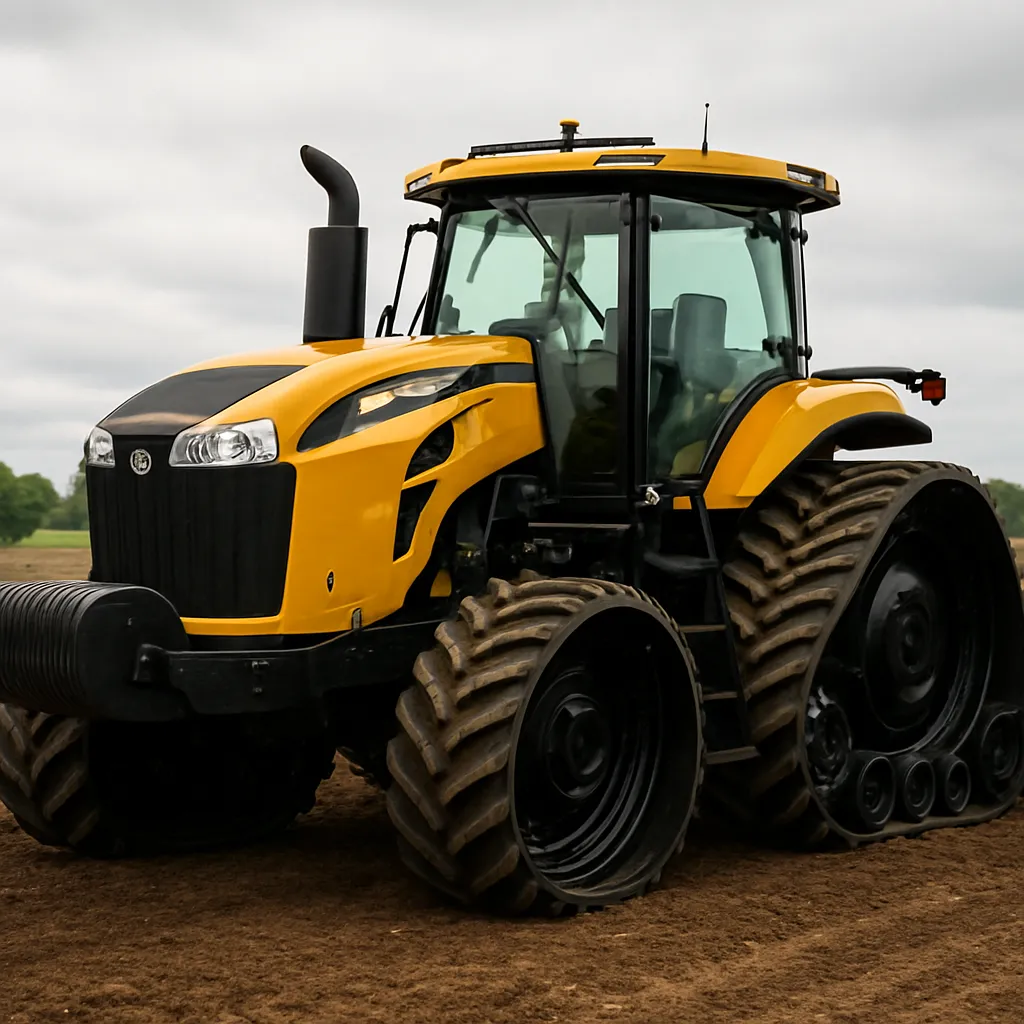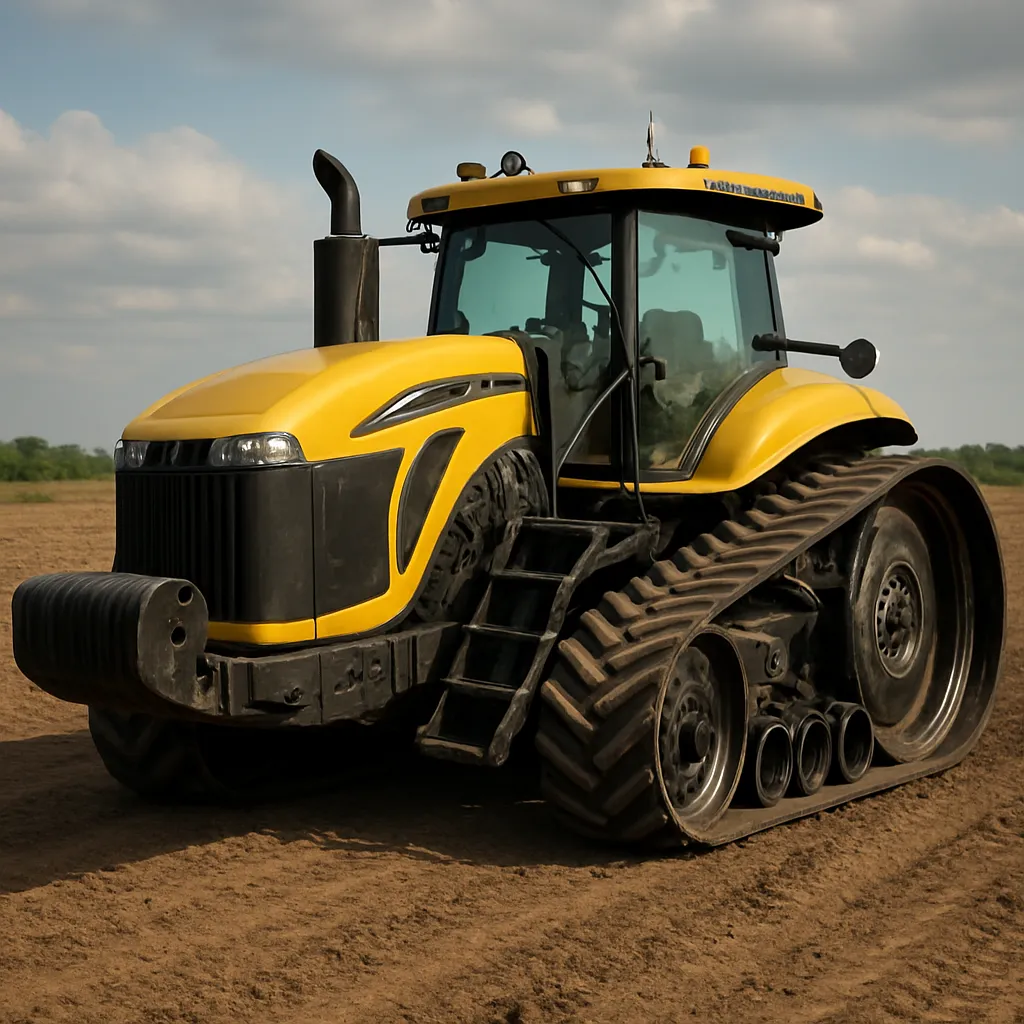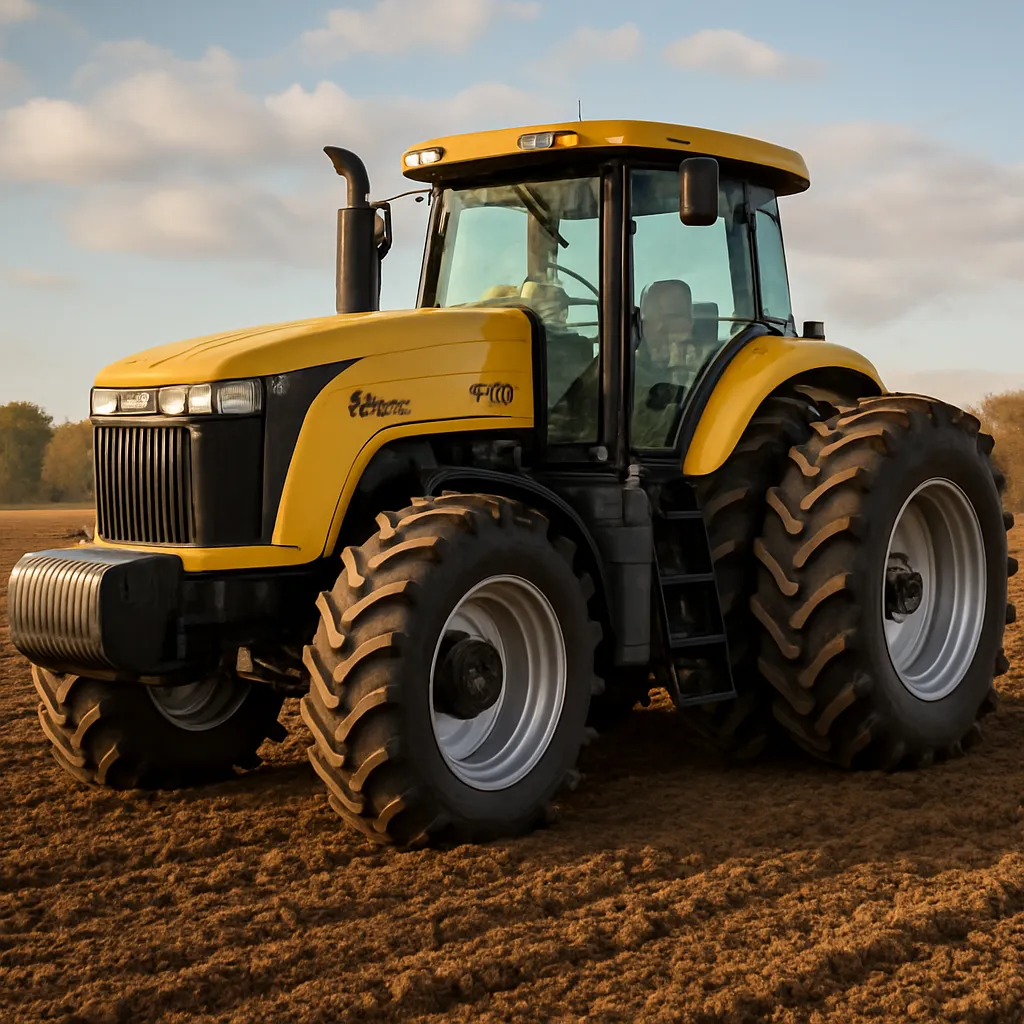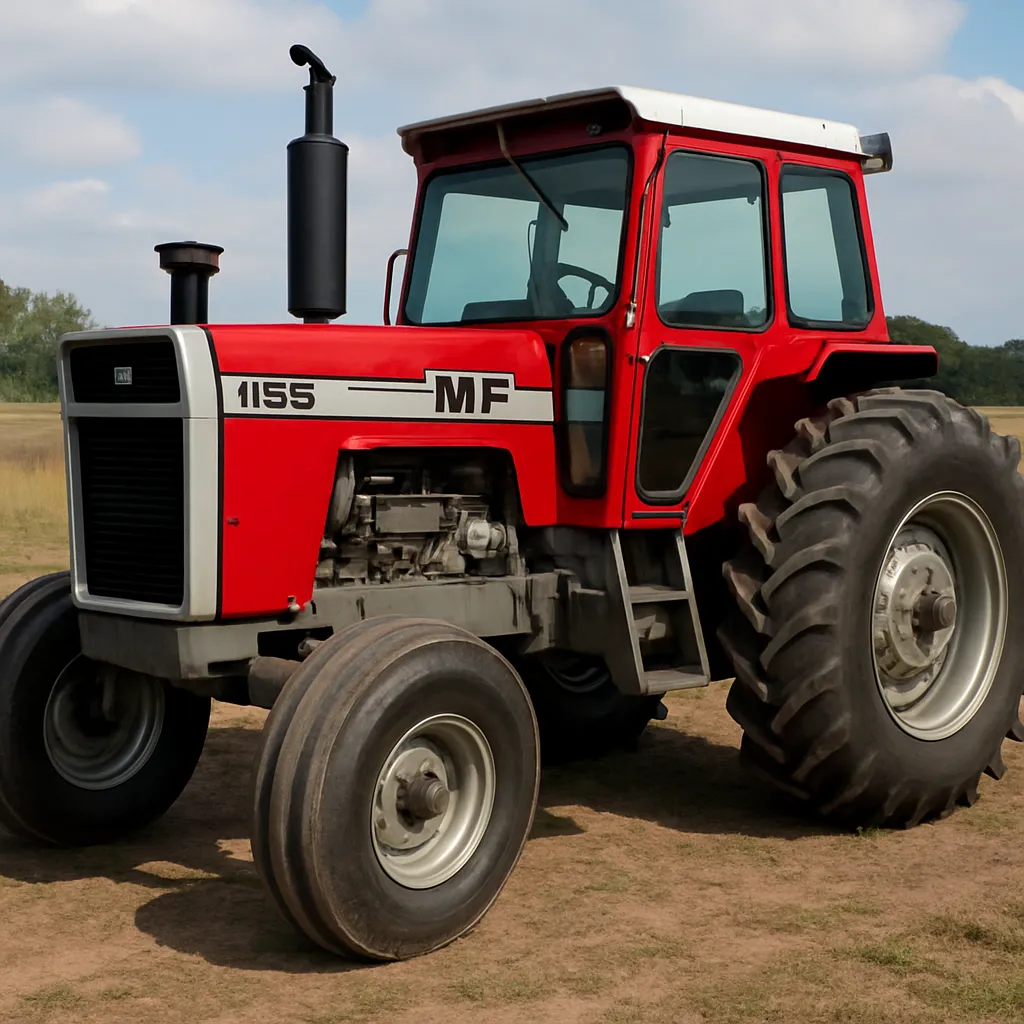
The Massey Ferguson 1155 is a durable and widely used agricultural machine that has earned a reputation for balanced performance and practical versatility. This article explores the 1155 from multiple angles: technical characteristics, typical applications on modern farms and smallholdings, maintenance and longevity, and market considerations for buyers and collectors. The goal is to provide a comprehensive, factual, and useful overview for anyone interested in this classic utility tractor.
Overview and historical context
The Massey Ferguson 1155 emerged as part of Massey Ferguson’s line of utility tractors aimed at small-to-medium farms and general-purpose work. As a member of a generation of tractors designed for durability and ease of repair, the 1155 carved out a niche among operators who needed dependable power for fieldwork without the complexity or expense of larger machines. The model is commonly associated with the tail end of the 1970s and the 1980s era of tractor production, when manufacturers emphasized practical engineering and straightforward mechanical systems.
Brand background
Massey Ferguson is a long-established name in agricultural equipment. The company’s history of producing accessible and well-supported tractors means that many older models, including the 1155, benefit from a strong aftermarket of parts and a community of users who share maintenance tips and upgrade solutions. The 1155 reflects this pedigree: it is designed to be serviceable, rugged, and broadly compatible with many implements developed for the brand.
Design philosophy
The design priorities for the 1155 included mechanical simplicity, ease of maintenance, and a balance of power and economy. Rather than pursuing advanced electronics or complex hydraulics, the 1155 relies on proven mechanical components—robust diesel engines, gear or synchromesh transmissions, and conventional three-point hitches—making it approachable for owners who prefer hands-on maintenance.
Technical specifications and performance
Technical specifications for the Massey Ferguson 1155 can vary slightly by year and market due to differences in engine options, emissions regulations, and factory setups. The following are commonly reported or typical specification ranges that describe the machine’s capabilities.
Engine and power
- Type: Naturally aspirated diesel engine, typically a 3-cylinder unit in this class of tractor.
- Power: Rated power commonly around 55 horsepower (PTO rating may be a few horsepower lower depending on configuration).
- Displacement: Frequently reported in the range of about 3.0 to 4.0 liters, depending on exact engine version.
- Torque: Designed to provide strong low-end torque for draft work and implements (typical torque figures fall into the practical range for medium-duty farm tasks).
Transmission, PTO and hydraulics
- Transmission: Manual gearboxes were common—configurations such as 8×2 or 12×4 ranges depending on the production variant. Some markets saw models with partial synchromesh options for easier shifting.
- PTO: Standard rear PTO operating at 540 rpm; optional configurations may have been available depending on dealer fitting and regional demand.
- Hydraulics: Conventional open-centre hydraulic systems with a three-point hitch. Lift capacity at the hitch commonly ranges from about 1,500 to 2,200 kg depending on pump size and linkage rating.
Dimensions, weight and capacities
- Operating weight usually in the range of approximately 2,200 to 2,800 kg, depending on attachments, ballast and options.
- Wheelbase and footprint provide a stable platform for fieldwork while maintaining maneuverability for yard and loader tasks.
- Fuel tank capacity commonly around 50–70 litres, offering a practical working range between refuelling on typical farms.
Performance and fuel consumption
Real-world performance depends heavily on load, the condition of the tractor, and the task. Typical fuel consumption figures reported by operators range from approximately 6 to 12 litres per hour under varying loads—lighter work and road travel at the low end, heavy plowing or prolonged PTO-driven tasks at the high end. Top road speeds commonly fall into the 30–35 km/h range for standard gearing.
Practical applications and roles on the farm
The Massey Ferguson 1155 is a highly versatile machine used across many agricultural and auxiliary roles. Its balance of power, ease of maintenance, and compatibility with a wide range of implements make it a go-to choice for several common tasks.
Arable and field operations
- Primary cultivation: Suitable for ploughing, harrowing and seedbed preparation when paired with appropriately sized implements. Its torque characteristics make it well-suited to draft work at moderate speeds.
- Sowing and planting: With compatible seed drills and planters, the 1155 can handle planting operations for cereals and other medium-demand crops on small to medium fields.
- Transport and haulage: Adequate for moving trailers loaded with grain, fertilizer, or farm supplies across the yard and between fields.
Livestock and mixed farms
- Feeding and yard work: A front loader fitted to the 1155 transforms it into an indispensable yard tractor for moving silage, bedding, and feed.
- Manure handling and slurry: Suitable for pulling spreaders and operating slurry pumps with the appropriate PTO-driven equipment.
- General maintenance: Versatile enough for fence work, hedge cutting, and light land clearance.
Specialized and municipal roles
- With attachments such as mowers, sweepers, and salt spreaders, the 1155 can be adapted to municipal tasks like roadside mowing and winter maintenance in small towns.
- In orchards and vineyards where space allows, lower-profile variants or carefully configured wheel setups enable use for trimming, spraying, and light transport—though the tractor is most commonly found in open-field environments.
Implement compatibility and common attachments
The 1155’s practical strength is amplified by a wide ecosystem of implements that are readily available both new and used. Typical attachments expand its utility across many seasons and tasks.
Common implements
- Ploughs, disc harrows and cultivators for primary and secondary tillage.
- Seed drills, planters and fertiliser spreaders for establishment and nutrient application.
- Balers and mowers for forage production; rotary and flail mowers for field and roadside cutting.
- Front-end loaders and pallet forks for material handling; front and rear linkage-mounted tools for diverse chores.
- Post-hole augers, rotary tillers, and small beet or potato equipment for specialist crops.
Attachments for productivity
Loader packages are among the most valuable attachments for smallholders because they significantly expand the tractor’s daily usefulness. Adding quick-attach couplers, a modern bucket, or a set of forks can convert the 1155 into a year-round utility vehicle. PTO-driven implements should be matched carefully to the tractor’s rated horsepower to maintain efficiency and avoid overloading the engine.
Maintenance, reliability and common issues
One of the reasons the Massey Ferguson 1155 remains popular in many regions is its straightforward maintenance and the availability of replacement parts. Proper upkeep can extend a well-maintained 1155’s useful life for decades.
Routine maintenance checklist
- Regular oil and filter changes for engine, gearbox and hydraulics per manufacturer intervals or regional best practice.
- Cooling system checks: coolant level, hoses and radiator cleanliness are crucial to avoid overheating in heavy-duty use.
- Fuel system care: using clean diesel, replacing fuel filters, and bleeding air from lines as needed to prevent idling and starting problems.
- PTO and linkage inspections: ensure splines and couplings are greased and free from excessive wear.
- Tire and brake checks: maintain correct tire pressure and ensure brakes operate reliably for safe transport on roads.
Common faults and how to address them
Typical issues tend to be mechanical wear rather than electronic faults, which is an advantage for home mechanics. Common areas to watch include:
- Injector and fuel pump wear: symptoms include hard starting, smoke and loss of power. Reconditioning or replacement is often straightforward given the engine technology.
- Hydraulic leaks and reduced lift capacity: seals and hoses can deteriorate over time; refurbishing pumps and replacing hoses are routine shop jobs.
- Transmission and clutch wear: clutch replacement and gearbox servicing are expected maintenance items for tractors with many hours of heavy use.
Market, purchasing guidance and ownership costs
Given their longevity and practical value, used Massey Ferguson 1155 tractors remain common on the second-hand market. Prices and availability vary by region, condition, and included implements, but several purchasing and ownership considerations are broadly applicable.
Buying used: what to inspect
- Hours and service history: lower hours and documented maintenance are always preferred. Look for consistent oil change records and any refurbishments.
- Signs of structural repair: welds, mismatched paint and bent frames can indicate past accidents that may affect longevity.
- Hydraulic performance: test the three-point linkage under load and inspect for creeping or loss of lift capacity.
- Engine condition: listen for abnormal noises, check for smoking under load, and inspect for oil leaks and coolant condition.
Running costs and value retention
Ownership costs for an older 1155 typically include routine fluids and filter replacements, tires and clutch/transmission work as needed, plus potential injector or pump rebuilds over very long service lives. The straightforward mechanical systems and broad parts availability help keep maintenance costs manageable compared with modern, computerized tractors. Value retention is generally stable: a well-maintained example with a front loader and recent service history can command a premium in the used market.
Restoration, modification and community resources
Because the Massey Ferguson 1155 is a popular platform, there are active enthusiast groups, parts suppliers, and restoration specialists who focus on bringing classic tractors back into prime condition.
Restoration tips
- Document the tractor before disassembly and source parts early—although many parts are available, some model-specific trim and badges may be rarer.
- Focus on safety upgrades where appropriate: modern lighting, seat belts, and rollover protection can be fitted to increase utility and compliance for on-road use.
- Consider professional reconditioning for major items like the engine or gearbox if the cost of downtime and trial repairs is high.
Aftermarket and modern upgrades
Owners often install practical upgrades aimed at improving comfort and efficiency: improved seats, canopy or cab retrofits, electronic ignition retrofits where applicable, and improved hydraulic kits to boost implement control. Many upgrades are reversible and can enhance the tractor’s usability on contemporary small farms.
Summing up: why the 1155 still matters
The Massey Ferguson 1155 remains relevant because it represents a practical combination of reliability, mechanical simplicity and versatility. For smallholders, contractors and hobby farmers who need a straightforward, serviceable machine, the 1155 continues to be an attractive option. Its compatibility with a wide range of implements and the active community of owners and parts suppliers helps ensure that these tractors can remain productive for many years.
Key highlights at a glance:
- Massey Ferguson 1155: medium-duty utility tractor commonly rated around 55 horsepower.
- Simple diesel engine layout (typically 3-cylinder), conventional transmission and a standard 540 rpm PTO.
- Excellent for mixed farming, yard work with a loader, and a broad variety of implements thanks to dependable hydraulic and hitch systems.
- Typical fuel consumption ranges and common service items are well understood, enabling predictable ownership costs.