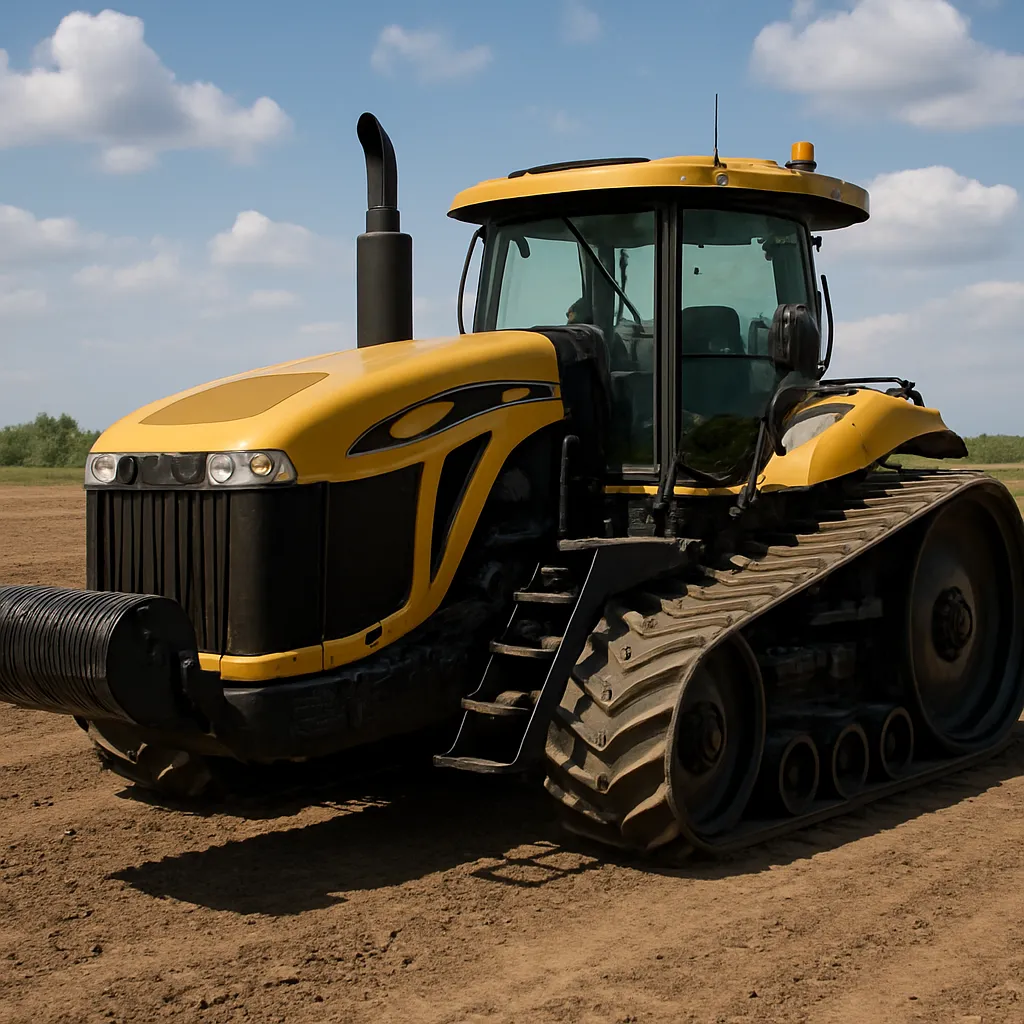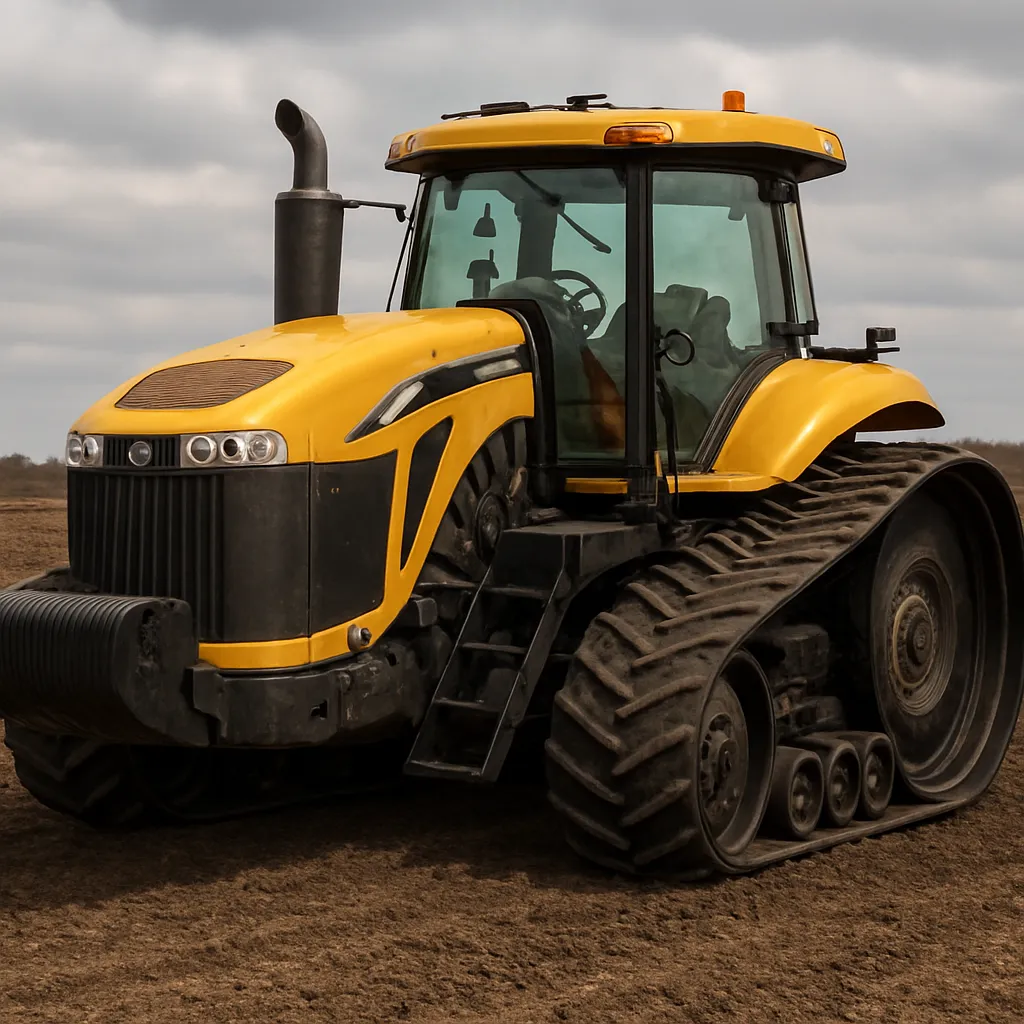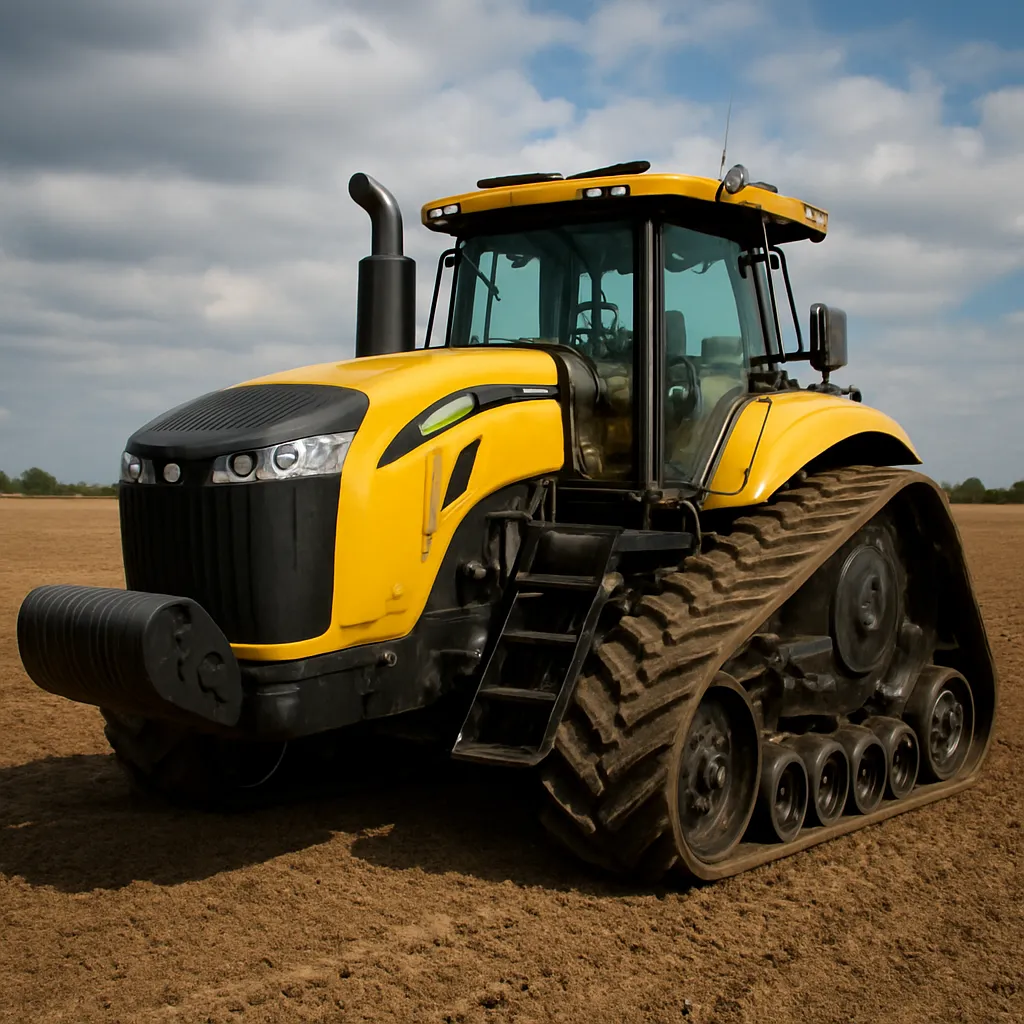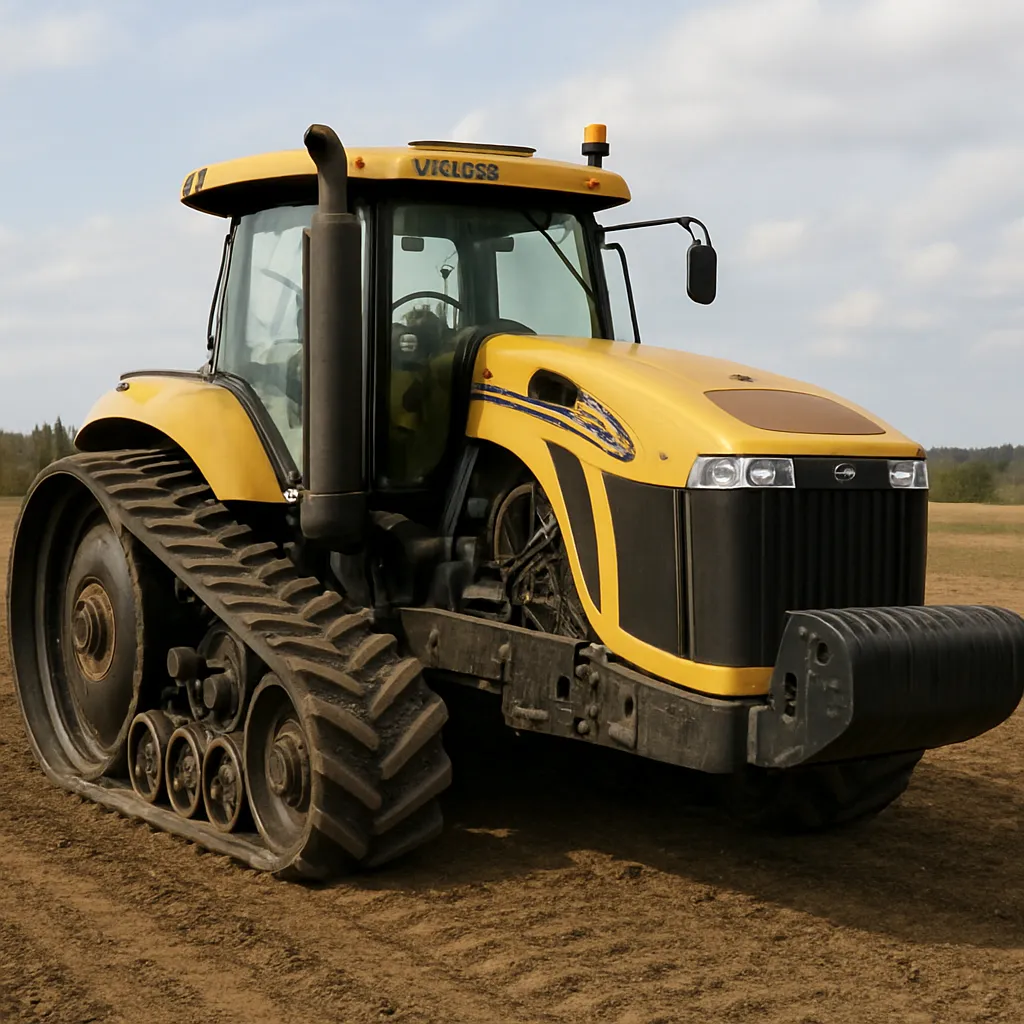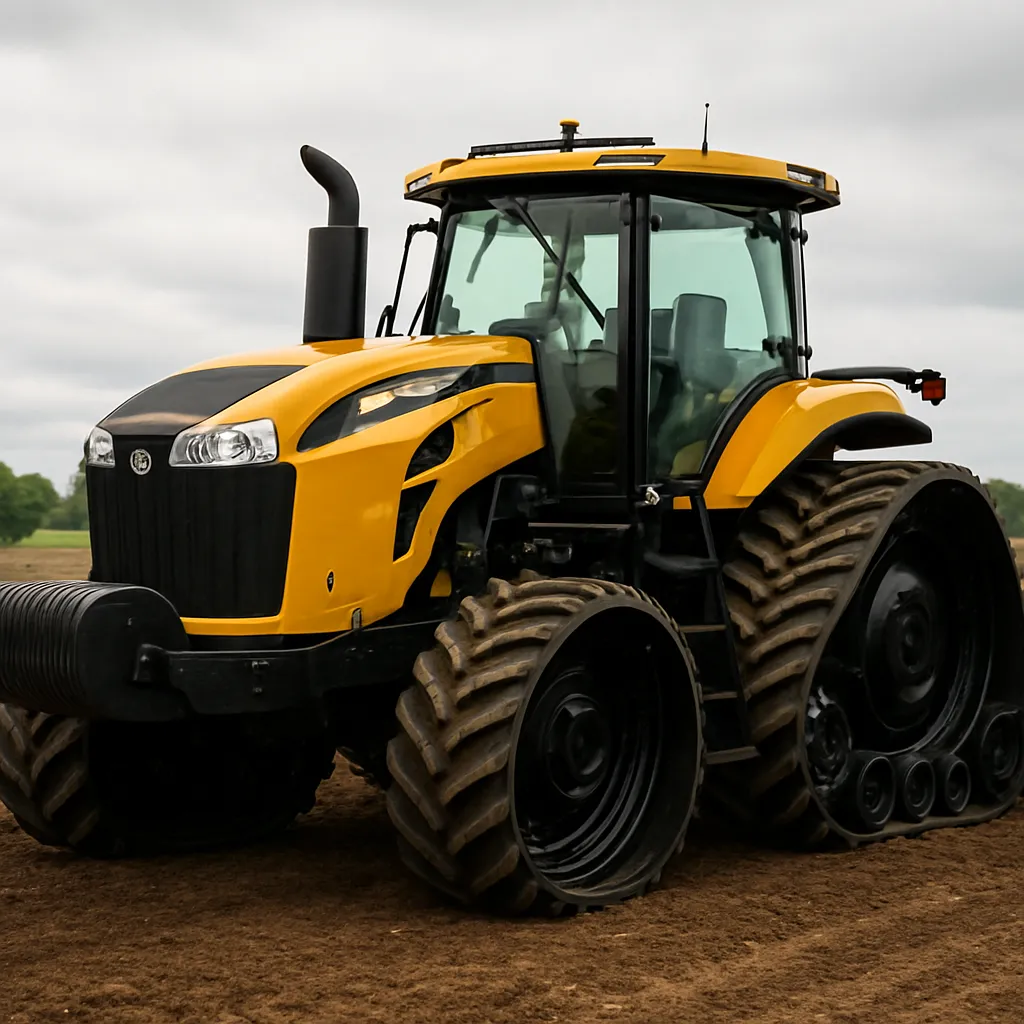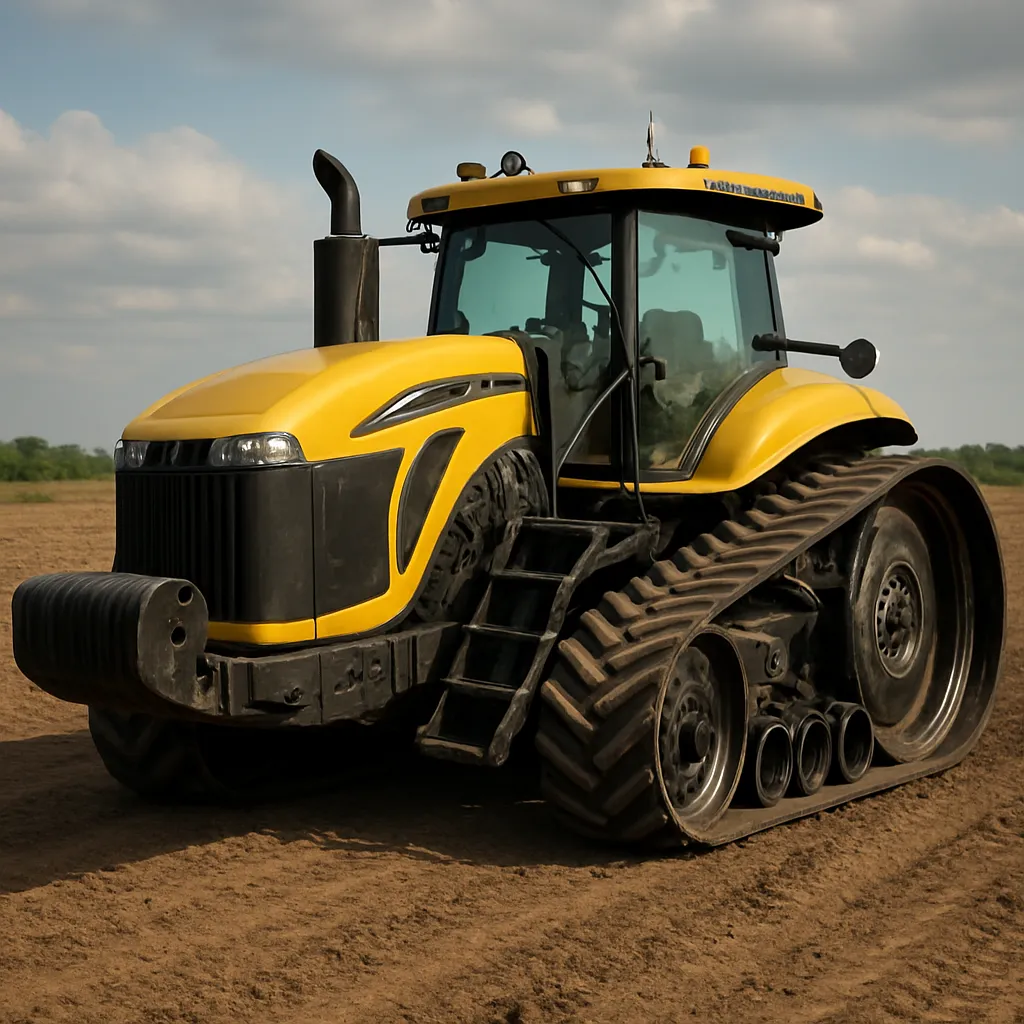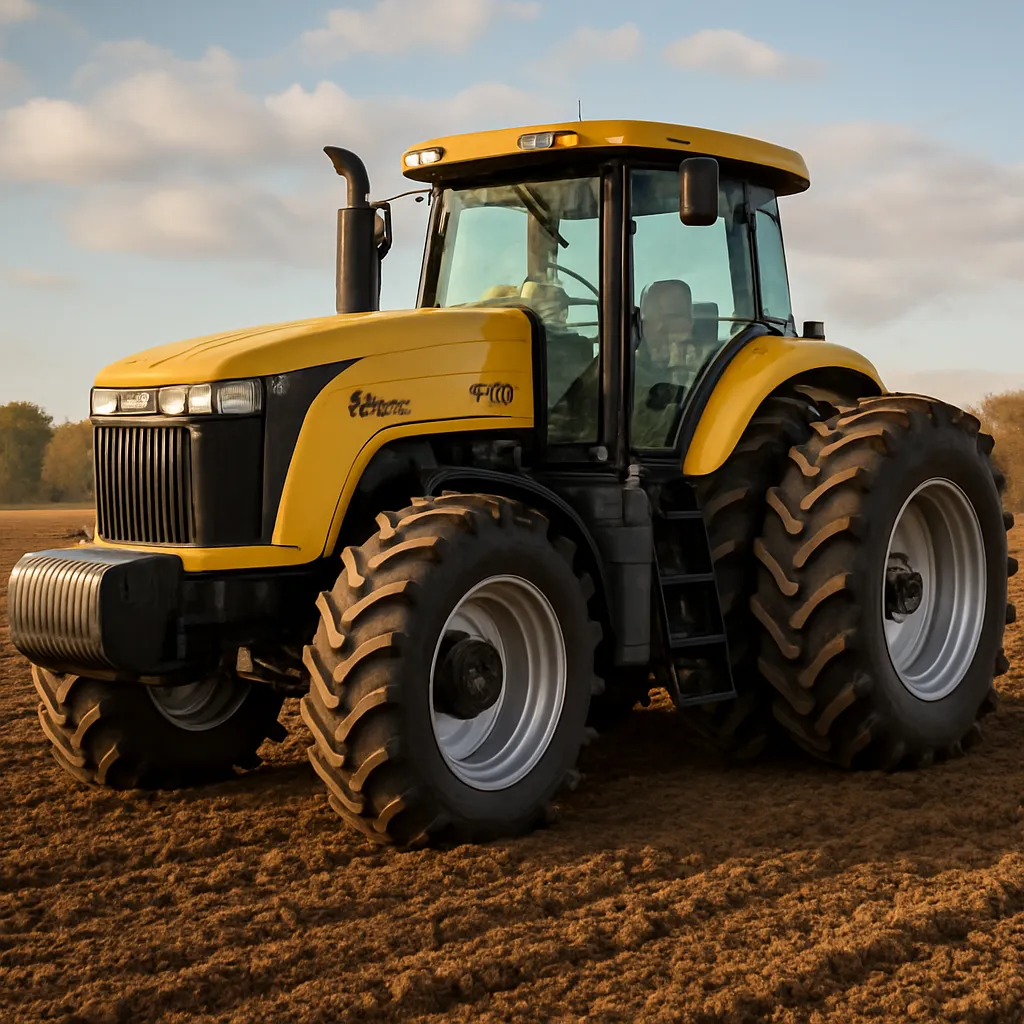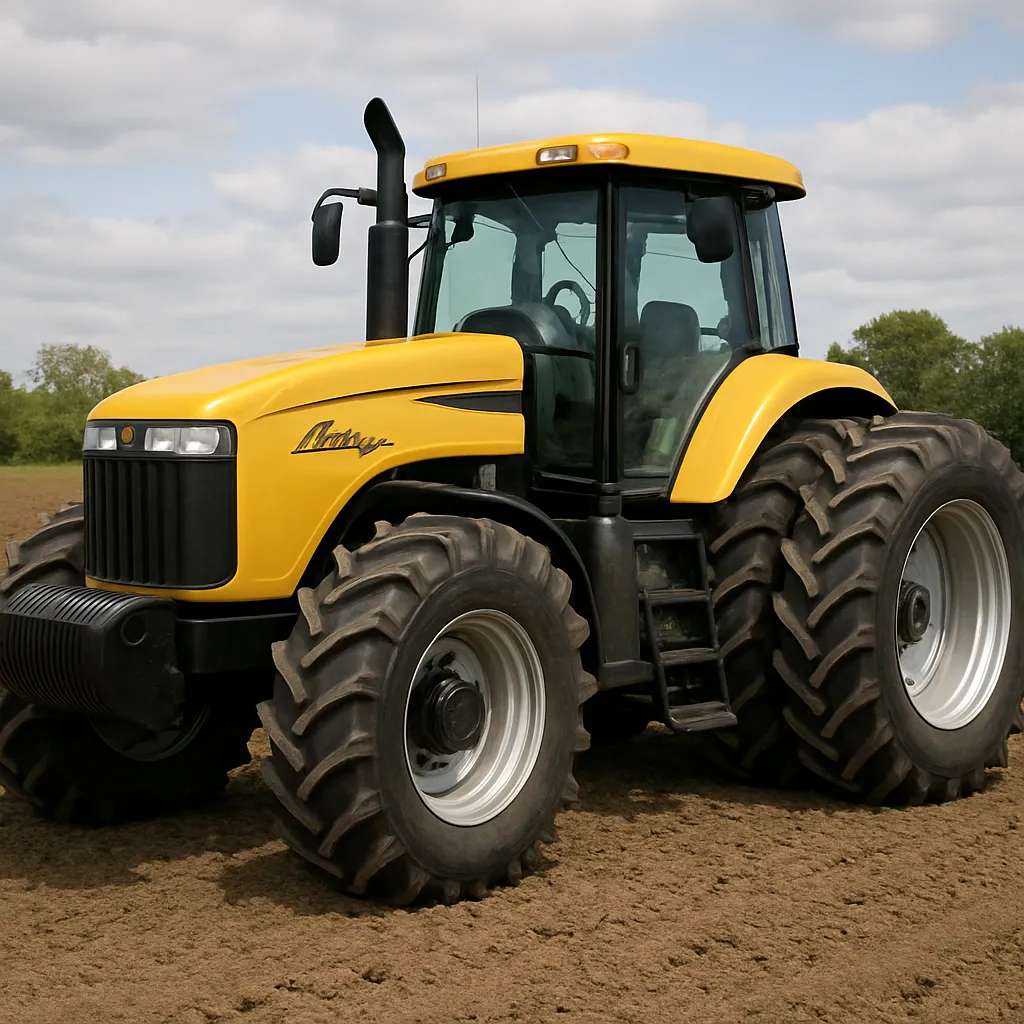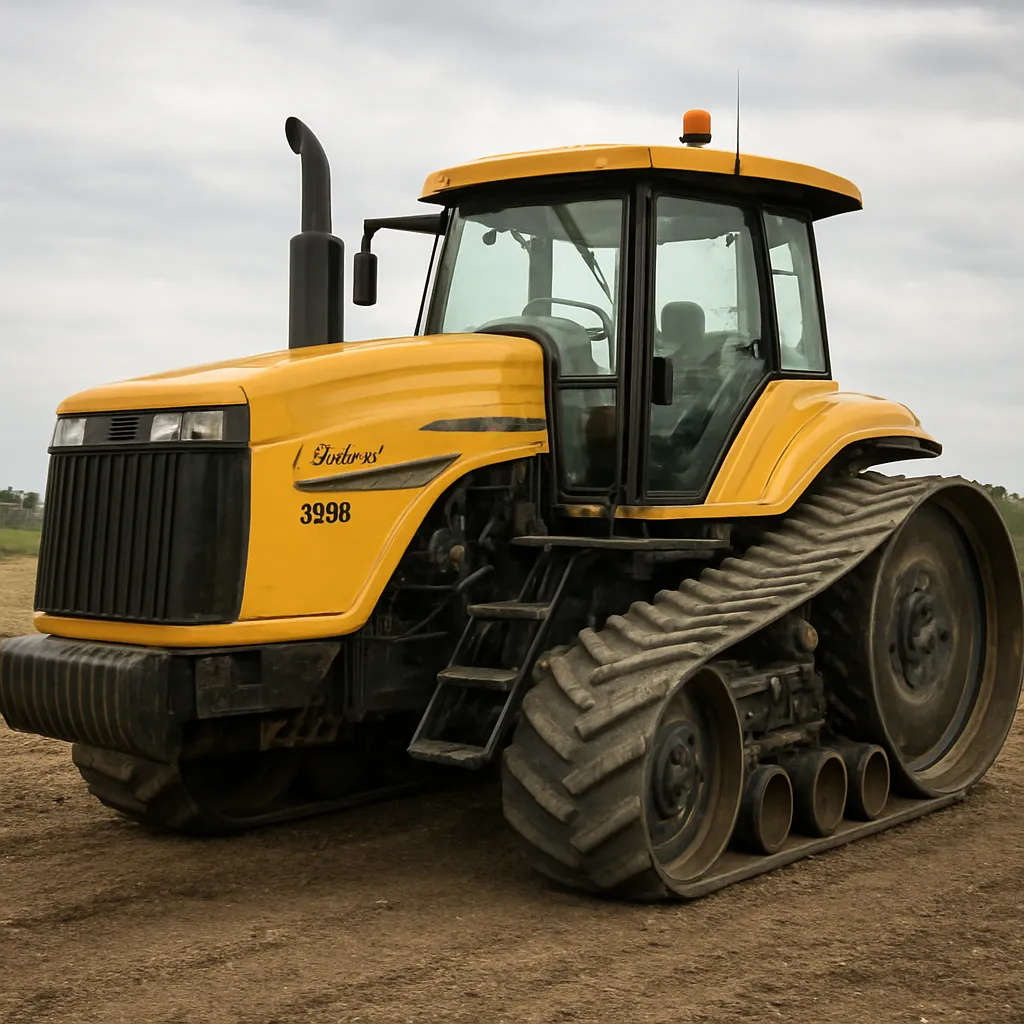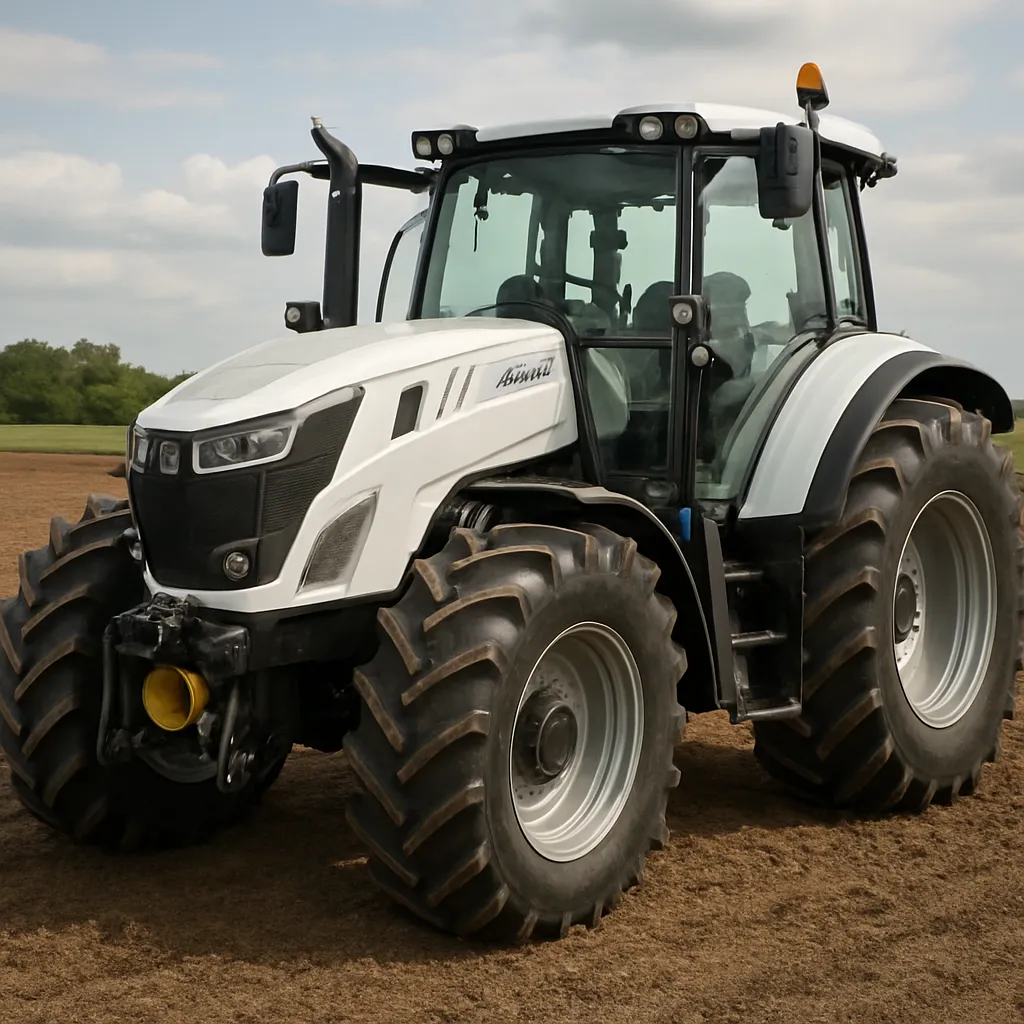
The Lamborghini Mach 230 tractor represents a blend of agricultural tradition and modern engineering, aimed at farmers and contractors who need a high-performance machine for heavy-duty fieldwork. Built under the heritage of the Lamborghini Trattori name within the SDF (Same Deutz-Fahr) group, the Mach 230 is designed to deliver consistent power, versatility and operator comfort across a wide range of tasks. This article explores the Mach 230’s background, technical characteristics, real-world applications and the economic and environmental considerations that make it an attractive option for modern agriculture.
Brand background and model positioning
Lamborghini Trattori has a long legacy dating back to the mid-20th century, producing tractors that combine Italian design sensibility with robust engineering. The Mach series sits among the brand’s higher-power offerings, intended for operations that require both traction and continuous power delivery. The Mach 230 is positioned as a high-power agricultural tractor within this lineup, targeted at medium-to-large farms, contractors and enterprises performing intensive soil preparation, hauling and specialized tasks.
Heritage and manufacturing context
- Lamborghini Trattori is part of the SDF Group, benefiting from shared R&D, production techniques and component sourcing across brands.
- The Mach 230 reflects both traditional tractor values — durability and serviceability — and modern features such as advanced electronics and emissions control.
- Design and production often emphasize modularity, allowing operators to choose configurations that suit arable farming, livestock operations, or mixed-use contracting.
Design philosophy and core features
The Mach 230 balances raw power with operational finesse. Its engineering objectives emphasize reliability, serviceability and operator ergonomics, while offering modern drivetrain and hydraulics for demanding implements.
Engine and powertrain
The Mach 230 typically features a turbocharged diesel engine engineered for steady torque delivery across a wide rpm band. Manufacturers describe the engine as tuned for agricultural workloads — continuous draws from implements and trailed equipment rather than the short bursts typical of road vehicles. A defining characteristic of this class is a focus on both peak power and usable torque at lower engine speeds, improving fuel economy under load.
- The model name suggests nominal power in the 230-horsepower range; exact output depends on market configuration and emissions tuning.
- Common features include turbocharging, intercooled intake and modern electronic fuel injection (common-rail), enabling more precise combustion and lower fuel consumption.
- Emissions systems such as SCR (Selective Catalytic Reduction) and particulate filtration are commonly integrated to meet current standards like Stage V / Tier 4 final, depending on region and year.
Transmission and drive systems
Flexibility in speed control and smooth power delivery are essential for implements and transport. The Mach 230 offers transmission options that prioritize operator control and efficiency.
- Continuously Variable Transmission (CVT) or step-shift powershift options are typically available, enabling seamless speed changes and optimized engine rpm for fuel savings.
- Full-time or on-demand 4WD systems provide traction where needed, coupled with robust axles and differential locks for challenging ground conditions.
- Power Take-Off (PTO) systems usually include multiple selectable speeds (e.g., 540 / 1000 rpm) and electro-hydraulic engagement for safe and reliable implement powering.
Hydraulics, linkage and implement compatibility
Modern large tractors need considerable hydraulic capability to run heavy implements. The Mach 230’s hydraulic package is engineered to support a wide set of tools, from deep ploughs to large seed drills and slurry tankers.
- High-flow hydraulic pumps with multiple circuits allow simultaneous operation of steering, hitch, and auxiliary functions.
- Electronic hitch control and load-sensing hydraulics enable precise depth and draft management for implements.
- Compatibility with front loaders, three-point hitches and remote hydraulic couplers is standard for versatility.
Applications and real-world use cases
The Mach 230 is suitable for a broad set of agricultural and contracting tasks. Its strengths are most evident in scenarios requiring sustained power, high traction and versatile implement support.
Arable farming
- Tillage: primary and secondary cultivation with large ploughs, discs and cultivators — the Mach 230’s torque and traction make it suitable for deep and wide passes.
- Sowing and planting: pulling heavy seed drills and air seeders, often at steady speeds that benefit from the tractor’s hydraulic and PTO stability.
- Harvest transport: hauling full loads of grain or bulky crops between fields and storage, where reliability and road travel comfort are important.
Dairy, livestock and mixed farms
- Material handling: front loader work for bales, feed and bedding where visibility and hydraulic responsiveness matter.
- Manure and slurry management: powering pumps and slurry injectors that require consistent PTO delivery and robust chassis strength.
- All-season versatility: from winter yard work to summer field tasks, the Mach 230 is configured for multi-purpose use.
Contracting and specialty operations
Contractors value machines that minimize downtime and offer strong resale value. The Mach 230’s combination of power, serviceable systems and accessory options fits well into contracting fleets for earthmoving, land reclamation and large-acreage cultivation.
Operator comfort, safety and electronics
Besides raw capability, modern tractors like the Mach 230 put emphasis on operator environment and integrated electronics to improve productivity and reduce fatigue.
- Cab design focuses on low noise levels, climate control, ergonomic controls and excellent visibility to the front loader and rear implements.
- Telematics options and ISOBUS compatibility enable fleet management, precision guidance and integration with modern farm management software.
- Safety features include rollover protection, advanced braking systems, automatic engine protection routines and visibility aids such as cameras and LED lighting packages.
Precision farming and autonomy readiness
Increasingly, tractors are central to precision agriculture workflows. The Mach 230 is often offered with:
- GPS guidance compatibility for reduced overlap and precise field passes.
- Section control and rate control for application equipment, improving input efficiency.
- Preparation for future automation: sensor suites and electronic architectures that can be upgraded as semi-autonomous tools become available.
Performance figures and practical statistics
While exact numbers can vary by model year and market configuration, the Mach 230 class is defined by several practical performance metrics that buyers evaluate. Below are representative figures and metrics commonly associated with tractors in this segment; check manufacturer documentation for precise, model-year-specific data.
- Nominal engine power: often around 230 hp (roughly 170 kW) — the model name typically aligns with the horsepower band.
- Torque: increased low-end torque for draft applications; diesel engines in this class commonly provide robust torque curves optimized for 1,200–1,700 rpm working ranges.
- Hydraulic flow: high-flow systems typically deliver 120–200 L/min depending on pump configuration and optional load-sensing units.
- PTO options: multi-speed PTOs (540/540E/1000 rpm) with independent electro-hydraulic engagement are standard.
- Fuel efficiency: while absolute consumption depends on duty cycle, modern common-rail engines and CVT transmissions can reduce hourly fuel burn versus older models by 10–20% in comparable tasks.
- Operational weight: tractors in this power class often range widely depending on ballast and attachments, typically several tonnes — configured to balance traction and soil compaction concerns.
These figures are indicative; actual performance depends on specific engine tuning, gear ratios, attachments and regional equipment regulations.
Maintenance, lifecycle and total cost of ownership
Buyers of high-power tractors like the Mach 230 evaluate not only purchase price but also long-term operating costs. Key factors include service intervals, parts availability and fuel consumption under load.
Maintenance considerations
- Extended service intervals on modern engines reduce downtime but require use of recommended lubricants and filters; scheduled maintenance preserves emissions systems.
- Ease of access to commonly serviced components (filters, belts, fluid points) is a design priority for reduced workshop time.
- Dealer networks and parts availability influence uptime, particularly for specialized electronics or emissions components.
Resale value and lifecycle management
Tractors from established brands with strong support networks tend to retain value better. Lifecycle management practices — such as proper storage, routine servicing and using manufacturer-approved consumables — can significantly influence resale prices and downtime costs.
Sustainability, emissions and future trends
As environmental regulations tighten, agricultural machinery is following a path toward lower emissions and improved efficiency. The Mach 230 and tractors in its category reflect this evolution.
- Emissions control systems (DOC, DPF, SCR) are standard in many markets, reducing NOx and particulate outputs compared with older engines.
- Fuel-efficient drivetrains and smart engine management reduce greenhouse gas output per hectare worked.
- Manufacturer investments in electrification, hybrid drives and biofuel compatibility signal future directions; retrofit and hybrid options are increasingly discussed for larger tractors.
Soil health and compaction awareness
Heavy tractors deliver productivity but also increase the risk of soil compaction. Modern practices aim to balance traction needs with minimized compaction through:
- Proper tire selection and inflation management (wide radial or duals).
- Controlled traffic farming techniques to concentrate compaction in designated lanes.
- Implement choices and ballast optimization to reduce unnecessary weight while maintaining traction.
Market considerations and buyer guidance
Choosing a Mach 230 or similar tractor should be guided by farm size, task mix and long-term strategy. Key considerations include:
- Match engine power and PTO capacity to the heaviest implement expected to be used regularly.
- Evaluate transmission preference — CVT for seamless speed matching and better fuel economy in many field tasks, or powershift for robustness and simplicity depending on operator preference.
- Assess dealer network and aftersales support; availability of local servicing can be a decisive factor.
- Consider precision farming compatibility and telematics if efficiency and data-driven management are priorities.
Cost-benefit and financing
Large tractors are significant investments. Operators should calculate total cost of ownership accounting for:
- Initial purchase or lease costs.
- Fuel and maintenance costs estimated by expected yearly hours.
- Downtime risks and productivity gains offered by newer technologies.
Comparisons and competitors
The Mach 230 competes in a crowded market where brands differentiate on reliability, operator comfort and integrated technology. Competitors include other SDF Group offerings, international brands that specialize in high-horsepower tractors, and increasingly, niche manufacturers offering advanced telematics or alternative powertrains. Buyers often compare across:
- Engine performance curves and torque delivery.
- Transmission types and drivability.
- Hydraulic flow and hitch control sophistication.
- Cab comfort and ergonomics for long operational days.
Conclusion
The Lamborghini Mach 230 is representative of modern, powerful agricultural tractors aimed at delivering versatile performance for demanding farm and contracting tasks. With a mix of robust mechanical design, contemporary emissions controls and operator-focused features, it suits operators who need sustained power, hydraulic capacity and implement flexibility. While precise specifications vary by market and year, the Mach 230’s core value proposition is clear: combine efficiency, reliable power and operational versatility in a package designed for large-scale agricultural productivity. Prospective buyers should confirm exact figures and options with authorized dealers to ensure the configuration matches their operational needs.