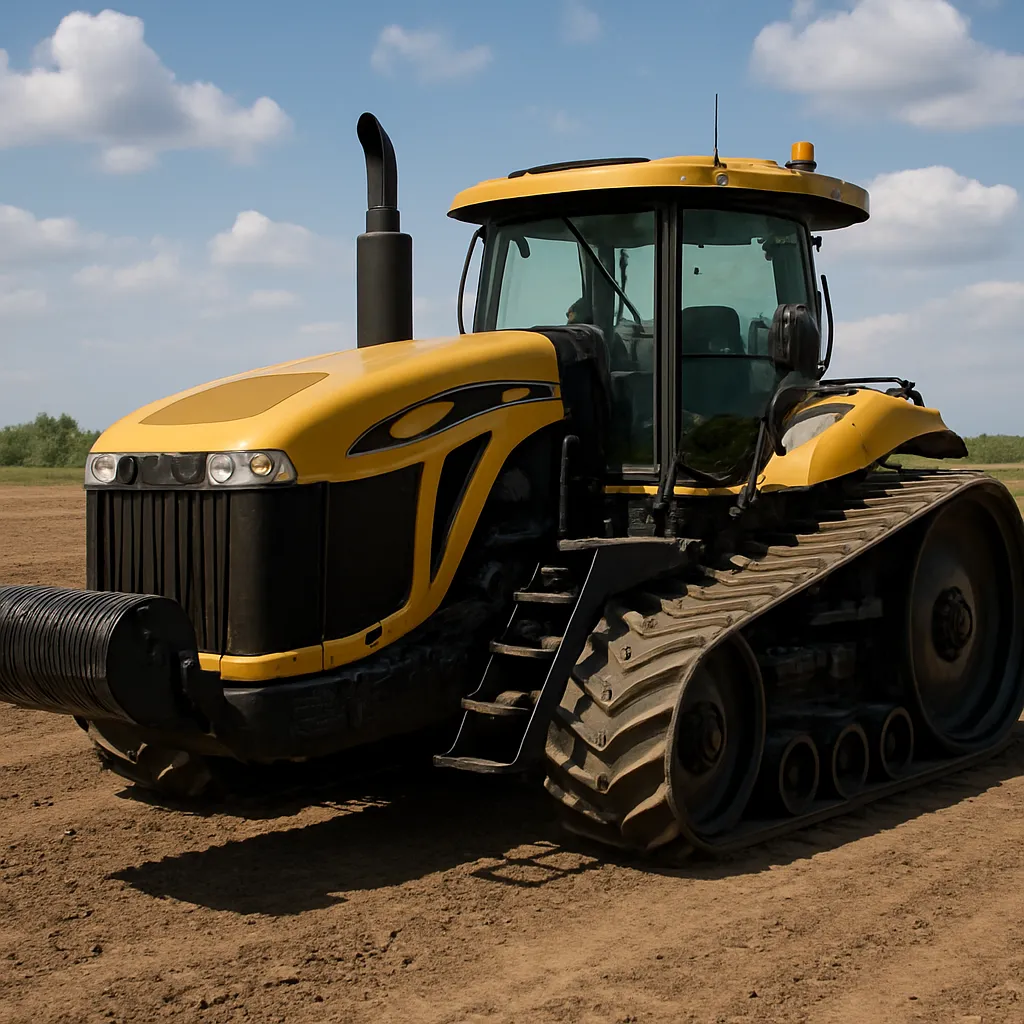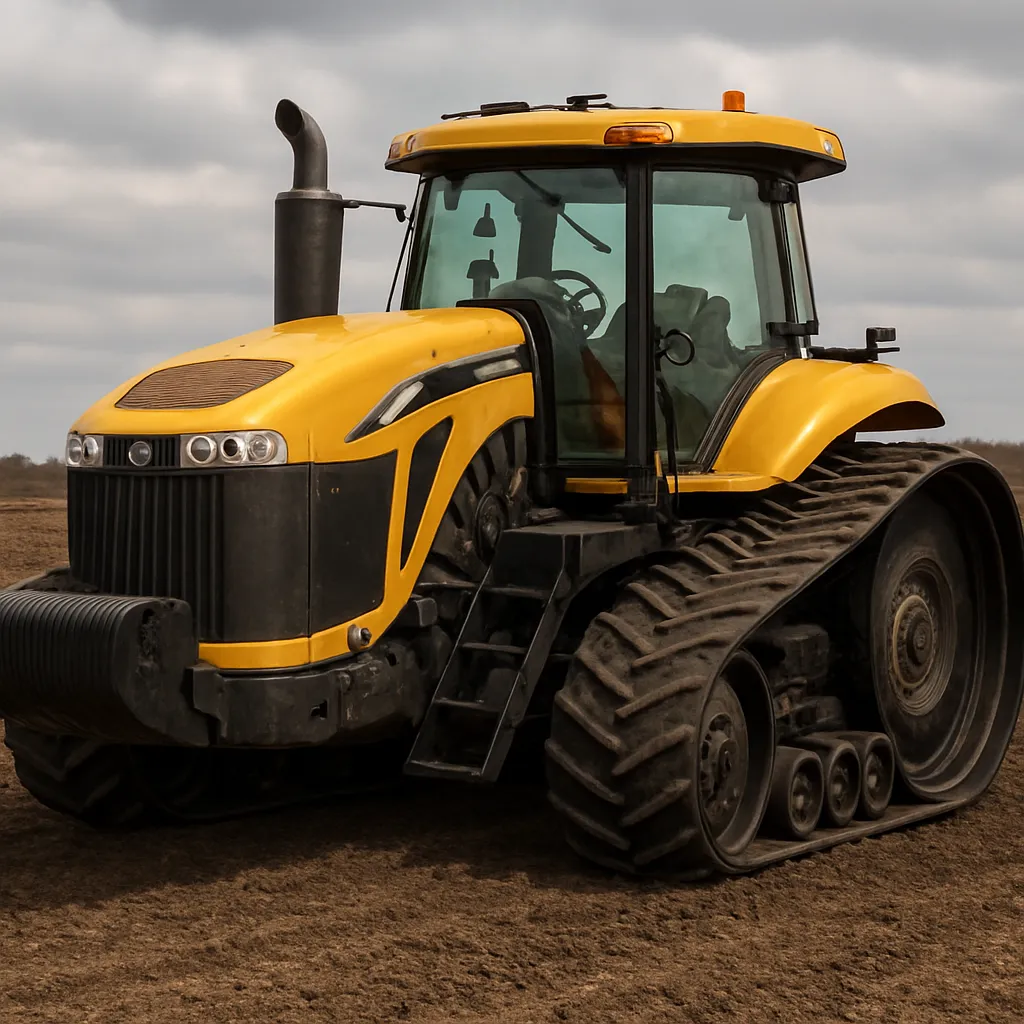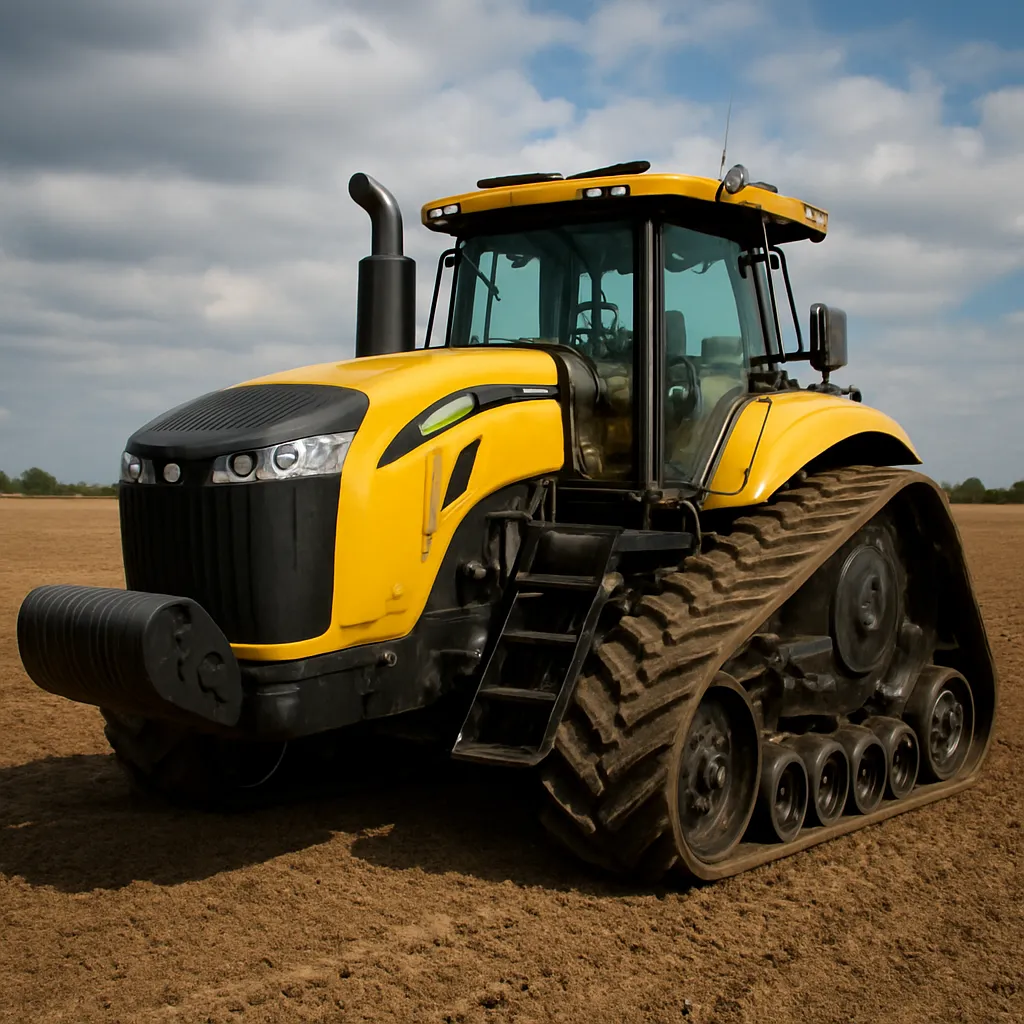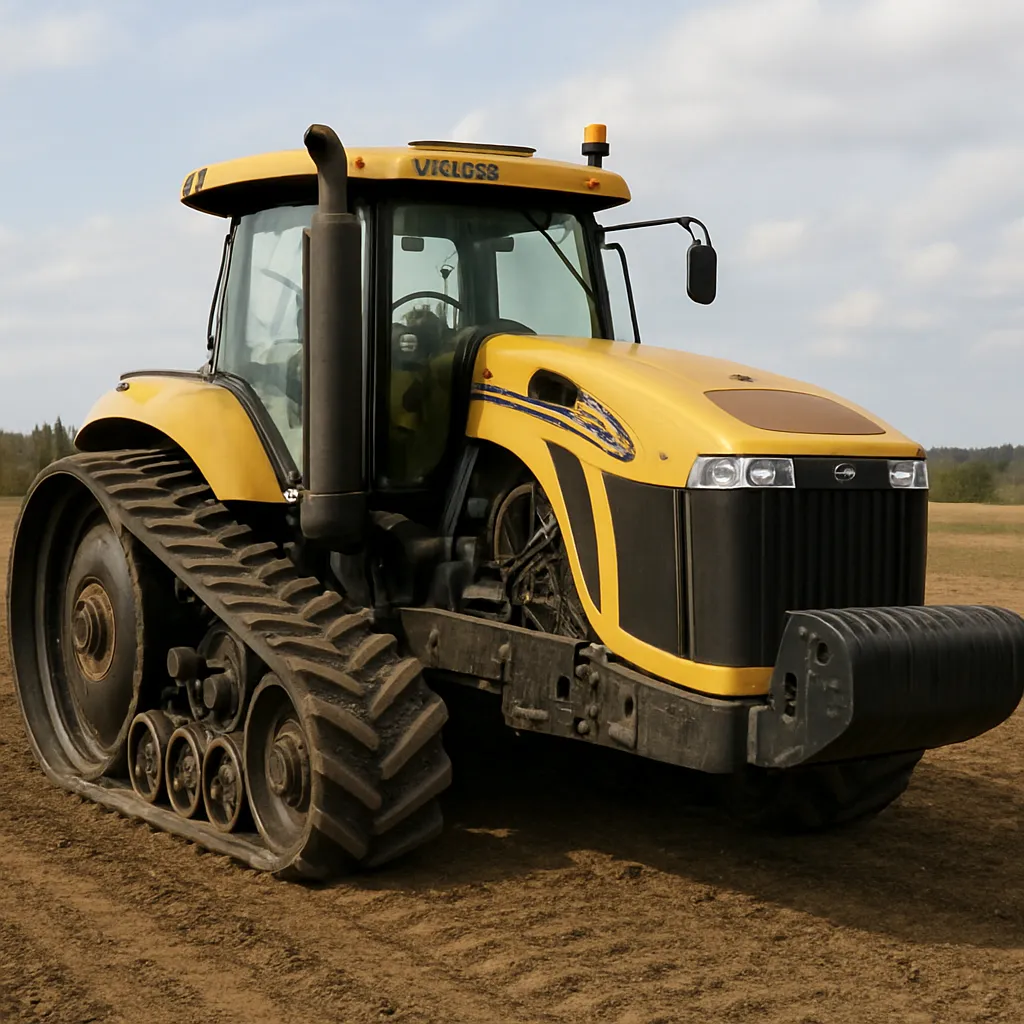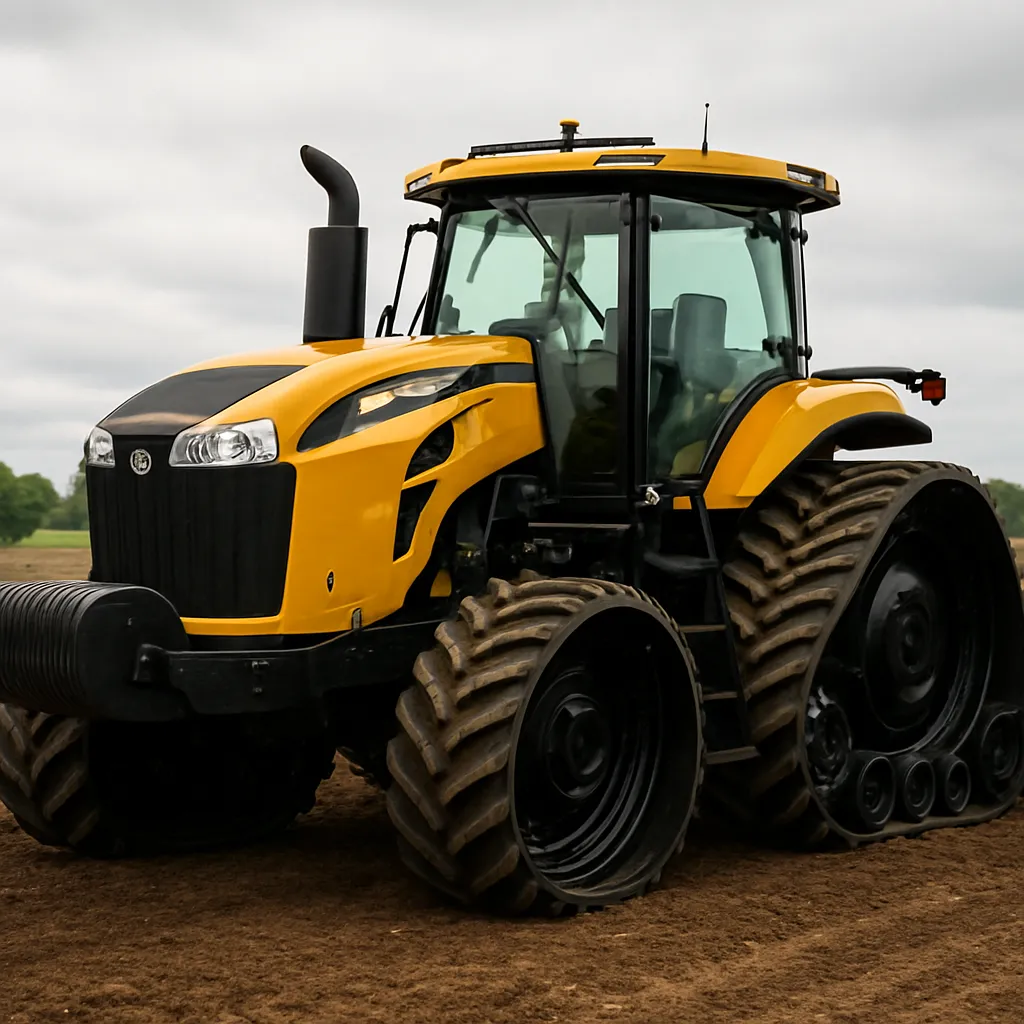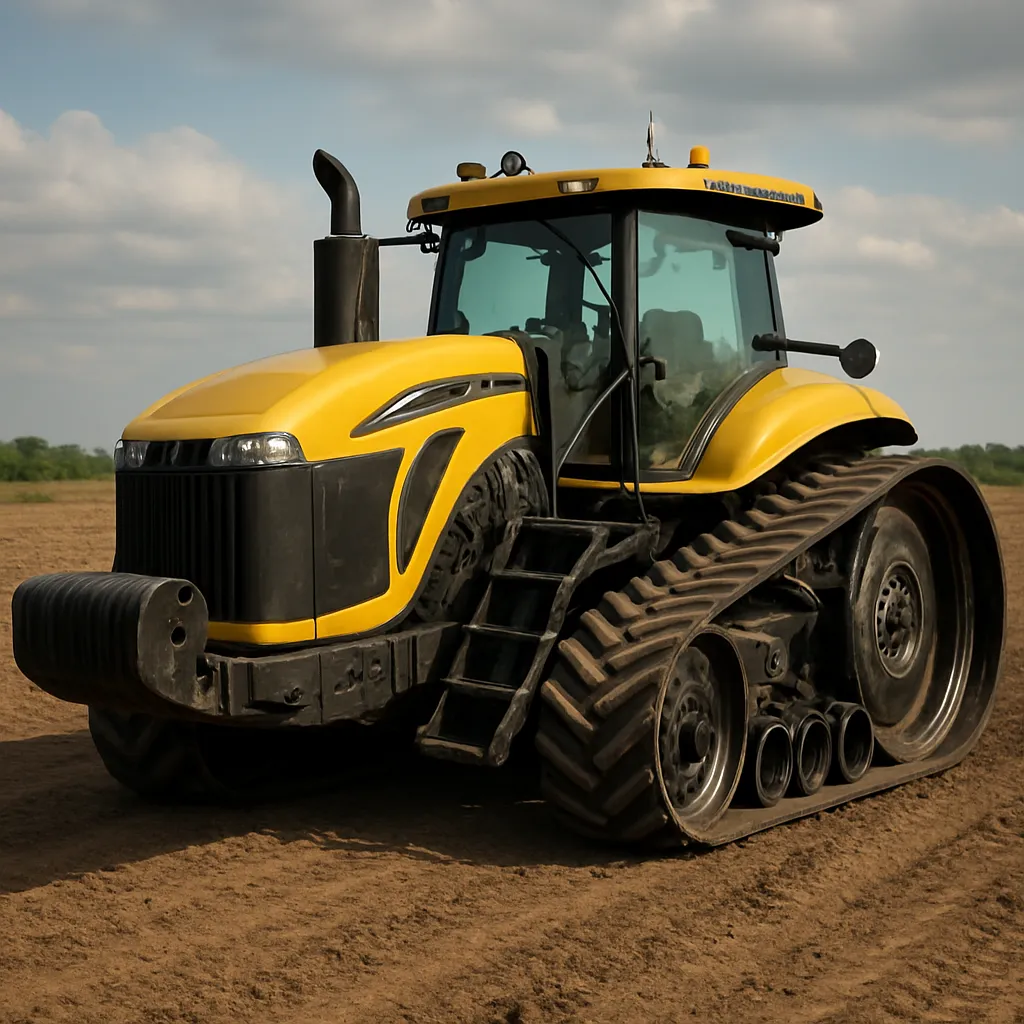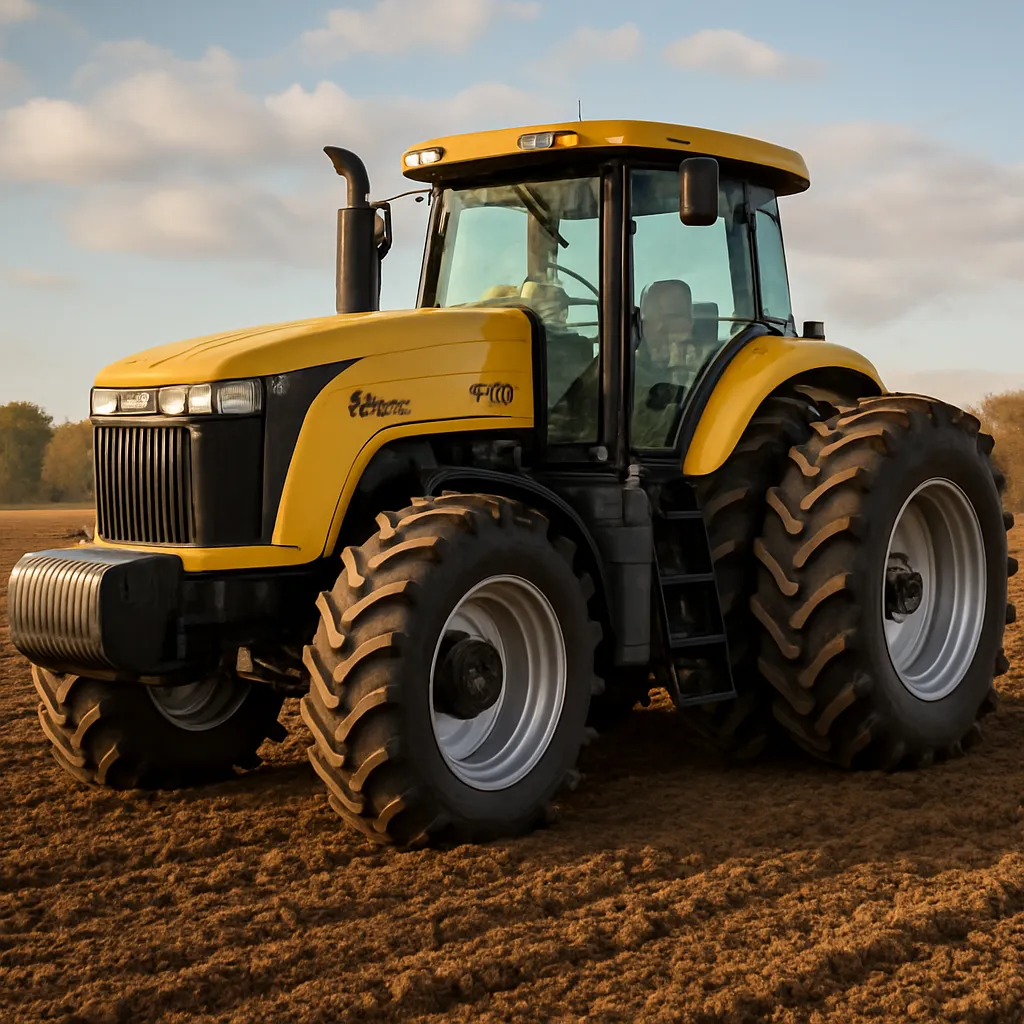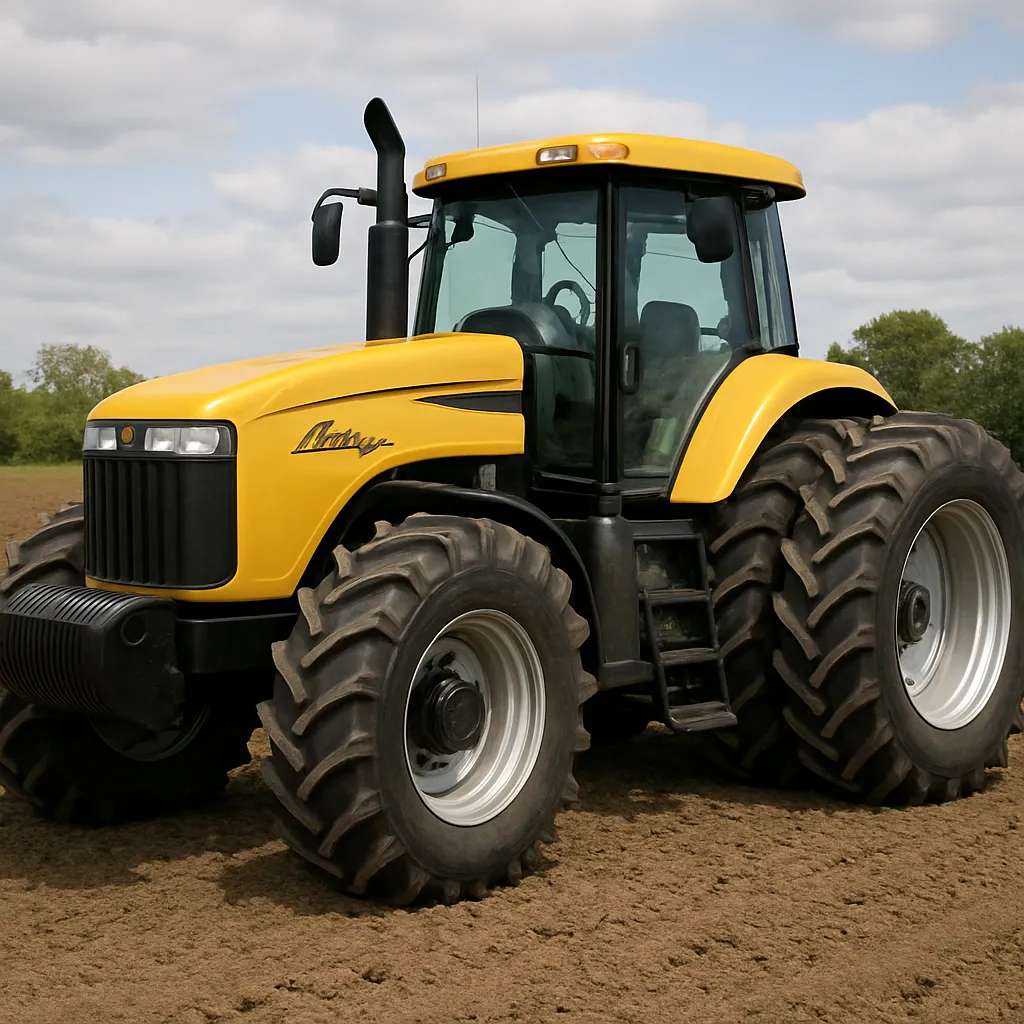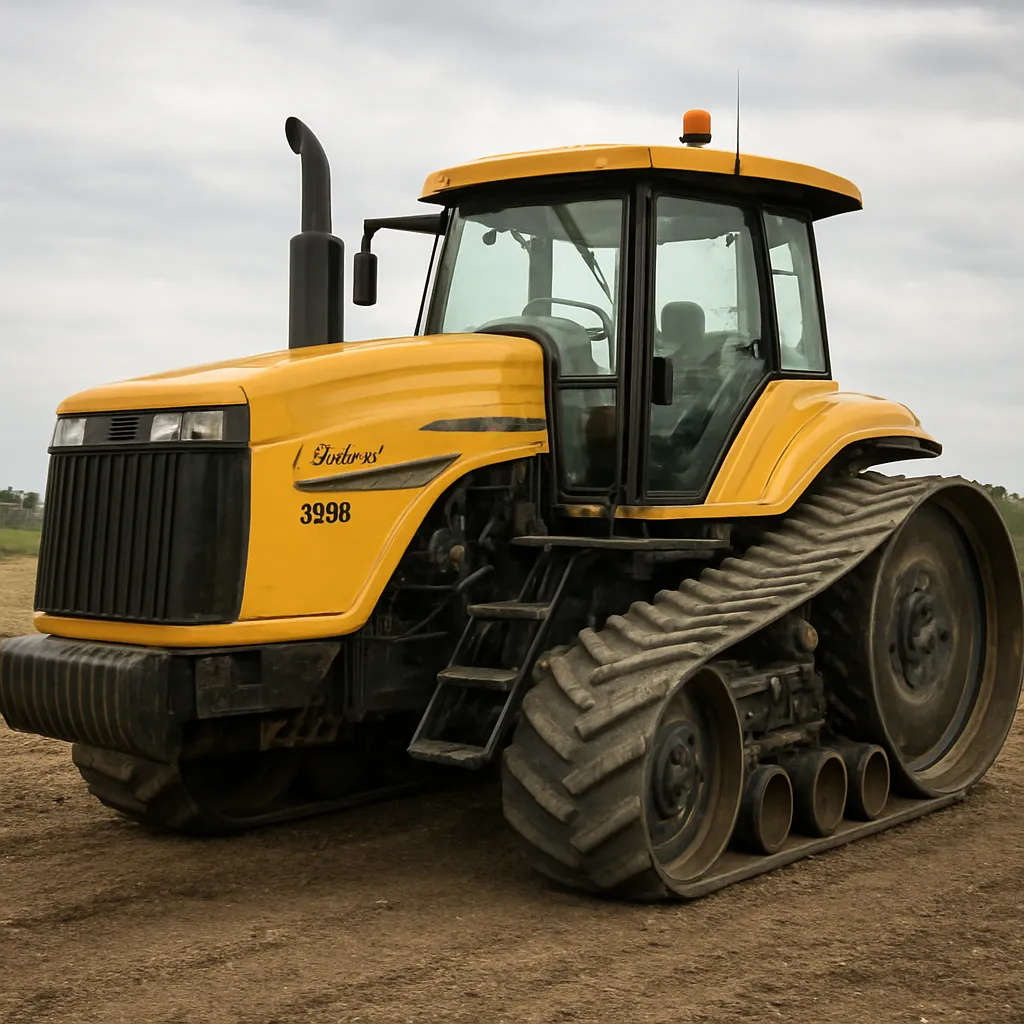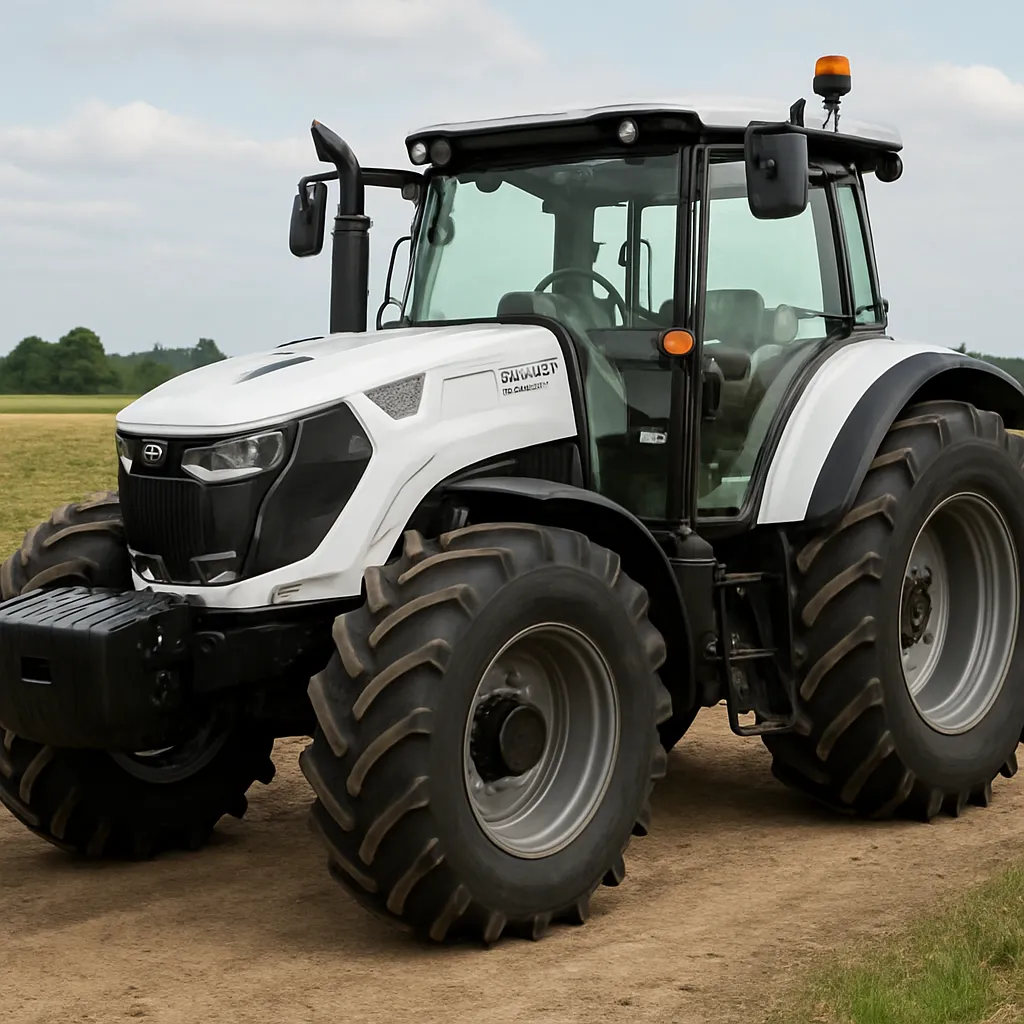
The Lamborghini Nitro 220 is part of the Lamborghini Trattori lineup that bridges traditional agricultural engineering with modern technology and comfort. Positioned as a high-power, versatile farm tractor, the Nitro 220 aims to deliver a combination of robust performance, on-field efficiency, and operator-focused features. This article provides an in-depth look at the Nitro 220: its intended uses, technical characteristics (presented as typical values and configurable options), practical applications, advantages and limitations, maintenance considerations, and how it fits in today’s agricultural machinery market.
Overview and Brand Heritage
Lamborghini Trattori, originally founded by Ferruccio Lamborghini in the late 1940s, has a long tradition in agricultural machinery. Although the company that produces Lamborghini tractors is now part of the SDF Group (SAME Deutz-Fahr), the brand maintains its distinct identity. The Nitro series represents a segment of tractors designed for medium-to-heavy duty tasks on mixed farms, large arable operations, and contractor work.
The Nitro 220 is typically marketed as one of the upper-range models within the Nitro family, offering high horsepower and adaptability for demanding tasks. Its name suggests a focus on higher output, placing it among tractors used where substantial tractive effort, hydraulic power, and PTO performance are required. While exact factory specifications may vary by market and configuration, the Nitro 220 is built to meet modern emissions standards and to integrate contemporary features such as advanced hydraulics, comfortable cabs, and telematics-ready electronics.
Technical characteristics and typical specifications
Below are the main technical areas where the Nitro 220 emphasizes capability. Because manufacturers offer many options, these figures are presented as typical ranges or features commonly available on tractors of this class rather than as a single immutable specification.
Engine and powertrain
- Engine: Turbocharged diesel with electronic fuel injection and aftertreatment systems to meet contemporary emissions (e.g., Stage IV/V or equivalent). The engine is tuned for a balance of torque and fuel economy.
- Power: Nominal engine power in this class commonly ranges between 180 and 230 horsepower; the Nitro 220 is typically positioned at approximately 220 hp at the flywheel depending on configuration and measurement standard.
- Torque management: Electronic torque curves and engine management systems maintain consistent pull under load, optimizing PTO and drawbar performance during heavy fieldwork.
- Transmission: Multiple transmission options are usually offered, such as power shift, semi-powershift, or continuously variable transmission (CVT) depending on market and configuration. These systems provide smooth shifting and efficiency across speeds used for tillage, transport, and PTO-driven tasks.
PTO, hydraulics and linkage
- PTO: Factory options typically include standard PTO speeds of 540 and 1000 rpm, sometimes with economy PTO settings (e.g., 540E or 1000E) for fuel-efficient operation of implements at lower engine speeds. PTO engagement is generally electro-hydraulic.
- Hydraulic system: Flow rates in this category of tractor commonly fall between 100 and 180 L/min (flow depends on pumps and configuration). Multiple remote valves and quick couplers support simultaneous implement functions.
- Rear linkage: Electronic or electro-hydraulic three-point hitch control with a lifting capacity often in the range of 6,000 to 9,000 kg in top configurations, enabling heavy mounted implements and modern seeders.
Chassis, axles and braking
- 4WD drivetrain with locking differentials and multiple axle options for heavy-duty traction and stability in varied terrain.
- Robust frame designed to support front loaders, heavy rear implements and tow loads used by contractors and large farms.
- Compressed-air or hydraulic braking systems with integrated safety features for road transport and high-speed maneuvering.
Cab and operator features
- Comfortable, climate-controlled cab with low-noise insulation, ergonomic controls and a clear visibility package for long workdays.
- Advanced displays and optional integrated GPS/telemetry packages allow mapping, auto-steer compatibility and performance monitoring.
- Operator aids such as cruise control, engine/power management modes, and adjustable seats are standard or available.
Fuel and service
- Fuel tank capacity typically sized to support long operating shifts without frequent refueling; common capacities in this class range from 250 to 480 liters depending on options.
- Service access is designed for routine maintenance: accessible service points for filters, fluid checks, and greasing. Warranty and dealer networks vary by country, with SDF-affiliated dealers offering support in many markets.
Applications and practical uses
The versatility of the Nitro 220 makes it suitable for a wide range of agricultural and non-agricultural tasks. Its power and hydraulic capacity enable it to handle heavy implements and extended PTO-driven operations. Typical uses include:
- Arable farming: Primary tillage (ploughing, discing), stubble cultivation, deep loosening and seeding with heavy planters and cultivators.
- Transport and logistics: High-speed transport of grain, manure, and inputs using large trailers thanks to robust transmissions and braking systems.
- Hay and forage: Powering mowers, rakes, balers and choppers where sustained PTO and hydraulic performance are essential.
- Livestock operations: Handling heavy feed mixers, loader work and manure spreaders on large dairy or beef farms.
- Contractor work: Contractors benefit from the Nitro 220’s ability to tow large implements for multiple clients, offering reliability and high daily output.
- Specialty uses: With suitable configurations (narrow track, different tires, or adjustable axles), the machine can be used in orchards, vineyards (limited), municipal tasks or snow clearing when fitted with appropriate implements.
Design highlights and operator-centered features
Manufacturers in this class pay attention to features that reduce operator fatigue, improve uptime, and increase productivity. The Nitro 220 typically incorporates those design principles:
- Ergonomics: Logical placement of controls and multifunction joysticks allow the operator to perform complex implement work with minimal hand movement.
- Visibility: Large glass areas and strategically placed mirrors or optional camera systems provide enhanced sight-lines for loader work and implement alignment.
- Noise and vibration reduction: Cab mounts and engine isolation reduce vibration; acoustic insulation lowers in-cab noise for safer, more comfortable work conditions.
- Telematics and connectivity: Optional GPS guidance, remote diagnostics and fleet management tools help reduce idle time, optimize routes, and plan maintenance.
- Modularity: A range of front loaders, weights, PTO, and hydraulic packages allow the machine to be tailored to a particular farm’s needs.
Maintenance, reliability and operating costs
In tractors of this size, total cost of ownership is a crucial consideration. The following factors influence operating economics for the Nitro 220.
- Fuel efficiency: Engine management systems and variable geometry turbochargers (when fitted) aim to keep fuel consumption reasonable relative to the power produced. Real-world fuel use depends heavily on operational duty cycle—light transport will consume much less than continuous deep ploughing.
- Service intervals: Extended service intervals for oil and filters are common in modern tractors, reducing downtime if OEM-recommended maintenance schedules are followed.
- Parts availability: Being part of the SDF dealer network generally ensures parts availability in many regions, which reduces repair lead times and improves uptime.
- Durability: Heavy-duty drivetrains, reinforced frames and tested components aim to provide long service life under contractor-level workloads.
Market positioning and comparisons
The Nitro 220 competes in a segment crowded with offerings from manufacturers such as John Deere, New Holland, Case IH, and Fendt. Key factors that influence purchasing decisions include:
- Price-to-performance ratio: Buyers weigh purchase cost against horsepower, hydraulic capacity and comfort features.
- Dealer and service network: A strong local presence and reliable support can sway buyers toward one brand over another.
- Special features: Unique optional packages—such as particular transmissions, advanced telematics, and specialized attachments—create differentiation.
Compared to premium brands known for advanced automation, Lamborghini Trattori models often emphasize a balance between competitive capability and cost-effectiveness. For many operators, the Nitro series presents a compelling mix of power, simplicity, and usable technology without moving fully into the highest priced premium tier.
Operational tips and best practices
To get the most from a Nitro 220, consider these practical recommendations:
- Match implements carefully to the tractor’s rated lift and PTO capacity to avoid overloading the drivetrain.
- Use engine and PTO management features to keep engine rpm in optimal bands for fuel economy and reduced wear.
- Adopt scheduled maintenance and keep a small stock of wear parts (filters, belts) to minimize downtime during peak seasons.
- Make use of telematics, if available, to monitor fuel usage, engine hours and predictive maintenance alerts.
- Train operators on the correct use of transmission and differential locks to prolong tire life and reduce transmission stress.
Environmental and regulatory considerations
Modern tractors like the Nitro 220 are designed to meet regional emissions standards (for example, EU Stage V or equivalent in other territories). Key environmental aspects include:
- Diesel particulate filters and selective catalytic reduction (SCR) systems on some engines to reduce harmful emissions.
- Improved fuel management and power matching that lower CO2 emissions per hectare compared with older models.
- Noise reduction technologies that reduce the sound footprint for operations near sensitive areas.
Interesting facts and brand context
Although Lamborghini is better known for sports cars, the tractor division predates the famous automobiles and continues a separate tradition of agricultural engineering. The use of the Lamborghini name in tractors underscores the brand’s roots in mechanical innovation. The bull emblem, associated widely with the supercar range, is also used in agricultural branding to convey power and reliability.
Some owners appreciate the heritage and styling cues that set Lamborghini tractors apart visually from competitors, while many choose the Nitro 220 for its functional strengths—namely, a combination of versatility, durability and operator-focused features.
Summary and outlook
The Lamborghini Nitro 220 is a serious option for farms and contractors that need substantial horsepower, robust hydraulics, and a comfortable working environment. It offers a balance of modern technologies—such as electronic engine management, advanced hydraulics and optional telematics—paired with the practical ruggedness expected of heavy-duty agricultural machinery. Buyers should evaluate specific configurations, dealer support, and total cost of ownership when comparing the Nitro 220 to competing models. With the ongoing trend toward connectivity, efficiency and operator comfort in agriculture, tractors like the Nitro 220 that combine these elements remain relevant choices for medium-to-large scale operations.
Below are a few of the most important attributes highlighted in the article for quick reference: power, efficiency, durability, hydraulics, PTO, cab comfort, telemetry, versatility, maintenance, and Lamborghini Nitro 220.