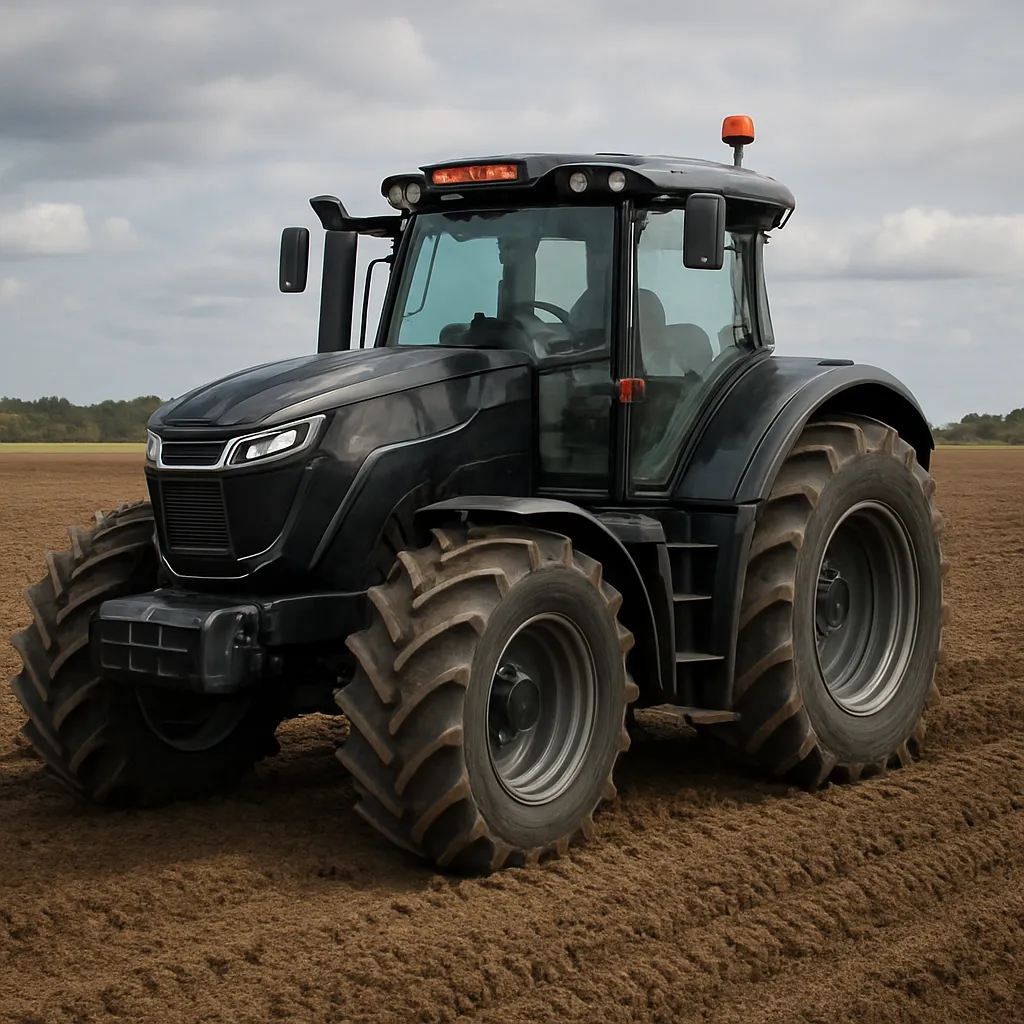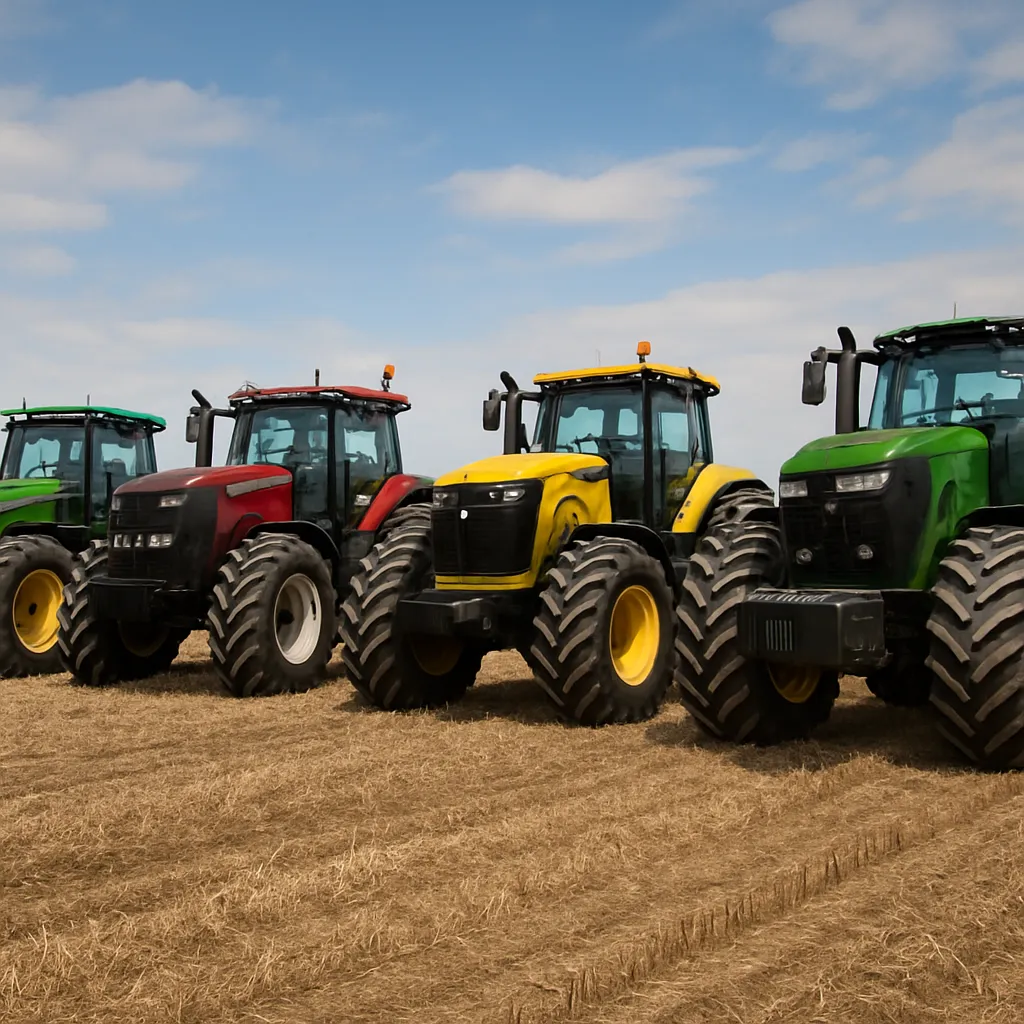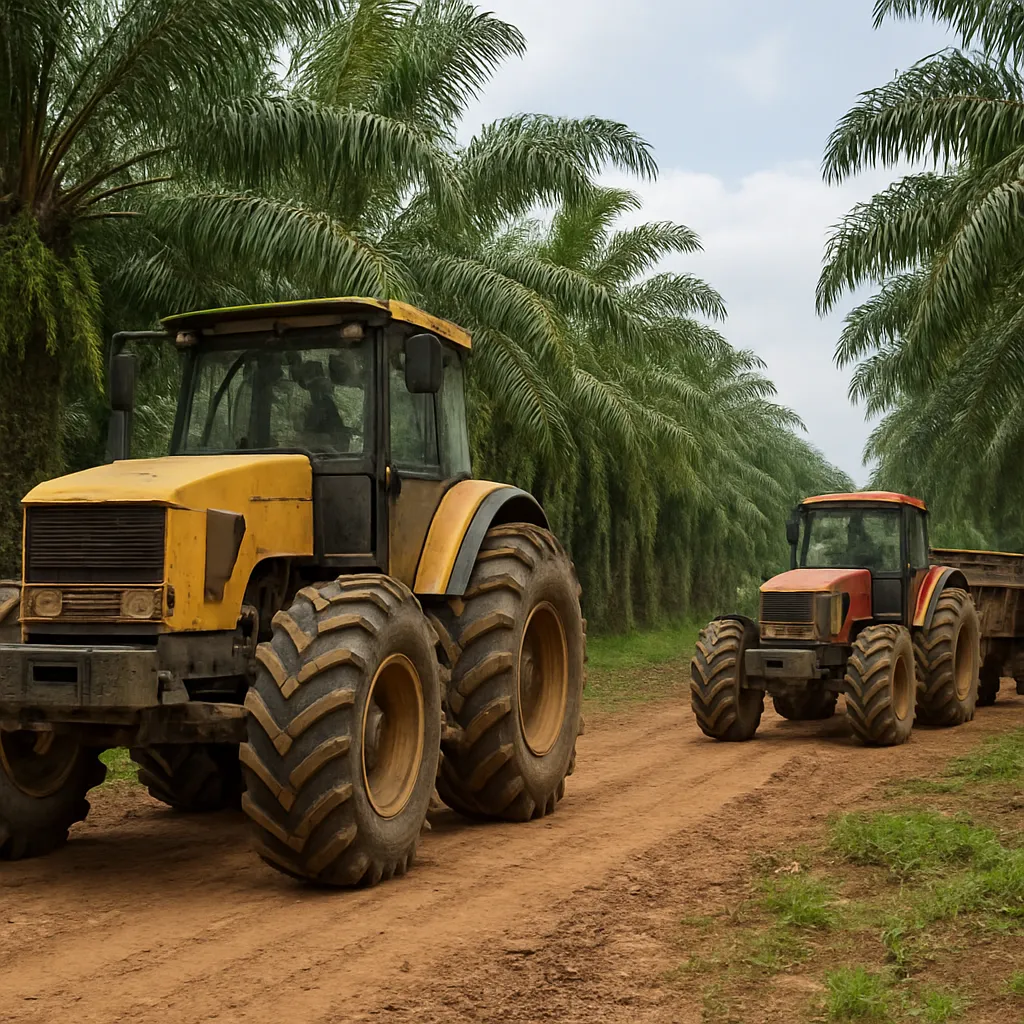
From expansive fields to rugged terrain, the realm of agricultural machinery has witnessed extraordinary growth. Today’s tractors aren’t merely tools; they represent feats of engineering that redefine what’s possible in large-scale farming. In this article, we explore the history, the giants of the industry, and the emerging technologies that have given rise to some of the largest tractors ever built.
The Evolution of Massive Agricultural Machinery
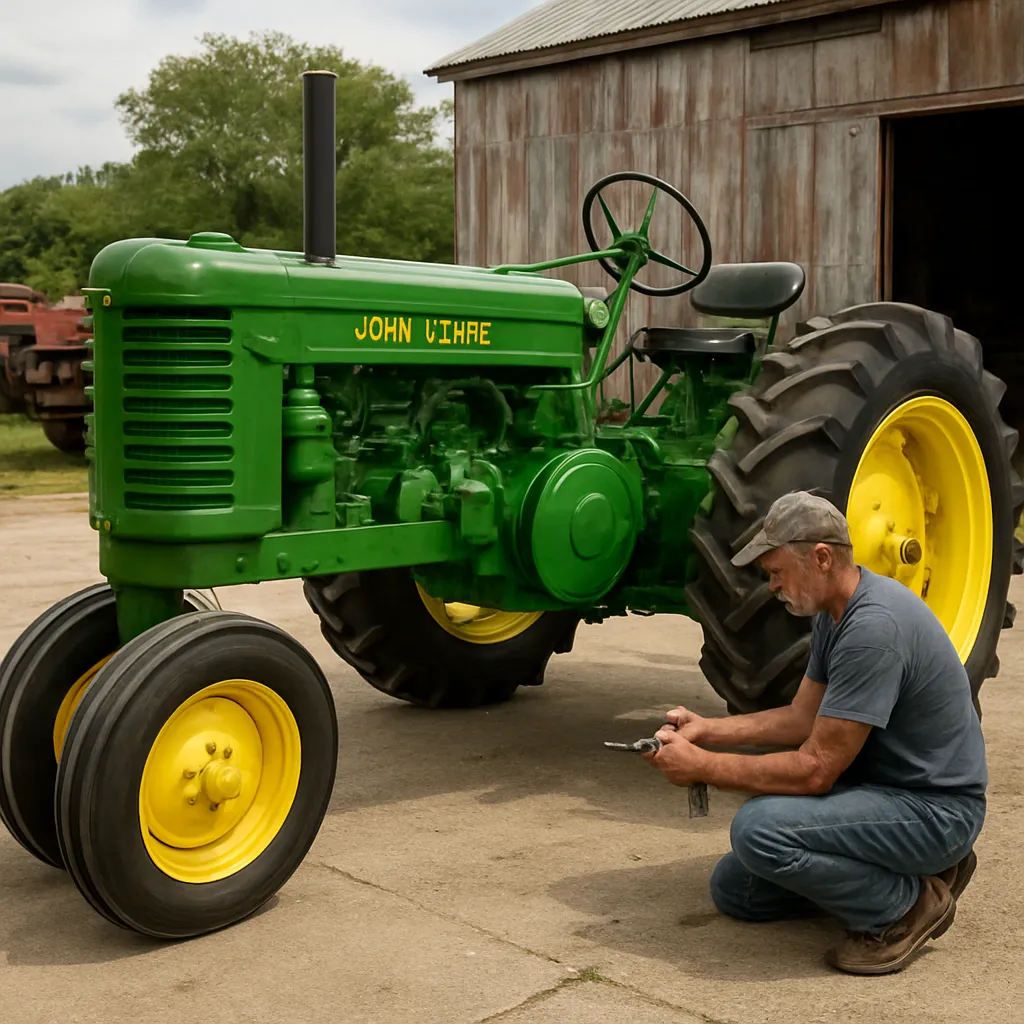
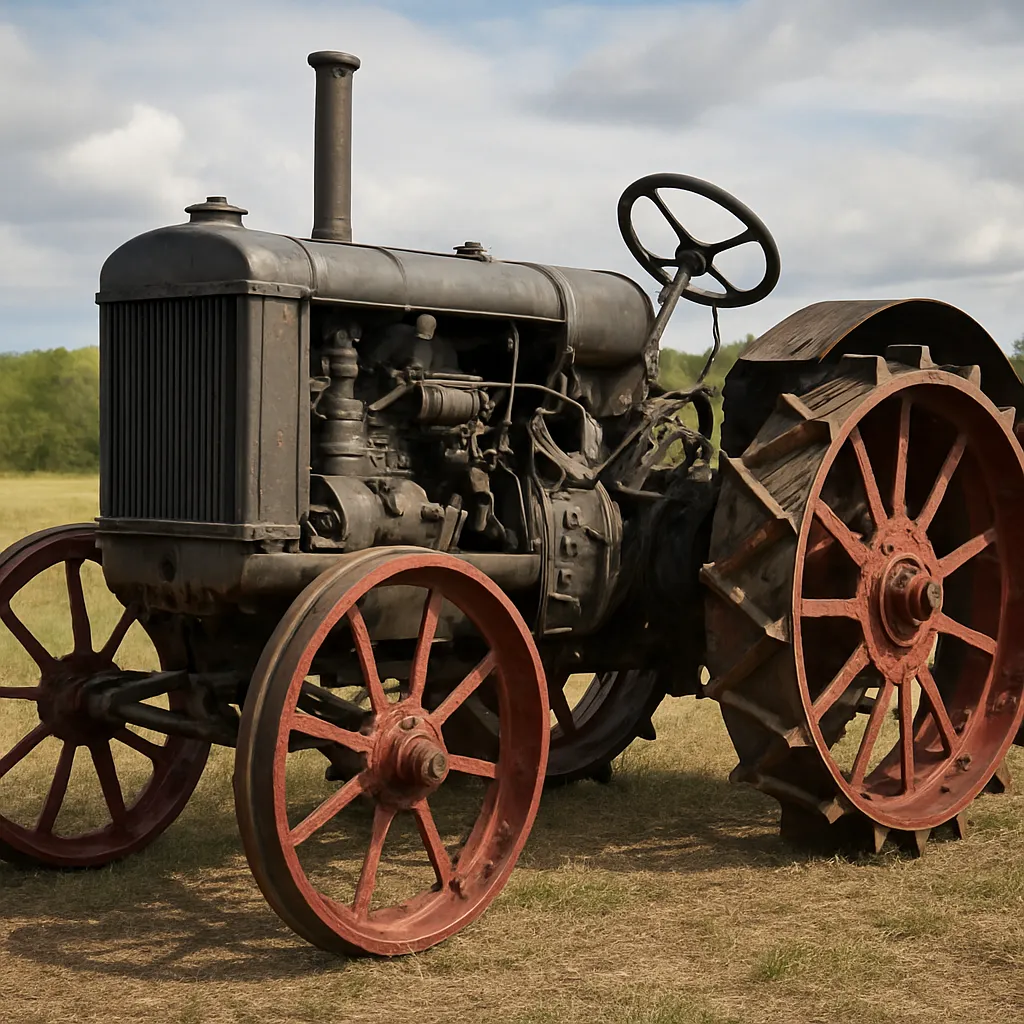
Agricultural mechanization began with steam traction engines in the 19th century, yet it was not until the mid-20th century that tractors truly accelerated in size and power. Early models offered a modest 20–30 horsepower, sufficient for small plots but inadequate for expanding operations. By the 1970s, the introduction of turbocharged diesel engines offered dramatic gains in both torque and fuel efficiency, paving the way for machines exceeding 200 horsepower.
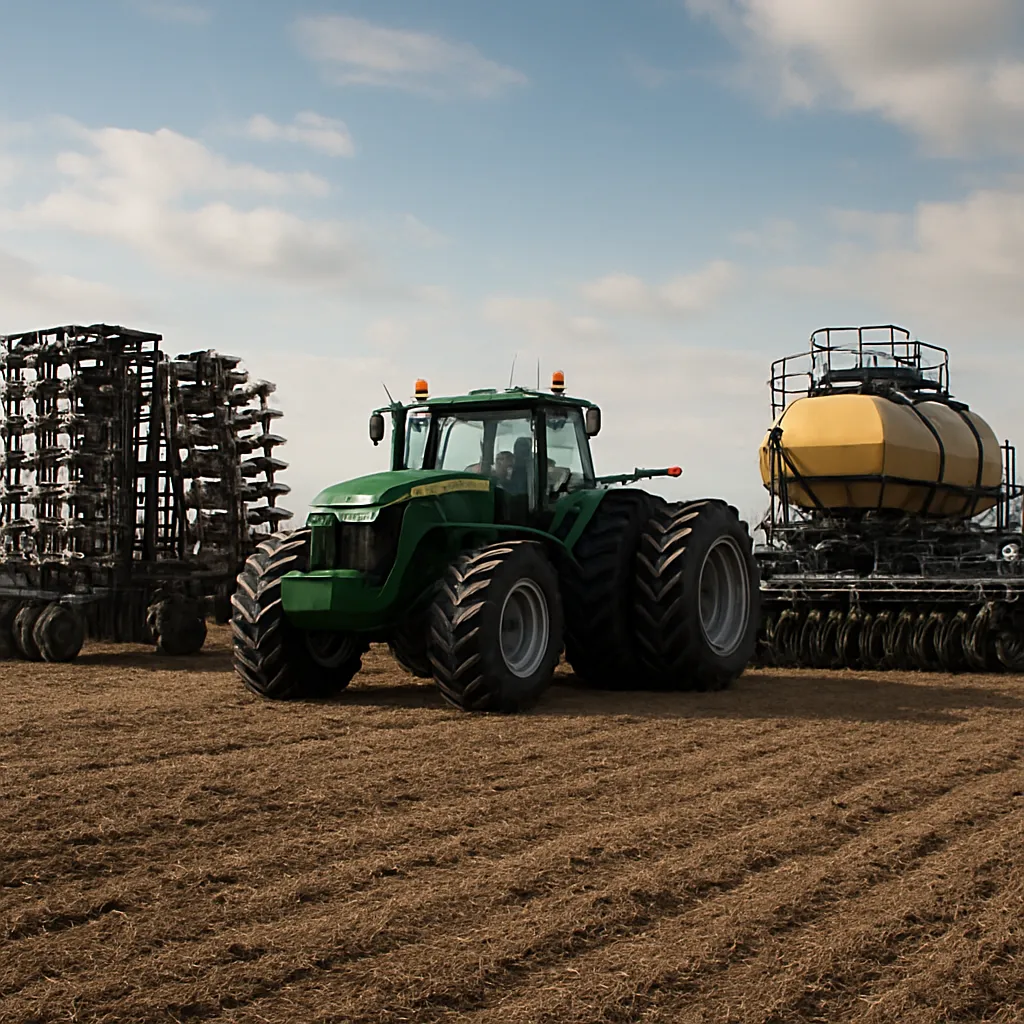
As producers sought to maximize output, manufacturers responded with ever-larger platforms. Four-wheel drive, dual-wheel systems, and eventually track configurations emerged as ways to distribute weight and minimize soil compaction. These innovations collectively enabled tractors that could tow multi-ton implements, dramatically boosting overall productivity in grain, cotton, and other high-volume crops.
Milestones in Growth:
- 1930s: Introduction of true farm tractors replacing horses
- 1950s: Adoption of diesel engines—more reliable under heavy loads
- 1970s–1980s: Turbocharging and electronic fuel management systems
- 2000s: Emergence of articulated track systems and precision guidance
Leading Giants: Profiles of the World’s Biggest Tractors
John Deere 9RX Series
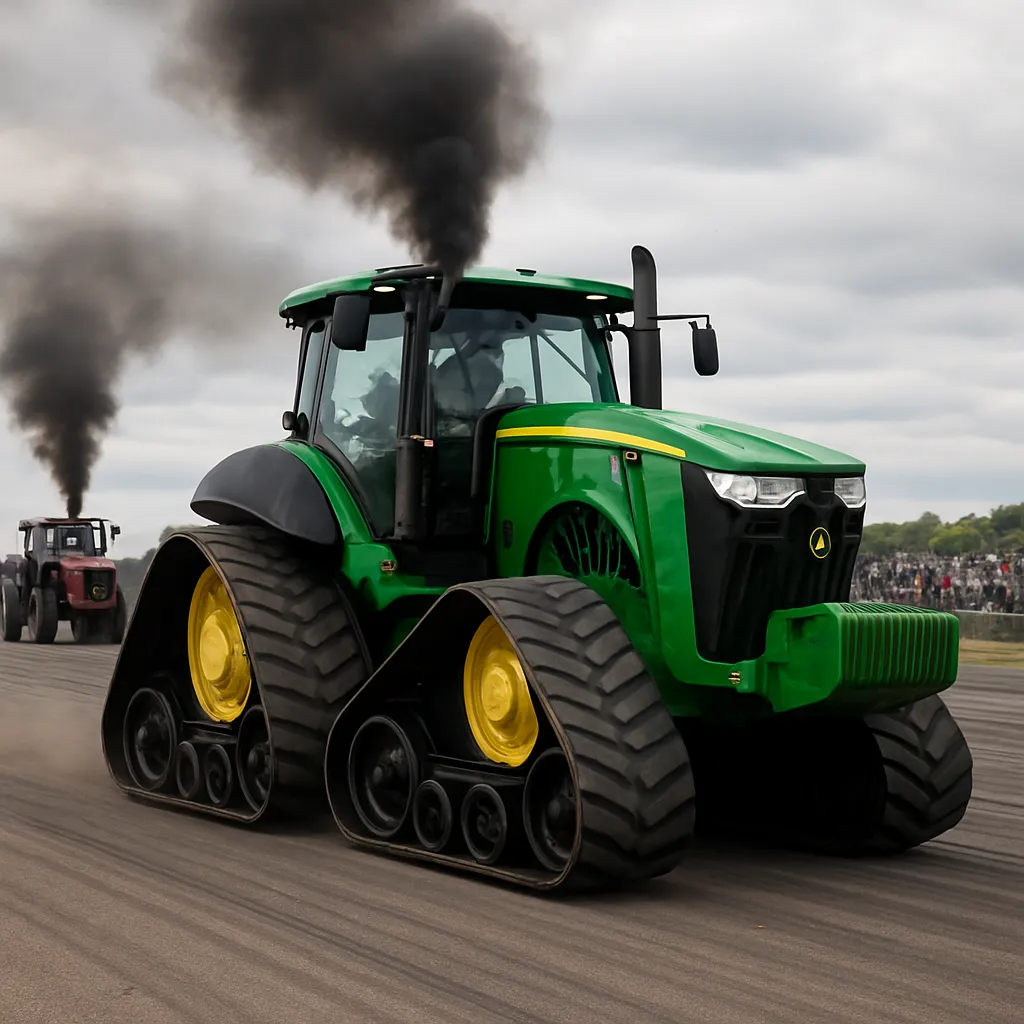
The John Deere 9RX line represents the pinnacle of heavy-duty track tractors. With engines rated at up to 620 horsepower, these behemoths employ a four-track design that offers superior traction on wet or uneven ground. Operators benefit from advanced cab ergonomics, integrated GPS guidance, and auto-steer capabilities. Key features include:
- Maximum drawbar pull exceeding 25,000 lbf
- Hydrostatic drive option for seamless speed control
- Payload capacity surpassing 25,000 pounds
Fendt 1167 Vario MT
As the most powerful European tractor, the Fendt 1167 Vario MT delivers 680 horsepower. Its hydrostatic drive system—branded Vario—allows infinite speed adjustments without interrupting the power flow. A combination of high-capacity hydraulics and a fully integrated telematics suite ensures optimal implement performance. Highlights include:
- Vario continuous transmission with no gear shifting
- Smart farming connectivity for remote monitoring
- Dual steering modes for precise maneuvering
Case IH Steiger Quadtrac
Case IH revolutionized traction with the Quadtrac, a four-track system that reduces ground pressure while maximizing pull. The latest version tops out at 620 horsepower, featuring an 8.7-liter engine and a dual-clutch transmission. Precision Planting controls and AFS (Advanced Farming Systems) technology integrate planting, tillage, and yield monitoring on a single display.
Technological Advancements Driving Tractor Size and Power
Modern tractors owe much of their growth to breakthroughs in multiple domains. From powertrain to data analytics, these developments have been instrumental in fostering bigger, smarter machines.
Engine and Powertrain Innovations
High-pressure common-rail fuel injection, turbo-compounding, and aftertreatment systems have elevated diesel efficiency. Manufacturers continuously refine engine mapping to deliver peak torque at lower RPM, thus reducing fuel burn and engine wear under heavy draft loads.
Precision Agriculture and Automation
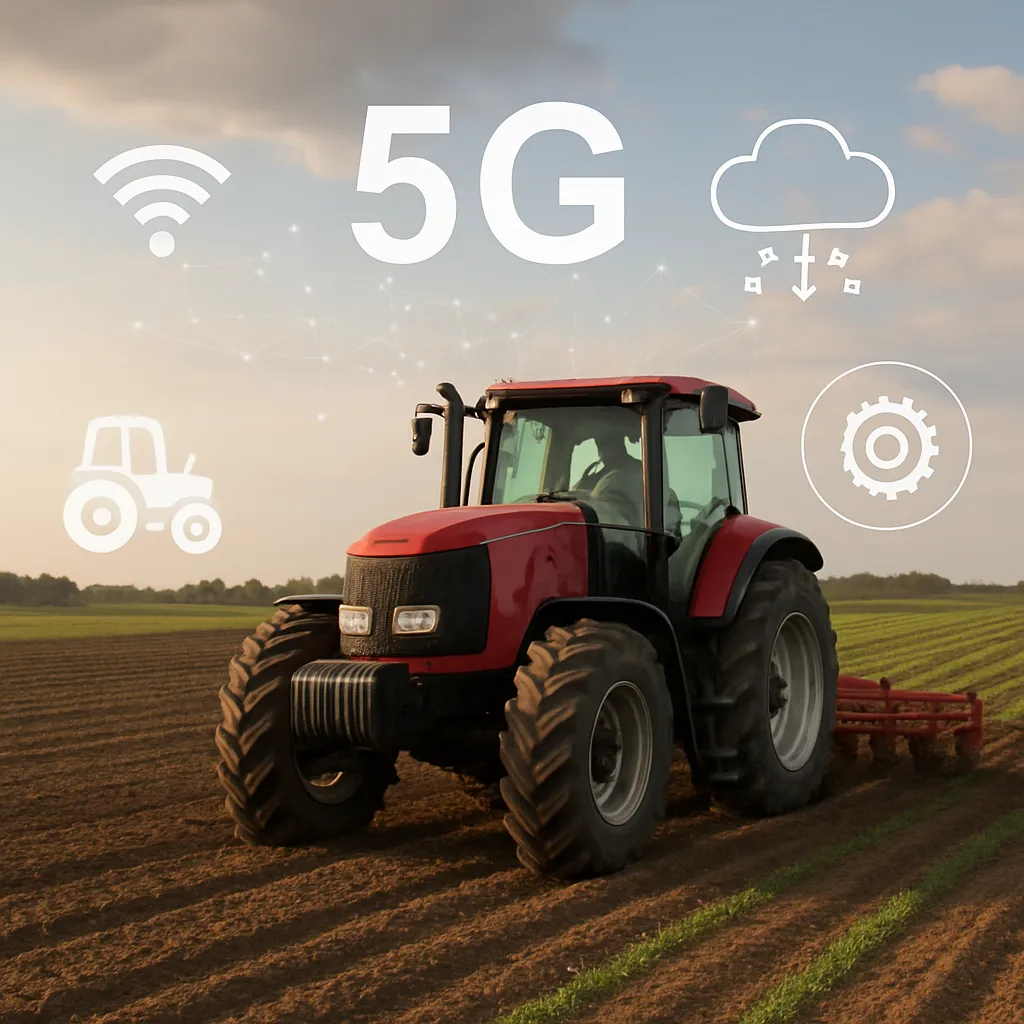
GPS-guided auto-steer has become standard on premium models, enabling cultivation patterns accurate to within inches. Soil mapping, yield data collection, and implement control now happen in real time, boosting overall operational productivity. Autonomous prototypes are already under field trials, hinting at a future where human oversight is minimal.
Track Systems vs. Traditional Wheels
Tracks distribute weight over a larger surface area, lowering ground pressure and limiting rut depth. This sustainability benefit helps protect soil structure while enabling heavier equipment. Some tractors even feature convertible track modules, allowing quick swaps between wheels and tracks depending on field conditions.
Challenges and Future of Ultra-Large Tractors
While bigger tractors offer undeniable gains, they also present unique obstacles.
- Soil Compaction: Excessive weight can harm subsoil layers, affecting drainage and root development.
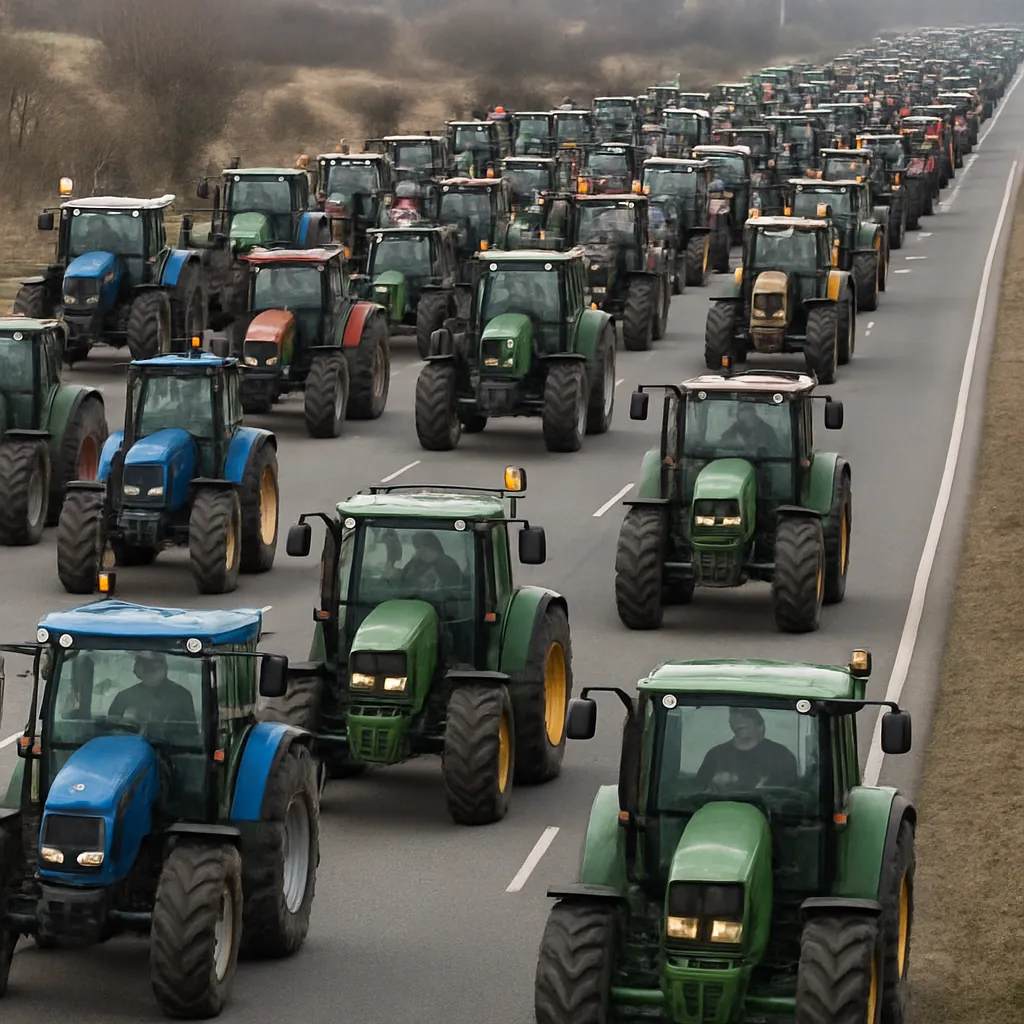
- Transport Logistics: Moving a machine over public roads often requires special permits and escort vehicles.
- Cost of Ownership: High initial purchase price, combined with elevated maintenance and fuel costs, makes return on investment critical.
Looking ahead, manufacturers are exploring hybrid and fully electric drivetrains to reduce emissions and operating expenses. Artificial intelligence will likely drive the next wave of automation, with tractors that self-optimize tillage depths, seeding rates, and application zones based on live sensor feedback. As climate considerations become more pressing, emphasis on sustainability and resource conservation will shape the design of tomorrow’s agricultural giants.
In the dynamic landscape of large-scale farming, the relentless pursuit of improved efficiency and productivity ensures that tractor design will continue pushing limits for decades to come.