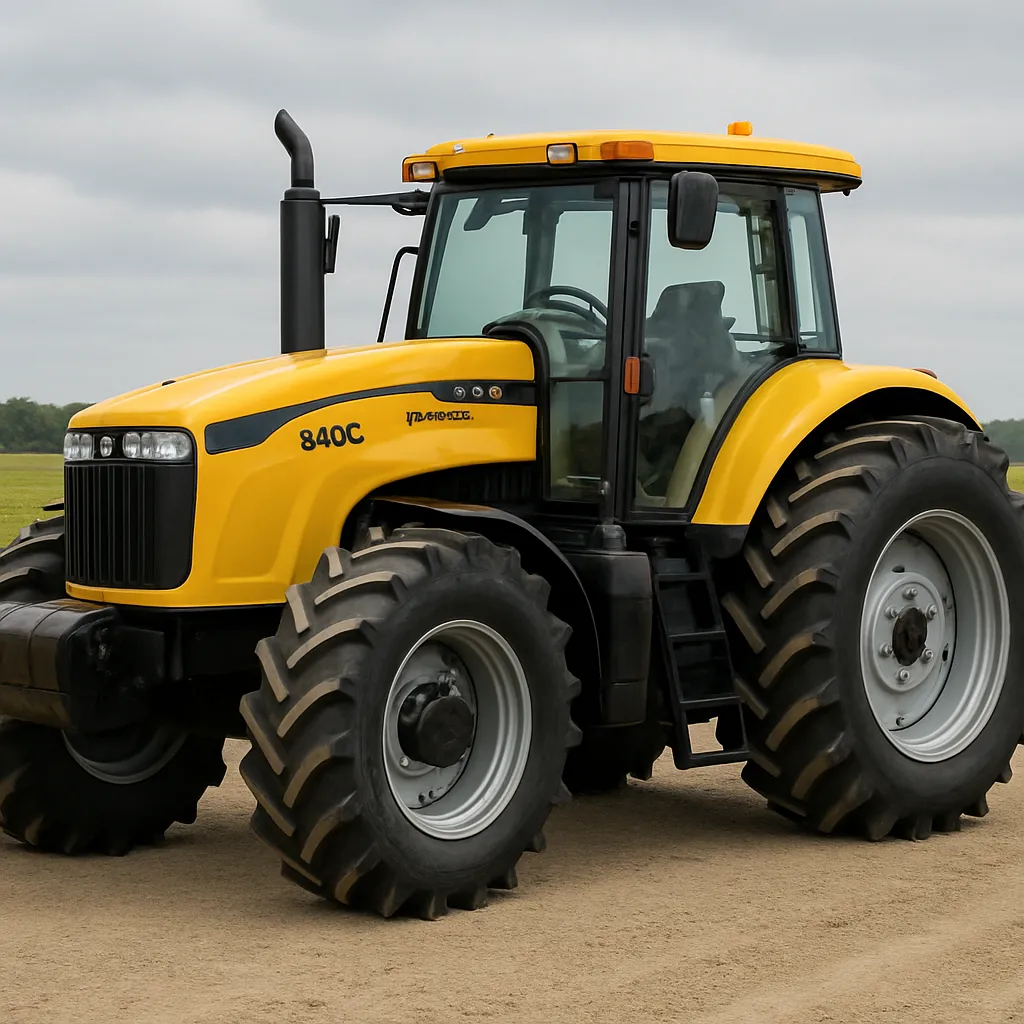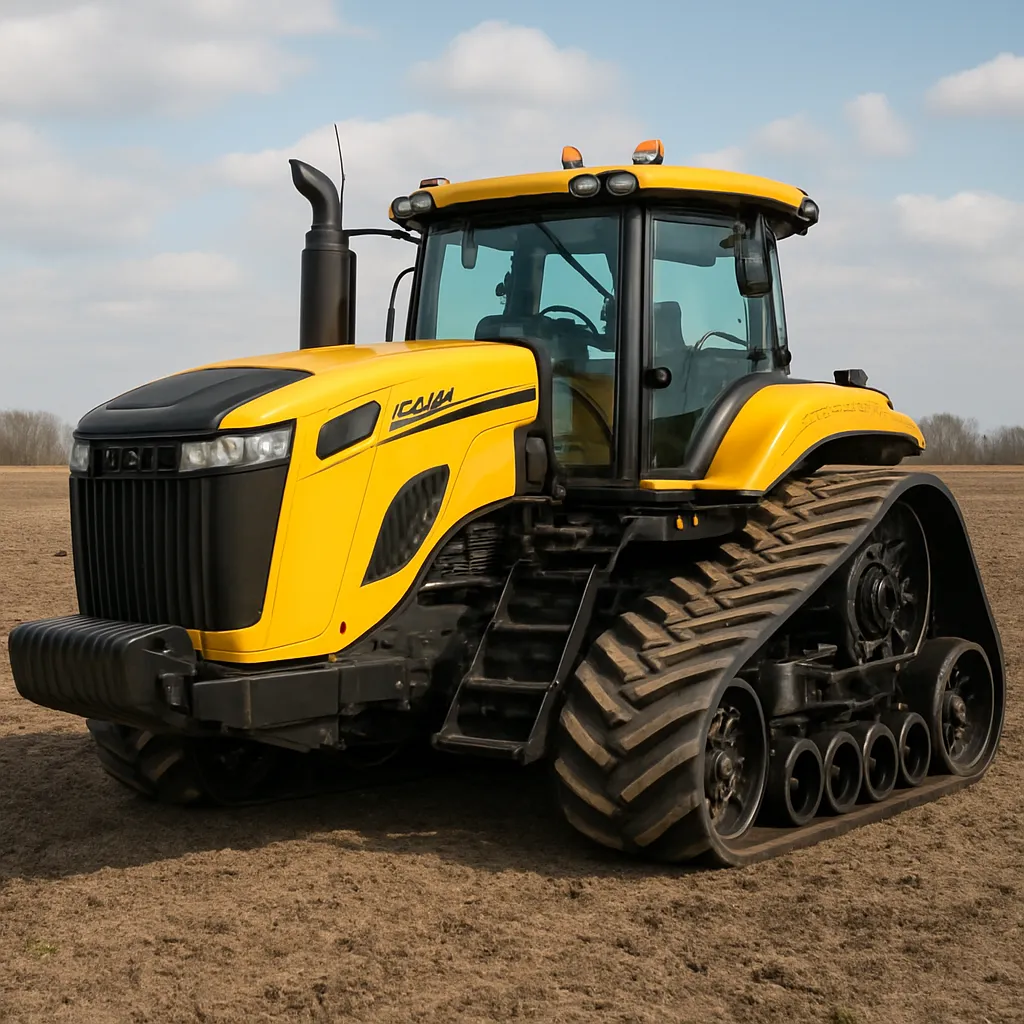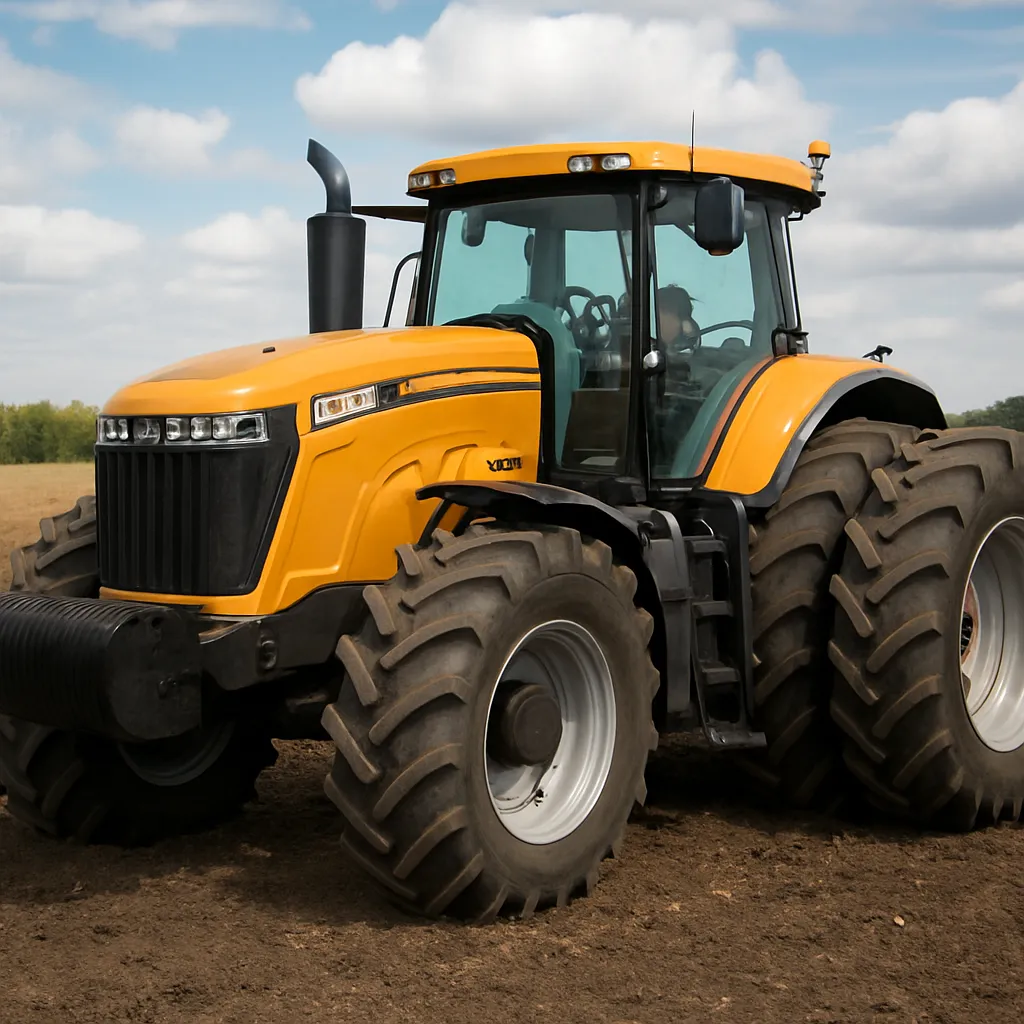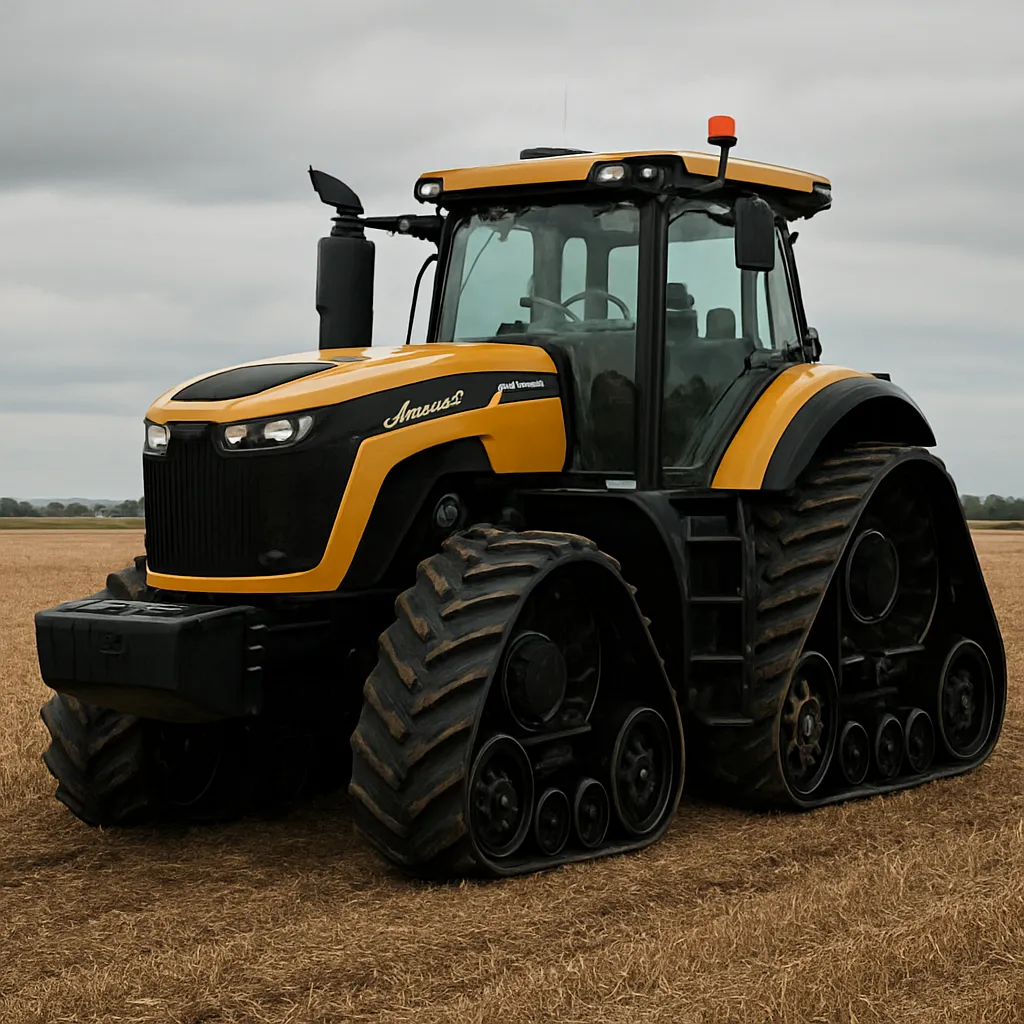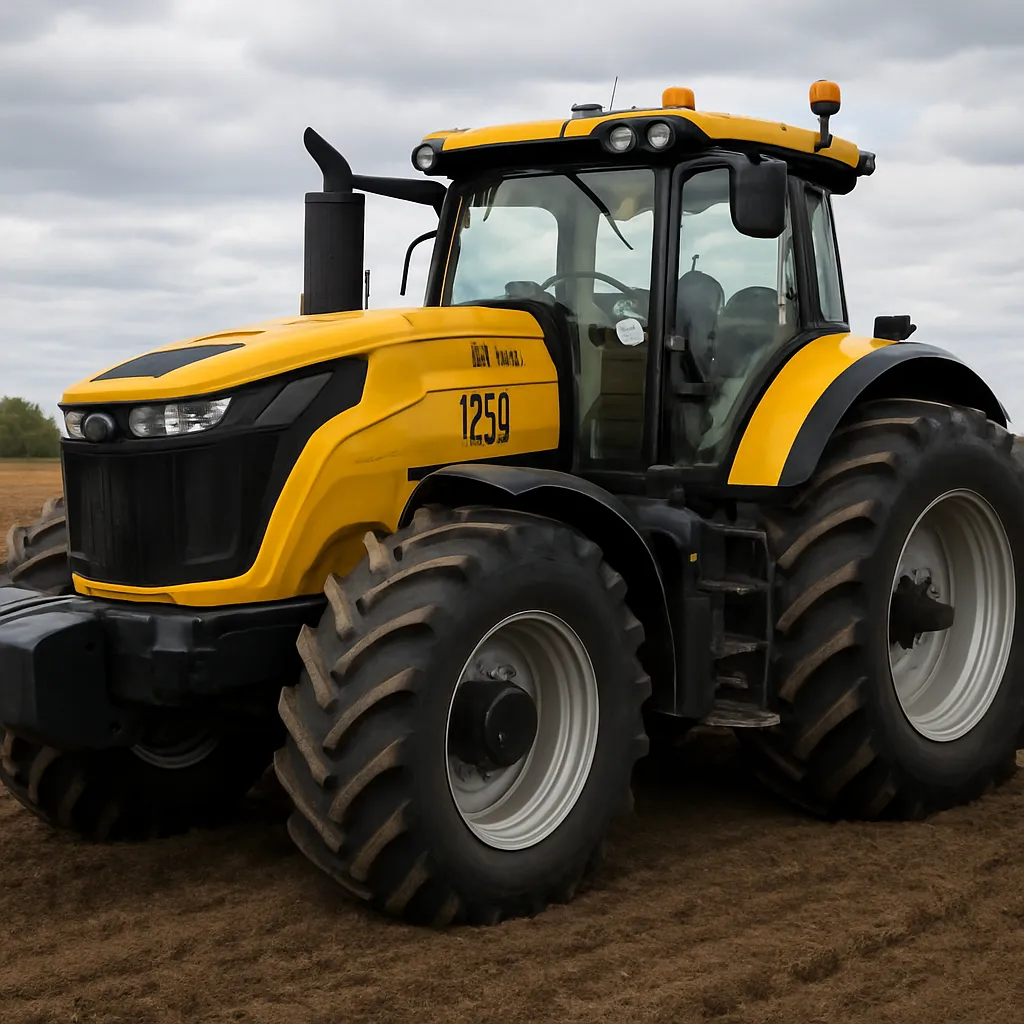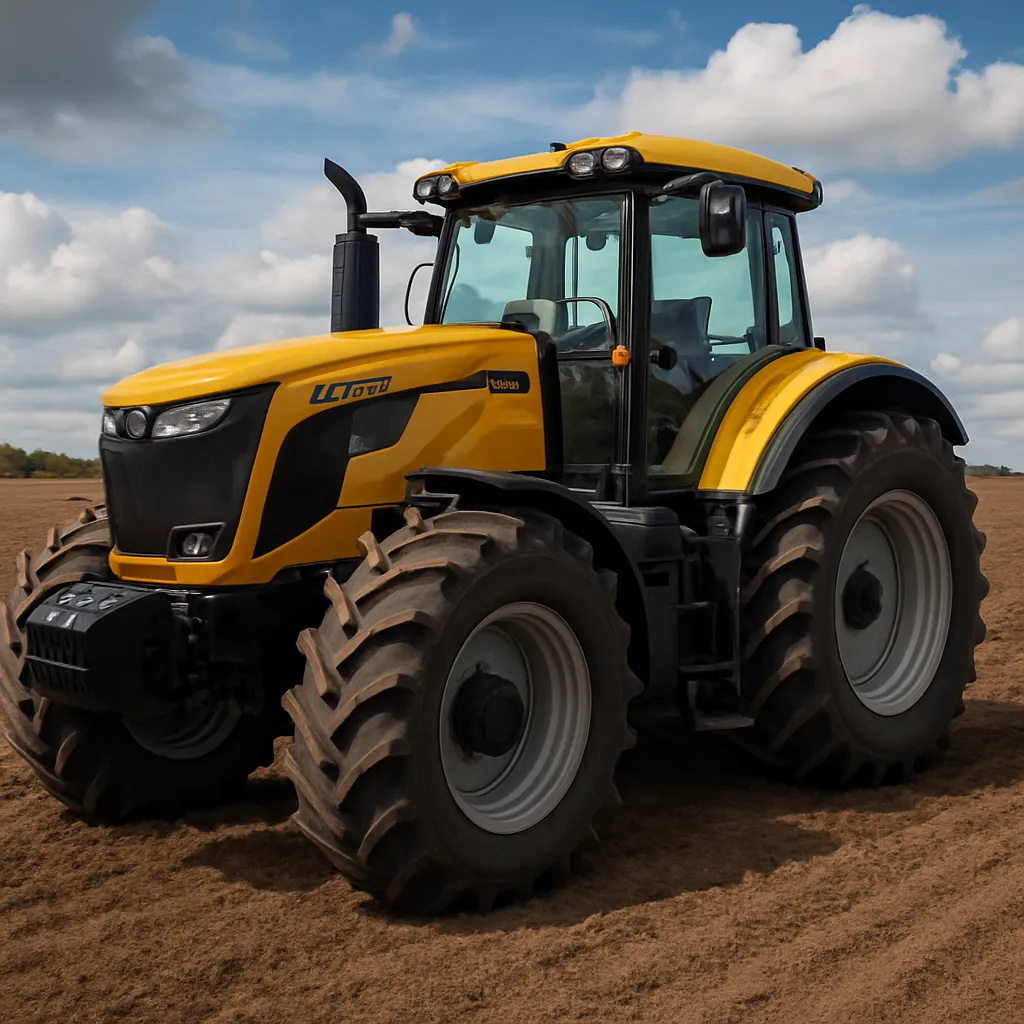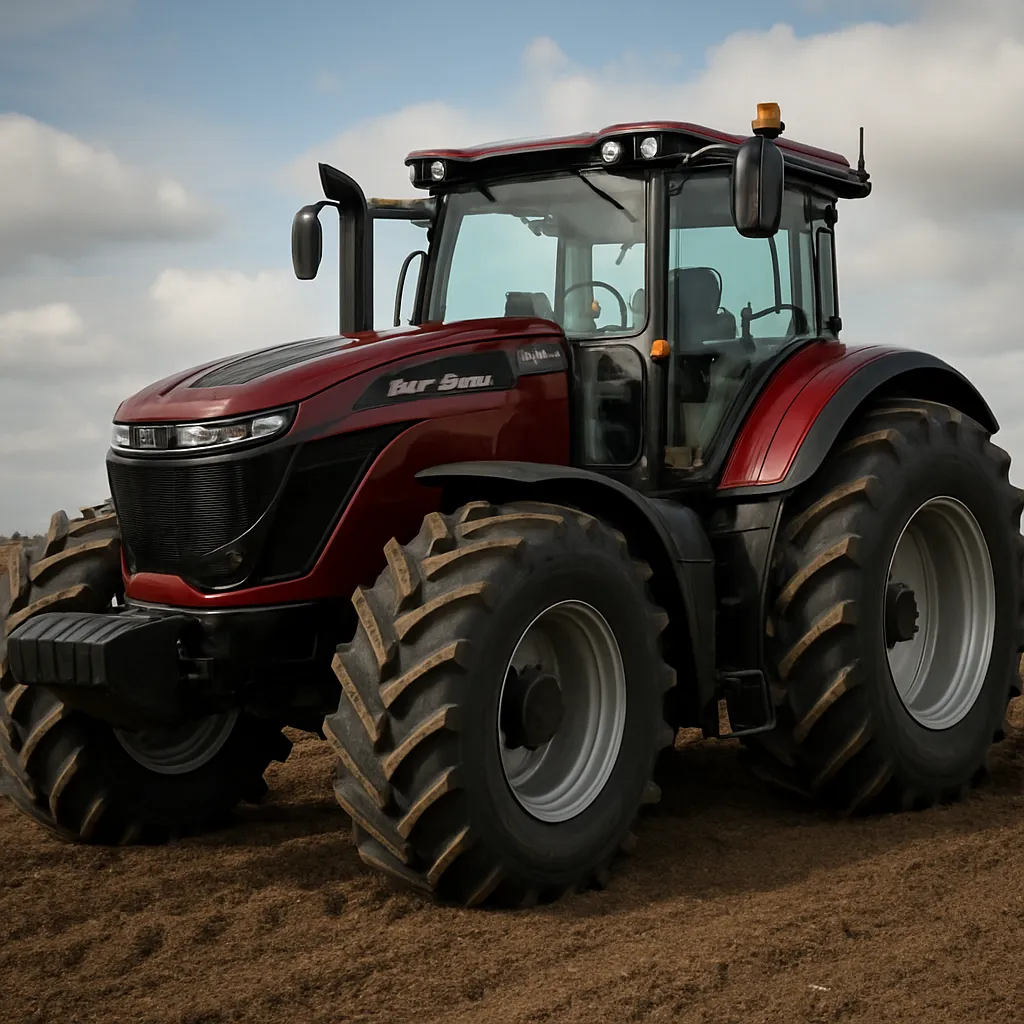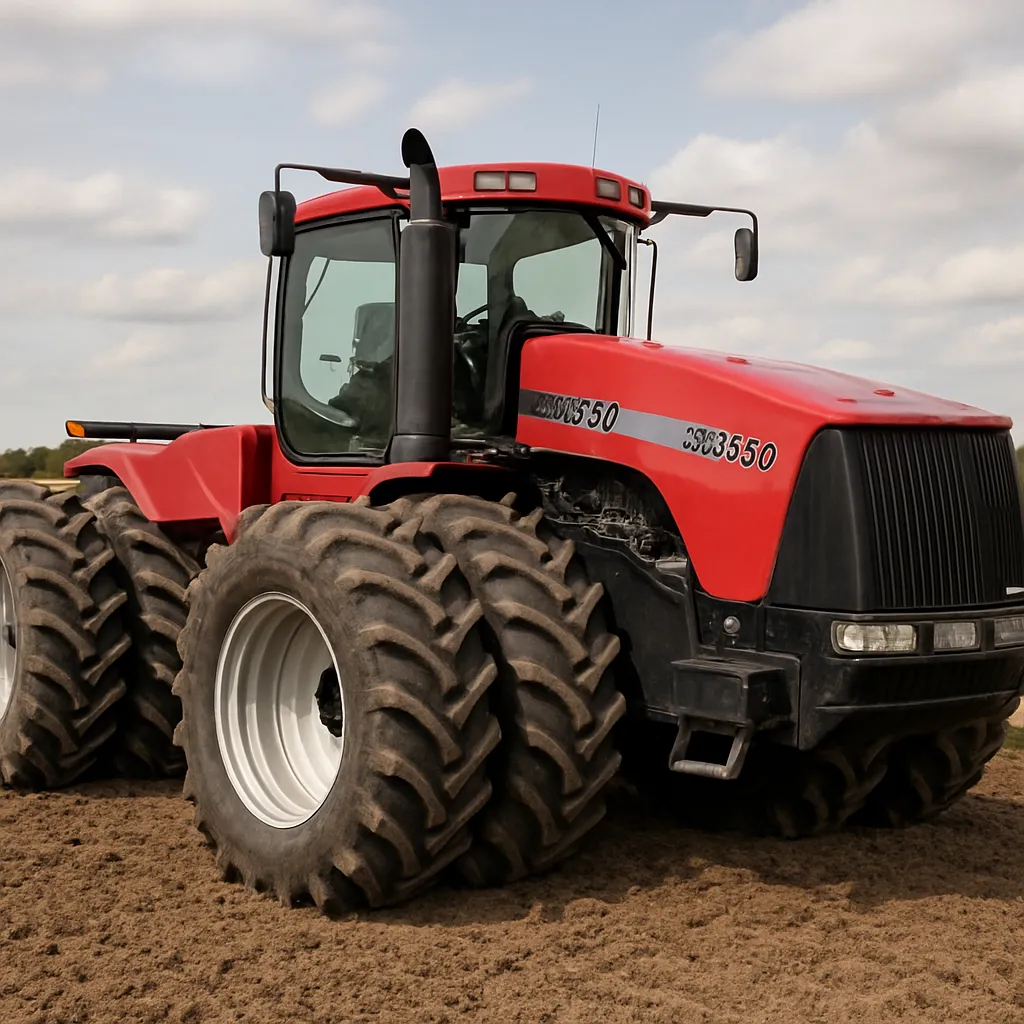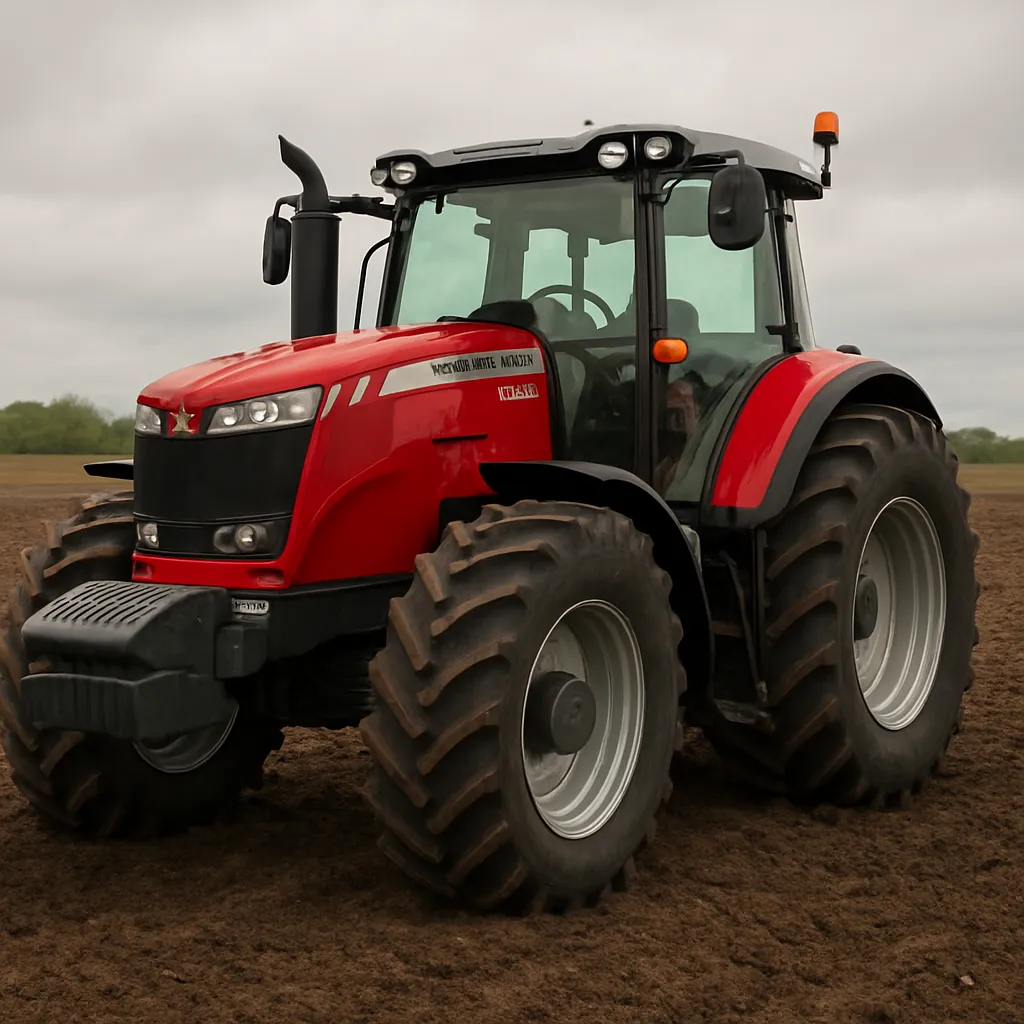
The Massey Ferguson 4840 HD is a versatile agricultural tractor designed to balance everyday farm tasks with heavier-duty operations. Combining reliable engineering with practical features, this model targets farmers and contractors who need a workhorse that delivers consistent performance across a range of implements and field conditions. In the following sections we’ll look at the tractor’s technical attributes, common uses, operator features, maintenance considerations, economic aspects and how it sits in the market compared to alternatives.
Technical overview and key specifications
The Massey Ferguson 4840 HD is positioned as a mid-range, utility-to-heavy-duty tractor intended to serve a broad set of agricultural tasks. While exact factory configurations vary by region and optional packages, some general technical characteristics are consistent across most versions:
Engine and performance
- Engine type: typically a reliable 4-cylinder diesel engineered for long service intervals and steady torque delivery.
- Power: gross engine power for this class commonly ranges around 90–110 horsepower (HP) depending on tuning and emissions standards in different markets; in practice, many operators find the 4840 HD delivers usable PTO power sufficient for mid-sized implements.
- Torque: emphasis on low-end torque makes the tractor effective in draft work such as ploughing or pulling loaded implements at low ground speeds.
- Emissions & standards: depending on the market, engines may meet regional emissions regulations (Tier/Stage levels) and are tuned for balance between fuel efficiency and power.
Transmission and drive
- Transmission options: the 4840 HD often comes with several gearbox choices – mechanical synchronized ranges, semi-powershift or fully powershift options in some packages – to match operator preference for control vs. simplicity.
- Drive: 2WD and 4WD variants are commonly available; 4WD is recommended for traction-intensive tasks and hilly terrain.
- Speed range: implementations typically span slow creep speeds for planting/row-crop work up to transport speeds that meet country regulations for road movement.
Hydraulics, linkage and PTO
- Main hydraulic system: a robust pump and circuit designed to operate modern implements—the system supports responsive steering, loader operation and auxiliary valves.
- Hydraulics capacity: standard configurations supply adequate flow for front loaders and multi-function implements; optional higher-flow pumps may be available for hydraulic-intensive tools.
- Rear linkage: rated for substantial loads; lift capacity in the hitch and lower links often sits in a range suitable for larger mounted implements and heavy trailers. Typical lift capacities in the class are approximately 3,000–4,000 kg (3–4 tonnes) though exact values depend on spec.
- PTO: rear PTO with standard speeds (540/540E or 1000 rpm options depending on engine output and application).
Chassis, weights and dimensions
- Robust chassis construction for durability and implement stability when towing and lifting.
- Ballasted operating weight varies with options and ballast packages; base weights place it solidly in the mid-sized category, with options to increase weight for traction-critical tasks.
- Compact enough for confined farm yards yet substantial enough to manage demanding implements.
Instrumentation and electronics
- Basic to advanced dash layouts depending on trim package—some versions include digital displays for engine hours, fuel consumption trends and system diagnostics.
- Electrical architecture supports GPS-ready guidance systems and ISOBUS-compatible implements in higher-tier configurations.
Applications and typical uses on the farm and beyond
The MF 4840 HD is engineered to be a multipurpose tractor. It is particularly well-suited to farms that require one primary tractor to perform a variety of tasks rather than several specialized machines. Typical applications include:
- Primary tillage: pulling mouldboard ploughs, disc harrows and heavy cultivators where steady torque and drawbar traction are essential.
- Seedbed preparation and planting: combining lower-speed precision with enough power reserve for compactors and seed drills.
- Transport and haulage: effective for moving trailers, slurry tanks and balers across both field and road when fitted with proper gearing and ballast.
- Loader work: front-end loader packages make the tractor convenient for material handling, feed management and farmyard chores; the linkage and hydraulic flow support quick cycle times.
- Mowing and forage: powering mid-sized mowers, tedders and forage tippers with reliable PTO performance.
- Contracting and light construction: in contractor hands the 4840 HD can service landscaping, grading and utility hauling tasks when configured with appropriate attachments.
Because of its balance between weight and agility, the 4840 HD is often favored on mixed farms where fields vary in size and soil type. It is also a common sight on livestock farms for bedding, feeding and manure-spreading tasks thanks to its reliable hydraulic and PTO systems.
Operator comfort, controls and visibility
Operator environment influences daily productivity. The 4840 HD offers features aimed at minimizing fatigue while maximizing control and visibility:
- Cab options: from basic open-station models to fully enclosed cabs with heating and air conditioning; glass area and mirror placement prioritize all-round visibility for loader and rear implement operation.
- Ergonomics: logically placed controls, easy-to-read instrument clusters and comfortable seating for long shifts. The cab design in higher trims includes suspension seats and reduced noise insulation for lower operator stress.
- Control choices: manual levers, mechanical joysticks and electronic joystick options depending on loader and hydraulic arrangements; these allow precise operation of front loaders and rear implements.
- Comfort contributes directly to productivity—operators who are less fatigued can maintain accuracy and speed throughout the workday.
Maintenance, reliability and serviceability
One of the selling points of the 4840 HD is its straightforward maintenance philosophy—components are arranged for easy access, and routine service intervals are designed to be achievable on the farm or by local dealerships.
Service intervals and common maintenance items
- Engine oil and filter changes are scheduled according to hours-of-use, with many operators reporting multi-hundred-hour intervals between major servicing when proper oil grades are used.
- Hydraulic filters and fuel systems require periodic attention to preserve pump life and implement responsiveness.
- Transmission service: gearboxes and clutches are robust but still benefit from attention to fluid condition and linkage adjustments.
Durability and parts availability
The tractor is backed by Massey Ferguson’s global parts and service network in many markets, which contributes to high uptime for working farms. The use of widely available components simplifies repairs and reduces downtime. The emphasis on serviceability means routine checks and even some medium repairs can be conducted by local technicians without needing extensive dealer support.
Economic considerations: fuel, running costs and resale
When evaluating the 4840 HD, farmers and managers consider both purchase price and long-term ownership costs. A few economic points to consider:
- Fuel efficiency: modern diesel engines paired with efficient transmissions typically deliver competitive fuel economy in the mid-horsepower class. Real-world fuel consumption depends on load, working speed and local conditions, but operators often report steady consumption under normal working loads.
- Running costs: insurance, tires, hydraulics and regular servicing are the main ongoing expenses. The tractor’s design aims to keep these predictable through accessible components and durable assemblies.
- Resale value: Massey Ferguson tractors tend to retain reasonable residuals, especially when maintained with documented service history. The 4840 HD’s versatility also helps preserve resale demand across diverse farm types.
- Return on investment: for many users, the value is realized through reduced hired labor, fewer machine changes during busy seasons and efficient use of implements enabled by stable hydraulic and PTO output.
Comparisons, strengths and possible limitations
How does the MF 4840 HD compare with other tractors in its class? Below are some general observations balanced across strengths and constraints.
Strengths
- Versatility: well-suited for mixed operations—tillage, transport, loader work and PTO-driven tasks.
- Durability: built to undertake daily heavy use with a chassis and drivetrain designed for sustained workloads.
- Comfort and ergonomics: competitive cab layouts in higher-spec models reduce operator fatigue and improve efficiency.
- Good dealer network: in markets with strong Massey Ferguson presence, parts and service are widely available, improving uptime.
Limitations and trade-offs
- Weight vs. soil compaction: heavier configurations increase traction but require attention to prevent undue soil compaction—ballast must be matched to tasks.
- Advanced tech options: while some 4840 HDs can be specified with modern guidance and ISOBUS compatibility, buyers seeking fully integrated precision-farming systems may prefer higher-end or newer series models with factory-fitted electronics.
- Regional variations: specifications can vary widely by market, so buyers should confirm lift capacities, PTO ratings and emissions-related tuning with their local dealer.
Market positioning and real-world feedback
In many markets the Massey Ferguson 4840 HD occupies the niche of a dependable mid-sized tractor that offers heavy-duty capability without the cost and complexity of larger specialist machines. Feedback from operators typically emphasizes:
- Reliability under continuous daily use, particularly in hauling and loader operations.
- Ease of service and access to spare parts in regions with established Massey Ferguson dealer networks.
- Good balance between mechanical simplicity and optional modern conveniences—owners appreciate models that can be tailored to their farm’s technological readiness.
Contractors and mixed farmers often praise the model for being a single-tractor solution through multiple seasons: sowing, silage, harvest support and winter tasks. The HD variant’s strengthened components and options for increased hydraulic flow or higher lift ratings make it attractive to those who need a little more capability without stepping up to the next size category.
Practical tips for potential buyers
- Define required tasks: list the implements you will use and check PTO/hydraulic/weight compatibility against the tractor’s specifications.
- Consider optional packages: loader-ready frames, cab comfort upgrades and higher-flow hydraulics add productivity but also increase initial cost.
- Check local support: ensure the dealer can supply consumables and handle warranty or major service work in a reasonable timeframe.
- Inspect used units carefully: verify service history, look for signs of frame stress around hitch points, and confirm transmission function under load.
- Match tires and ballast to soil type to minimize compaction while maximizing traction and stability.
Conclusion
The Massey Ferguson 4840 HD is a pragmatic choice for farms and contractors seeking a dependable and adaptable tractor. It combines a practical balance of power, manageable size, and options for heavier-duty work. For operations that value serviceability, proven durability and solid day-to-day productivity, the 4840 HD is a compelling candidate. Buyers should confirm the precise specifications for their local market and choose the package that best aligns with their implements and working conditions to extract the most value from the machine.