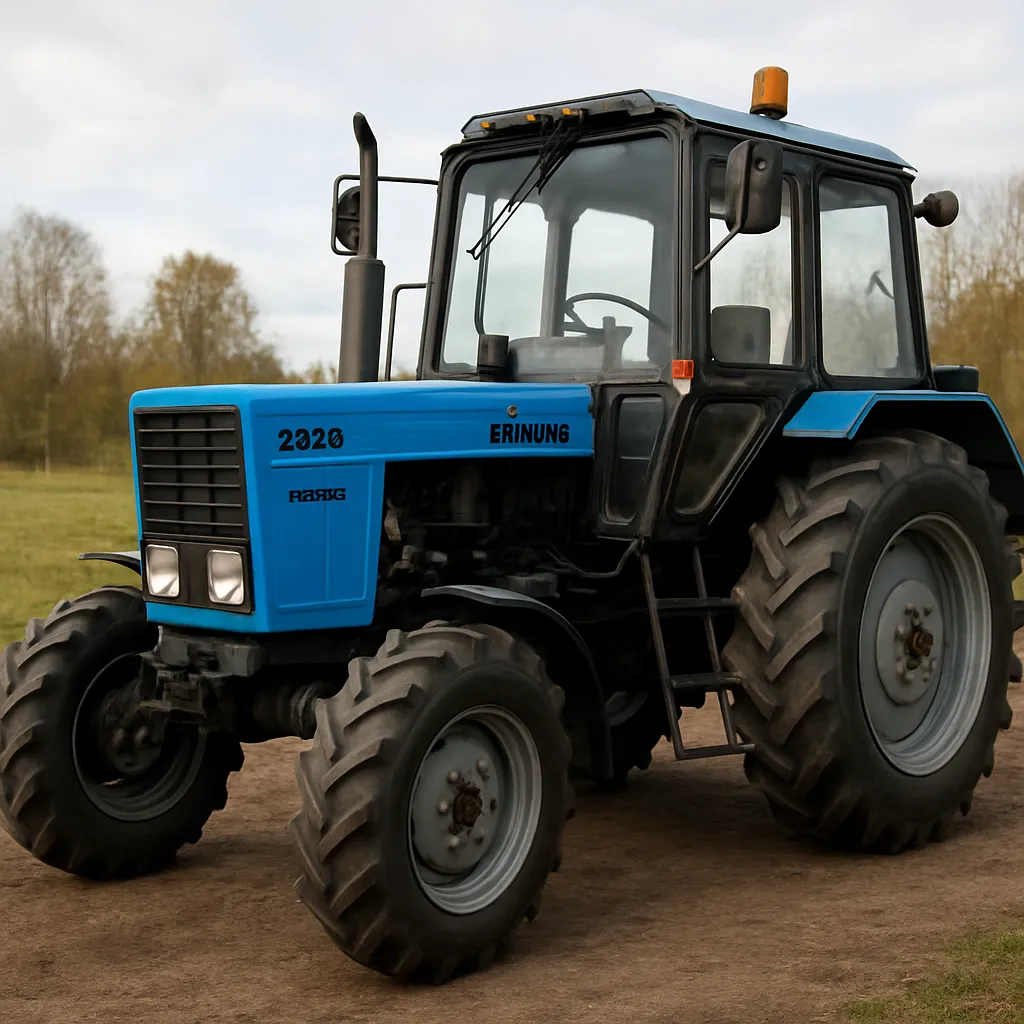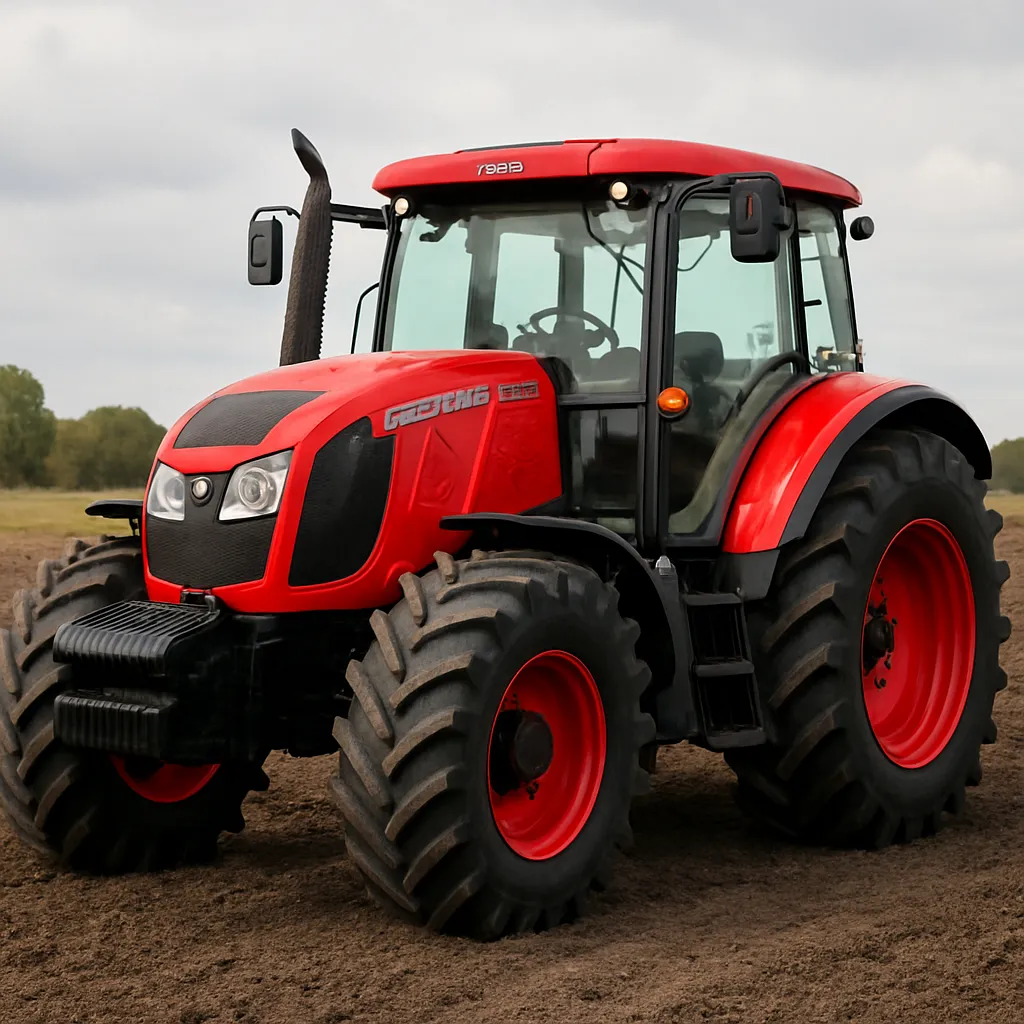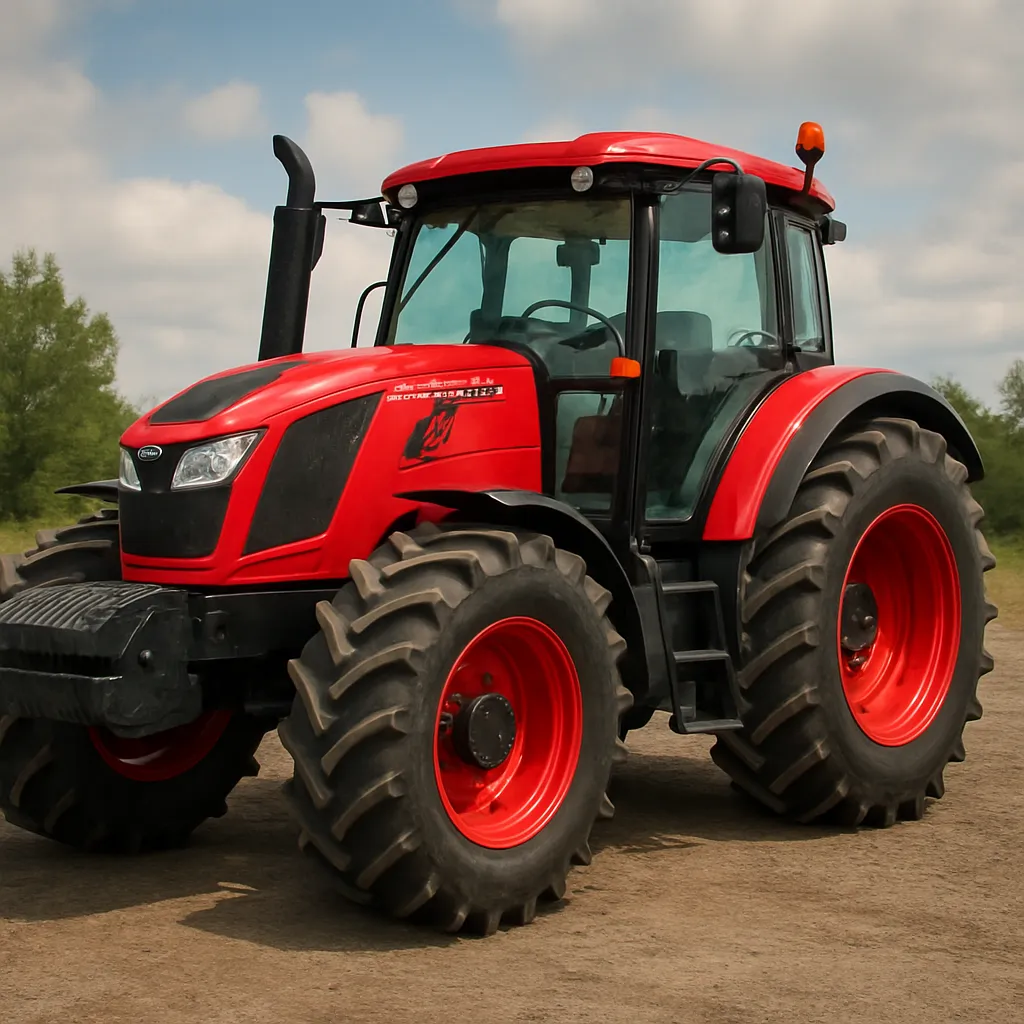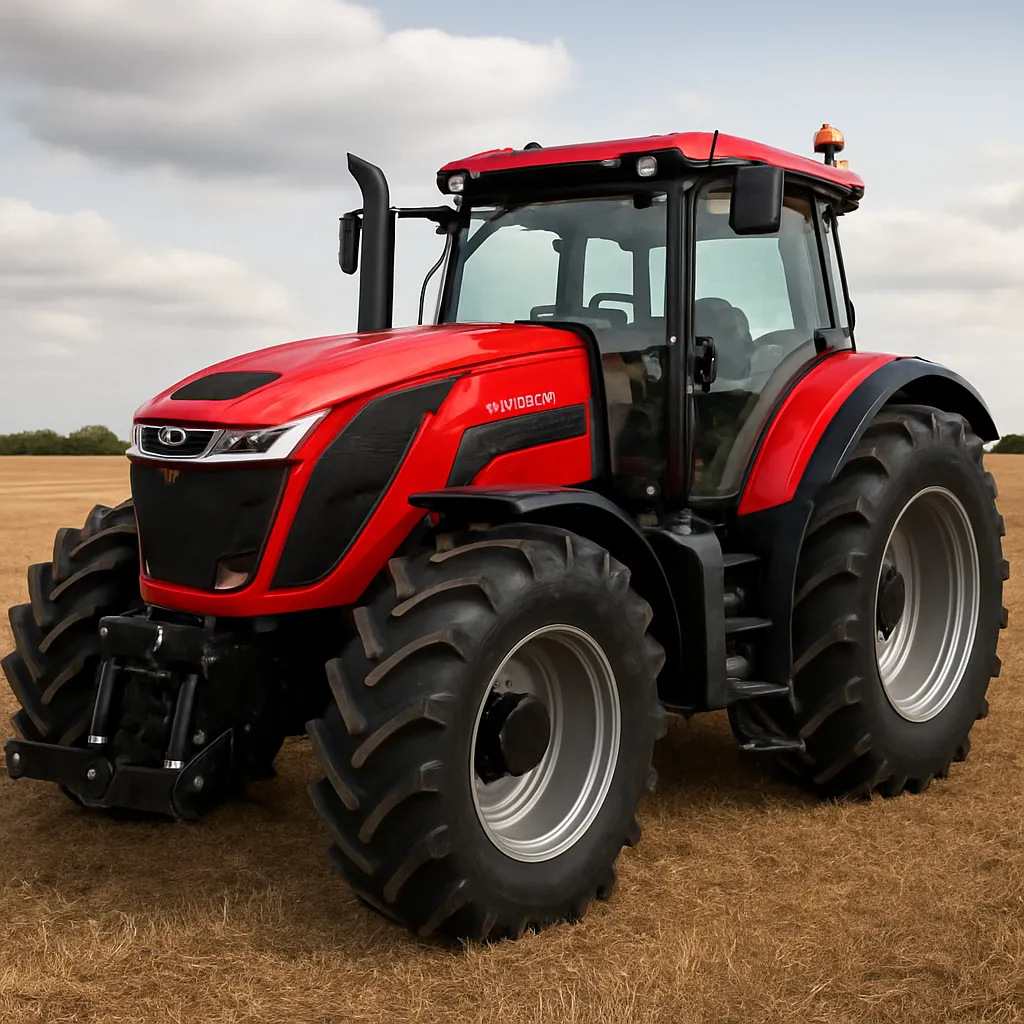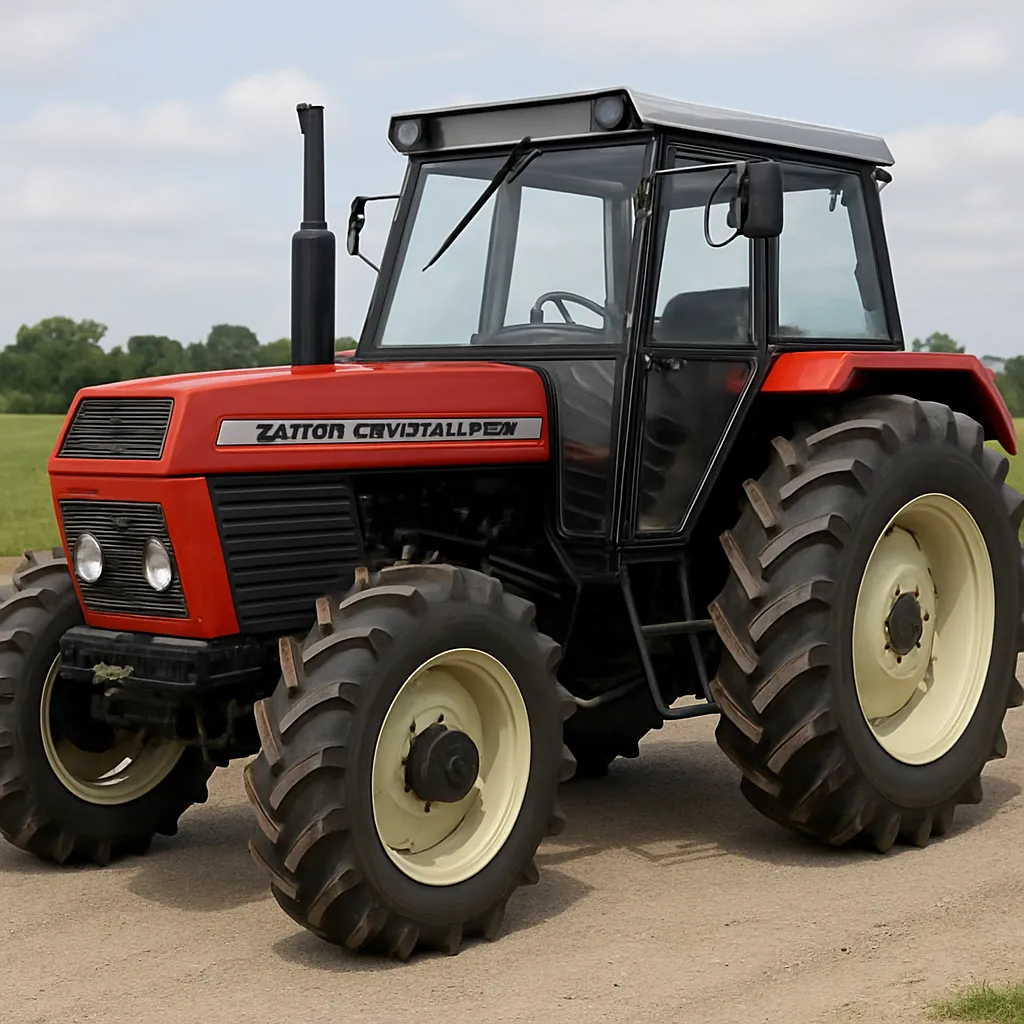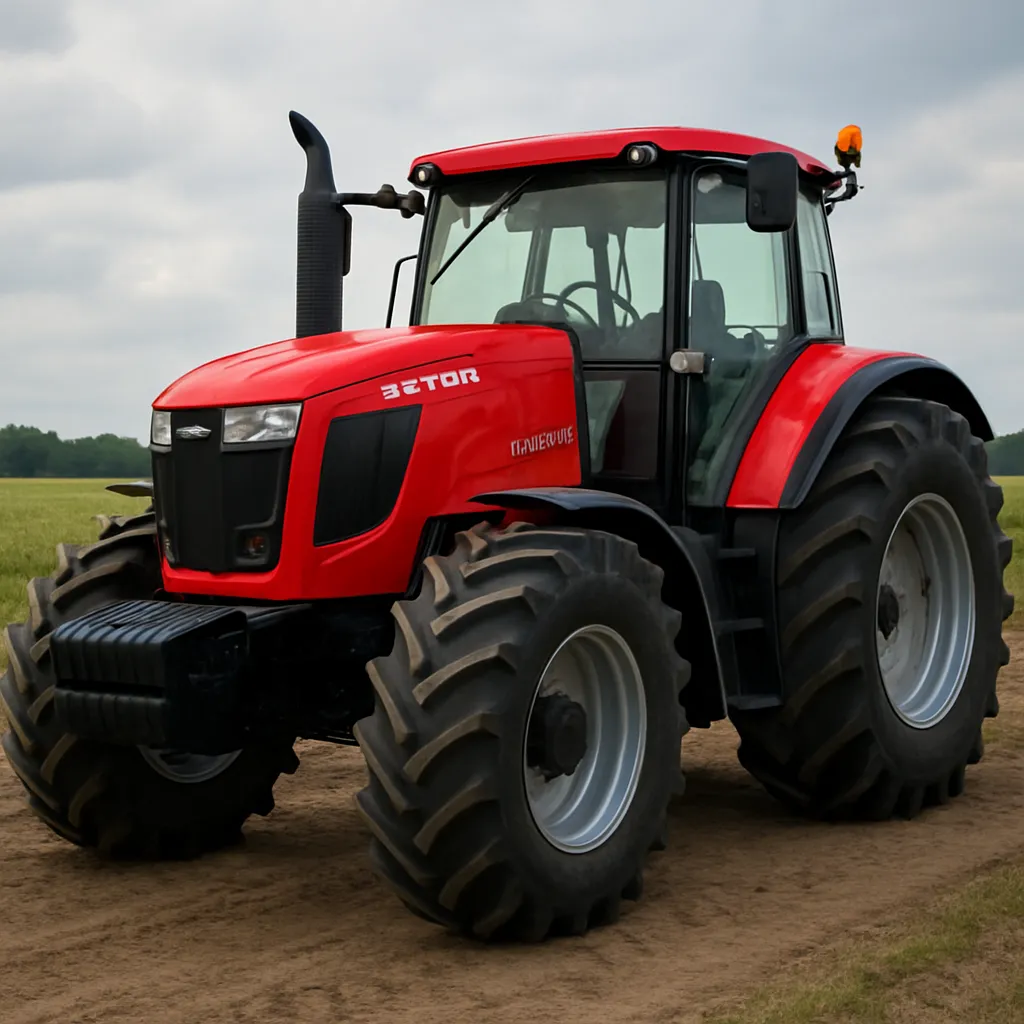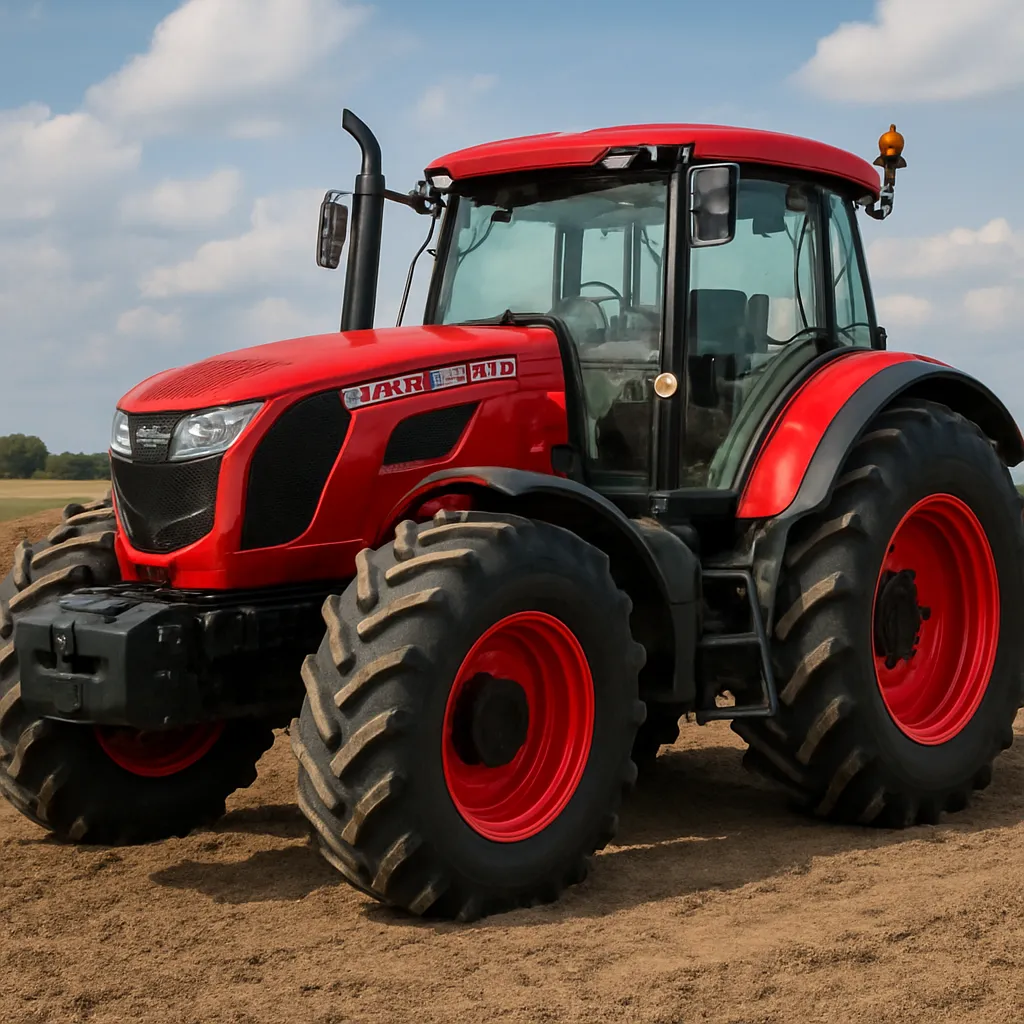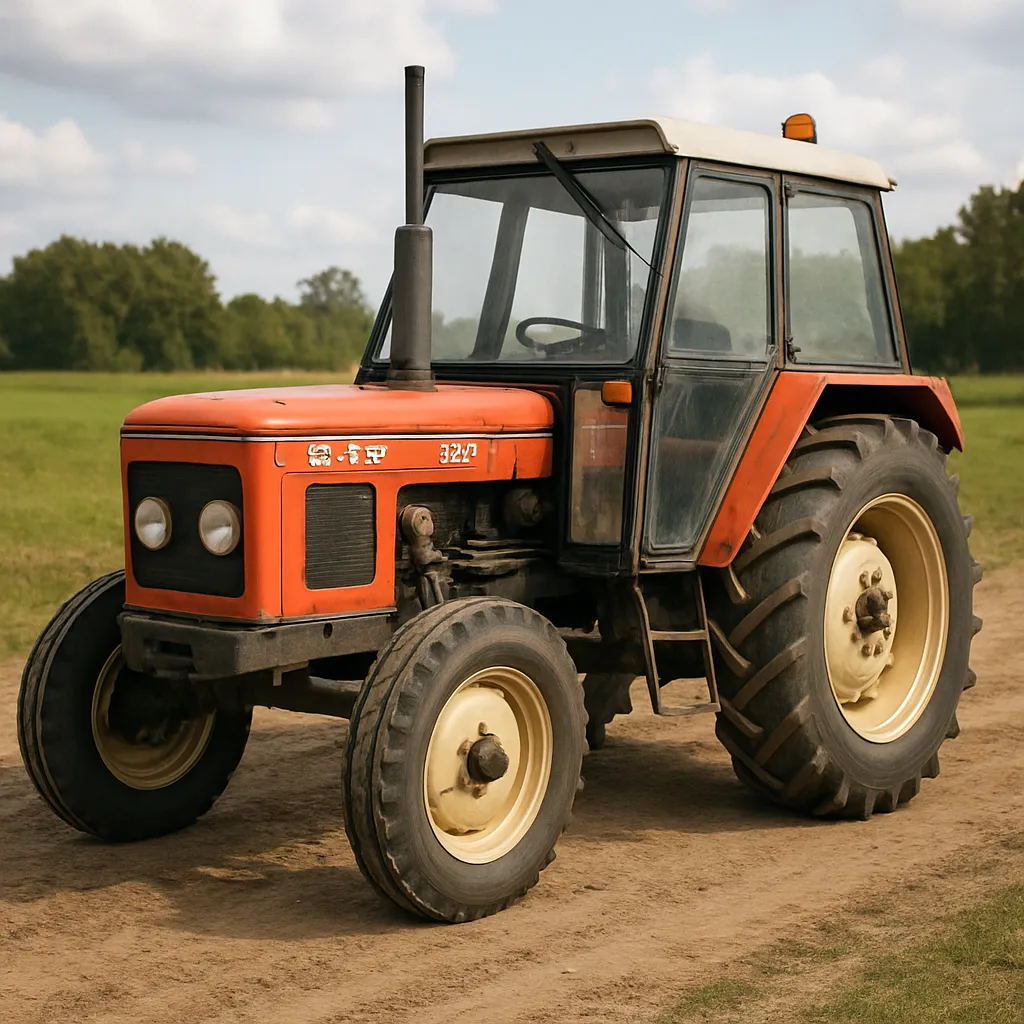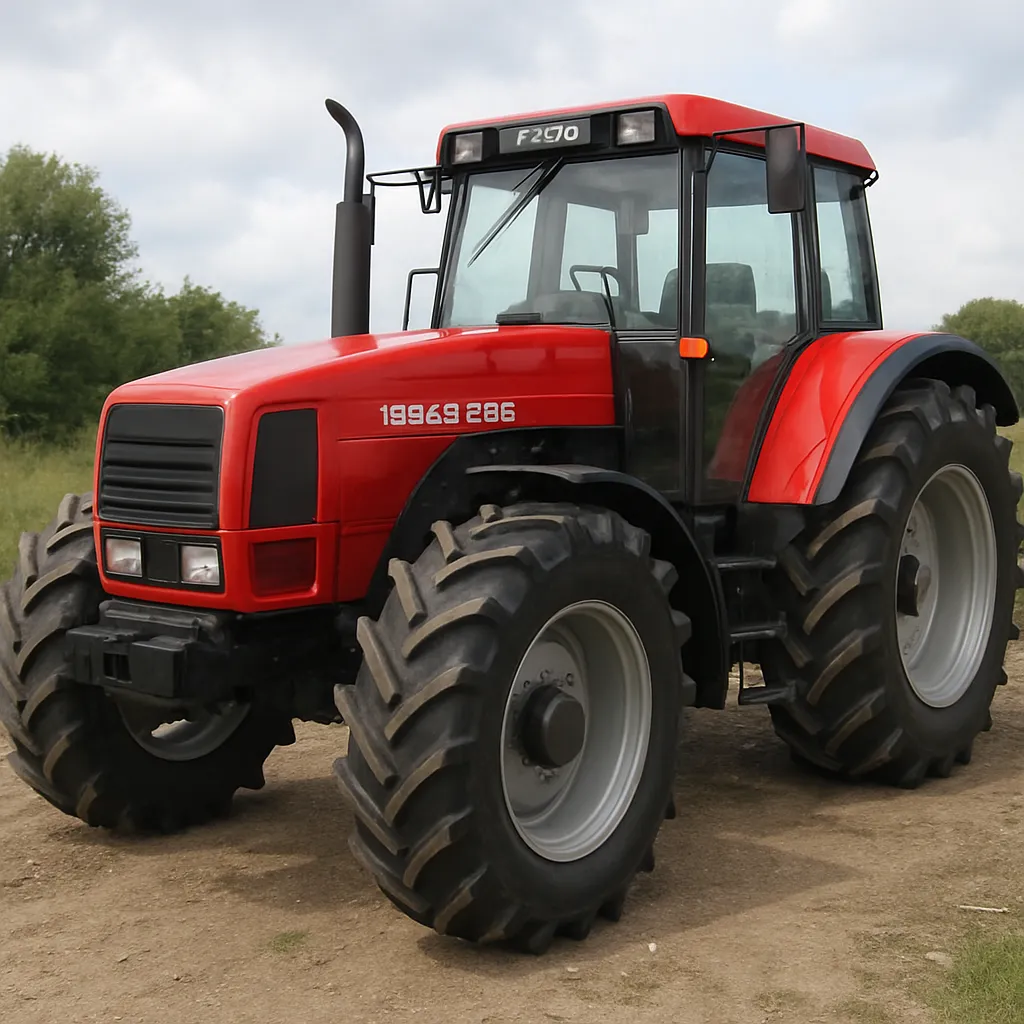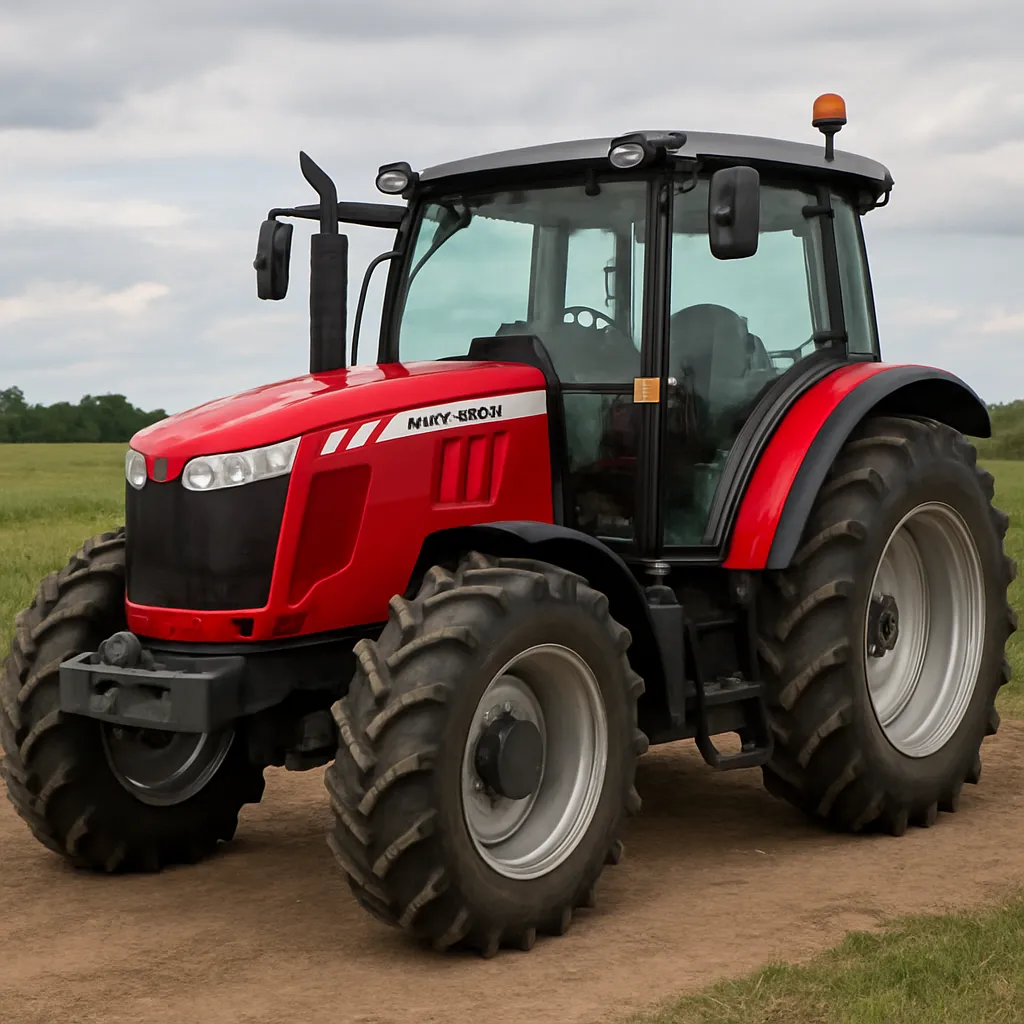
The Massey Ferguson 4900 series is a versatile family of agricultural tractors that has earned a reputation for being robust, adaptable and user-friendly on a wide range of farms and operations. This article explores the vehicle’s design philosophy, typical technical specifications, common applications, operator features, maintenance considerations and market positioning. Where exact figures vary by year and variant, typical ranges are provided to give a practical picture of what to expect from the 4900 platform. The aim is to give a comprehensive guide to prospective buyers, operators and anyone interested in modern utility tractors.
Overview and development of the 4900 platform
The MF 4900 designation has been used to identify a family of tractors positioned in the medium-duty segment of Massey Ferguson’s lineup. Designed to meet the needs of mixed farms, contractors and light industrial tasks, the 4900 models blend Massey Ferguson’s well-known durability with contemporary operator comforts and flexible implement compatibility. Throughout its production life, the series received incremental updates to engines, transmissions and hydraulic systems to keep pace with emissions rules and operator expectations.
Key design objectives for the series included simplicity of service, broad compatibility with implements, and a balance between adequate lifting power and efficient fuel consumption. The series typically competes in the market bracket populated by tractors rated roughly between 70 and 130 horsepower (HP), making it a popular choice for medium-scale grain, livestock and specialized crop operations.
Technical specifications and common variants
Exact specifications vary by model year and regional configuration. Manufacturers often offered multiple submodels within a 4900 line to match differing operator needs and emission standards. Below are typical technical categories and representative ranges that apply to many tractors in this class.
Engine and performance
- Type: turbocharged, intercooler diesel engines designed for continuous agricultural duty.
- Power range: typically between 70 and 130 horsepower at the flywheel, depending on configuration and year.
- Torque characteristics: medium-displacement engines with strong low-end torque for draft work like plowing and heavy tillage.
- Fuel capacity: commonly in the 70–150 litre range, providing several hours of continuous operation depending on load and implements.
- Emissions: later variants often meet Tier 3/Stage IIIA and higher standards through improved fuel systems and exhaust treatment where required.
Transmission, driveline and PTO
- Transmission options: from synchronized gearboxes to semi-powershift and fully powershift transmissions on higher-tier variants. Typical choices include 8×8, 12×12 or 16×16 ranges with shuttle shifting for field-to-road operations.
- Four-wheel drive: selectable 4WD with differential locks for traction-sensitive work; mechanical or electro-hydraulic engagement depending on the model.
- PTO (Power Take-Off): standard 540 rpm PTO and optional 540/1000 rpm split or gearbox-driven options to suit diverse implements.
- Rear axle capacity and stability: designed for medium loads with stabilization for mounted implements and compatible with a range of tyres for varying field conditions.
Hydraulics, lift capacity and hitch
- Hydraulic system: open-centre or closed-centre options depending on model, with flow rates typically ranging from 50 to 90 litres per minute on better-equipped variants.
- Rear 3-point hitch: Category II/II-III compatibility for many implements, with maximum lift capacities typically in the 2,000–3,500 kg range, sufficient for heavy mounted equipment.
- Auxiliary valves: 1–3 remote hydraulic spool valves commonly offered, with optional mid-mount valves for loader control.
Applications and typical use cases
The 4900 class is intentionally broad in its suitability. Operators value its adaptability across seasons and tasks.
Field and crop work
- Tillage: primary and secondary tillage with mouldboard ploughs, discs and cultivators. Strong low-speed torque makes the series suitable for draft work.
- Sowing and planting: paired with seed drills and planters; hydraulic precision aids consistent seed depth and pressure control.
- Cultivation and crop care: mounted and trailed sprayers, fertiliser spreaders and mechanical weeders are commonly used behind tractors in this class.
Livestock and mixed farm tasks
- Manure handling: capable of running slurry tank pumps, spreaders and front loaders for bedding, feeding and waste management.
- Feed and forage: powering balers, mowers, tedders and forage wagons across varied terrain.
Contracting, municipal and light industrial roles
- Loader work: front-loader attachments transform the tractor into a versatile material-handling machine for bale stacking, feed delivery and site cleanup.
- Roadside and ground maintenance: mowing, snow removal and sweeping attachments used by contractors and local authorities.
Operator comfort, safety and ergonomics
Modern tractors in this family emphasize a balance between durability and operator comfort to reduce fatigue on long workdays. Some notable features commonly found across variants include:
- Spacious cabs with good all-around visibility and large glazing areas to improve safety and precision when working close to implements.
- Ergonomic controls placed for intuitive reach, including easily accessible PTO, linkage and hydraulic controls.
- Air conditioning and heating options for temperate and extreme climates, improving operator productivity.
- Foldable ROPS (roll-over protective structures) or enclosed cabs that meet contemporary safety standards.
These features contribute to better day-to-day use and extend operating windows during the peak of seasonal activities. The result is improved operator performance and lower error rates in delicate tasks like precision seed placement or loader grading.
Maintenance, reliability and life-cycle costs
Reliability in the field is a primary consideration for any agricultural tractor. The 4900 line was engineered so that routine service tasks can be completed quickly and with minimal specialized equipment. Typical maintenance and reliability topics include:
Routine service items
- Engine oil and filter changes, typically at regular intervals advised by the manufacturer (often 200–500 engine hours depending on oil and load).
- Air and fuel filter replacements to preserve performance in dusty or high-use environments.
- Hydraulic system checks: fluid levels, filter changes and inspection of spool valves and hoses to prevent downtime.
- Gearbox and final drive servicing at recommended intervals to maintain smooth shifting and drivetrain longevity.
Common wear areas
- Clutch and transmission components when used intensively for loader work or prolonged high-load PTO applications.
- Hydraulic hoses and couplings, especially where frequent implement changes occur.
- Electronic sensors and switches on later variants—while they improve performance and diagnostics, they may require more specialized fault diagnosis tools when they fail.
Operating costs are influenced by fuel consumption, maintenance frequency, parts availability and resale value. Fuel efficiency is generally good for the class, but actual consumption varies widely with implement load, terrain and operator technique. A useful guideline: light transport work may consume 6–10 litres/hour while high-load tillage can exceed 15 litres/hour on some models, though these figures are only indicative and depend on the engine size and operating conditions.
Attachments, implement compatibility and versatility
One of the strongest advantages of the 4900-class tractors is their broad implement compatibility, enabling farmers to switch between tasks with minimal downtime. Common attachments and complementing systems include:
- Front-end loaders with quick-attach systems for buckets, pallet forks and bale spikes.
- Rear-mounted implements: ploughs, harrows, seed drills, sprayers and mowers that attach via the 3-point hitch.
- Trailed implements: grain carts, trailers and spreaders that use the tractor’s towing hitch and hydraulic brakes where fitted.
- Front and mid-mounted PTO-driven equipment for specialized tasks like flail mowing or snowblowing.
Compatibility with common implement categories makes the 4900 models a practical choice for mixed-use farms, where seasonal changeover of implements is frequent.
Market presence, resale value and purchasing considerations
When evaluating a used or new 4900-series tractor, buyers should consider the following factors to make an informed decision:
Age and hours of operation
- A lightly used older tractor with thorough service records can be a better value than a newer model with uncertain maintenance history.
- Typical life expectancy for well-maintained machines in this class often exceeds 10,000 engine hours before major overhauls, although agricultural duty cycles and maintenance regimes strongly influence this.
Service history and parts availability
- Complete service records reduce risk and often indicate careful ownership.
- Parts availability for common wear items—filters, seals, clutch kits—is critical. Massey Ferguson’s global dealer network generally supports good parts availability, but regional variations exist.
Resale trends
- Tractors in this category typically retain resale value because of their broad utility. Factors that boost resale include low hours, recent major services, fitted loaders and popular transmission options.
- Regions with active livestock, arable or contracting markets tend to show higher resale prices due to steady demand for medium-duty tractors.
Safety, regulatory compliance and operator training
Operators and fleet managers should be mindful of safety standards and local regulatory requirements. Modern tractors incorporate features to improve safety, but training and adherence to best practices remain essential.
- Ensure ROPS and seat belts are present and in good condition; they are the primary protection in a rollover event.
- Understand PTO shielding and lock-out procedures to prevent entanglement injuries when attaching or detaching implements.
- Operators should be trained in load limits for 3-point hitch and loader arms to prevent tip-over incidents and implement damage.
Environmental impact and fuel efficiency trends
Manufacturers continually work to reduce emissions and improve fuel efficiency. For the 4900 family, improvements over successive iterations include more efficient combustion, turbocharging with intercooling, and better engine management. Where emission regulations required it, exhaust after-treatment was used to reduce particulate and NOx emissions.
Operational practices also influence environmental performance: right-sizing implements, avoiding excessive transport speeds, and using precision farming tools to reduce overlapping spray and fertiliser application all contribute to lower fuel consumption and reduced environmental footprint.
Maintenance planning and best practices
To maximise uptime and retain value, owners should adopt a proactive maintenance plan:
- Follow manufacturer-recommended service intervals and use OEM or equivalent quality parts and fluids.
- Maintain a logbook of all repairs and services to simplify resale and warranty claims.
- Perform pre-season checks and mid-season inspections, focusing on hydraulic hoses, tyre condition, brake performance and PTO coupling integrity.
- Train operators in daily checks — oil, coolant, fuel, air filter status — to catch small problems before they become costly breakdowns.
Typical statistics and operational benchmarks
While precise model data depends on year and optional equipment, the following are representative benchmarks for tractors in the 4900 class. These figures are indicative and serve to provide a comparative framework for operators.
- Horsepower: 70–130 HP (typical range across variants)
- Maximum lift capacity (rear 3-point): 2,000–3,500 kg
- Hydraulic flow: 50–90 L/min on better-equipped models
- Fuel tank: 70–150 L, enabling multi-hour field operation
- Operating weight: approximately 2,800–4,800 kg depending on cab, ballast and loader fitment
- Common PTO speeds: 540 rpm standard, optional 540/1000 rpm
Buying tips and specifications checklist
When considering a purchase, new or used, examine the tractor for:
- Complete service history and documented hours
- Evidence of servicing under load (clutch and transmission wear patterns)
- Hydraulic system leaks or erratic linkage behaviour
- Tyre condition and alignment, as uneven wear can signal axle or frame issues
- Functionality of PTO, hitch draft control and remote valves under working load
Consider optional extras that increase functionality and resale value: a factory-fitted loader, cab air conditioning, higher-flow hydraulics, and power shuttle transmissions are widely desired upgrades.
Conclusion
The Massey Ferguson 4900 family represents a practical, adaptable solution for a wide range of agricultural and light industrial tasks. With a balance of power, hydraulic capability and implement compatibility, tractors in this class are well-suited for mixed farms, contracting services and municipal roles. Buyers should weigh maintenance history, available features and regional support when selecting a specific unit. Properly maintained, a 4900-class tractor can offer many years of reliable service, strong resale value and the flexibility to handle seasonal workload peaks. For operators prioritizing a combination of durability, fuel efficiency and straightforward serviceability, this platform continues to be an attractive option in the medium-duty tractor market.