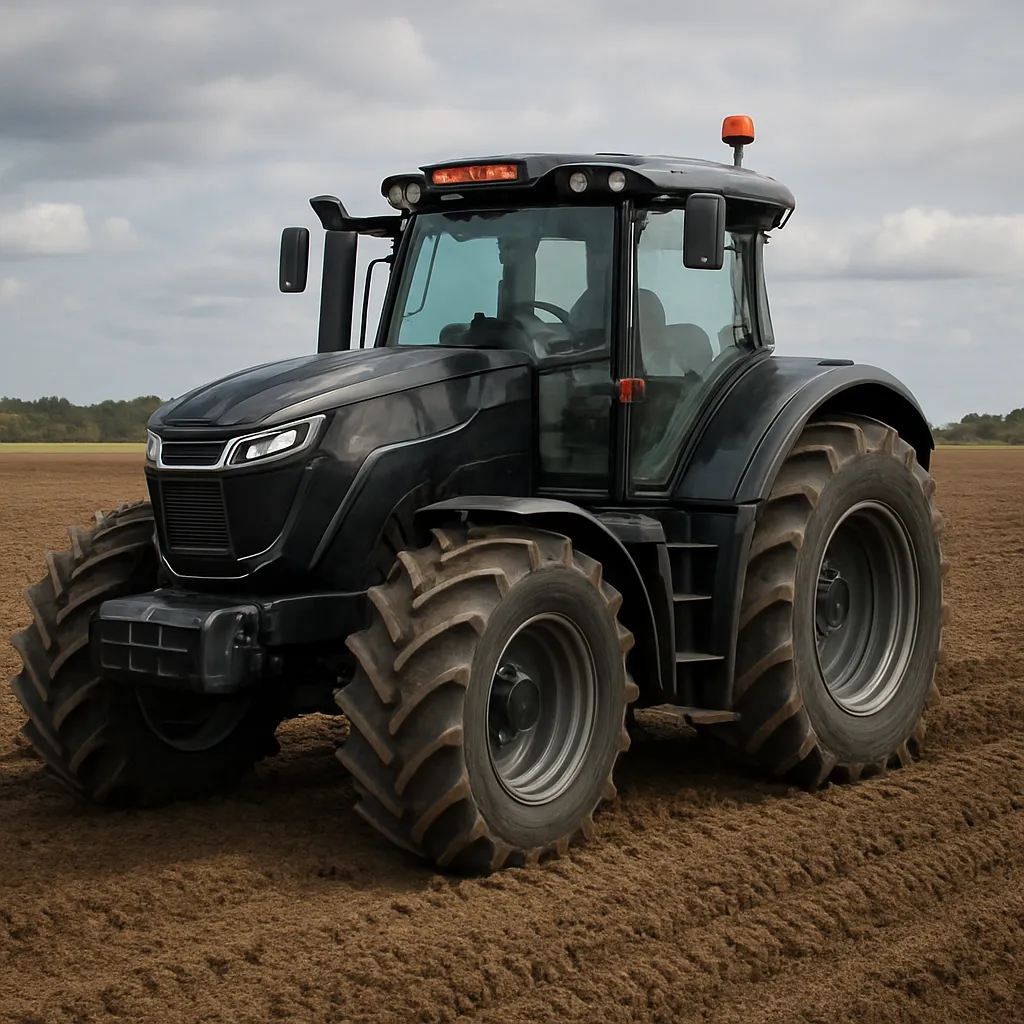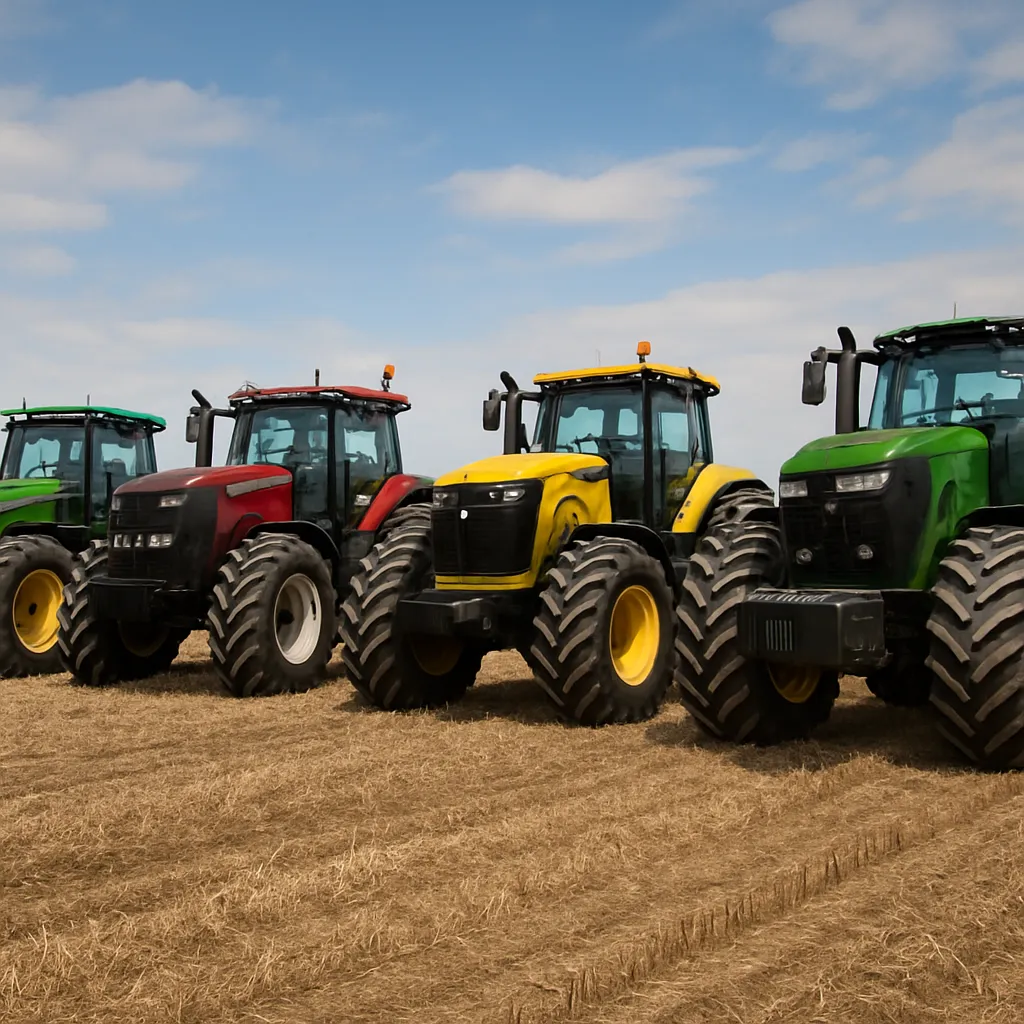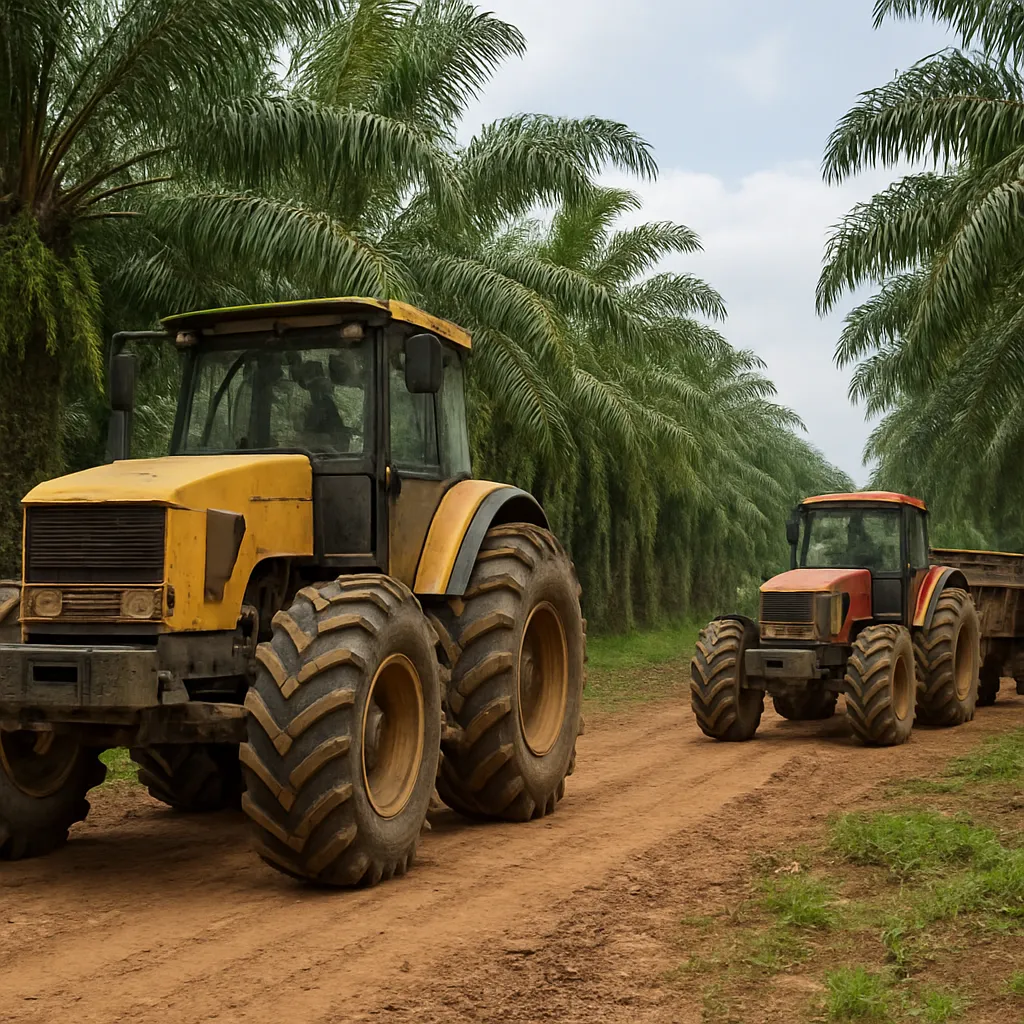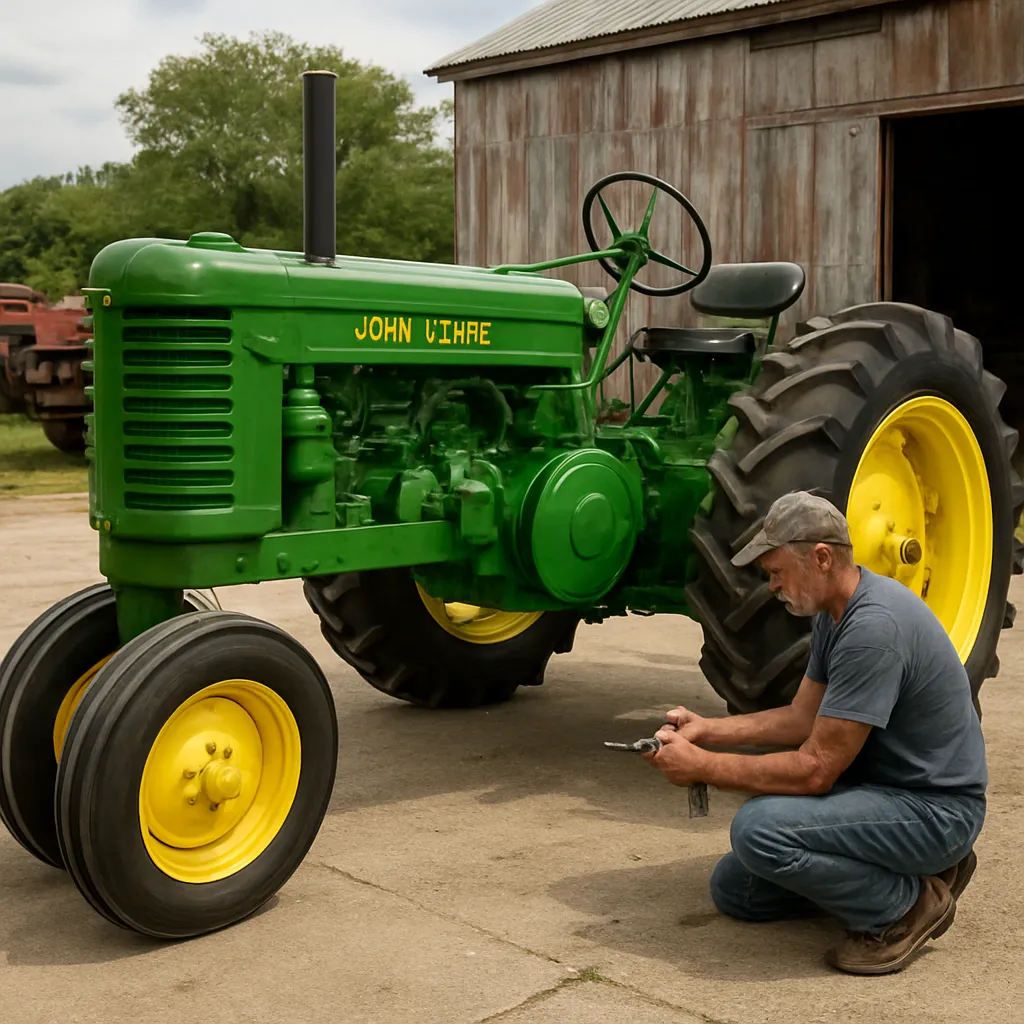
The fascination with colossal agricultural machines has grown alongside advancements in engineering and technology. From fields stretching across continents to monumental construction projects, the world’s largest tractors have demonstrated exceptional power and versatility. However, even the mightiest equipment can face ruinous breakdowns and require extensive repairs. This article explores episodes in history when these mechanical giants faltered, examines the complex processes of bringing them back to life, and underscores the lessons learned from these impressive feats of restoration.
Historic Giant Tractors and Their Legacy
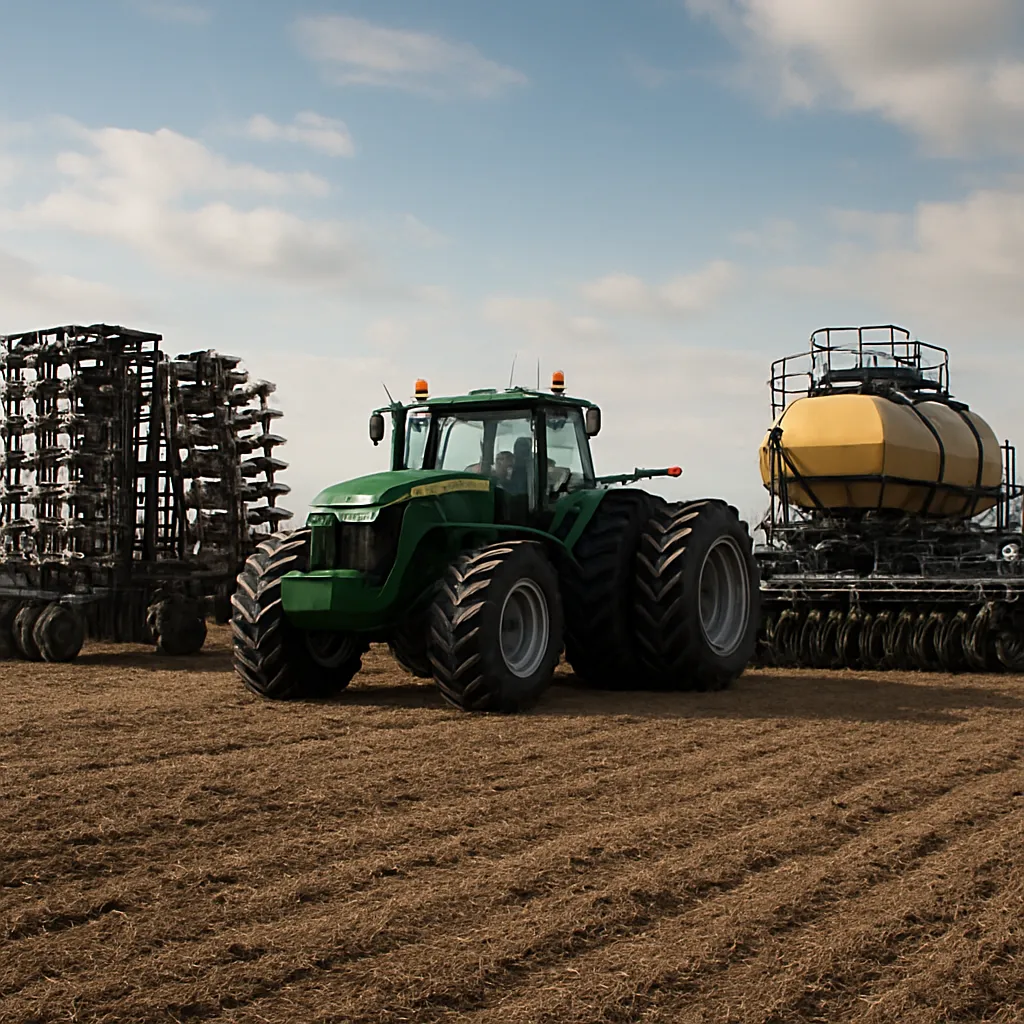
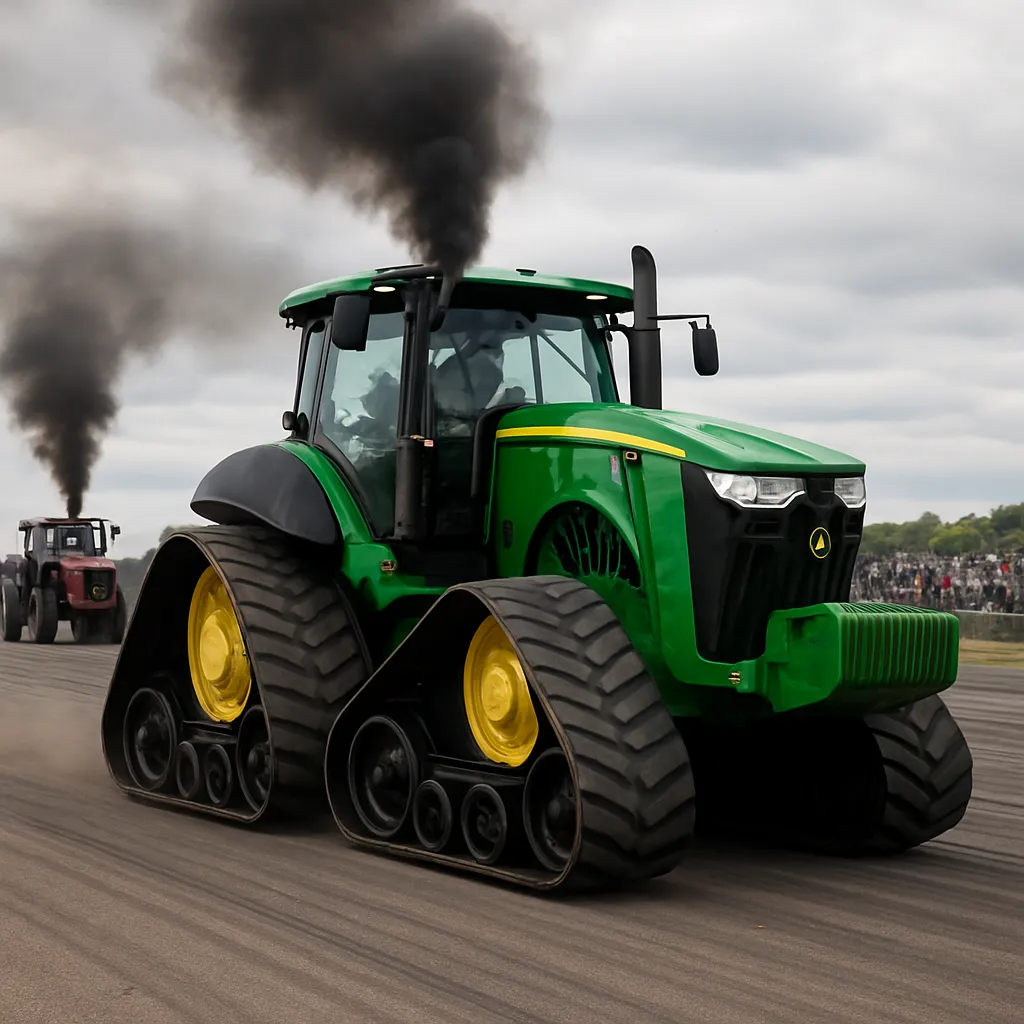
Early efforts to develop large-scale tractors focused on increasing horsepower and improving traction for heavy plowing tasks. The iconic Fordson Big Six, introduced in the late 1920s, laid the groundwork with a massive cast-iron frame and a robust inline engine. Over the decades, manufacturers like John Deere, Caterpillar, and Rostselmash pushed the envelope further, unveiling machines capable of over 1,000 horsepower by the start of the 21st century.
These behemoths revolutionized agriculture by allowing single passes across vast plots of land, reducing fuel consumption and labor. Innovations in hydraulics enabled seamless control of multi-ton implements, while advanced transmissions delivered optimized torque curves under heavy load. However, the same features that made them so powerful also introduced layers of complexity, often requiring factory-level expertise to service properly.
Catastrophic Breakdowns That Shook the Industry
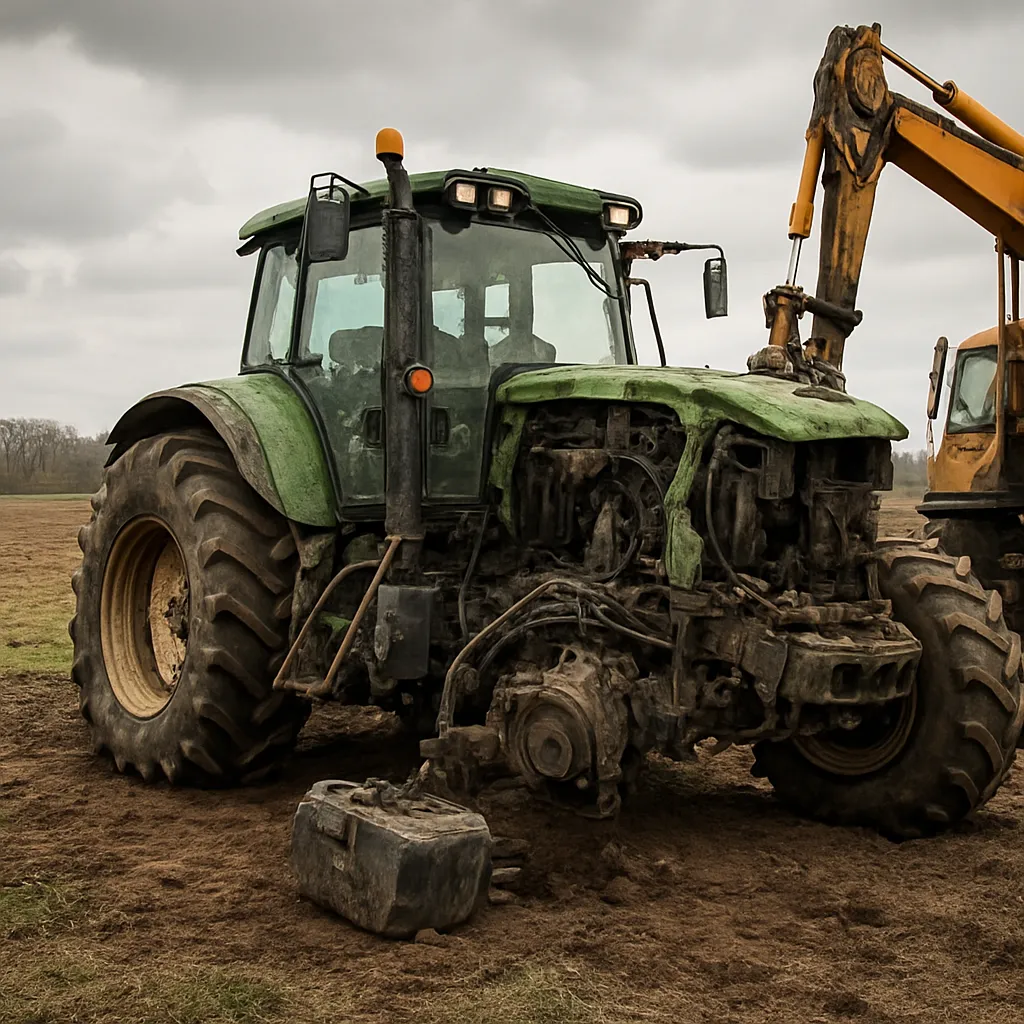
Even the most reliable brands experienced dramatic failures. In 1998, a record-setting 1,260-horsepower custom tractor exhibited a catastrophic gearbox failure during a promotional demonstration. The explosion of internal gears sent fragments through the engine block, causing collateral damage to the crankshaft and cylinder heads. Repairing this machine demanded the disassembly of an entire side of the chassis and a complete replacement of proprietary gear sets.
Another infamous incident involved a prototype 1,500-horsepower monster tractor developed in Eastern Europe. Midway through its inaugural harvest season, the main hydraulic pump seized under excessive pressure. The incident resulted in severe casing cracks and the bending of the central drive shaft. Since the design was unique to a single factory run, engineers had to reverse-engineer replacement parts, referencing archived blueprints kept in off-site vaults.
- 2005: Turbocharger meltdown on a 1,200-horsepower model, causing oil starvation and piston seizure.
- 2012: Electronic control module failure on a GPS-guided behemoth, leading to erratic throttle responses and stalling.
- 2017: Overstressed chassis welds on a 1,400-horsepower unit cracked during transport, necessitating frame realignment.
Complex Repairs: Challenges and Innovations
Restoring such machines goes far beyond standard service routines. Technicians must consult detailed service manuals that often span thousands of pages, covering torque specifications, fluid types, and calibration procedures. In many cases, repairs are undertaken at specialized workshops equipped with overhead cranes capable of lifting 20–30 tons.
Diagnostics and Part Fabrication
The first step in any major overhaul is a thorough diagnostic process. Advanced sensor arrays record anomalies in operating parameters such as temperature, pressure, and vibration. Customized diagnostic software interprets these data logs, pinpointing failing components.
- Vibration analysis to identify misaligned shafts.
- Infrared thermography to detect hotspots in bearings.
- Acoustic emission testing for early crack detection in welds.
Once faulty parts are confirmed, replacement components may need on-site fabrication. For example, a cracked final drive housing on a 1,300-horsepower model was laser-scanned and reproduced using a heavy-duty CNC mill. This approach reduced lead times from several months to a few weeks, saving significant downtime during peak planting season.
Engineering Overhauls and Upgrades
Some failures prompt full-scale engineering upgrades. A broken central drive shaft on a multi-axle super tractor in 2014 led to a redesign using higher-grade alloy steel, improving yield strength by 25%. Similarly, obsolete pneumatic control circuits have been modernized with electronic control units (ECUs) that offer self-diagnosis and remote monitoring capabilities.
In one landmark project, a 1,400-horsepower unit received a complete hydraulic system overhaul. Engineers replaced mechanical spool valves with proportional electro-hydraulic valves, boosting response times and precision. An adaptive control algorithm was introduced to modulate pump displacement in real time, enhancing fuel efficiency by 15% under fluctuating loads.
Lessons from Gigantic Machine Failures
Every breakdown provides valuable insights. Manufacturers continuously refine design parameters, focusing on durability and serviceability. The shift toward modular component design has simplified field repairs, allowing workshops to exchange power modules, hydraulic banks, or transmission packs as single units.
Additionally, ongoing training programs for field technicians emphasize hands-on experience and remote support. With the emergence of augmented reality tools, seasoned engineers can guide on-site technicians through complex procedures via live video feeds, minimizing errors and ensuring adherence to best practices.
Perhaps the most significant takeaway is the importance of proactive maintenance. Predictive analytics, powered by machine-learning algorithms, forecast component wear based on historical usage patterns. By scheduling service before a critical failure occurs, operators can avoid the lengthy and expensive restorations that once made headlines in the world of giant tractors.