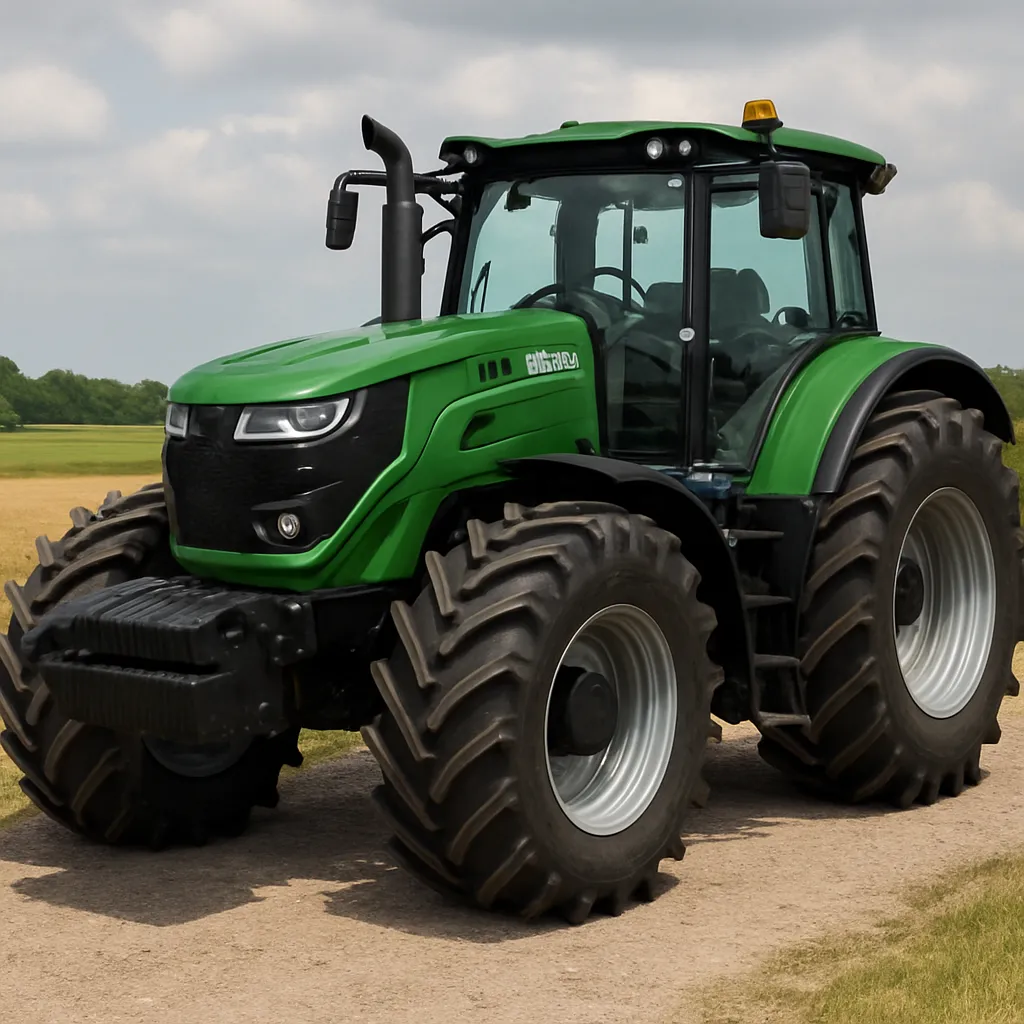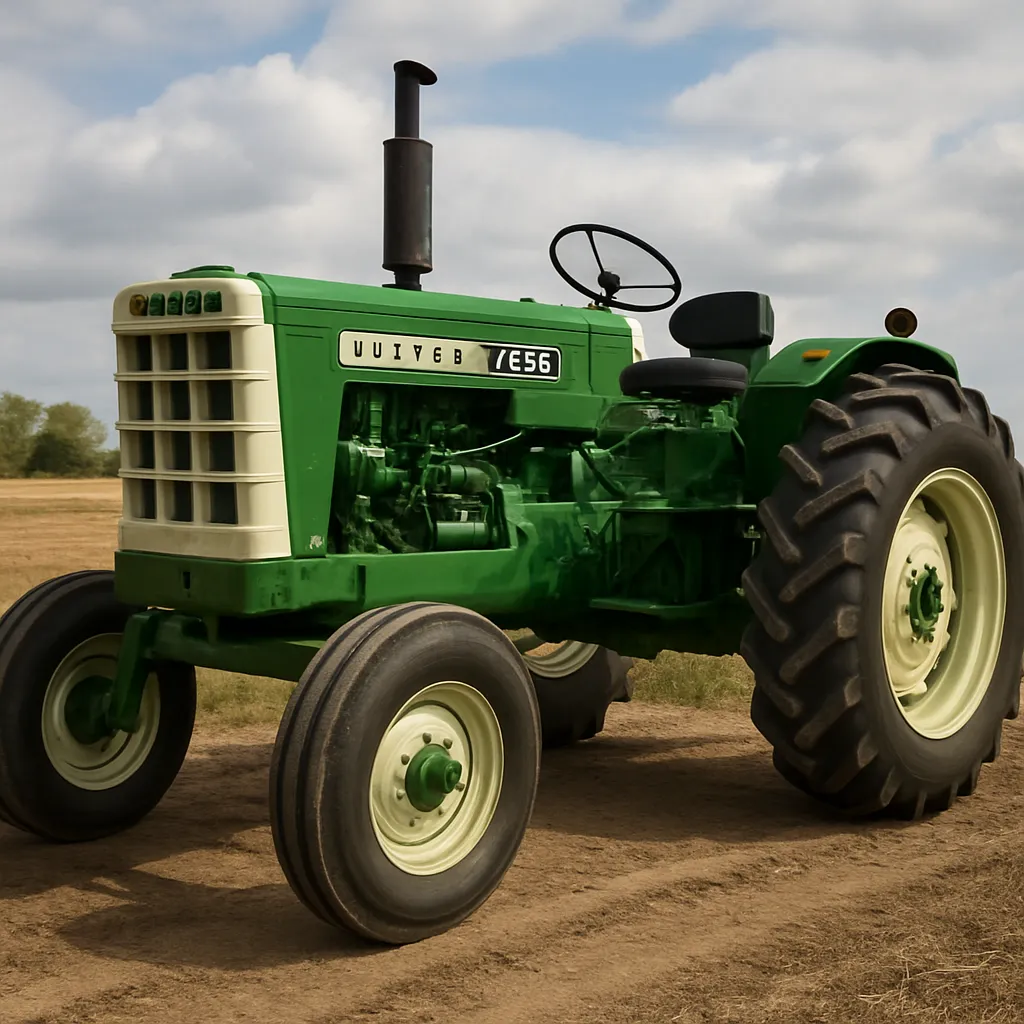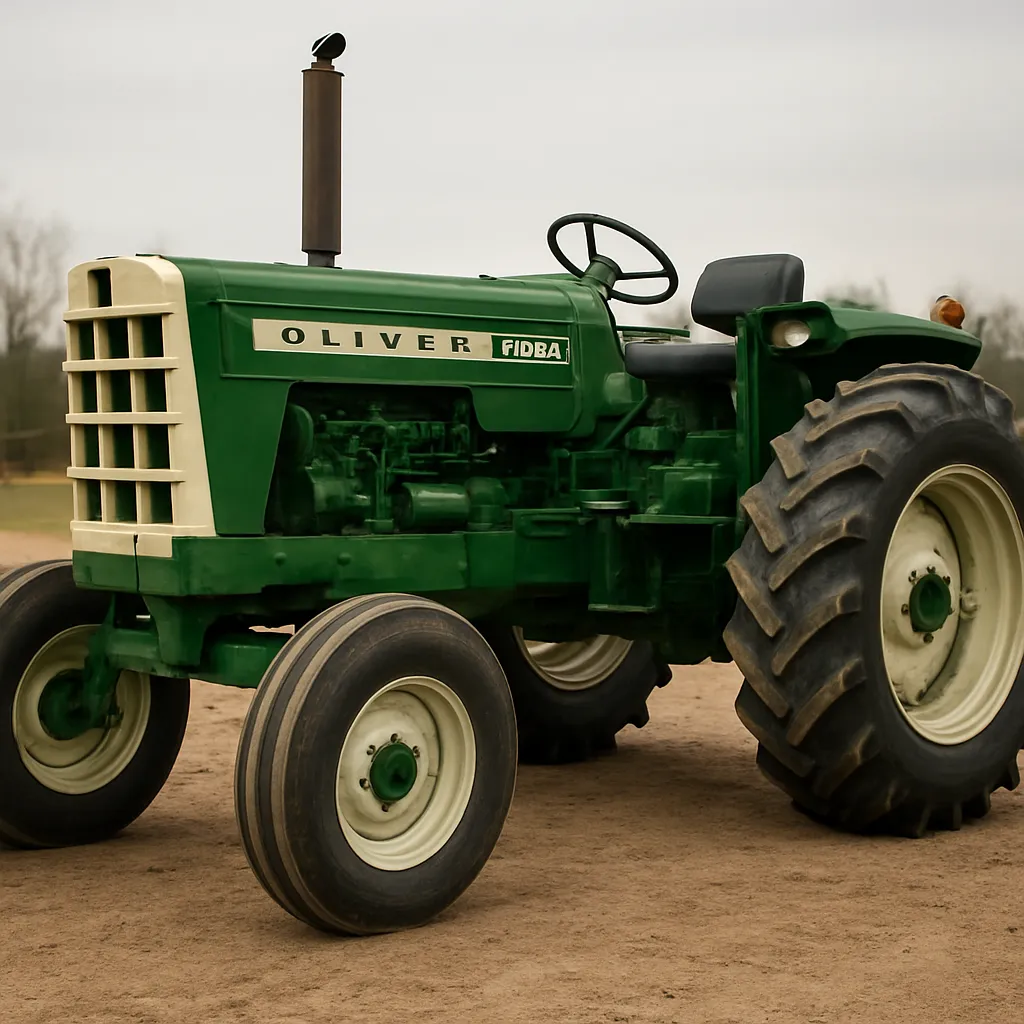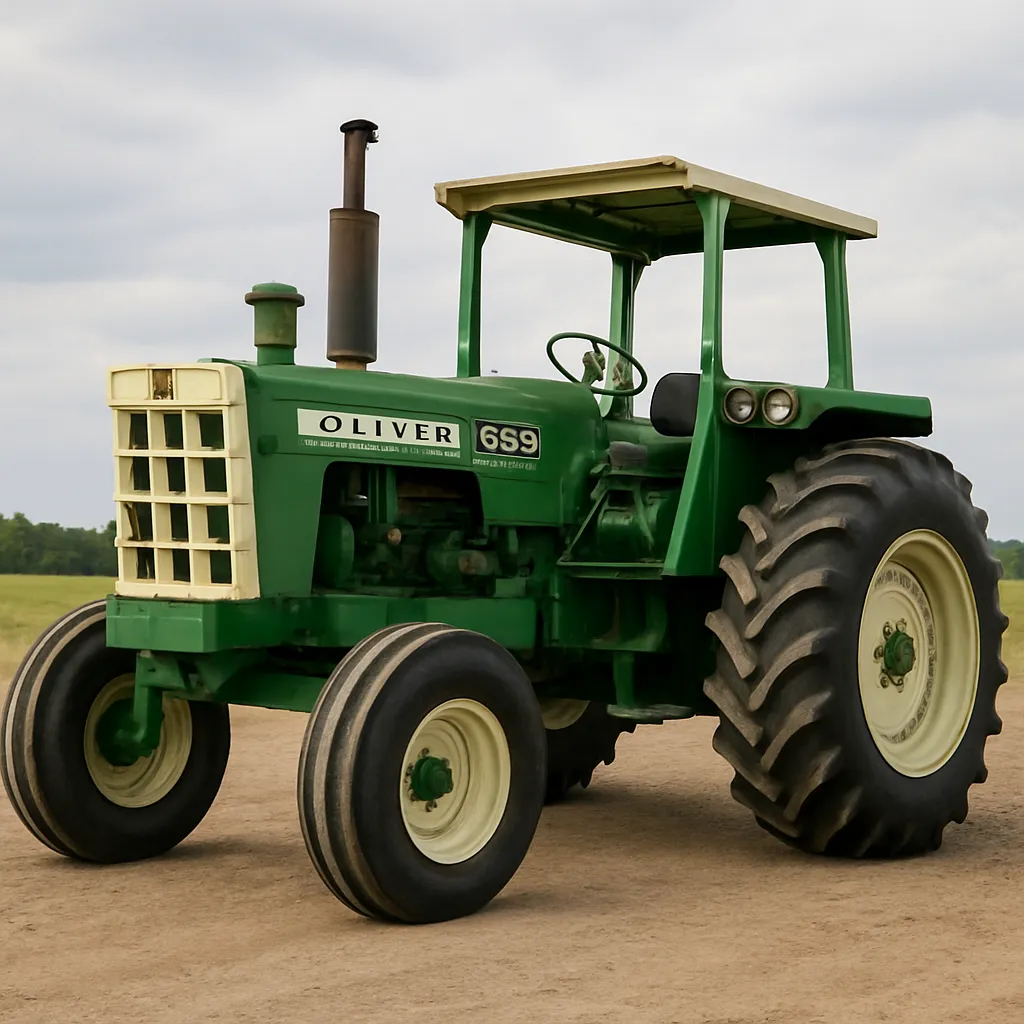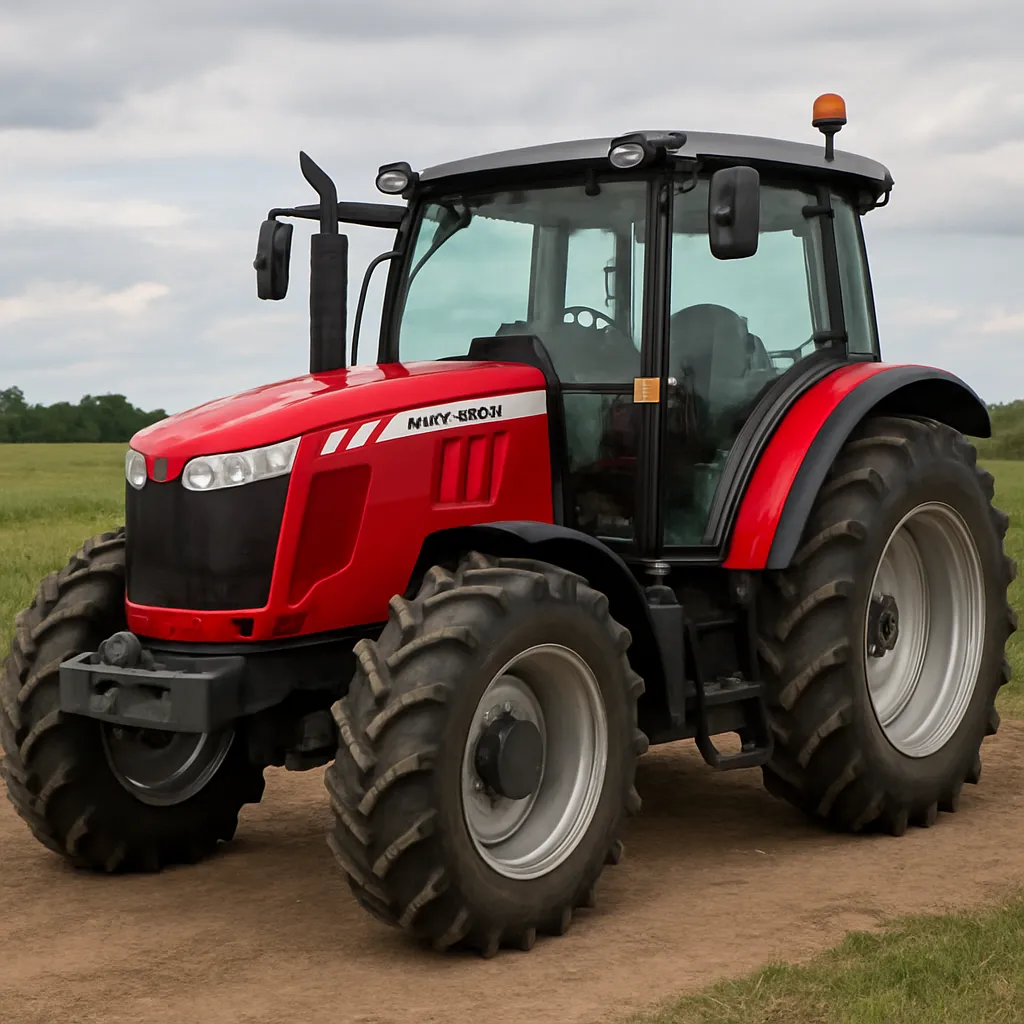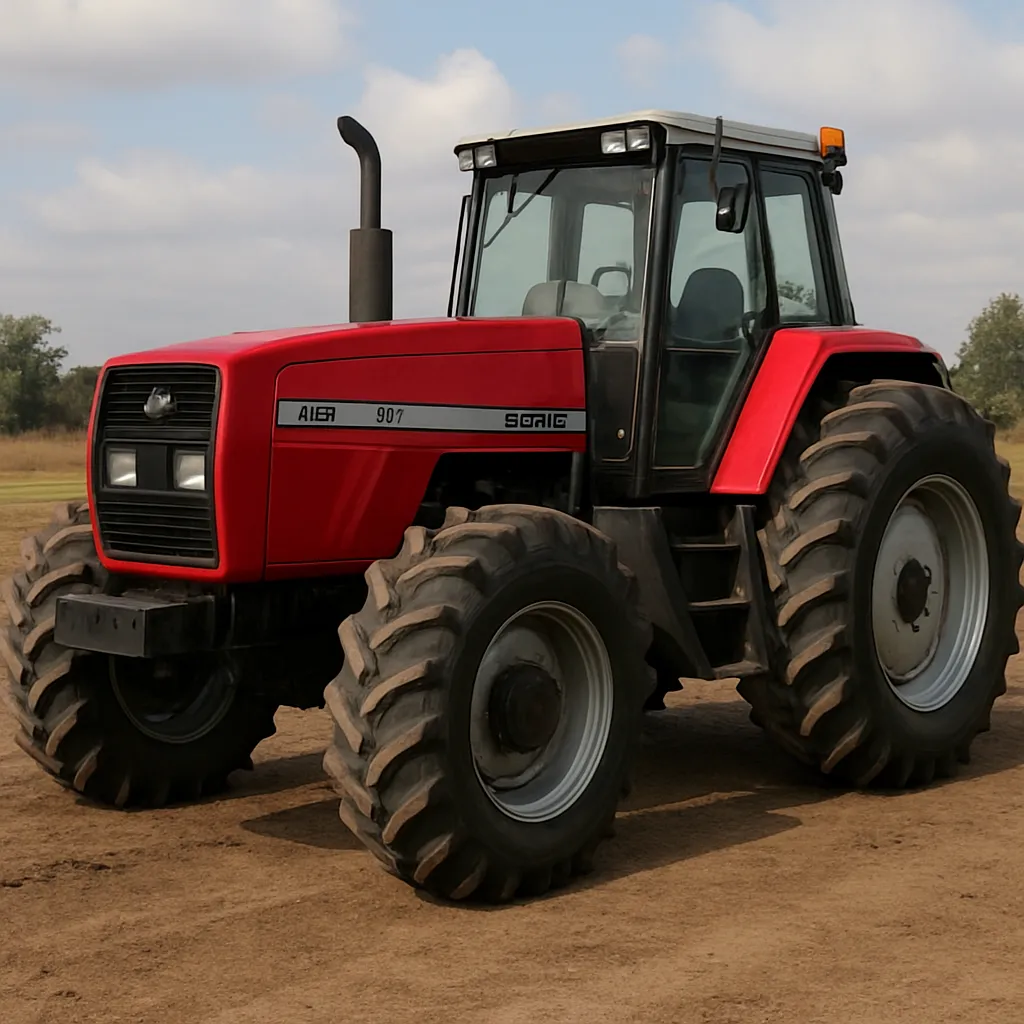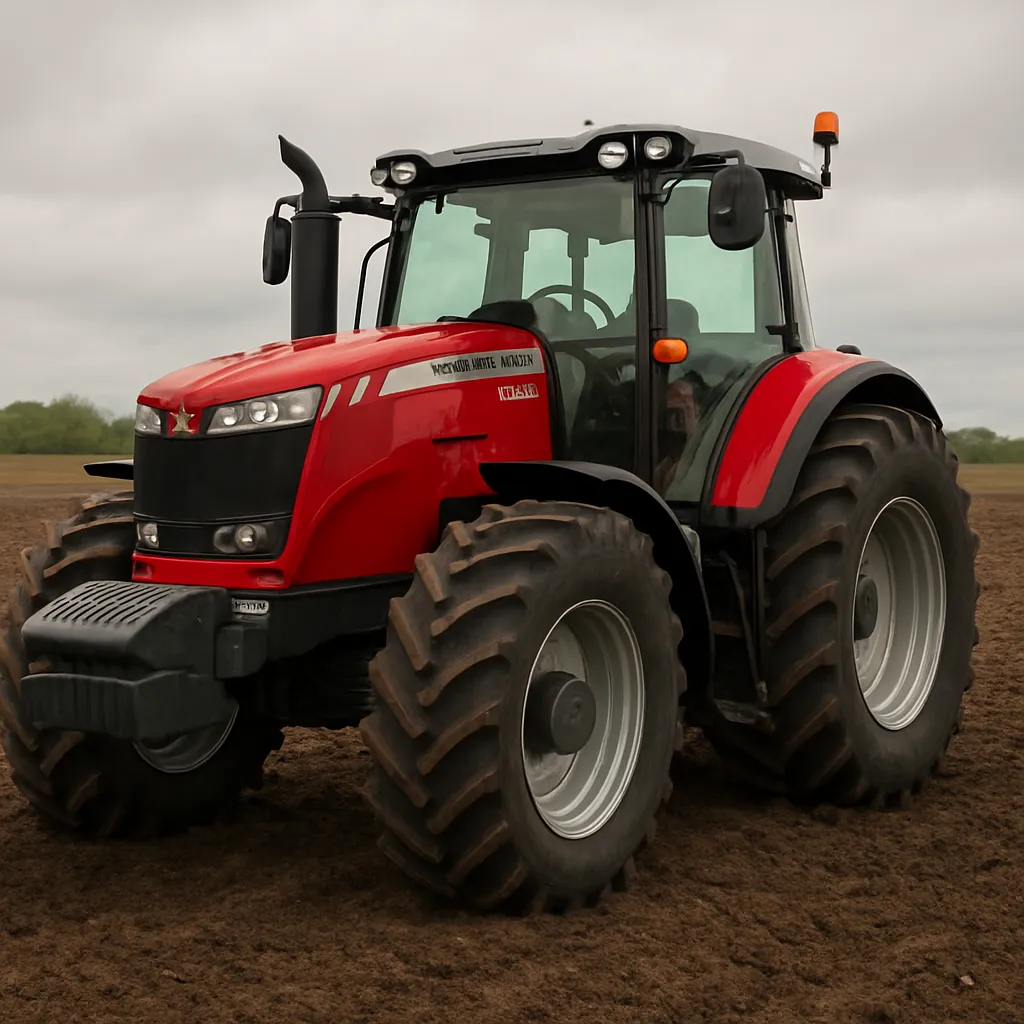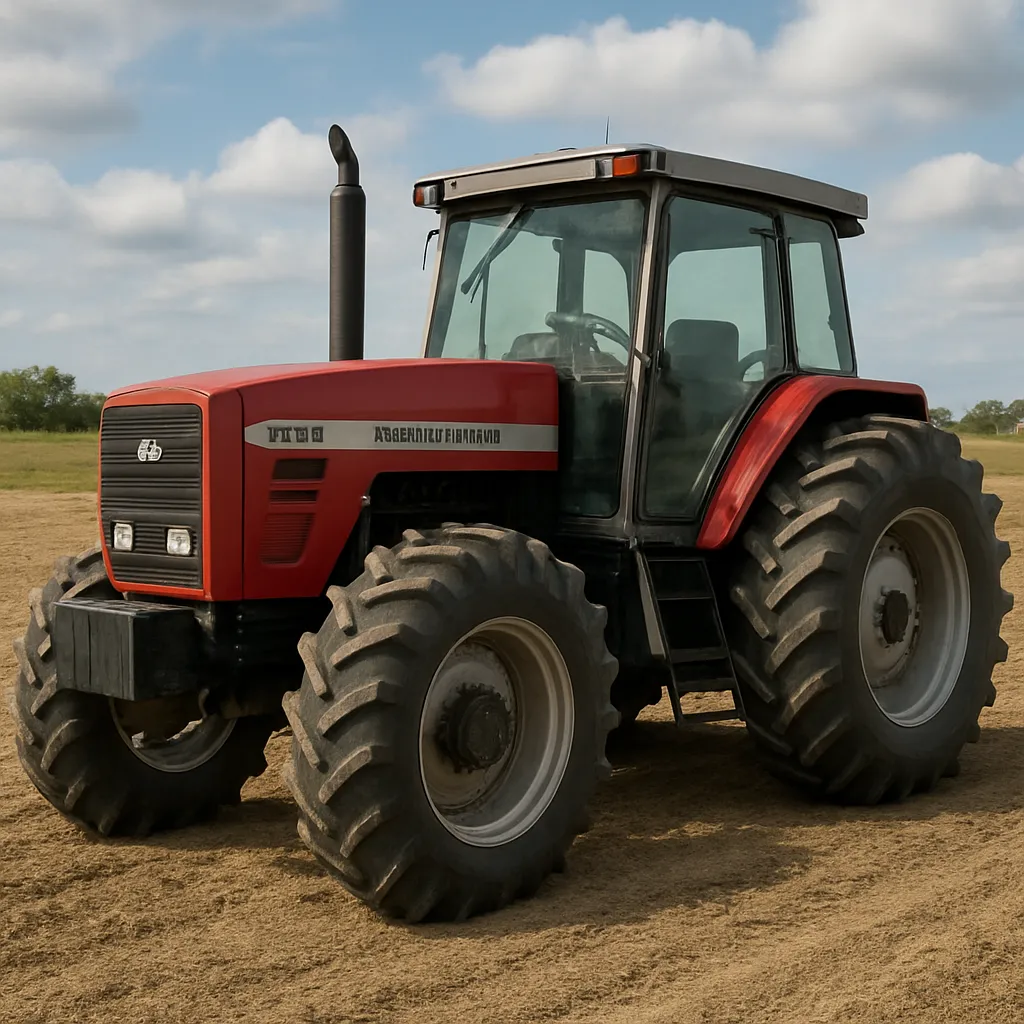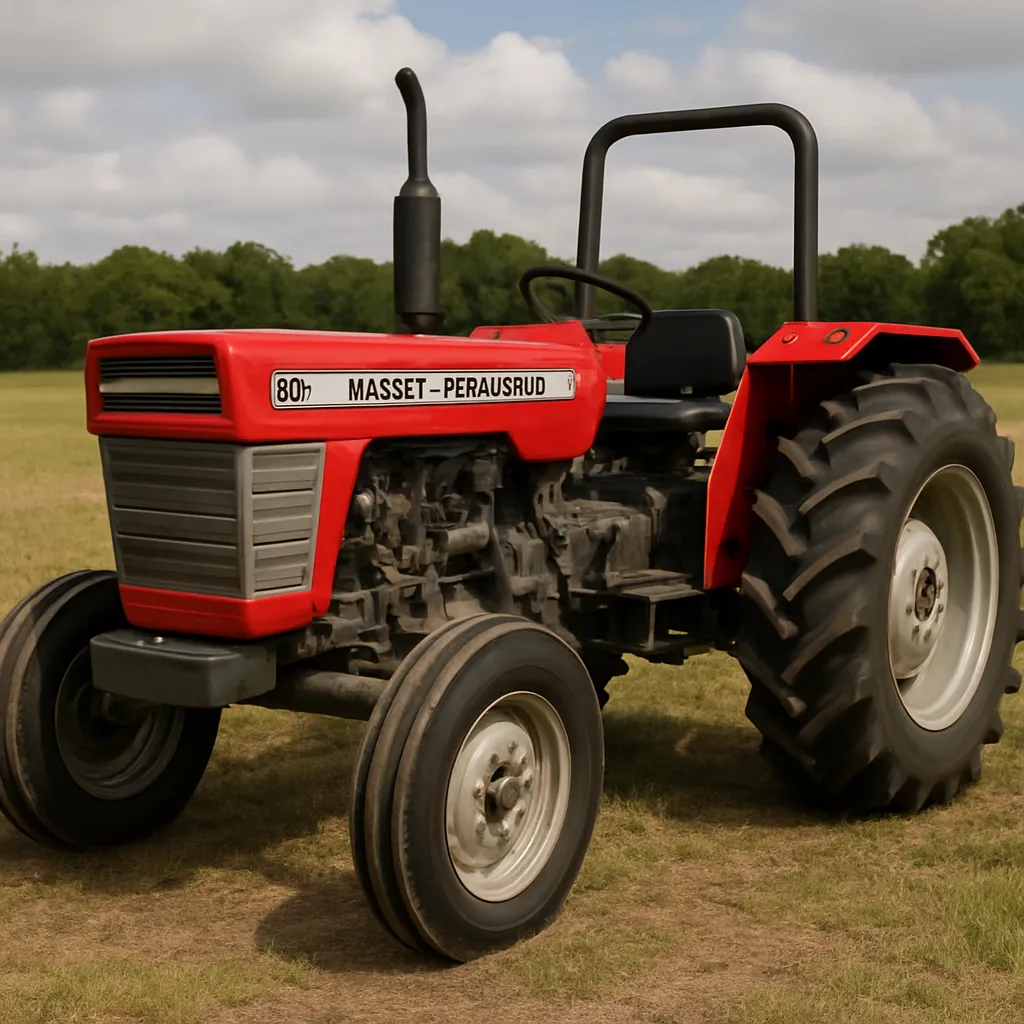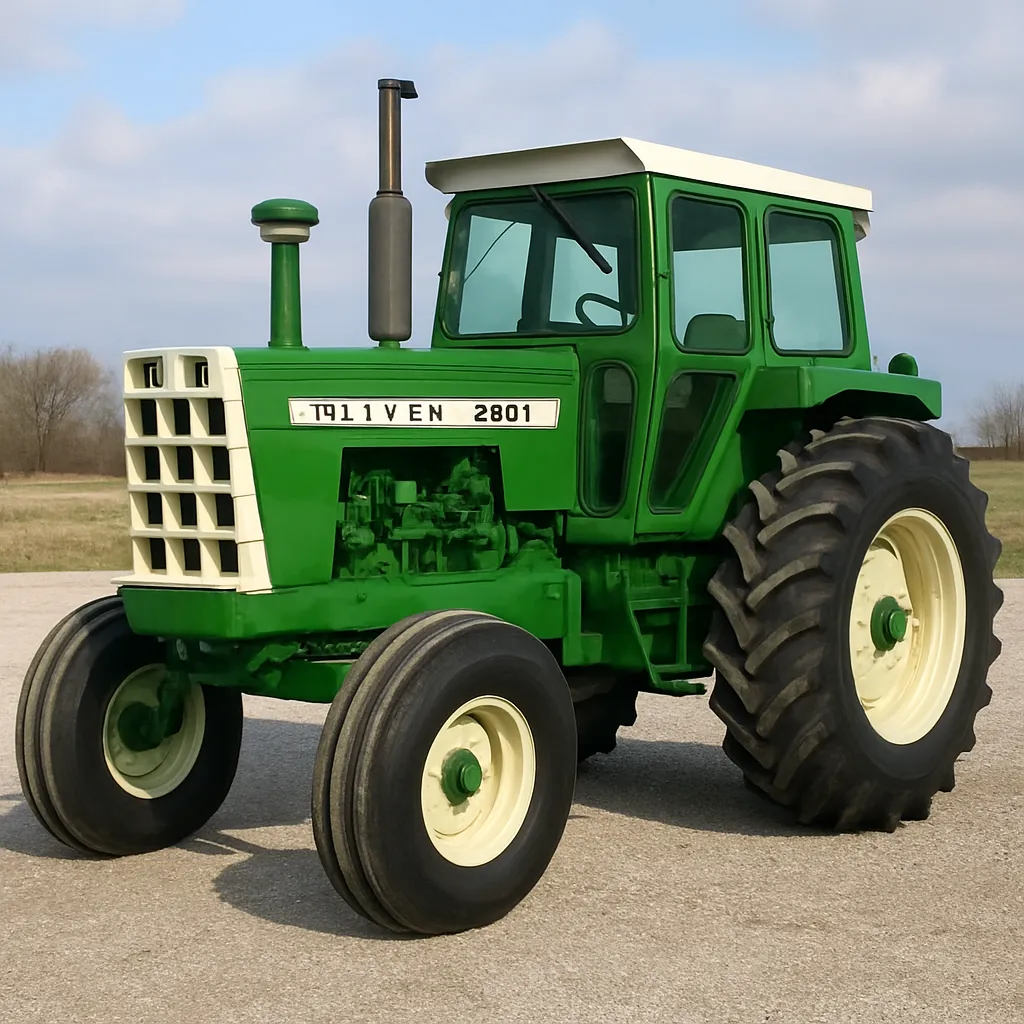
The Oliver 2050T occupies a distinctive place in the history of utility and specialty tractors. Known among enthusiasts and practical operators for its combination of simple mechanics and reliable performance, the 2050T is often encountered on small to medium-sized farms, in forestry, and in restoration collections. This article explores the machine’s design, typical uses, maintenance considerations, historical context, and its continuing appeal to owners and collectors. Throughout the text you will find practical observations as well as contextual information to help understand why the 2050T remains noteworthy decades after its introduction.
Design and technical characteristics
The designation 2050T generally refers to a version of the Oliver 2050 equipped in a configuration intended for rough terrain or specialty tasks. In many tractor naming conventions the suffix T indicates a tracked or crawler-style setup, or a terrain-focused variant, and for users this has important implications for traction, soil disturbance, and stability.
Engine and powertrain
- The 2050 series was typically powered by a robust diesel engine designed for longevity rather than high-revving performance. Diesel engines offer good torque at low RPM, which is valuable for pulling and stationary PTO work.
- Rated horsepower for tractors in this class is commonly in the mid-range—sufficient for implements such as plows, mowers, seeders, and loaders—while allowing fuel efficiency and durable service life. Exact HP varies by build and engine tune; many examples perform reliably in the 40–60 HP band depending on configuration and measurement standard.
- Transmission options for tractors like the 2050T often include several forward and reverse gears or a range-type gearbox, providing the operator with flexibility between transport speeds and power delivery for heavy draft work.
Chassis, tracks and stability
- The “T” variant’s most significant physical difference is the undercarriage and running gear. Tracks or wide-flotation duals reduce ground pressure, improve traction on soft soils, and increase stability on slopes. This is an advantage in forestry, marshy fields, and on sites prone to rutting.
- Tracked setups transfer traction differently than wheeled tractors—there is typically more surface contact but slower top speed. This trade-off favors heavy pulling jobs and low-speed tasks.
PTO, hydraulics and attachments
- Power Take-Off (PTO) is a core element for utility tractors. The 2050T commonly features a PTO with standard spline and rotational speed appropriate for mid-century and modern implements: mowers, balers, rotary hoes, and pump drives.
- Hydraulic capacity on these tractors is usually sized for loader arms, rear three-point linkages, and basic auxiliary functions. While not as high-flow as modern dedicated industrial tractors, the system provides adequate control for a wide range of attachments.
Applications and field performance
The versatility of the 2050T makes it applicable across several domains. Its combination of torque, traction, and adaptability to implements enables it to serve both agricultural and non-agricultural roles.
Agricultural uses
- Primary tillage: The tractor’s pulling power allows it to handle medium-sized plows and cultivators. Tracked or wide-flotation variants are particularly useful on wet or unstable fields where wheeled tractors would compact soil or become stuck.
- Seeding and planting: Tow-behind planters and seeders can be operated efficiently due to steady low-speed performance and consistent PTO output.
- Hay and forage operations: With a suitable baler or mower attachment, the 2050T can manage small-to-medium haymaking tasks, especially on irregular fields where traction matters.
- Livestock farm duties: Feeding, bedding distribution, and manure-handling using front loaders or rear implements are common chores.
Forestry, construction and specialty work
- Forestry skidder or winch work: The increased traction and low ground pressure of the tracked versions make the tractor useful for dragging logs and delivering materials through rough terrain.
- Site preparation and erosion control: The stability of the tracked undercarriage aids in seeding slopes, building terraces, and moving soil without excessive slippage.
- Light construction tasks: Grading, trenching (with backhoes), and trailer towing on uneven ground are within its practical scope.
Maintenance, repair and longevity
One reason the Oliver 2050T remains in use is its straightforward mechanical design. Owners who prefer maintainable and user-serviceable equipment appreciate tractors whose systems can be inspected and repaired with basic tools.
Routine maintenance
- Engine care: Regular oil and filter changes, fuel filter replacement, and periodic valve adjustments are essential for diesel longevity. Using clean, appropriate-grade diesel fuel and keeping the fuel system free of water and contaminants is critical.
- Cooling and electrical systems: Radiator upkeep, coolant checks, and battery care prevent overheating and electrical faults that can immobilize older tractors.
- Tracks and undercarriage: For the T variant, inspect track tension, wear on sprockets and idlers, and the track pads or rubber components. Proper tension prolongs component life and maintains efficient power transfer.
- Hydraulics and PTO: Check hoses and seals for leaks, maintain hydraulic fluid levels and filters, and service the PTO spline and clutch as needed.
Common repairs and parts availability
Because many parts for Oliver tractors were standardized or sourced from common suppliers of the era, replacement mechanical components—filters, bearings, seals, and common engine parts—are often still obtainable through specialty suppliers and aftermarket producers. For the tracked undercarriage, track components and rollers may be more specialized but are frequently re-manufactured or adapted from compatible models.
- Worn gearbox synchros or clutch plates can be rebuilt; many agricultural mechanics are familiar with mid-20th-century transmissions.
- Bodywork, sheet metal, and cab glass may be scarce in original condition, but reproduction parts, used parts, or custom-fabricated panels help restorers keep machines authentic-looking.
Historical context and collectibility
The Oliver name has considerable historical weight in agricultural machinery history. Oliver evolved through mergers and merges with other manufacturers and was known for both agricultural and industrial tractors. A variant like the 2050T represents a period when manufacturers were diversifying their lineups to include specialty configurations.
Why collectors value the 2050T
- Heritage: The Oliver brand carries nostalgia and historical significance, making its models sought-after in vintage tractor circles.
- Uniqueness: A tracked version of a mid-sized utility tractor is less common than wheeled equivalents, increasing interest among collectors who specialize in unusual configurations.
- Restorability: Mechanically straightforward designs allow dedicated hobbyists to restore and display these tractors in working condition.
Market trends and statistical notes
Market values for classic tractors depend on condition, originality, and regional demand. While I cannot provide an exhaustive production figure universally applicable to every variant, the following general observations reflect common market realities for tractors like the 2050T:
- Surviving examples in good running order and with authentic parts command premium prices among collectors, especially if they retain original paint, decals, or unique attachments.
- Non-running or project-condition units are commonly sold to restorers and may be valued substantially less—often a fraction of a fully restored machine’s price—reflecting the work required to return them to operating condition.
- Regional demand influences pricing. In areas with many small farms or a strong vintage-tractor community, prices and the availability of parts and service resources are generally higher.
Practical tips for owners and prospective buyers
Choosing and operating a vintage or specialty tractor like the Oliver 2050T requires attention to specific factors that differ from buying a modern machine. Here are practical considerations for prospective buyers and existing owners.
What to inspect before buying
- Engine hours and starting behavior: Diesel engines with proper compression and consistent starting are a good sign; smoke patterns at startup indicate potential issues.
- Transmission and PTO operation: Ensure gear engagement is smooth and the PTO engages without excessive noise or slippage.
- Track or tire condition: On a T variant, check for excessive wear on track links, missing rubber, or bent frames. For wheeled models, review tire age and sidewall condition.
- Hydraulic integrity: Leaks, poor lift capacity, or slow response are red flags for hydraulic system problems.
Upgrades and adaptations
- Modern safety retrofits: Installing rollover protection structures (if not present), upgraded lighting, and emergency shutoffs can make older tractors safer for contemporary use.
- Accessory compatibility: Many implements can be adapted to fit older three-point hitches or PTO splines; custom adaptors are commonly fabricated to broaden the utility of classic tractors.
- Fuel system modernization: Installing fuel-water separators and modern filtration can significantly improve reliability when running contemporary fuels.
Operator experience and efficiency
Operating a 2050T is typically a tactile and mechanical experience that appeals to hands-on users. The simplicity of controls, combined with the forgiving nature of low-revving diesel engines, makes it approachable for operators familiar with older machinery.
Field efficiency
- On tasks requiring steady pull and consistent traction (plowing, dragging, winch work), the 2050T can be highly efficient, often outperforming wheeled counterparts under soft or uneven ground conditions.
- Fuel economy in mid-century tractors is largely a function of engine load and maintenance. A well-tuned diesel in this class can be economical for low-speed, high-torque applications.
Comfort and ergonomics
- Cab and operator station comfort are generally basic on older tractors. Operators commonly add seats, cabs, or weather protection for longer tasks.
- Noise and vibration levels are higher than modern tractors with advanced mounts and sound insulation, but many operators value the direct feedback and mechanical feel.
Closing perspective
The Oliver 2050T exemplifies a category of tractor that balances utility, simplicity, and specialty capability. Whether deployed on a small farm, in a forestry setting, or preserved in a collector’s shed, these tractors remain valued for their practical performance and historical character. Their design emphasizes dependable diesel power, adaptable hydraulics and PTO systems, and a track-capable configuration that extends use into terrain where wheeled tractors struggle. For owners and enthusiasts who prioritize maintainability, versatility, and the character of classic machinery, the 2050T offers a compelling combination of features.
Oliver enthusiasts and operators commonly highlight the model’s reliability, the mechanical simplicity that eases repairs, and the practical advantages of the tracked configuration for certain applications. Whether considering a purchase, a restoration, or everyday use, a clear inspection and thoughtful maintenance plan will ensure the 2050T continues to serve effectively for years to come.