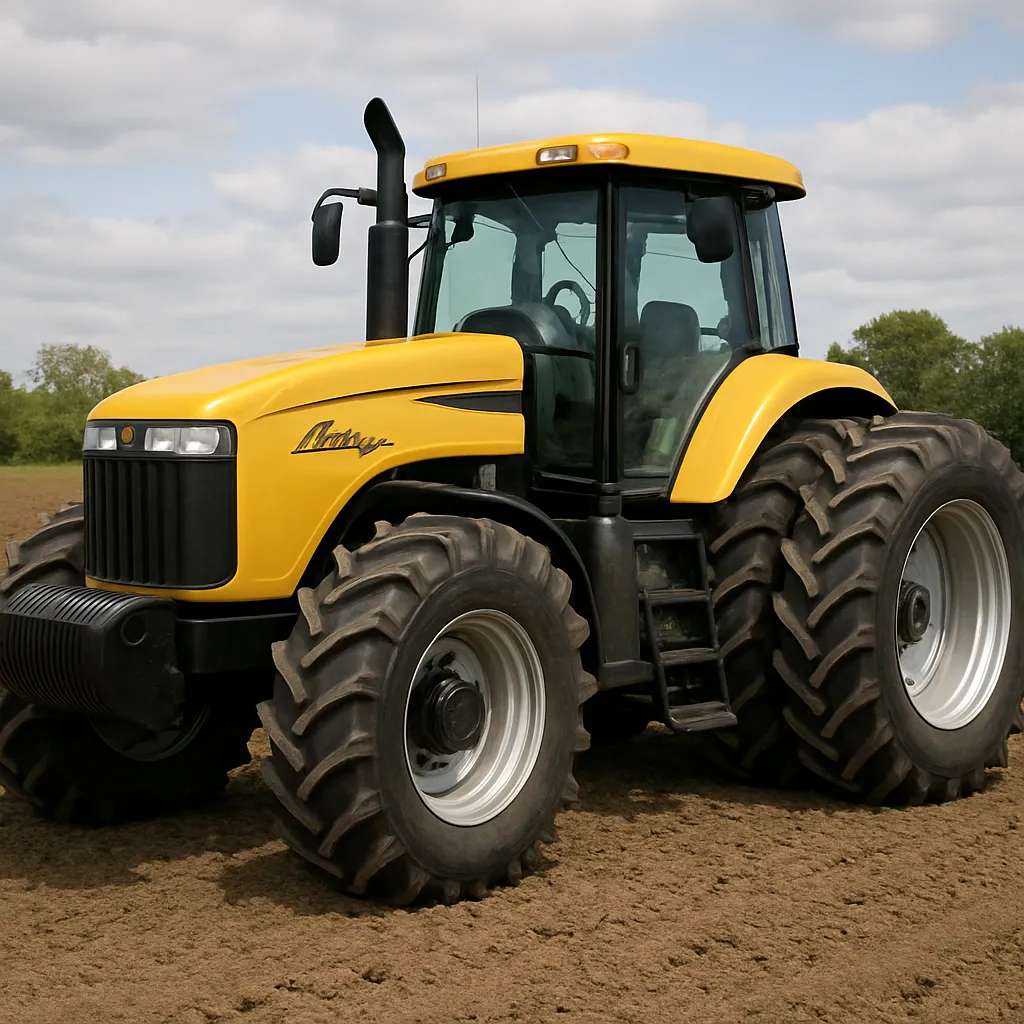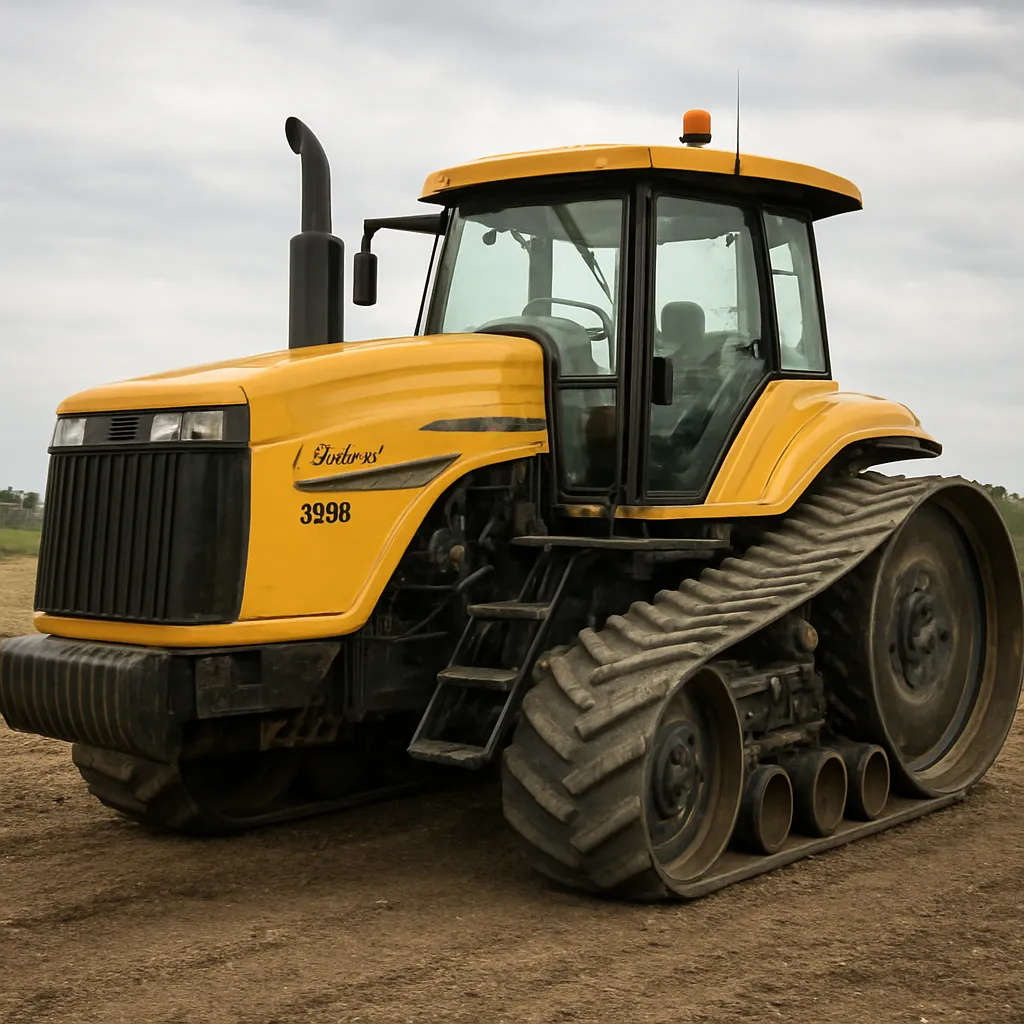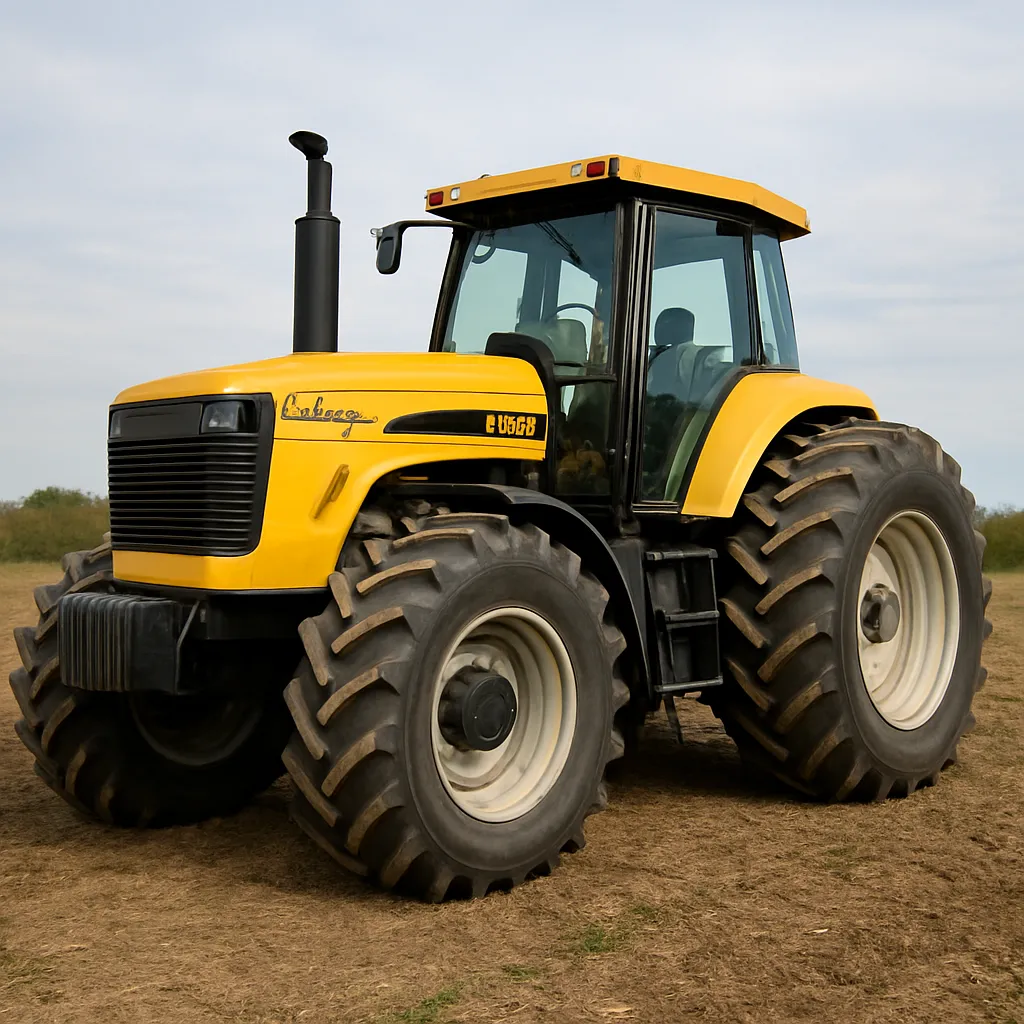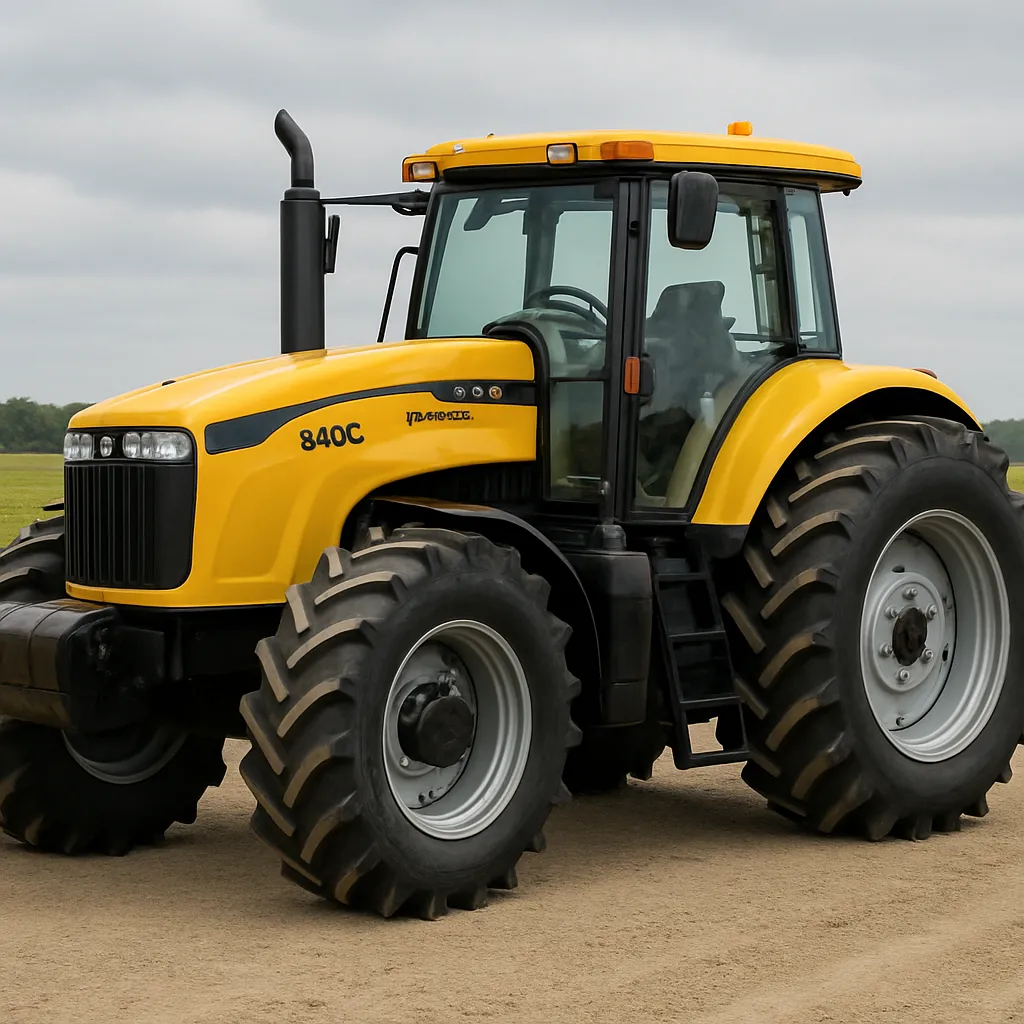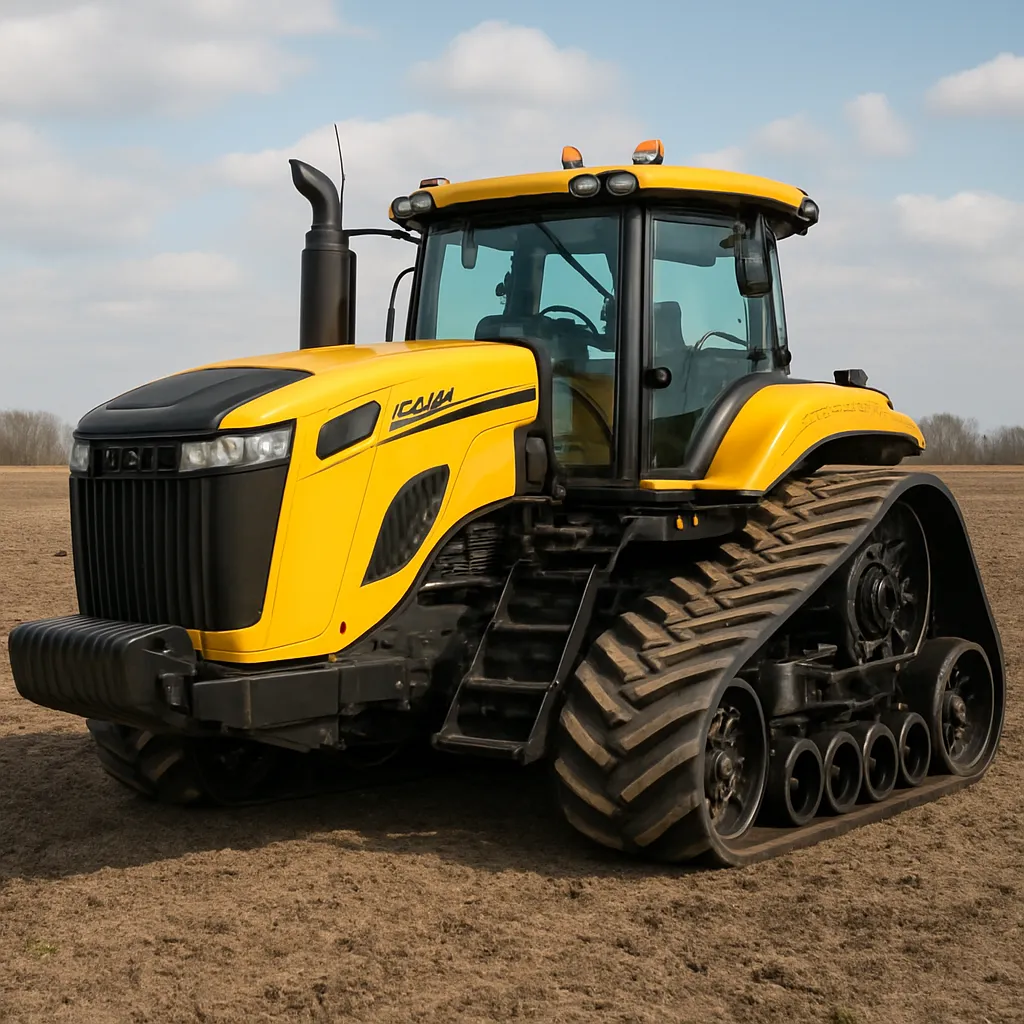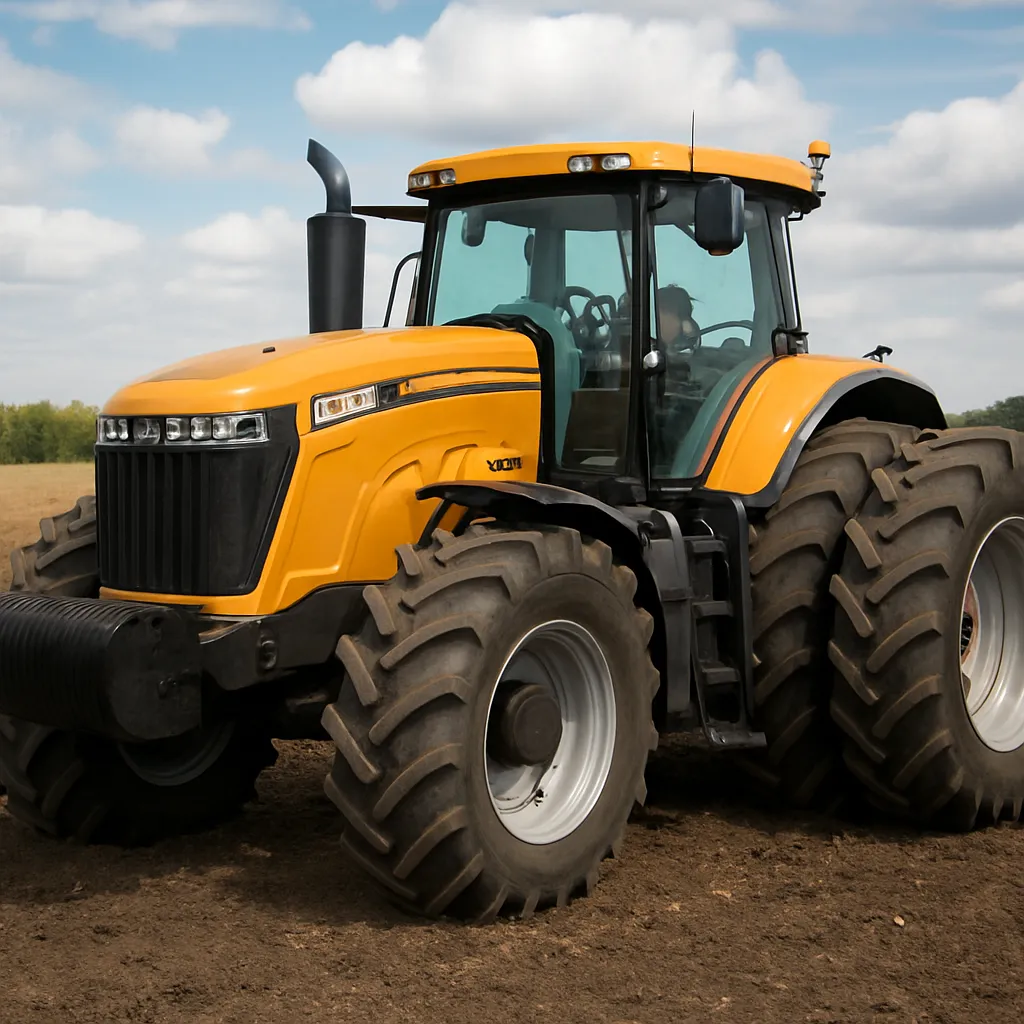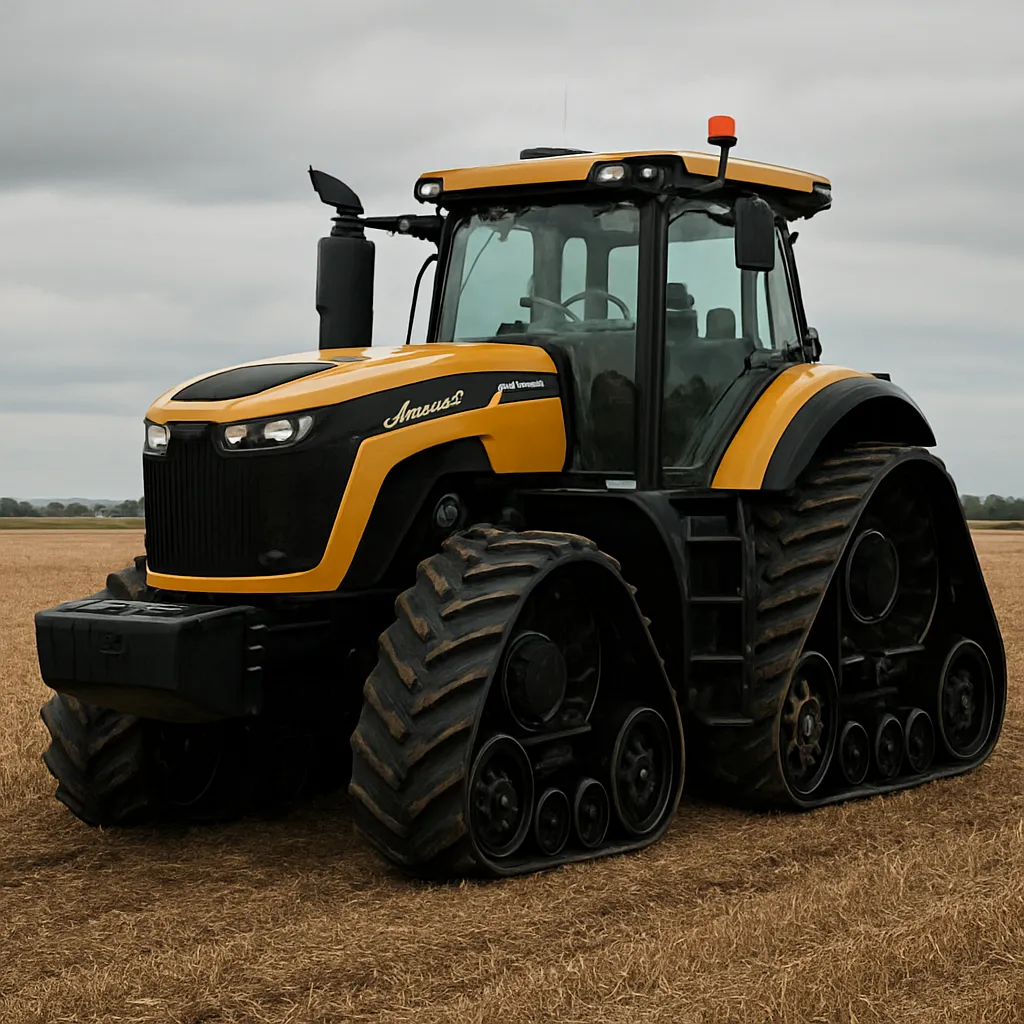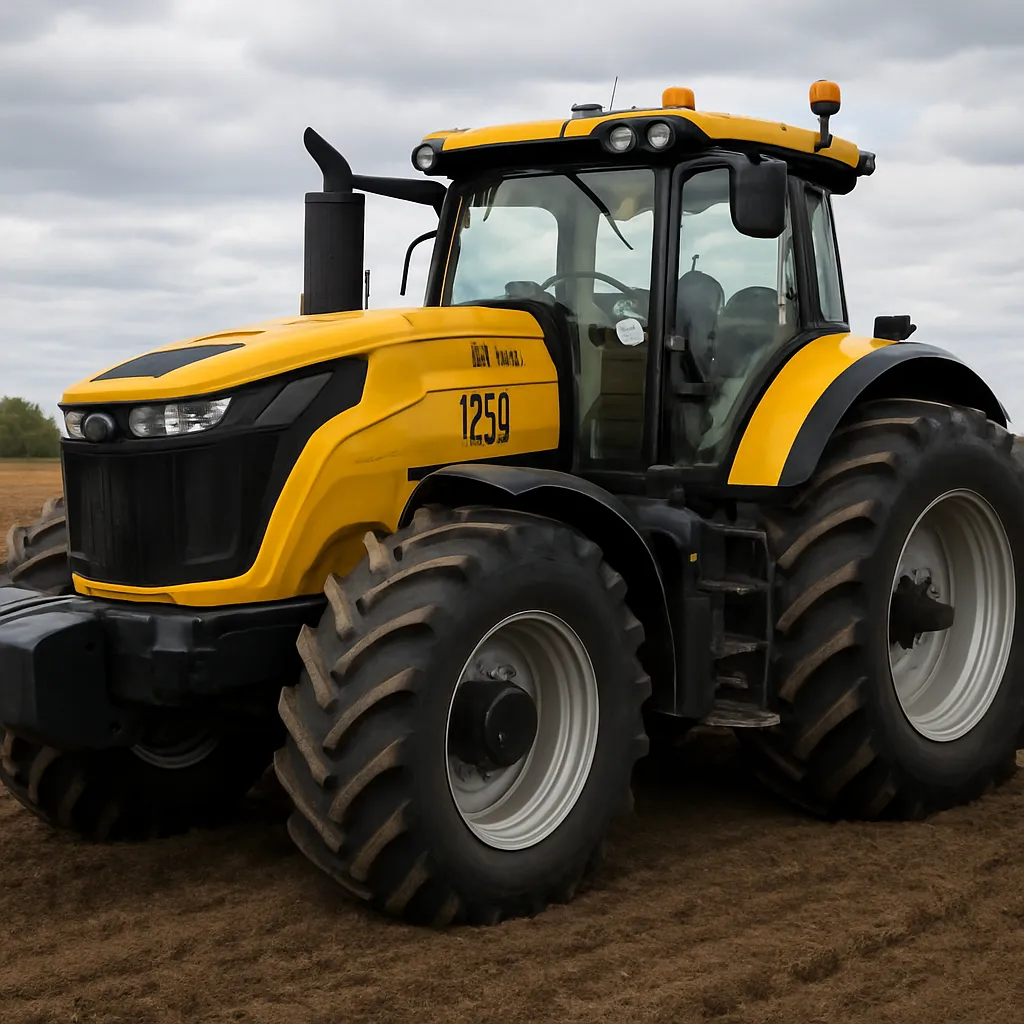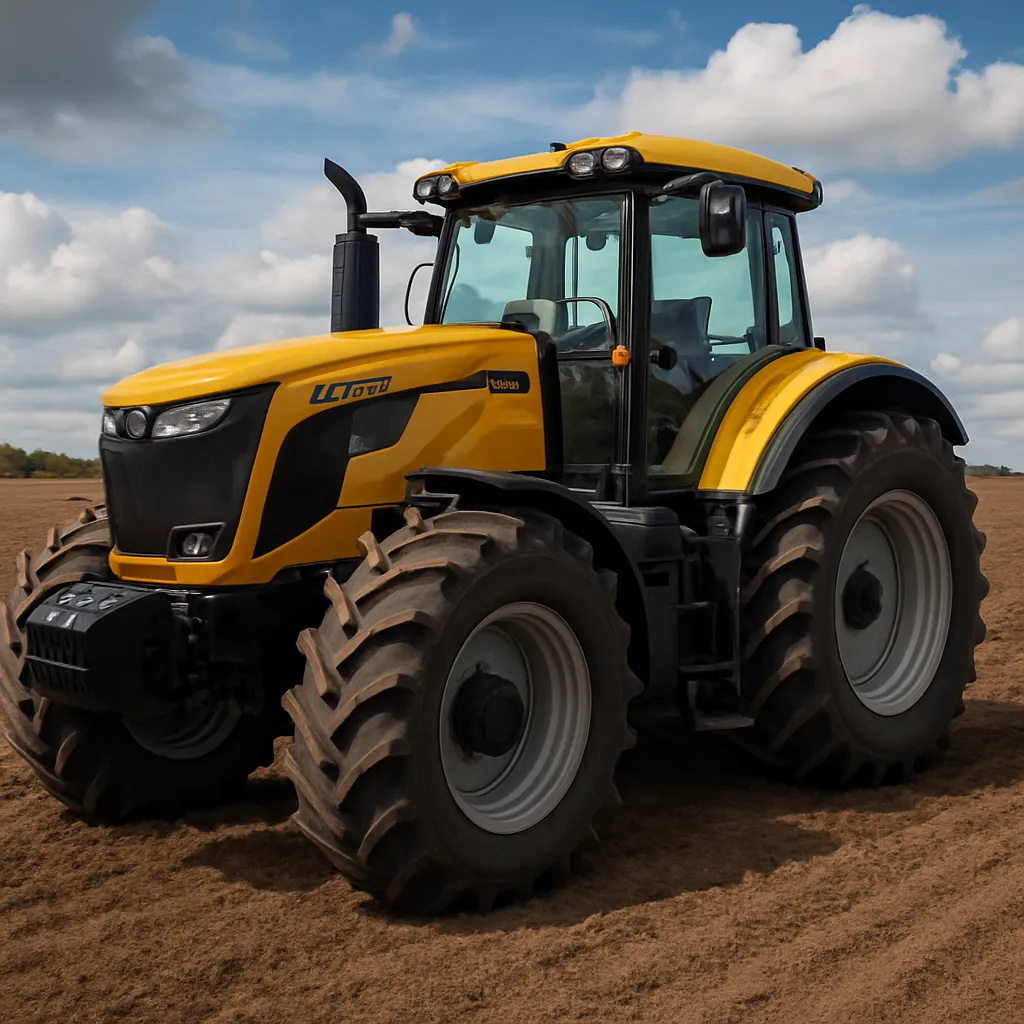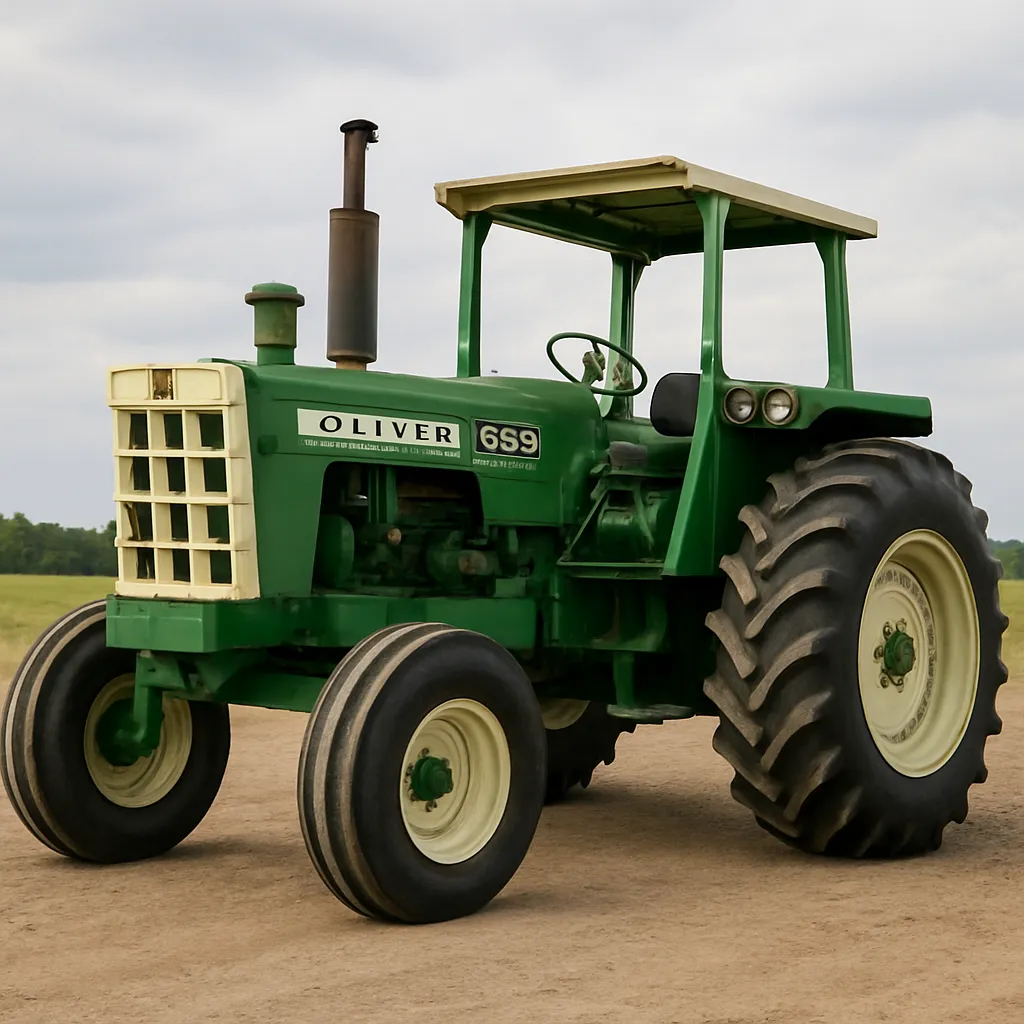
The Oliver 1850 Heavy Duty is a notable example of mid-20th-century agricultural engineering that blends robust construction with straightforward mechanics. Although not always as widely recognized as some contemporary models from larger manufacturers, the 1850 has earned a reputation among farmers, ranchers, and collectors for its reliability and versatility. This article explores the tractor’s background, typical specifications, practical applications, maintenance considerations, and its place on the modern used and collector markets.
History and Design Philosophy
The Oliver brand is associated with a long tradition of manufacturer-driven improvements aimed at meeting the practical needs of farmers. The Oliver 1850 Heavy Duty reflects that tradition through a design that emphasizes strength, simplicity, and adaptability. The model was engineered to perform demanding tasks on small-to-medium farms and in specialty operations where durability mattered more than cutting-edge electronics.
The overall design philosophy centers on a few clear priorities: a rugged frame able to withstand heavy implements, a powertrain suited for continuous load work, and serviceable components that local mechanics or owners could repair without specialized tools. This made the 1850 attractive to those who needed dependable daily performance rather than advanced features.
Typical Technical Specifications and Variants
Exact specifications for the Oliver 1850 Heavy Duty vary depending on production years and optional configurations, but a number of common traits appear across surviving examples and period literature. Below are typical figures and descriptions that characterize the model family. Where precise factory data is inconsistent across sources, the figures are presented as ranges or as commonly reported values.
Powertrain and Performance
- Engine type: Most units were equipped with robust inline diesel engines, often in 4- or 6-cylinder configurations depending on the specific variant and market. Gasoline and LPG versions existed in some markets or could be found in conversions.
- Horsepower: Drawbar and PTO horsepower figures reported for comparable models typically fall into a mid-range class — commonly between 50 and 80 horsepower at the PTO, depending on the engine tune and year.
- Transmission: Manual transmissions with multiple forward speeds and a few reverse gears were standard. Hydrostatic options were rare on Heavy Duty versions of this era.
- PTO: A live PTO (power take-off) was commonly fitted, with standardized PTO speeds making the tractor compatible with many front- and rear-mounted implements.
Dimensions, Weight and Capacities
- Operating weight: The Heavy Duty construction bumped the weight up relative to lighter models; many examples fall between 4,000 and 6,000 pounds (1,800–2,700 kg), depending on ballast and attachments.
- Fuel capacity: Tanks sized to support full-field days without frequent refueling—typical capacities range from 20 to 40 liters for compact variants and larger for heavy duty versions.
- Hydraulics: Many 1850 units included a closed or open-center hydraulic system capable of powering three-point hitch implements and auxiliary remote services for implements.
Construction and Materials
Durability is evident in the heavy-frame construction, reinforced front axle options for loader use, and cast components in high-stress areas. The tractor’s chassis was designed for long service life and to resist twisting forces when operating large implements such as plows, balers, and loaders.
Primary Applications and Workloads
The Oliver 1850 Heavy Duty is well suited to a range of agricultural and rural tasks. Its balance of weight and power allows it to be useful in operations where traction and sustained pull are required rather than rapid speed or light-duty agility.
Common Uses
- Tillage: Suitable for two- to three-bottom plows or equivalent disc harrows. Heavy-duty frame and torque allow consistent soil engagement in medium-to-heavy soil types.
- Hay and Forage: Effective for powering mowers, rakes, tedders, and balers via a stable PTO and adequate drawbar pull.
- Loader Work: Many owners pair the 1850 with front loaders for material handling, feed distribution, and light construction tasks; reinforced front axle and mounting points accommodate loader stresses.
- Transport and Hauling: Capable of hauling trailers and wagons; the combination of torque and weight provides good traction on slopes and in adverse conditions.
- Specialty Farming: With the correct wheel and track setups, the tractor can serve in orchards, vineyards, and other specialty contexts, though narrow versions are less common.
Non-Agricultural Applications
Beyond farms, the 1850 finds use in municipal and contractor fleets for tasks such as road maintenance, ditching, and groundskeeping. Its straightforward mechanical systems and heavy-duty reputation make it attractive for jobs that require reliable, long-duration operation.
Maintenance, Servicing and Common Issues
One reason the Oliver 1850 remains usable decades after production is its serviceability. The tractor was designed with routine maintenance in mind, allowing owners to perform most tasks without factory-level intervention. Still, prospective buyers and restorers should watch for a few recurring areas.
Routine Maintenance Checklist
- Regular oil and filter changes for engine, transmission, and hydraulics to ensure longevity of internal components.
- Greasing of chassis and steering points to prevent wear in heavily loaded systems.
- Inspection and replacement of PTO clutches, belts, and linkage components as they wear under load.
- Cooling system maintenance—radiator flushing and checking hoses—to avoid overheating in heavy-duty applications.
- Periodic fuel system cleaning, especially for diesel variants where injectors and pumps are critical for performance.
Common Wear Points
The following are typical areas where older 1850 tractors show wear or need restoration:
- Hydraulic seals and cylinders—leaks can appear after years of use.
- Transmission synchronizers and clutch components—especially in tractors used for heavy shifting under load.
- Electrical systems—aging wiring, switches, and starter motors are common issues on vintage equipment.
- Rust and structural corrosion—especially on lower chassis and fender areas in machines stored outdoors.
Restoration and Upgrades
For enthusiasts, restoring an Oliver 1850 Heavy Duty is a rewarding project. Its mechanical simplicity means that many parts are either still available as repro items or can be substituted with compatible components from other models in some cases.
Practical Restoration Steps
- Initial assessment: catalog mechanical, electrical, and structural issues; photograph for reference.
- Prioritize safety-related systems first—brakes, steering, and brakes—and ensure the machine is safe to start and move before cosmetic work.
- Engine and transmission overhaul: reconditioning these systems can dramatically extend service life and reliability.
- Body and paint: after mechanical restoration, address sheet metal, rust treatment, and repainting—many owners prefer original Oliver color schemes to preserve authenticity.
- Documentation and historical accuracy: retain or list serial numbers, and, if possible, consult period manuals to maintain period-correct restorations.
Common Upgrades
Owners often add modern conveniences that do not alter the tractor’s original character but increase functionality: improved lighting, more efficient alternators, better seating, and modern hydraulic pumps or remotes to drive contemporary implements.
Implements, Attachments and Compatibility
The versatility of the Oliver 1850 lies significantly in its ability to run a wide variety of implements. The tractor’s standard three-point hitch and PTO make it compatible with a broad ecosystem of tools.
- Rear-mounted plows, disc harrows, and cultivators for tillage.
- PTO-driven mowers, balers, and seeders for forage and pasture work.
- Front loaders, pallet forks, and bale spears for material handling.
- Hydraulic log splitters, post drivers, and winches for property and forestry tasks.
Compatibility with modern implements depends on PTO speed, hitch category, and hydraulic flow. Many adapters are available to allow older tractors to accept contemporary tools safely.
Market, Collectibility and Practical Value
The Oliver 1850 Heavy Duty occupies a unique niche in the used tractor market. It is sought by practical users who want a dependable workhorse and by collectors who appreciate the model’s historic value and industrial design.
Factors Affecting Value
- Condition: Mechanical soundness and the degree of cosmetic restoration are the largest value drivers.
- Rarity: Certain factory options or limited-run variants increase desirability among collectors.
- Documentation: Original paperwork, service records, and serial number verification enhance provenance and price.
- Local demand: In agricultural regions where heavy-duty tractors remain in daily use, prices reflect immediate utility rather than collector premium.
Price Ranges and Sales Data
Sales prices vary widely by region and condition. Functional, well-maintained units intended for work often sell for a moderate price relative to modern tractors, offering an economical solution for users who prioritize simple mechanics over emissions-compliant engines. Fully restored collector-grade units can command higher prices, particularly among enthusiasts of the brand.
Exact production numbers and official historic sales data for the Oliver 1850 Heavy Duty are not always readily available in public archives, and figures reported by private sellers and clubs can vary. Prospective buyers should consult regional auction records and dedicated tractor clubs for the most accurate local pricing trends.
Operation and Safety Considerations
Operating a vintage heavy-duty tractor like the Oliver 1850 requires respect for both its capabilities and limitations. While mechanically robust, older tractors generally lack modern safety features.
- Rollover protection: Many original units were built before roll-over protective structures (ROPS) were standardized. Installing a certified ROPS and seatbelt is strongly advised.
- Braking and steering: Ensure brake systems are fully functional and steering linkage is tight before fieldwork.
- PTO guards: Fit or restore PTO shields to prevent entanglement hazards when operating PTO-driven implements.
- Operator training: Basic training in safe hitching, loader operation, and heavy load handling reduces accidents.
Resources for Owners and Enthusiasts
Because surviving Oliver tractors have developed a dedicated following, many resources exist for owners seeking parts, manuals, and community knowledge. Tractor clubs, online forums, and regional agricultural museums are valuable for locating hard-to-find components and technical advice. Owners’ groups frequently publish parts lists, wiring diagrams, and restoration guides tailored to specific models and years.
Conclusion
The Oliver 1850 Heavy Duty is a practical, rugged tractor whose design emphasizes longevity and work-oriented functionality. Whether used for daily farm chores, adapted for specialty operations, or restored as a collector’s piece, the 1850 offers a combination of durability and simplicity that continues to appeal. While exact historical production figures and detailed factory statistics can be uneven in their availability, the tractor’s enduring presence in fields, barns, and collections speaks to its lasting value. For those seeking a dependable, mechanically approachable machine, the Oliver 1850 remains an attractive option.