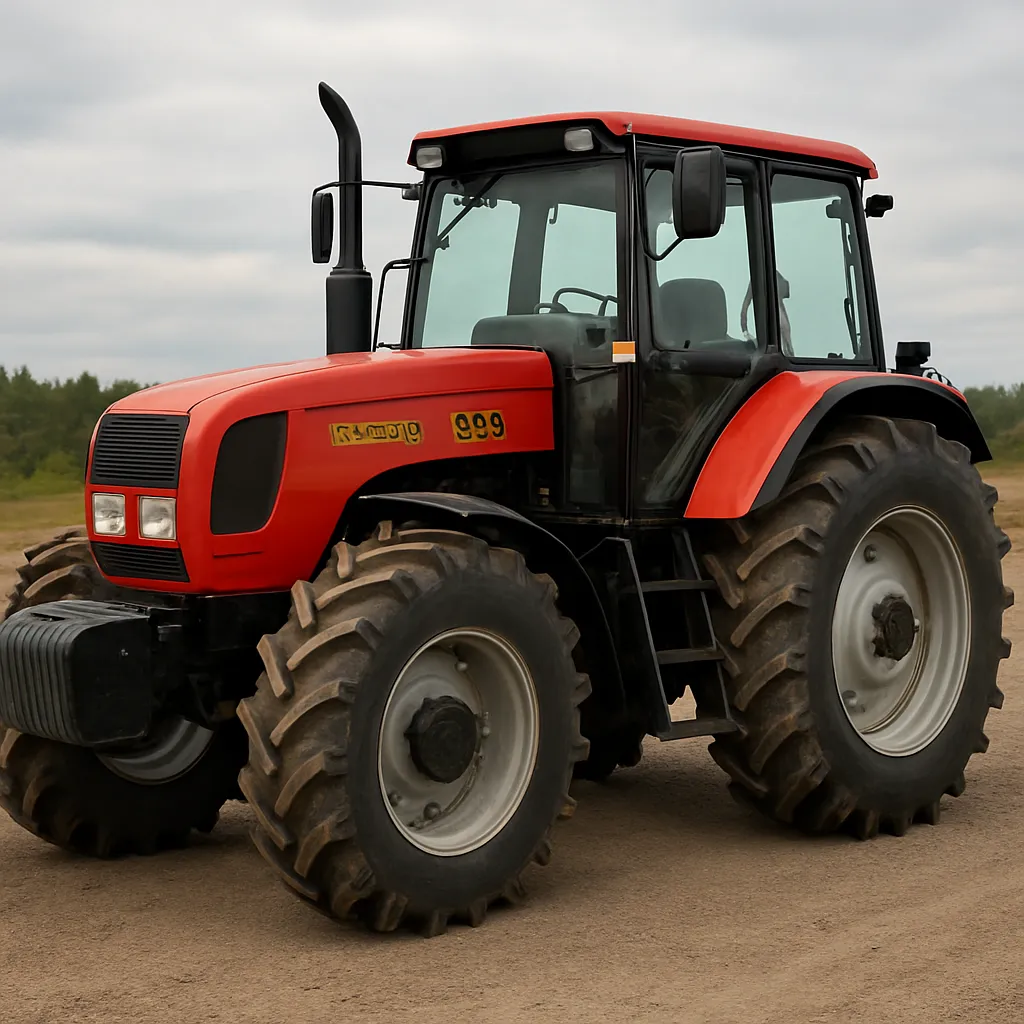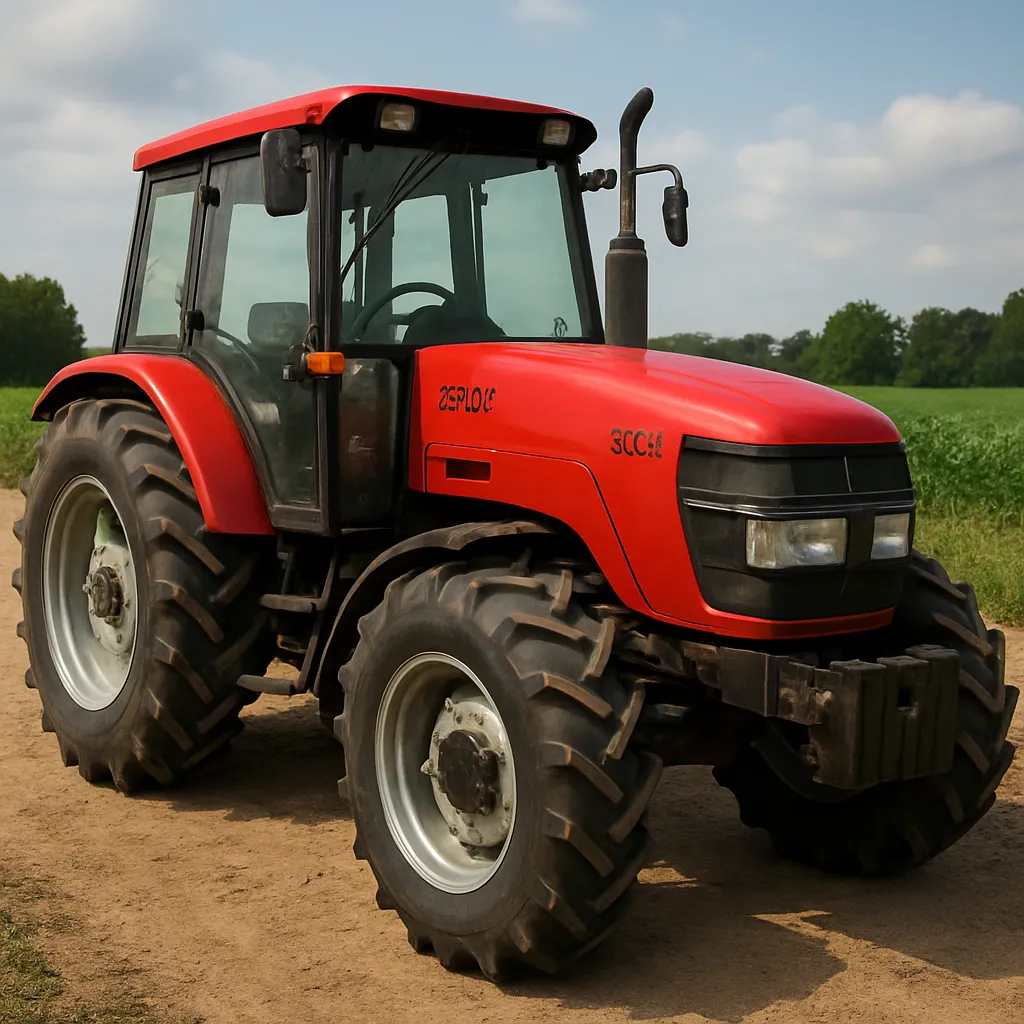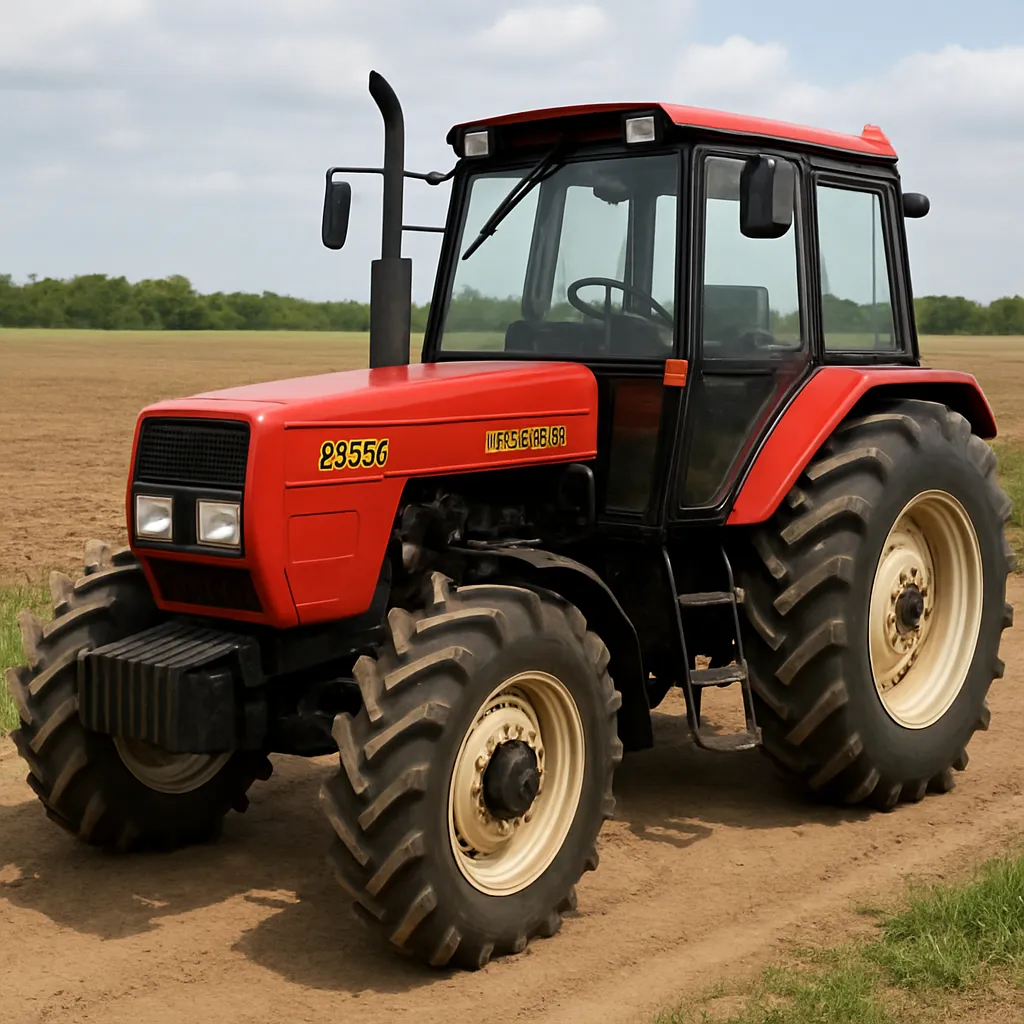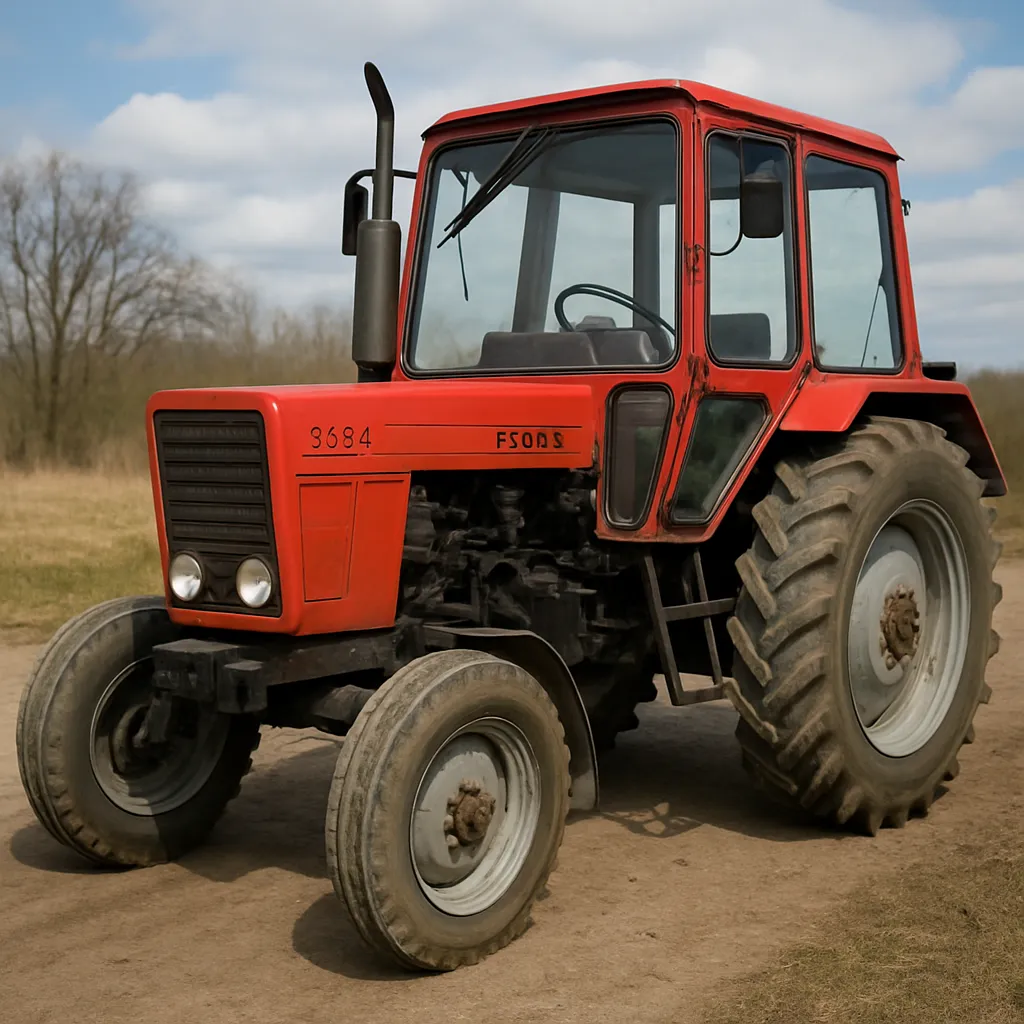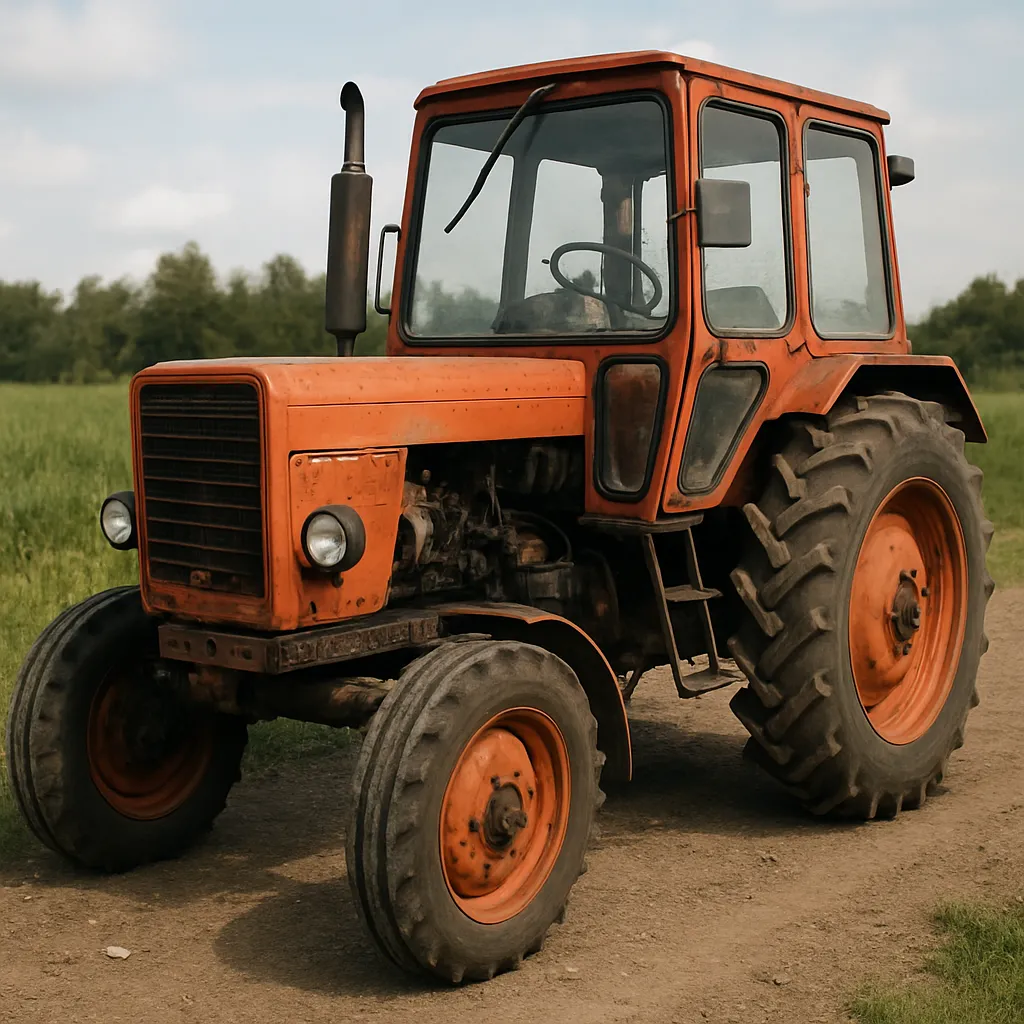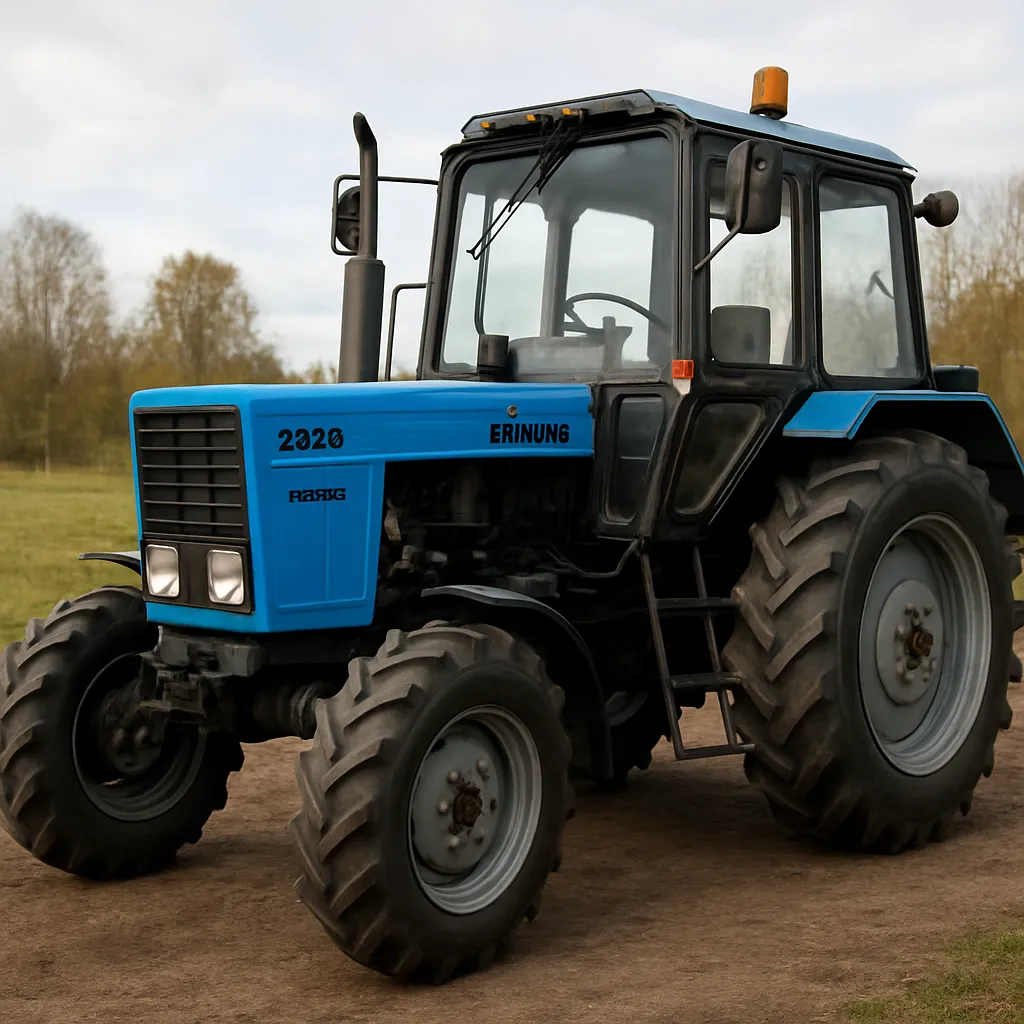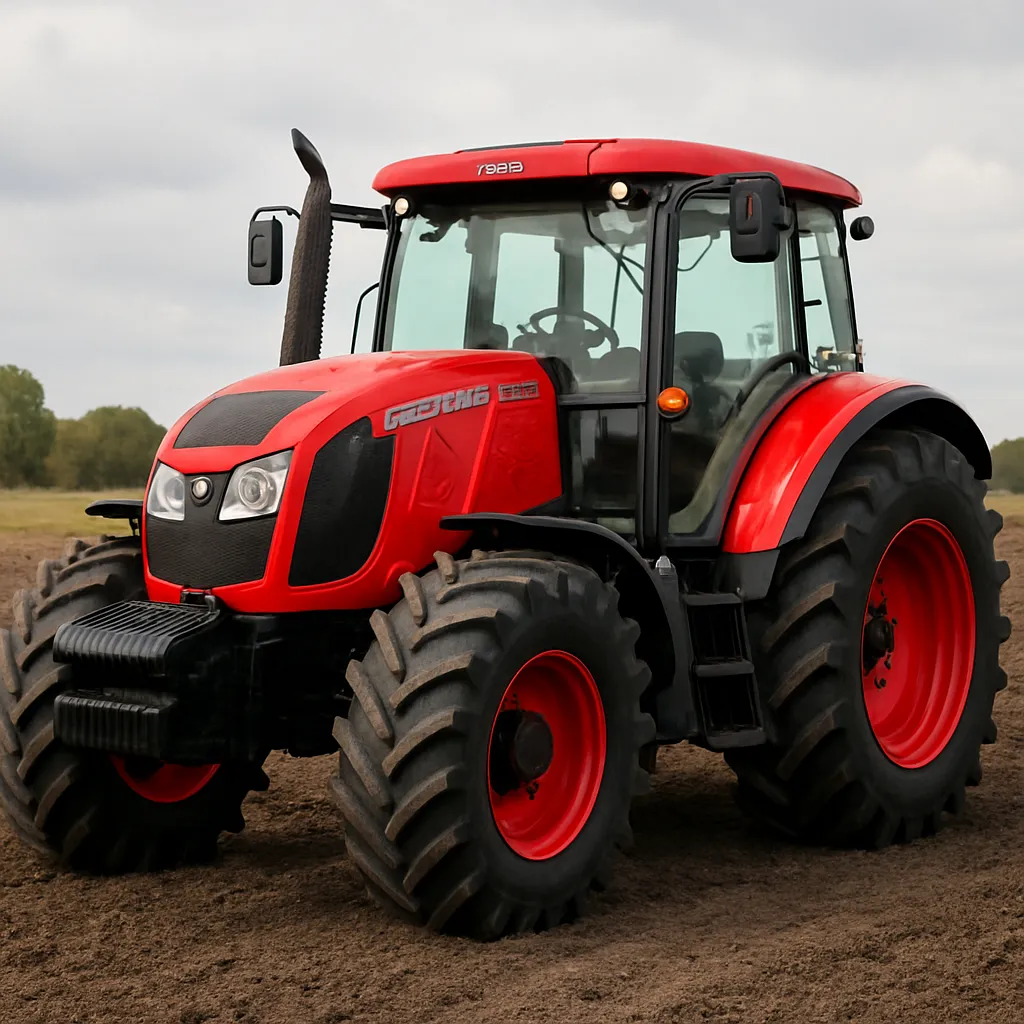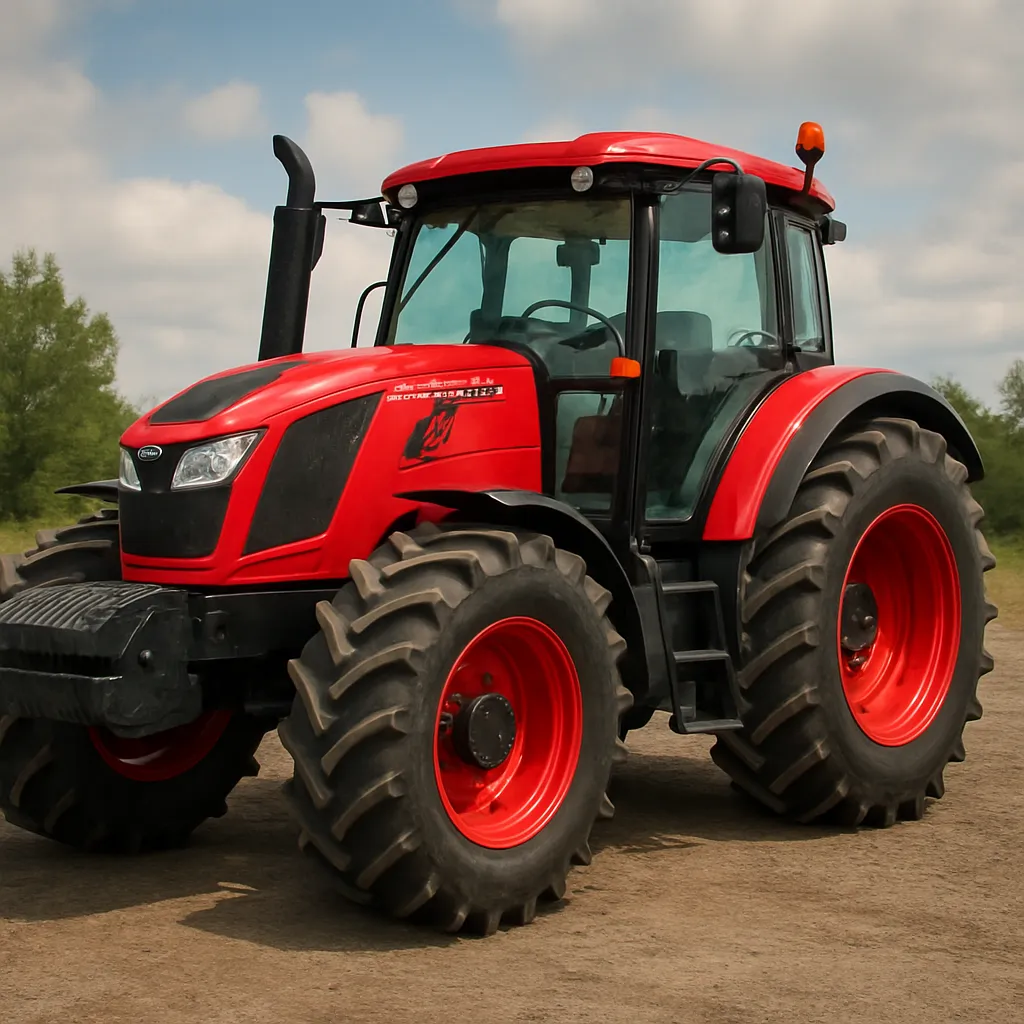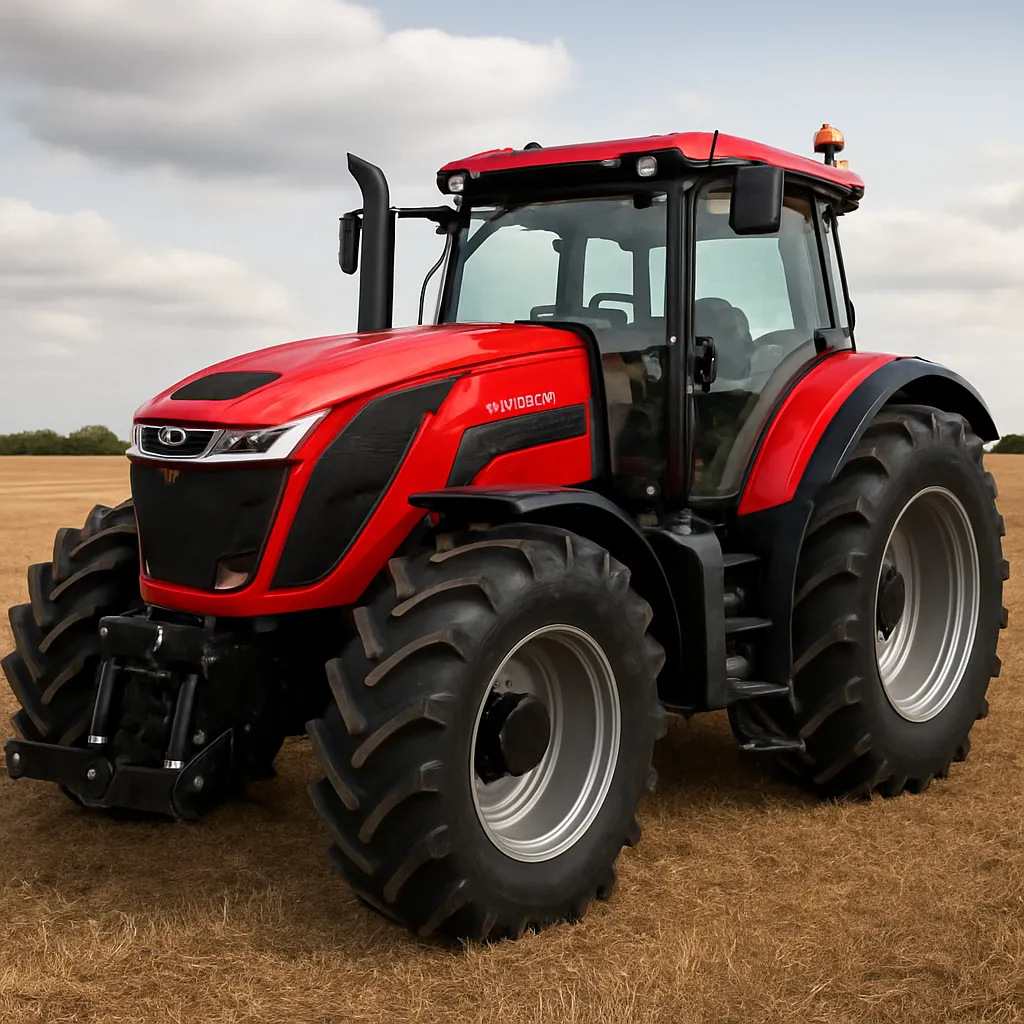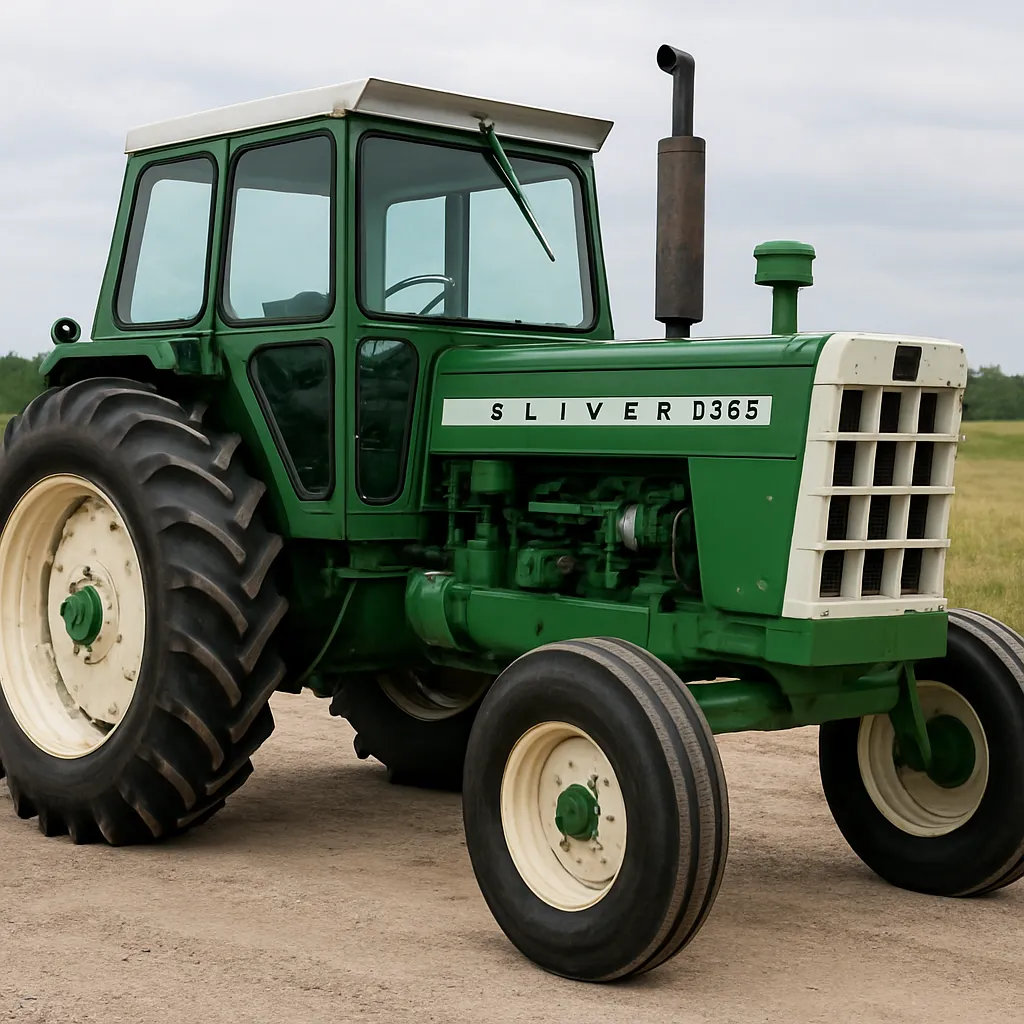
The Oliver 2055 is a noteworthy piece of agricultural machinery that has earned a place in the memory of small- and medium-sized farms, restoration workshops and tractor enthusiasts. In this article I will explore the machine’s background, typical technical characteristics, practical applications, maintenance realities and the reasons why the model remains interesting today. Wherever possible I point out commonly reported figures and patterns, while noting that exact specifications can vary by year, market and individual modification. The text includes practical guidance for owners and collectors, and highlights features that make the Oliver 2055 stand out in the long line of agricultural tractors.
Overview and historical context
The name Oliver evokes a long tradition of American tractor manufacturing, consolidation and evolution. The company built a reputation on combining rugged mechanics with practical, farm-focused design. The model commonly referred to as the 2055 sits within this lineage as an example of a mid-range, versatile tractor intended for diverse farm tasks. Although exact production details depend on the documentation available in different regions, the 2055 is generally remembered as a reliable workhorse aimed at farmers needing an efficient, manageable power unit rather than a large industrial machine.
Oliver, originally an independent manufacturer, later became part of conglomerates and cooperative manufacturing efforts. Models such as the 2055 were influenced by evolving farmer needs: a desire for comfortable operation, simplified serviceability, and adaptable power for implements. Over time, these tractors became prized for their straightforward construction and long service lives.
Design and technical characteristics
The Oliver 2055 typically represents the design priorities of its era: a focus on durability, simple mechanical systems, and serviceability. Below are common technical areas of interest for owners and restorers.
Engine and powertrain
- Engine: Many 2055s were equipped with mid-sized diesel engines intended to balance torque with fuel economy. Typical configurations include naturally aspirated four-cylinder diesels. Exact displacement and tuning vary by production run.
- Horsepower: Rated engine power figures reported by owners and catalogs typically range from the high 30s to mid-50s horsepower at the PTO or flywheel, depending on variant, fuel system and regional tuning.
- Transmission: The model commonly features a multi-speed manual transmission (often 8 to 12 forward speeds with several reverse ratios in various versions), providing a good spread for field work, transport and PTO-driven implements.
- PTO and hydraulics: A rear PTO with standard speeds (540 rpm or equivalent) is usually present; hydraulic systems support three-point linkage and basic loader or implement functionality. While not as sophisticated as later electronic systems, the hydraulics are robust and repairable.
Chassis, weight and dimensions
Oliver 2055 tractors are compact to mid-size machines. They were designed to offer stability without excessive ground pressure—useful for row crops and mixed-farm duties. Typical curb weights often fall into the mid-tonne range, making them hefty enough for traction but still maneuverable between rows and in confined spaces.
Operator comfort and ergonomics
Compared to earlier bare-bones tractors, the 2055 frequently features a more comfortable operator station: improved seating, better control layout and straightforward visibility to implements. These improvements resulted from feedback from working farmers who spent long days on their equipment.
Applications and practical uses
The strengths of the Oliver 2055 make it suitable for a wide range of duties on small and medium-sized farms. Its versatility is one reason it remained in use long after first purchase in many farming communities.
- Agriculture: Primary uses include plowing, harrowing, planting and cultivating. The tractor performs well when paired with mid-sized implements such as single- and multi-bottom plows, disc harrows and seeders for medium-acreage fields.
- Hay and forage: The 2055 can handle balers, mowers, rakes and tedders. Its torque and PTO setup are well suited for continuous PTO-driven tasks like baling.
- Loader work and material handling: With the addition of a front loader, these tractors serve on-farm duties like moving feed, gravel, silage and manure. They are nimble enough for yard work yet sturdy enough for repeated lifting cycles.
- Transport and utility: The available gear ranges often include economical road speeds for towing trailers and transporting implements between fields.
- Orchards and vineyards: In narrower configurations or with suitable tires, these tractors are also adapted for use in orchards and vineyards where maneuverability is crucial.
Maintenance, common issues and restoration
One reason the Oliver 2055 remains common in the hands of enthusiasts is the relatively low complexity of maintenance and the availability of common-sense mechanical solutions. However, long life brings specific wear points and restoration challenges.
Typical maintenance tasks
- Regular oil and filter changes for the engine and transmission are essential to long-term reliability.
- Hydraulic fluid checks and three-point linkage inspection prevent leaks and ensure consistent implement performance.
- Fuel system maintenance: cleaning or replacing fuel filters and inspecting injectors or carburetion components if gasoline variants exist.
- Tire inspection and alignment—proper tire pressure and condition matter for traction and preventing undue stress on the drivetrain.
Common wear points and repairs
Older tractors, including many 2055 examples, often show wear in the following areas:
- Clutch and transmission wear: heavy field use can accelerate clutch plate wear requiring replacement or rebuilding.
- Hydraulic seals and hoses: aging rubber components may leak and require replacement with modern equivalents.
- Electrical system: points, wiring insulation and starter motors can degrade over time, so many owners upgrade to more modern alternators or ignition systems.
- Cooling system: radiators and water pumps should be inspected for corrosion and blockage; maintaining cooling efficiency is crucial to prevent engine overheating.
Restoration and parts availability
Restoration efforts principally depend on the local market for parts and the tractor’s rarity. The 2055 is generally considered restorable because many mechanical parts are interchangeable with other Oliver models or sourced from aftermarket suppliers. Enthusiast clubs and online groups often trade parts, patterns and advice, significantly aiding restoration projects.
Restoration ranges from cosmetic (paint, decals, seat upholstery) to full mechanical rebuilding (engine overhaul, reconditioning of transmission and hydraulic systems). Given the model’s simple mechanical philosophy, competent mechanics with access to basic machine-shop tools can achieve substantial refurbishment.
Market value, collectability and cultural aspects
The Oliver 2055 occupies an interesting niche in the collector world. It is not typically as iconic as some earlier or more specialized tractors, but it enjoys steady interest because of its practicality and the nostalgia attached to mid-century farming life.
Market prices and factors that influence value
- Condition: fully restored, well-maintained machines command higher prices. As with most vintage equipment, condition is the most important single factor.
- Originality: tractors with original paint, components and documentation often bring a premium among collectors.
- Regional demand: in areas where small and medium farms still use such tractors, functional examples remain valuable; in collector markets, rarity and provenance matter more.
- Accessory and implement history: tractors that come with original loaders, implements or unique factory options are often more desirable.
Exact price ranges for the 2055 vary widely by region and condition. Well-preserved, running specimens tend to fetch moderate sums in the vintage market—often significantly less than rare, high-horsepower classics, but more than scrap or non-running units. Auctions and classified listings provide the best real-time indicators of value.
Cultural significance
Beyond economics, the 2055 represents a period when farming moved toward mechanization that emphasized comfort and efficiency for the operator. Its presence at local vintage tractor shows, parades and farm museums highlights the cultural continuity of agricultural communities. Collectors prize the model for its utility rather than mere rarity, and hands-on ownership is a major part of the hobbyist appeal.
Operational tips and modifications
Practical owners often modify or upgrade systems for safety, comfort and modern utility while keeping the tractor’s character intact.
- Electrical upgrades: converting from points to electronic ignition or swapping Dynamos for modern alternators improves reliability and charging capacity for added lights or accessories.
- Brake and steering improvements: where original systems are worn, installing modern pads or seals improves operator safety.
- Modern tires: proper tires reduce soil compaction and increase traction; choosing radial replacements can improve comfort and reduce slippage.
- Loader compatibility: adding a front loader increases the tractor’s usefulness for farmyard tasks, though attention must be paid to weight distribution and lift capacity.
- Comfort additions: better seating, ROPS (rollover protective structures) where absent, and improved lighting for early-morning or late-evening work.
Safety and regulatory considerations
As with any older agricultural equipment, the 2055 requires attention to safety standards that may have evolved since manufacture. Operators should consider:
- ROPS installation if the tractor lacks a certified rollbar and the machine will be used on slopes or uneven terrain.
- Seat belts: using seat belts with ROPS reduces the risk of injury in rollovers.
- Lighting and signaling: updating to brighter, modern lights improves visibility when traveling public roads.
- Guarding for PTO shafts and moving parts to reduce entanglement hazards.
Where the Oliver 2055 fits today
In contemporary farming operations the Oliver 2055 rarely forms the centerpiece of a large commercial enterprise, but it still offers significant value in several niches:
- Hobby farms and smallholdings where scale and maneuverability are more important than raw power.
- Restoration projects and heritage farms that maintain historical machinery for demonstration and educational purposes.
- Secondary farm tasks where a trusted, simple machine is preferred for ease of maintenance and low operating costs.
For owners who enjoy mechanical engagement and appreciate a machine they can understand and maintain, the 2055 remains a rewarding tractor to own and operate.
Conclusion
The Oliver 2055 stands as an emblem of straightforward agricultural engineering: durable, adaptable and approachable for repair and restoration. Whether used in active farm work, displayed at vintage shows, or lovingly restored in a home workshop, the 2055 continues to represent a pragmatic chapter in tractor development. Its combination of manageable horsepower, sensible hydraulics and practical ergonomics explains why this model retains followers among both farmers and collectors. For anyone considering acquisition, the most important steps are verifying the tractor’s mechanical condition, confirming parts availability for any anticipated repairs, and ensuring the machine meets current safety expectations for its intended use. With proper care, an Oliver 2055 can remain a functional and meaningful part of rural life for many years.