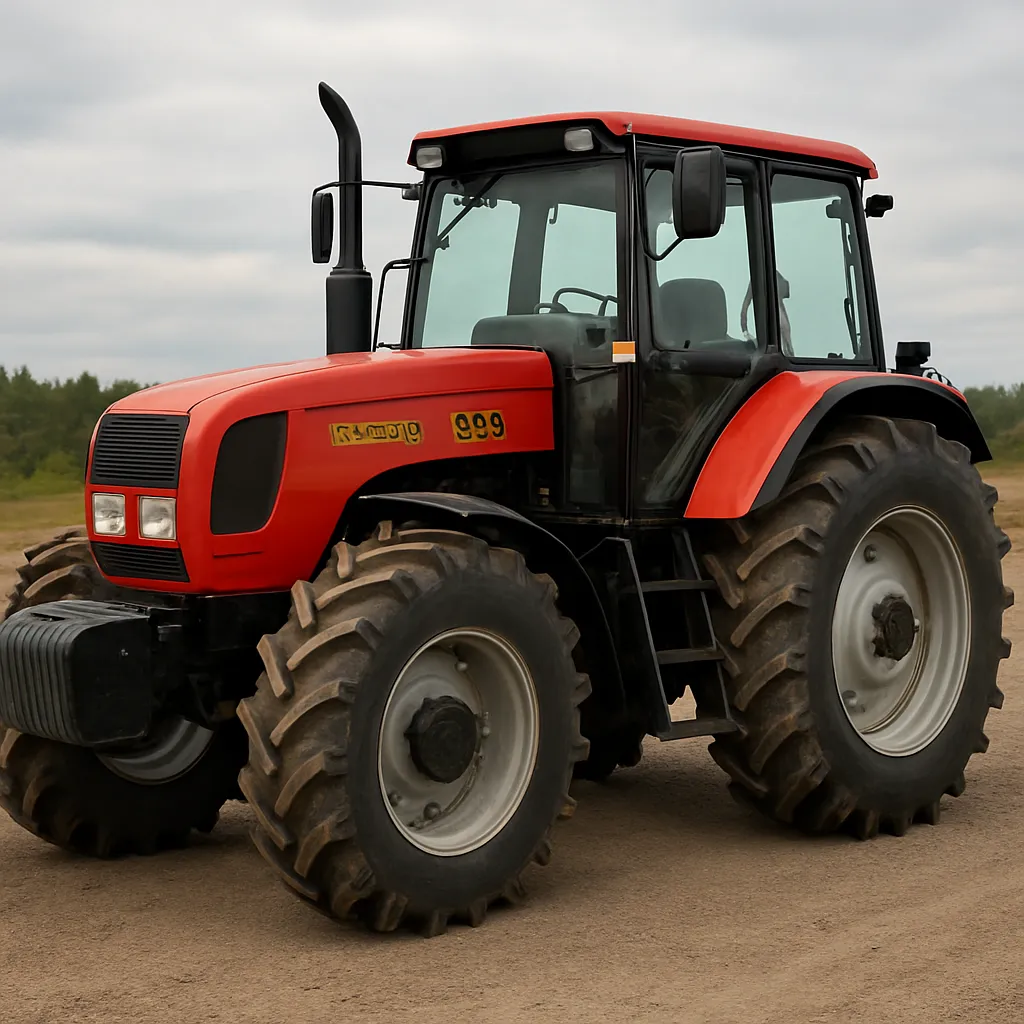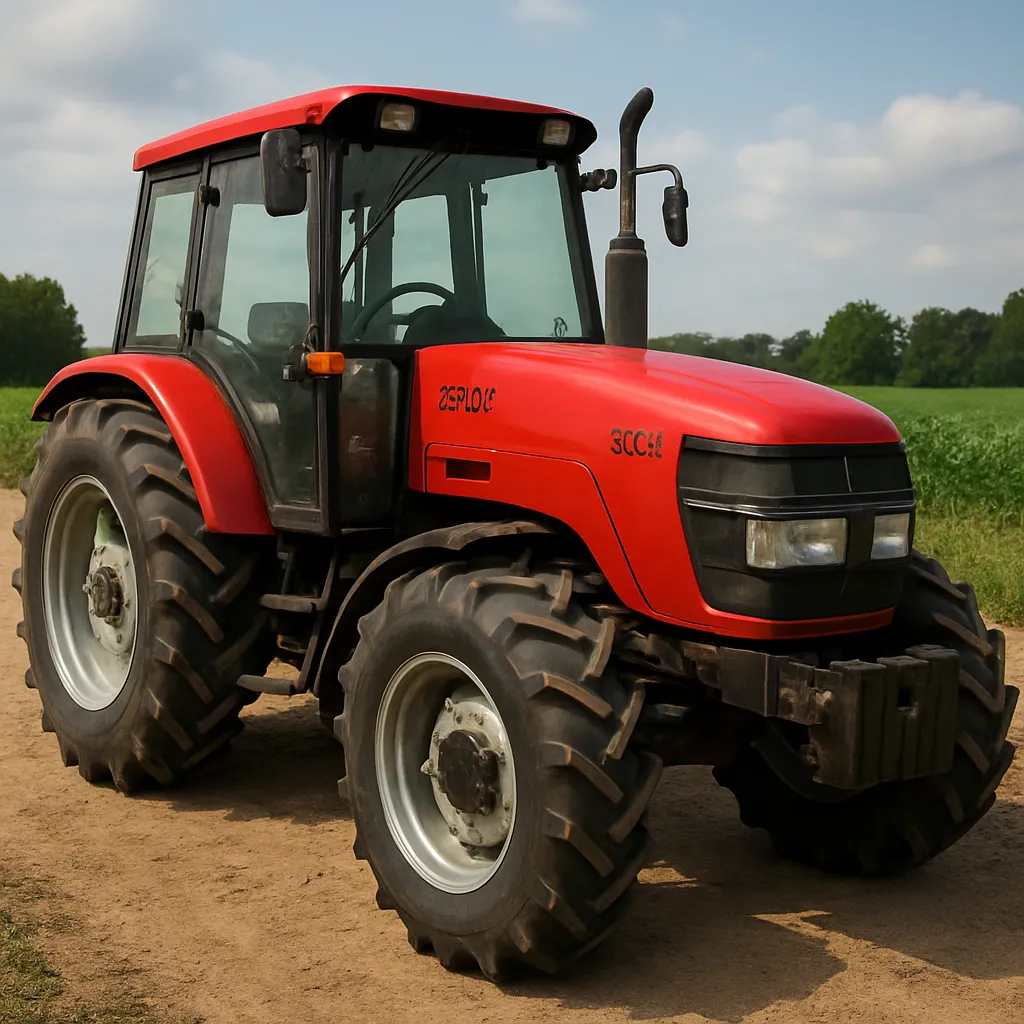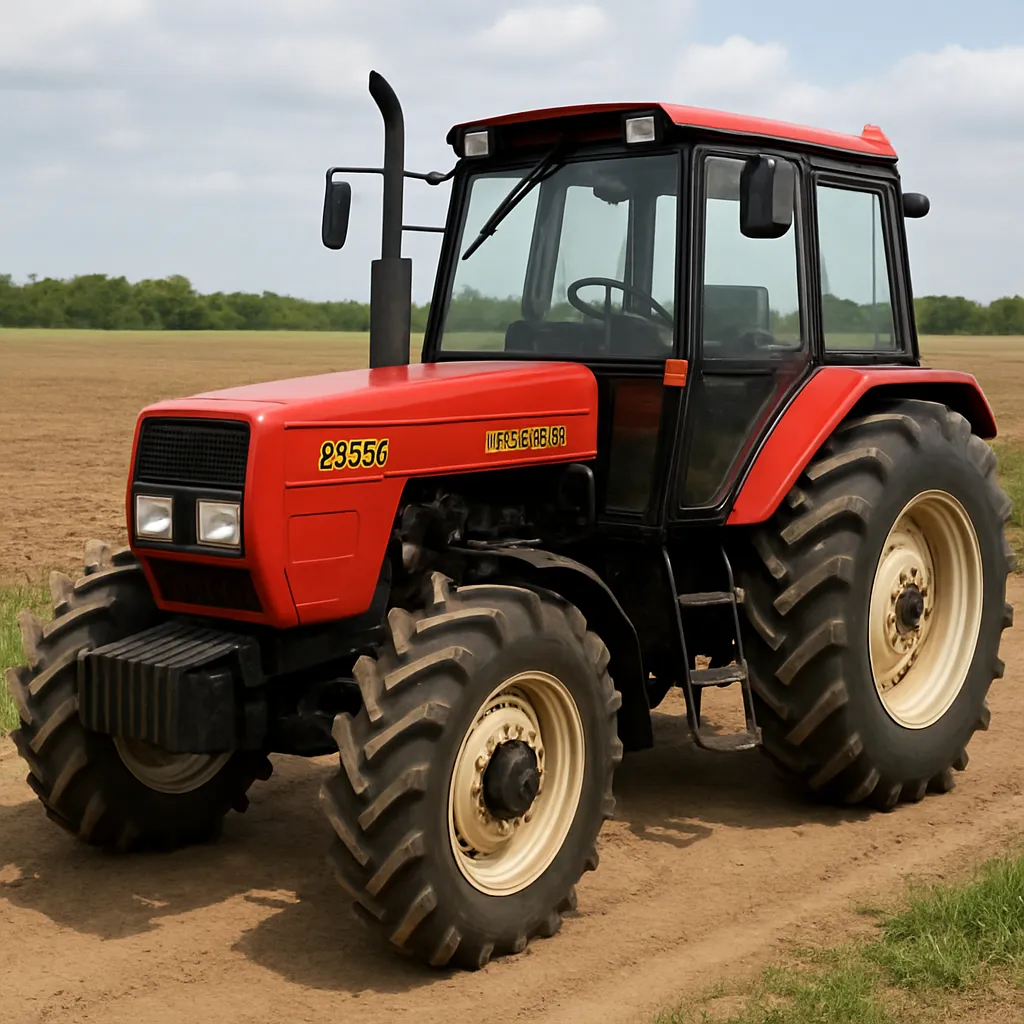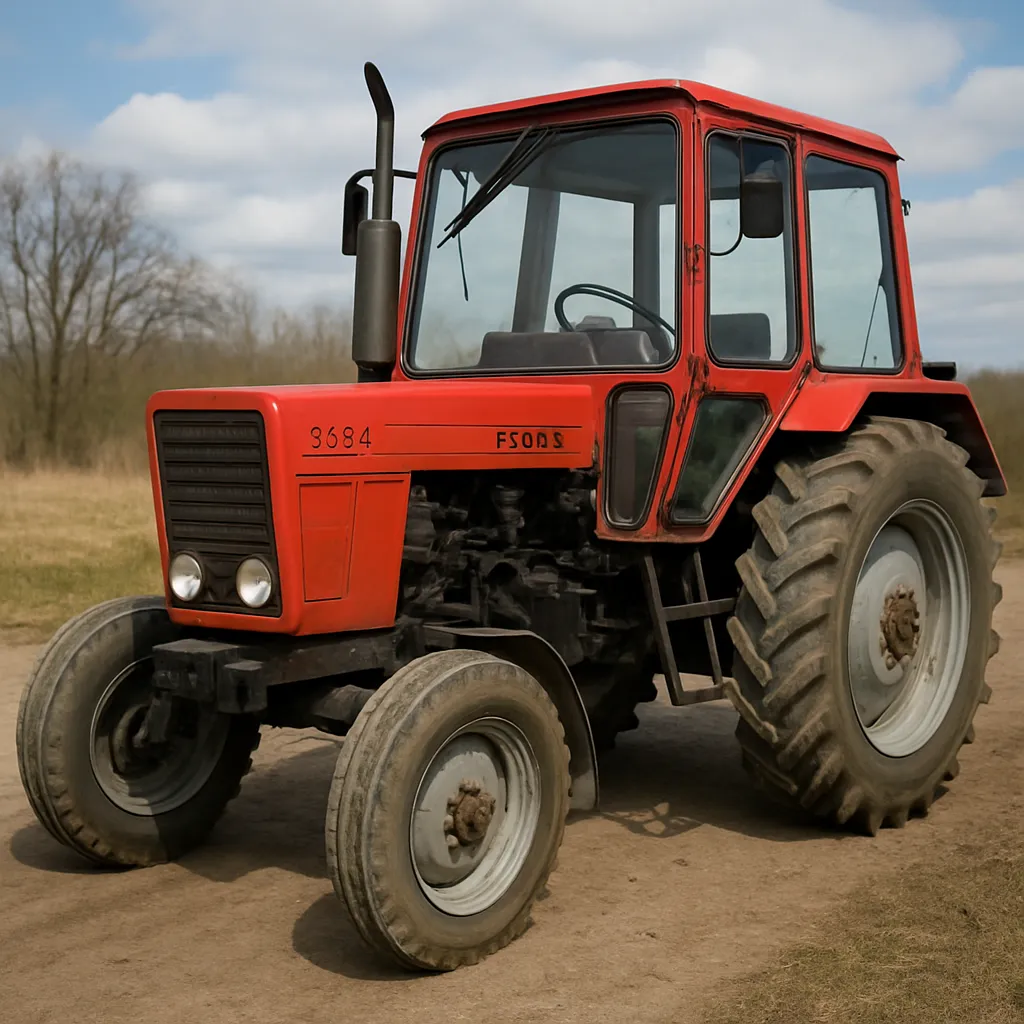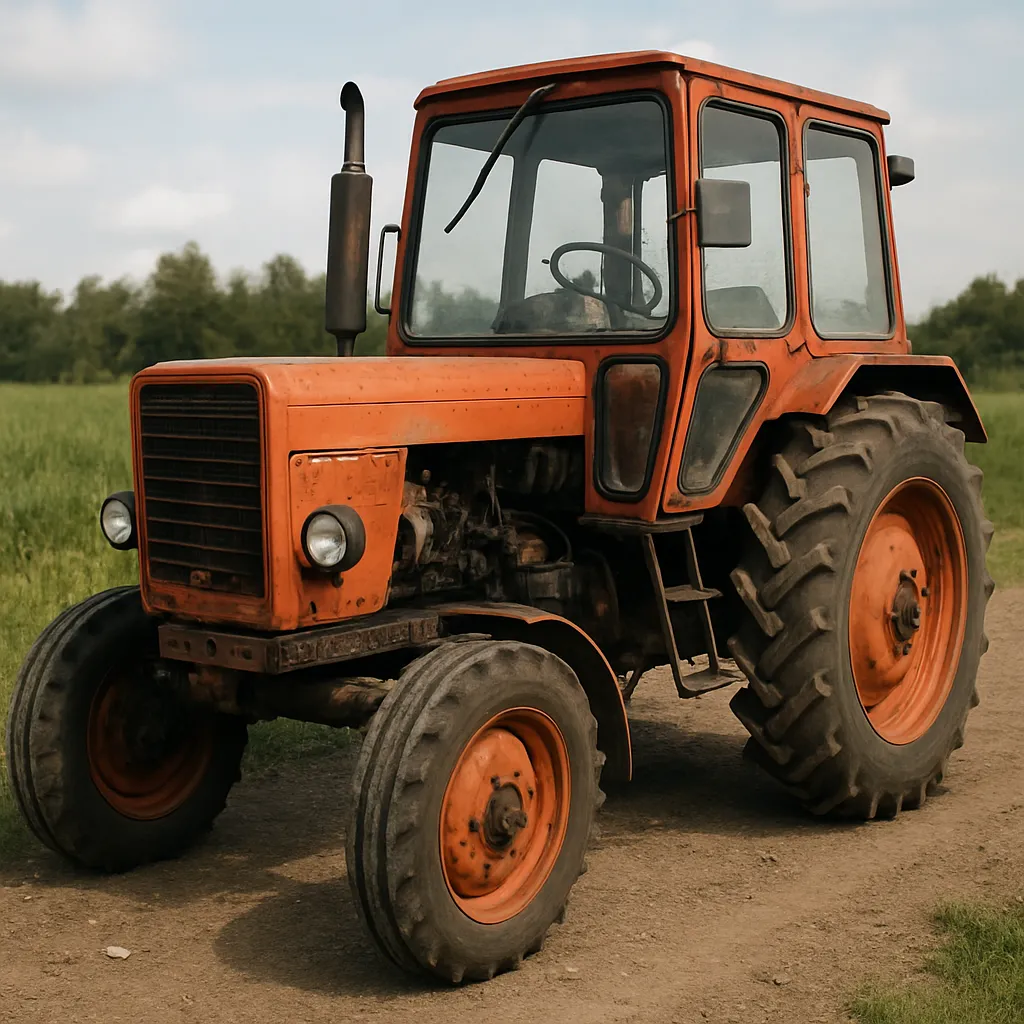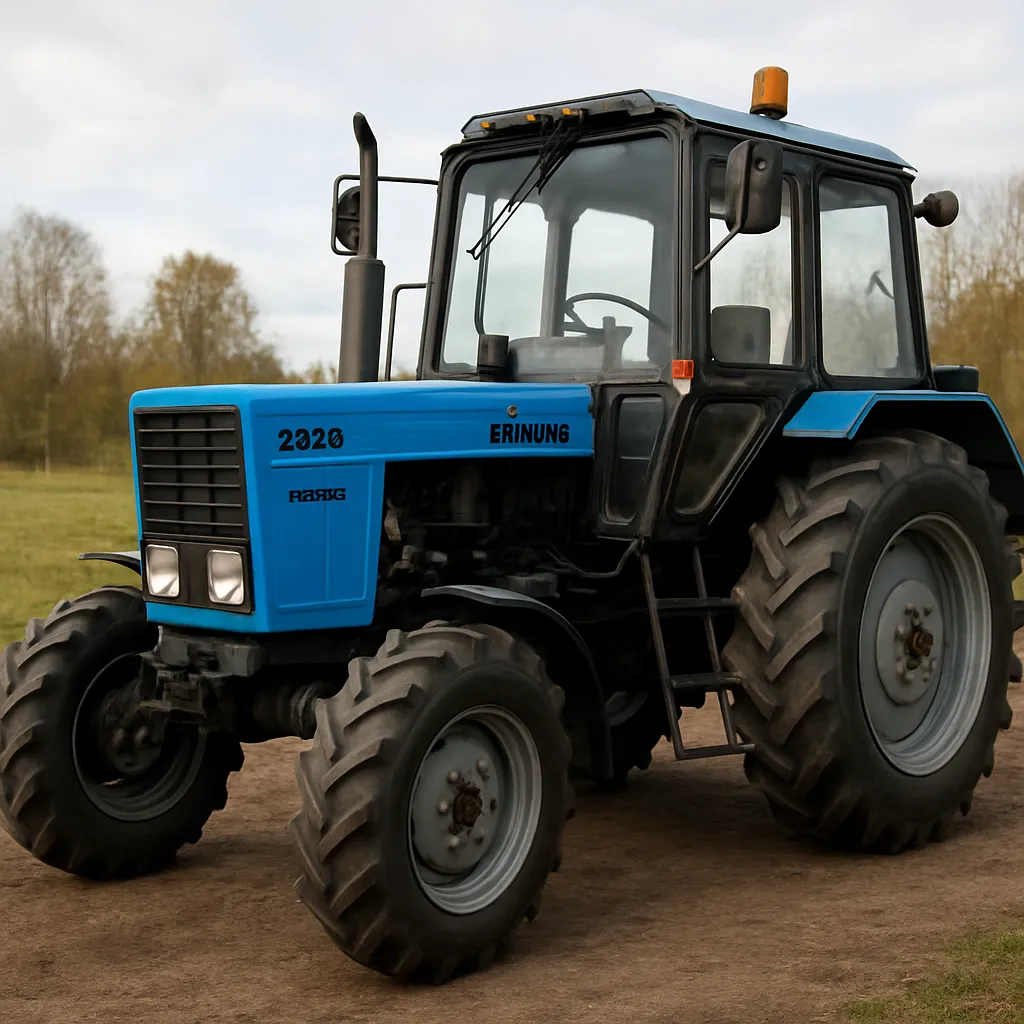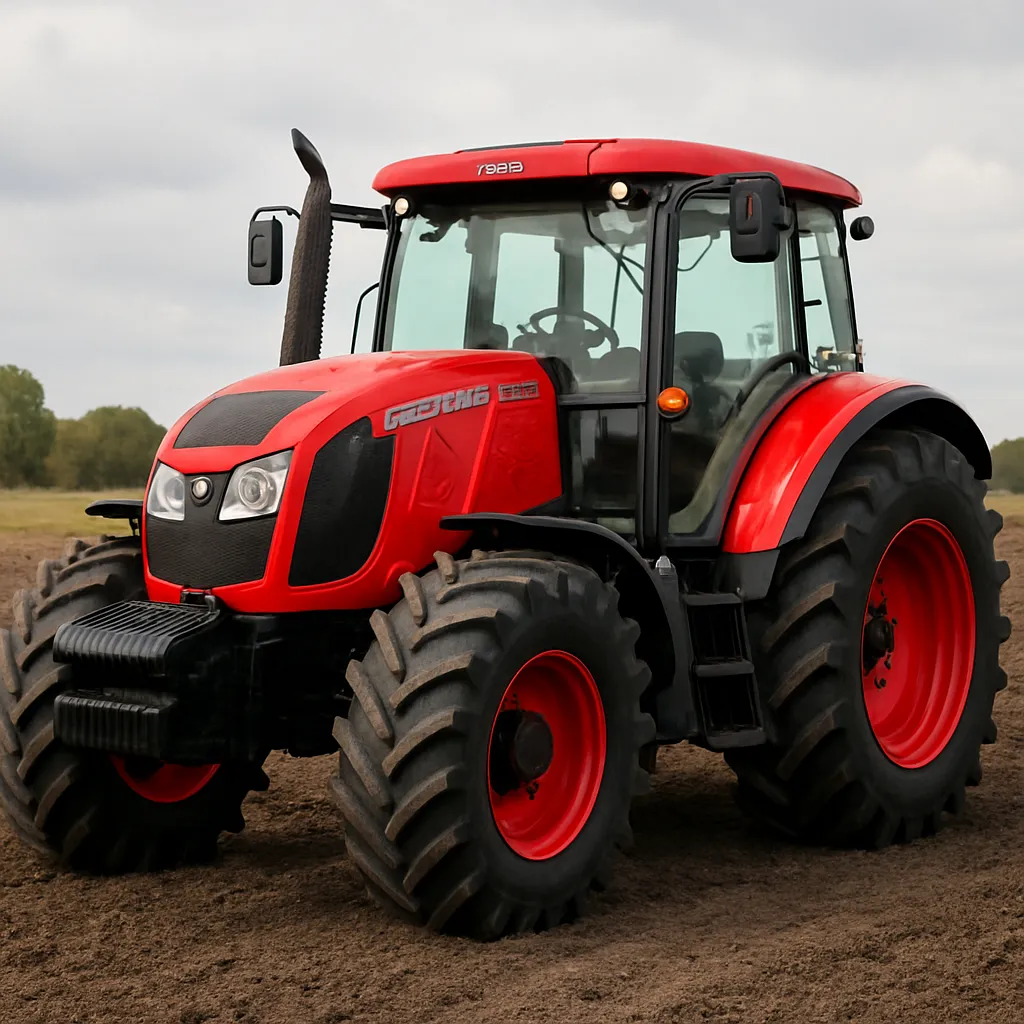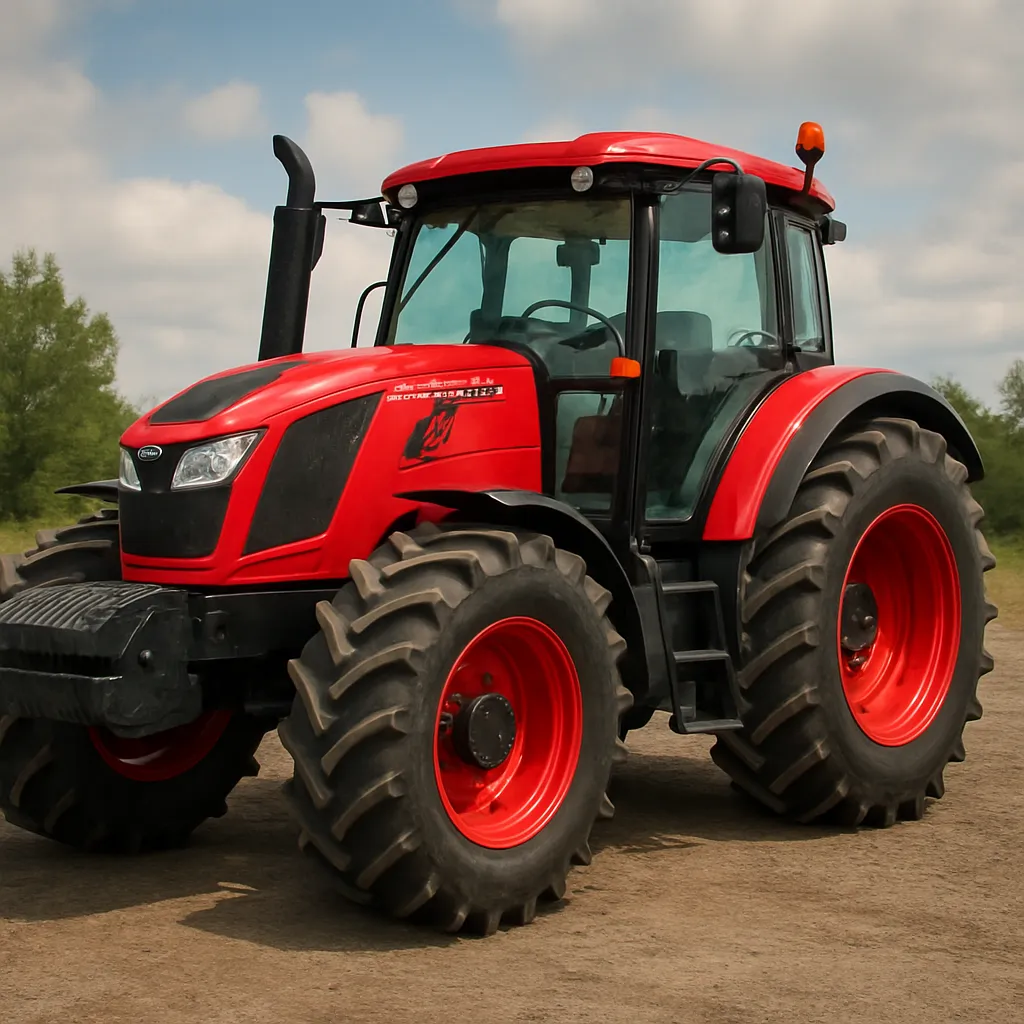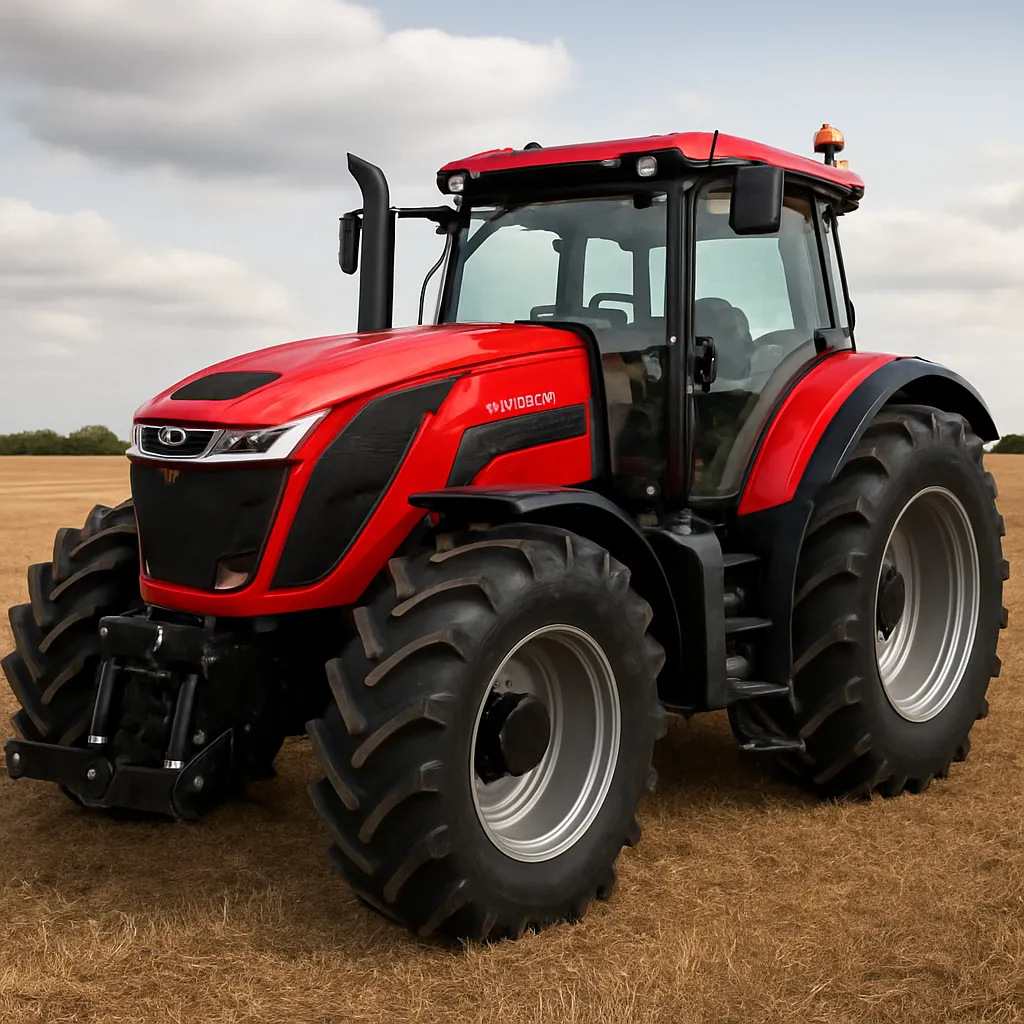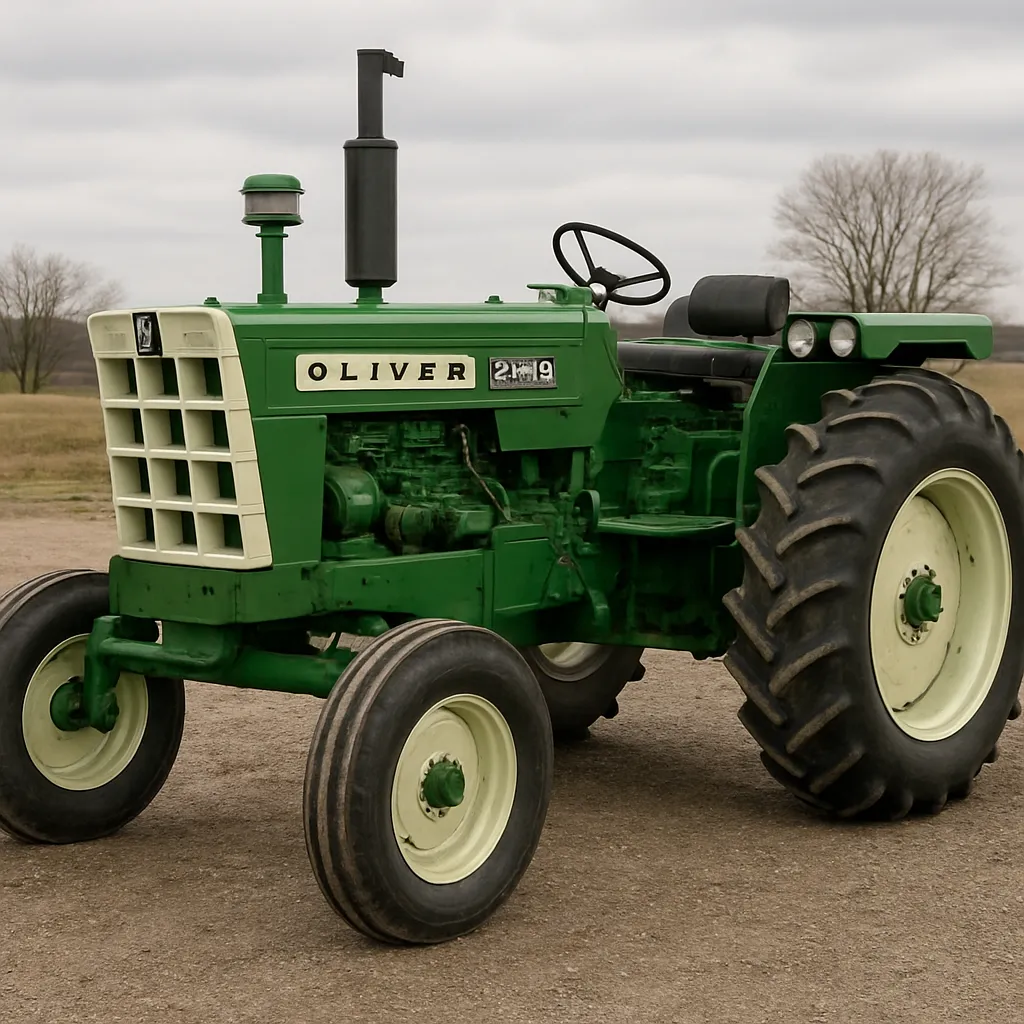
The Oliver 2255 tractor is a machine that blends mid-century agricultural engineering with practical versatility suited to a wide range of farming tasks. While not as universally famous as some of the most iconic models from larger manufacturers, the Oliver 2255 has earned a respected place among operators, restorers and small-scale farmers who appreciate its balanced design and dependable performance. This article explores the history, technical aspects, typical uses, maintenance advice and collector interest surrounding the Oliver 2255, with practical details for anyone considering operation, purchase or restoration.
History and background
The name Oliver evokes a long line of agricultural equipment produced by the Oliver Corporation and its predecessors. Over the decades the company introduced a number of models that catered to different segments of the farming market, from row-crop work to general utility tasks. The Oliver 2255 belongs to a family of tractors designed to provide a compromise between power and maneuverability, intended for medium-sized farms and contractors who needed a reliable all-around machine.
In broad historical terms, Oliver tractors emerged from consolidation and innovation in the American farm equipment industry during the 20th century. The brand is known for producing machines that were practical, well-built and often feature-rich for their class. Although the specific production timeline and factory figures for the 2255 are not as widely publicized as those for blockbuster models from larger manufacturers, the 2255 is generally regarded as a product of an era when robustness and simplicity were valued: engines that could tolerate heavy hours of service, transmissions designed for field conditions, and a chassis that allowed diverse attachments.
Collectors and historians note that models like the 2255 reflect design priorities of their time: serviceability, use of proven mechanical systems, and compatibility with implements commonly used on North American farms. The result is a tractor that remains relevant on small farms, hobby farms and in restoration circles decades after its production.
Design and technical features
Although precise factory specifications for every build variant can vary, several common design elements characterize the Oliver 2255 and its contemporaries. Understanding these elements helps to appreciate the machine’s strengths and the reasons for its sustained popularity among certain users.
Engine and powertrain
The Oliver 2255 typically features an engine designed for continuous agricultural duty. These engines are known for being robust and relatively easy to service with accessible filters, injectors (in diesel versions) and straightforward mechanical fuel systems. The engine delivers a level of power appropriate for medium-duty implements — cultivators, mowers, small loaders and balers — making the tractor a true all-purpose workhorse.
Key attributes often associated with the 2255’s powertrain include:
- Durable inline cylinder design with a focus on torque at low engine speeds, favoring traction and implement handling over high-speed horsepower peaks.
- Simple mechanical or mechanical-hydraulic fuel systems that are easier to maintain in remote locations.
- Transmissions built for field shifting and long hours; many owners appreciate transmissions that tolerate frequent directional changes and heavy loads.
Hydraulics, PTO and implements
A practical hydraulic system and a reliable power take-off (PTO) make the Oliver 2255 adaptable. The hydraulics allow the use of three-point hitch implements typical for its class, while the PTO supports rotary equipment such as mowers, rotary tillers and balers. The combination of recommended lift capacity and PTO torque places the 2255 in the category of tractors that can handle typical mid-size farm chores without requiring a larger utility or row-crop machine.
Chassis, axles and traction
The 2255’s chassis emphasizes balance and stability, with front axle choices dependent on intended use (narrow-front row-crop arrangements versus wide-front or adjustable axles for versatility). Traction systems are designed to maximize wheel-to-soil contact while preserving ground clearance and steering responsiveness. Owners often highlight the machine’s predictable handling in both field and yard environments.
Ergonomics and operator environment
Operator controls on the Oliver 2255 are typically laid out for simplicity and durability. Levers, pedals and gauges are positioned for efficient use during long workdays. While modern tractors may offer advanced comforts and electronics, the 2255’s strength lies in a straightforward cockpit that reduces potential failure points and makes mechanical troubleshooting easier for owners and repair shops.
Construction and materials
The 2255 was built with a combination of stamped steel, cast iron components in the drivetrain and robust fasteners. This construction philosophy contributes to the tractor’s longevity. Components that receive wear — bearings, seals and brake assemblies — are often available from aftermarket suppliers or salvage yards, which helps sustain the machine’s usability decades after initial manufacture.
Typical applications and farm uses
The practical versatility of the Oliver 2255 makes it suitable for a broad spectrum of agricultural and non-agricultural tasks. Owners typically employ the model for:
- Field cultivation and tillage on small to medium plots.
- Haying operations: mowing, raking and baling when matched to appropriate implements.
- Livestock farm chores: feeding, manure handling (with appropriate loaders), fence line work and small-scale hauling.
- Loader and backhoe tasks (when equipped with compatible attachments), including material handling and light excavation.
- Mowing and grounds maintenance at larger properties, estates or sports fields.
- Winter tasks on small farms such as light snow clearing using a front blade or snow blower.
The Oliver 2255’s combination of PTO capability, three-point hitch compatibility and ample low-end torque makes it effective for these varied tasks. Its size is a practical advantage in situations where a large agricultural tractor would be unwieldy, yet the operator still needs substantive capability that smaller lawn tractors and compact models cannot deliver.
Specialty and niche uses
Beyond traditional farm work, the 2255 finds secondary uses:
- Orchard and vineyard operations, where a narrower track and lower profile may be preferred.
- Municipal maintenance on light-duty jobs such as roadside mowing and park upkeep.
- Hobby and small-scale specialty farms (vegetable, berry, nursery) where rows and beds require maneuverability combined with implement power.
- Historical demonstrations and farm museums, due to its representative place in mid-century agricultural development.
Maintenance, repair and restoration
Maintaining an Oliver 2255 is an activity that many owners enjoy as part of the ownership experience. The machine’s relatively uncomplicated mechanical systems make it approachable for DIY mechanics, though some tasks will require professional shop assistance. Good maintenance stretches service life, improves resale value and ensures safety.
Routine maintenance tasks
- Regular oil and filter changes to protect engine internals and turbo components if present.
- Fuel system maintenance, including periodic cleaning or replacement of filters and checking fuel lines for degradation.
- Hydraulic fluid and filter replacement at scheduled intervals to preserve lift responsiveness and prevent contamination.
- Brake and clutch inspections with adjustment or replacement as needed—especially important for tractors used intensively or in hilly terrain.
- Cooling system checks: radiator cleaning, hose inspection and thermostat testing to prevent overheating.
- Greasing of fittings and lubrication of linkages to prevent premature wear.
Common repair issues and solutions
Older tractors like the 2255 may present wear-related problems. Typical issues include hydraulic leaks at seals, clutch slipping from heavy use, and ignition or fuel delivery troubles on gasoline variants. Many of these are well-documented and can be resolved with replacement seals, clutch relining or fuel system rebuilding. Owners report that sourcing parts may require contacting specialized suppliers or scouring salvage networks, but a healthy aftermarket exists for many Oliver models.
Restoration considerations
For collectors and enthusiasts, restoring a 2255 involves balancing originality with practicality. Decisions typically revolve around:
- Paint and badge restoration: Whether to return to original factory colors and decals or to perform a conservative, usable refurbishment.
- Mechanical overhaul vs. selective repairs: Some restorers rebuild the engine and transmission fully, while others focus on reliability improvements and cosmetic renewal.
- Replacement parts sourcing: Original parts may be scarce; reproduction panels, modern seals and compatible components from related models are often employed.
- Documentation and records: Creating a maintenance log and collecting historical paperwork increases value and aids in future service.
Market value, collectibility and community
The Oliver 2255 occupies an interesting niche in collectible tractor markets. It is not among the most expensive classic tractors, but it holds solid value among enthusiasts who prize operational examples and sympathetic restorations. Values depend heavily on condition, originality, regional demand and the presence of sought-after attachments.
Factors affecting value
- Mechanical condition: running and well-maintained tractors command a premium.
- Cosmetic condition: quality paintwork, intact decals and tidy sheet metal add appreciably to appeal.
- Completeness: presence of the original seat, dash instruments and factory implements increases collectibility.
- Documentation: maintenance records, original manuals and ownership history enhance buyer confidence.
- Regional factors: demand is higher in areas with active restoration communities or agricultural uses that match the tractor’s capabilities.
Online auction results and private sales indicate that prices can vary widely. On one end, projects in need of restoration may sell modestly, while fully refurbished, running examples with desirable attachments can achieve significantly higher prices. Because the 2255 is practical as well as historic, it attracts buyers looking both for a usable machine and for a piece of agricultural heritage.
Community and resources
Because Oliver tractors have a devoted following, owners can access a variety of resources:
- Owner clubs and online forums dedicated to Oliver and legacy-brand tractors.
- Parts suppliers that specialize in legacy agricultural equipment and offer reproduction items.
- Local tractor shows and swap meets where knowledge, parts and camaraderie are exchanged.
- Service manuals and archival schematics—often scanned and shared by enthusiasts to aid repairs and restorations.
Operating tips and safety
Safe and efficient operation of any tractor requires attention to fundamentals. The Oliver 2255 is no exception. Following manufacturer recommended procedures (where known) and observing general tractor safety guidelines will reduce the risk of accidents and extend machine life.
Pre-operation checklist
- Visual inspection for fluid leaks, tire condition and loose fasteners.
- Check fluids—engine oil, hydraulic oil, coolant and fuel levels—before each use.
- Ensure PTO shields and other guards are in place and functional.
- Confirm brakes and steering responsiveness in a safe area before working in the field.
- Review the condition and secure mounting of implements and attachments.
Field operation best practices
- Operate within the tractor’s established load and PTO capacity—overloading reduces lifespan and risks mechanical failure.
- Use correct ballasting and tire pressures for traction and stability, particularly when using heavy rear implements or front-end loaders.
- Avoid sudden turns or high-angle reversals when operating on slopes; maintain a low center of gravity when possible.
- Perform tool and attachment checks periodically during long jobs to detect mounting loosening or wear before failure occurs.
Winter and storage care
If the tractor is stored seasonally, follow winterization steps:
- Drain or treat fuel to prevent degradation.
- Protect batteries by maintaining charge or removing and storing them in a warm place.
- Clean and lubricate to prevent corrosion and stiffness in linkages.
- Cover the machine or store in a sheltered area to preserve paint and rubber components.
Conclusion and perspective
The Oliver 2255 is a representative example of a class of tractors that prioritized reliability, serviceability and practical versatility. While not the most glamorous or the most powerful machine on the market, it serves a broad spectrum of tasks well—making it a sensible choice for small-to-medium farms, hobbyists and restorers who value a straightforward, functional machine. Its enduring appeal lies in the combination of robust mechanical architecture and the availability of community support for maintenance and restoration.
For anyone considering an Oliver 2255, the most important steps are to assess mechanical condition, verify the availability of parts and support in your region, and decide whether your priority is operational utility or historical preservation. With proper care, an Oliver 2255 can remain a productive member of the farm fleet or a rewarding restoration subject for many years.
Highlighted key terms: Oliver, tractor, PTO, diesel, transmission, durability, implements, restoration, collectors, maintenance.