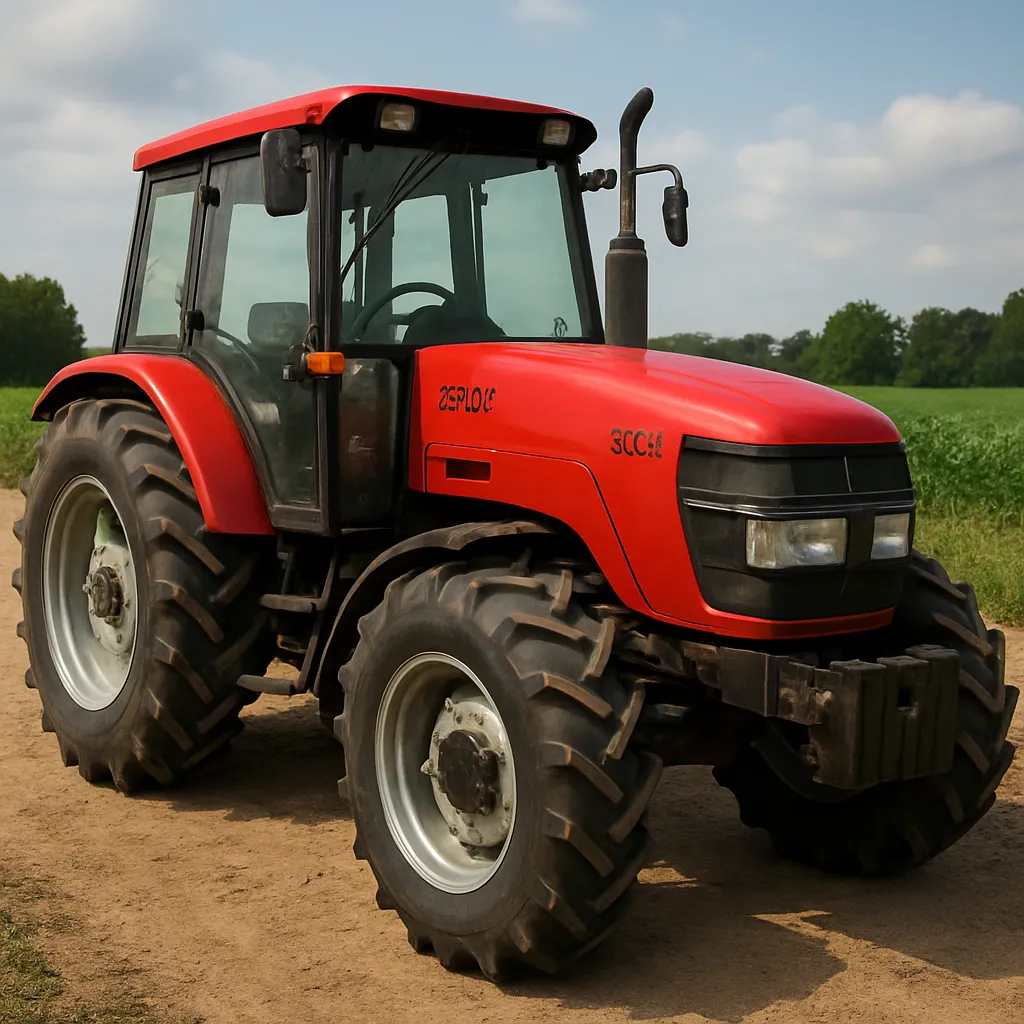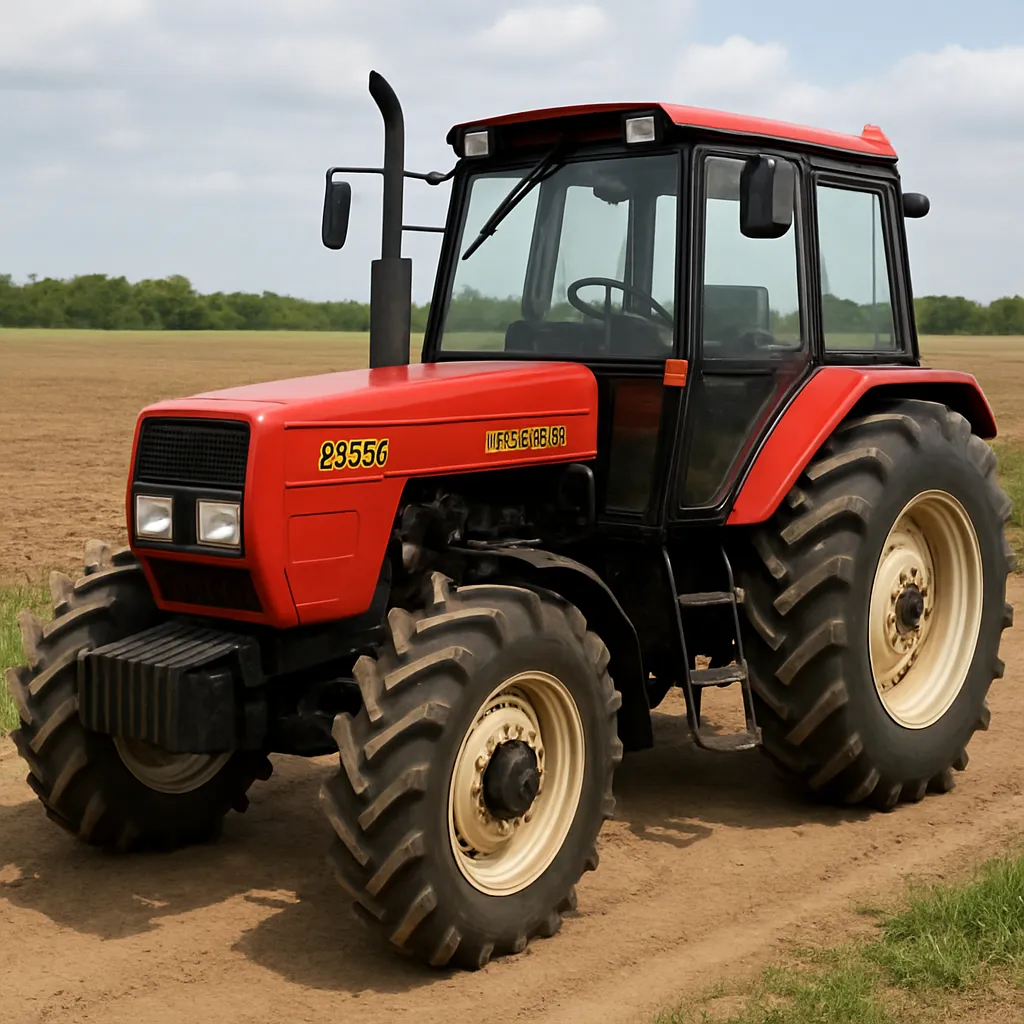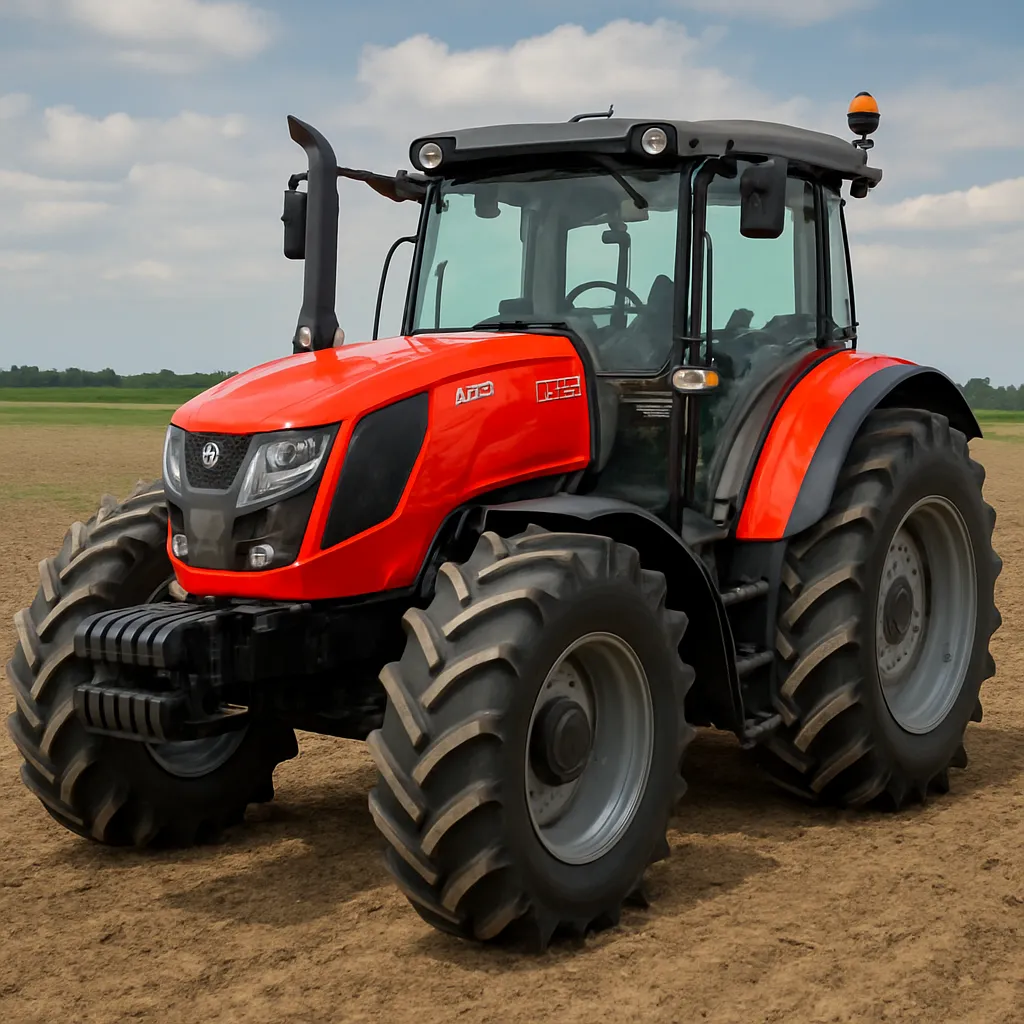
The Same Fortis 240 is a modern agricultural machine designed to bridge the needs of professional farmers, contractors, and mixed-use operators who require a combination of power, durability, and versatility. Built under the SAME brand within the SDF Group, the Fortis 240 aims to deliver dependable performance across a wide range of tasks — from deep primary tillage to precision seeding, transport and loader work. Below you will find an in-depth overview of the tractor’s practical applications, technical and operational features, maintenance considerations, and buying guidance to help you evaluate whether the Fortis 240 fits your operation.
Design and technical characteristics
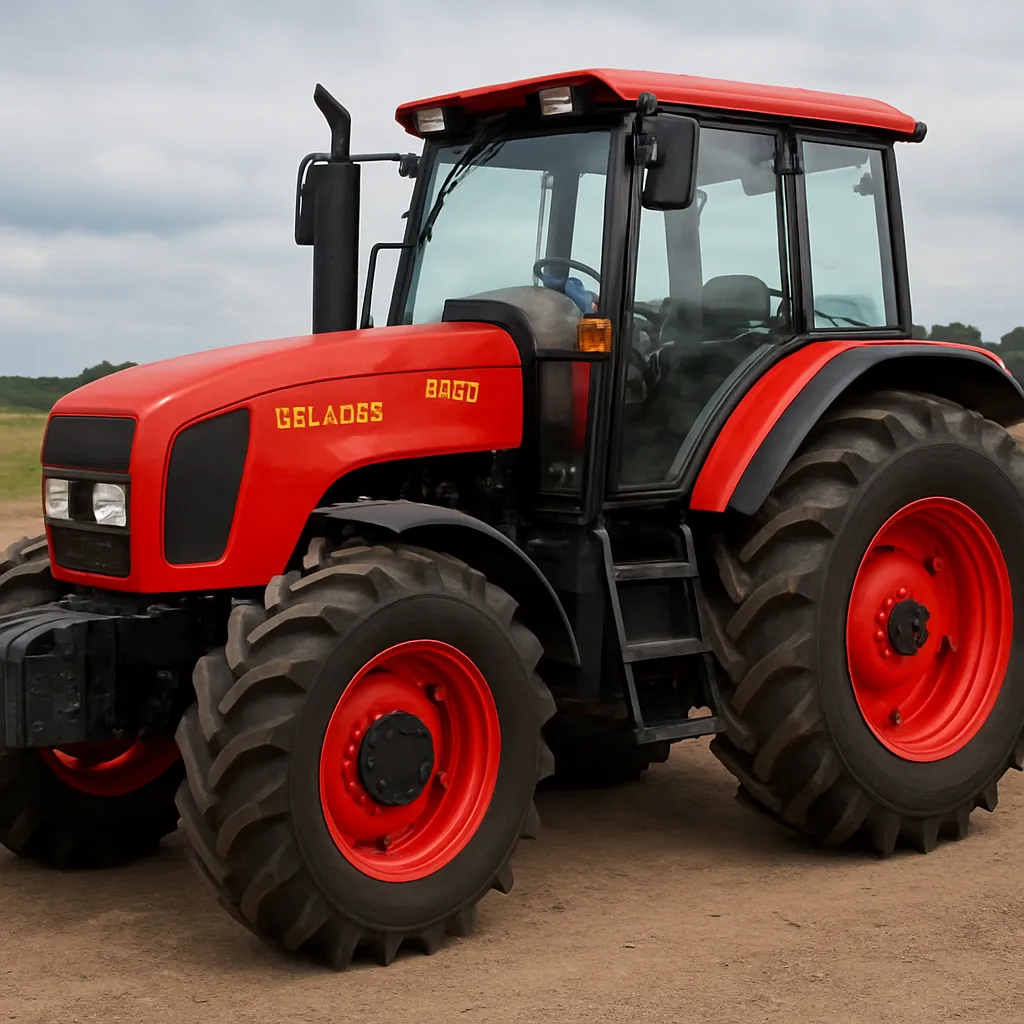
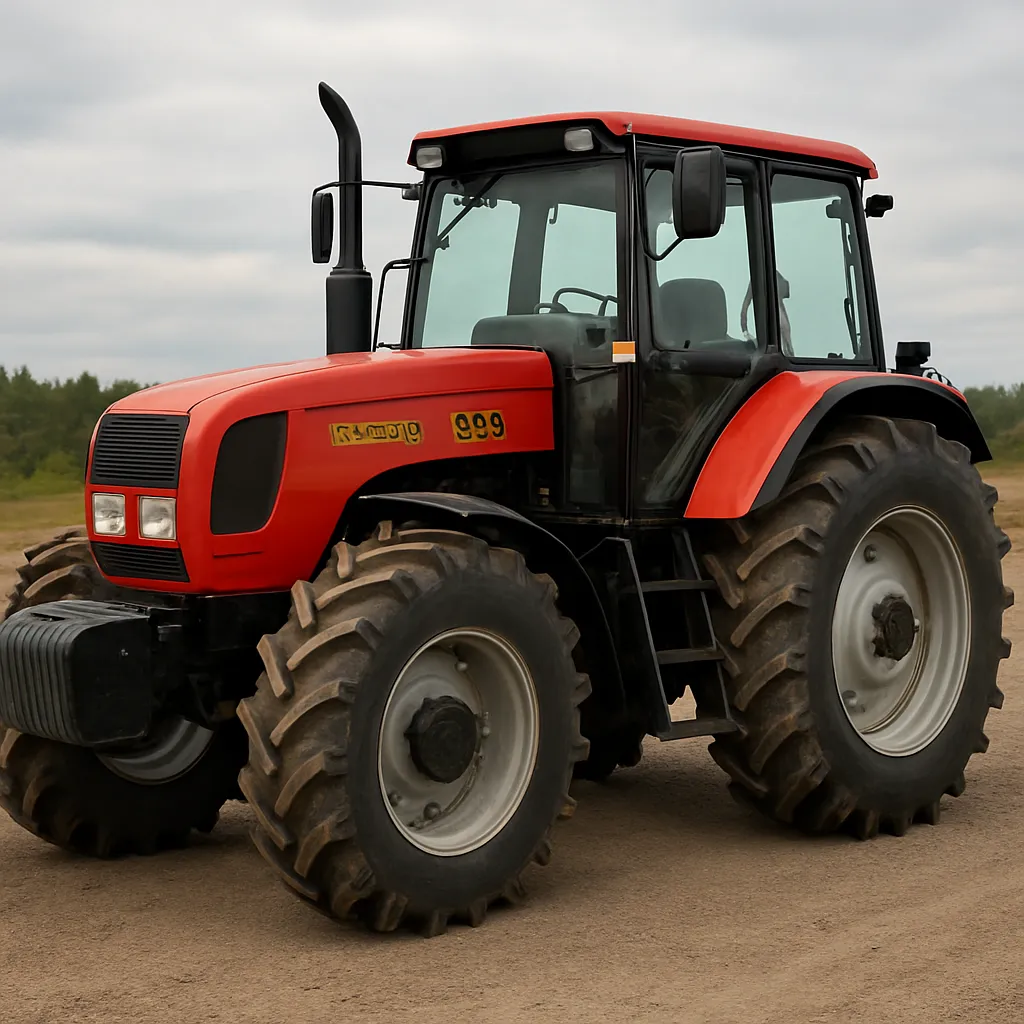
The Fortis 240 is built around a robust chassis and drivetrain intended to handle high-demand field operations. The machine’s layout follows conventional agricultural design principles — a front axle suited for four-wheel drive use, a rear linkage and PTO for implements, and a cab that focuses on operator ergonomics and visibility. As with other models in the Fortis range, the Fortis 240 balances heavy-duty construction with attention to operator comfort and serviceability.
Engine and emissions
The tractor is powered by a diesel engine developed to offer steady torque for pulling large implements and maintaining forward momentum under load. The power band favors mid-range torque to ensure efficient draft control and fuel economy during common field tasks such as ploughing, cultivating, and bale handling. The engine and exhaust aftertreatment comply with contemporary emissions regulations in most markets, which typically means adaptations for stages of emissions control (for example, the relevant regional standards such as EU Stage V where applicable). Features such as turbocharging, intercooling, and an optimized fuel injection system help deliver reliable combustion and consistent performance in varied conditions.
Transmission and driveline
Transmission options on tractors in this class are commonly offered to suit different operator preferences and tasks. The Fortis 240 can be configured with several transmission types — from synchromesh gearboxes to more advanced power-shuttle or powershift units, and in some markets even continuously variable transmission (CVT) style solutions for smoother speed control and fuel-efficient operation. A robust driveline and optional front suspension on the axle improve traction and ride comfort when hauling implements or driving on public roads.
PTO, hydraulics and linkage
Essential elements that make the Fortis 240 a versatile implement carrier are the PTO system, hydraulic capacity, and rear hitch. Typical configurations include multiple PTO speed options (commonly 540/1000 rpm or equivalent choices) and a rear three-point linkage capable of lifting heavy mounted implements. The hydraulic system is designed to support modern machinery: multiple remote valves, proportional flow control, and sufficient flow rates to operate large planters, sprayers, loaders and other hydraulically driven equipment. Electronic draft control and advanced hitch regulation systems may be available to support precision cultivation and seeding operations.
Applications and field performance
The Fortis 240 is intended for a broad spectrum of tasks on medium-to-large farms, contractor fleets, and estate operations. It shines where sustained tractive power, dependable hydraulics, and strong implement compatibility are required. Below are the primary areas of use and operational strengths.
Primary tillage and soil preparation
When paired with appropriate ploughs, discs, or cultivators, the Fortis 240 provides the torque and stability necessary for deep primary tillage. A combination of strong pulling capability and available ballasting options allows the tractor to maintain traction in heavier soils while keeping implements at the correct working depth.
Seeding and precision work
Modern seeding and planting operations demand smooth power delivery and precise control. With electronic hitch control, dependable hydraulic flow, and a steady PTO output, the Fortis 240 supports planters and seed drills that require consistent ground speed and minimal power fluctuation. Operators can pair the tractor with seeders, strip-till rigs, or direct-drilling units for improved field efficiency.
Hay and forage operations
For baling, mowing, and forage harvesting support, the Fortis 240 offers the lift capacity and hydraulic performance needed to run balers, mowers, tedders, and loaders. Quick response from the hydraulics and robust PTO allow timely and synchronized implement operation, which matters most during narrow weather windows for haymaking.
Loader and livestock farm duties
Loader work — bedding management, feed distribution, manure handling — is a common use for tractors in this horsepower bracket. The Fortis 240’s frame, front loader compatibility, and visibility from the cab make it suited for intensive daily loader cycles. Close-coupled loader packages and factory-fitted options reduce setup time and enhance reliability for demanding livestock farm tasks.
Contracting and municipal work
Contractors and municipal fleets require tractors that can serve many roles: towing trailers, powering road-sweeping or roadside mowers, and pulling heavy equipment. Fortis 240’s robust service intervals, straightforward maintenance points, and availability of heavy-duty attachments make it attractive for such multi-purpose fleets.
Operator comfort, safety and electronics
Same places emphasis on operator comfort and ergonomics, recognizing that continuous operation during long field days demands a cab that reduces fatigue and improves productivity.
Cab and controls
The cab layout typically focuses on an intuitive operator station: easy-to-reach controls, clear instrument clusters, adjustable seating, and effective climate control. A well-designed cab helps maintain concentration and reduces physical strain during long operating hours, while good sightlines to the front, sides, and rear help with precision implement placement and loader tasks.
Safety systems
Standard safety equipment may include rollover protection structures integrated into the cab, reliable braking systems, work lights for night operations, and emergency shut-offs. Optional features often extend to advanced monitoring systems that track engine load, hydraulic oil temperature, and other vital parameters to prevent downtime and protect the machine.
Telematics and precision farming
Many modern tractors are factory-ready for telematics and precision farming interfaces. The Fortis 240 can be fitted or retrofitted with GPS-ready guidance systems, ISOBUS-compatible displays for implement control, and telematics modules for remote diagnostics and fleet management. These systems increase efficiency by enabling auto-guidance, section control, and precise documentation — features increasingly important for optimized input use and compliance with farm-recording requirements.
Maintenance, reliability and running costs
Tractors in this class are engineered for heavy use; uptime and maintenance simplicity are therefore critical. The Fortis 240 focuses on easy access to service points, modular components for quick replacement, and maintenance intervals designed to minimize downtime.
- Engine servicing intervals are designed to balance longevity and operational availability; filters and fluids are typically grouped for quick access.
- Hydraulics and linkage points include accessible filters and mating surfaces for straightforward troubleshooting and repairs.
- Transmission oil checks and clutch adjustments (if present) are simplified by clear service guidelines from the factory.
Running costs are influenced by fuel consumption, maintenance intervals, parts affordability, and dealer network availability. SAME’s reputation for durable construction, combined with the wider SDF group support infrastructure in many regions, helps reduce total cost of ownership through improved parts availability and service support.
Market positioning and comparison
The Fortis 240 is generally placed as a high-capacity utility tractor within the SAME lineup — aimed at those who need a machine that balances brute force with technological support. Against competitors, the Fortis series competes on build quality, value for money, and the practical mix of features rather than just headline specifications.
Strengths
- Versatility — suited to many different farm tasks and implement combinations.
- Reliability — built with an emphasis on robust components and simple serviceability.
- Operator comfort — cab and controls designed for long shifts and repeatability.
Considerations
- Final specification options (transmission type, hydraulic flow, cab extras) can significantly change the machine’s cost and suitability for particular tasks.
- Access to local dealer and parts network should be evaluated before purchase, as local support affects uptime and running cost.
Buying considerations and tips
Prospective buyers should evaluate the Fortis 240 against their operational needs by considering implement compatibility, the tasks most frequently performed, and the expected annual hours of operation. Important pre-purchase checks and considerations include:
- Confirm the exact engine power and torque curve offered for the Fortis 240 variant you are considering and how it matches the implements you will use.
- Choose a transmission that aligns with your typical field work: powershift or CVT for frequent speed changes and transport; mechanical or synchronized for simpler, robust operation.
- Verify hydraulic flow rates, number and type of remote valves, and hitch lift capacity to ensure compatibility with modern implements.
- Assess cab options and ergonomics, especially if the tractor will be used for long periods daily.
- Check local after-sales service, warranty terms, and parts availability through your regional dealer network.
Environmental impact and regulatory context
Modern tractor design, including that of the Fortis 240, pays attention to emissions limits and fuel efficiency. Engines are fitted with aftertreatment systems appropriate to their target markets to comply with regional standards. Additionally, advancements in fuel injection, turbocharging, and adaptive engine controls support more efficient fuel use and lower emissions during typical field cycles.
Summary and practical verdict
The Same Fortis 240 is a capable and adaptable tractor option for medium-to-large farms, contractors, and mixed-use operators. It emphasizes dependable power delivery, effective implement integration, and operator comfort. Key strengths include a strong chassis and driveline, practical hydraulic and PTO arrangements, and a cab designed for daily heavy use. Potential buyers should carefully review the specific configuration offered in their market — particularly engine tuning, transmission type, and hydraulic specifications — to match the machine to their operational profile.
Overall, the Fortis 240 represents a balance of performance and practicality for users who need a solid, serviceable tractor that can handle a wide variety of agricultural and municipal tasks without unnecessary complexity.