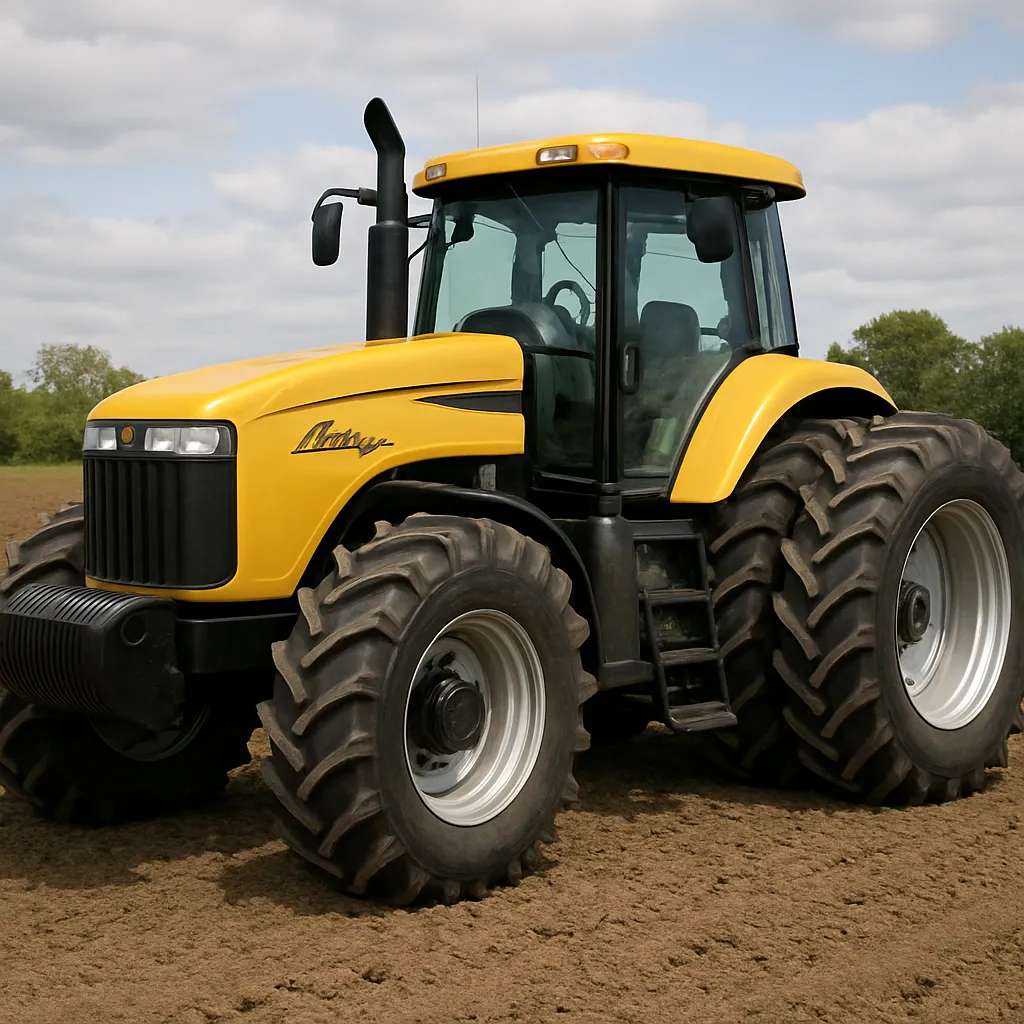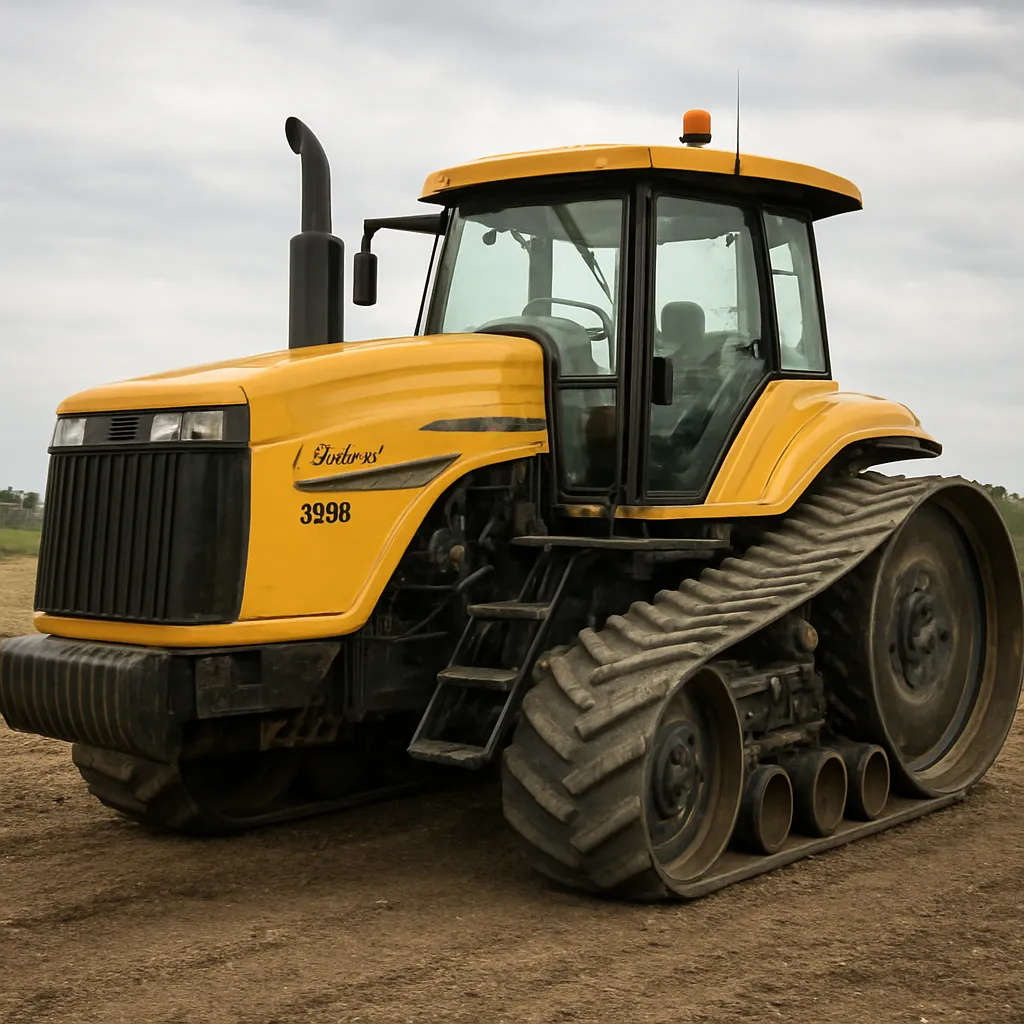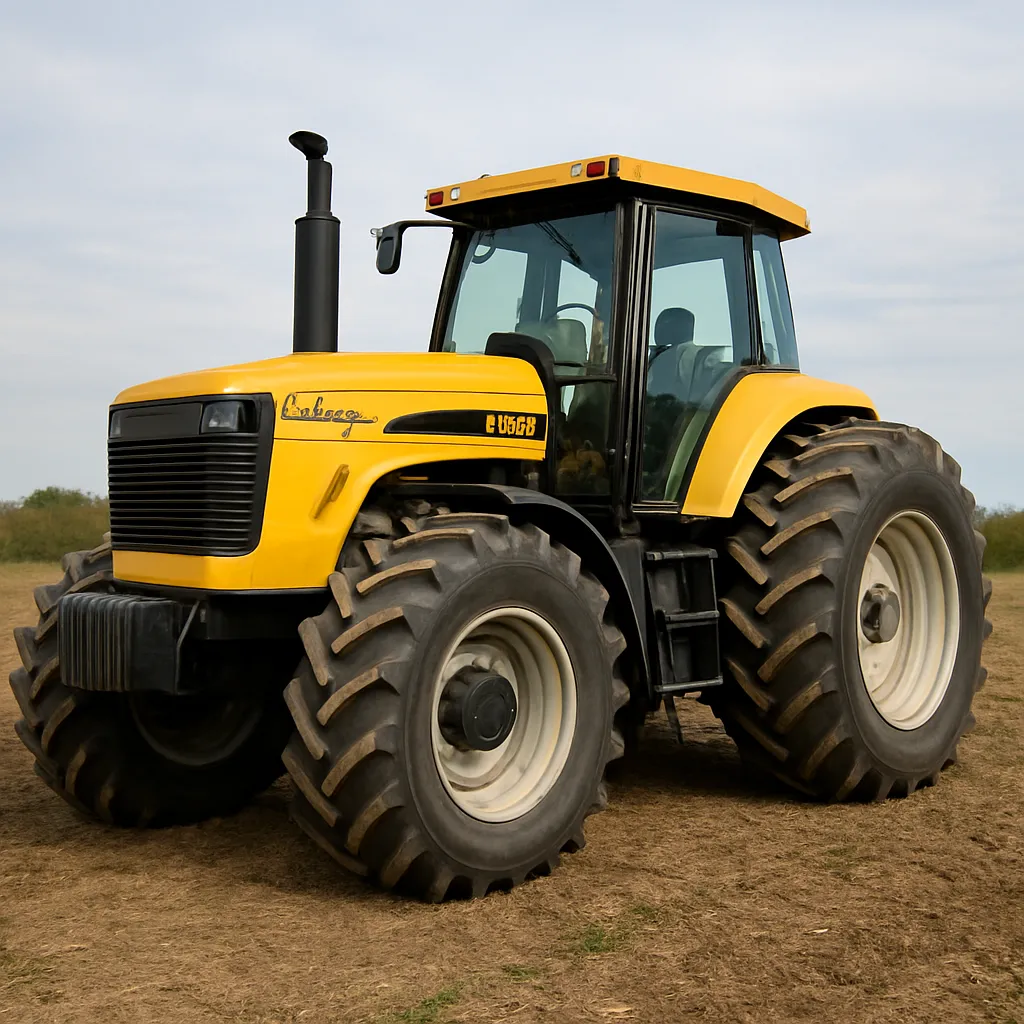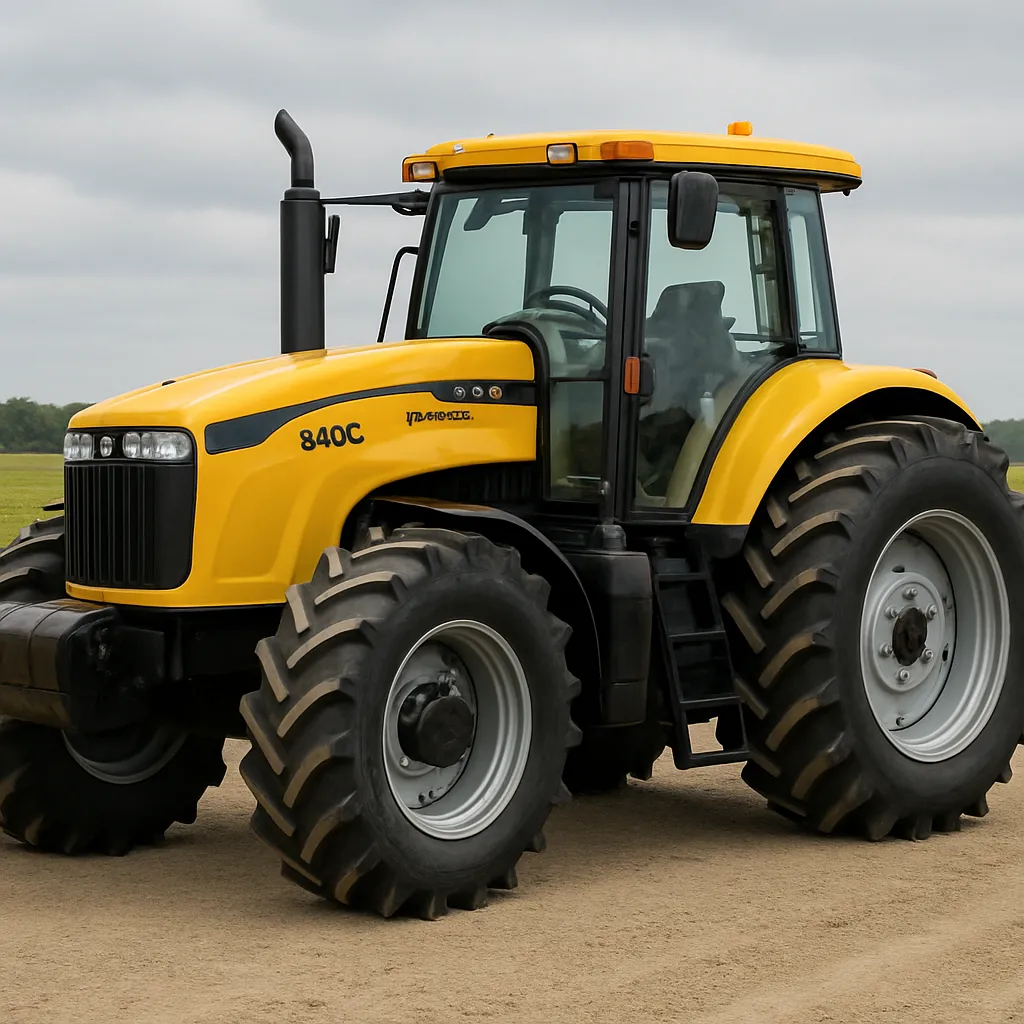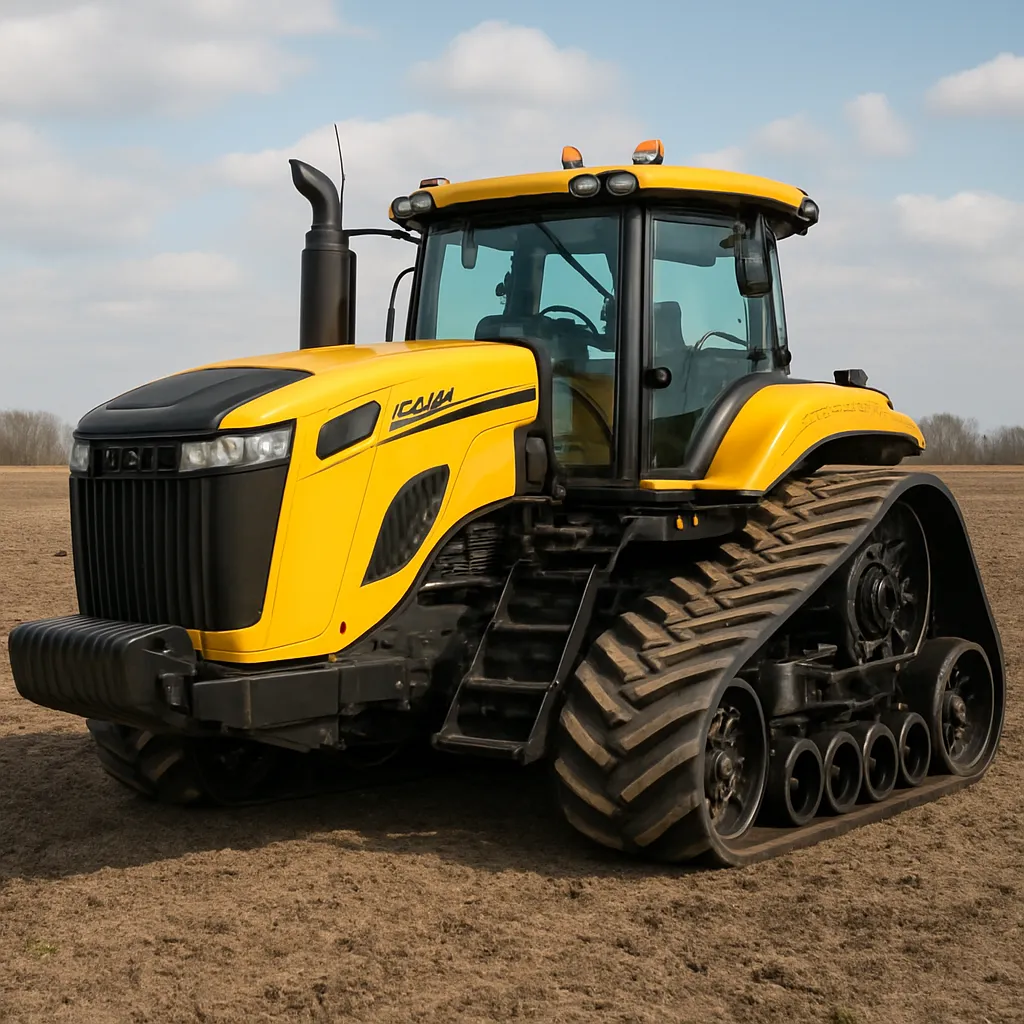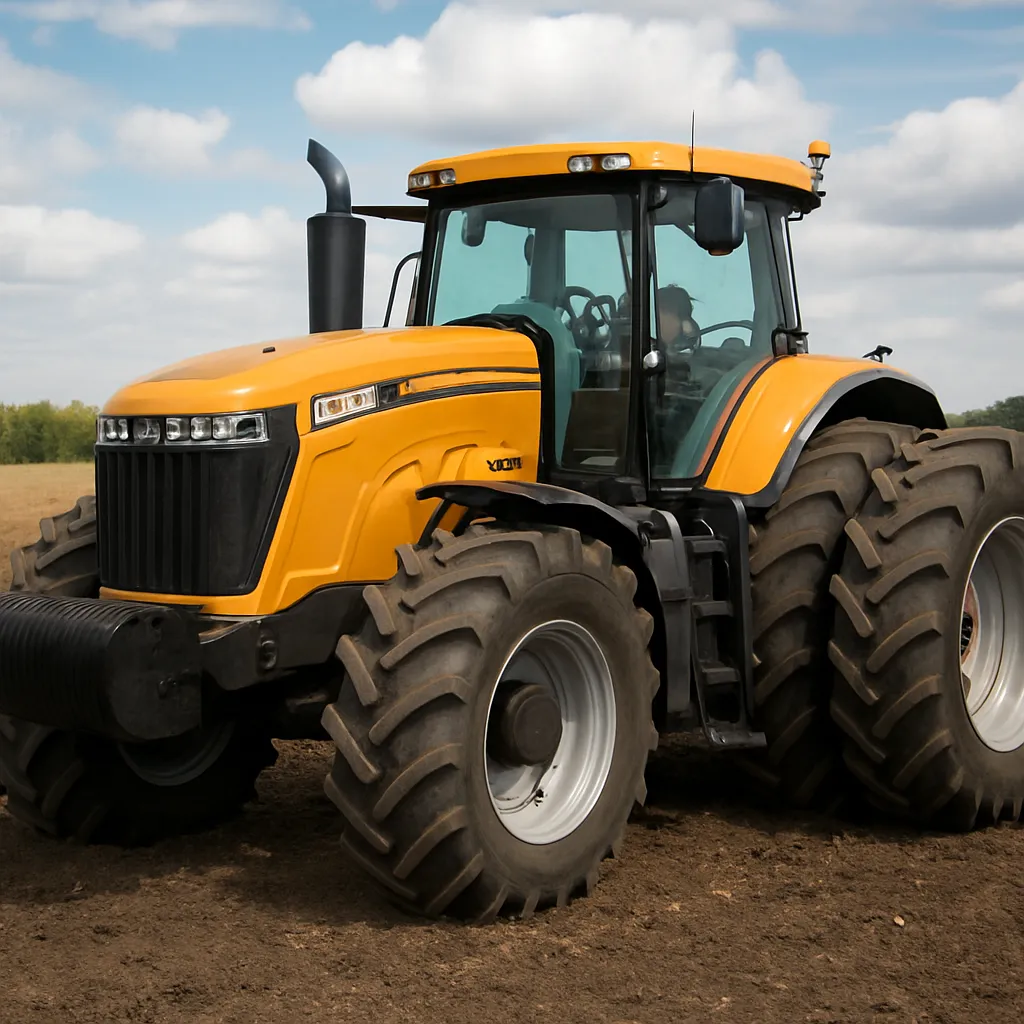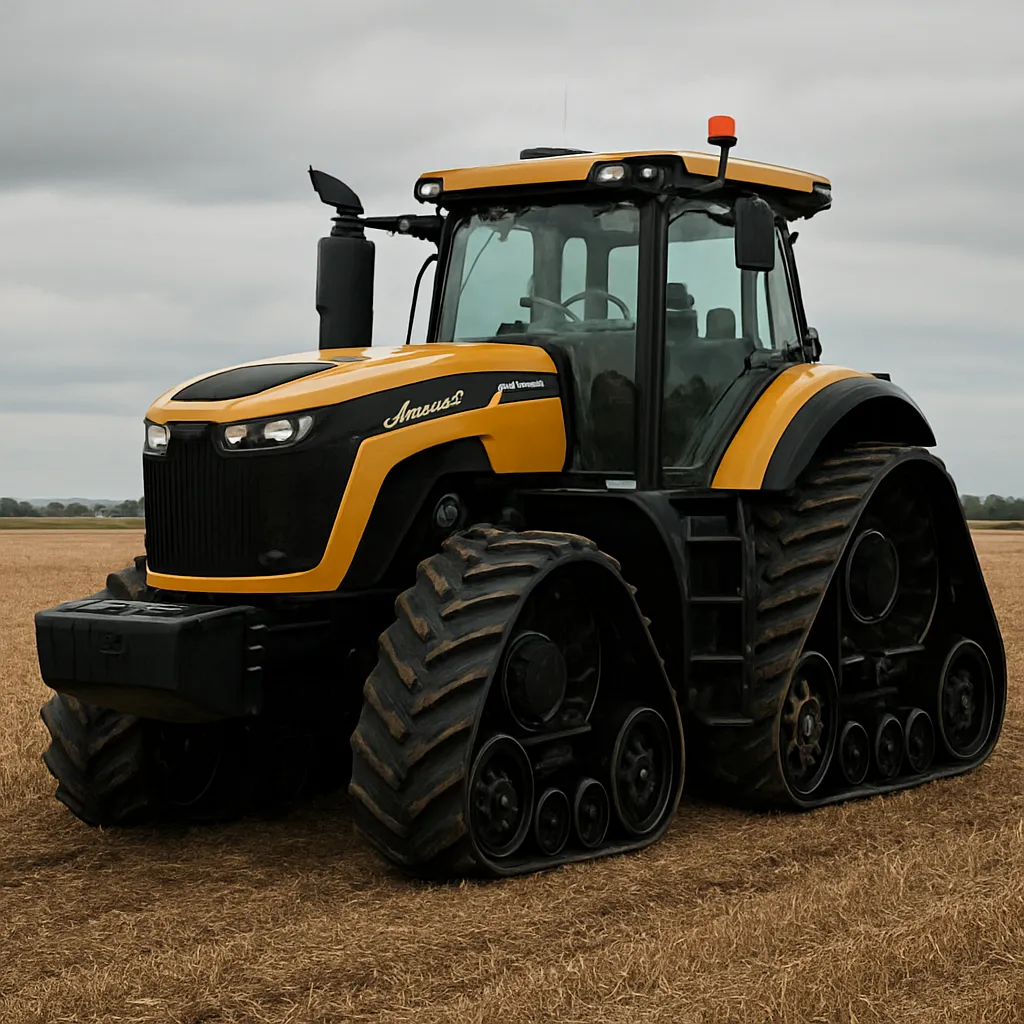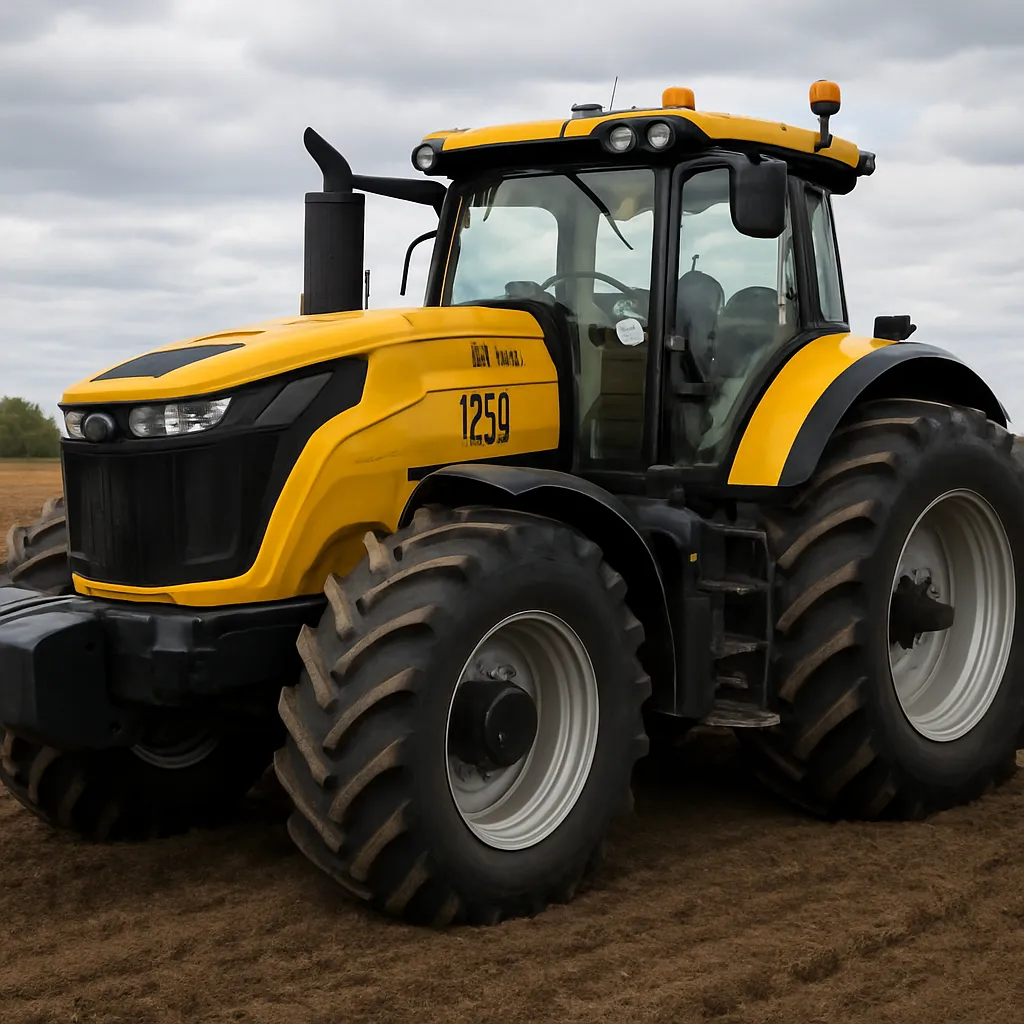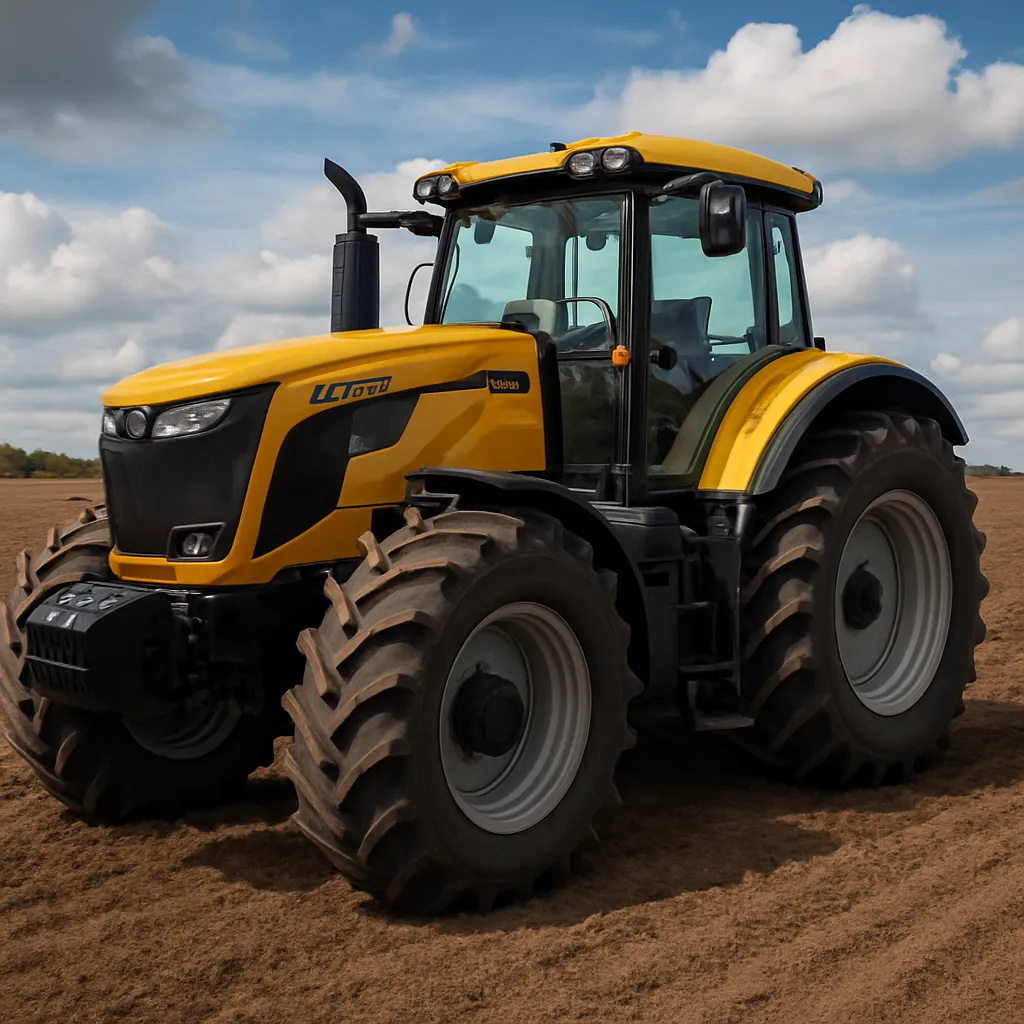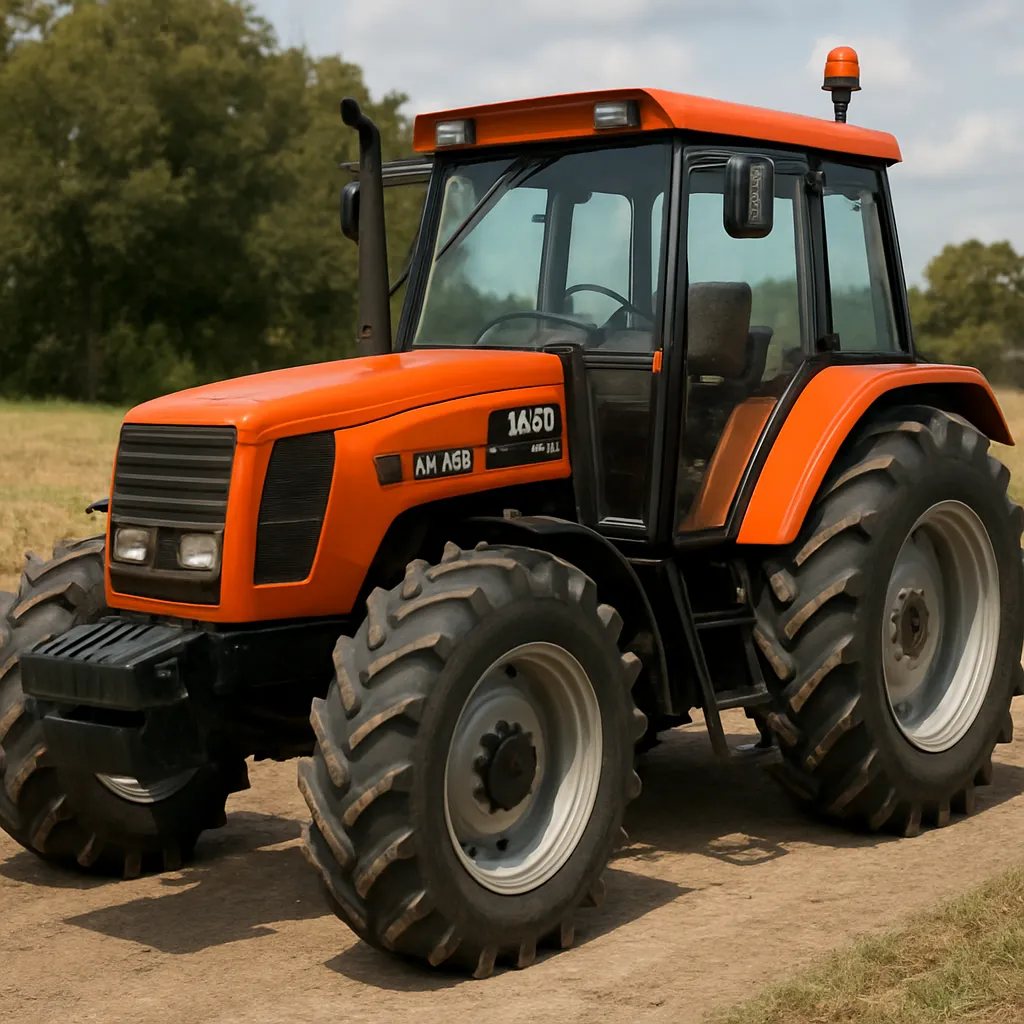
The Ursus 2144 is a widely recognized name among farmers and small- to medium-sized agricultural operators in Central and Eastern Europe. Built on a tradition of compact, robust tractor design, the Ursus 2144 serves a variety of tasks across arable farms, livestock operations, orchards and garden nurseries. This article explores the tractor’s design philosophy, typical technical characteristics, practical applications, maintenance considerations and its role in regional agriculture. Where precise numerical specifications are uncertain or vary by year and configuration, ranges and typical values are provided to give a realistic picture of performance and capability.
Design and technical characteristics
The Ursus 2144 was conceived as a practical, no-frills working machine with emphasis on durability and ease of service. Its construction reflects the needs of farmers who require reliable performance in diverse field conditions. The chassis and drivetrain are built to withstand repeated towing, ploughing and attachment use, while keeping routine repairs accessible to local mechanics.
Powertrain and engine
- The tractor is powered by a diesel engine designed for torque delivery at low to moderate engine speeds. This characteristic aids traction work and implement operation where steady pulling power matters more than high top speed.
- Typical engines found in this class of Ursus tractors are 3- or 4-cylinder units with naturally aspirated or turbocharged variants available depending on year and market. These engines prioritize durability and straightforward serviceability over complex electronics.
- Expected power output for machines like the 2144 usually falls into the compact-to-medium range. Depending on configuration, the engine horsepower is commonly in a band that makes the tractor suitable for tasks such as ploughing small fields, mowing, baling and loader work.
Transmission and driveline
One of the strengths of the Ursus design is a mechanical transmission offering multiple forward and reverse gears, enabling operators to select an appropriate speed for precise ground-engaging tasks. Many units come with a synchronized gearbox for easier shifting under load. A durable rear axle and a simple link to power take-off (PTO) enable compatibility with a wide array of implements.
Hydraulics and lifting capacity
Hydraulic systems in the Ursus 2144 class provide dependable lift and flow for three-point mounted implements and optional front loaders. The hydraulic lift capacity is intended to match the tractor’s size and typical implement weights—sufficient for medium ploughs, mowers, seeders and post-hole diggers. The simplicity of the hydraulic circuits makes repairs and modifications fairly straightforward for operators and service workshops.
Cabin, ergonomics and operator comfort
Cab layout typically focuses on functionality: clear instrument clusters, easy-to-reach levers and a seating position that allows good visibility over implements. In cold climates, enclosed cabs with heating are available; in other configurations, an open station or roll-over protection frame (ROPS) may be standard. Operator comfort is balanced with the goal of maintaining a low cost of purchase and ownership.
Practical applications and suitability
The Ursus 2144 finds use across a wide range of agricultural and non-agricultural roles. Its adaptability is one reason it remains popular with mixed farmers, small contractors and estate managers who need a single workhorse capable of many tasks.
Primary agricultural uses
- Field cultivation: ploughing, harrowing and seedbed preparation for small to medium-sized plots.
- Sowing and planting: pulling seed drills and planters suitable for the tractor’s PTO and hydraulic specifications.
- Hay and forage work: mowing, tedding, raking and baling when coupled to compatible PTO-driven implements.
- Transport: light trailer work for harvested crops, feed and supplies across farm lanes and local roads.
Specialized roles
- Orchard and vineyard variants may feature reduced height or narrower track widths to manoeuvre between rows while minimizing crop damage.
- Municipal work: snow clearing, street sweeping and light material handling when fitted with front-end loaders or snowplough equipment.
- Livestock operations: feeding, manure handling (with appropriate implements) and moving bales and bedding material.
Advantages in mixed and small-farm contexts
For farms that require versatility rather than specialization, the Ursus 2144’s strengths include a balance between power, compactness and implement compatibility. It is particularly well suited to:
- Operations where access to robust service networks and affordable spare parts is important.
- Environments where the simplicity of mechanical systems is preferred over electronic complexity.
- Regions where tractors may need to perform both field work and on-farm contractor tasks.
Performance, fuel economy and operating considerations
Performance of the Ursus 2144 in real-world tasks depends on engine configuration, transmission ratios and the implements in use. Generally, these tractors are optimized for steady, continuous pulling and PTO-driven implement work.
Fuel consumption
Fuel economy varies with load, engine condition, and duty cycle. Operators report that in mixed field work—ploughing, transport and mowing—the consumption tends to be competitive with other tractors in the same class. Because the engines emphasize low-end torque, they can be efficient when operated at appropriate PTO speeds rather than at high engine RPMs.
Traction and ground interaction
Tire selection, ballast and weight distribution all influence field performance. The tractor’s chassis design allows for additional ballast when heavier traction is required. In general, the tractors provide reliable traction on medium soils and perform adequately in light to moderate wet conditions when paired with correct tires.
Maintenance, common repairs and parts availability
One major advantage of the Ursus 2144 family is the relative simplicity and accessibility of routine maintenance tasks. Because tractor designs prioritize straightforward mechanical systems, many owners and local workshops can perform common repairs and upkeep.
Routine maintenance
- Regular engine oil and filter changes extend engine life—follow manufacturer intervals adapted to operating hours and conditions.
- Transmission and hydraulic fluid checks are essential to maintain smooth gear changes and consistent implement response.
- Greasing points, PTO coupling inspections and brake adjustments keep the tractor safe and reliable.
Common issues and how they’re addressed
As with any working tractor, wear items such as clutch plates, hydraulic seals and brake linings require replacement at intervals. Because the Ursus 2144 is not highly complex electronically, diagnostic work is often mechanical in nature—adjustments, seal replacements and component swaps—that local technicians are well equipped to perform.
Spare parts and aftermarket support
Availability of spare parts is a major consideration for farmers. Ursus and authorized dealers historically supply original parts for many models. In addition, aftermarket and used parts markets often provide affordable options. The interchangeability of some components with other common tractor platforms can further simplify sourcing.
Modifications, upgrades and implement compatibility
Operators commonly adapt the Ursus 2144 to suit regional needs and personal workflow. A range of attachments and modifications enhance the tractor’s utility:
- Front loaders and grapple buckets for material handling and livestock chores.
- Specialized hitch and PTO configurations for balers, mowers and seeders.
- Auxiliary hydraulic circuits to power additional implements.
- Cabs with enhanced soundproofing and air-conditioning retrofits to improve operator comfort in extreme climates.
Because the tractor’s basic layout is conventional, many aftermarket implements can be mounted with minimal modification, making it a flexible platform for evolving farm needs.
Market context, history and regional importance
Ursus, as a brand, has a long agricultural heritage in Poland and Central Europe. Tractors like the 2144 were developed to meet post-communist market demands for cost-effective, reliable farm machinery that local farmers could repair and operate without specialized training. The model’s design ethos fits the landscape of small and medium farms that make up a significant portion of agricultural activity across the region.
Production and adoption
While exact production numbers for specific years and variants of the 2144 fluctuate with market demand, models in this family have been assembled in volumes suitable for domestic markets and export to neighboring countries. Adoption was driven by competitive pricing, the availability of dealer networks and the capacity to adapt the tractor to a wide range of implements and roles.
Economic role and resale
For many farmers, the Ursus 2144 represents an economical way to obtain dependable mechanical power. Resale values tend to reflect the tractor’s condition and maintenance history more than advanced features, which benefits owners who focus on upkeep. Used units are commonly traded among smallholders and contractors.
Safety, regulations and operator training
Safe operation of any tractor hinges on correct use of safety features, proper attachment of implements and adherence to local regulations. Important safety aspects for the Ursus 2144 include stable hitching techniques, secure PTO guarding, functioning brakes and the use of ROPS where a cab is not fitted.
- Operators should receive practical training on three-point hitch operation, PTO safety and safe maintenance practices.
- Regular inspection of rollover protection structures and seat restraints is critical.
- Local emissions and road-use regulations might require adjustments or specific equipment for on-road transport and sale in certain countries.
Comparisons and alternatives
When comparing the Ursus 2144 to other tractors in its class, consider factors such as local service infrastructure, spare parts availability, operator comfort preferences and initial purchase price. Competing models from other European and global manufacturers may offer more electronic features or higher nominal power, but often at a higher purchase and maintenance cost. The Ursus 2144 remains attractive to buyers prioritizing straightforward mechanics, regional support and adaptability.
Real-world tips for owners and prospective buyers
Experience from operators suggests several practical tips for maximizing utility and lifespan:
- Invest in a thorough pre-purchase inspection when buying used units—check engine compression, gearbox behaviour and hydraulic leak points.
- Keep a documented maintenance log; consistent servicing materially increases resale potential and longevity.
- Select tires and ballast according to predominant tasks—traction-focused setups for tillage, or lighter configurations for orchard work.
- Where possible, source common wear parts in bulk (filters, belts, seals) to reduce downtime during peak seasons.
Environmental considerations and fuel alternatives
Although the Ursus 2144 was designed in an era when simplicity took precedence, owners and operators are increasingly mindful of environmental impact. Practical steps to reduce emissions and fuel consumption include:
- Maintaining engines in tune, replacing worn injectors and filters to preserve combustion efficiency.
- Optimizing implement selection and operation to minimize repeated passes across fields.
- Exploring biofuels or alternative fuels where permitted by engine design and local regulations, with professional conversion advice.
Summary and outlook
The Ursus 2144 is a representative example of a pragmatic agricultural tractor: adaptable, mechanically straightforward and purpose-built for the needs of small and medium-scale operations. Its strengths lie in reliability, ease of maintenance and a flexible platform for a wide variety of implements. While not the most technologically sophisticated tractor on the market, it continues to be valued where local serviceability and cost-effectiveness are priorities.
For farmers considering a machine like the Ursus 2144, the best approach is to match the tractor’s proven capabilities to the specific tasks on the farm—prioritizing proper maintenance, prudent modifications and the selection of suitable implements. With care, a tractor of this type can serve as a long-term workhorse, delivering stable performance season after season.
Key terms highlighted: tractor, engine, durability, hydraulics, implements, maintenance, reliability, ballast, PTO, operator comfort.