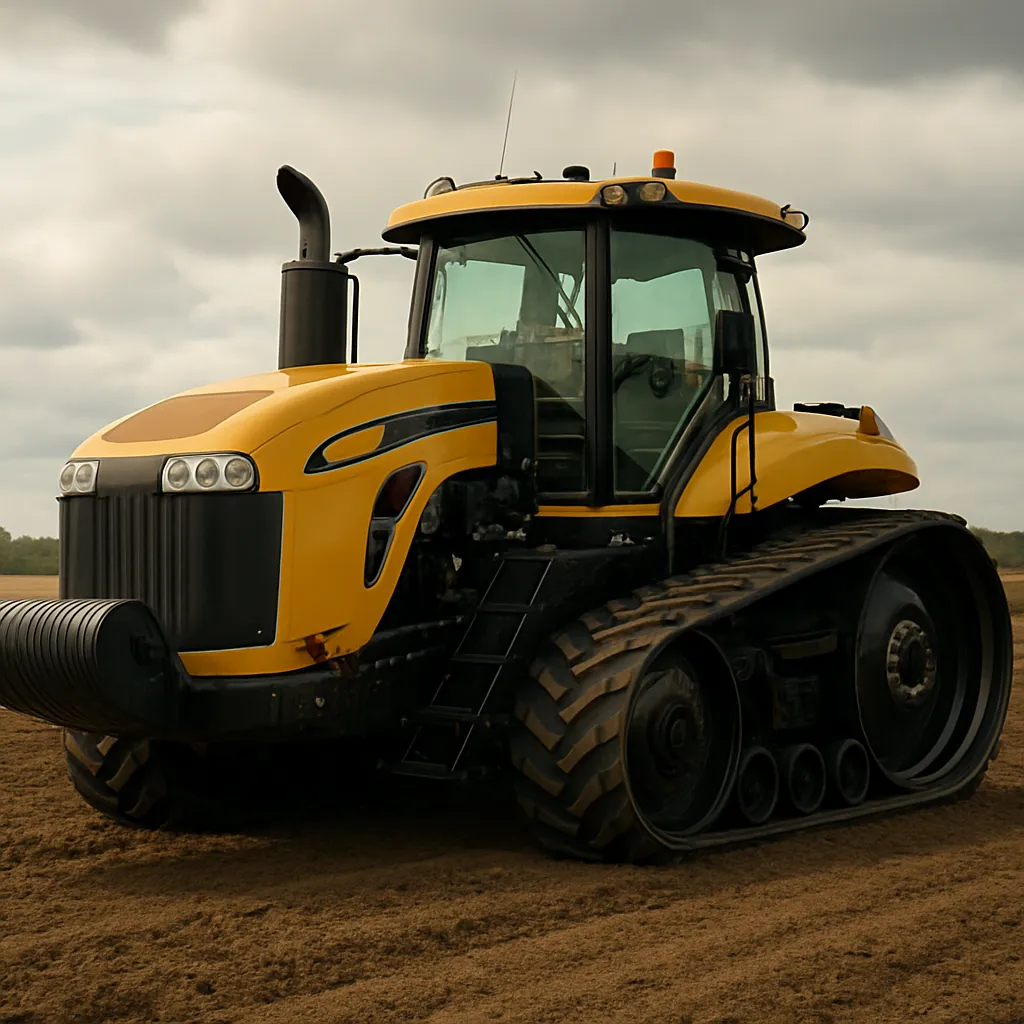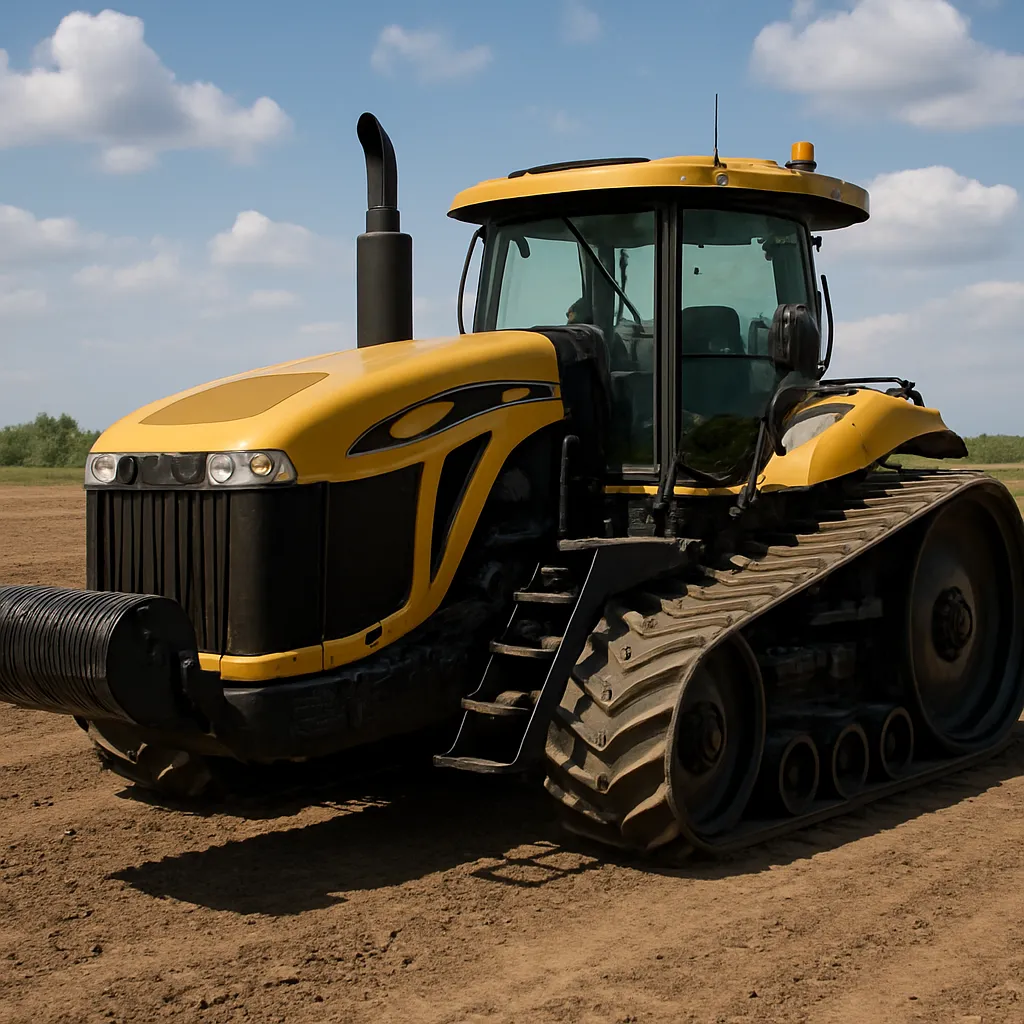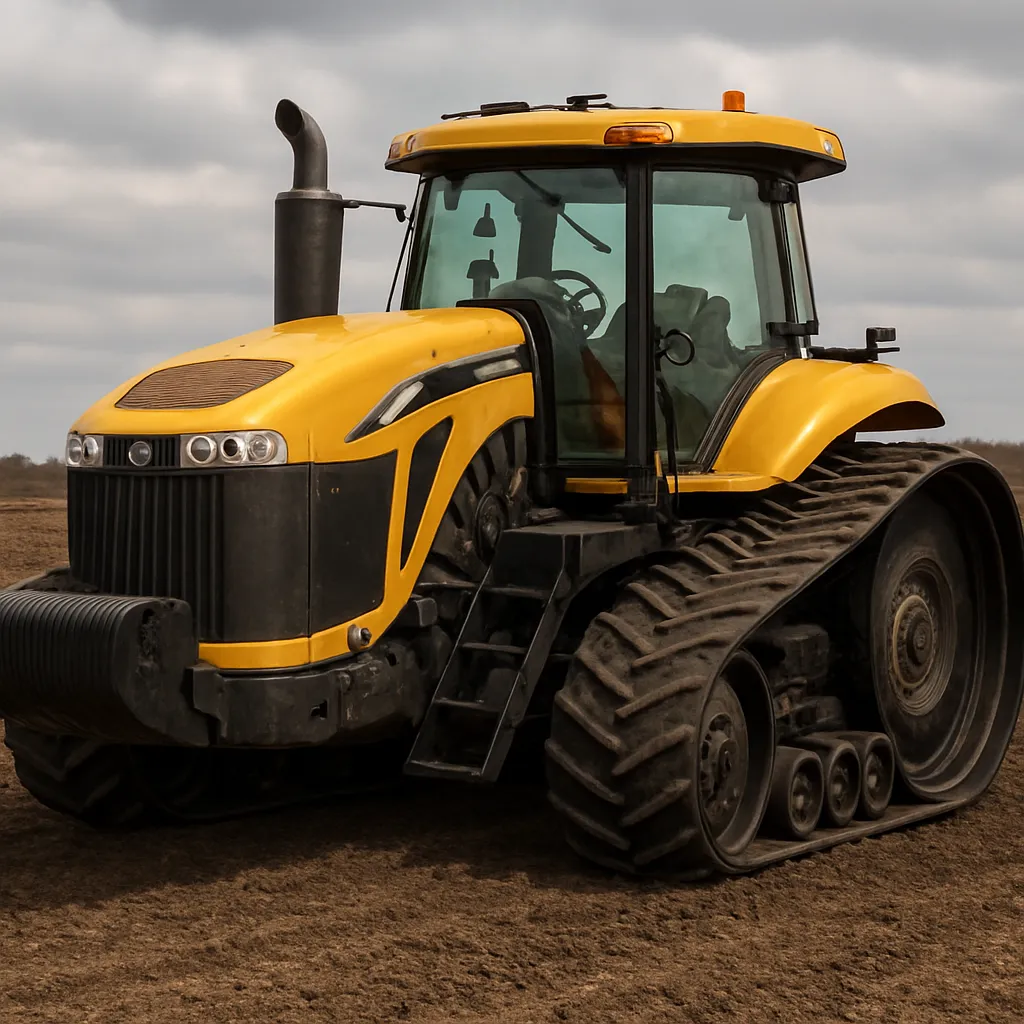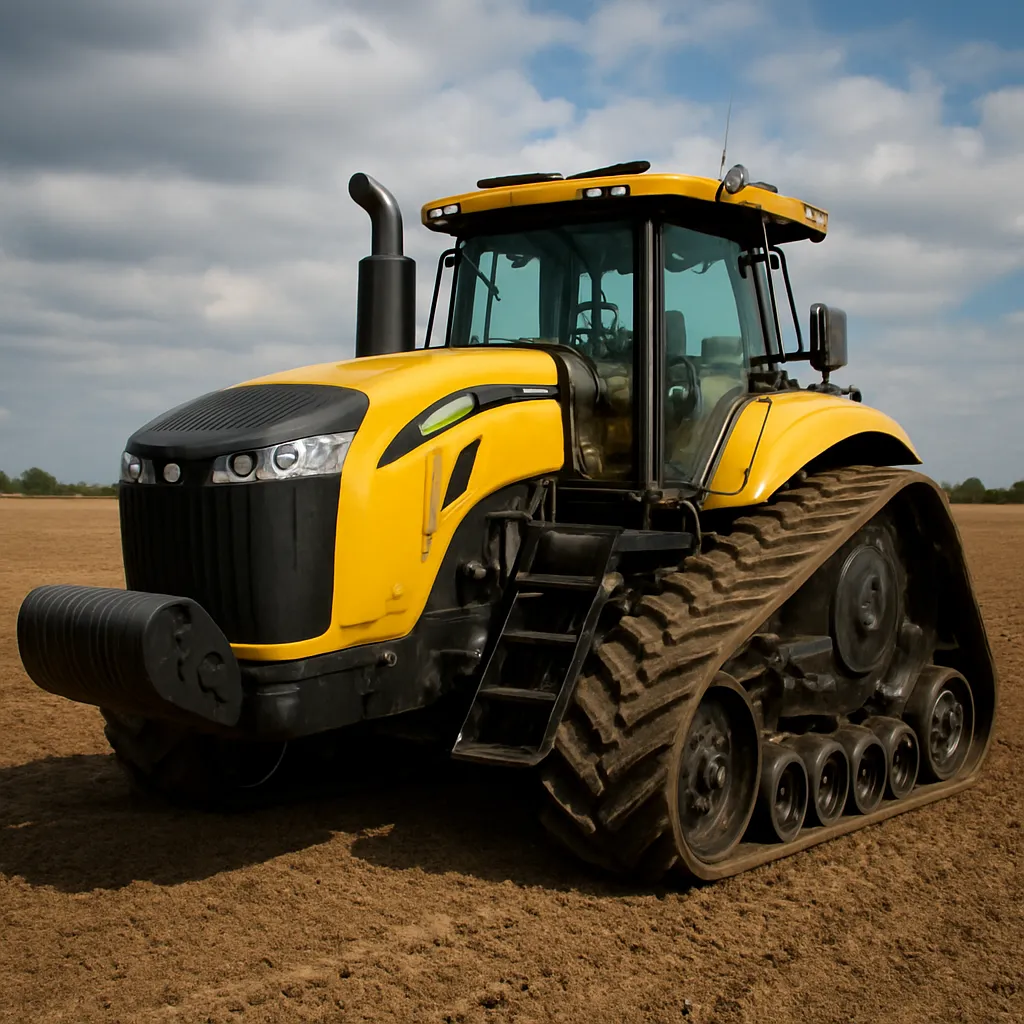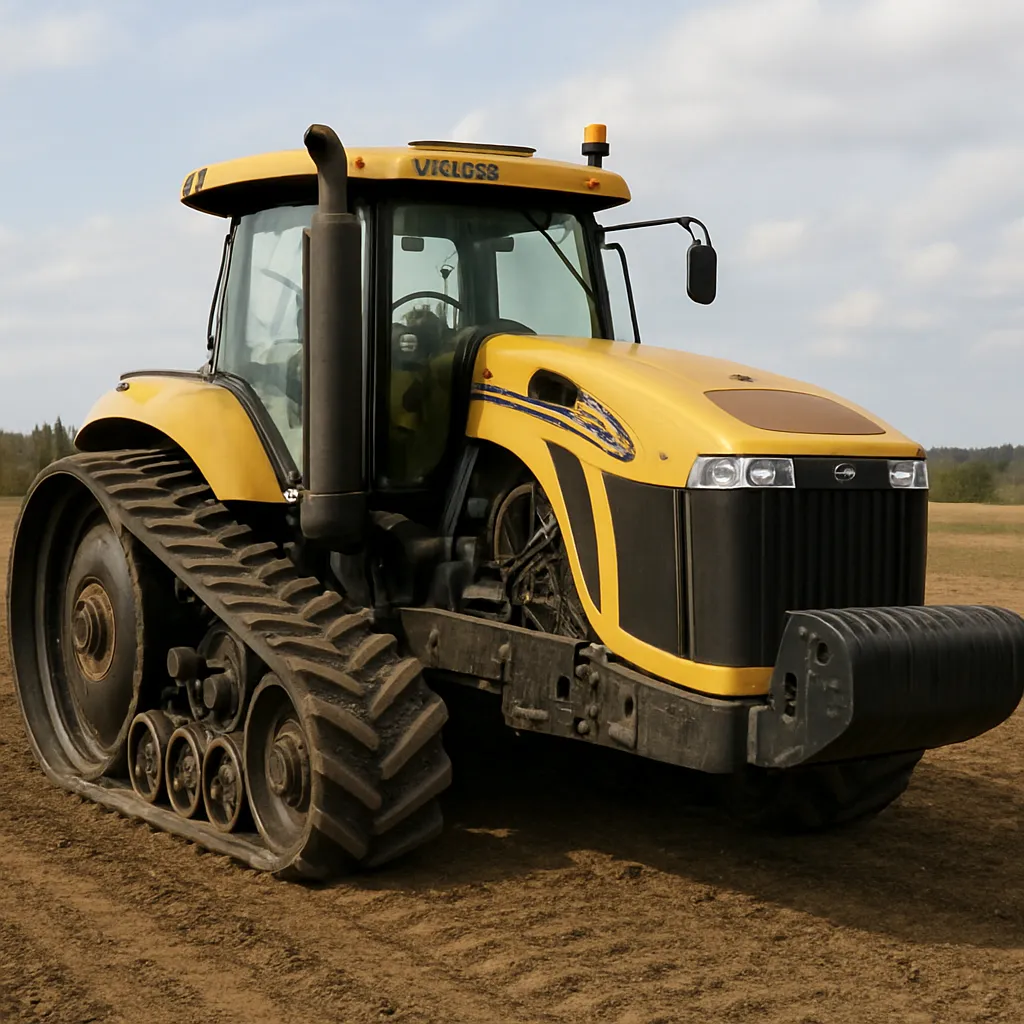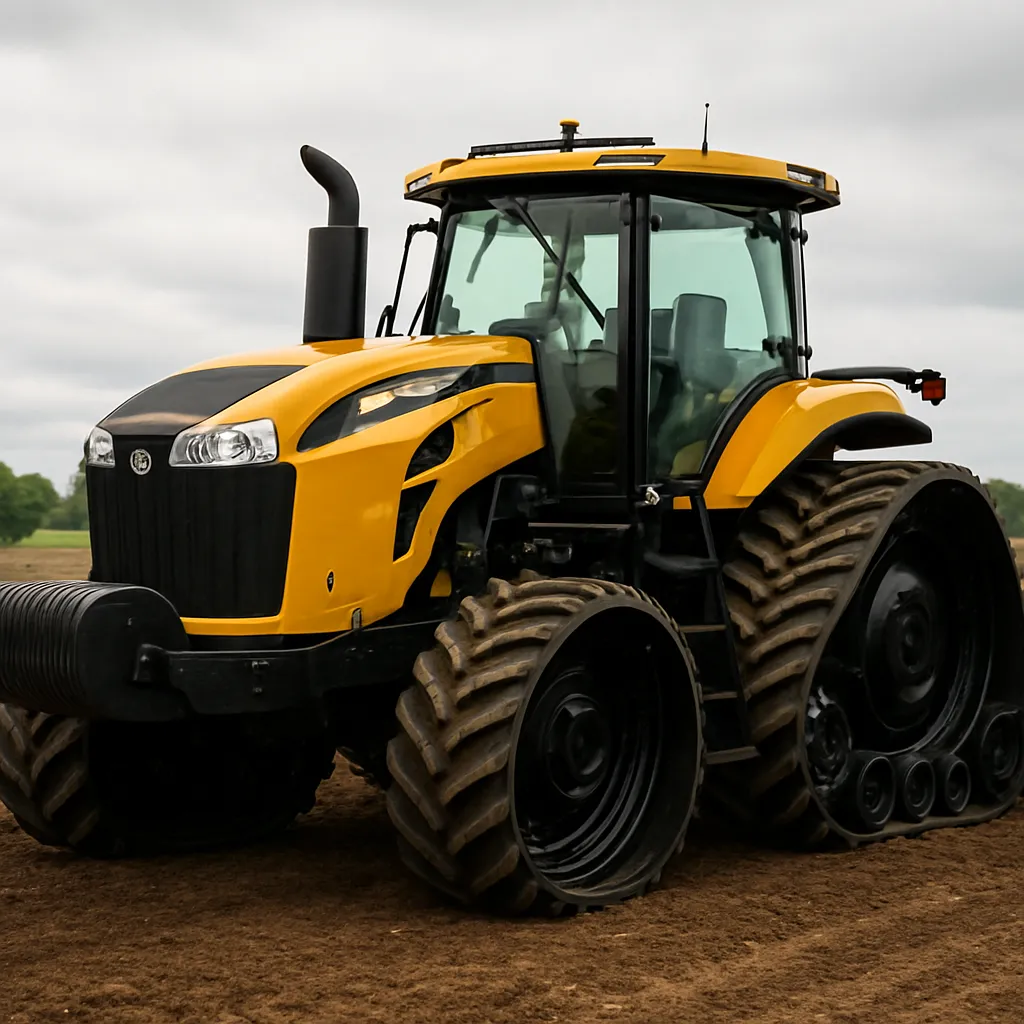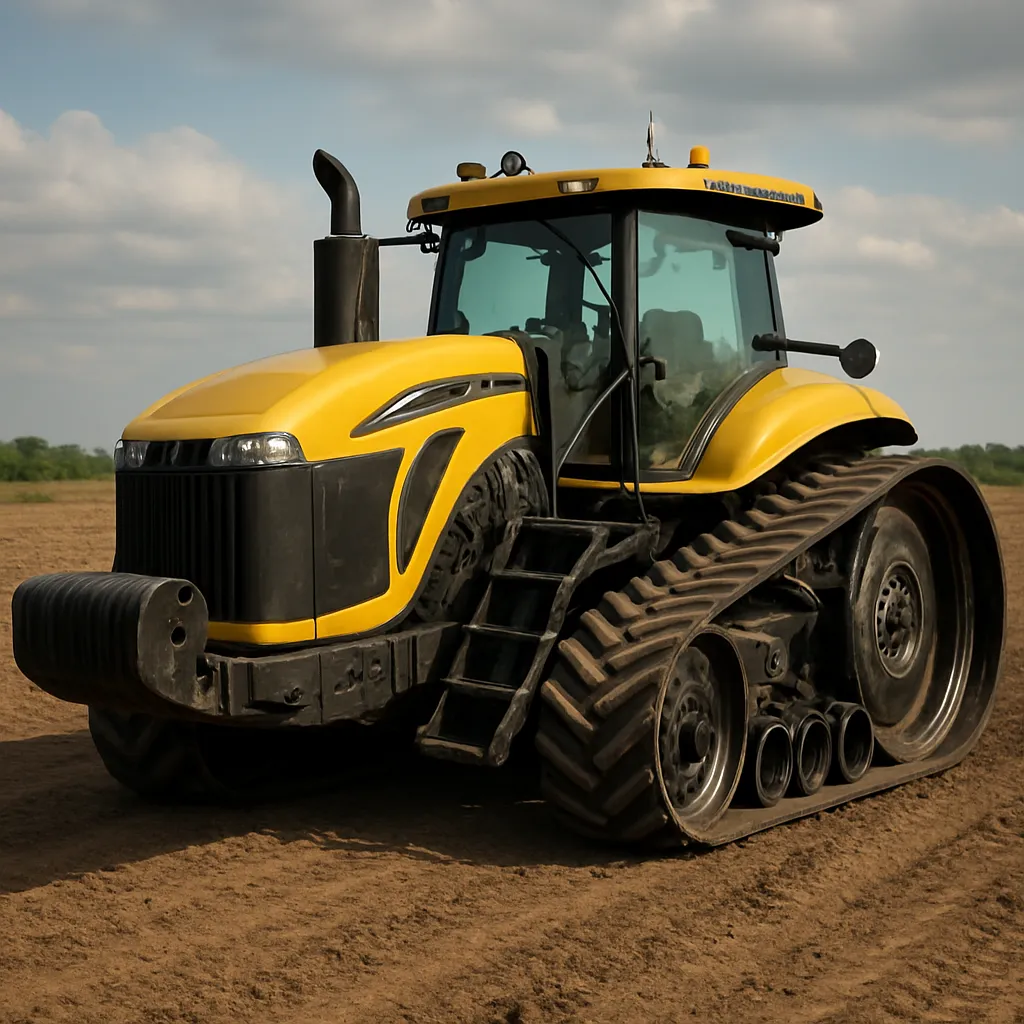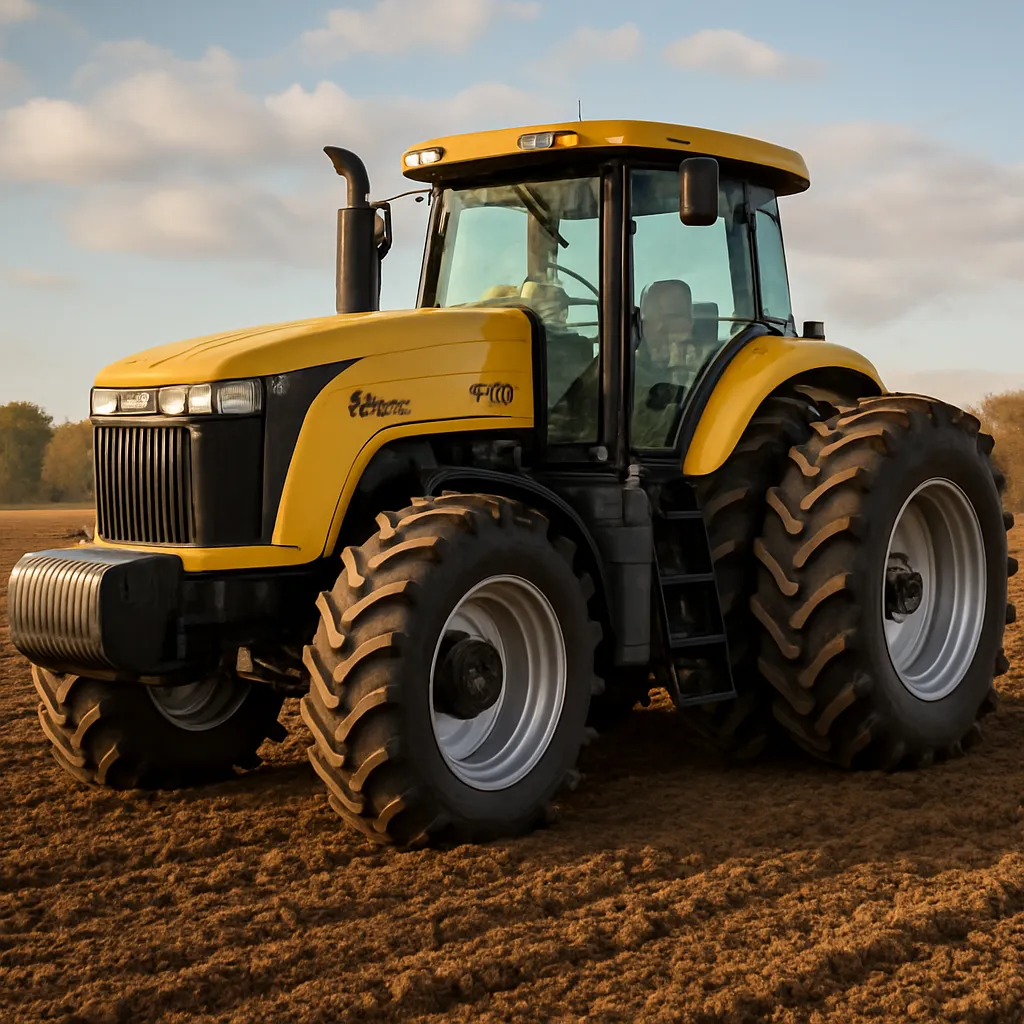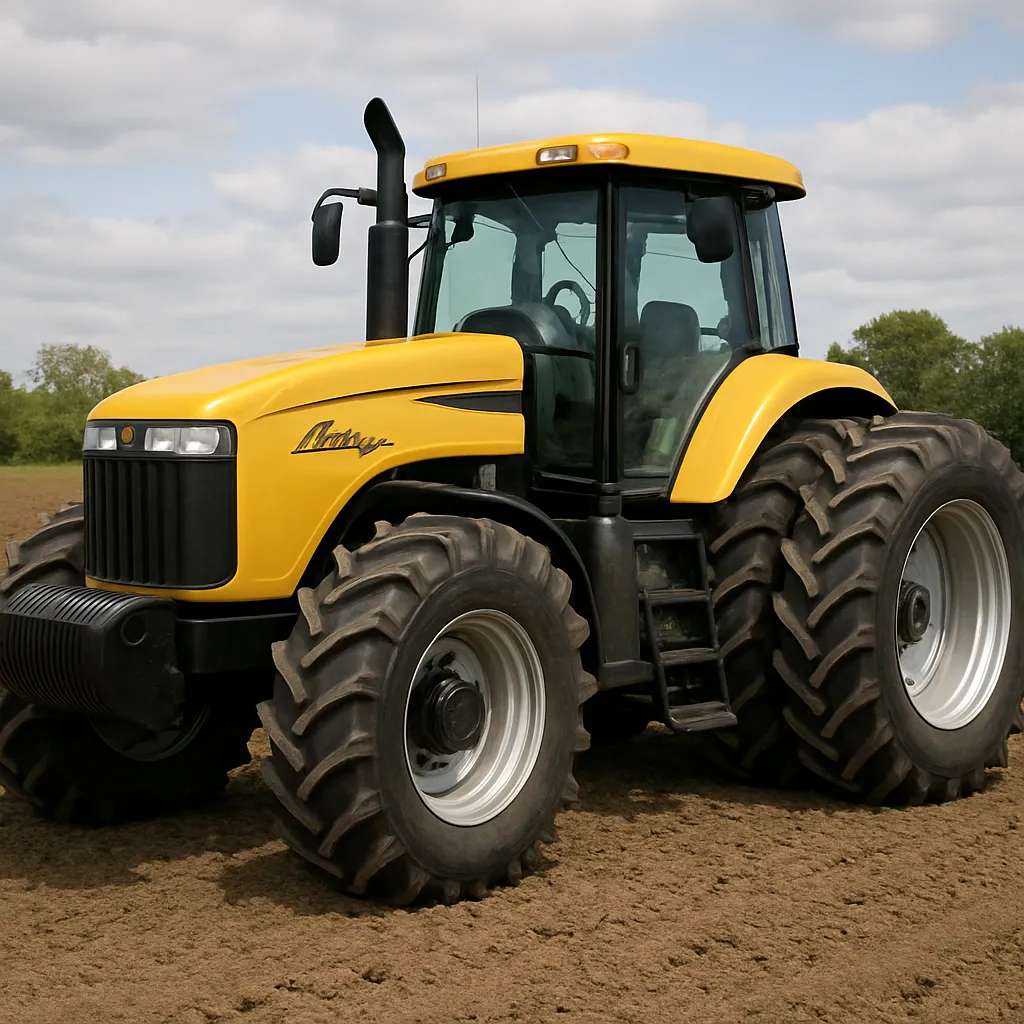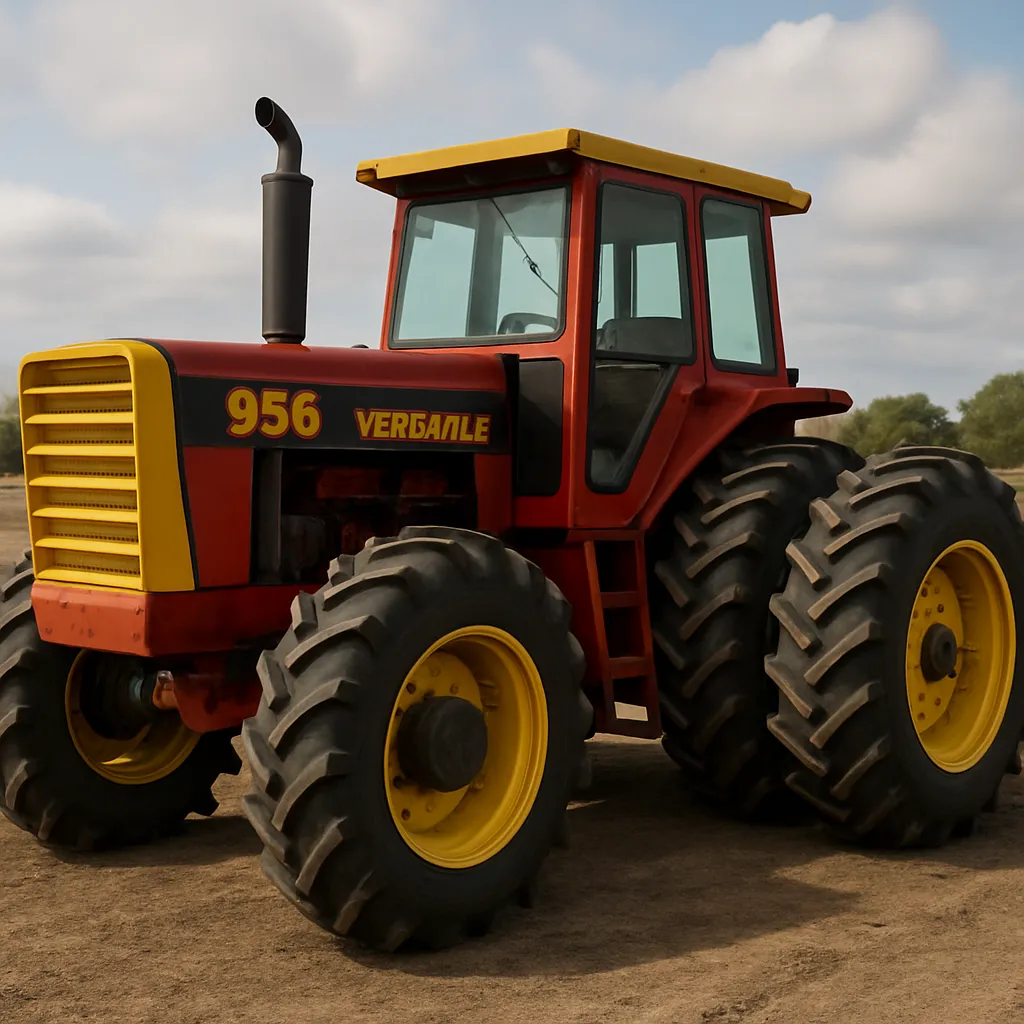
The Versatile 956 is a recognizable name among farmers and contractors who need a robust, high-capacity agricultural tractor capable of handling demanding tasks across diverse conditions. In this article we explore the tractor’s background, typical technical characteristics, practical applications on modern farms, operator considerations, maintenance and lifecycle aspects, and the factors that shape its market value. Throughout the text you will find practical information aimed at both prospective buyers and current owners seeking to maximize the durability and long-term usefulness of this machine.
Overview and background
The Versatile brand has a long heritage in producing heavy-duty agricultural equipment designed for large-scale farming and heavy tillage. The Versatile 956 sits within that lineage as a model intended to combine substantial pulling power with a straightforward, rugged design. While Versatile has evolved over the decades—undergoing ownership and design changes—the core philosophy has remained focused on delivering machines that emphasize simplicity, serviceability, and the ability to work long hours in the field.
The 900-series tractors, which include the 956 in various model years and configurations, were developed to meet growers’ needs for high-horsepower tractors capable of handling wide cultivators, large plows, large seeders and air drills, and transport tasks. The model has seen multiple variants and option packages addressing different markets; some were optimized for pure field work while others emphasized roadability and transport speed.
Technical characteristics and performance
Exact specifications for the Versatile 956 vary by production year and optional equipment. To set realistic expectations without overclaiming specifics, consider the following general attributes commonly associated with this class and model line:
- Engine and output: The 956 is equipped with a turbocharged diesel engine designed to supply continuous torque for heavy implements. Rated outputs generally place tractors in this family in the upper mid-to-high horsepower category, delivering robust drawbar and PTO capability suitable for large implements. Depending on configuration and year, you can expect nominal power figures that allow for sustained work under load.
- Transmission: Heavy-duty gearboxes or powershift transmissions are typical, with a range of forward and reverse speeds to match fieldwork and transport duties. Reliability and simplicity were design priorities, enabling easier repairs in the field.
- Hydraulics: The hydraulic system on a tractor like the 956 is built to run multiple remote valves and large hydraulic motors for implements. Flow rates and pressure ratings support large planters, air carts, and hydraulic folding equipment.
- Traction and undercarriage: Many units feature large agricultural tires and a heavy front and rear chassis to provide maximum traction and weight transfer when pulling heavy tillage equipment. Some owners equip their tractors with duals or specialty tires for improved flotation and traction.
- Cab and controls: Cabs on these tractors balance comfort with functional ergonomics. The focus is usually on visibility, control placement, and operator endurance for long workdays, with heating and air-conditioning options in later models.
Manufacturers often offered optional packages to boost performance in particular tasks (e.g., increased hydraulic flow, heavy-duty drawbars, or cab upgrades). Because the Versatile 956 was built to be a workhorse rather than a feature-laden luxury tractor, many owners value mechanical simplicity, which simplifies troubleshooting and reduces downtime in the field.
Primary applications and typical tasks
The design strengths of the Versatile 956 make it well suited for a number of heavy agricultural and contracting roles. Farmers and service contractors typically deploy it in the following applications:
- Tillage and primary cultivation: Large chisel plows, subsoilers and heavy disc harrows are prime examples of tillage equipment that pairs well with the 956’s torque and traction.
- Seeding and planting: When pulled or used to transport large air seeders and planters, the tractor’s consistent power delivery and hydraulic capacity keep operations moving on large acreages.
- Sprayer and applicator transport: While not a self-propelled sprayer, the 956 is often used to tow large sprayer booms or carry PTO-driven pumps, particularly where field speed and stability matter.
- Transport and heavy hauling: The tractor’s gearing and engine characteristics allow it to move heavy loads between fields or over short road distances when proper gearing and lighting packages are installed.
- Specialty contracting: Custom operators use such tractors for land reclamation, earthmoving with heavy cultivators, and other contract work needing sustained high drawbar power.
Because of its adaptability, a single Versatile 956 can often handle most of a large farm’s heavy fieldwork throughout the year. This versatility reduces the need for multiple machines dedicated to single tasks and can improve fleet utilization for larger operations.
Maintenance, longevity and common issues
Long-term ownership of a tractor like the 956 rewards proactive maintenance and an understanding of the machine’s typical wear points. Key maintenance areas include:
- Engine care: Regular oil and filter changes, monitoring of coolant system health, and attention to air filtration are essential. These tractors are built with durable engines, but consistent maintenance prolongs life and preserves fuel economy.
- Transmission and driveline: Gearboxes and differentials require periodic fluid changes and inspections for wear. Owners should follow recommended service intervals for transmission oil and check for overheating or unusual noises under load.
- Hydraulic system: Hydraulic fluid cleanliness and filter replacement protect valve spools and pumps. Leaks at hose fittings and seals are a common maintenance item on older machines and are best addressed promptly to avoid contamination and system failure.
- Cooling system: Radiators and intercoolers must be kept clear of debris to prevent overheating, particularly after heavy dusty fieldwork. Fans, belts and coolant hoses often require periodic replacement.
- Electrical and electronic components: While simpler than more modern tractors, units still require battery care, wiring checks, and inspection of lighting and instrument panels.
Common issues reported by owners of tractors in this class tend to be wear-related rather than design flaws—worn bushings, hydraulic hose replacement, and the occasional need for major engine or transmission work in very high-hour units. The simplicity of older Versatile designs is often an advantage: many mechanical systems are accessible and straightforward to repair with basic tools and workshop facilities.
Retrofits, upgrades and aftermarket support
Many owners extend the useful life and improve the functionality of older tractors through sensible upgrades. Typical enhancements include:
- Upgrading lighting and safety equipment for better road transport compliance and visibility during night operations.
- Replacing worn hydraulic hoses and adding additional remote couplers to increase implement compatibility.
- Installing modern telemetry, GPS guidance and autosteer systems—many aftermarket kits are compatible and significantly increase efficiency in seeding and spraying operations.
- Improving operator comfort through seat upgrades, cab insulation or installing better climate control components.
Aftermarket parts and independent service providers have long supported popular Versatile models, meaning owners have options beyond the manufacturer’s network for repairs and parts sourcing. This broad support network is one reason these tractors remain in service for years.
Market considerations and used equipment statistics
Precise production numbers and global sales figures for a specific model like the Versatile 956 are not always publicly consolidated. Market value and availability depend heavily on region, year of manufacture, hours of operation, and condition. When evaluating a used unit, consider these factors:
- Hours and service history: As with any heavy equipment, a well-documented maintenance record often commands a premium and reduces buyer risk.
- Local demand: In areas with many large-scale farms, demand for heavy tractors is higher which can keep used prices elevated. Conversely, in smaller-farm regions the pool of buyers is smaller and selling prices reflect that.
- Condition of wear components: Tires, transmissions and hydraulic systems represent significant replacement costs. Units with recently renewed heavy components will sell at a higher price.
- Upgrades and attachments: Tractors with modern guidance systems, recent overhauls, or included heavy implements often offer better value per dollar spent.
Resale trends for robust, mechanically simple tractors like the 956 tend to show extended useful life and stable demand among operators who prize reliability and serviceability. Exact price ranges vary widely by market; prospective buyers should consult local listings and auction results for up-to-date references.
Operator experience and safety practices
Operating a large tractor safely and efficiently requires attention to both machine controls and situational awareness. Important practices include:
- Routine pre-start checks: fluid levels, tire pressure, hitch security and lighting.
- Understanding load limits and PTO speeds when connecting implements to avoid overloading the drivetrain.
- Using appropriate ballast and tire configuration for the work to achieve optimal traction and prevent wheel slip or soil compaction.
- Adhering to manufacturer’s guidelines for transport speed and hitching when moving equipment on public roads.
- Ensuring operator comfort and minimizing fatigue through ergonomic adjustments and scheduled breaks—fatigue is a major factor in accidents involving large machinery.
Many owners recommend familiarizing new operators with the machine in a low-risk environment (empty field or yard) to understand steering response, braking distances when loaded, and the behavior of implements under various conditions.
Environmental and economic factors
Large tractors like the Versatile 956 are inherently energy-intensive but remain an essential tool for large-scale agriculture. Key considerations:
- Fuel efficiency: While older diesel designs are not as fuel-efficient as today’s latest engines with advanced emissions controls, prudent operation—matching gear selection to load, ensuring clean air and fuel filters, and maintaining proper engine tuning—helps optimize fuel usage.
- Emissions: Depending on the year, a particular 956 may predate modern emissions standards. Operators concerned about emissions may explore retrofit options, such as engine rebuilds with improved combustion tuning or, where available, aftermarket emissions controls.
- Cost of ownership: For many large operations, the overall cost per acre of a durable, well-maintained tractor will compare favorably to frequent replacement of lighter equipment. High utilization spreads capital cost over more productive hours.
Practical buying checklist
If you are considering purchasing a Versatile 956, new-to-you or used, use the following checklist to reduce purchase risk:
- Review service records and ask about previous major repairs or rebuilds.
- Inspect engine and transmission for leaks, overheating signs, and smoke under load.
- Check hydraulic performance under pressure with typical implements attached.
- Examine frame, hitch points and three-point linkage for signs of fatigue or repair.
- Test drive if possible, evaluating steering responsiveness, braking, and noise levels.
- Confirm availability of spare parts and local service support for the specific model year.
Conclusion
The Versatile 956 is a practical choice for large farms and contractors seeking a robust tractor that balances power and serviceability. Its strengths lie in sustained drawbar and hydraulic capacity, straightforward mechanical systems that are easier to maintain, and adaptability across a wide range of heavy agricultural tasks. While exact statistics and specifications vary by production year and configuration, the core value proposition remains the same: a reliable, heavy-duty machine built to work long days with minimal fuss. Thoughtful maintenance, targeted upgrades, and careful operator practices can keep a 956 productive and economically viable for many seasons.