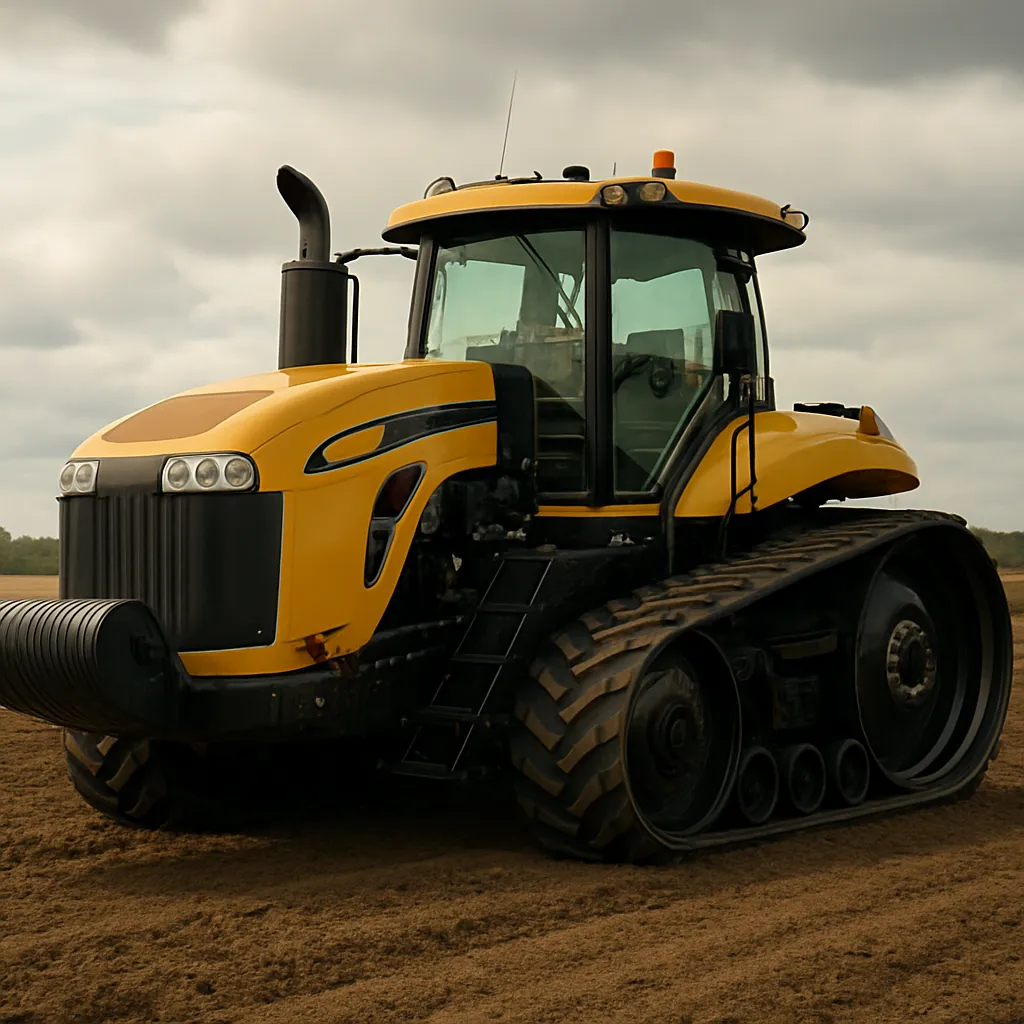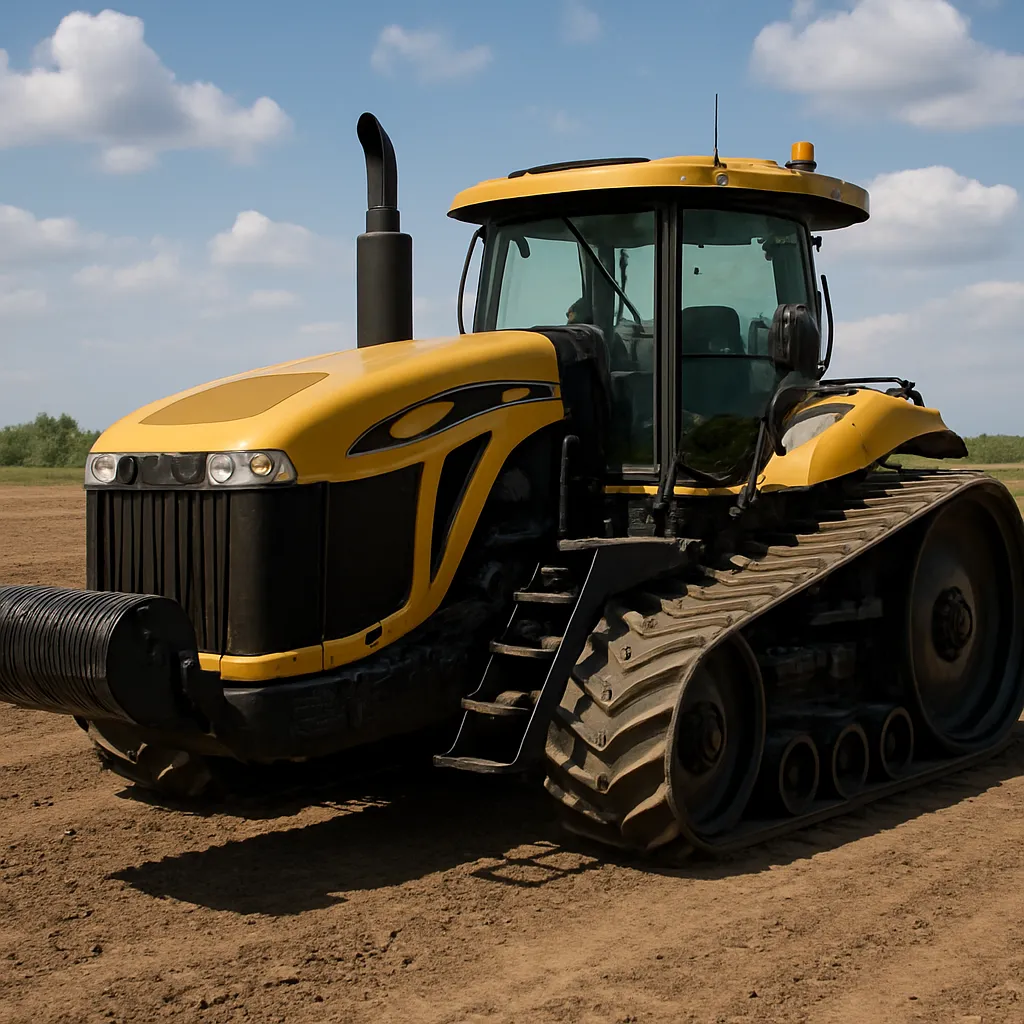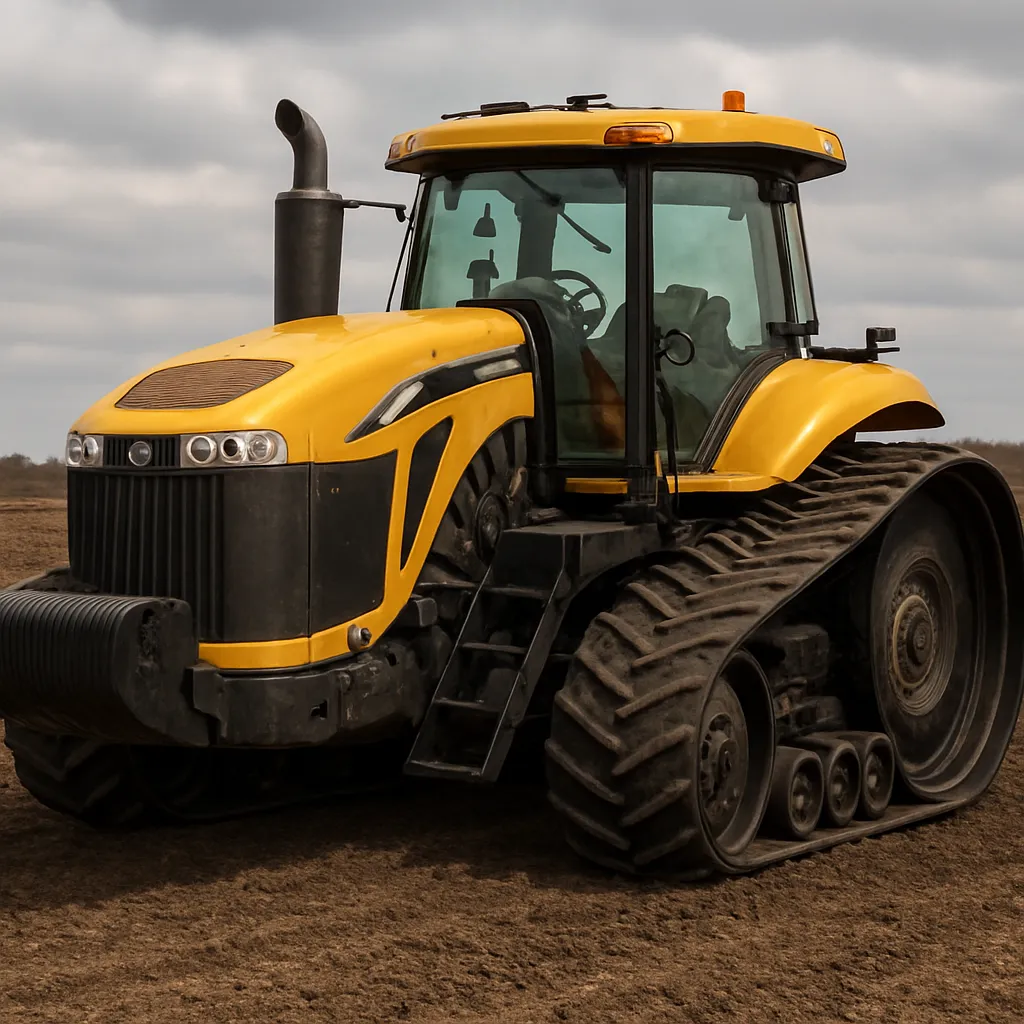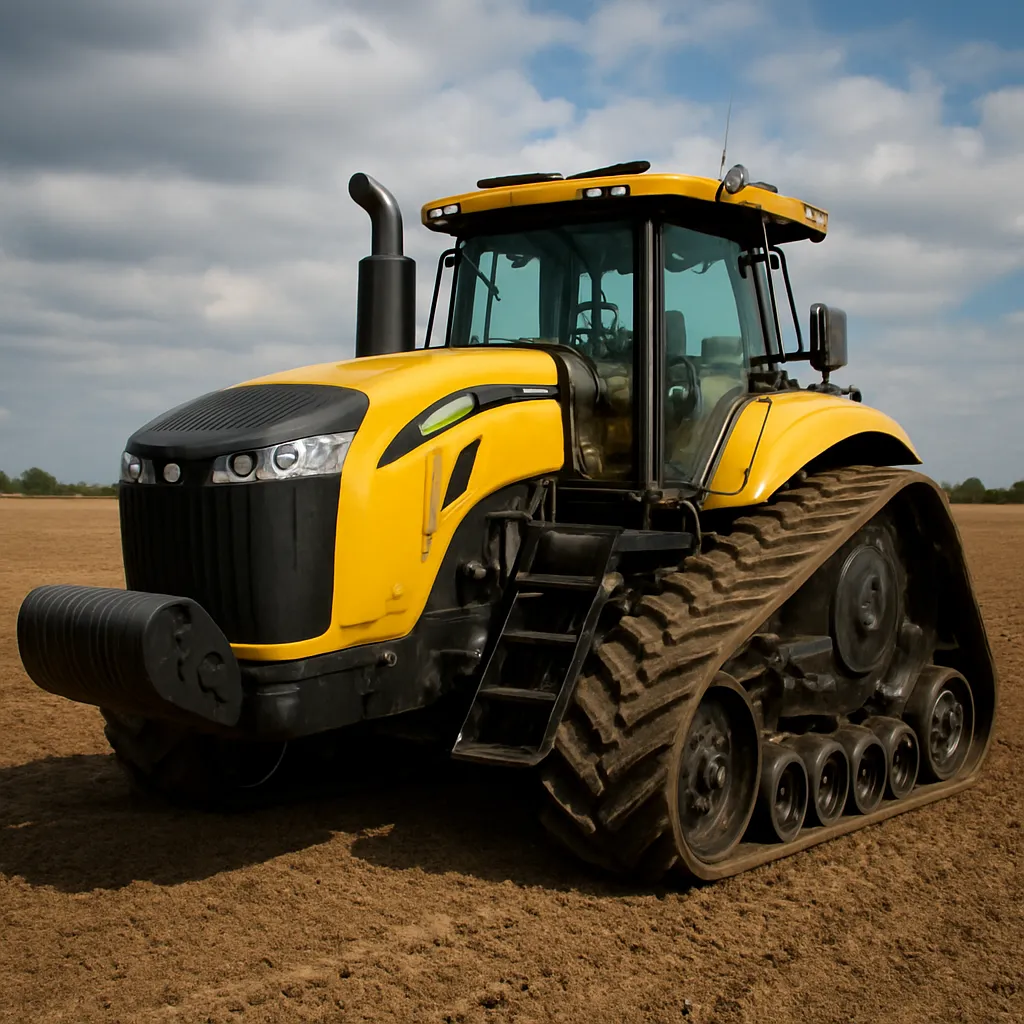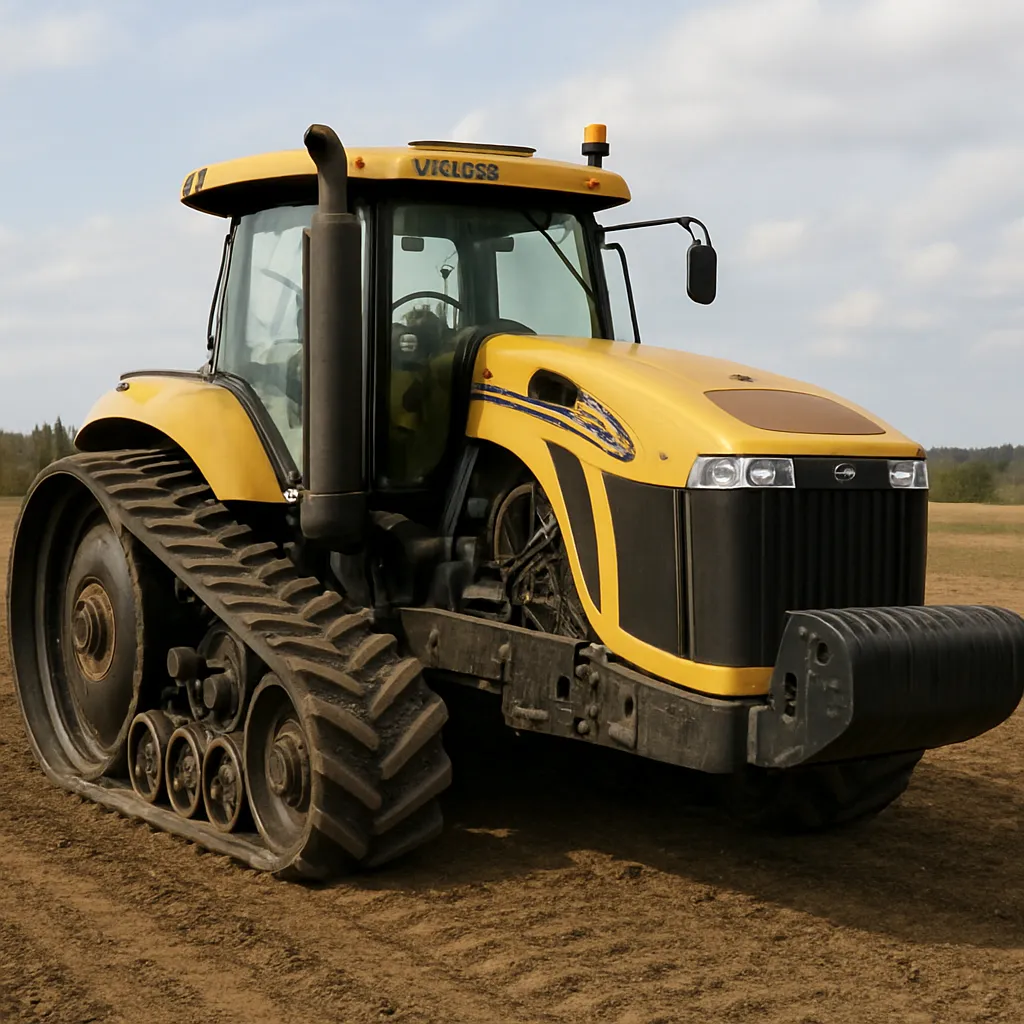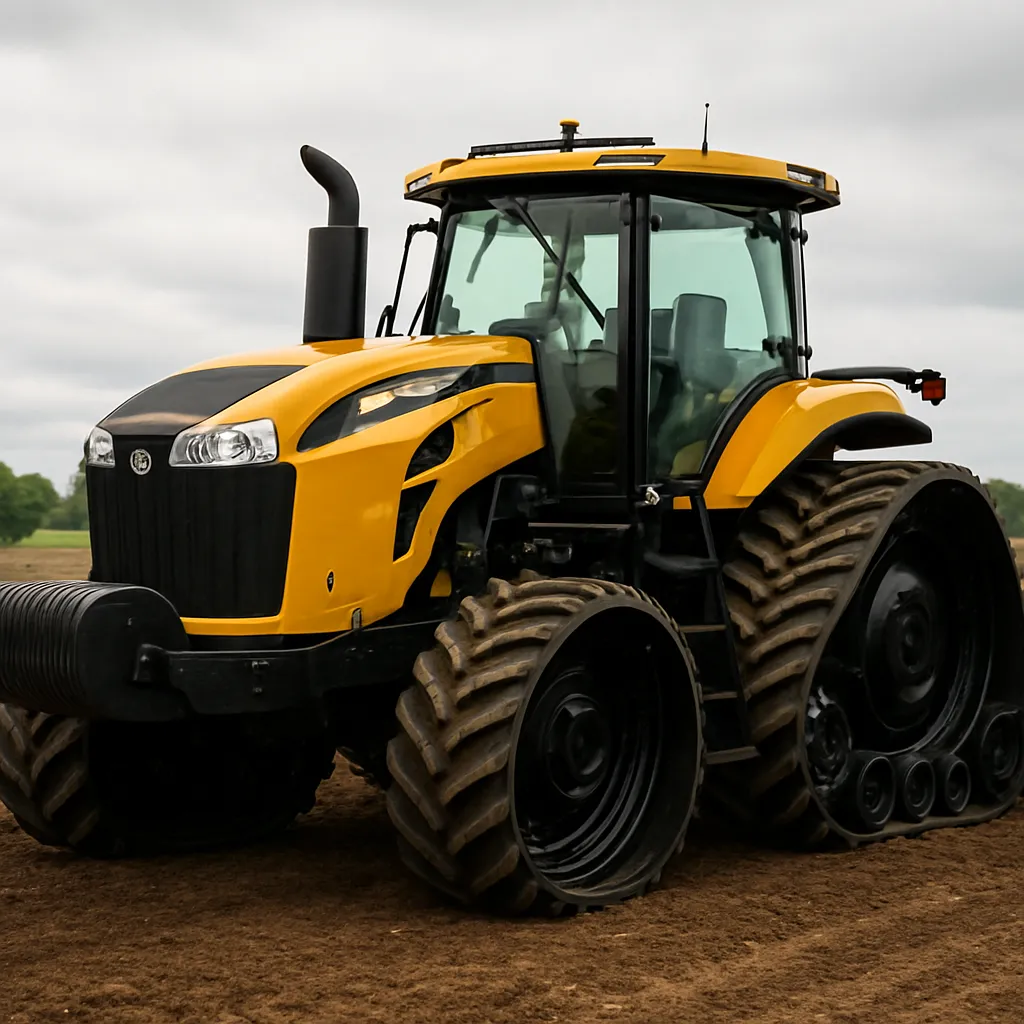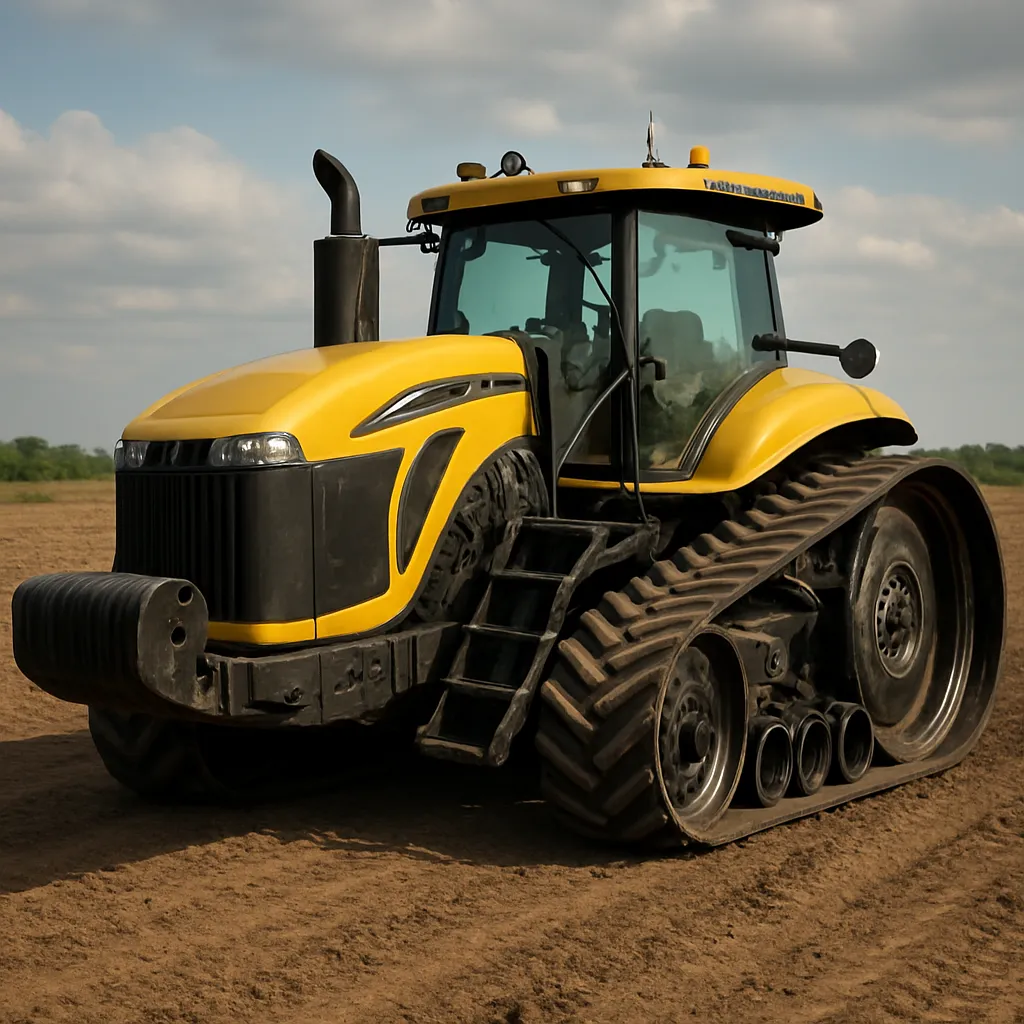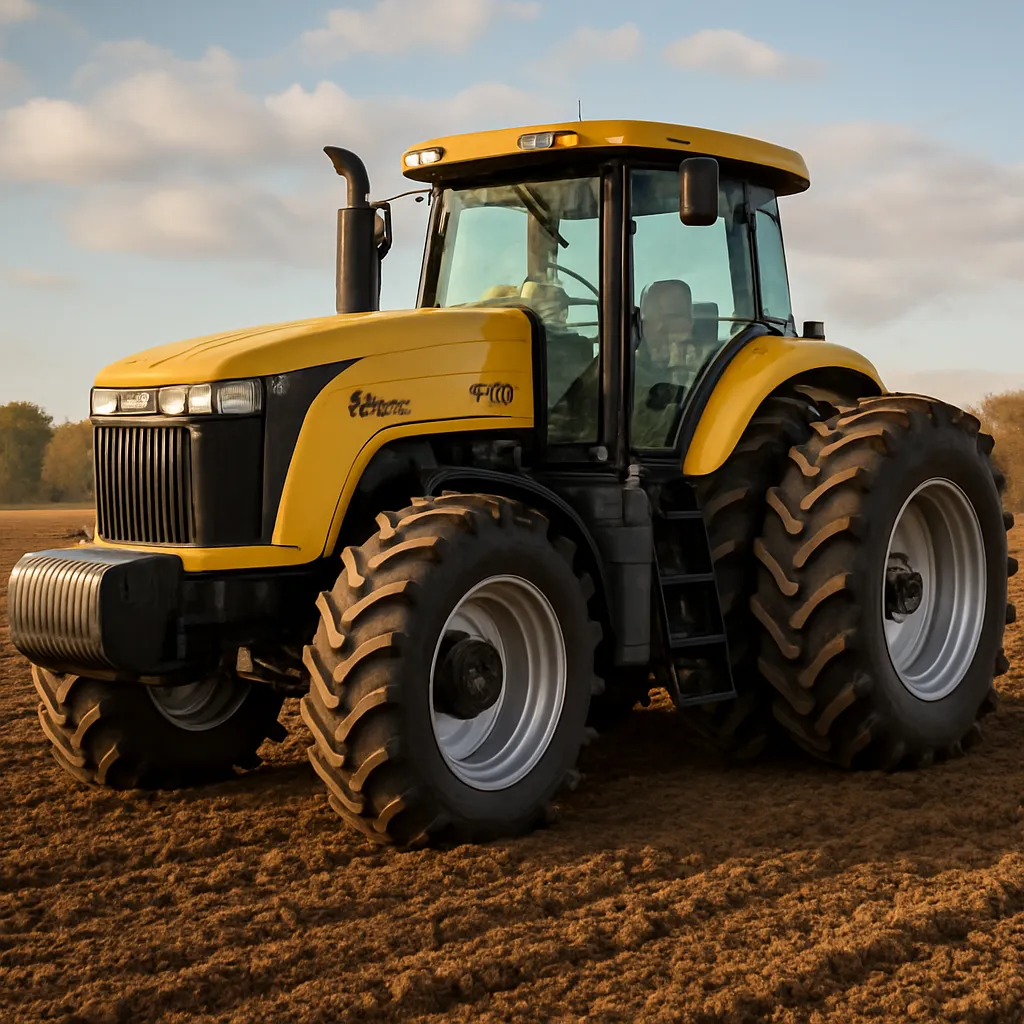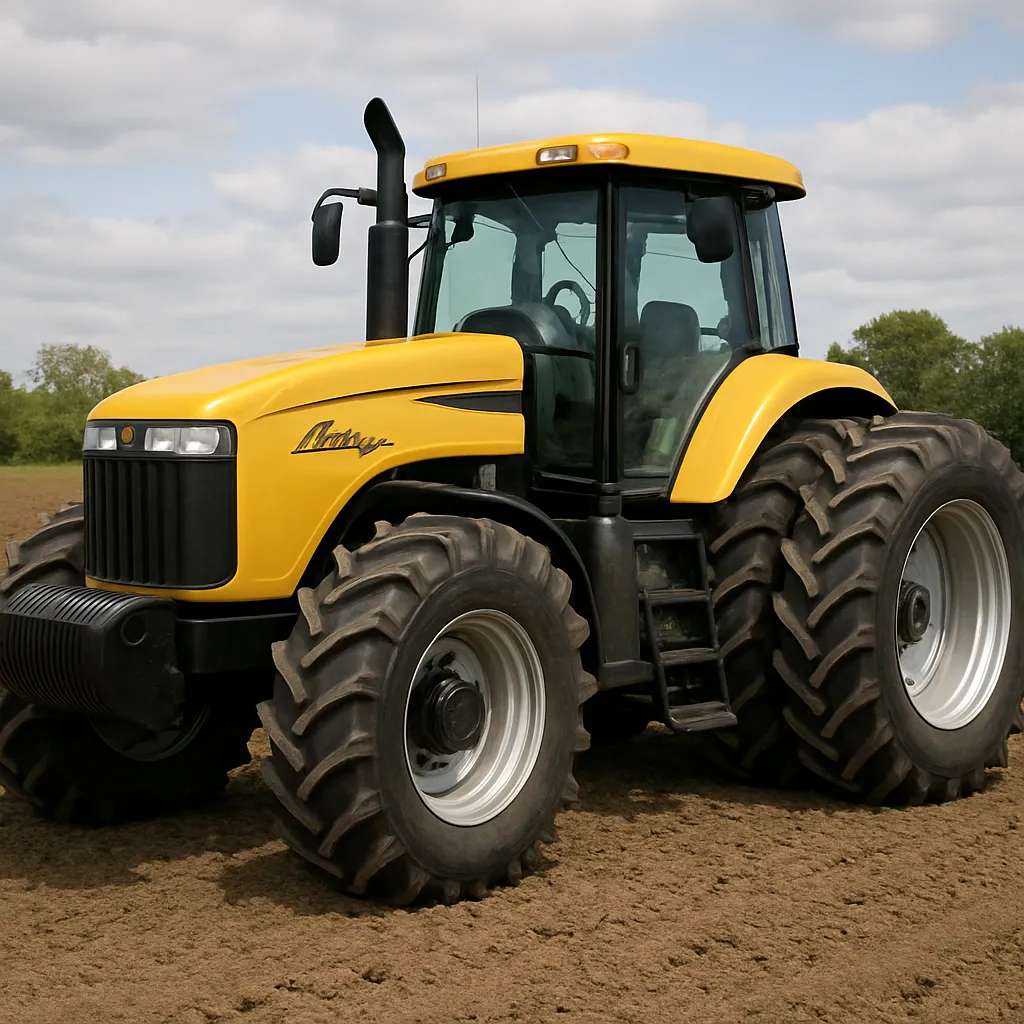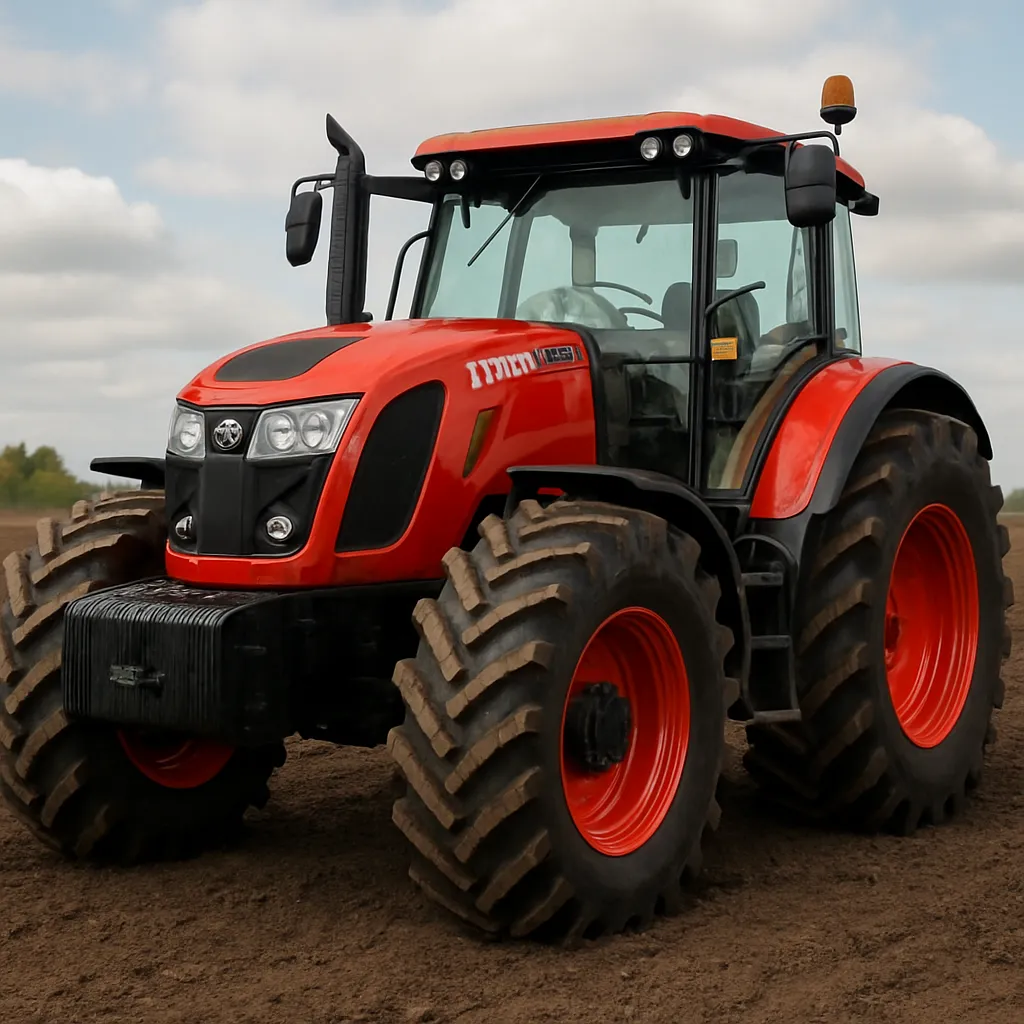
The Zetor 170 HD represents a class of robust, no-nonsense agricultural machinery designed to bridge the gap between light-field tractors and full-scale heavy-duty workhorses. In this article we will explore the background, technical characteristics, practical applications and operational considerations for the Zetor 170 HD. Emphasis will be placed on real-world versatility, routine maintenance, typical performance attributes and the contexts in which this model is most useful. Where exact factory figures vary by year and market, typical ranges and commonly reported numbers will be presented to give a realistic picture of what owners and operators can expect.
Overview and design philosophy
The name Zetor evokes a long tradition of Central European tractor manufacturing; the company has produced machines focused on simplicity, durability and value. The Zetor 170 HD slotting into the mid-to-upper range of conventional agricultural tractors aims to combine sufficient power with manageable service needs. The letters HD commonly denote a heavier-duty configuration or reinforced components intended for prolonged, higher-load duties, whether in tillage, transport or implements operation.
Key design attributes
- Robust frame — Built to withstand sustained draft loads and the stresses of implements like ploughs, large seeders and heavy front loaders.
- Comfortable cab — Many versions offer a fully enclosed cab with climate control, ergonomic controls and good visibility for long workdays.
- Four-wheel drive — Standard 4WD to ensure traction on soft soil and in adverse conditions, often with differential locks.
- Modular systems — Engines, transmissions and hydraulic systems are laid out for straightforward maintenance and parts replacement.
Collectively these choices reflect a design philosophy that favors proven mechanical simplicity combined with durable components. The 170 HD is aimed at farms and contractors who need a machine capable of a wide range of tasks rather than niche specialization.
Technical characteristics (typical and reported figures)
Exact factory specifications for the Zetor 170 HD may vary by production year and regional variant. The numbers below are typical for tractors in this class and are drawn from commonly reported figures for mid-sized Zetor models marketed as heavy-duty variants. Where precise specification is important for purchase or operation, consult the machine’s data plate or manufacturer documentation.
Engine and powertrain
- Engine type — Inline diesel, turbocharged, intercooled options depending on variant.
- Power (approximate) — Many sources indicate a range around 140–175 horsepower (approximately 104–130 kW) for versions labeled 170; the HD designation suggests the engine and driveline are tuned for sustained loads rather than short bursts.
- Torque — Peak torque is typically engineered to be high at low RPM to assist with draft work and heavy implements. Reported figures for similar machines commonly fall in the 500–700 Nm range depending on displacement and tuning.
- Transmission — Options often include synchromesh transmissions with multiple ranges, semi-powershift or full power-shift boxes on higher-spec variants. Gear counts can range from 12 forward / 12 reverse up to 24/24 with creeper ranges for specialized tasks.
- PTO — Standard rear PTO with selectable 540/1000 rpm speeds is typical; some configurations offer ground-speed PTO options or independent PTO clutches for smoother implement engagement.
Hydraulics, lifting capacity and chassis
- Hydraulic system — Open-center or closed-center (on higher-end specs) hydraulic systems with tandem pumps to support multiple functions: steering, linkage and implement hydraulics.
- Lifting capacity — At the rear linkage, typical lift capacities for heavy-duty mid-size tractors are in the 3,000–5,000 kg range, enabling the use of large ploughs, seeders and mounted spreaders.
- Axles and brakes — Reinforced front and rear axles for durability; multi-disc oil-immersed brakes are common for improved wear life under heavy loads.
- Weight — Operating weight usually ranges between 4,000 and 6,000 kg depending on options such as ballast, cab versus ROPS and front-end implements.
Fuel, capacity and efficiency
Fuel tank sizes for machines in this class typically provide several hours of continuous operation — tanks of 150–300 liters are typical depending on configuration and regional options. Actual fuel consumption will vary with load, terrain and working speed but operators should expect consumption rates that are competitive in the mid-horsepower segment when the engine is operated at rated load RPM.
Applications and practical uses
The 170 HD is designed as a versatile workhorse. Its blend of power, hydraulic capacity and traction makes it suitable for a broad set of tasks across different farming systems and non-farm uses.
Agricultural tasks
- Primary tillage: Pulling heavy ploughs and multi-furrow cultivators on medium to large fields.
- Seeding and planting: Operating large seed drills and planters requiring sustained PTO/hydraulic power.
- Field transport: Towing loaded trailers, grain carts and slurry tankers — the beefed-up chassis enhances safety and stability with heavy loads.
- Harvest support: Powering chippers, balers and threshing equipment via PTO and hydraulics.
- Livestock farms: Feeding and bedding operations with front loaders and silage handling tasks.
Contracting and municipal uses
- Contractors value the 170 HD for its ability to complete large area jobs quickly — ploughing, subsoiling and seeding for multiple clients in a single day.
- Municipalities and road crews can convert the machine to tasks like snow clearing, road sweeping and street maintenance via front-mounted attachments and hydraulics.
- Forestry edge work: While not a forest-specialized machine, a heavy-duty mid-size tractor can handle light skidder duties and wood chipper towing when fitted with appropriate protection and ballast.
Specialty and mixed-use farms
On mixed farms (crop and livestock), the 170 HD’s versatility—capable loader, high lift capacity and PTO options—minimizes the need for multiple specialized tractors. This makes ownership cost-effective for medium-sized enterprises where a single, flexible machine must do many jobs reliably.
Operational performance and user experience
Operators of the Zetor 170 HD often emphasize practical performance metrics beyond peak horsepower: torque delivery at working RPM, hydraulic responsiveness, braking under load and cabin ergonomics. These qualities determine how fast and comfortably a job can be completed.
Field performance
- Pulling power — High torque at low engine speeds facilitates deeper tillage with fewer gear changes.
- Traction management — Differential locks and selectable 4WD modes help maintain traction on loose or wet soils.
- Speed flexibility — Multiple gear ranges and optional creeper gears let the operator match ground speed precisely to implement requirements, improving efficiency.
Comfort and ergonomics
Cab layout and control ergonomics play a major role in reducing operator fatigue during long work periods. Well-equipped variants offer air suspension seats, intuitive control groupings, clear instrumentation and effective climate control systems. Visibility forward and to the rear is important for loader work and trailer coupling tasks.
Reliability and daily use
Reliability on long-term work depends on routine maintenance and correct matching of tractor size to tasks. The 170 HD’s heavy-duty construction reduces the risk of frame or driveline failures under sustained high load, but components such as turbocharged engines require attention to oil and cooling systems to achieve service life expectations.
Maintenance, common issues and aftermarket options
Keeping a heavy-duty tractor in top condition requires scheduled maintenance and early attention to wear items. Below are practical tips and commonly reported items to monitor.
Routine maintenance checklist
- Daily: Visual inspection, check oil and coolant levels, inspect tires/track, ensure lights and signals function.
- Weekly: Grease fittings, check hydraulic hoses for leaks, verify PTO and hitch functionality.
- Monthly/seasonal: Replace engine oil and filters per hours operated, check transmission and hydraulic fluid levels, inspect brakes and steering components.
- Yearly: Full service including fuel system cleaning, injector checks, and cooling system flush if necessary.
Common issues to watch
- Hydraulic leaks — seals and hoses age with heat and use; prompt repair avoids bigger hydraulic or safety issues.
- Turbocharger wear on heavily loaded engines — monitoring oil condition and ensuring proper warm-up/cool-down cycles helps longevity.
- Transmission wear when overloading or improper gear selection — using the correct gear for the task reduces stress on synchromesh components.
- Electrical gremlins — Corrosion at connectors or battery terminals can cause intermittent faults in lighting and instrument clusters.
Aftermarket upgrades and attachments
Many owners invest in specific upgrades to extend functionality or efficiency:
- Front loaders and quick-attach coupling systems for material handling.
- Weighting kits and ballast to improve traction and PTO performance with heavy rear implements.
- Advanced telemetry and GPS guidance systems for precision agriculture and task logging.
- Upgraded lighting and cab packages for improved night-time operation and operator comfort.
Market position, resale and statistics
The Zetor brand occupies a competitive space: offering simpler, often lower-cost solutions compared with premium Western European and Japanese brands while emphasizing ease of repair and parts availability in many markets. The 170 HD would be positioned to compete with other mid-class 140–180 hp tractors from various manufacturers.
Resale considerations
- Resale value depends heavily on service history, hours, and visible wear; a well-documented maintenance record typically preserves value better than cosmetic condition alone.
- Availability of spare parts and local dealer support greatly affect resale desirability in different regions; models popular in a market tend to maintain better second-hand demand.
- Fuel efficiency and technology features (e.g., automated transmissions, emissions compliance) influence buyer preferences in more developed markets.
Statistical context
Comprehensive global production and sales figures for a specific variant like the 170 HD are not always published by manufacturers; production numbers vary by year, factory and regional demand. As a guideline, tractors in the 140–180 hp class represent a significant portion of large family farm and contractor fleets in Europe, parts of Asia and South America. In many countries, mid-size tractors account for between 15% and 30% of new tractor sales by value because they balance capability with cost-effectiveness.
Where statistical precision is required (for purchasing planning or fleet analytics), prospective buyers should source dealer reports, registration statistics in the target country and used tractor market databases that track model-specific sales and price trends.
Choosing the Zetor 170 HD: decision factors
When considering a Zetor 170 HD, evaluate the following practical criteria to determine fit for your operation:
- Task match — Ensure the tractor’s lifting capacity, PTO power and ground speed match the demands of the primary implements you plan to use.
- Service network — Confirm spare parts availability and local technician expertise for the model in your region.
- Operational costs — Consider fuel consumption under expected loads, scheduled maintenance intervals and the availability of affordable consumables (filters, fluids).
- Resale prospects — Review the second-hand market to estimate how long you will be using the tractor before disposal and expected residual value.
- Comfort and safety — For long working hours, cab comfort, visibility and ergonomics are key; also evaluate rollover protection and lighting for night work.
Final notes
The Zetor 170 HD represents a pragmatic choice where durability, straightforward maintenance and broad versatility are valued. Its typical power and heavy-duty components make it well suited to medium and large farms, contractors and municipal fleets that need a single machine capable of handling a wide variety of implements and tasks. Exact specifications and capabilities depend on the production year and chosen options, so always verify the configuration of any specific unit before purchase. With proper maintenance and sensible matching of tractor to task, the 170 HD can be a long-serving, cost-effective member of a productive fleet.
Zetor 170 HD tractor — designed for those who demand reliable performance, practical serviceability and versatile capability in a single machine.