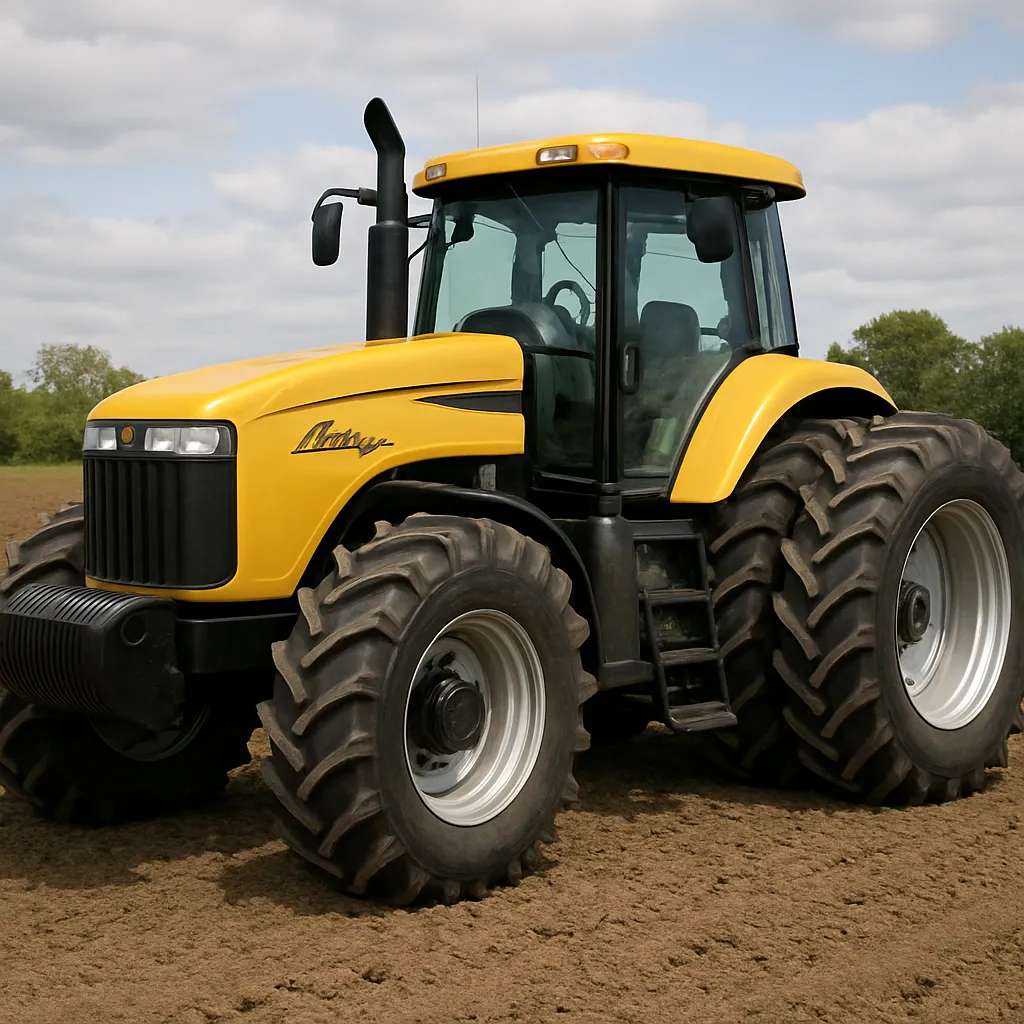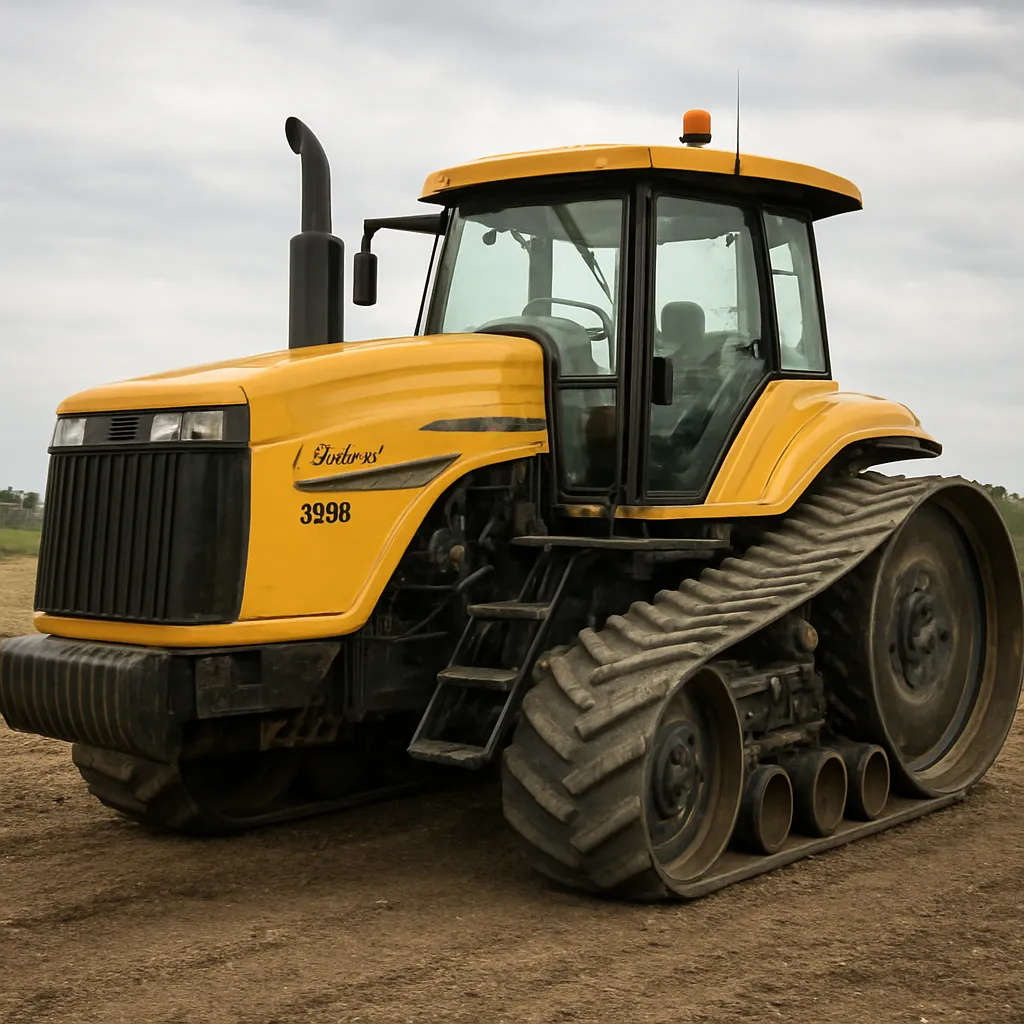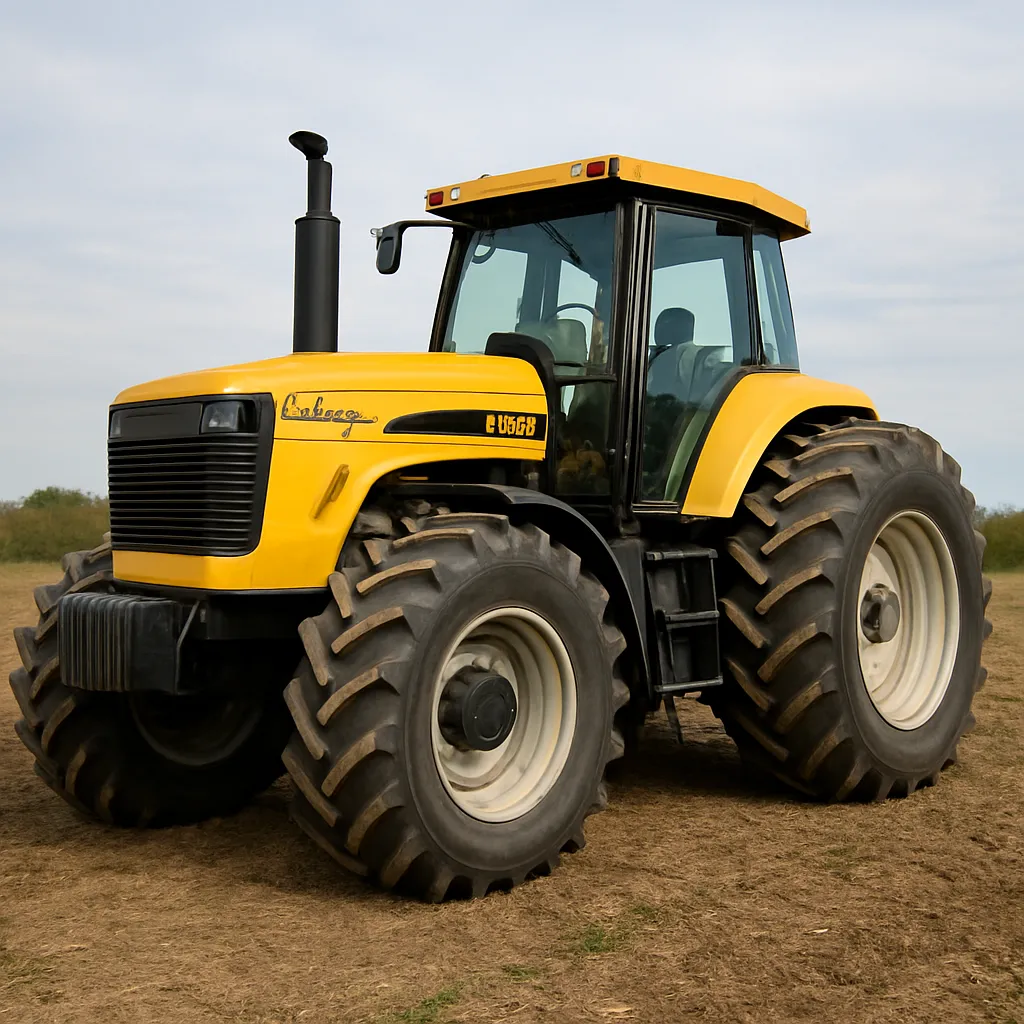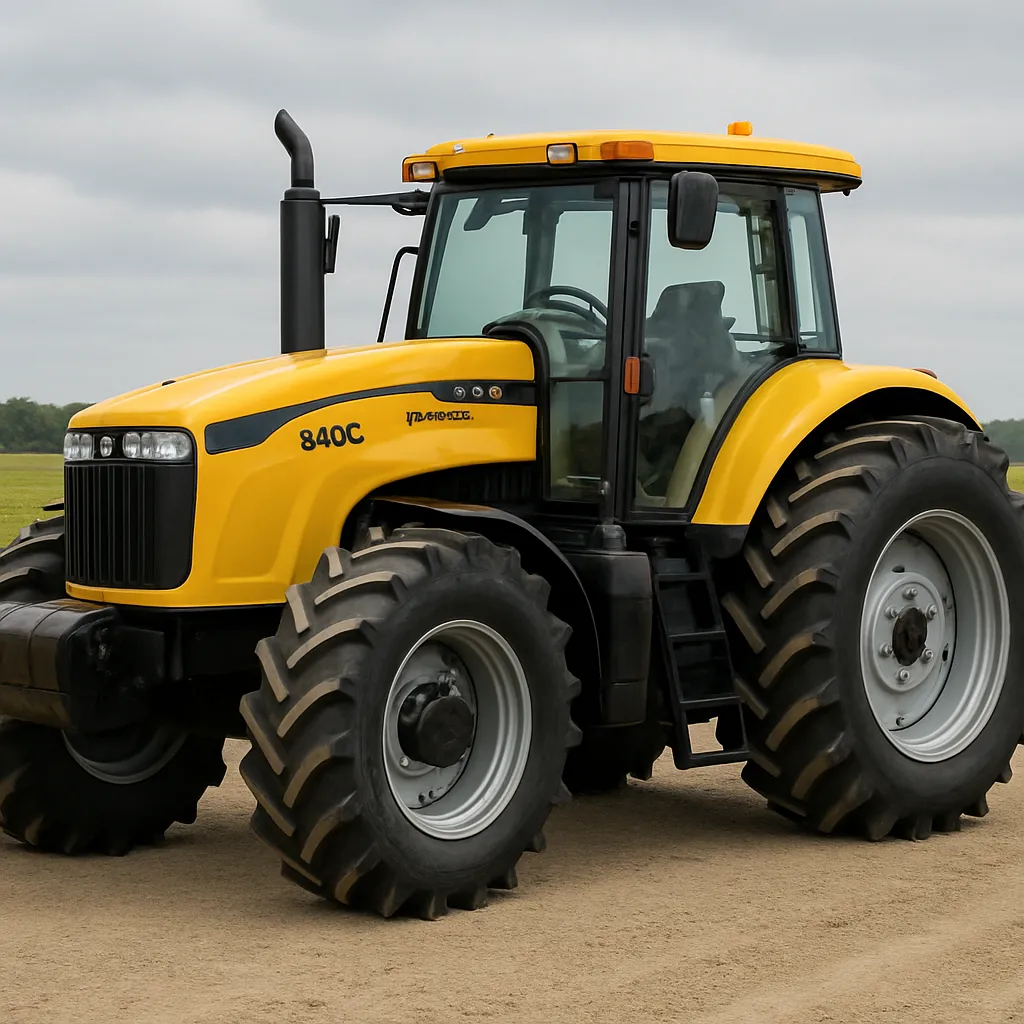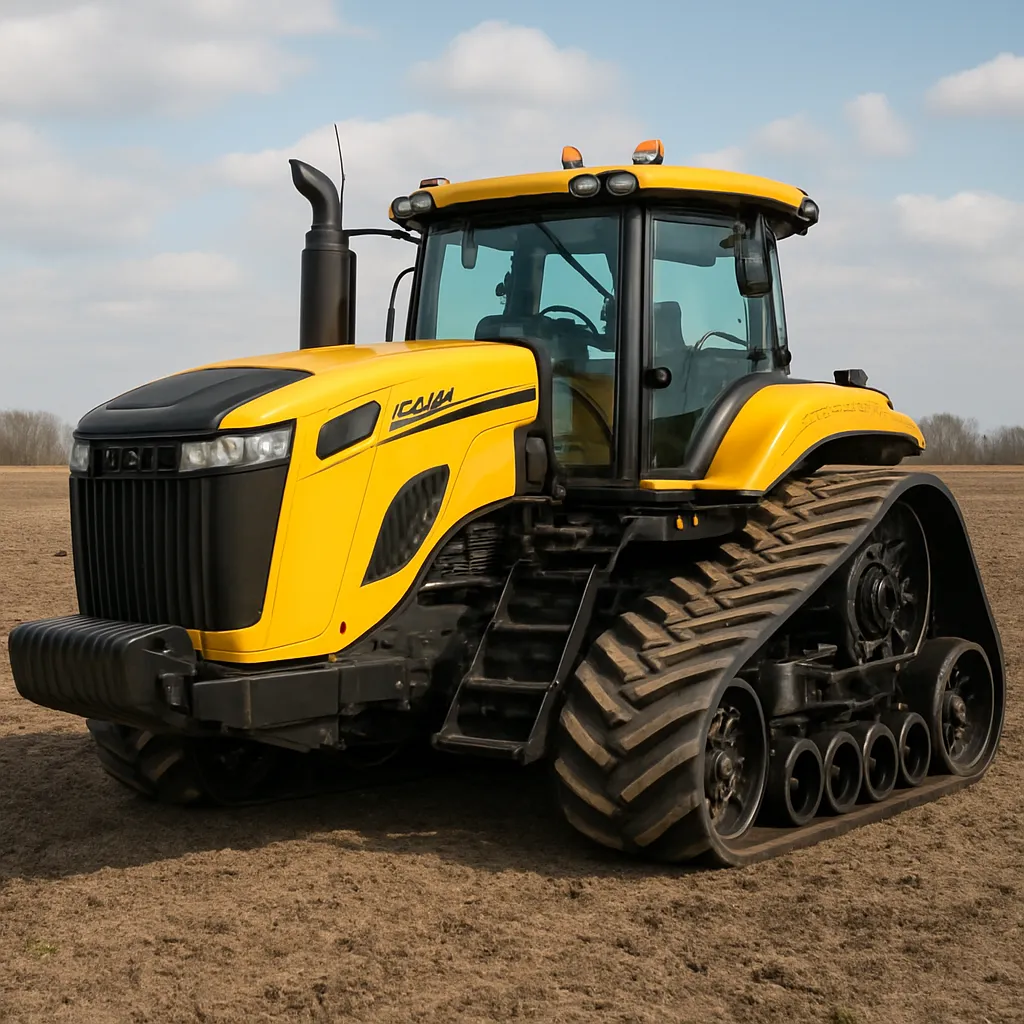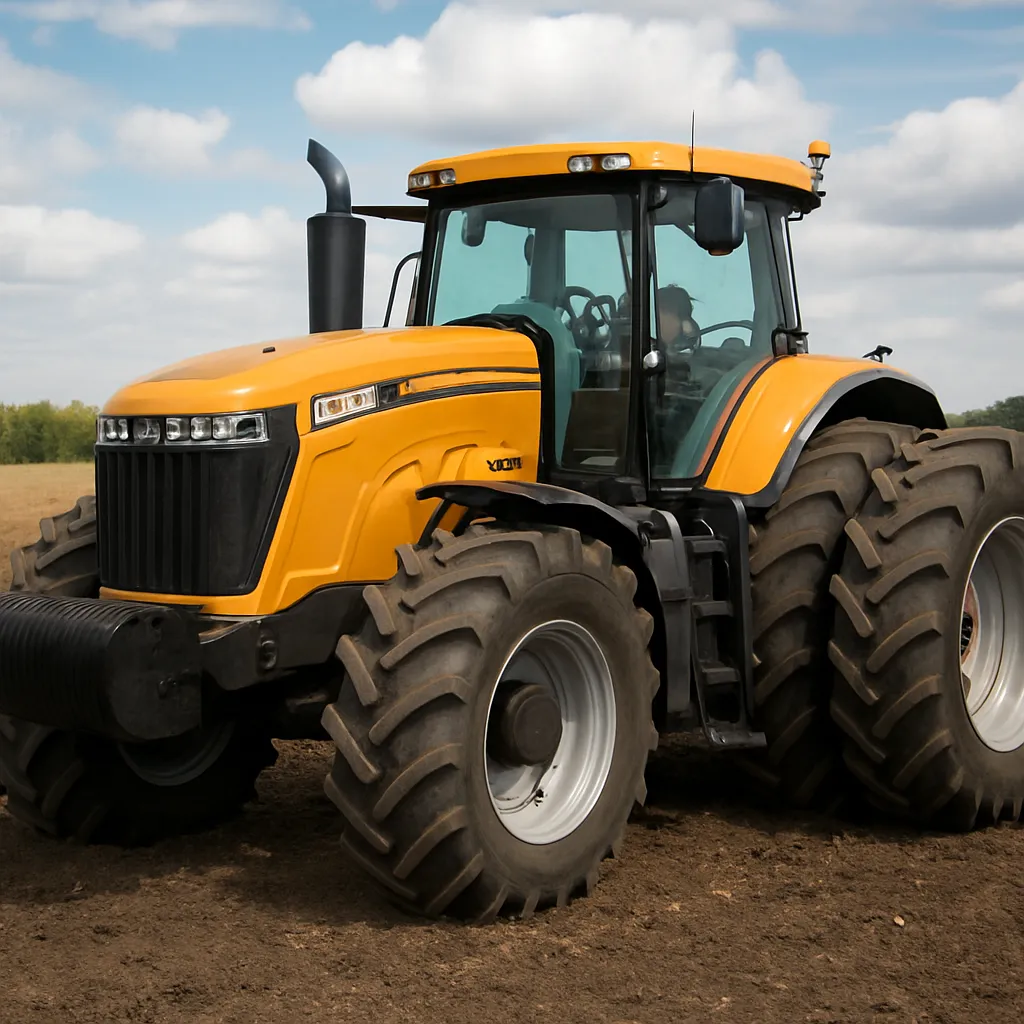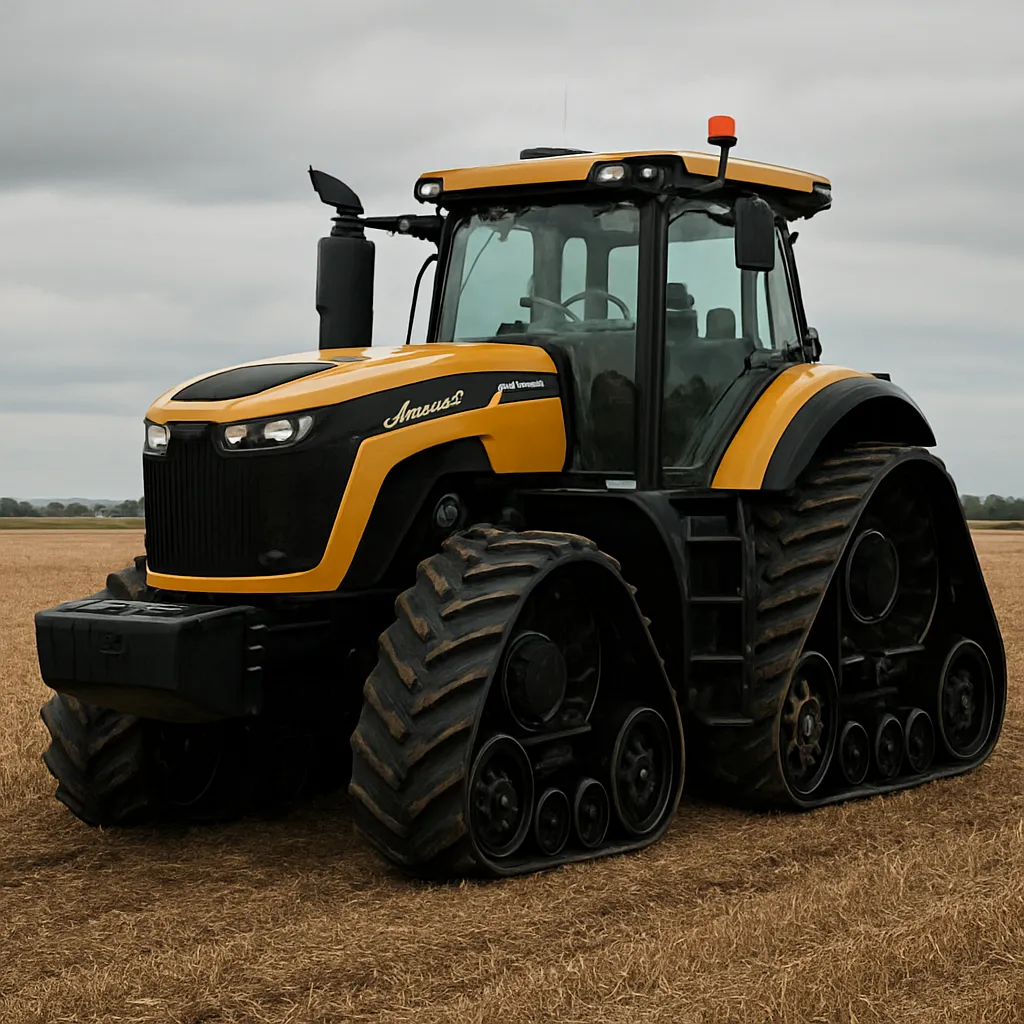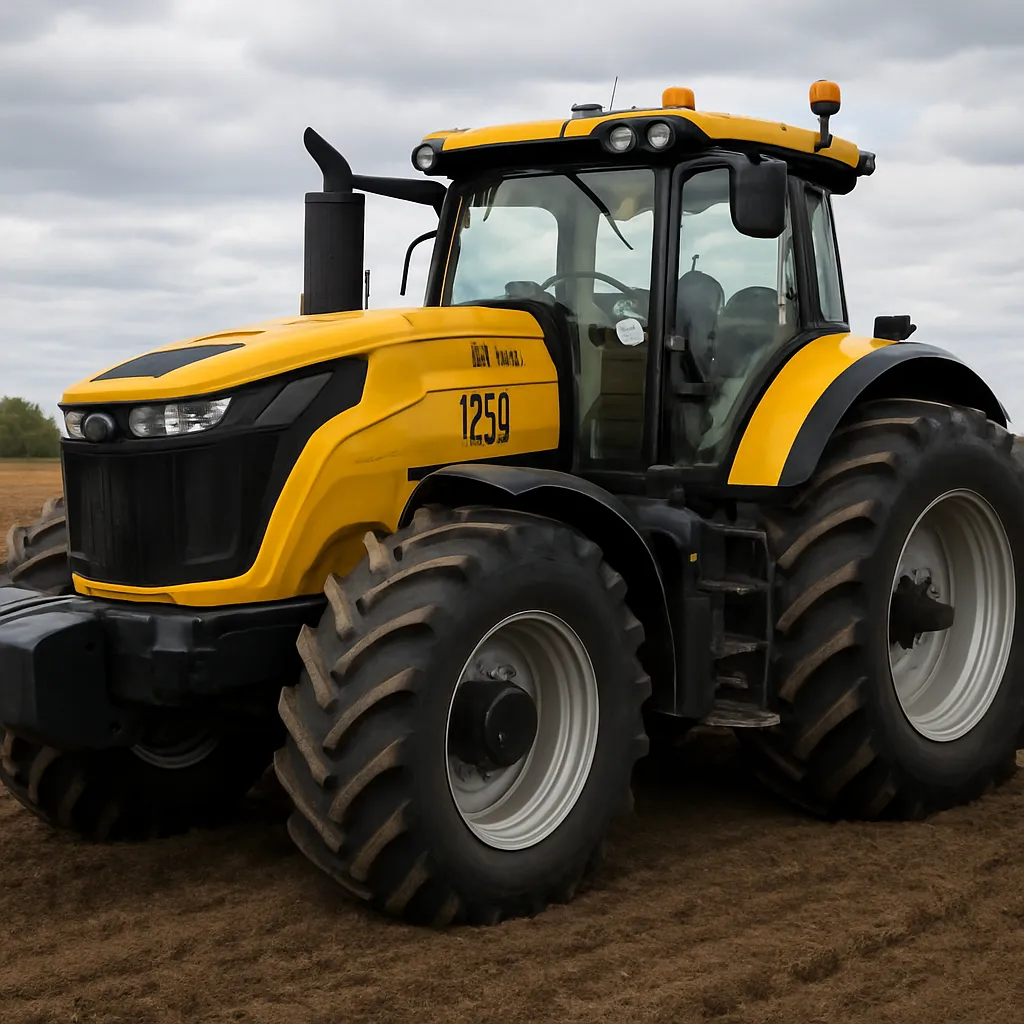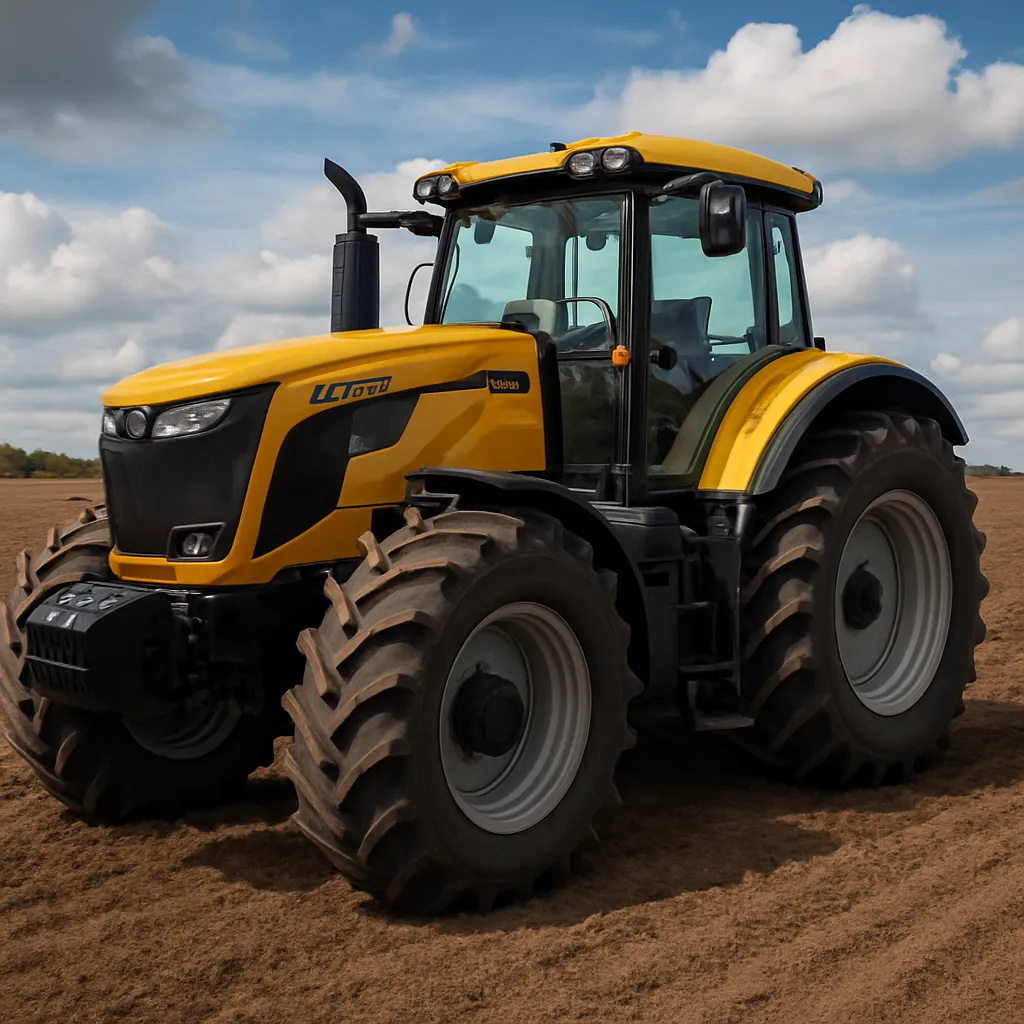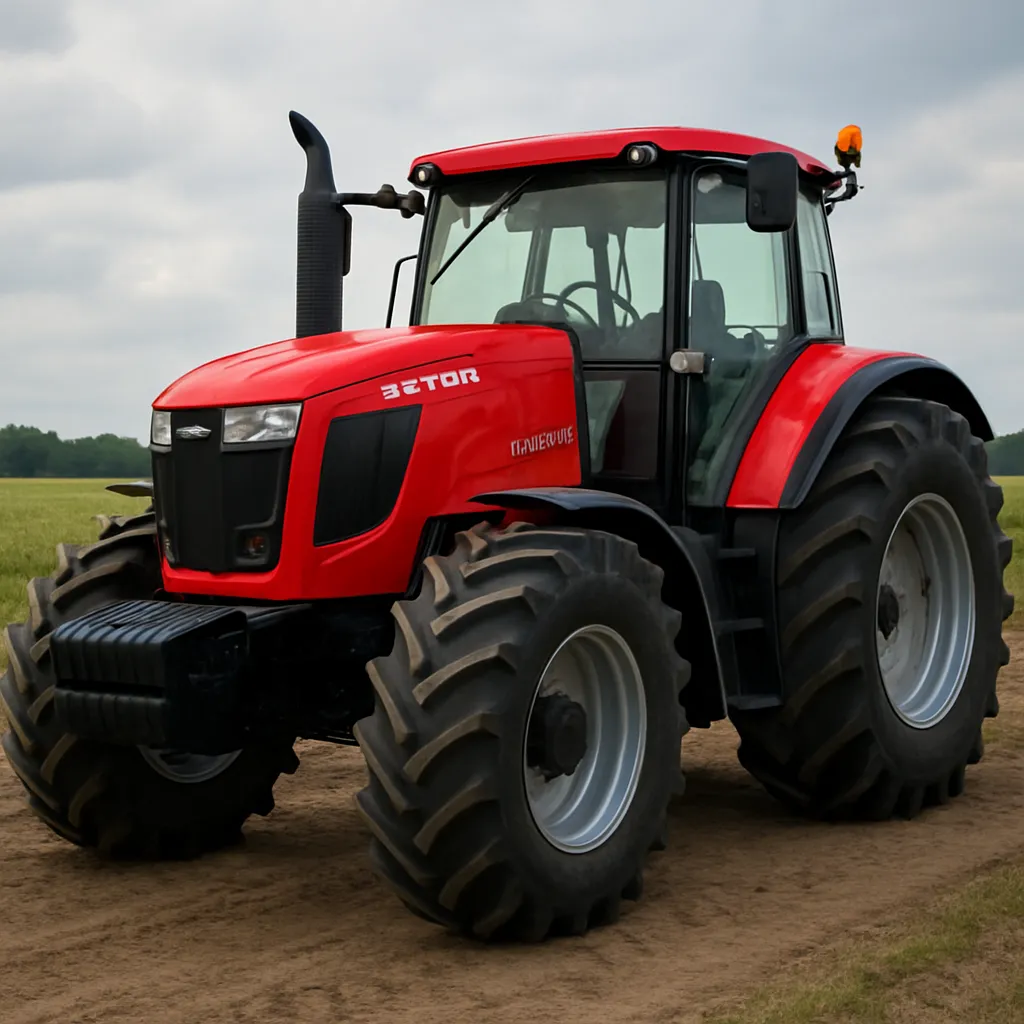
The Zetor Crystal 180 is a heavy-duty agricultural tractor designed for demanding fieldwork, transport and specialized tasks on medium to large farms. Combining proven mechanical solutions with ergonomics and modular options, this model aims to deliver consistent performance, long service intervals and versatility across a wide range of agricultural applications. In the paragraphs that follow, you will find an overview of its technical characteristics, common uses on the farm, operator-focused features, maintenance and reliability considerations, and market context including comparative strengths.
Design and technical overview
The Zetor Crystal 180 is built around a robust chassis intended to handle high loads and repeated heavy-duty cycles. The tractor’s architecture emphasizes a balance between powertrain resilience and serviceability. Key systems—engine, driveline, hydraulics and cab—are arranged to facilitate maintenance while providing the performance expected in tasks ranging from primary tillage to road transport.
Powertrain and engine characteristics
The heart of the machine is its diesel power unit. While specific configurations can vary by market and production year, the Crystal 180 is typically offered with a turbocharged diesel engine designed for sustained torque delivery at working rpm ranges. The manufacturer positions the tractor in the higher-power segment of the Crystal family, with nominal output aimed at meeting both heavy field implements and PTO-driven machinery.
- Engine: turbocharged diesel, designed for continuous operation and optimized for both PTO and transport tasks.
- Horsepower: the model name indicates a power class around 180 hp, which places the tractor in the medium-high power bracket suitable for large implements.
- Torque: emphasis on a wide usable torque curve to ensure steady traction and implement drive without frequent gear changes.
Manufacturers often tune the engine for durability and simplicity rather than maximal specific output. This approach reduces complexity, keeps service costs predictable and improves uptime under heavy use. The cooling and air intake systems are sized to match long-term duty cycles encountered in mixed farming and contract work.
Transmission and driveline
The transmission choices for tractors in this class typically include fully mechanical synchromesh gearboxes, powershift options or continuously variable transmissions (CVT) depending on year and specification. The Crystal 180 is engineered to provide a practical balance between the mechanical robustness of conventional gearboxes and the convenience of advanced shifting systems.
- Transmission: options may include multi-range synchromesh or power shuttle systems to facilitate frequent direction changes during loader, baling or loader-mounted work.
- Drive: 4WD with lockable differentials and reinforced axles for heavy draft and transport tasks.
- PTO: multiple PTO speed options (commonly 540/1000 rpm) to match a wide array of implements.
Hydraulics and hitch
Hydraulic capacity and hitch robustness are essential for the Crystal 180’s target applications. The hydraulic system is designed to handle high-flow implements and support responsive three-point hitch control.
- Hydraulics: medium-to-high flow pumps with options for multiple remote valves to support complex implement setups.
- Rear hitch: Category II or III linkage with high lift capacity suitable for large ploughs, cultivators and seed drills.
- Auxiliary connections: several spool valve options and support for electrical and pneumatic implement controls depending on specification.
Applications and common use cases
The Zetor Crystal 180 is targeted at operators that need a dependable tractor capable of executing a wide spectrum of agricultural and non-agricultural tasks. Its power class and design choices make it particularly suitable for:
- Primary tillage with large moldboard ploughs, heavy disc harrows and deep cultivation equipment
- Seeding and planting operations with high-capacity seed drills and planters
- Baling and forage harvesting support, including pull-type and implement-driven balers
- Transport and haulage of crop, fertilizer and materials on-road and farm tracks
- Loader work—both front-end loaders for materials handling and specialized attachments
- Specialized implements such as beet lifters, heavy sprayers and municipal tasks where traction and stability matter
Large mixed farms and agricultural contractors often value the Crystal 180 for its capacity to switch between jobs without sacrificing performance. For contractors, the tractor’s modularity and strong hydraulic/hitch performance support diverse fleets of implements during peak seasons.
Field performance and productivity
In the field, productivity is driven by a combination of sustained engine torque, hydraulics responsiveness and operator comfort. The Crystal 180’s design favors long operating days with minimal loss of efficiency under load, which is crucial during narrow weather windows for sowing or harvest. The tractor is commonly used with wide implements to reduce field hours and increase throughput per hectare.
- Large-diameter wheels and weight distribution optimized for traction and reduced slippage during draft work
- High-capacity hydraulics and hitch allow for quick implement changes and precise depth control
- Efficient gearbox choices promote fuel-saving operations by enabling use of optimal gear ranges
Operator environment, safety and ergonomics
Comfort and intuitive control layout are priorities on tractors that are intended for long shifts. The Zetor Crystal 180’s cab features are engineered to improve productivity by reducing fatigue and increasing visibility.
- Spacious cab with good all-around visibility for front-loader work and implement monitoring
- Ergonomically placed controls for throttle, hydraulics and linkage adjustment to minimize repetitive strain
- Climate control options (heater and air conditioning) to maintain operator comfort in diverse climates
- Soundproofing and vibration dampening to reduce operator fatigue during long transport or field sessions
Operator comfort is not only a convenience feature; it correlates directly with safety and efficiency. Comfortable operators are less prone to mistakes, maintain steady working rhythms and can sustain longer productive hours without increased error rates.
Maintenance, reliability and lifecycle costs
One of the Crystal series’ strengths is its focus on pragmatic engineering aimed at lowering lifecycle costs. Design simplicity, modular components and accessible service points contribute to predictable maintenance schedules and minimize downtime.
- Service intervals: extended intervals for oil and filter changes in many setups to reduce frequent workshop visits
- Parts availability: Zetor’s dealer network supplies commonly replaced items and wear parts; aftermarket support in many regions is established
- Reliability: built with heavy-duty components in the driveline and hitch to resist the stresses of contractor-level usage
Reliability is the result of conservative engineering margins, robust cooling and filtration systems, and the use of proven mechanical subsystems. For many operators, lower unexpected repair frequency is as important as headline performance figures.
Serviceability
Accessible points for routine checks—such as fluid levels, filters and belts—allow on-farm servicing by knowledgeable technicians or farm mechanics. This reduces both waiting time for dealer attention and overall operating costs during peak seasons.
Fuel efficiency, emissions and environmental considerations
Fuel consumption is a key economic metric for large tractors. The Crystal 180’s engineering balances power and economy by optimizing engine mapping for common agricultural tasks. Modern variants tend to meet regional emissions standards through turbocharging, intercooling and after-treatment systems where required.
- Fuel efficiency: designed to provide competitive specific fuel consumption under load, especially when operated within optimal rpm ranges
- Emissions: engine packages are adapted to meet market-specific regulations; some configurations include exhaust after-treatment to meet stricter standards
- Operational tips: matching implement selection and gear choices to workload can materially reduce fuel burn per hectare
Minimizing idle times, using proper gear ranges and periodic engine tuning are practical ways to reduce fuel costs for high-hour tractors such as the Crystal 180. For contractors, per-hour fuel and maintenance estimates are central to bidding and pricing farm services.
Market position, competitors and resale
The Zetor Crystal 180 sits in the segment occupied by high-power, general-purpose tractors from several global manufacturers. Its competitive advantages typically include a strong price-to-performance ratio, straightforward mechanics and a dedicated dealer network in regions where Zetor has a presence.
- Competes with established models from international brands that offer similar horsepower and features
- Often attracts buyers who prioritize durability and serviceability over cutting-edge electronic packages
- Resale value: robust machines with documented maintenance histories tend to hold value in used markets, especially when major components show low cumulative hours
Buyers should consider local dealer support, parts availability and service expertise when comparing the Crystal 180 to alternatives. For operations that demand simple, repairable machines in remote locations, the Crystal 180’s design philosophy can be a decisive advantage.
Practical tips for prospective owners
Choosing and operating a tractor of this class involves more than comparing peak horsepower. Here are practical considerations:
- Match PTO and hydraulic flow to your heaviest implements rather than selecting solely on headline engine power
- Confirm axle and hitch capacity for the intended draft loads and implement weights
- Assess local service networks and parts stock before purchase—downtime is expensive
- Consider optional features such as front loaders, dual hydraulics or advanced transmissions according to actual seasonal needs
- Plan for operator training and routine maintenance schedules to maximize uptime
Well-documented service records and careful pre-purchase inspections (for used machines) are essential to avoid costly surprises. An independent inspection focusing on engine hours, gearbox smoothness, hydraulic leaks and frame condition will reveal typical wear points on high-hour tractors.
Comparisons and variants
The Crystal 180 may be offered in several variants depending on regional markets and optional packages. Differences can include transmission types, cab layouts, hydraulic pump sizes and PTO configurations. When evaluating variants:
- Compare transmissions for the kinds of operations you perform most often—transport-heavy operations benefit from more gears or powershift systems
- Hydraulic flow and valve count matter for multi-function implements like large planters or sprayers
- Cab options (visibility, controls, electronics) influence daily operator comfort and productivity
In many markets, operators choose a model with modest electronics and robust mechanical systems to facilitate in-field repairs by farm technicians. For contractors or farm fleets seeking maximum ease of use, more automated transmission and hydraulic controls may be preferred despite higher initial cost.
Summary and outlook
The Zetor Crystal 180 is designed to be a heavy, dependable workhorse for mixed farms and contractors. Its most valuable traits are the combination of strong mechanical fundamentals, adaptability to many implements and emphasis on operator comfort and serviceability. Key benefits include a balanced powertrain optimized for draft and PTO work, sturdy hydraulics and a layout that simplifies maintenance.
For those evaluating a tractor in this power class, the Crystal 180 represents a practical option where predictable operating costs, durability and broad compatibility with implements are priorities. Its role on modern farms is to deliver reliable performance across long workdays while keeping lifecycle costs manageable.
Highlighted attributes
- Zetor Crystal 180 – robust mid-high power tractor
- Engine – turbocharged diesel optimized for torque
- Horsepower – positioned around the 180 hp class
- Torque – engineered for sustained draft performance
- Hydraulics – high-capacity options for complex implements
- Transmission – multiple choices to suit farm or contractor needs
- Reliability – conservative engineering for long service life
- Versatility – suitable for tillage, seeding, transport and loader work
- Fuel efficiency – tuned for sensible consumption under load
- Operator comfort – cab and controls reduce fatigue