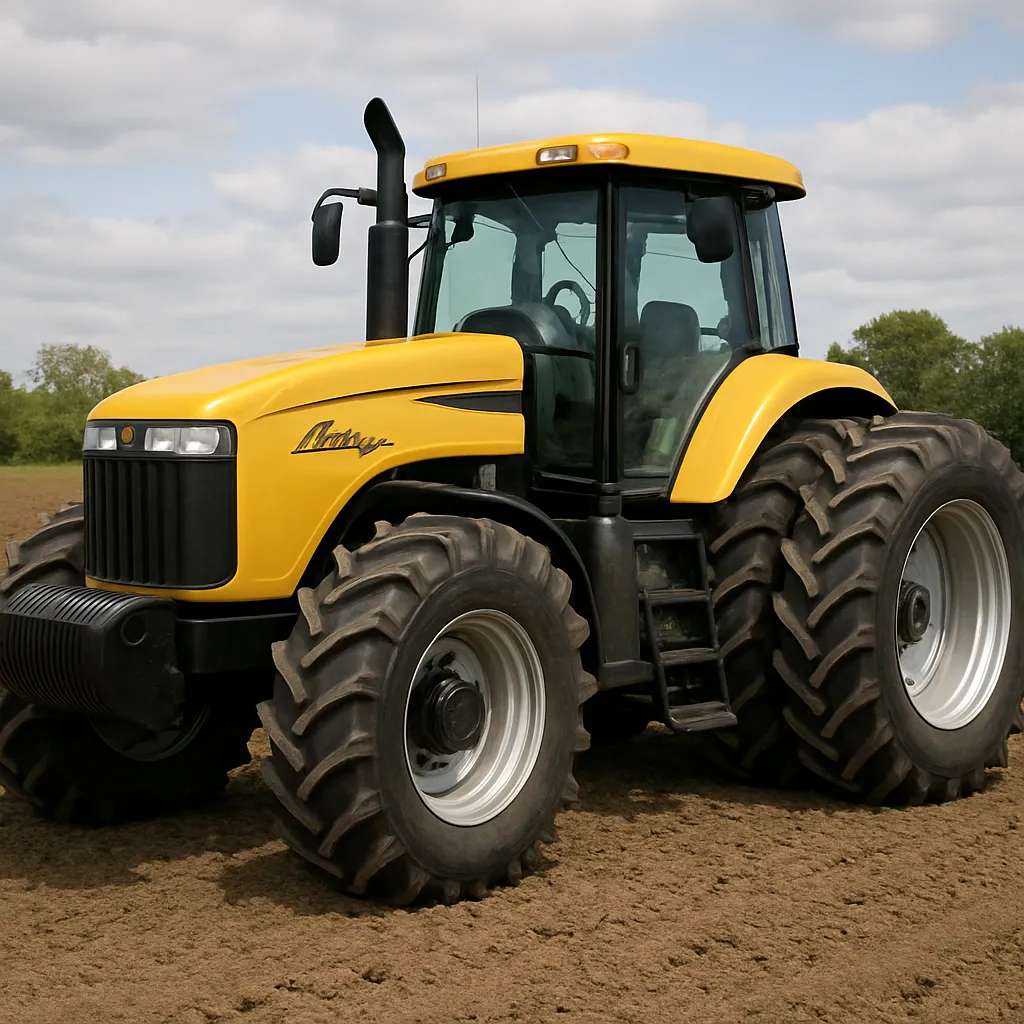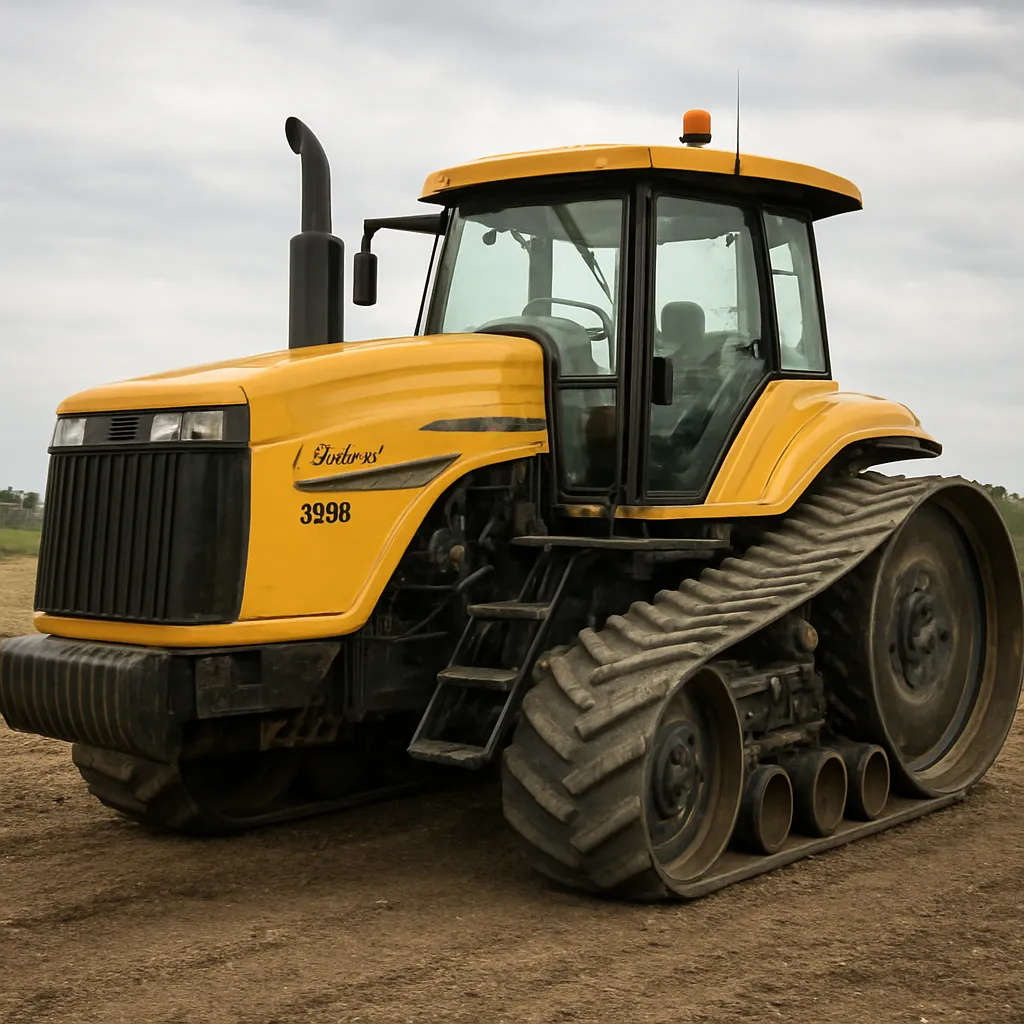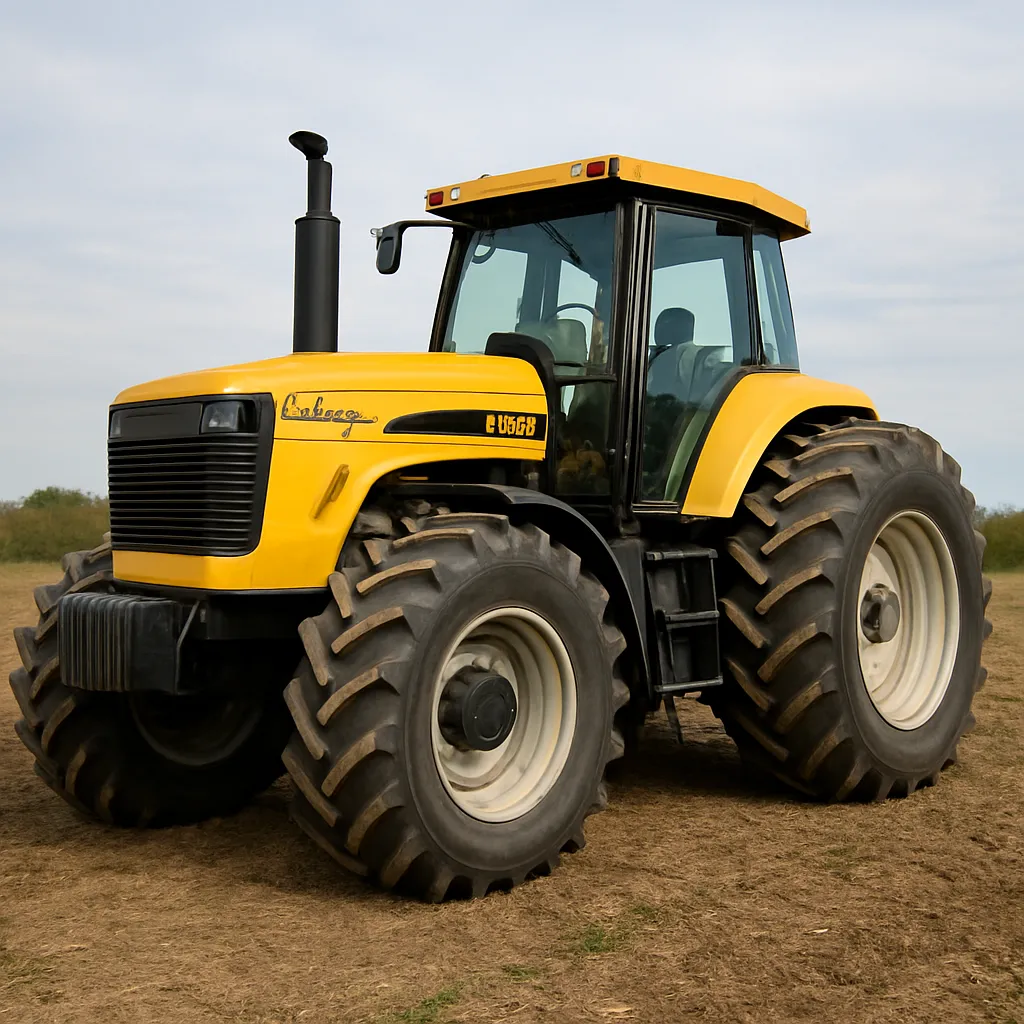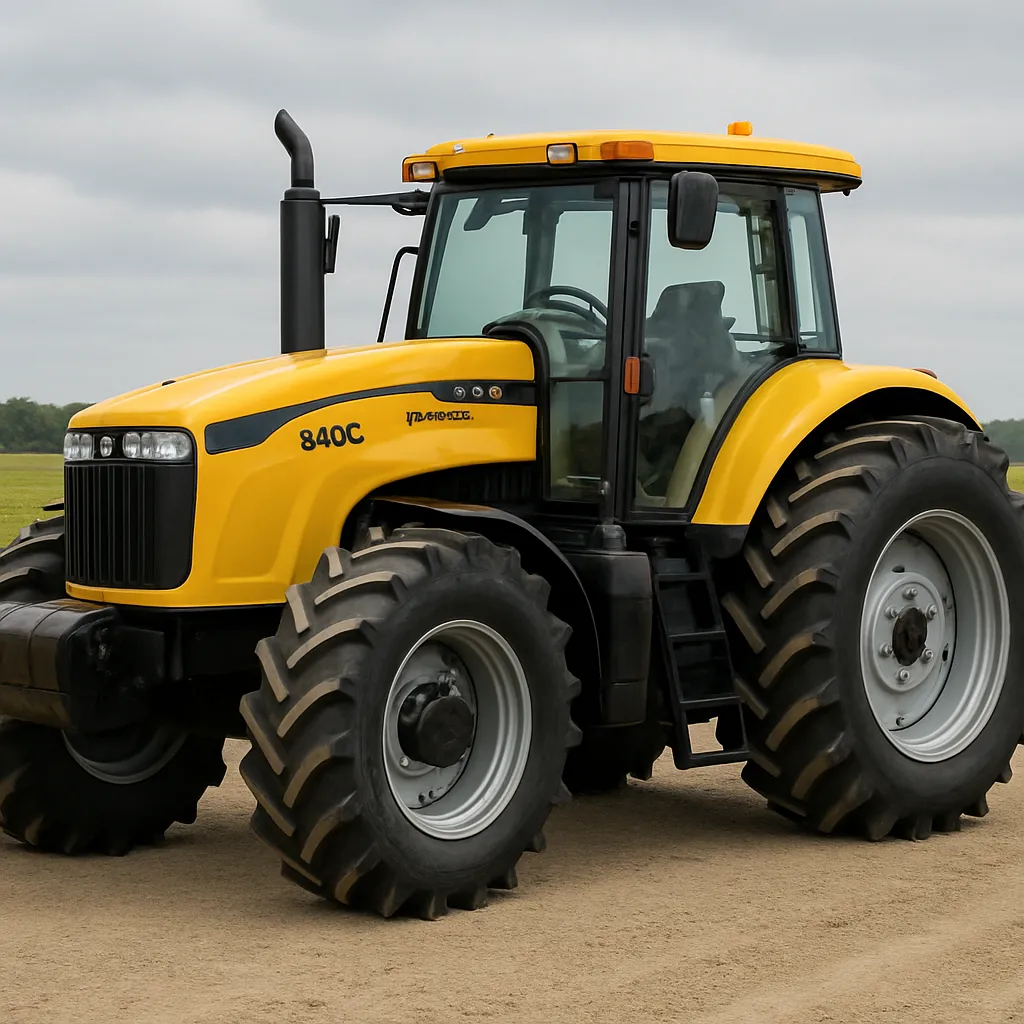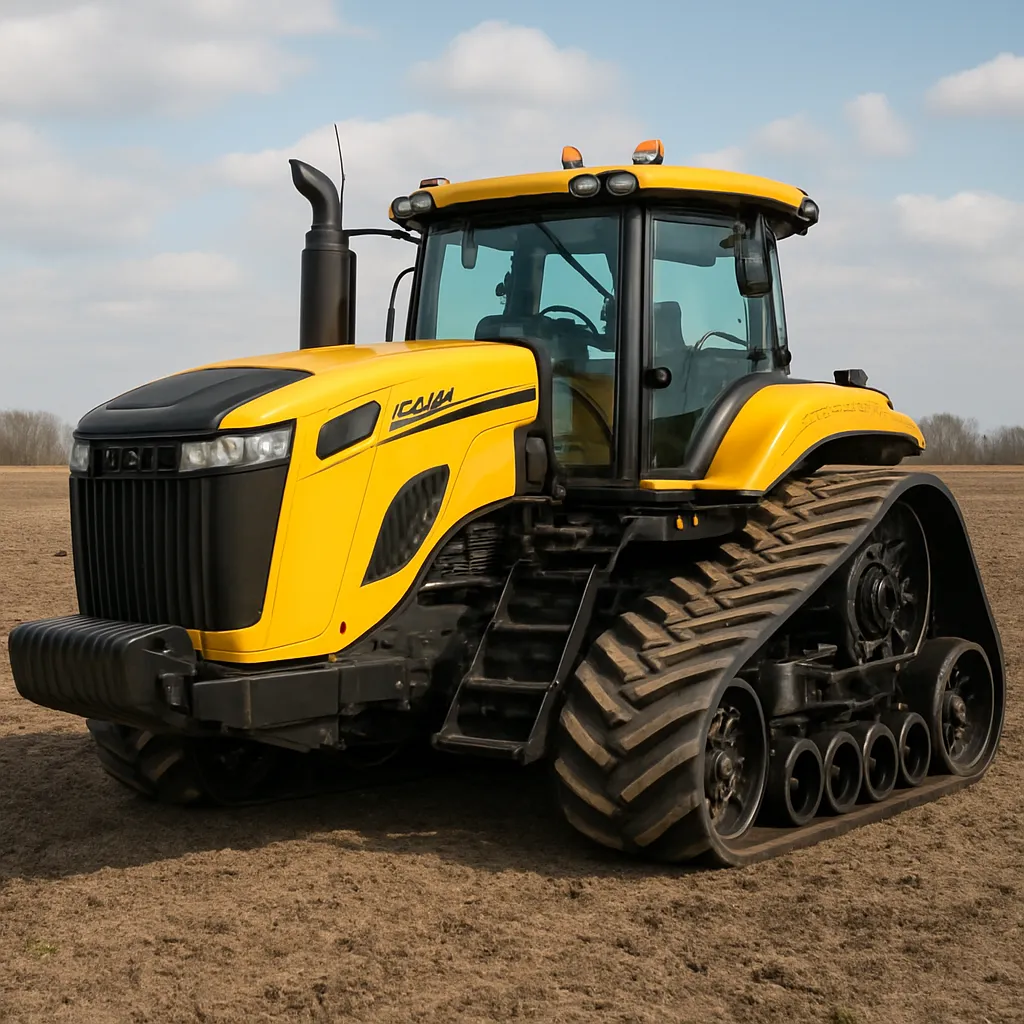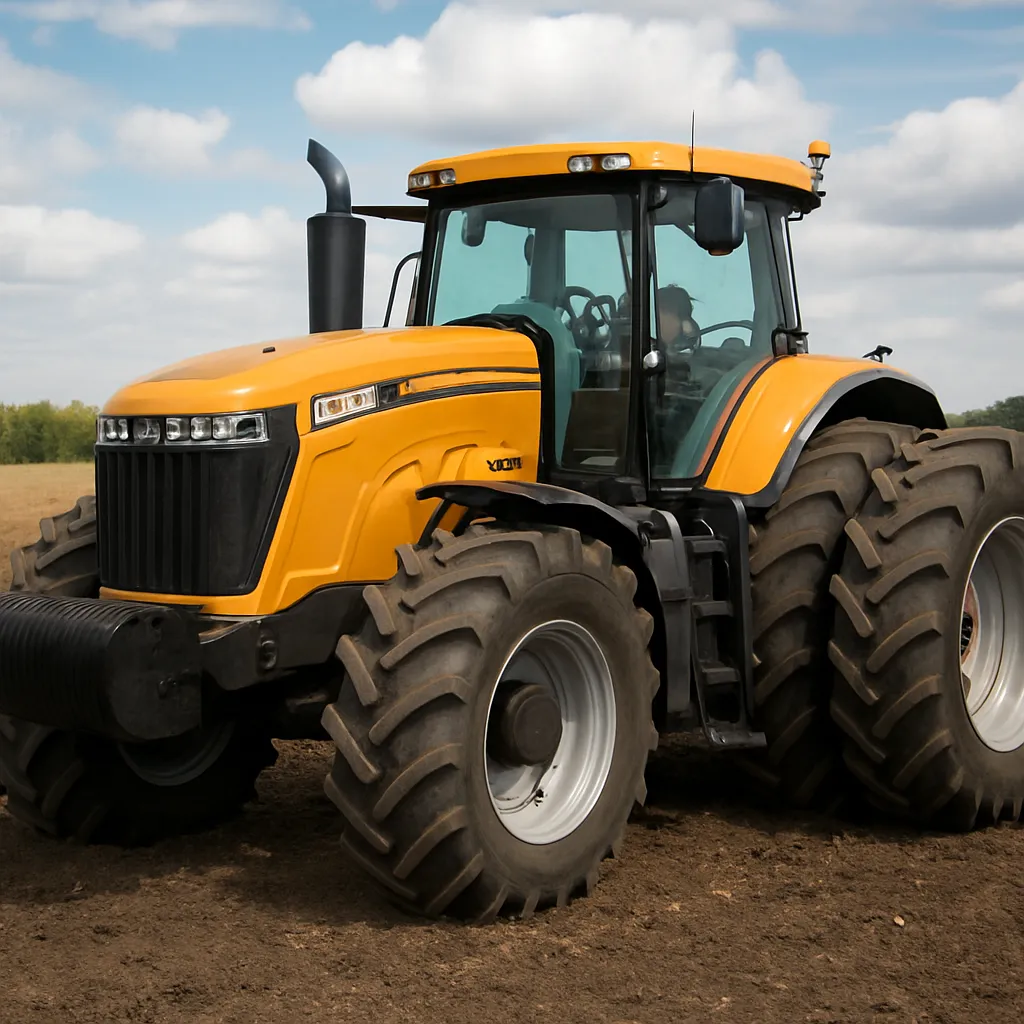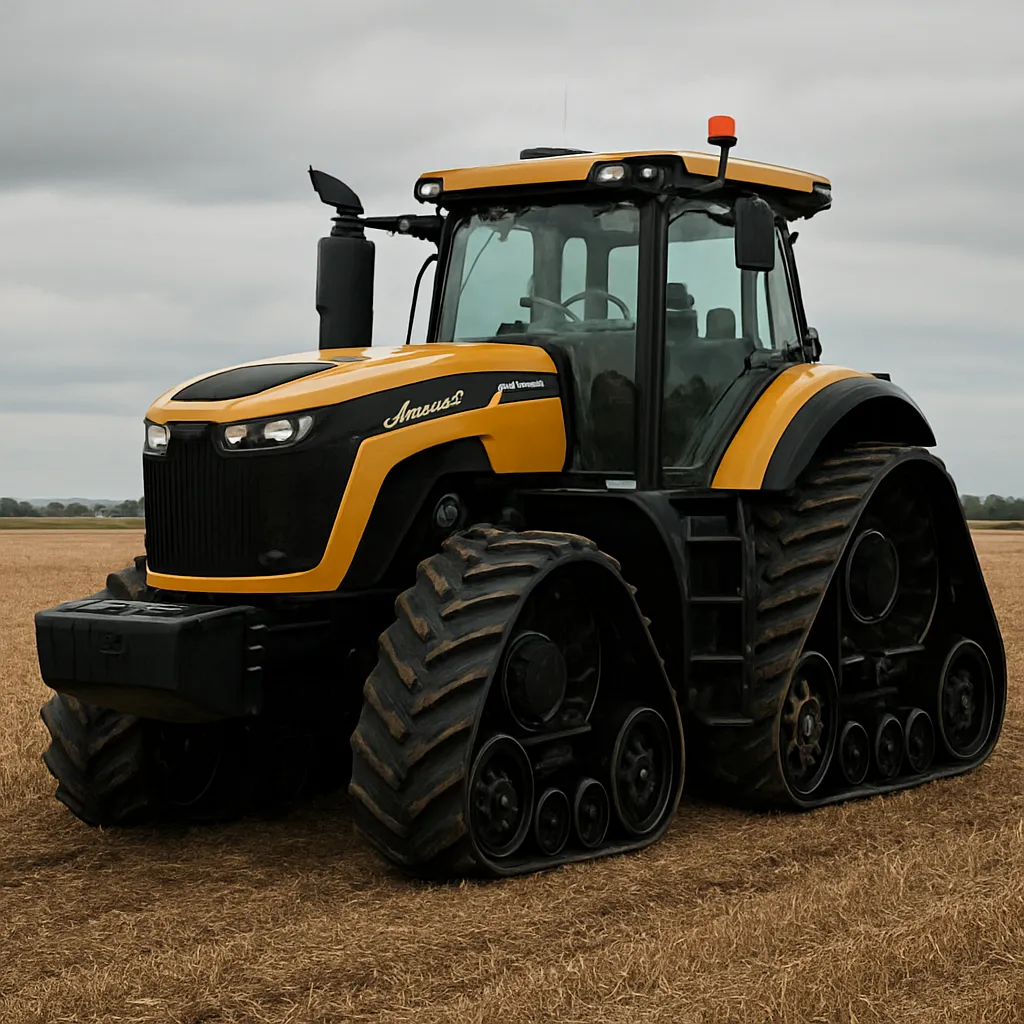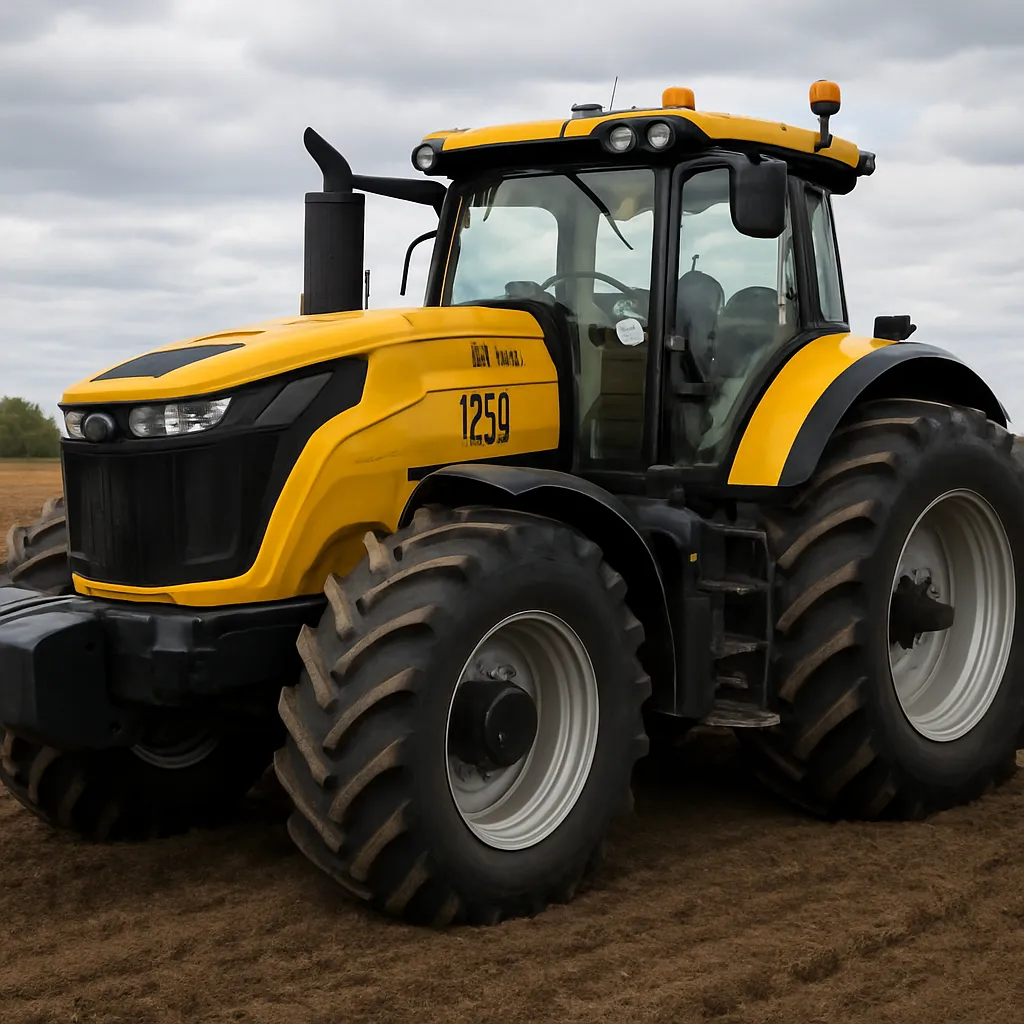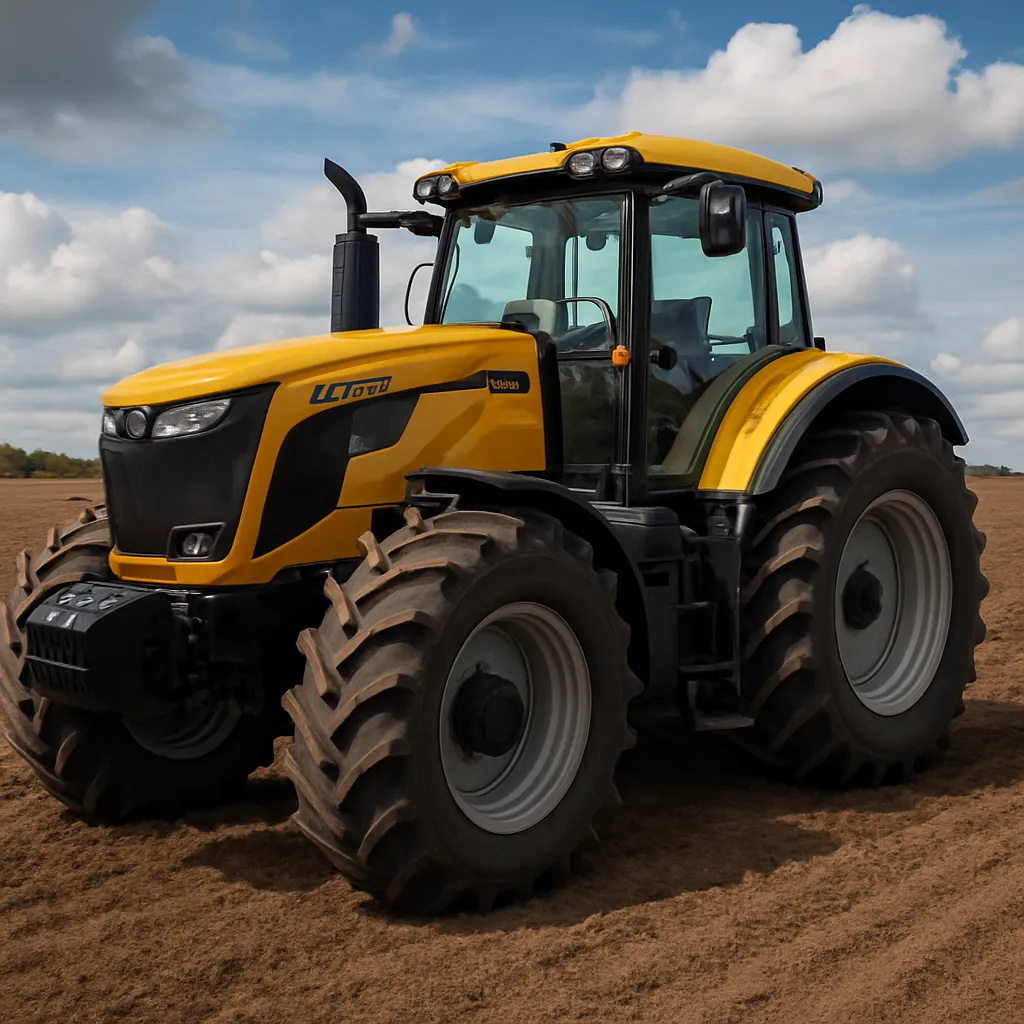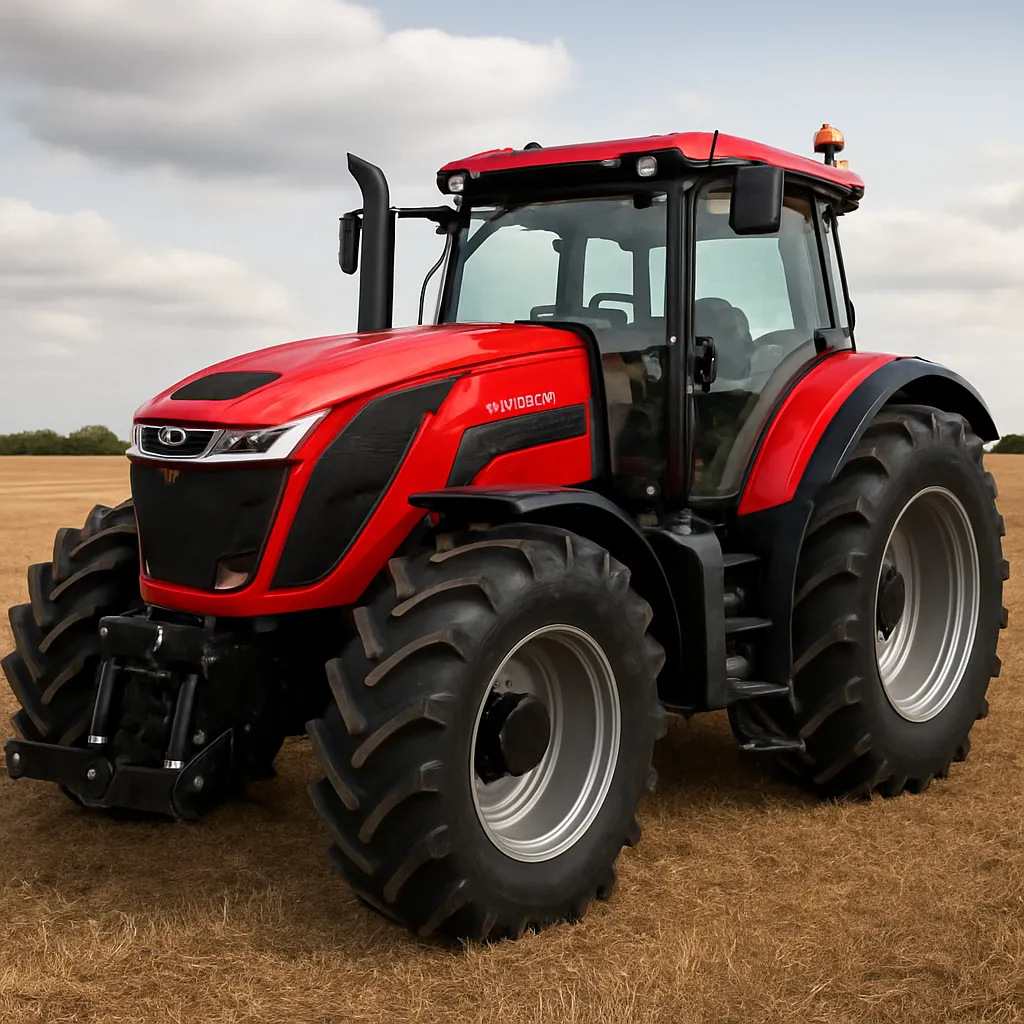
The Zetor Crystal 220 Concept represents a glimpse into the future direction of a historic Central European tractor manufacturer. Presented as a design and technology demonstrator rather than a final production model, the Crystal 220 Concept blends traditional robustness with modern innovations in operator comfort, drivetrain engineering and connectivity. In this article we examine the Concept’s likely applications, technical ideas behind the project, market role, and the practical implications for farmers, contractors and fleet managers who might consider an eventual production variant. We also discuss broader trends in the tractor market that contextualize why a concept like Crystal 220 matters today.
Background and manufacturer context
Zetor, founded in 1946 and headquartered in Brno, Czech Republic, is a brand known for producing rugged and accessible agricultural machinery over many decades. The company has periodically released concept machines to showcase new styling, ergonomics and technology paths. The Crystal 220 Concept fits into this tradition as a public demonstration of Zetor’s ambitions to combine traditional values—simplicity, durability and ease of maintenance—with contemporary demands for efficiency, connectivity and operator-centric design.
Why concept tractors matter
Concept tractors allow manufacturers to test visual language, human–machine interface ideas and new powertrain approaches with minimal commercial risk. They also serve to collect feedback from dealers and end users before committing to large investments. For Zetor, presenting the Crystal 220 Concept signals a desire to remain competitive in mid-to-high power segments while keeping the brand’s identity intact.
Design and technology highlights
The Crystal 220 Concept emphasizes a clean, modern aesthetic combined with functional features that address everyday farm work. Its visible design cues focus on modularity and operator-centric ergonomics.
Exterior and chassis
Externally, the Concept typically showcases a reinforced chassis and a compact bonnet layout intended to improve forward visibility. The hood lines and lighting units are often used to communicate both brand identity and improved night-time working performance. The chassis architecture supports a variety of implements and heavy linkage loads, aiming to deliver high traction and stability across demanding field conditions.
Operator environment
One of the most important aspects of the concept is the cab. The Crystal 220 Concept places emphasis on comfort, ergonomics and intuitive controls. Expected features include a spacious cabin envelope, adjustable seating, reduced noise through acoustic insulation, and an optimized layout for levers and displays. Zetor’s concepts typically explore larger, clearer touchscreen controls and configurable instrument clusters that integrate telematics data for real-time machine monitoring. The goal is to reduce operator fatigue and improve productivity during long working days.
Powertrain and driveline ideas
Although concept models do not always present finalized technical specifications, the “220” suffix is commonly understood to reference a target power class in the neighborhood of 200–230 horsepower. The Concept’s driveline is therefore positioned for medium-to-heavy draft tasks and is likely designed around a robust transmission platform—options might include synchronized mechanical gearboxes, powershift or continuously variable transmissions (CVT). Fuel efficiency and emissions compliance are key design drivers, so any production derivative would be expected to meet current regional emission standards and possibly offer aftertreatment solutions for diesel engines.
Electrification and hybrid potential
Given contemporary industry trends, concept tractors often explore partial electrification, hybridization or electrified auxiliary systems (e.g., electrically driven PTOs or hydraulic pumps). The Crystal 220 Concept provides a useful platform to test hybrid or mild-hybrid systems aimed at improving low-end torque, reducing fuel consumption during idling and enabling more precise implement control. Even if the final implementation remains conventional diesel, the architecture is typically prepared to support future electrified options.
Applications and typical use cases
The Crystal 220 Concept is targeted at a set of farm operations and contracting tasks where a combination of power, versatility and endurance is required. Typical use cases include:
- Primary tillage and deep ploughing with heavy implements
- Large-scale planting and seeding operations on arable farms
- Baling, mowing and forage harvesting in livestock-focused businesses
- Transport and haulage of heavy loads over mixed terrain
- Front-loader and materials-handling tasks for livestock and mixed farms
- Contracting work where long duty cycles and varied implements are used
These tasks demand strong engine output, reliable hydraulics, and a transmission capable of managing heavy loads while preserving fuel economy. The intended operator benefits—improved visibility, ergonomic controls and telematics—also make the Concept attractive for long-hours contracting operations where comfort and operator retention matter.
Performance, specifications and statistics
As a concept, the Crystal 220 does not have production figures or long-term reliability statistics. However, several technical expectations and benchmarking items can be outlined.
- Power class: The model designation suggests a power output around 200–230 hp, placing it in a segment suitable for medium-to-large farms and many contracting fleets.
- Hydraulic capacity: For this class, hydraulic flow rates are typically in the 100–170 l/min range (external implement hydraulics plus steering and hitch circuits), giving enough capacity for modern high-demand implements.
- PTO options: Standard rear PTO with multiple speeds (540/1000 rpm) and an optional front PTO for loader or mower driveability.
- Transmission: Possibilities range from 16–24 speed synchronized gearboxes to powershift or CVT alternatives, depending on emphasis between cost and operator comfort.
- Axles and traction: Heavy-duty front and rear axles with differential locks and optional limited-slip solutions provide increased traction for difficult soils.
Because official test cycles and production stats are not published for concept units, no certified fuel consumption or emissions tables exist for the Crystal 220 Concept. If a production model were released, one could expect fuel consumption figures aligned with modern tractors in this class—improved by incremental gains in engine management and optional hybrid systems.
Connectivity, precision agriculture and telematics
One of the clear directions in modern tractor design is integration with precision agriculture tools and fleet telematics. The Crystal 220 Concept explores possibilities that include GPS-guided steering compatibility, telematics for remote monitoring, and an architecture supporting software updates and data exchange with farm management systems.
Key connectivity features likely tested in a concept include:
- Integration with autosteer systems and RTK correction for centimeter-level swath accuracy
- Real-time diagnostics and predictive maintenance alerts via telematics
- Remote job planning and data transfer between tractor, implement and farm management platforms
- Modular software interfaces that allow dealers to customize control layouts for different crops and regions
These features can reduce overlap in field operations, save fuel, and increase effective working hours—translating directly into improved profit per hectare when properly implemented.
Economic considerations and target customers
The positioning of a Crystal 220-derived production machine would be aimed at customers who need a resilient, high-output tractor but still value straightforward serviceability and a reasonable purchase price. Primary targets include commercial arable farms, medium-to-large livestock operations and agricultural contractors.
Investing in a machine of this class involves several economic factors:
- Acquisition cost vs. productivity gains—larger tractors yield fewer working hours per hectare but increased overall capacity
- Operating costs—fuel, maintenance, and tires represent the majority of recurring expenses; efficient engines and smart hydraulics can reduce these over time
- Residual value—brand reputation, availability of parts and perceived reliability influence resale prices
- Telematics and uptime—connected tractors can cut downtime through better scheduling of maintenance and faster diagnostics
While the Concept itself does not provide pricing data, a full-production model in the 200–230 hp segment historically sits in a mid-to-upper price bracket, often justified by better implements compatibility and reduced labor costs thanks to more productive field-days.
Maintenance, serviceability and dealer support
Zetor has traditionally emphasized simplicity and ease of maintenance—an ethos that typically carries over from concepts to production. The Crystal 220 Concept demonstrates a service layout designed for quick access to routine service points: accessible engine compartments, grouped fluid checks and modular electronic components to enable rapid replacement.
Service network strength is a critical factor for buyers. Dealers that can provide rapid parts delivery, warranty support and skilled technicians make higher-capacity tractors more attractive. For concept-driven features—advanced telematics, hybrid modules or new transmissions—dealer training and spare parts planning are essential to preserve uptime and maintain customer trust.
Environmental and regulatory aspects
Modern agricultural machinery must comply with regional emissions standards and increasingly strong sustainability expectations. The Crystal 220 Concept is an opportunity to showcase how Zetor approaches emissions compliance, fuel economy and potential electrification.
Key environmental priorities for a tractor in this class include:
- Efficient combustion and aftertreatment systems to meet Tier/Stage emissions targets
- Design choices that reduce idling and optimize power delivery to reduce fuel consumption
- Potential electrical subsystems that allow implements to be powered more efficiently or enable hybrid-assisted operations
Beyond regulatory compliance, these improvements can lower the carbon footprint per hectare—an increasingly important consideration for agricultural businesses participating in voluntary sustainability programs or meeting buyer requirements for low-impact production.
Comparisons and competitive landscape
In the mid-to-high power category, the Crystal 220 Concept would compete against established models from manufacturers who offer similar horsepower bands and feature sets. The differentiating advantages for a Zetor-derived product might be focused on lower total cost of ownership, ease of service, and a user interface tailored for real-world farm operations rather than overly complex feature sets.
Competitors might emphasize advanced powertrain options, broader dealer networks or brand cachet in certain markets. Zetor’s competitive strategy often rests on balancing modern functionality with simplicity—delivering reliability and serviceable designs while incorporating the most impactful modern technologies: connectivity, real-time diagnostics and ergonomic cabs.
Potential limitations and considerations
Concepts rarely translate directly to production without changes. Potential limitations of the Crystal 220 Concept include:
- Cost implications of advanced features—full electrification or high-end transmission options can push price beyond target customers
- Dealer readiness—advanced telematics and hybrid components require training and inventory changes
- Regulatory patchwork—different regions have different emissions and safety standards, complicating global rollout
- Market acceptance—contractors and farmers may prefer proven platforms to newly introduced architectures until long-term reliability is demonstrated
Outlook and concluding observations
The Zetor Crystal 220 Concept is an illustrative example of how a long-standing tractor manufacturer can demonstrate continuity with its roots while preparing for future demands. The concept emphasizes operator comfort, practical connectivity, and a robust platform suitable for a wide range of tasks from heavy draft to loader work. While concrete production specifications and sales statistics are not applicable to a concept model, the Crystal 220 communicates the brand’s interest in the 200–230 hp segment and underlines priorities such as efficiency, comfort, connectivity and durability.
For end users and fleet managers, the Crystal 220 Concept highlights several trends to watch: greater integration of telematics, the potential for hybrid-assisted systems to reduce operating costs, and continued emphasis on ergonomics to keep operators productive. Should Zetor choose to bring a Crystal-based model into production, buyers can expect a focus on practical innovation—features that deliver measurable improvements in uptime, fuel consumption and operator satisfaction, rather than purely aesthetic changes.
In summary, the Zetor Crystal 220 Concept is a strategic statement: it signals readiness to compete in a demanding power segment while honoring the brand’s reputation for straightforward, serviceable machinery. It points toward a future where tractors combine traditional mechanical strength with intelligent systems that make farm work more precise, comfortable and economically sustainable.