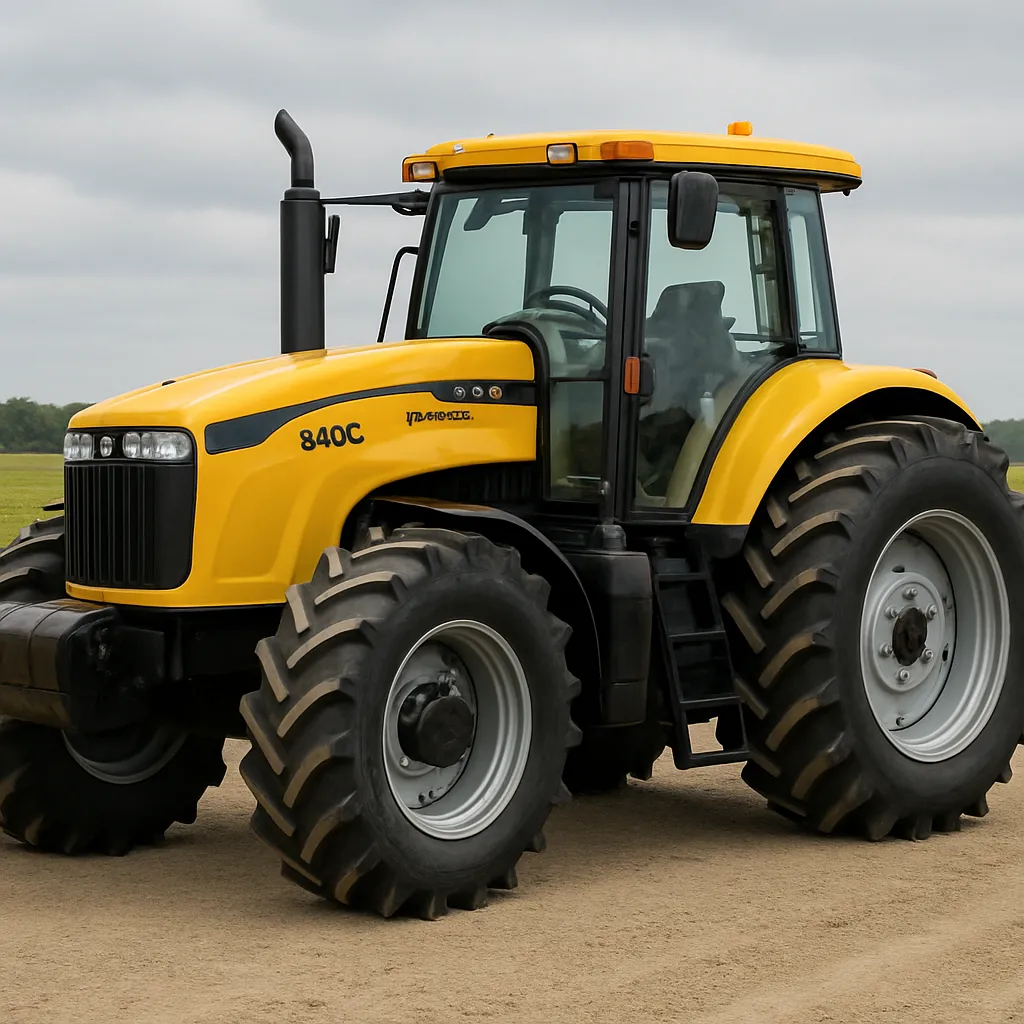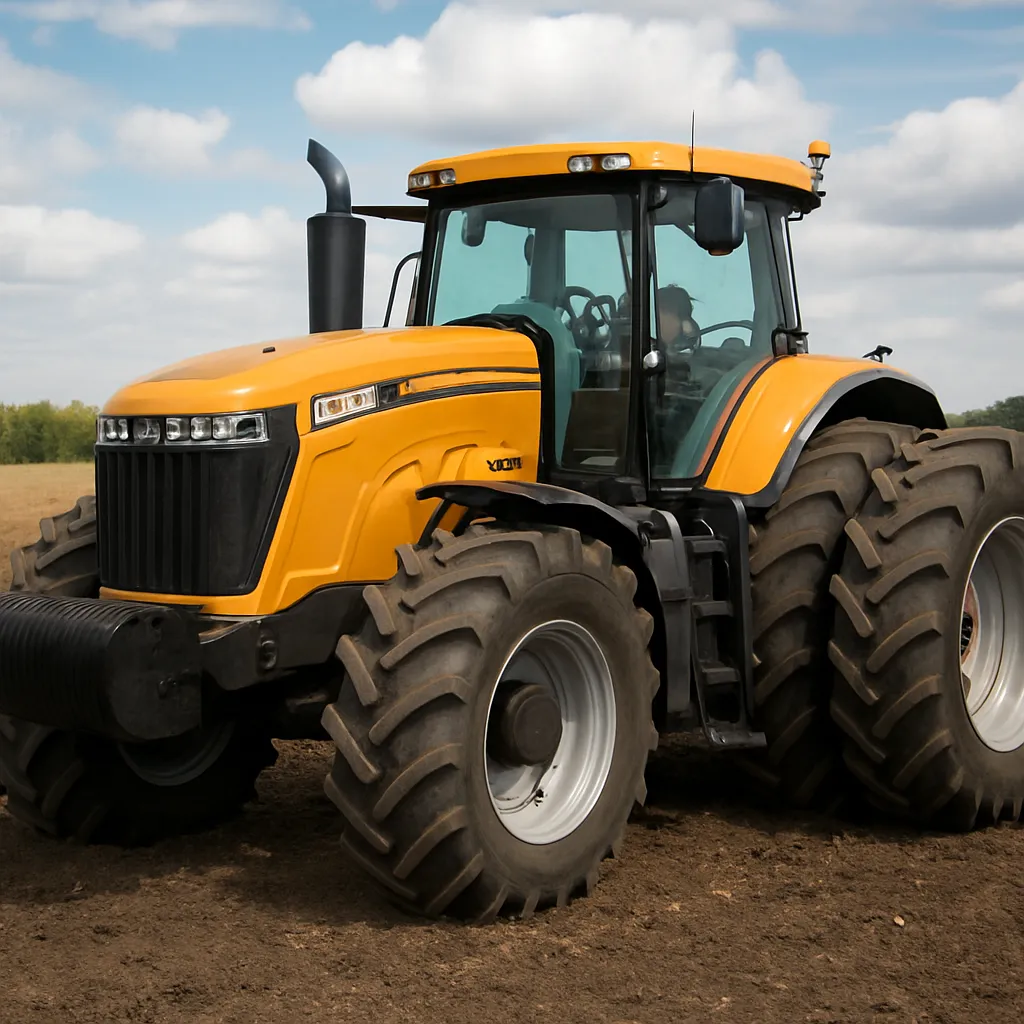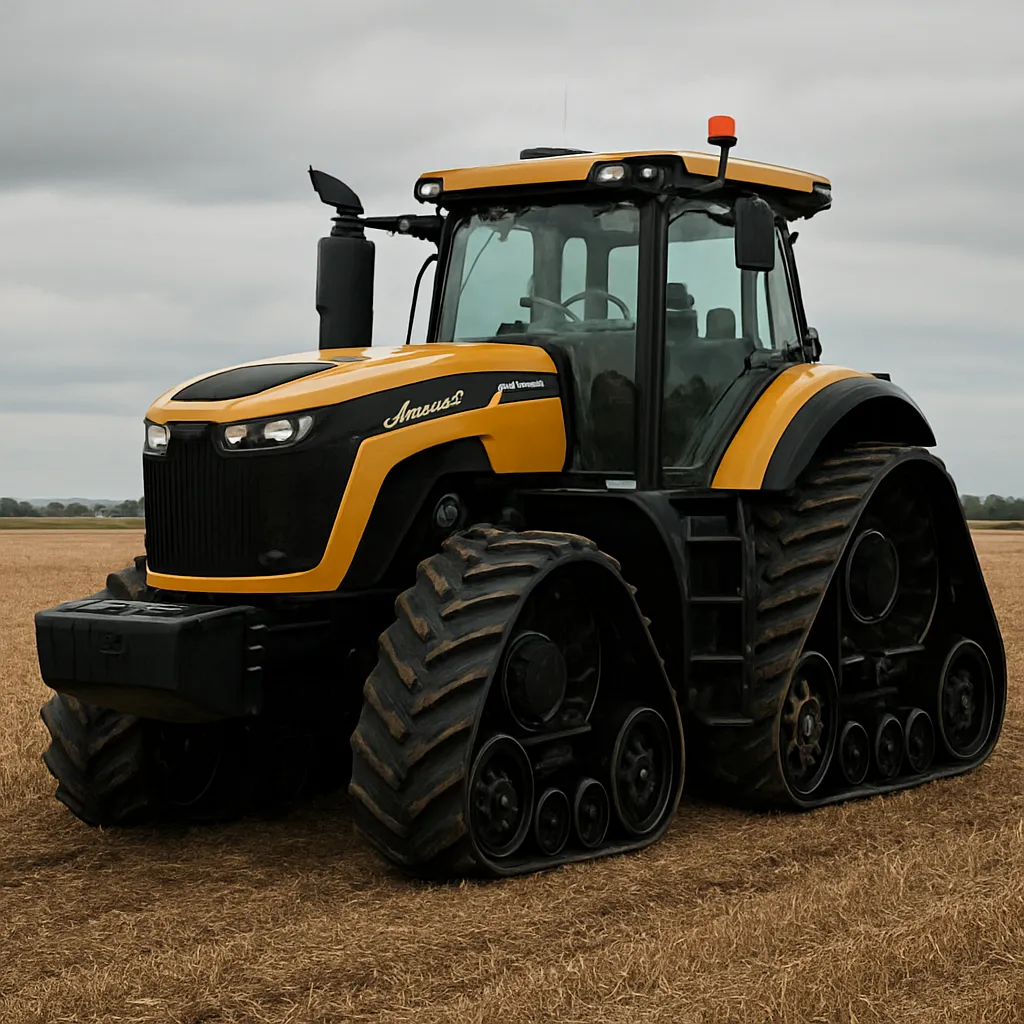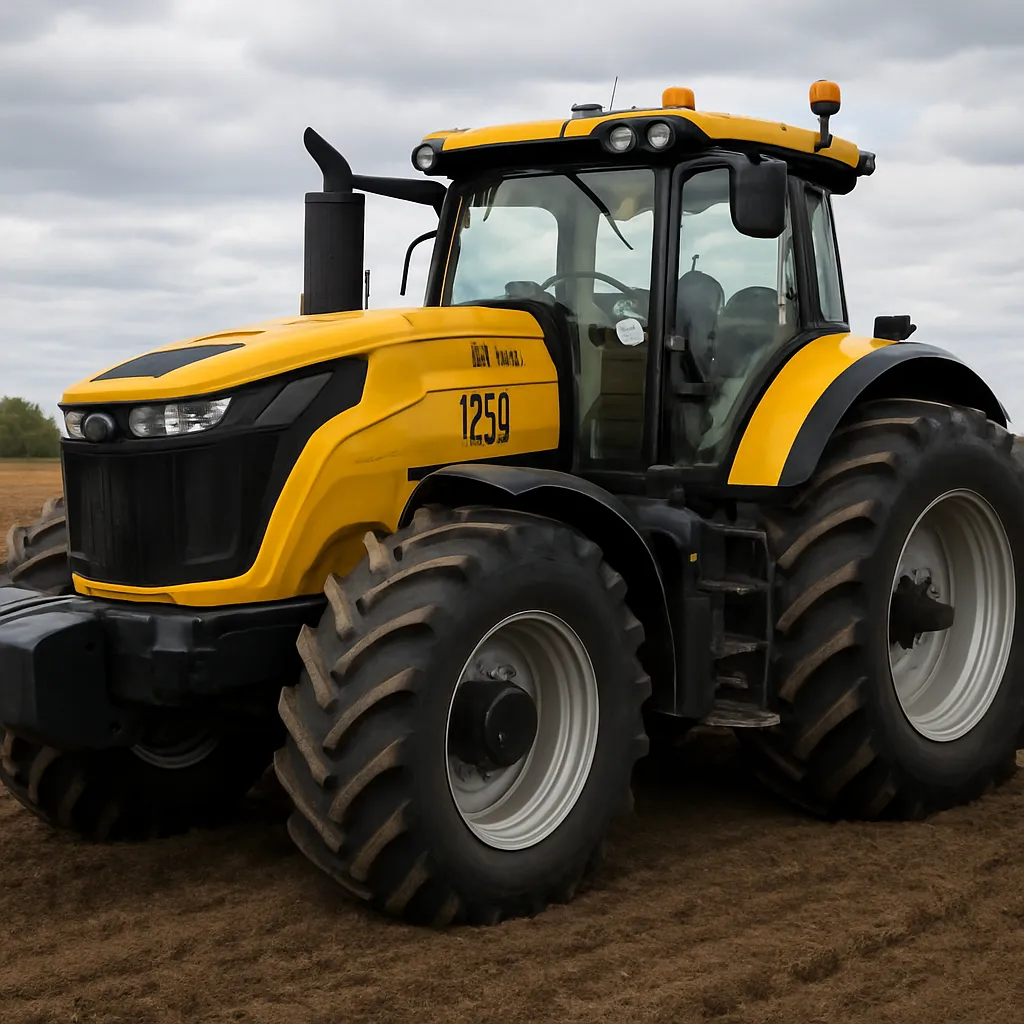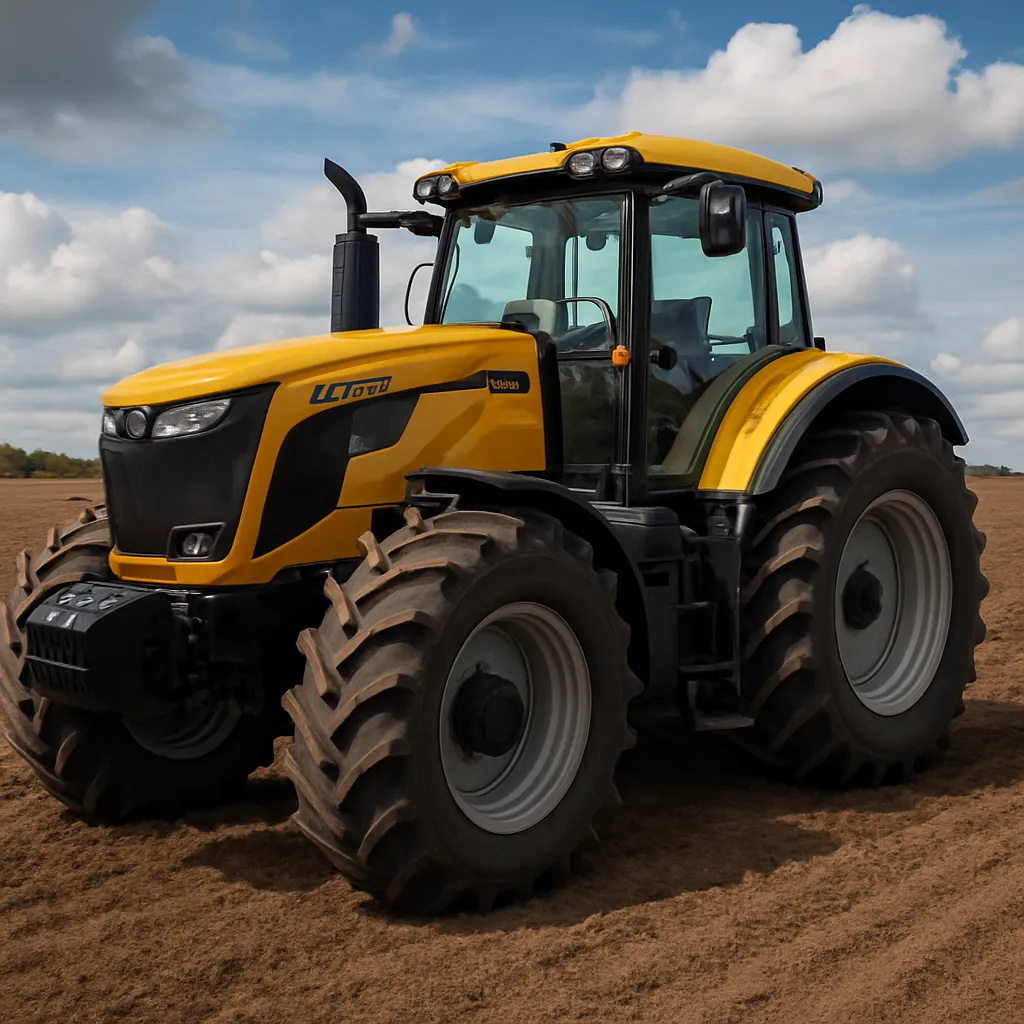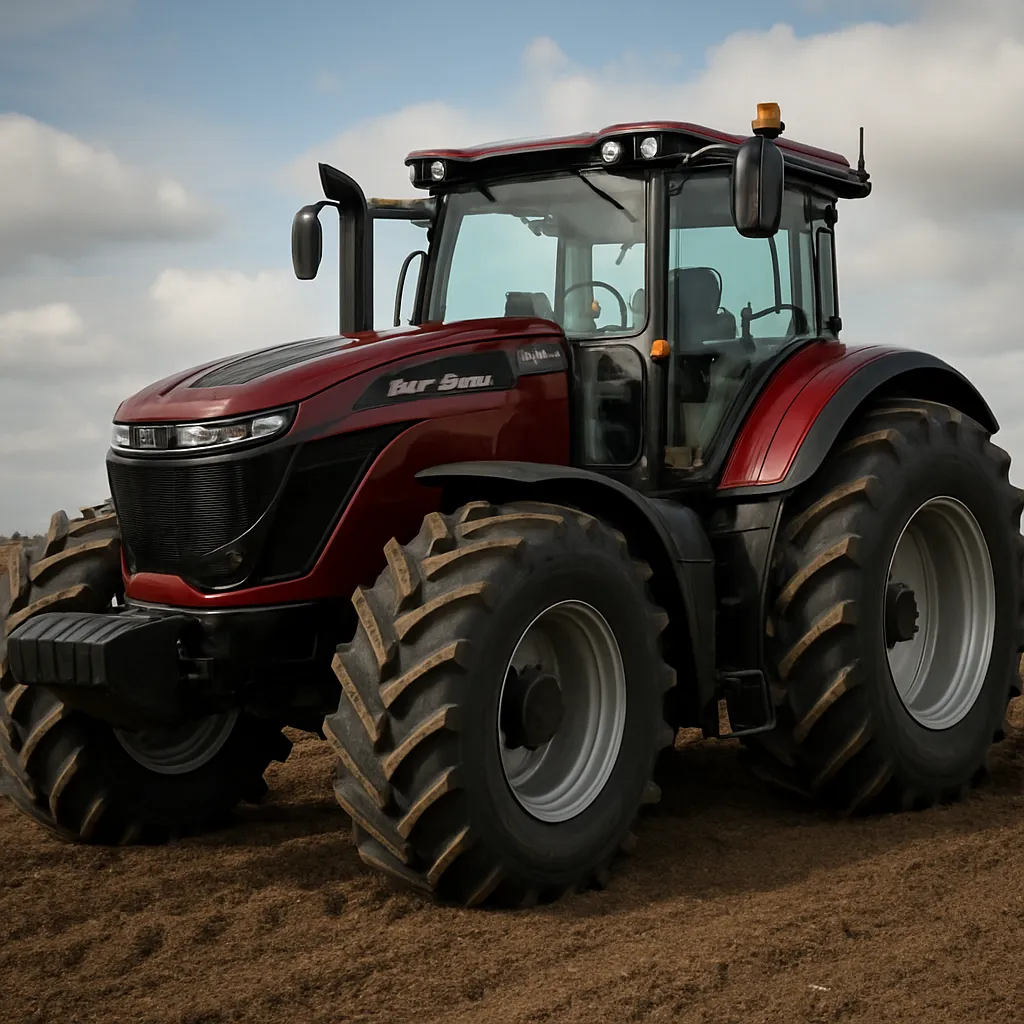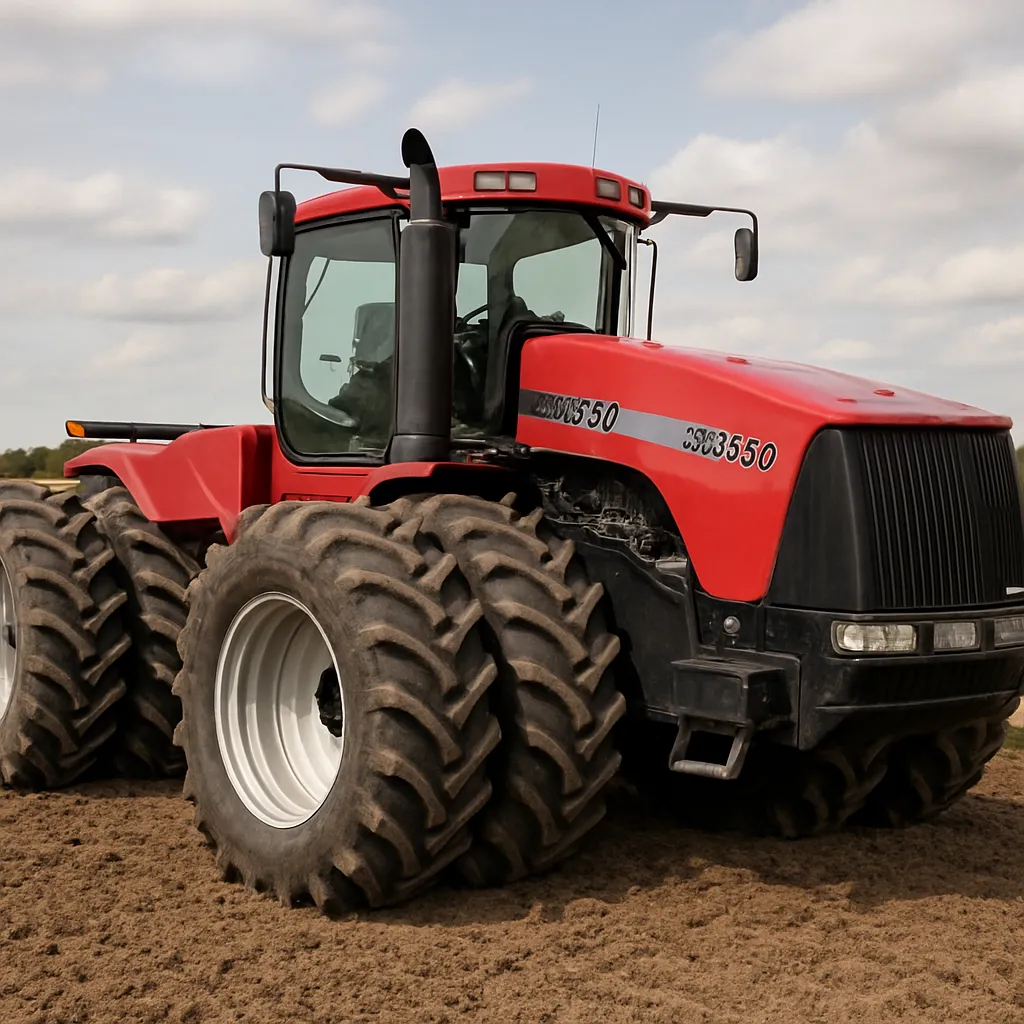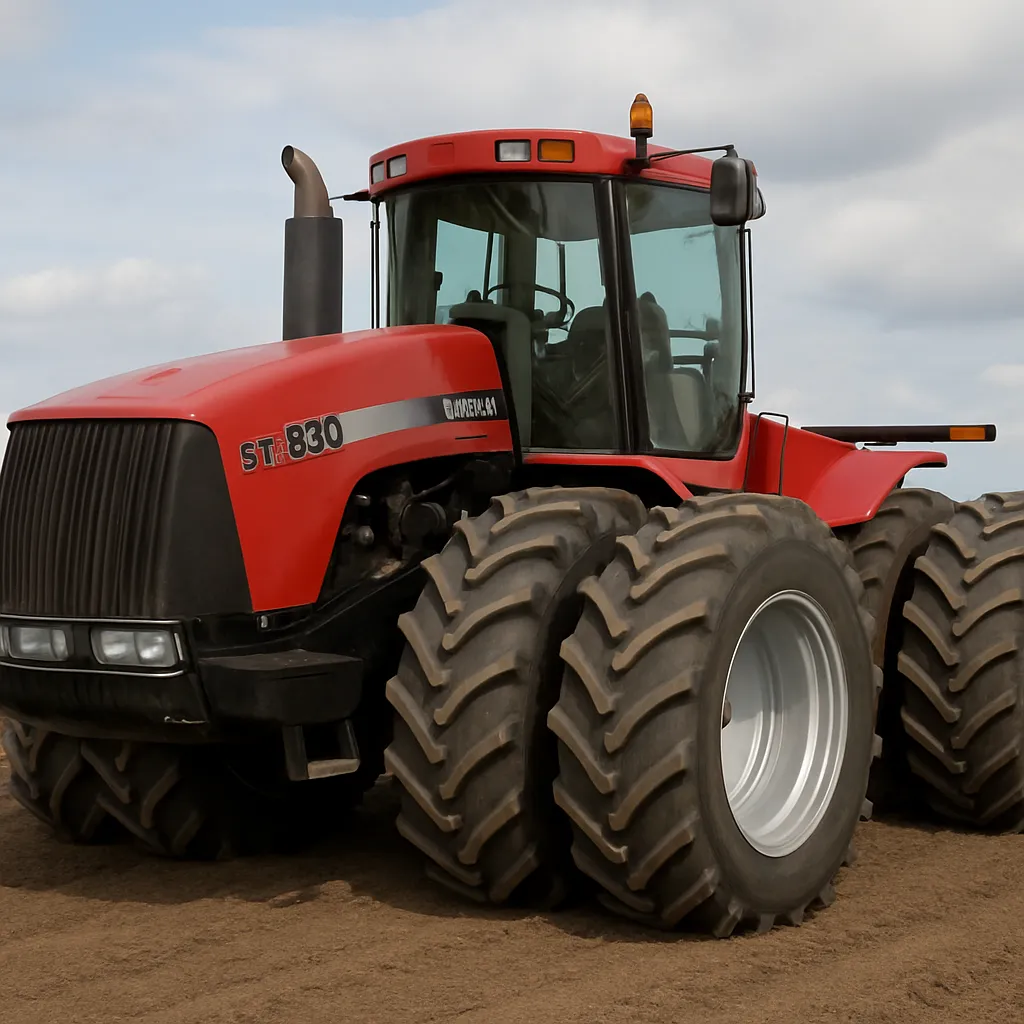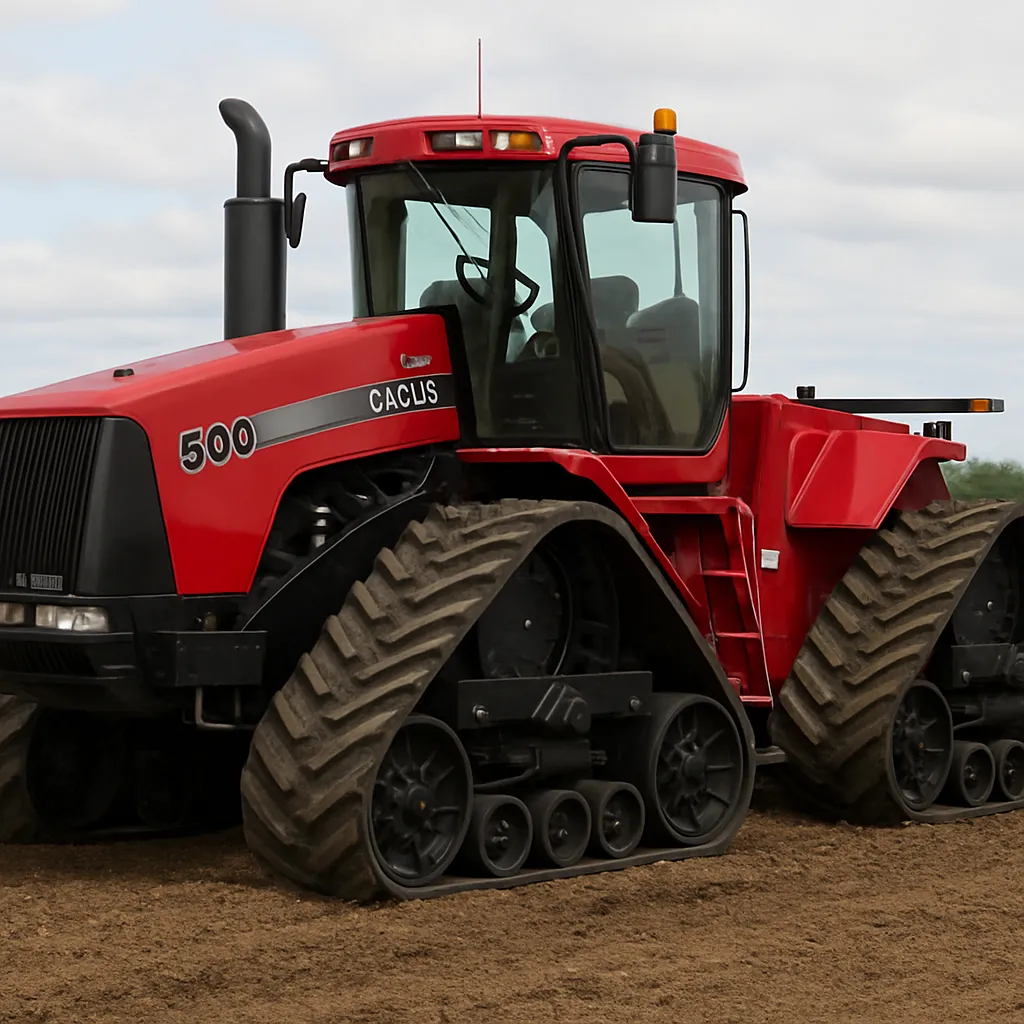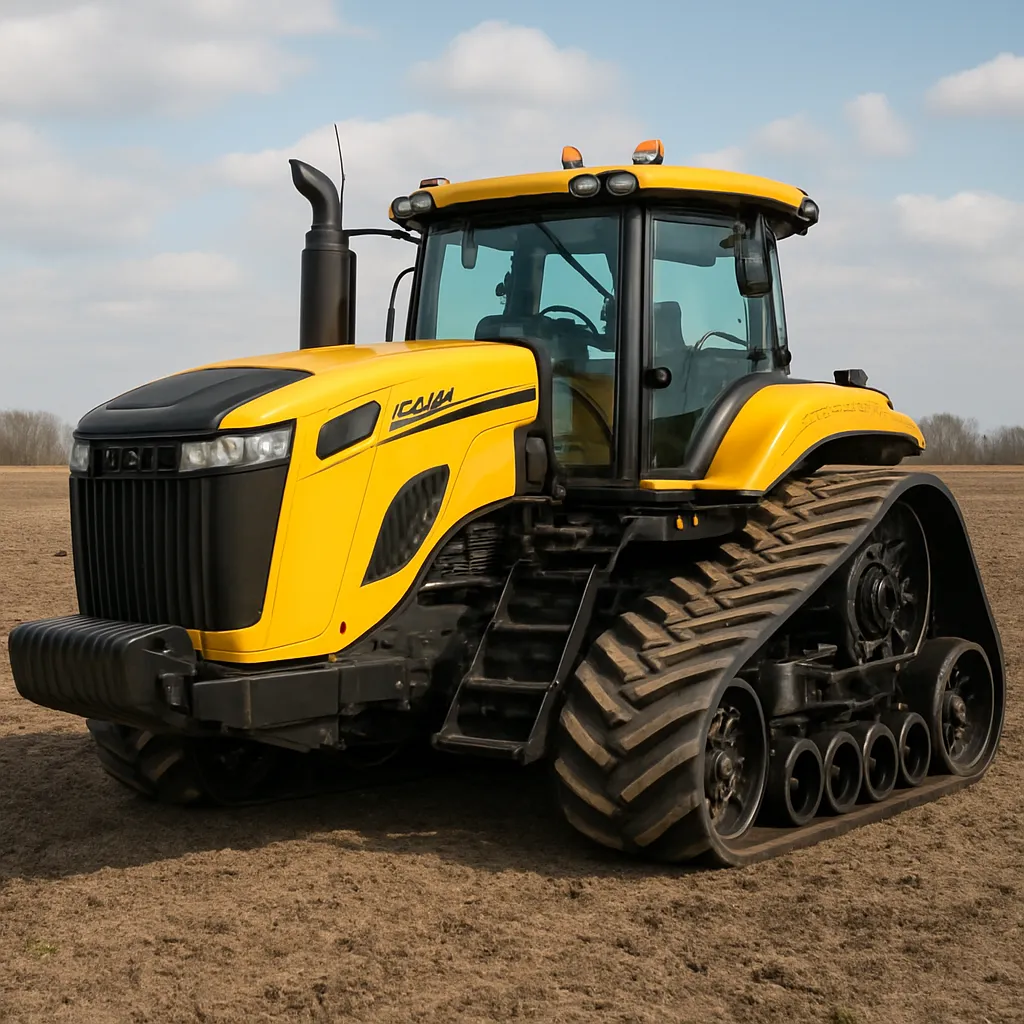
The Challenger 935C is a heavy-duty agricultural tractor designed for demanding fieldwork where power, traction and durability are essential. In this article I describe the machine’s typical design features, real-world applications, operational characteristics and practical considerations for owners and operators. Where exact numbers vary by configuration and year of manufacture, I provide typical ranges and explanations so the reader gains a realistic picture of what to expect from this class of tractor.
Overview and design philosophy
The Challenger 935C belongs to the family of large, tracked agricultural tractors developed to deliver high drawbar pull with reduced soil compaction. Unlike wheeled tractors, tracked machines spread their weight over a larger contact area, improving flotation and traction in soft or variably textured soils. The 935C is configured for heavy tillage, seeding, high-capacity transport tasks and other operations that demand continuous high power and stability.
At the heart of the 935C is a robust, turbocharged diesel powerplant paired with a drivetrain built to handle sustained heavy loads. The chassis typically integrates a dedicated undercarriage with wide rubber tracks, tensioning systems and shock-damping components to improve ride comfort and protect the frame and implements during field transport. Operator ergonomics and control systems emphasize ease of use for long work days: spacious cabs, clear instrument panels, and adjustable controls are typical features.
Key technical characteristics
Specific specifications vary by production year and optional packages, but many important technical characteristics are common across machines in this category. Below are typical or commonly reported values and features associated with the 935C or equivalent machines in the Challenger line:
- Engine type: turbocharged diesel, usually an inline six-cylinder configuration in this horsepower class, designed for high torque at low rpm.
- Rated power: typical engine power ranges from roughly 300 to 380 horsepower (HP) at the flywheel, depending on market rating and calibration (ISO or SAE ratings may differ).
- Torque: high low-end torque is emphasized for draft work; peak torque figures commonly fall into broad ranges consistent with engines of 8–13 liters displacement.
- Transmission: options include powershift or stepless/continuously variable-type systems on different model years; transmissions are engineered for smooth load transfer and range flexibility.
- Undercarriage: wide rubber tracks (single or multiple track widths available), reinforced idlers, and heavy-duty sprockets. Track options allow operators to balance traction and soil protection.
- Operating weight: typical curb-to-operating weight is commonly in the neighborhood of 12,000 to 17,000 kg (approximate), influenced by ballast, track width, and optional equipment.
- Hydraulics: high-flow hydraulic systems capable of powering large implements; flow rates and capacity vary but are configured for modern high-demand seeding and tillage equipment.
- Drawbar and hitch: heavy-duty drawbar and three-point hitch options suitable for large cultivators, air seeders and planters; drawbar horsepower is optimized for continuous pulling tasks.
- Fuel consumption: field consumption depends on load; typical in-field fuel use may range from about 20 to 40 liters per hour under heavy draft loads, with lower consumption in lighter transport or idle conditions.
- PTO: depending on configuration, a PTO may be offered for driving implement machinery, though many tracked tractors are specified primarily for drawbar/three-point tasks.
Primary applications and field roles
The Challenger 935C excels in roles that require sustained pull, low ground pressure and the ability to work in variable conditions. Typical applications include:
- Heavy primary tillage: moldboard plows, heavy discs and deep cultivation where consistent draft power and frame stability are necessary.
- Seeding and planting with large air drills or planters that require even ground contact and steady forward speeds to maintain seed placement accuracy.
- Land leveling, drainage and infrastructure tasks where the combination of traction and weight helps move earth efficiently.
- Transport of large trailing equipment on-farm or between fields when road-compatible speeds and stability are required.
- Specialist operations: subsoiling, deep ripping, and pulling large manure spreaders or grain carts under higher loads.
Because tracked tractors like the 935C reduce soil compaction relative to equivalently weighted wheeled tractors, they are often used in conservation tillage systems and for work on soils that are prone to compaction damage. Their traction advantages make them preferred where slopes, wet conditions or soft soils would cause wheel slip with conventional tractors.
Field performance and operator experience
A few consistent performance themes emerge from operator reports and field tests of tracked machines in this class:
- Traction and efficiency: Tracks maintain continuous ground contact and distribute power effectively, resulting in lower slip and improved fuel efficiency per unit of work in high draft tasks. Reduced wheel slip increases implement efficiency, improving overall field productivity.
- Soil protection: Large contact area reduces peak ground pressure, benefiting sensitive soils and decreasing the depth of compaction layers.
- Stability: Tracked undercarriages provide a stable platform when pulling heavy loads or transporting tall implements, enhancing operator confidence and safety.
- Ride and speed trade-offs: tracked tractors often have different ride characteristics and transport speed limitations compared with wheeled tractors. Modern track systems with suspension and improved idler design have narrowed these gaps, providing acceptable road performance for most farm operations.
Operators often comment on how reduced wheel slip improves both fuel economy and implement wear. For example, when pulling a large cultivator, a tracked 935C may complete passes with fewer engine rpm fluctuations and less time spent trying to re-engage traction on marginal soils.
Maintenance, lifecycle and ownership considerations
Owning a heavy tracked tractor like the Challenger 935C requires attention to some specific maintenance areas not as prominent on wheeled machines. Key considerations include:
- Undercarriage wear: tracks, sprockets, rollers and idlers are subject to wear and must be monitored. Track life depends on field conditions, abrasive soils, rock content and operator habits; proper tensioning and preventive maintenance prolong life.
- Engine and drivetrain: regular oil, filter and coolant changes, plus attention to air filtration, are crucial for longevity in dusty agricultural environments.
- Hydraulic system: high-flow hydraulics require clean fluid and well-maintained filters; contamination is a common source of failures in modern tractors.
- Cost of ownership: initial purchase price and undercarriage replacement cycles are significant cost drivers. However, operators often find total cost per acre competitive due to efficiency gains in fuel use and reduced time to complete large jobs.
- Resale and parts: availability of spare parts and dealer support affects lifecycle economics. Machines supported by global dealer networks retain value better in many markets.
Typical maintenance practices emphasize preventive care: scheduled track inspections, cleaning and lubrication, combined with routine engine and transmission servicing to avoid costly mid-season downtime. Because track and undercarriage replacement is a predictable expense, savvy owners budget for it based on expected annual hours and field conditions.
Comparisons with wheeled tractors and competing designs
When evaluating the Challenger 935C against wheeled tractors of similar horsepower, several trade-offs appear:
- Traction advantage: Tracked machines typically outperform wheeled tractors in traction-limited scenarios, translating into higher effective drawbar power.
- Soil compaction: Tracks provide lower effective ground pressure, which is important for protecting soil structure, especially for frequent heavy tillage passes.
- Transport convenience: wheeled tractors generally have higher road speeds and simpler undercarriage maintenance, making them preferable for operations with frequent long-distance transport.
- Initial cost vs. productivity: tracked tractors can be more expensive to purchase and maintain (particularly due to undercarriage costs), but they may increase farm productivity sufficiently to justify the premium in many large-scale operations.
Competitive designs include other tracked tractors from major manufacturers and wheeled tractors with duals or flotation tires. The best choice depends on the farm’s soil types, field sizes, typical weather, and the nature of implements used.
Practical tips for operators
To get the best results from a Challenger 935C or similar tracked tractor, operators should follow a few practical recommendations:
- Monitor track tension and inspect for foreign object damage after each job in rocky or debris-prone fields.
- Rotate and reposition implements to distribute wear on towing components and reduce stress peaks on the drivetrain.
- Use implement matching to optimize engine load: select gear ranges and ground speeds that keep the engine in its most efficient torque band.
- Plan field logistics to minimize unnecessary road transport when possible, or configure for road transport with proper safety equipment and lighting to reduce wear at higher speeds.
- Keep hydraulic fluid and filters at specified intervals to preserve pump and valve life in high-flow systems.
Variants, options and market positioning
The Challenger 935C concept has been offered with multiple options and configurations across markets and model years. Dealers typically provide choices for track widths, ballast packages, cab options and hydraulic packages so that the tractor can be tailored to specific crop systems and soil conditions. Some key optional features commonly available in this class include:
- Wider or narrower track systems to tune flotation and transport width.
- Enhanced cab packages with comfort, telemetry and auto-guidance compatibility.
- High-flow hydraulic circuits and multiple remote valves for complex implement control.
- Front-mounted weights or three-point hitch variations for implement balance.
- Precision agriculture and guidance systems (RTK-ready) to maximize field efficiency and input accuracy.
These options allow large operations to optimize a single tractor’s utility across a range of tasks, increasing overall fleet flexibility. Integration of GPS guidance and section control can significantly reduce overlap and input waste when seeding or applying fertilizer, enhancing the farm-level economics of using a large tracked tractor.
Environmental and sustainability aspects
Tracked tractors like the 935C can contribute to more sustainable farming practices when used judiciously. Lower soil compaction helps maintain soil structure, drainage and root development, which supports crop health and yield over time. Additionally, better traction and reduced slippage can reduce fuel consumption per hectare, lowering the carbon footprint of heavy field operations.
However, these benefits depend on operator behavior, implement choice and field management. Oversizing a machine for a particular task may negate benefits by increasing unnecessary weight and energy use. The most sustainable outcome is achieved by matching machine size and configuration to the farm’s primary crops, soil types and operational rhythms.
Conclusion
The Challenger 935C represents a class of powerful, tracked agricultural tractors built to meet the needs of large-scale, high-intensity farming where traction, soil protection and continuous pull matter most. While exact specifications vary by year and market, the common traits of robust diesel engines, heavy-duty undercarriages and high-capacity hydraulic systems make these machines suitable for heavy tillage, large-scale seeding and demanding transport tasks. Owners must plan for undercarriage maintenance and match machine configuration to their specific field conditions to realize the full productivity and sustainability advantages of a tracked platform.