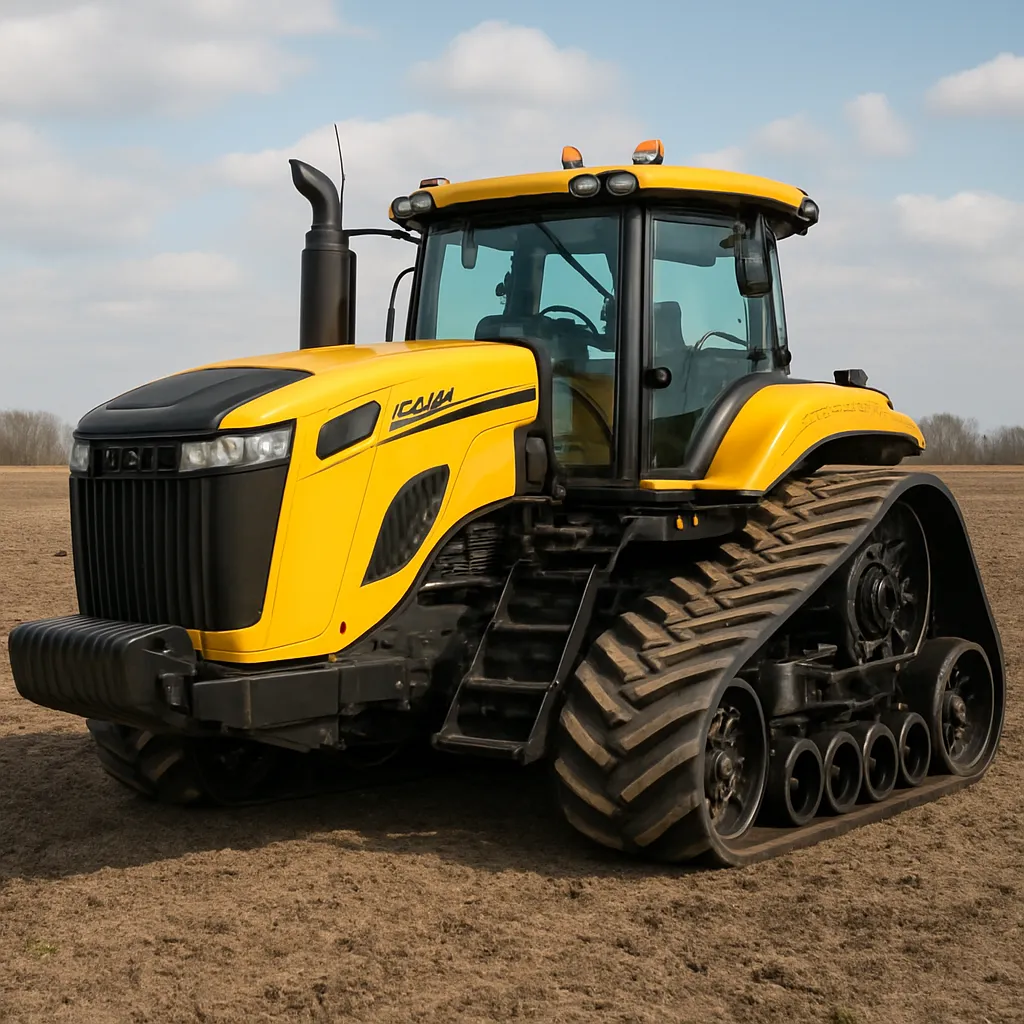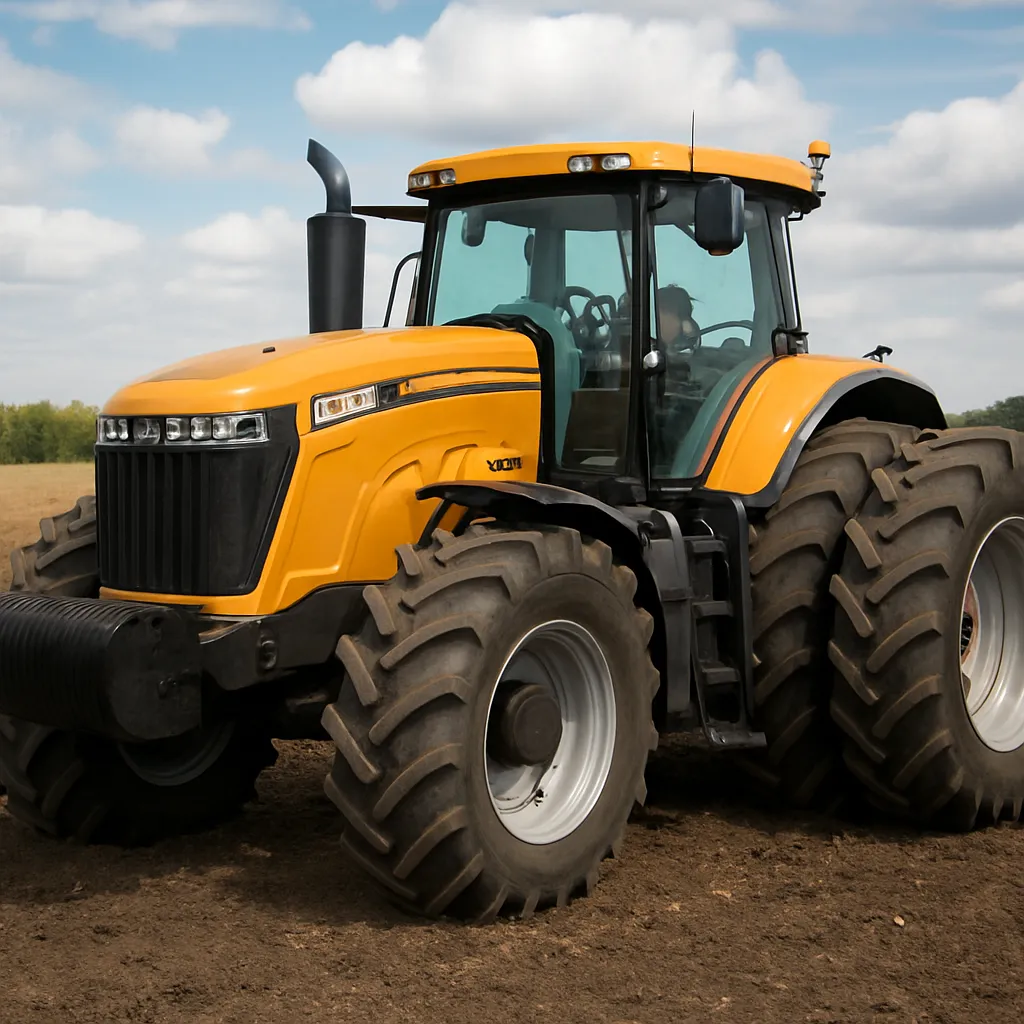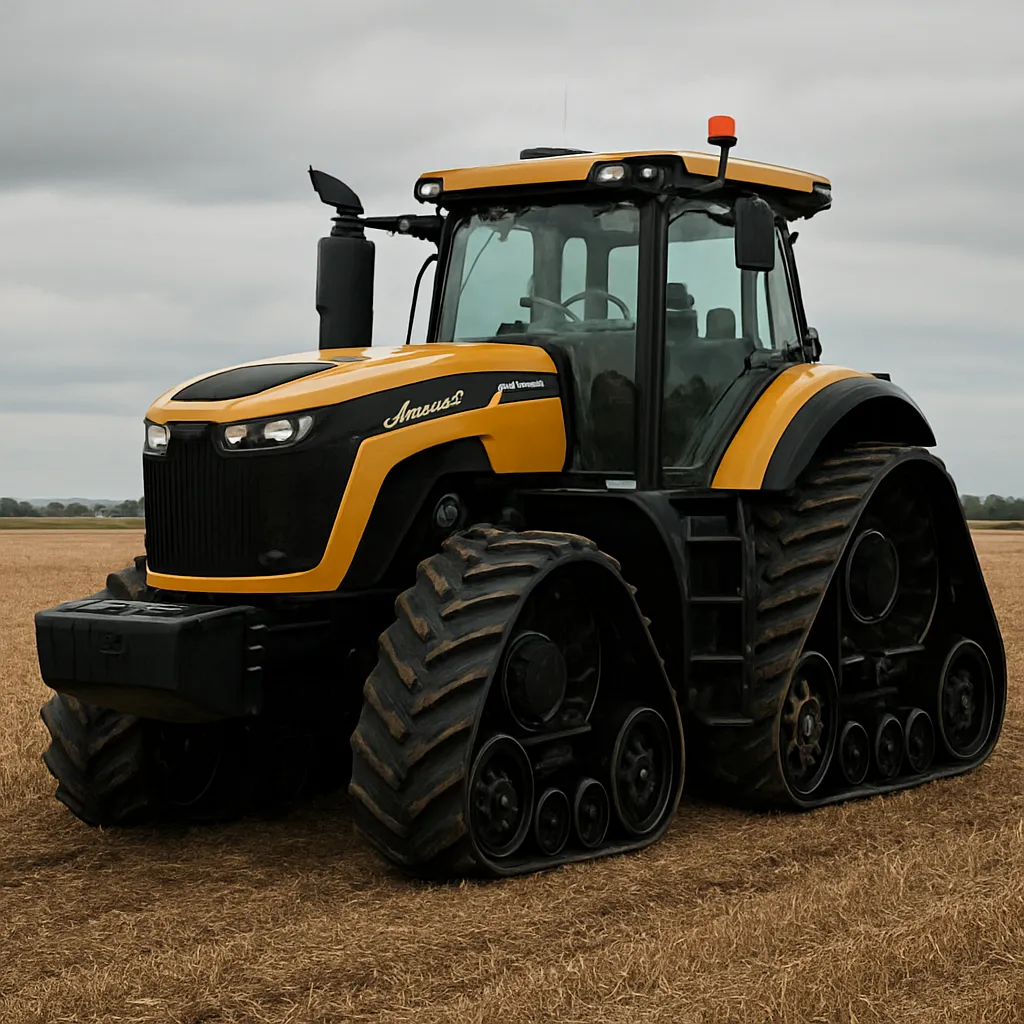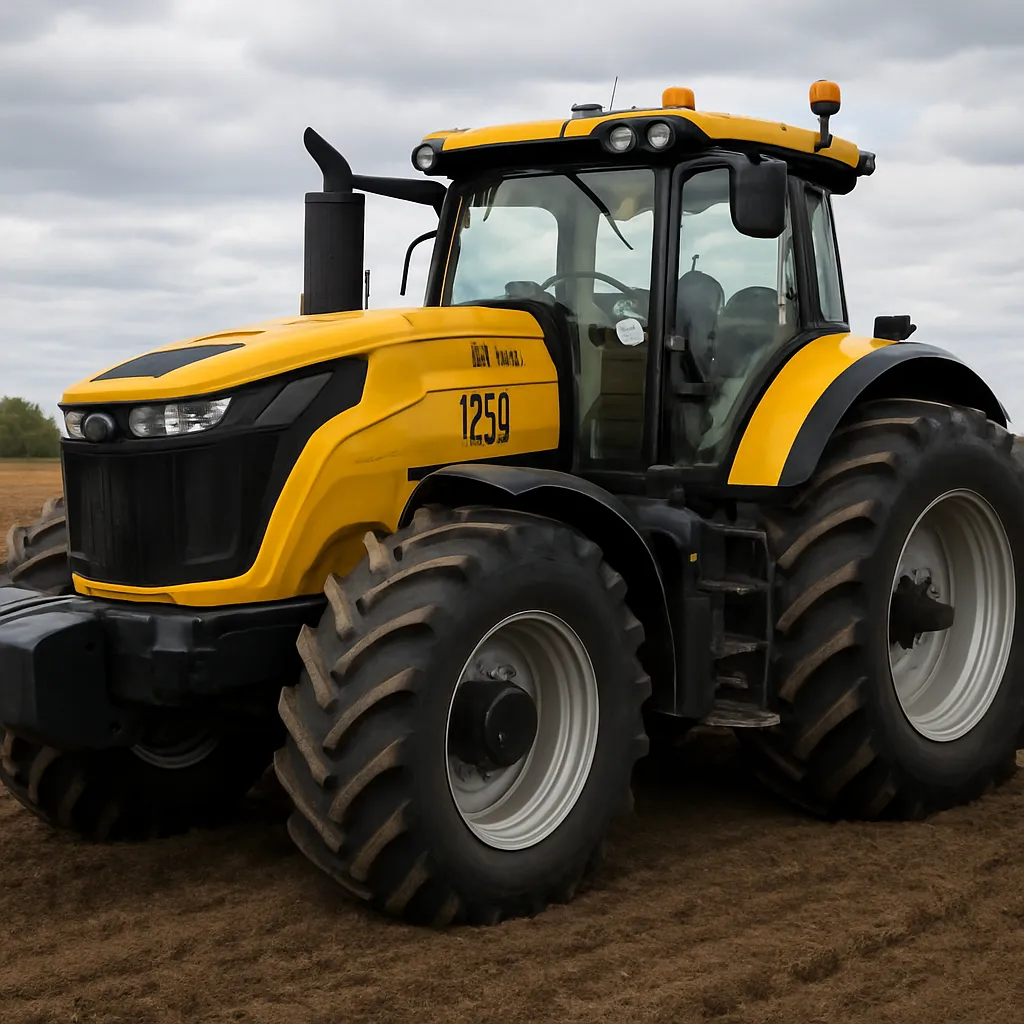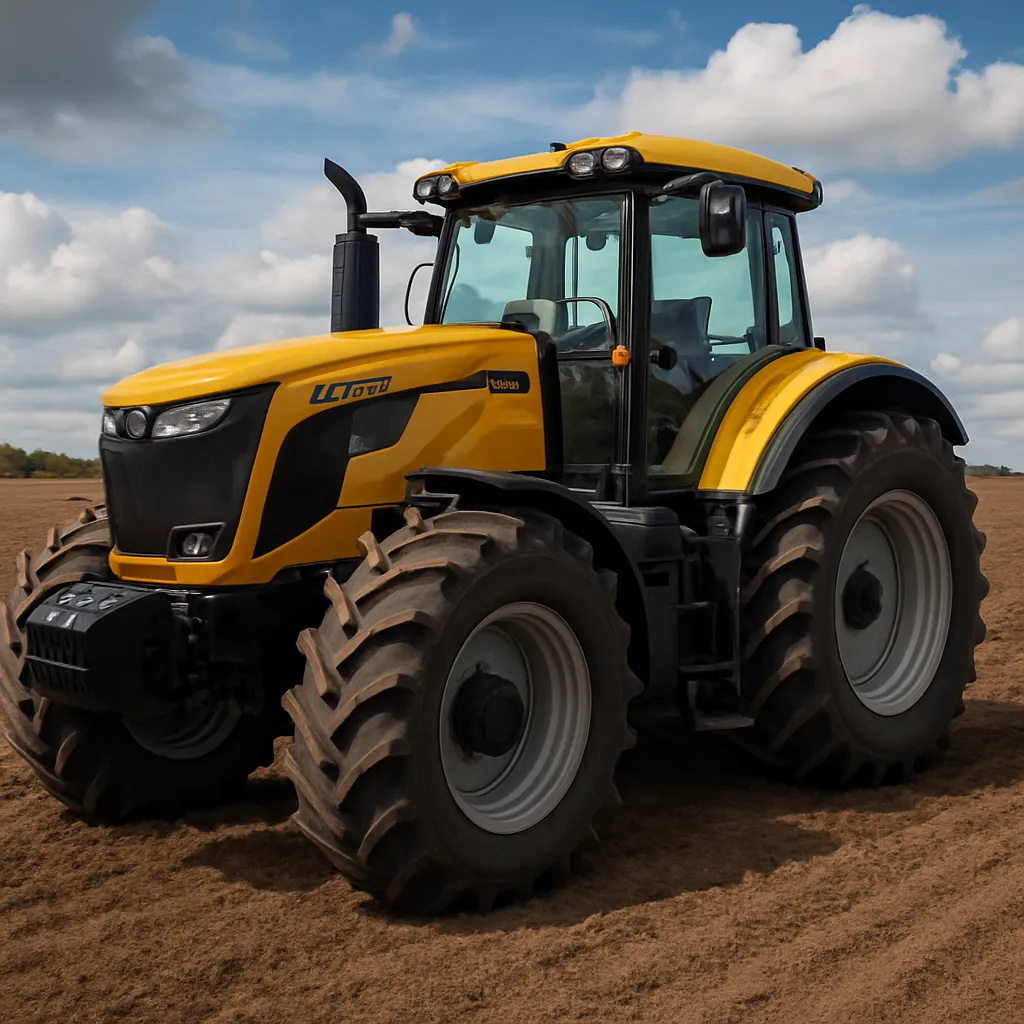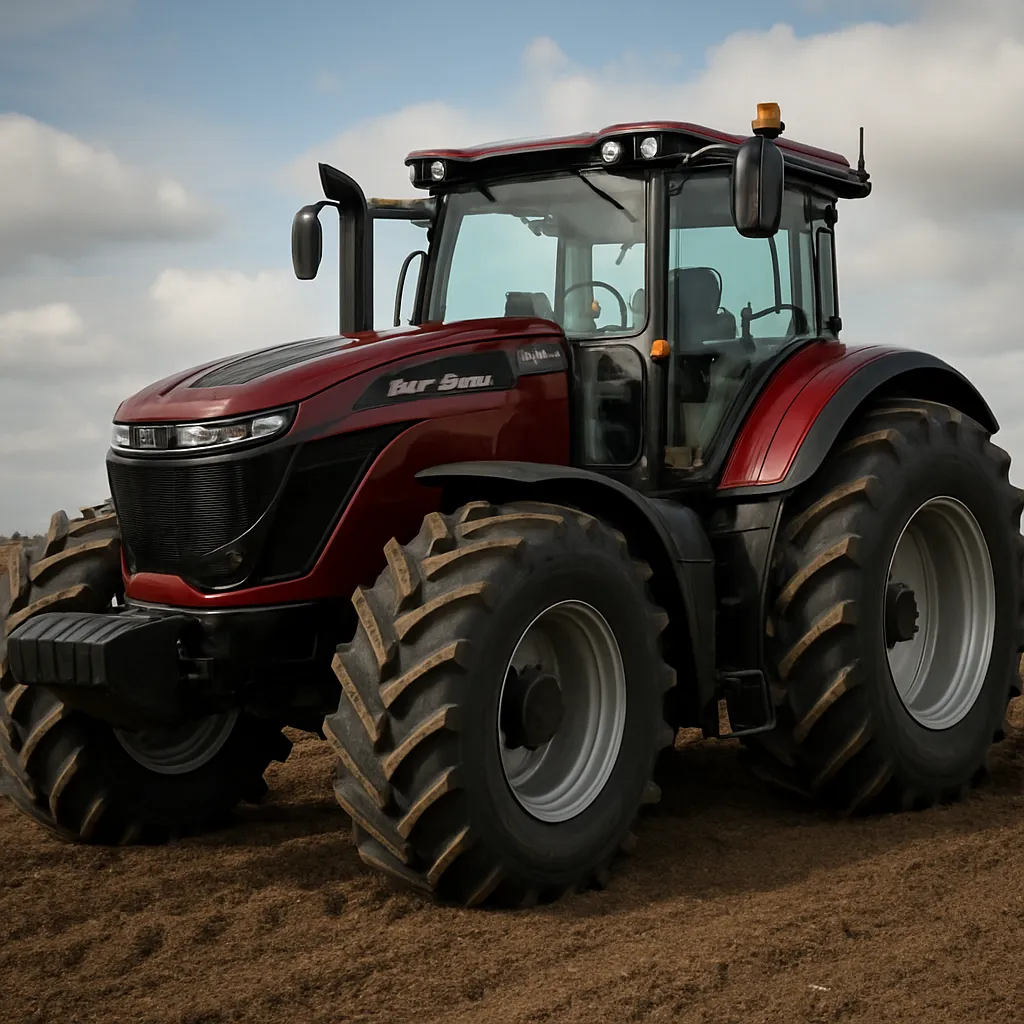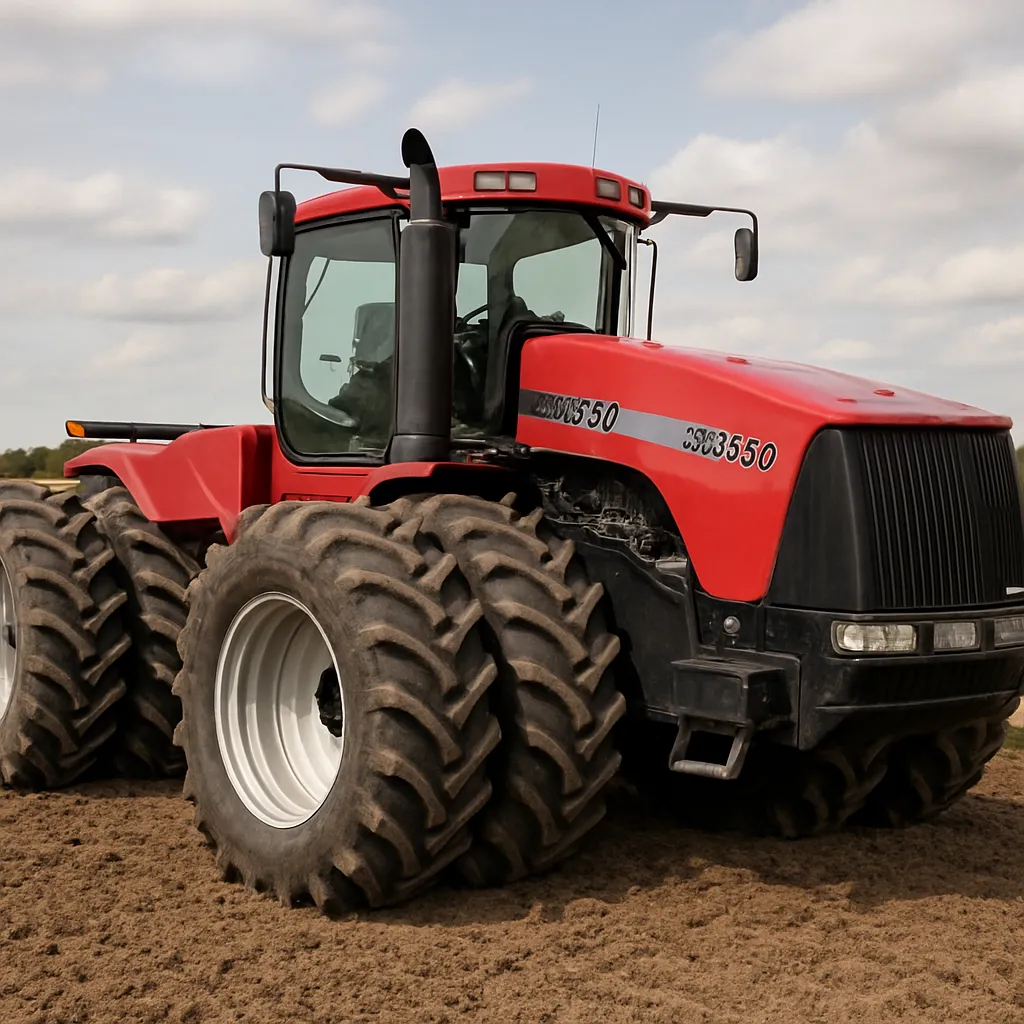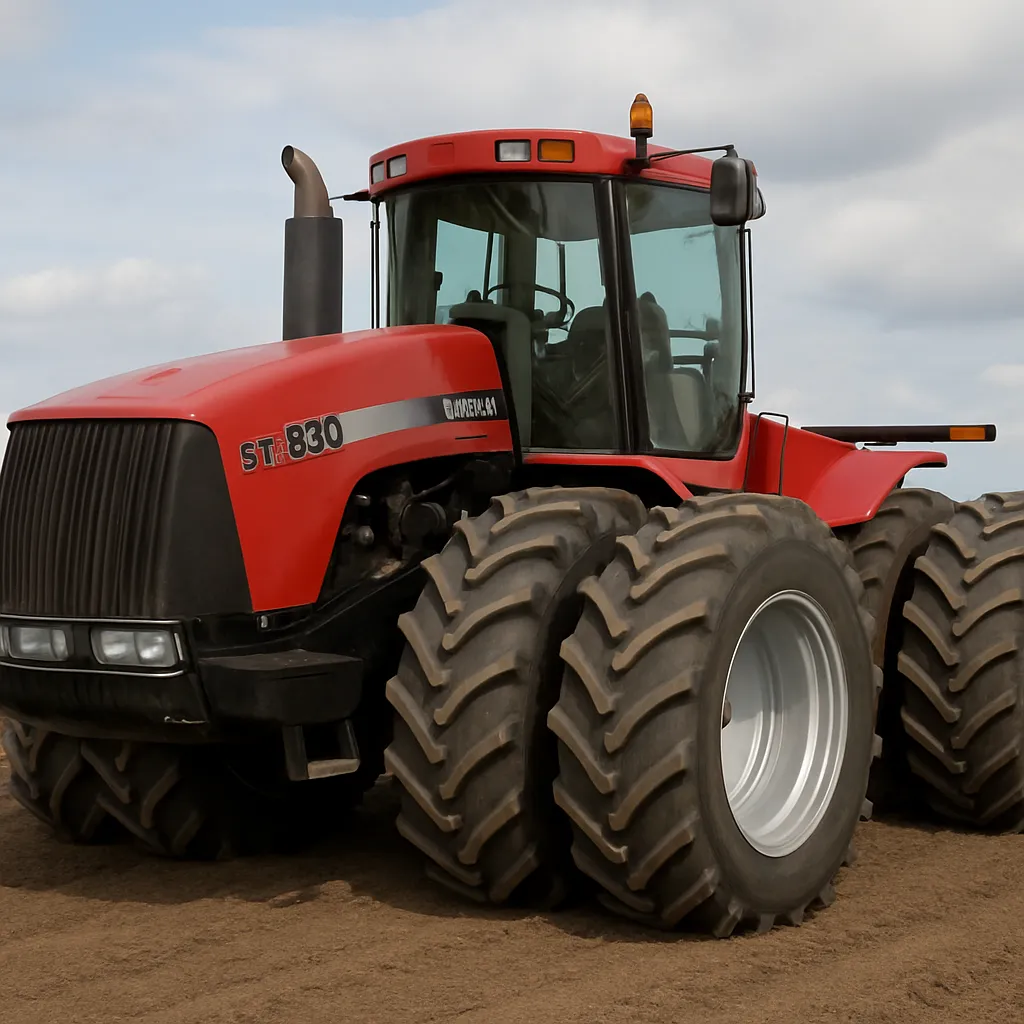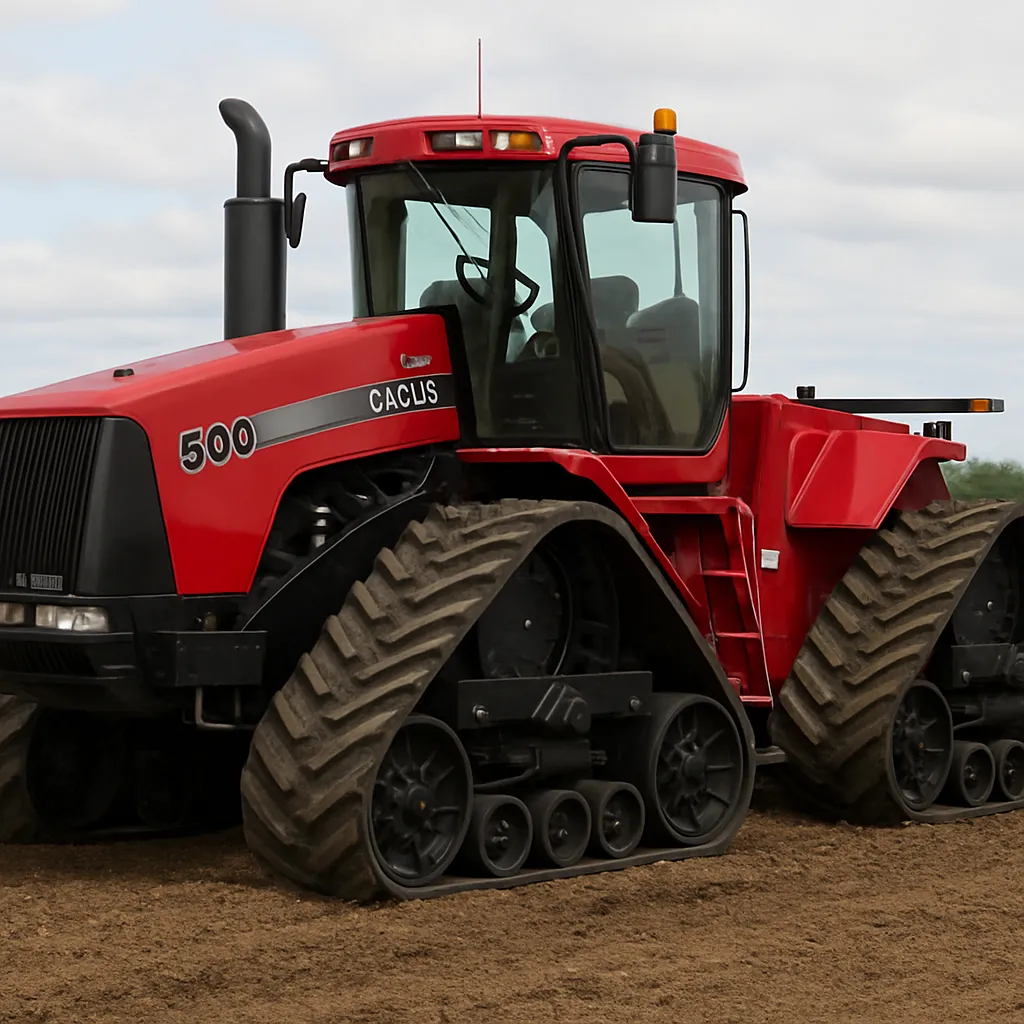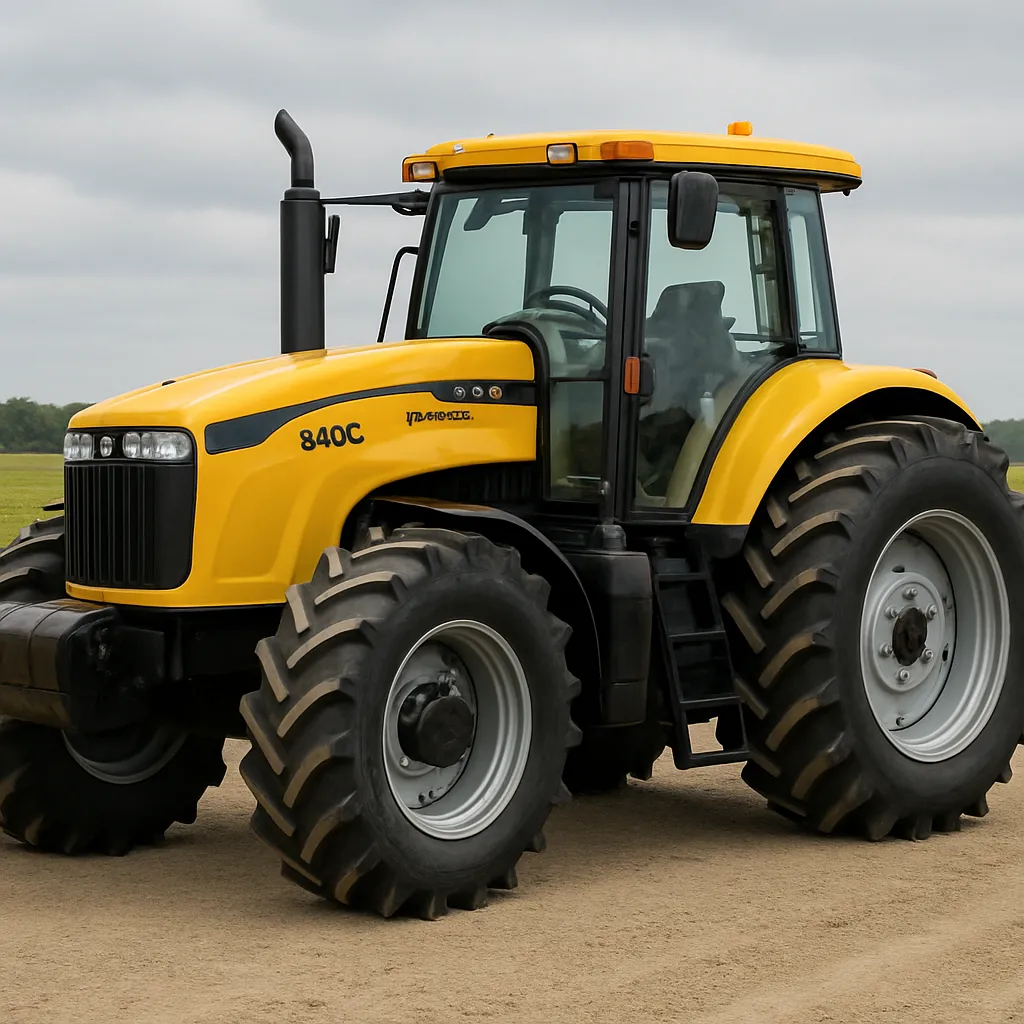
The Challenger 940C is a heavy-duty tracked agricultural tractor designed for high‑horsepower fieldwork on large farms and contracting operations. Combining low ground pressure with robust traction and modern operator comforts, this model is aimed at growers who need consistent performance in challenging soil conditions. The following article explores the machine’s history, technical characteristics, common applications, maintenance considerations, and practical performance observations that farmers and contractors report in the field.
Overview and historical context
The Challenger brand, now part of AGCO Corporation, built its reputation on powerful tracked tractors that reduce soil compaction while delivering exceptional traction. The 940C belongs to a generation of Challenger track tractors developed to serve large-scale arable operations, heavy tillage tasks and precision seeding. These tractors grew in popularity in the late 1990s and 2000s as producers sought equipment capable of working larger acreages quickly without increasing soil compaction risks associated with high-pressure wheeled tractors.
Challenger tracked models such as the 940C represented a response to the need for a balance between raw pulling power and gentle soil interaction. With undercarriage technology and track systems refined over decades, the 940C offered an alternative for operators working in wetter climates, sticky soils or on farms where maintaining soil structure is a priority.
Design and construction
Chassis and track system
At the core of the 940C’s capability is its continuous rubber track undercarriage. Compared with dual-wheel setups, the track system spreads weight across a larger surface area, producing significantly lower ground pressure and improving flotation on soft soils. The track configuration also increases the contact patch and traction, which is crucial for heavy tillage and pulling large implements.
- Undercarriage design emphasizes durability and ease of maintenance through modular components.
- Track width and length vary by configuration to balance traction and transport width requirements.
- Rollers and idlers are positioned to optimize weight distribution and reduce wear.
Engine, drivetrain and power delivery
The 940C features a high-displacement diesel engine tuned for continuous heavy load operation. The engine is matched to a drivetrain designed to deliver consistent tractive effort rather than peak road speed, enabling efficient fuel use during heavy fieldwork. The powertrain is engineered to prioritize torque at working speeds and to provide sufficient hydraulic capacity for large implements.
- Robust, turbocharged diesel engine with a focus on durability and long service intervals.
- Transmission options on similar Challenger models typically include powershift or continuously variable-type solutions to optimize field work.
- Heavy-duty final drives and reinforced frame elements handle high draft loads.
Cab, controls and operator environment
Operator comfort and control are important for long hours in the field. The 940C cab offers a higher vantage point, ergonomic control layout and features intended to reduce operator fatigue. Visibility across a wide implement span and simple access to key operational settings help maintain productivity over extended shifts.
- Operator comfort features: air suspension seat, climate control, and vibration dampening.
- Clear instrumentation and hydraulic control levers or electro-hydraulic interfaces for implement management.
- Optional guidance and telematics packages are commonly fitted on tractors of this class to support precision agriculture.
Technical specifications and typical performance figures
Exact specifications for a particular 940C can vary by year, market and factory options. The figures below represent typical ranges and commonly reported performance parameters for tractors in the 900 series class. Consider these numbers as indicative rather than definitive for every unit sold.
- Rated engine power: approximately 350–420 horsepower (260–310 kW) depending on configuration and boost settings.
- Maximum pull and drawbar performance: designed for high draft loads, enabling the 940C to pull large ploughs, subsoilers and cultivators on heavy soils.
- Operating weight: commonly in the range of 12,000–16,000 kg (26,500–35,300 lb), depending on track setup and ballast.
- Fuel capacity: varies widely with optional tanks and auxiliary tanks; typical capacities for this class are several hundred liters, sized for long workdays without frequent refilling.
- Hydraulic flow: ample hydraulic flow to run large implements and accessory pumps; figures often fall in the 150–300 L/min range on comparable tractors.
- Undercarriage life: dependent on operating conditions; many operators report effective undercarriage life between 2,000 and 5,000 hours with proper maintenance and component replacement.
- Typical fuel consumption: highly task-dependent; heavy draft work can consume 20–45 L/h, while lighter transport or idling uses considerably less.
Important note: exact numbers depend on engine tuning, regional specifications, add-on equipment, and whether the tractor is run at rated power or under boost. For procurement or fleet planning, consult factory data sheets or a local dealer for precise specifications.
Typical applications and field roles
The Challenger 940C is tailored to operations where traction and minimal soil compaction are priorities. Its most common uses include:
- Tillage: primary tillage with large ploughs, deep ripping and multi-pass cultivations on medium-to-large acreage farms.
- Seeding and planting: pulling wide seed drills and planters at consistent speeds and depths, often combined with precision guidance systems.
- Heavy transport and haulage within farms and between fields where tracked traction is advantageous.
- High-horsepower operations such as deep subsoiling or mulcher work in forestry and sugarcane contexts.
- Contracting: contractors appreciate the 940C for its ability to cover large areas quickly with minimal turnaround for refuelling.
The machine excels in wet springs or fields with variable moisture because the track system allows work to continue when wheeled machines would risk rutting or becoming bogged down. On farms where soil structure and compaction control are central to long‑term productivity, track tractors like the 940C are often part of the solution.
Operational strengths and limitations
Strengths
- Traction: Tracks provide superior traction under heavy draft loads compared with single-wheel tractors, yielding improved field efficiency.
- Flotation: Reduced ground pressure helps preserve soil structure and maintain tilth across a variety of field conditions.
- Increased stability on slopes and in challenging terrain due to wide track contact area.
- Long workdays enabled by ergonomic cab and large fuel capacity options.
Limitations
- Higher initial purchase price and potentially greater transport considerations due to width and weight.
- Track maintenance and replacement costs can be significant relative to wheeled systems.
- Field speed and transport speed trade-offs: track tractors are optimized for field work, and transport between jobs may be slower than wheeled counterparts without a wheeled carrier.
- Infrastructure needs such as heavy-duty ramps, trailers and farmyard access to handle the tractor’s mass safely.
Maintenance, reliability and life-cycle considerations
Proper maintenance extends the effectiveness and value of a 940C over many years. Key maintenance areas include undercarriage care, engine and drivetrain servicing, and track tension management.
- Regular inspections of track chains, rollers, idlers and rubber pads reduce the risk of catastrophic failures.
- Controlling track tension is essential: both over-tensioning and under-tensioning can accelerate component wear.
- Scheduled engine oil and filter changes, fuel system maintenance and cooling system checks are crucial for long-term reliability in high-hour machines.
- Hydraulic fluid cleanliness and timely replacement of seals and hoses prevent downtime during peak seasons.
From an economic perspective, operators typically evaluate total cost of ownership by comparing productivity gains (area covered per hour, reduced compaction benefits) against higher capital costs and periodic track replacement. For many large-scale operations, the improved soil health and ability to work in marginal conditions justify the investment.
Technology integration and precision farming
Modern examples and retrofitted 940C tractors often include precision agriculture technologies to maximize efficiency and reduce input costs. Typical integrations include:
- GPS guidance and auto-steer systems for accurate pass-to-pass alignment and reduced overlap.
- Telematics for remote monitoring of machine health, fuel use and location — useful for contractors managing multiple sites.
- Variable-rate implement control through ISOBUS or other electronic interfaces to tailor inputs to field variability.
- Implement-specific sensors and closed-loop control for depth and draft management during tillage.
These technologies allow the 940C to operate as part of a data-driven farming system where machine performance is optimized and actionable maintenance alerts reduce unplanned downtime.
Comparisons with wheeled tractors and alternatives
Compared with equivalent-horsepower wheeled tractors, the 940C’s principal advantage is low ground pressure and consistent traction. This translates to less compaction, which benefits root growth and long-term yields. However, wheeled tractors can offer advantages in purchase price, faster transport speeds and lower undercarriage replacement costs.
Other alternatives include dual‑wheel setups or eight-wheel articulated machines that attempt to balance flotation with lower initial costs. The choice often depends on farm size, typical soil moisture conditions, and the scale of implements used. Contracting businesses and very large farms frequently prefer tracked machines for their productivity and reduced limit on working windows during wet seasons.
Environmental and safety aspects
Lower ground pressure from tracked tractors contributes positively to soil structure preservation, reducing compaction that can impede water infiltration and root growth. By enabling work in wetter conditions without severe rutting, the 940C supports earlier field access in tight seasons while minimizing soil damage.
From a safety standpoint, operators should be trained on secure transport, machine handling on slopes, and proper attachment of wide implements. The tractor’s substantial mass requires careful site planning for field entrances, bridges and loading ramps.
Real-world observations and user experience
Operators of Challenger track tractors often report several consistent themes in user experience:
- Reliable performance in adverse conditions where wheeled tractors struggle.
- High productivity per hour when pulling wide tillage or seeding implements — reducing overall season length.
- Notable maintenance costs focused on undercarriage and track elements, but predictable if managed proactively.
- Strong resale value in markets that value tracked machinery and where contractors dominate the service landscape.
Many users highlight the long-term benefits to soil biology and structure when compaction is reduced across multiple seasons. This often translates into more consistent yields over time and lower costs tied to remediation of compacted fields.
Purchasing considerations and fleet planning
When evaluating a 940C for purchase, consider these factors:
- Typical field soils and moisture patterns: if frequent wet working is expected, tracks provide a clear advantage.
- Implement widths and hitch compatibility: ensure the tractor’s power and hydraulic systems match implement demands.
- Transport logistics: plan for transport trailers rated for the tractor’s weight and for safe movement between fields.
- Service network and parts availability: proximity to authorized service centers impacts uptime and life-cycle costs.
- Total cost of ownership analysis including fuel use, expected maintenance intervals, and resale expectations.
Conclusion
The Challenger 940C stands as a representative example of high-horsepower tracked tractors designed for large-scale farming and contracting work. Its principal strengths lie in superior traction, low ground pressure, and reliable performance in demanding conditions. While the initial cost and maintenance for the undercarriage are important considerations, many operators find the productivity benefits and soil conservation advantages justify the investment. For those managing large acreages, operating in wet climates, or requiring consistent heavy draft capabilities, the 940C remains a compelling option within the tracked tractor segment.