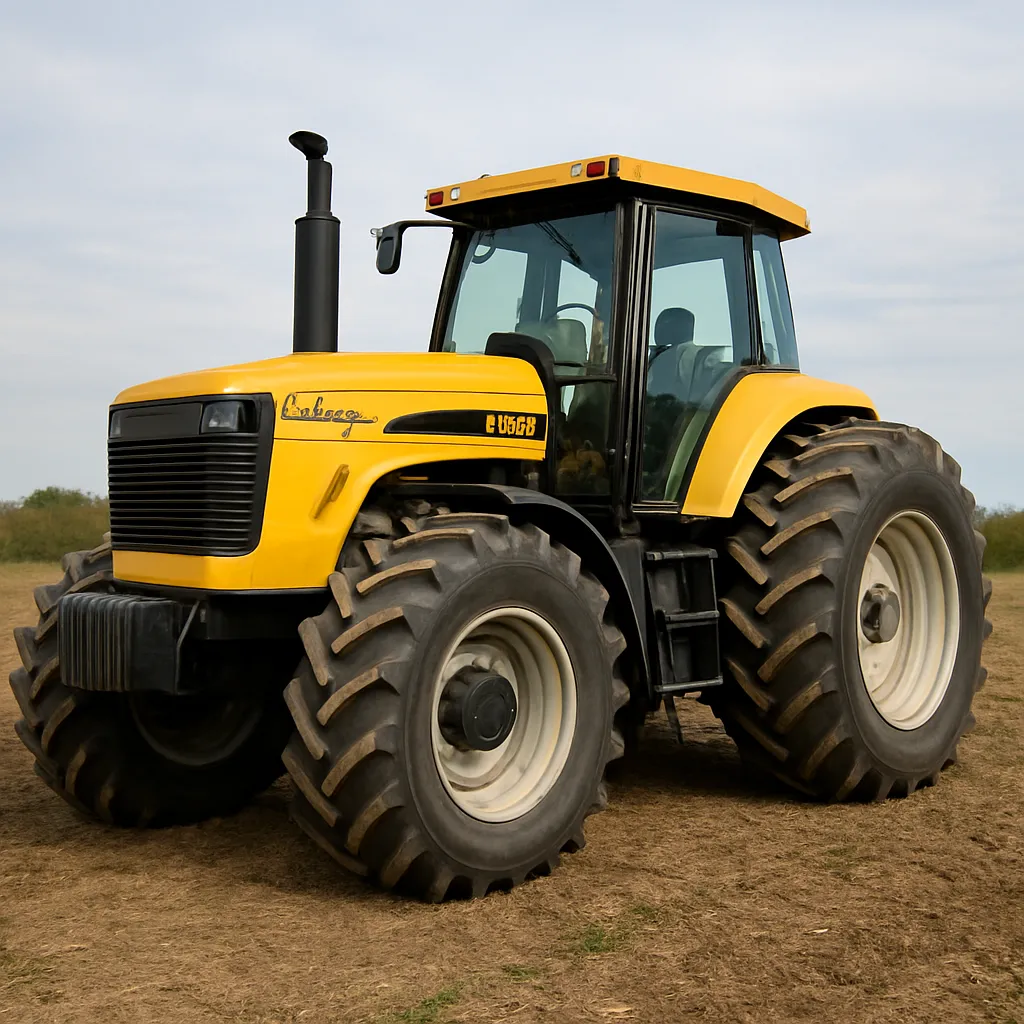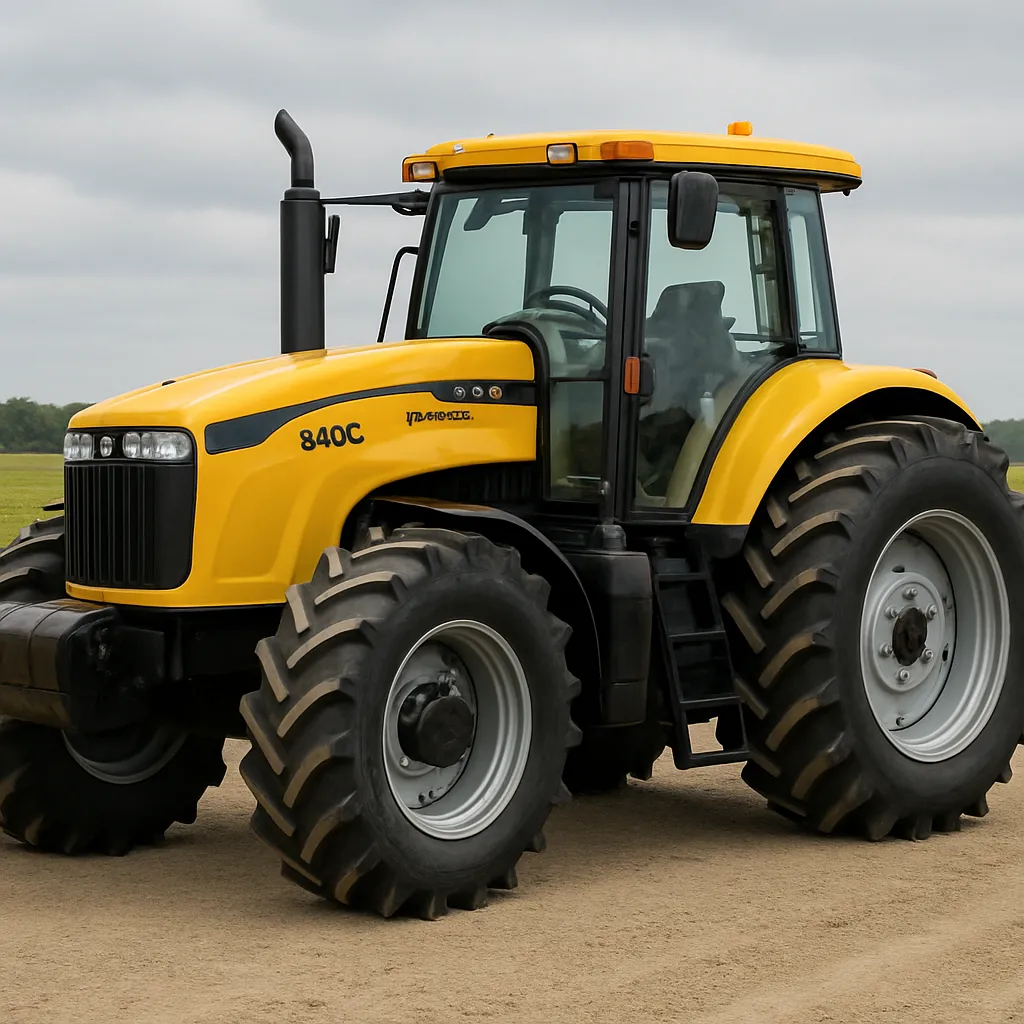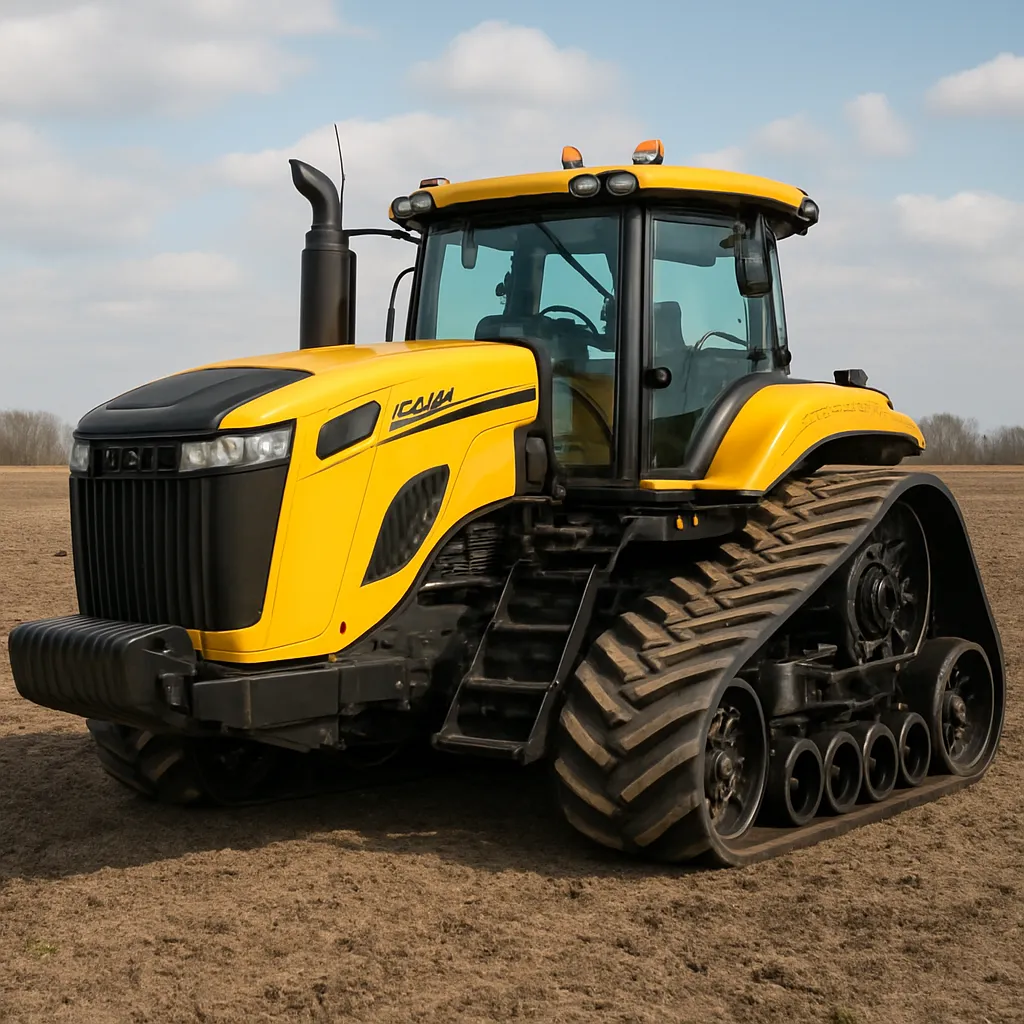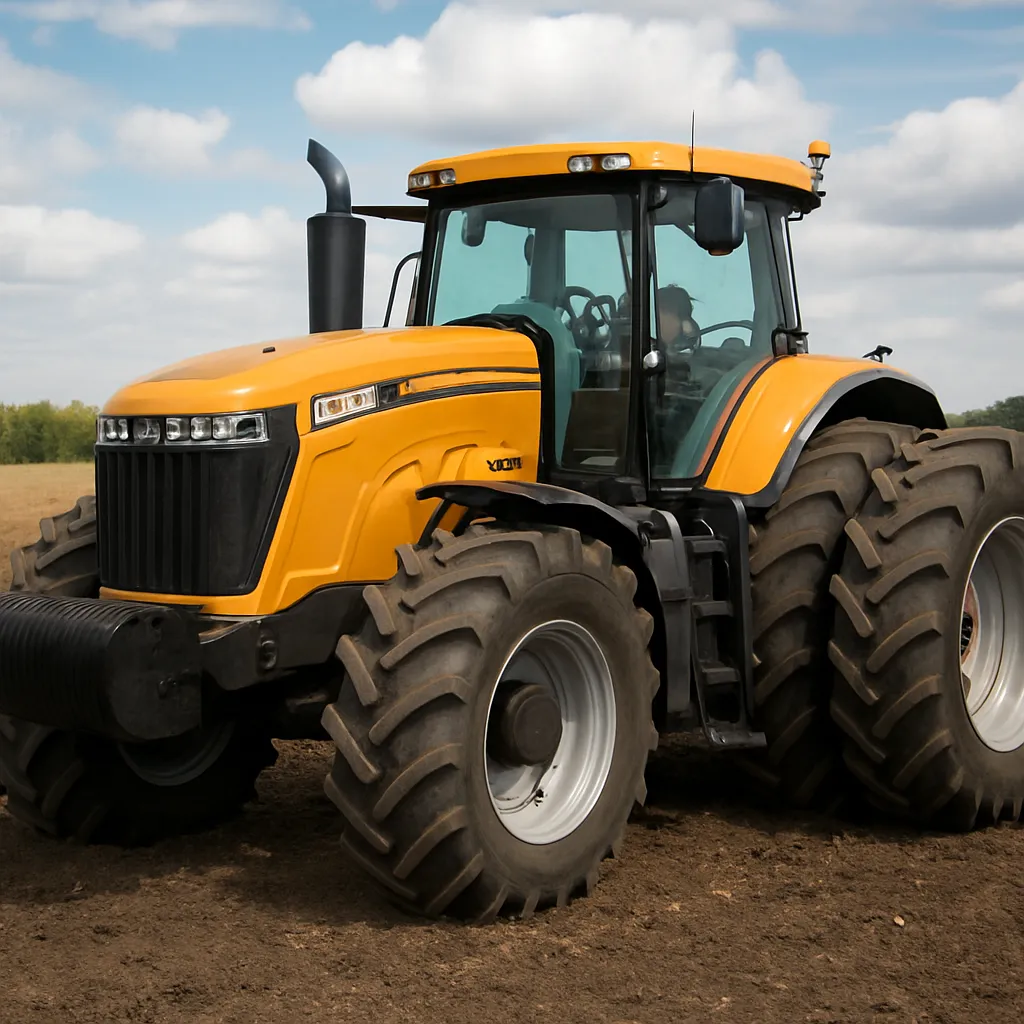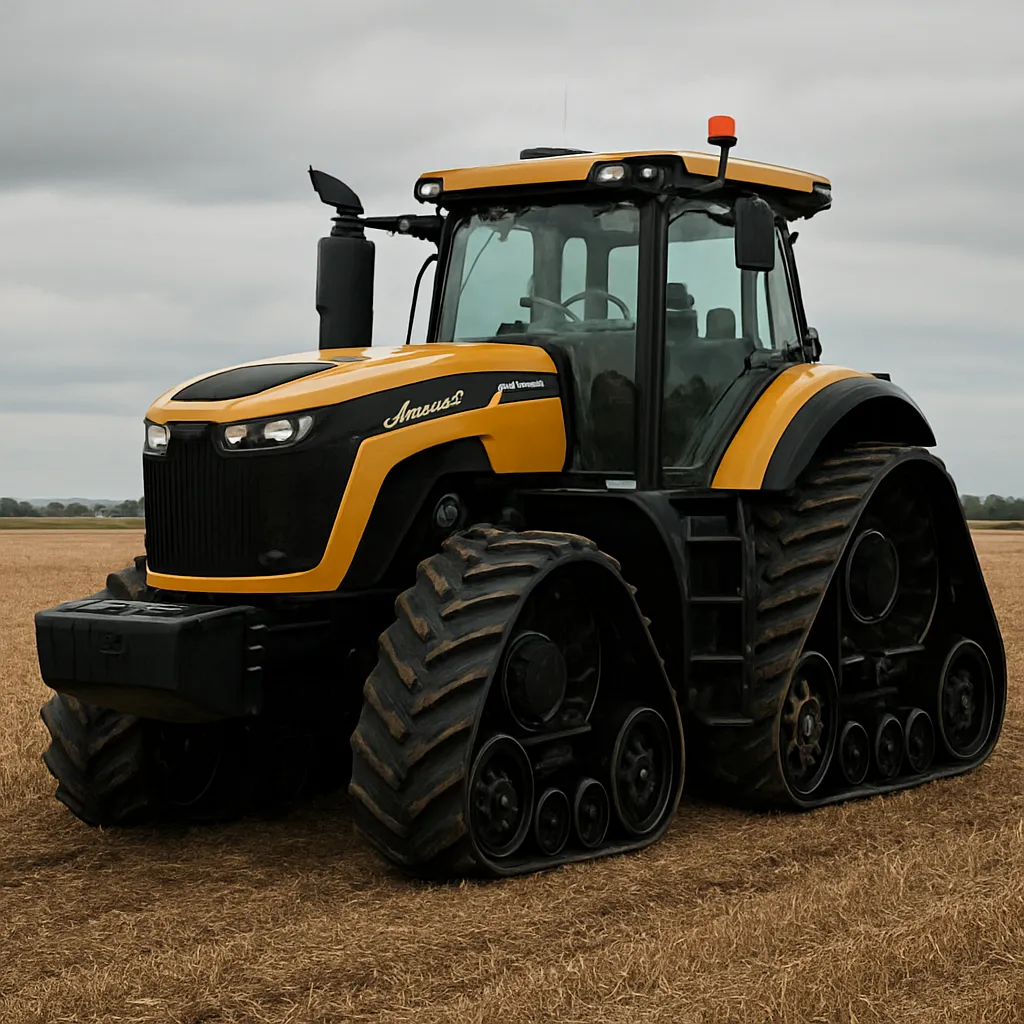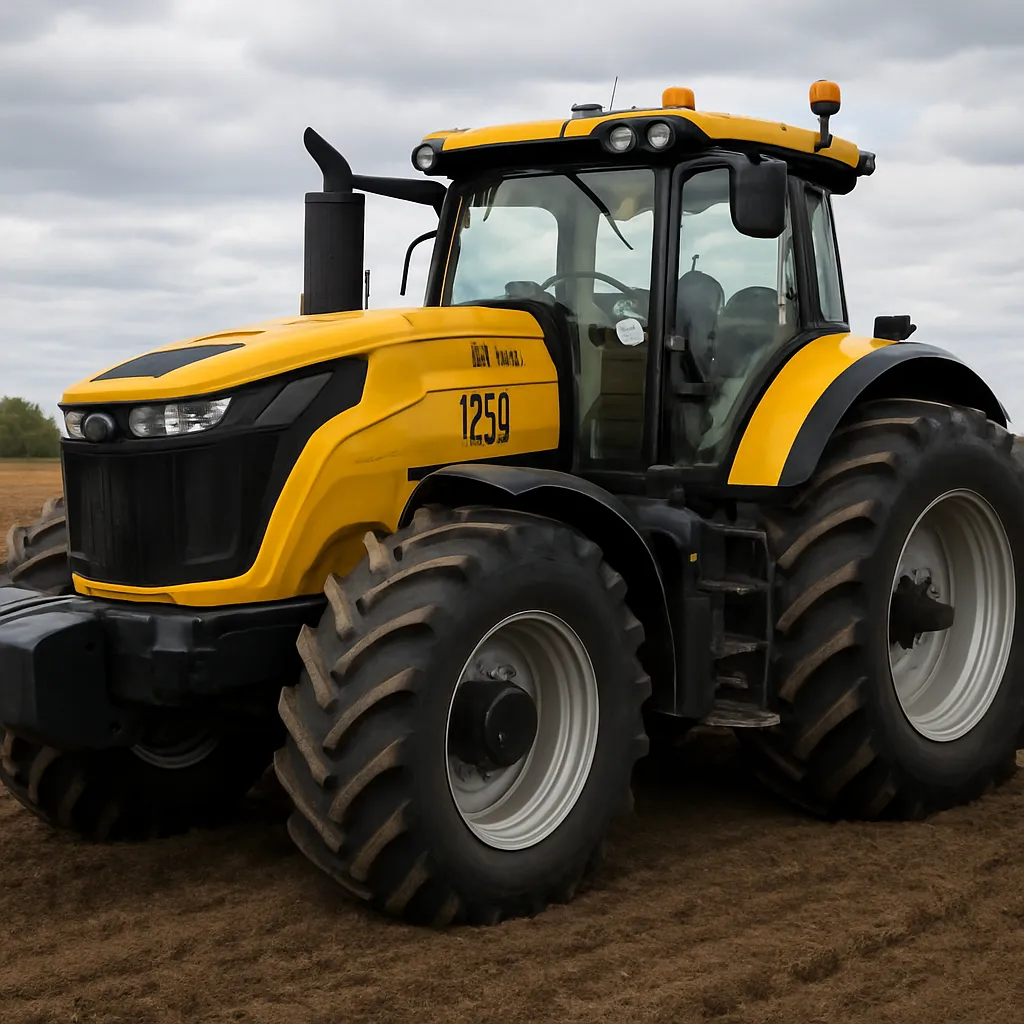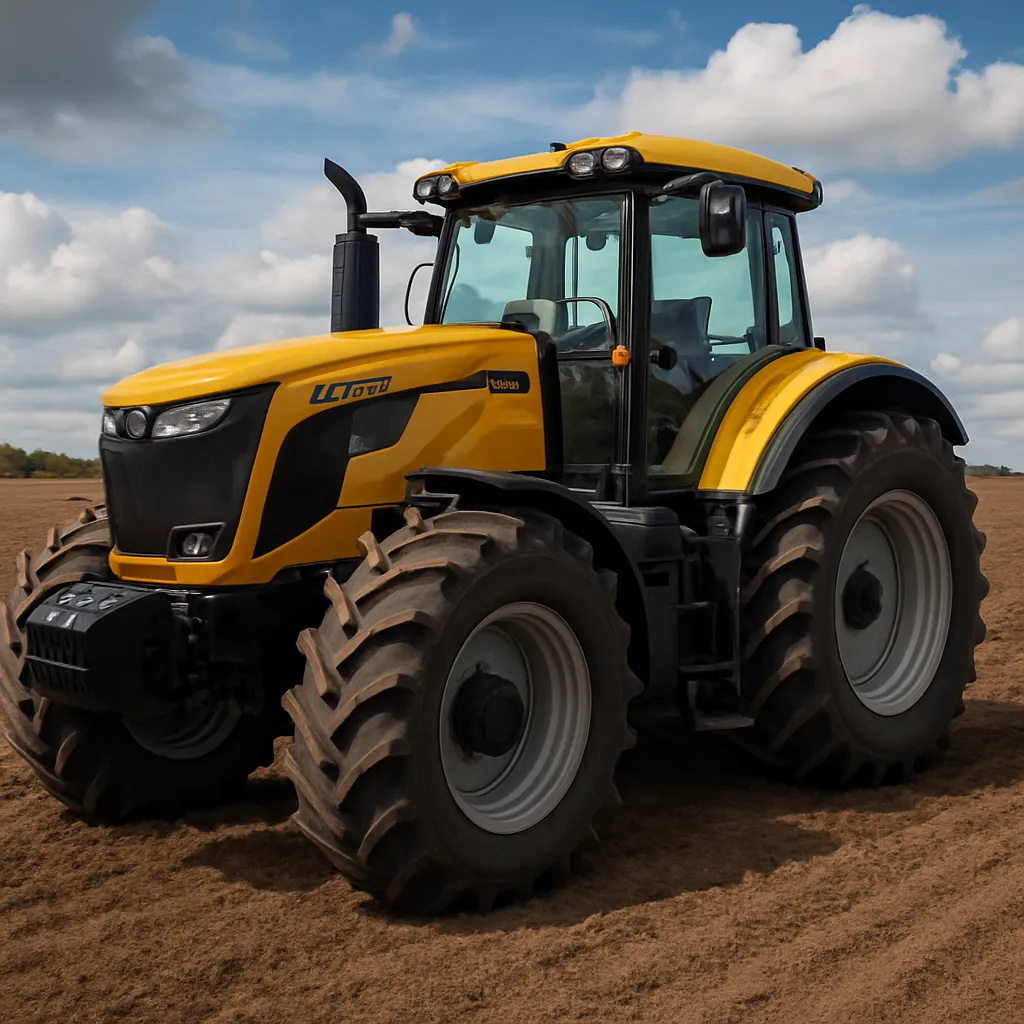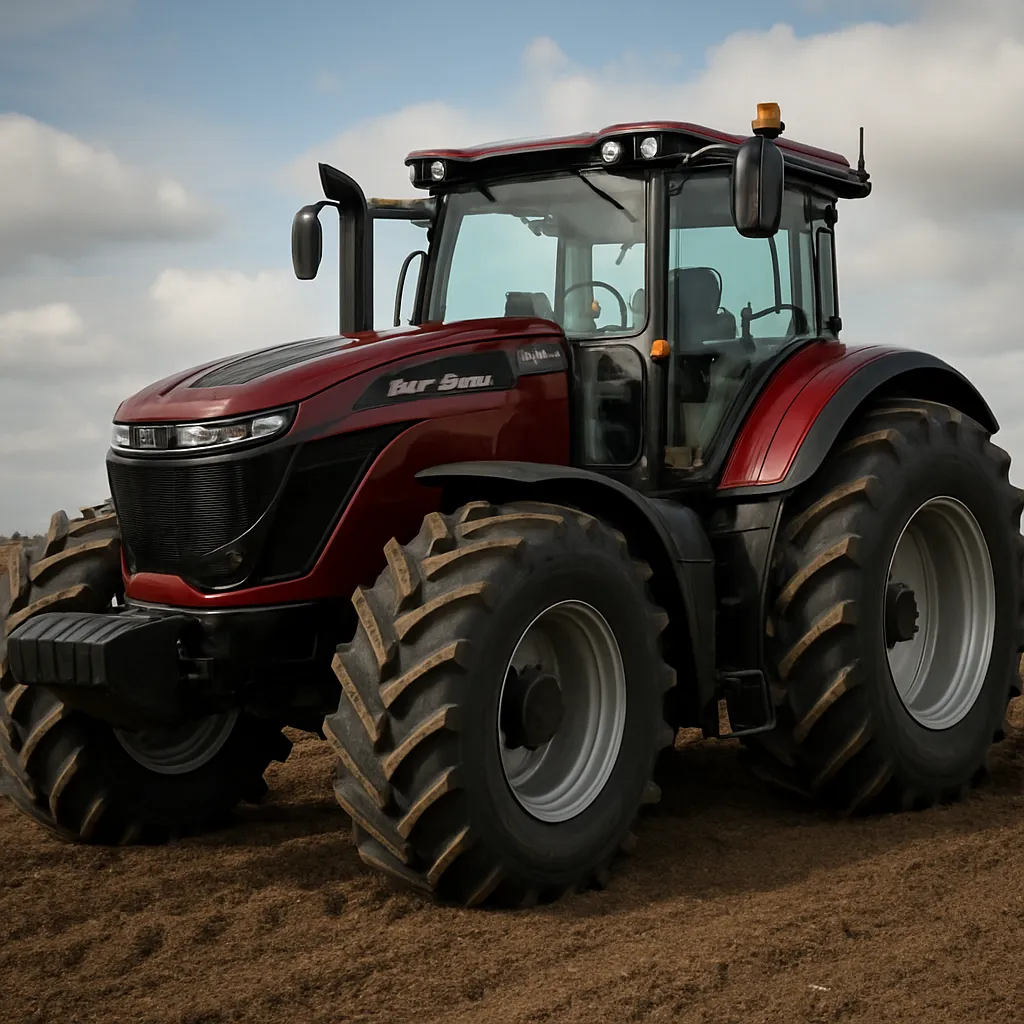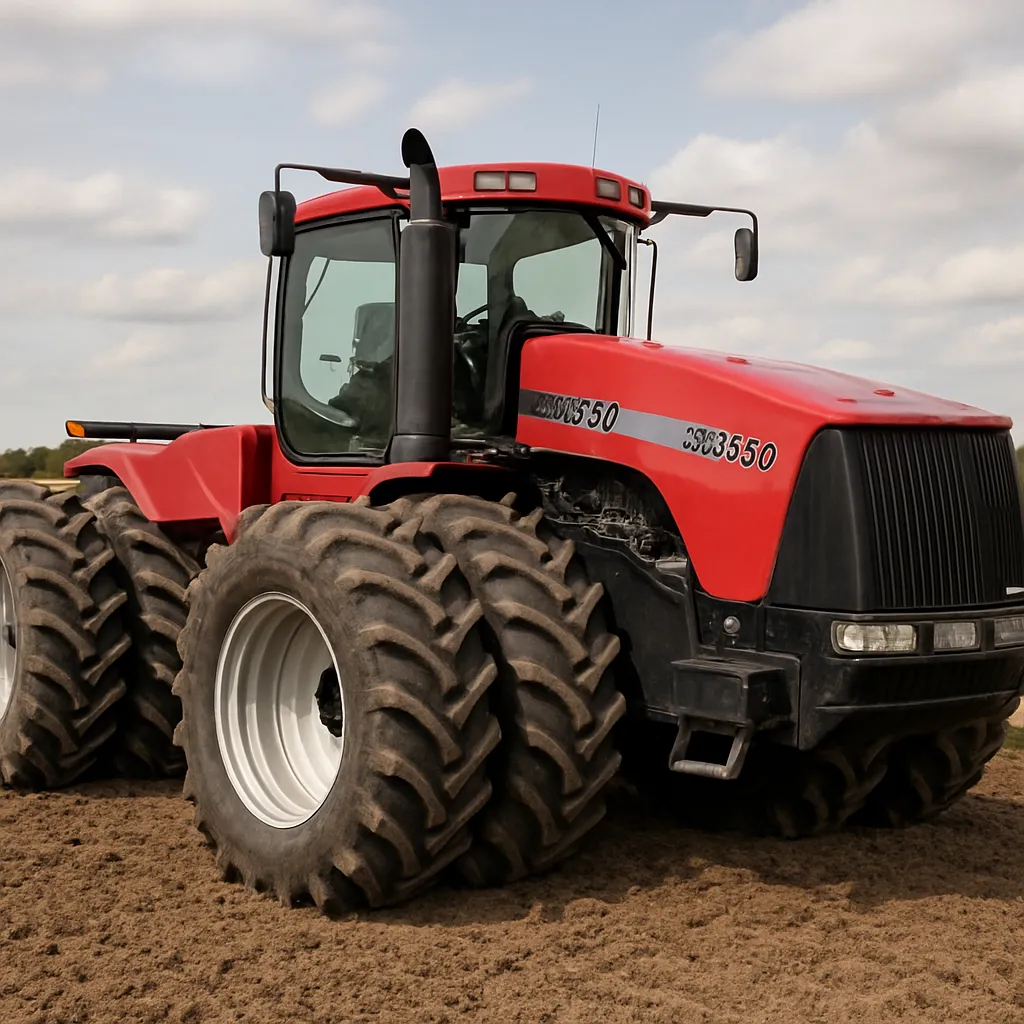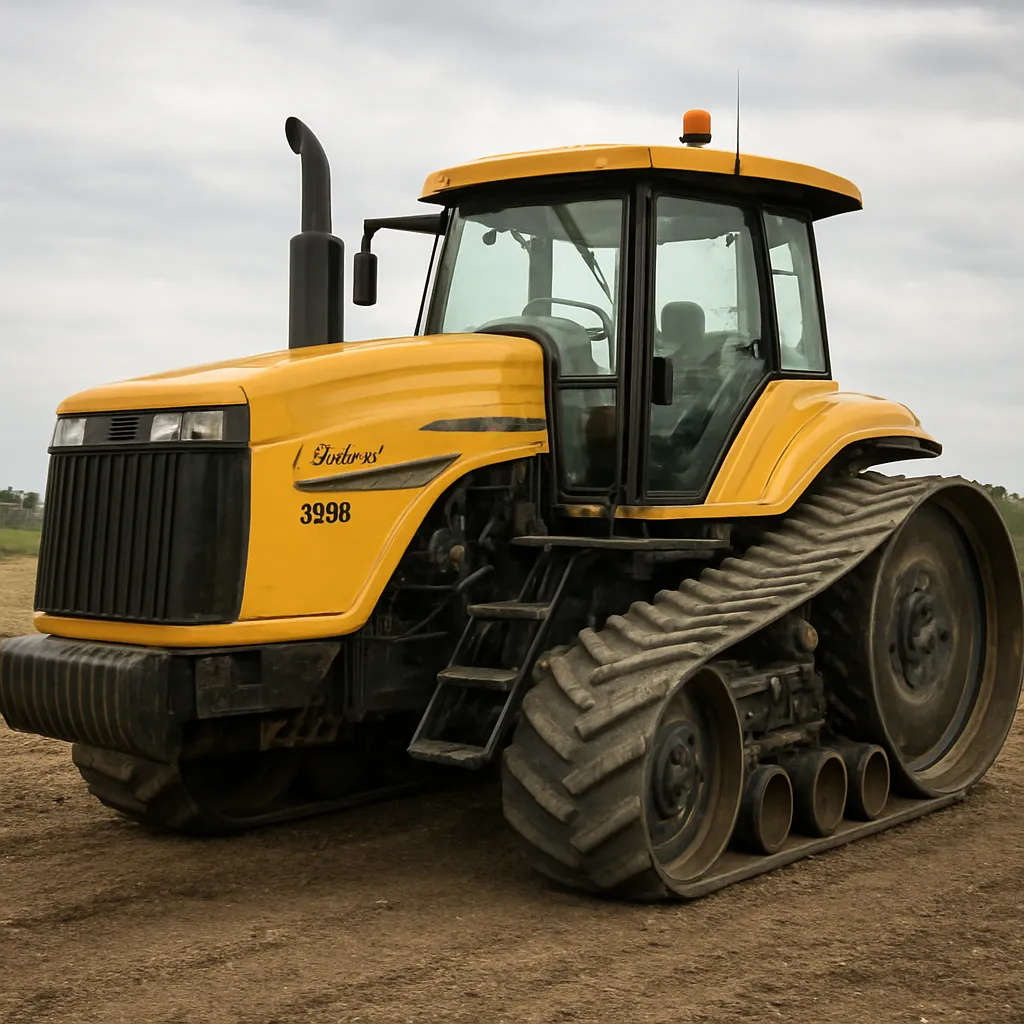
The Challenger 955D is a heavy-duty, tracked agricultural tractor designed for large-scale farming operations and demanding soil-working tasks. Built on the principles of reliable mechanical design and robust undercarriage technology, it delivers steady performance where wheeled tractors may struggle. This article explores the tractor’s design philosophy, typical applications, technical characteristics, operational advantages and limitations, maintenance needs, and economic and environmental implications. Wherever possible, approximate technical figures are offered, with caveats that exact specifications vary by year and configuration.
Overview and historical context
The Challenger line introduced the concept of large agricultural tractors using continuous rubber tracks rather than conventional wheels to maximize traction and minimize ground pressure. The Challenger 955D belongs to a family of track tractors developed to address the needs of intensive tillage, seeding, deep ripping and heavy pulling on farms where soil preservation and traction are critical. Over time, manufacturers have refined track technology, cab ergonomics, and drivetrain reliability to suit both field productivity and operator comfort, making machines like the 955D common on extensive grain, corn, and sugar-beet operations.
Brand lineage and production notes
Challenger tractors have been produced under different corporate ownerships and partnerships; the brand has long been associated with high-traction, low-ground-pressure machines designed for heavy agricultural use. Specific model designations such as “955D” may differ in detail depending on the market and production year. Because manufacturers update engines, transmissions and electronics across model years, exact specifications for the 955D can vary; the figures included below are indicative ranges rather than absolute values.
Design and technical characteristics
The core features that define the Challenger 955D are its tracked undercarriage, powerful engine, and heavy-duty transmission. These components are engineered to produce superior drawbar pull and consistent field speed, which are essential for pulling large implements and achieving high field efficiency.
Engine and powertrain
- Typical engine output: approximately 250–350 horsepower (depending on model year and tuning). The engine is turbocharged and intercooled in many configurations to provide steady torque at low engine speeds.
- Transmission: heavy-duty powershift or continuously variable (depending on spec) offering multiple speed ranges for transport and field work. The design prioritizes smooth torque delivery, durability under load, and straightforward servicing.
- Drivetrain features: torque converters and final drives engineered to withstand high traction stresses characteristic of tracked machines.
Undercarriage and tracks
Tracks are the defining element: continuous rubber belts with steel reinforcement and modular pad systems. Advantages include enhanced grip, reduced slippage, and a larger contact patch with soil compared to tires.
- Ground pressure: one key benefit is markedly reduced ground pressure, often substantially lower than comparable wheeled tractors. Typical effective ground pressure values are in the lower kPa range under normal loads, which mitigates compaction.
- Track width and tread options: multiple track widths and pad patterns allow customization for soil type and moisture conditions.
- Undercarriage components: rollers, idlers, sprockets and tensioning systems made for extended life under heavy load.
Hydraulics, hitching and implements
The 955D is equipped with powerful hydraulic systems and hitch points for large implements:
- High-flow hydraulic circuits to run multifarious implements such as seed drills, planters, and large cultivators.
- Three-point hitch and drawbar options to tow or mount heavy tillage equipment and wagons.
- Compatibility with precision planters, coulter bars, chisel ploughs and deep rippers commonly used in large-acreage operations.
Cab and operator environment
Operator comfort is a priority on long working days. Typical cab features for a machine like the 955D include:
- Climate control (heating and air conditioning), ergonomic controls and suspension seats.
- Good visibility forward and to the sides for implement monitoring.
- Modern electronic options: GPS-ready systems, auto-steer compatibility and displays for engine and implement management are often available.
Applications and field performance
The primary role of the Challenger 955D is field traction work where high pull and low soil disturbance are needed. Below are the most common applications and how the machine performs in each.
Primary tillage and deep ripping
Large chisel ploughs, heavy discs and multi-shank rippers require enormous drawbar pull. The 955D’s tracked undercarriage enables sustained traction without excessive wheel slip, which improves fuel utilization per hectare and maintains steady speed across large fields. Reduced slippage also lowers implement wear and helps preserve seedbed uniformity.
Seeding and planting
For large planters and drills, consistent ground speed is essential to maintain accurate seed placement. The stable platform and low-vibration operation of the 955D help achieve high-quality seeding, especially when combined with GPS guidance and active depth control on implements.
Transport and heavy hauling
On-farm transport of heavy loads—grain carts, fertilizer applicators, and trailers—benefits from the tractor’s torque and traction, though speeds are typically lower than wheeled machines. Careful route planning reduces time on roadways and maximizes field productivity.
Specialty uses
In some regions, tractors like the 955D are used in non-agricultural contexts, such as earthmoving, forestry towage or as prime movers for specialized equipment. Their capacity to operate on soft or uneven ground makes them versatile in mixed-use operations.
Advantages and limitations
Understanding where a tracked tractor excels—and where it may be less suitable—helps farm managers make informed choices.
Key advantages
- tracks and the resulting traction deliver superior pull force with less slippage compared to tires on many soils.
- Lower soil compaction due to wider contact area, supporting long-term soil health and root development.
- Stable, consistent ground speed improves implement performance, leading to higher overall productivity per hour in large-field operations.
- Robust construction and heavy-duty components designed for prolonged heavy-duty work.
- Compatibility with modern precision tools: precision farming systems enhance placement accuracy and operational efficiency.
Limitations and trade-offs
- Higher initial capital cost compared with wheeled tractors of similar rated horsepower. Investment returns depend on scale of operations and usage intensity.
- Transport speeds and on-road wear: while adequate for farm transport, tracked machines are less efficient on long road hauls and can cause surface wear if used extensively on hard pavement.
- Track undercarriage requires specific maintenance routines and sometimes more expensive consumables (pads, sprockets, track modules) than tires and rims.
- Soil benefits can be less pronounced in very dry, rocky or highly compacted conditions where tracks may wear faster.
Maintenance, service and operational best practices
Proper maintenance extends service life and reduces downtime. The following guidelines reflect general best practices for tracked tractors like the Challenger 955D.
Daily, weekly and seasonal checks
- Daily: inspect track tension, look for cuts or severe wear on track pads, check hydraulic lines, and verify fluid levels (engine oil, coolant, hydraulic oil, fuel).
- Weekly: clean track area of debris, check undercarriage rollers and idlers for play or damage, and ensure all lights and electronics are functioning.
- Seasonal: perform full service before peak seasons—filter changes, engine diagnostics, transmission checks, and a thorough undercarriage inspection. Replace worn sprockets or rollers promptly to avoid accelerated wear elsewhere.
Track care and alignment
Maintaining proper track tension and alignment is essential. Over-tensioning increases wear on bearings and rollers; under-tensioning can cause slippage and derailment. Manufacturers typically provide tensioning procedures and reference pressures—follow those closely. Consider track rotation or pad replacement as a preventative measure if wear becomes uneven.
Fuel and emissions systems
Modern diesel engines on tractors like the 955D may include emissions control systems (DOC, SCR) depending on the market and model year. Follow manufacturer service intervals for diesel particulate filters and urea/DEF systems to maintain performance and emissions compliance.
Economic and environmental considerations
Deploying a large tracked tractor like the Challenger 955D involves weighing upfront costs against long-term gains. Several economic and environmental factors influence total cost of ownership and farm sustainability.
Cost of ownership and return on investment
- Initial acquisition: tracked machines often command a premium over comparable wheeled tractors. Leasing and custom hire are common strategies to spread or defer that cost.
- Operating costs: fuel consumption varies with load and field conditions. Typical fuel use for a machine in the 250–350 hp range can vary widely—approximately 15–40 liters/hour under different loads—but exact figures depend on implement resistance and operator technique.
- Resale value and market: resale prices reflect hours, condition of tracks/undercarriage, and service records. Well-maintained machines maintain better resale value.
Soil health and sustainability
Lower soil compaction delivered by tracked machines contributes to better water infiltration, reduced runoff and maintained root growth, which can improve yields over time. In conservation or reduced-till systems, the ability to pull large implements without repeated passes helps minimize disturbance and supports sustainable soil management.
Fuel efficiency and emissions
While tracked tractors may offer better traction efficiency (less slip), total fuel consumption depends on the implement’s drawbar pull and working depth. Combining suitable gearing, proper implement matching and precision farming tools (auto-steer, section control) can improve fuel efficiency per hectare.
Practical buying and operation advice
For farm managers considering a Challenger 955D or similar tracked tractor, the following practical points can guide a rational decision:
- Match tractor size to implement demands: oversizing increases unnecessary fuel use and cost, while undersizing reduces productivity and increases wear on components.
- Consider custom hire for peak seasons if usage hours do not justify purchase.
- Invest in operator training: efficient operation, correct use of hydraulics, and precise implement settings maximize returns.
- Keep a documented service history and plan for undercarriage replacement cycles to avoid unexpected expenditure.
- Evaluate aftermarket support and parts availability in your region: strong dealer support shortens downtime and protects resale value.
Conclusion
The Challenger 955D represents a category of agricultural machinery designed for scale, traction and stability. Its tracked design makes it especially suited for heavy tillage, large planters and conditions where preserving soil structure and minimizing slip are priorities. While tracked tractors carry higher initial costs and specific maintenance needs, their benefits—reduced soil compaction, superior traction, and consistent field performance—can translate into greater productivity and long-term agronomic advantages on large farms.
Exact technical data for any specific unit depend on production year, factory options and subsequent modifications. Typical characteristic ranges for machines in the same class include engine outputs commonly between 250 and 350 horsepower, operating masses in the multiple-tonne range, and fuel consumption that varies widely with workload. Prospective buyers should obtain model-specific specifications, test-drive machines where possible, and consult local dealers about available options such as GPS and emissions packages to ensure the tractor meets their operational, economic and environmental requirements.