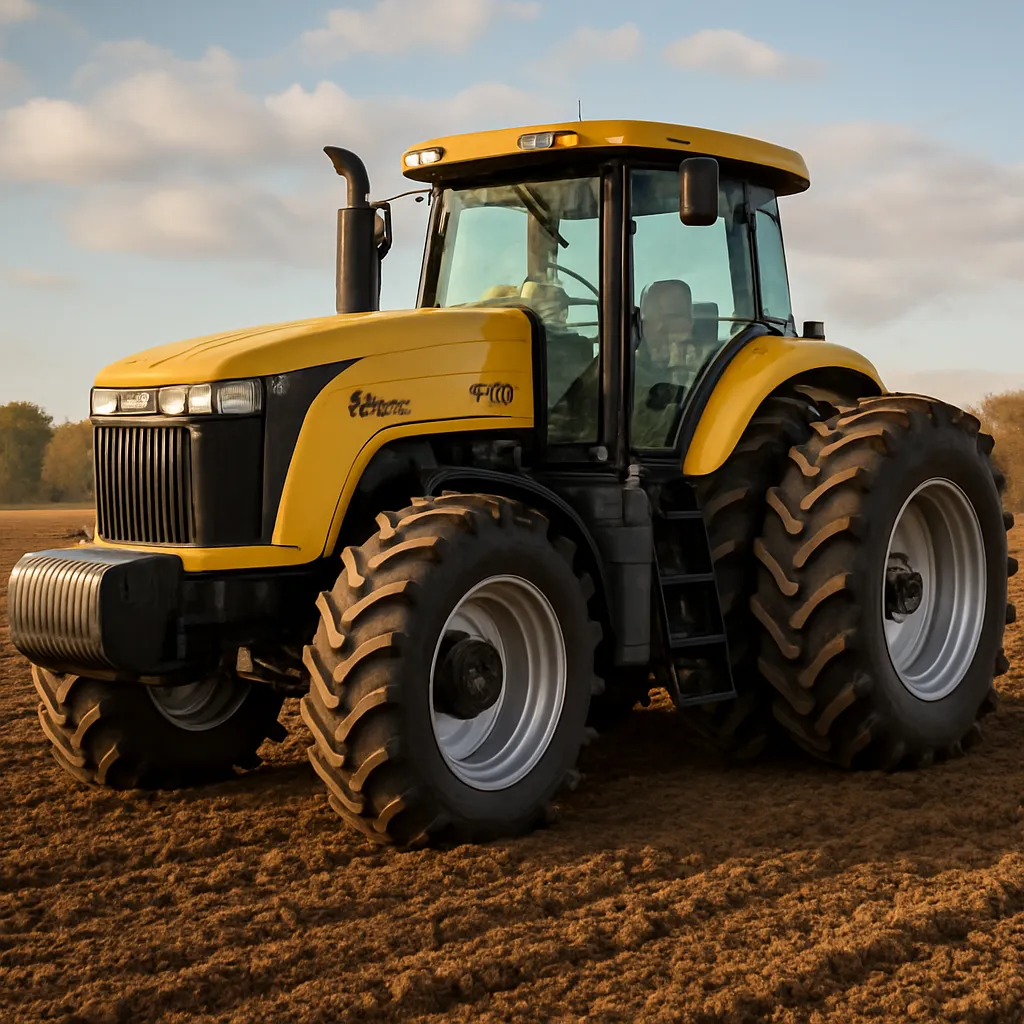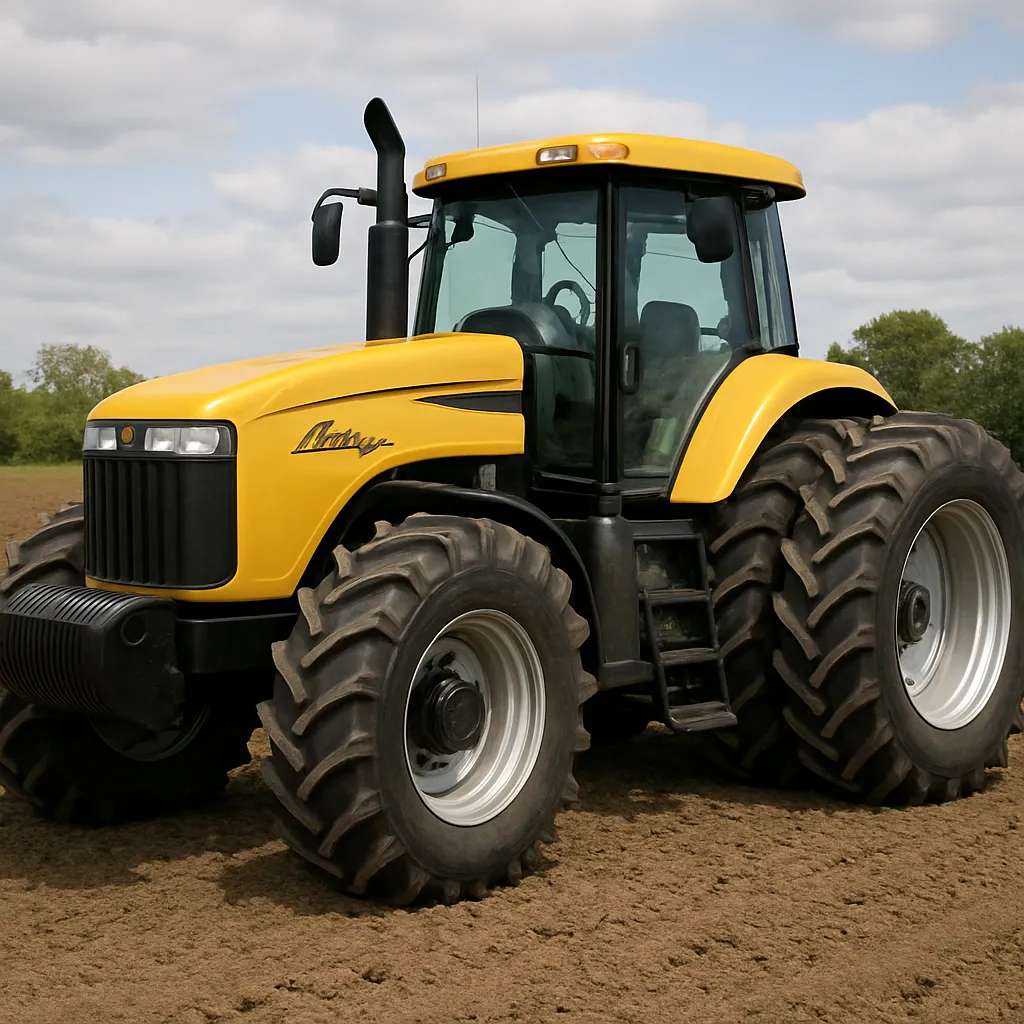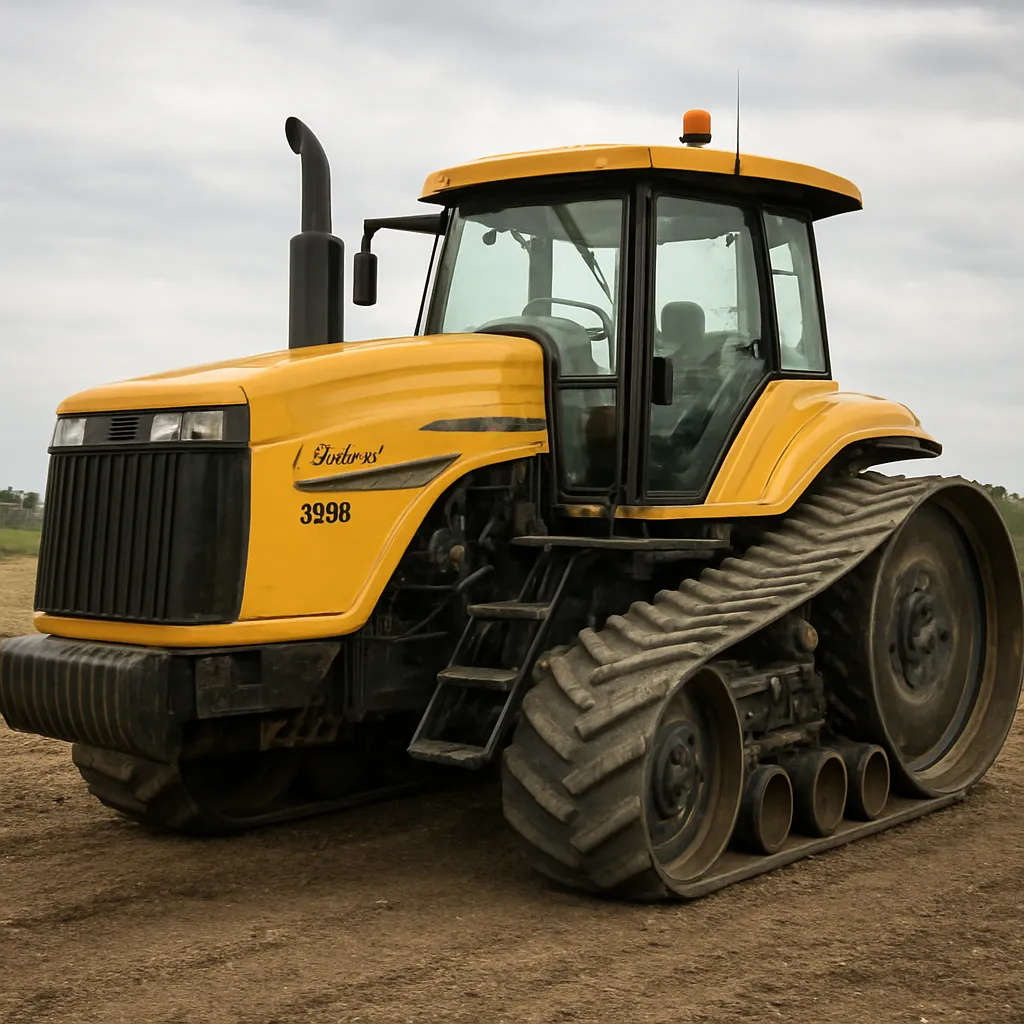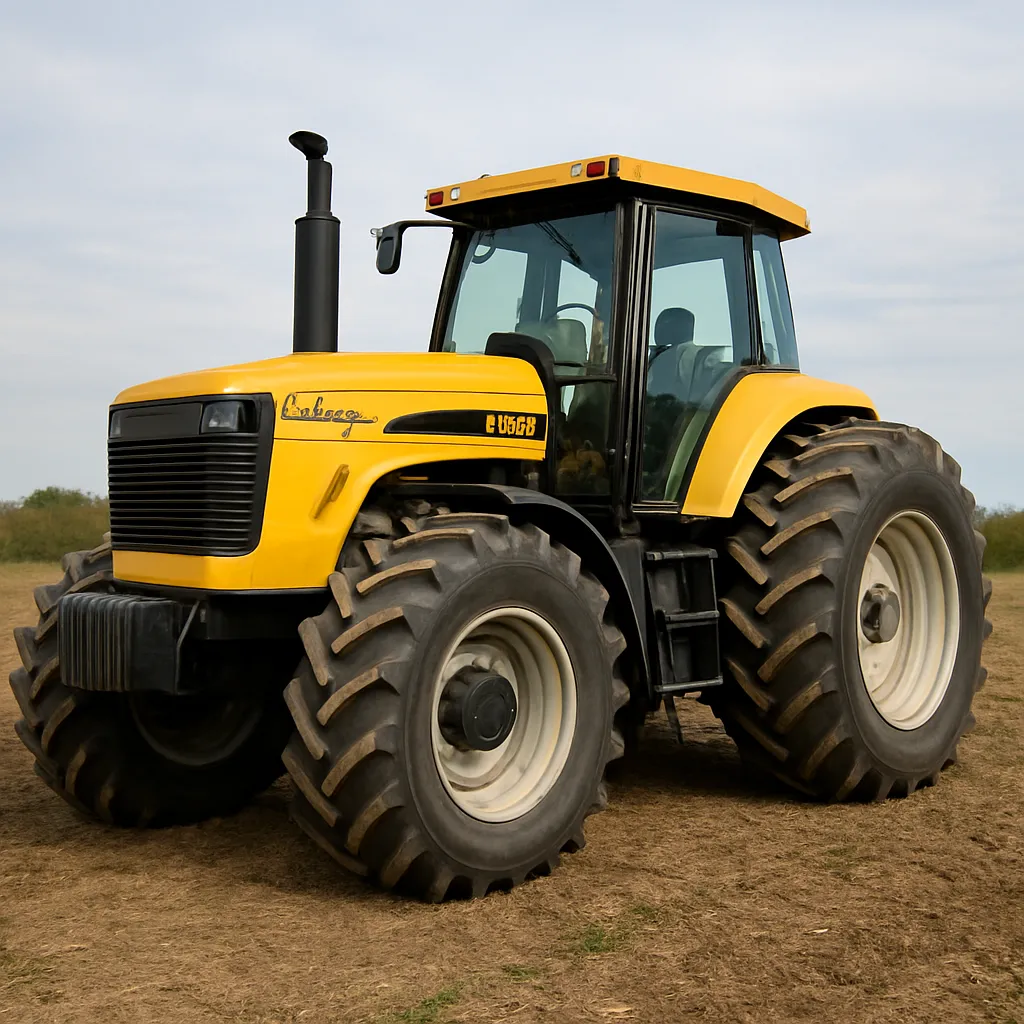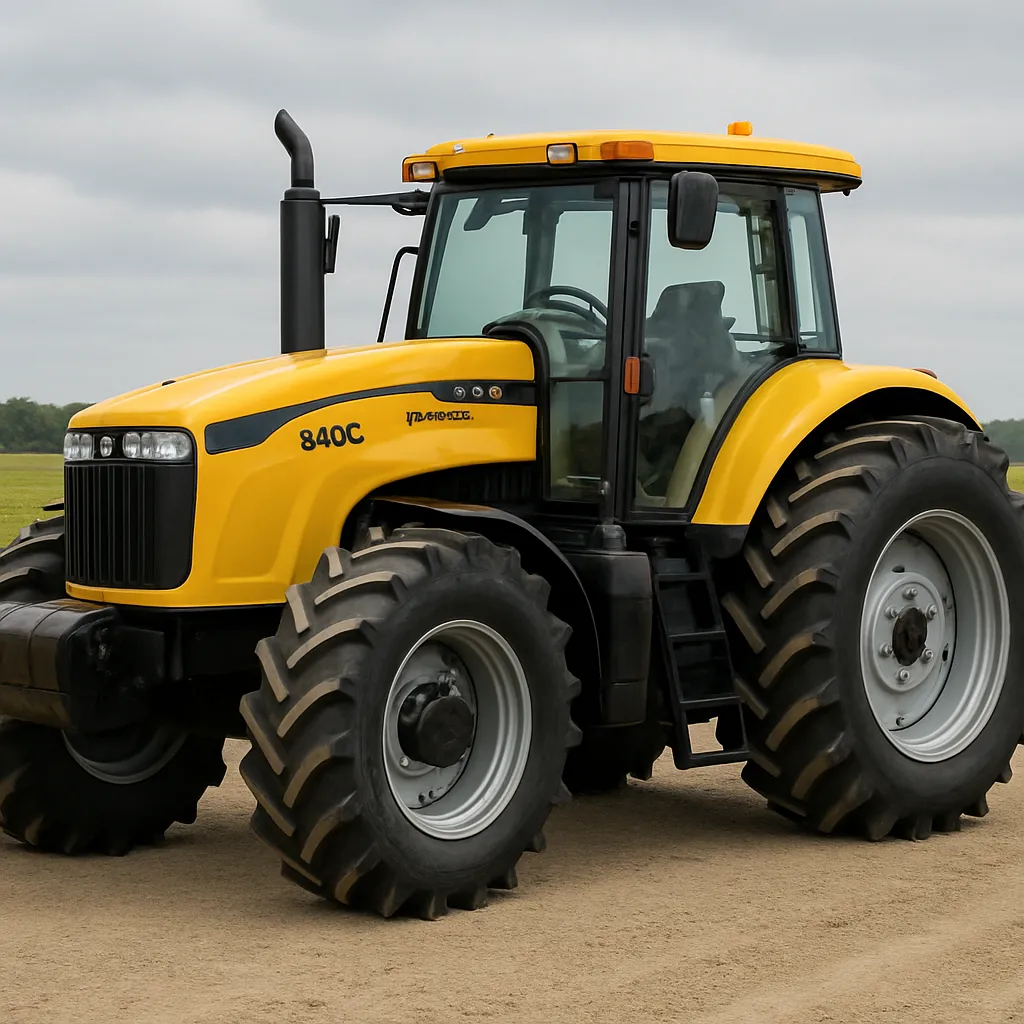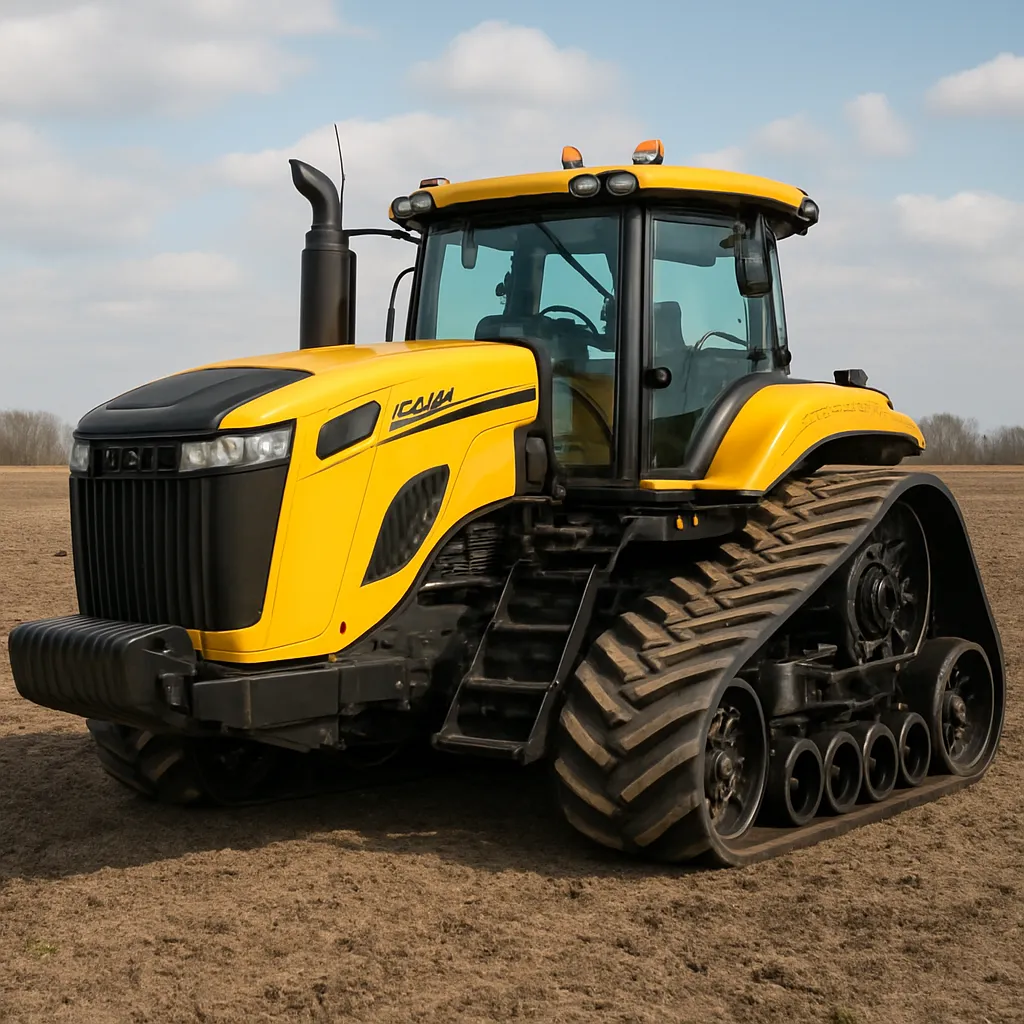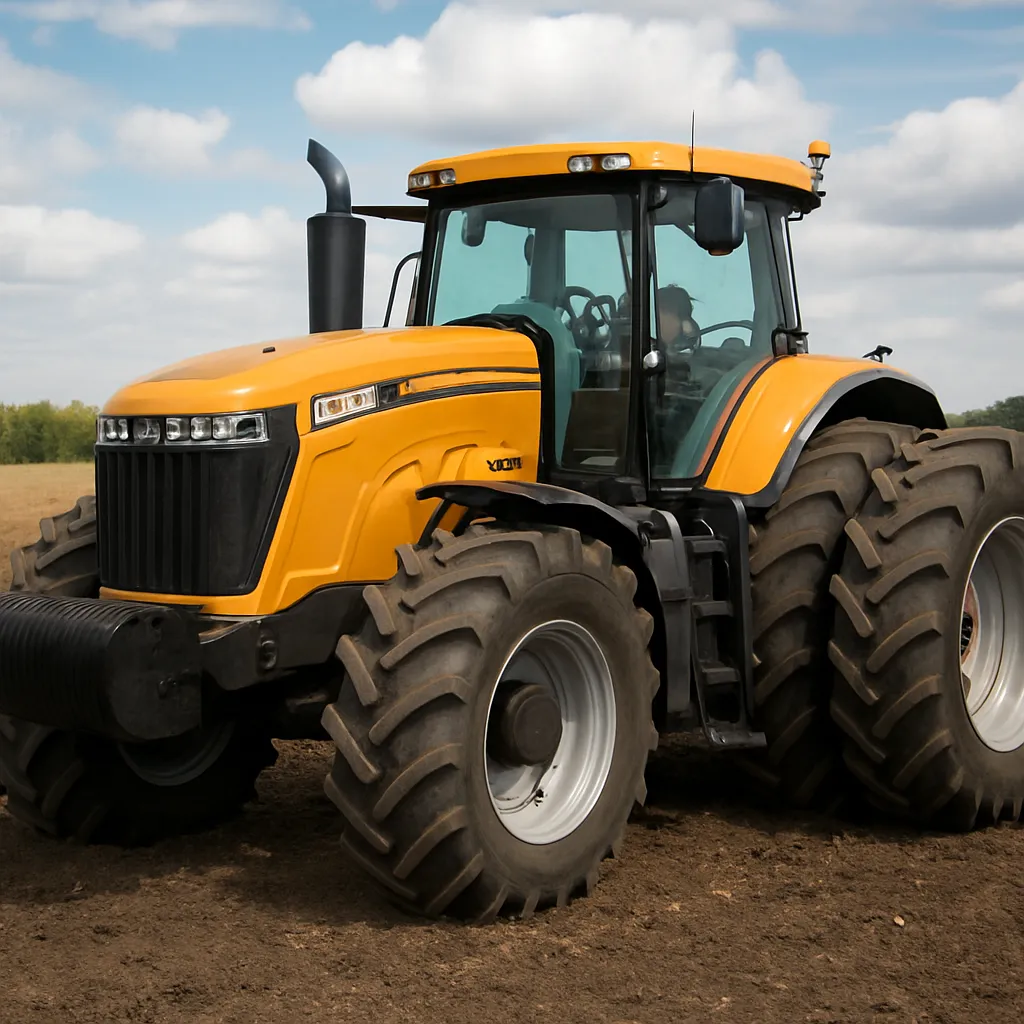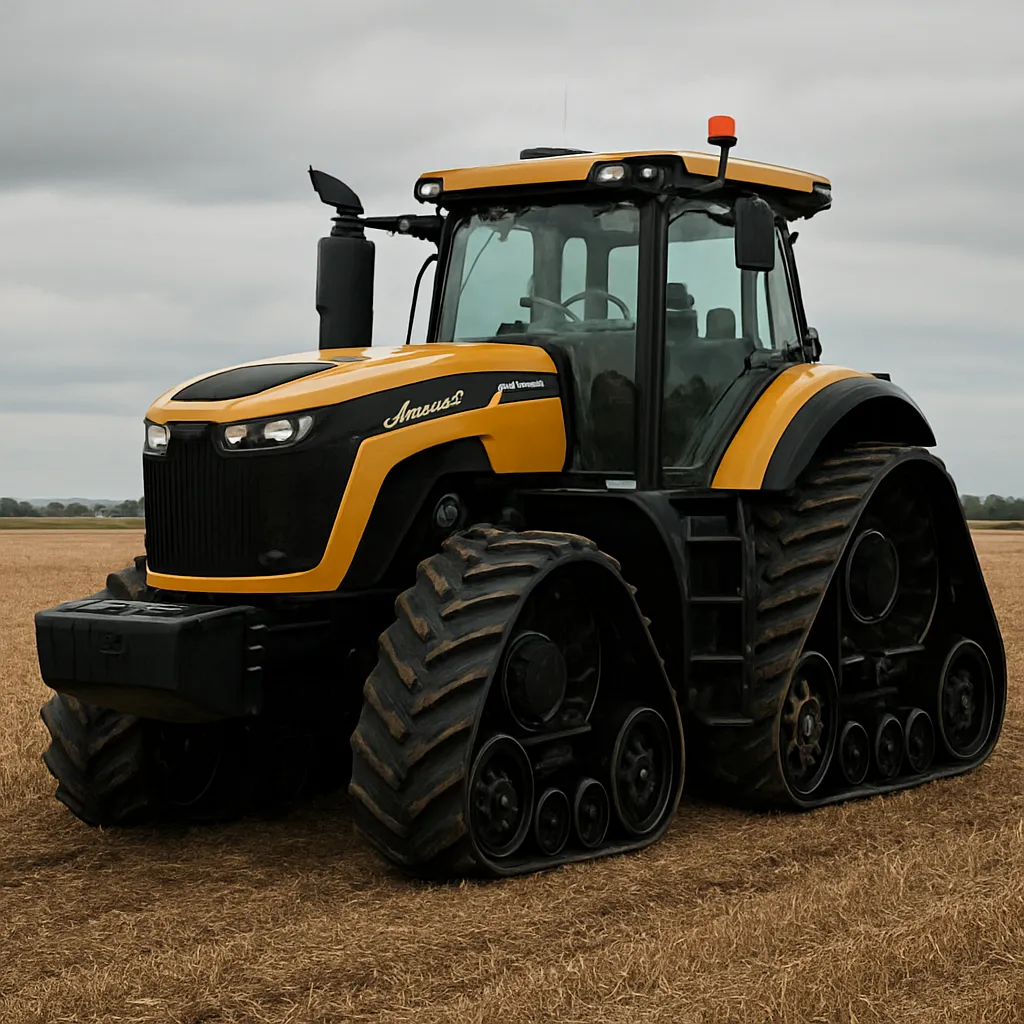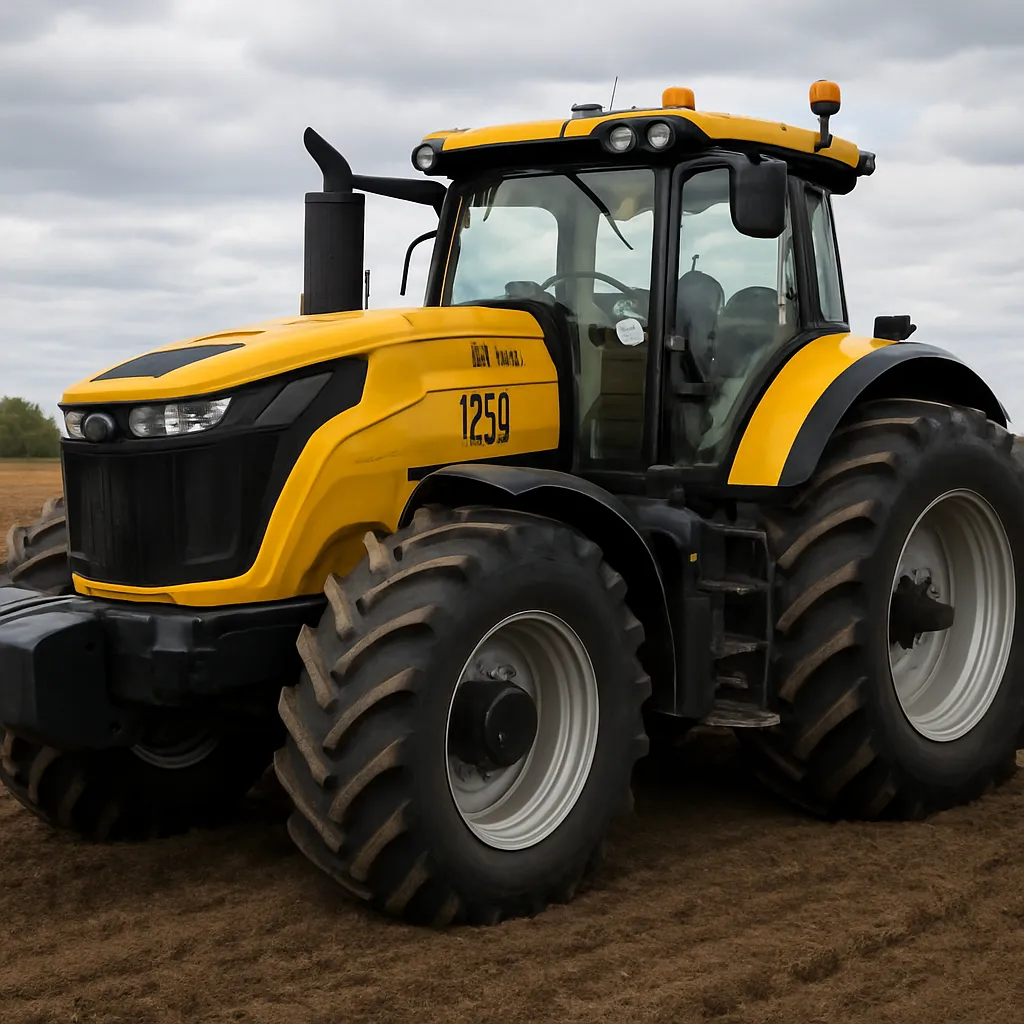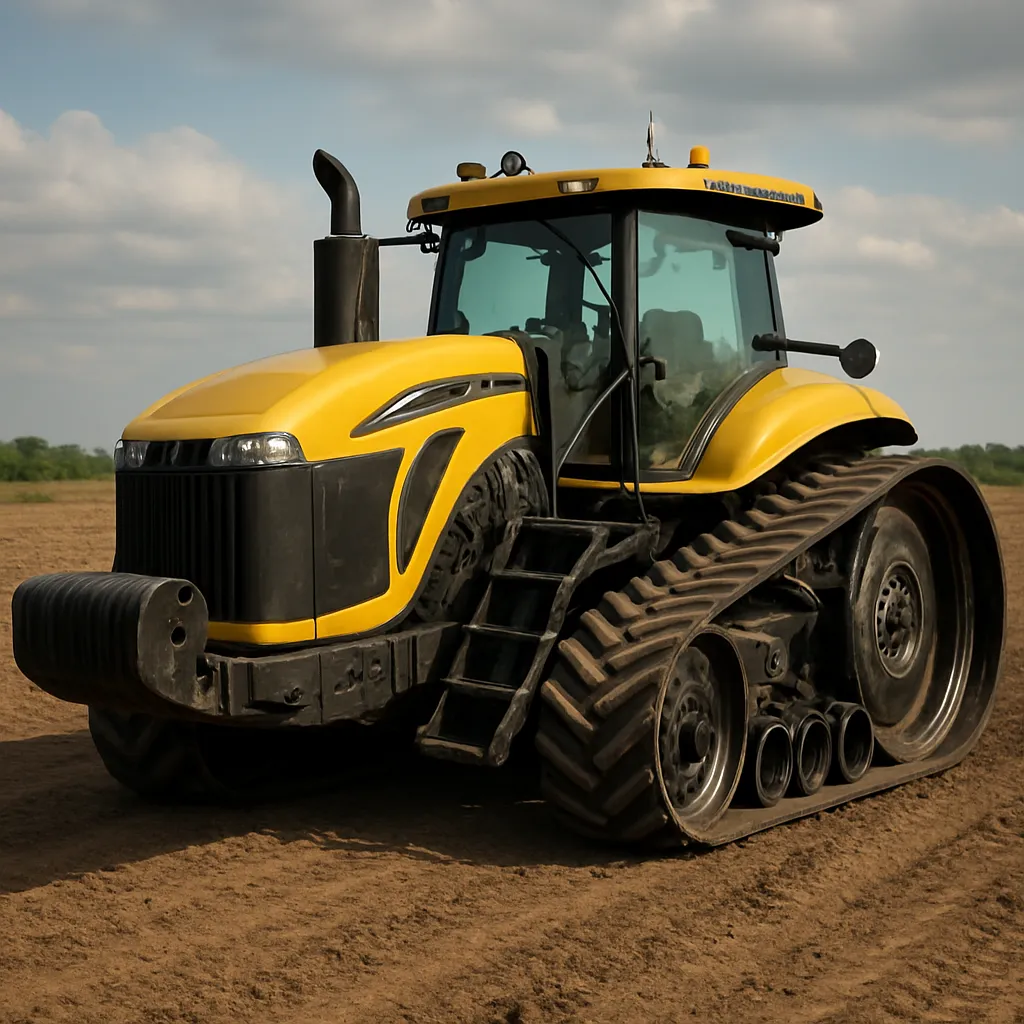
The Challenger MT835B is a purpose-built, heavy-duty agricultural tractor designed to deliver robust performance in the most demanding field conditions. Combining a tracked undercarriage with a high-displacement diesel engine and work-oriented hydraulics, this model is aimed at large-scale farmers and contractors who require high traction, low soil compaction, and consistent power for tillage, seeding, and heavy draft tasks. The following sections review its origins, technical characteristics, practical applications, and operational considerations for those evaluating or operating this machine.
Background and development
The Challenger brand, now part of AGCO Corporation, has been known for pioneering tracked tractors in mainstream agriculture. The MT800B series, which includes the MT835B, emerged as an evolution of earlier models to improve reliability, serviceability, and field performance. The MT835B was developed to answer demand for a machine that could replace large wheeled tractors in high-horsepower roles while offering the soil-friendly benefits of continuous tracks.
Key design goals behind the MT835B were sustained power delivery, low ground pressure, and chassis durability. The tracked configuration reduces slippage and increases effective traction, which is critical when pulling large tillage implements or operating in wet or soft soils. Over time the MT800B line incorporated incremental improvements in engine management, electronic controls, and undercarriage design to enhance efficiency and lower operating costs.
Technical specifications and performance
The MT835B is a heavy-class tracked tractor with engineering focused on high-drawbar performance and payload endurance. Exact specifications can vary by market, production year, and optional packages, but the following outlines the commonly reported and approximate technical characteristics:
- Engine power: approximately 350–360 hp (ISO) in typical configurations, providing the continuous power necessary for large implements and sustained fieldwork.
- Engine type: turbocharged diesel 6-cylinder designs typical for the class, with emphasis on low-end torque and durability for draft work.
- Transmission: powershift or stepped automatic transmissions designed to balance field-pulling power and road travel capability; some configurations allow a top speed suitable for transport.
- Undercarriage: rubber track system with wide footprint to lower ground pressure and increase traction. Track options and widths are available to match soil types and transport constraints.
- Hydraulics and 3-point linkage: high-flow hydraulics suitable for large implements, often with multiple remote valves and substantial lifting capacity at the hitch.
- Operating weight: typically in the range of 15–20 tonnes depending on track choice, ballast, and fitted options. The weight contributes to traction but is controlled through track footprint to reduce compaction.
- Fuel capacity and consumption: larger tanks to support long field days; fuel consumption varies widely by task but is comparable to other tractors in the 300–400 hp class when performing equivalent work.
Performance in the field is measured not only by peak horsepower but by usable traction, fuel efficiency under load, and the ability to maintain consistent speeds during draft operations. The MT835B’s tracked layout typically delivers superior draft efficiency compared with wheeled tractors of similar rated power, particularly in low-traction conditions.
Primary applications and field roles
The Challenger MT835B excels in tasks that require continuous traction and minimal slippage. Typical applications include:
- Tillage: primary plowing, heavy disk operations, and deep ripping where implement draft forces are high and traction is critical to maintain implement speed and working depth.
- Seeding and planting: when pulling wide planters, the MT835B provides consistent ground engagement and reduces the likelihood of missed rows due to wheel slip.
- Residue management: operations that involve large gangs of discs or power harrows benefit from the tractor’s sustained power output.
- Transport and hauling: on-farm transport of heavy implements or carts where the machine’s gearing and torque provide safe, controlled movement.
- Specialist crops: in certain regions tracked tractors are preferred in sugarcane, rice, or other crops grown on soft soils where ground pressure needs to be minimized.
- Land leveling and reclamation: where heavy push or drag work is needed, tracks spread weight and provide stable traction.
Large farms and contracting businesses that operate in seasonal windows appreciate the MT835B for its ability to complete ground-critical tasks quickly and reliably. The combination of power and traction reduces time in the field, which can be decisive during narrow planting or harvest windows.
Advantages of tracked design over wheeled tractors
Choosing a tracked tractor like the MT835B brings several operational benefits that stem from the design of the undercarriage:
- Reduced soil compaction: the larger contact area of tracks spreads the tractor’s weight, lowering ground pressure and protecting soil structure—an important factor for long-term farm productivity.
- Improved traction and tractive efficiency: tracks convert a greater proportion of engine power to forward thrust, reducing wheel slip and improving fuel efficiency under draft loads.
- Stability on slopes and uneven ground: tracks offer a more stable platform, which is particularly useful during heavy draft tasks or when operating on soft fields.
- Smoother ride for heavy implements: track systems can absorb and distribute shocks from rough terrain, protecting both tractor components and attached implements.
There are trade-offs: tracked systems can be more expensive to maintain in the long run, and transport on roads requires careful consideration due to wear and speed constraints. However, for farms where soil health, traction and high draft efficiency are priorities, the benefits often justify the investment.
Maintenance, reliability and operating costs
Operating a Challenger MT835B requires a disciplined maintenance approach to ensure longevity and dependable field performance. Key maintenance topics include:
- Track and undercarriage care: regular inspection of track tension, condition of rubber elements or pads, rollers and idlers is essential. Improper tension or worn components reduce efficiency and increase wear.
- Engine service: timely oil and filter changes, fuel system maintenance, and cooling system inspections are vital for high-hour, high-load tractors.
- Hydraulic system: maintaining clean hydraulic fluid and monitoring for leaks preserves implement responsiveness and extends pump life.
- Software and electronics: modern tractors include engine and transmission control modules; keeping software updated and diagnosing fault codes can prevent downtime.
From a cost perspective, tracked tractors can have higher upfront acquisition costs and potentially higher track replacement costs compared to wheeled equivalents. However, the improved field efficiency—less time required to complete heavy draft tasks and fewer passes needed due to better traction—can offset these higher operating or capital costs. For contractors who command hourly rates or large farms operating under narrow seasonal constraints, the economic case is frequently favorable.
Operator environment and technology features
Challenger models place emphasis on operator comfort and actionable telemetry. Typical cabin and control features found on tractors in this class include:
- Ergonomically arranged controls and a comfort-focused seat to reduce operator fatigue during long shifts.
- Integrated guidance and precision farming compatibility for GPS-assisted steering and section control—this improves efficiency in planting and spraying tasks and reduces overlap.
- Clear instrumentation and diagnostics to monitor engine load, hydraulic performance, and track conditions in real time.
- Climate control and sound insulation to make prolonged operations more tolerable.
These features not only improve the operator experience but also contribute to improved productivity and reduced fuel waste when combined with precision agriculture practices.
Availability, resale and practical considerations
The MT835B, like other Challenger track tractors, is most commonly found in regions with large, mechanized farms and in markets where the value of reduced soil compaction is well understood. When evaluating purchase or lease options, consider the following practical points:
- Implementation match: confirm that your implement widths, drawbar requirements, and hitch arrangements are compatible with the tractor’s hydraulic flow and hitch capacity.
- Transport logistics: tracked machines may have limitations for long-distance road travel; plan transport trailers and legal maximum widths accordingly.
- Dealer support: access to parts, experienced technicians, and field service is critical—especially for complex undercarriage repairs.
- Resale considerations: tracked tractors retain value in markets that favor tracks; however, local demand and the condition of the undercarriage heavily influence resale price.
Used examples of the MT835B can be a cost-effective way to access high horsepower tracked capability—buyers should request full maintenance records and inspect tracks and suspension components carefully.
Summary and outlook
The Challenger MT835B represents a durable, high-traction solution for large-scale agricultural tasks where consistent draft performance and minimized soil compaction are priorities. Its combination of robust engine power, track-based undercarriage, and work-oriented hydraulics make it well suited to heavy tillage, wide seeding operations, and specialty cropping systems that operate on softer soils. While tracks bring additional maintenance considerations and transport planning, the operational advantages—especially in traction-critical scenarios—are significant.
As precision farming and implement technology continue to evolve, tractors like the MT835B are likely to remain important assets for operations that need reliable high-horsepower tractors capable of completing demanding fieldwork quickly and with minimal soil disturbance. Prospective buyers should weigh acquisition and maintenance costs against task-specific productivity gains and consult local dealers for the most current specification details and available options.