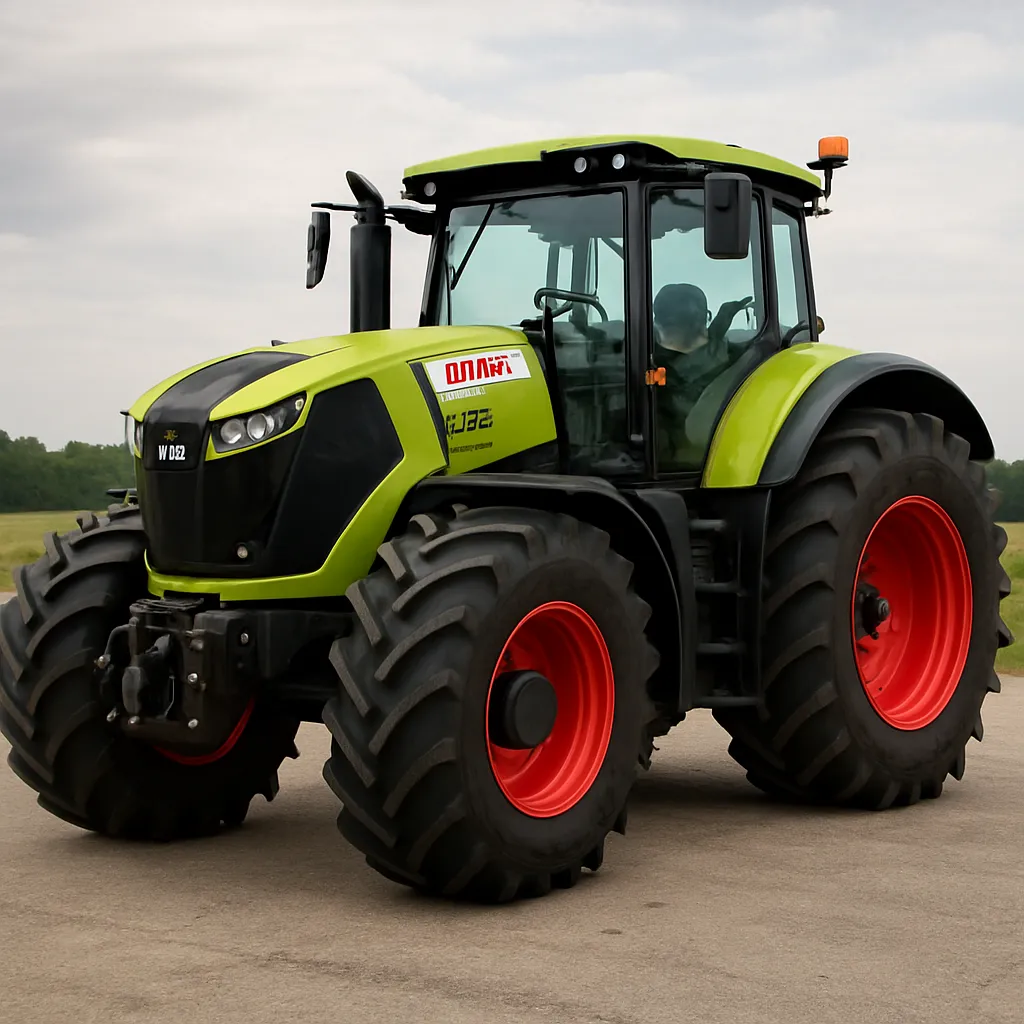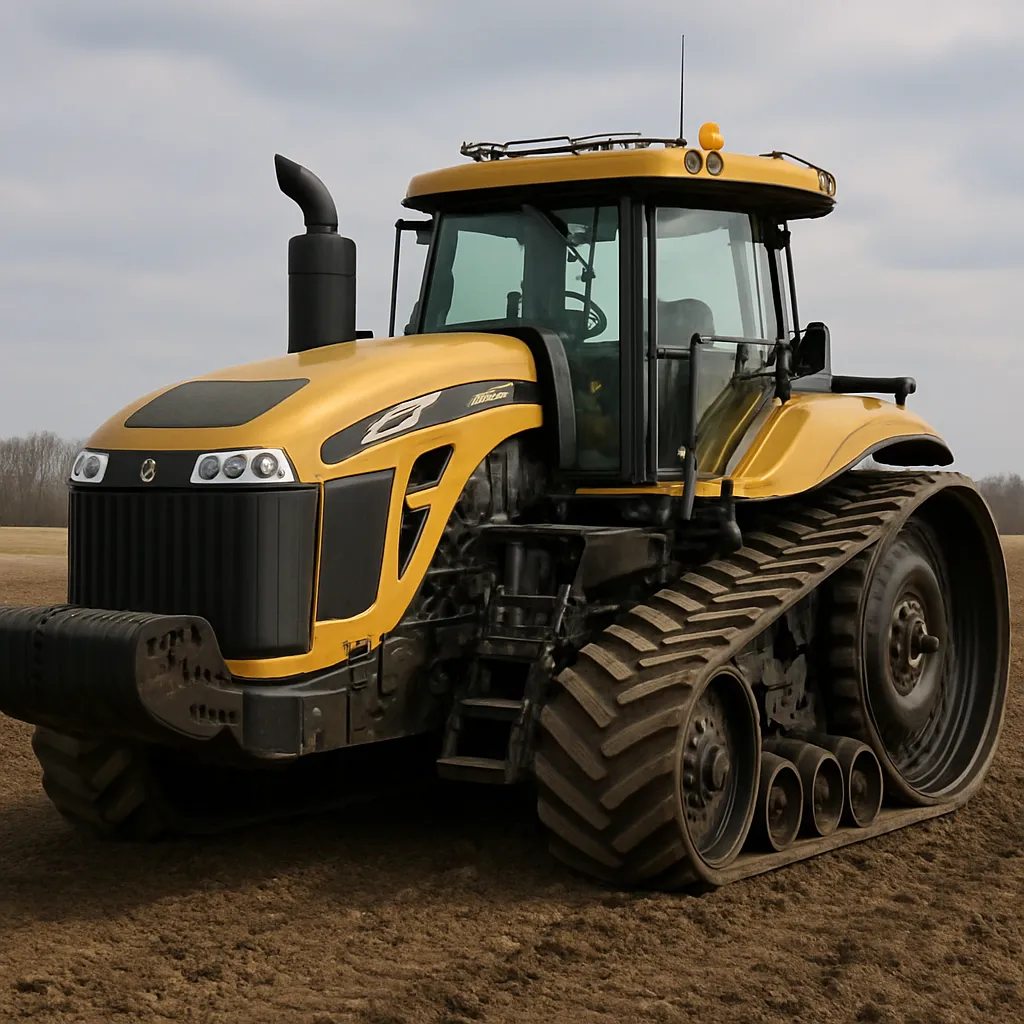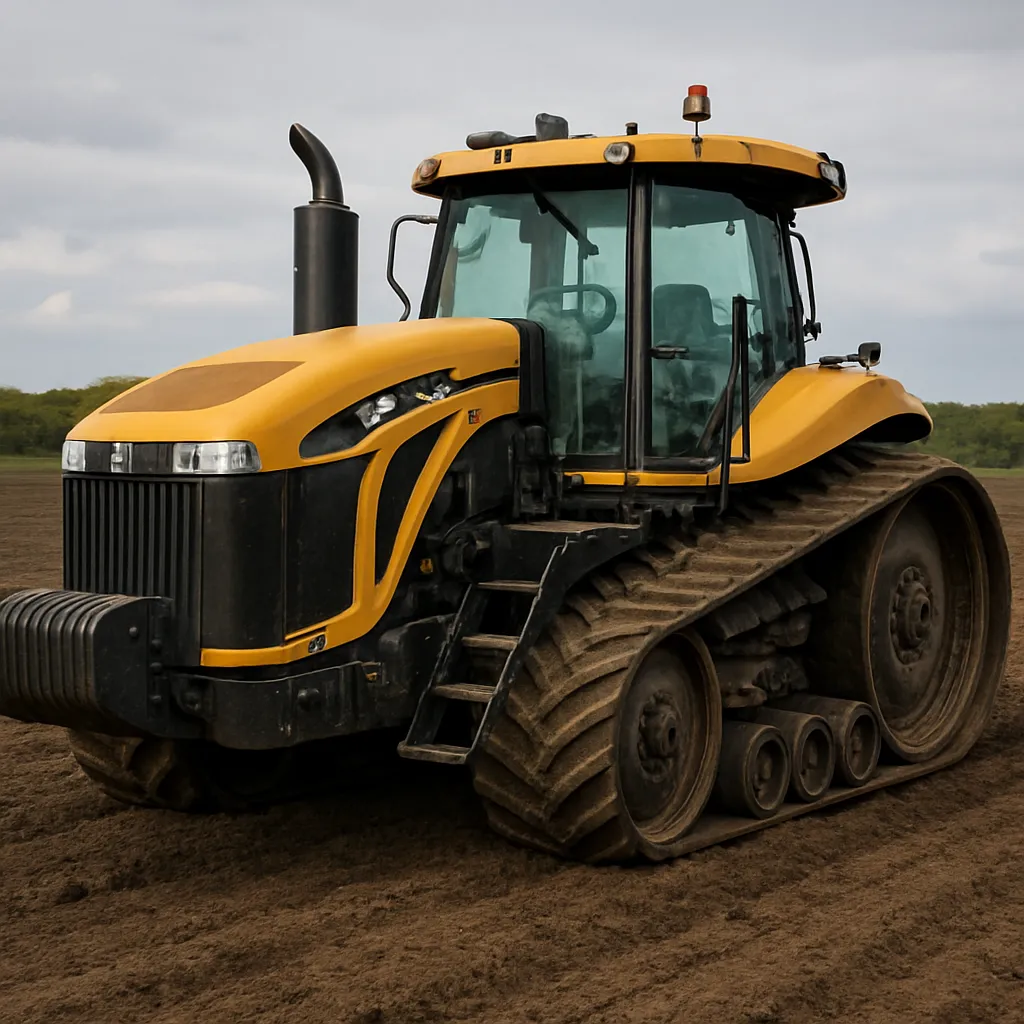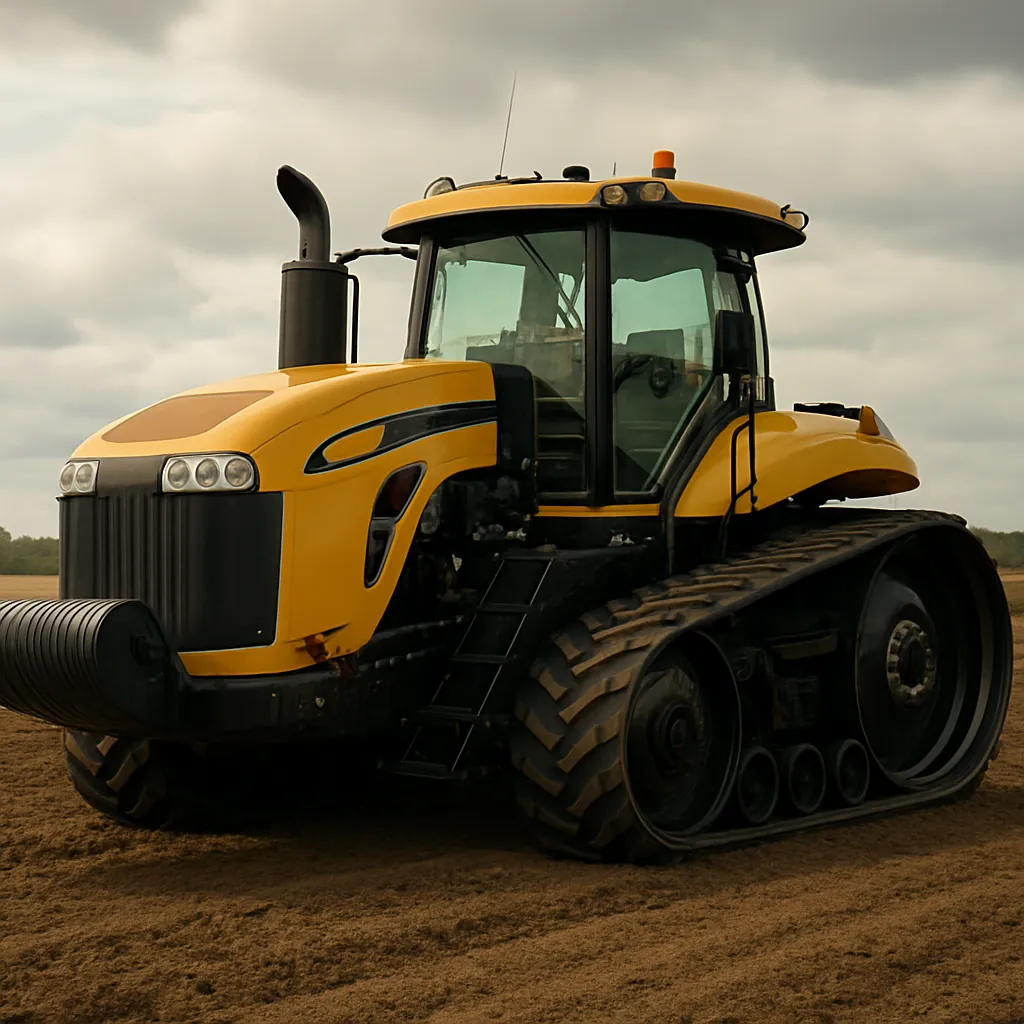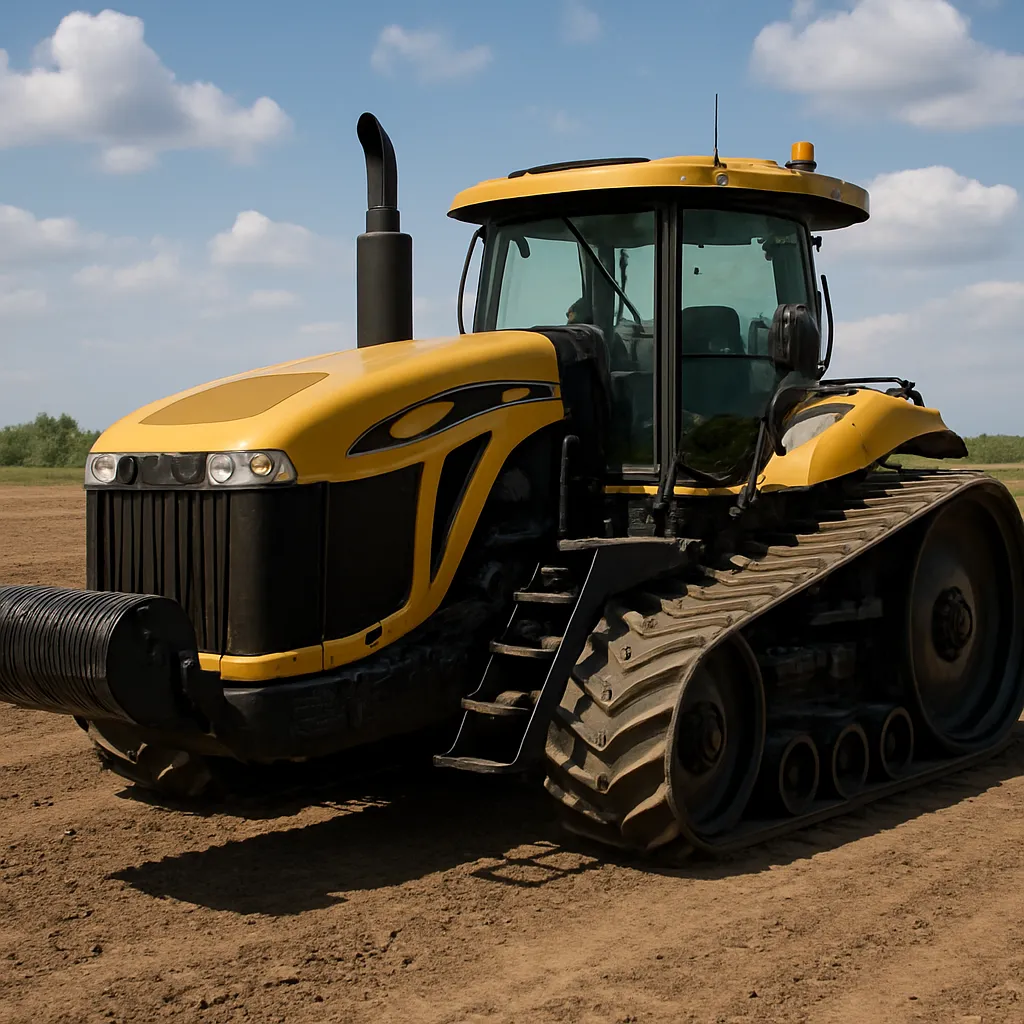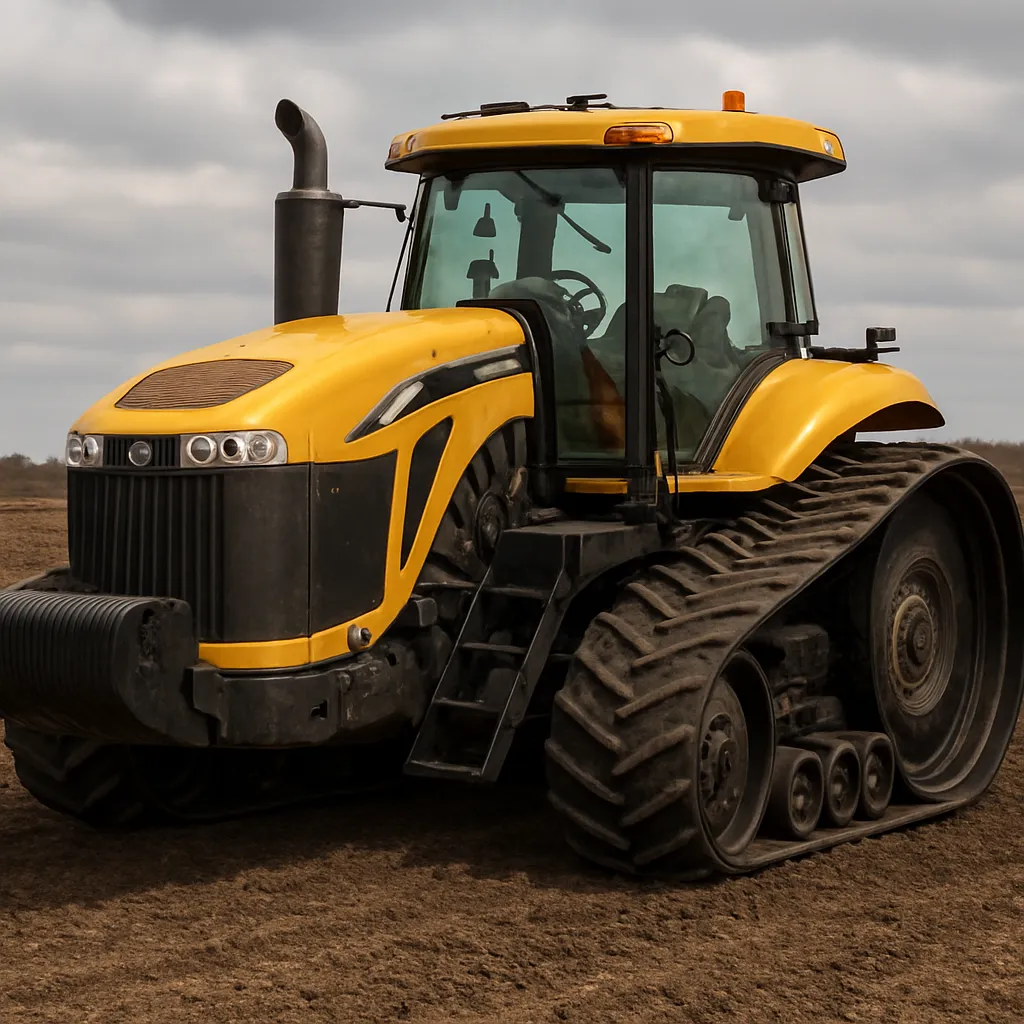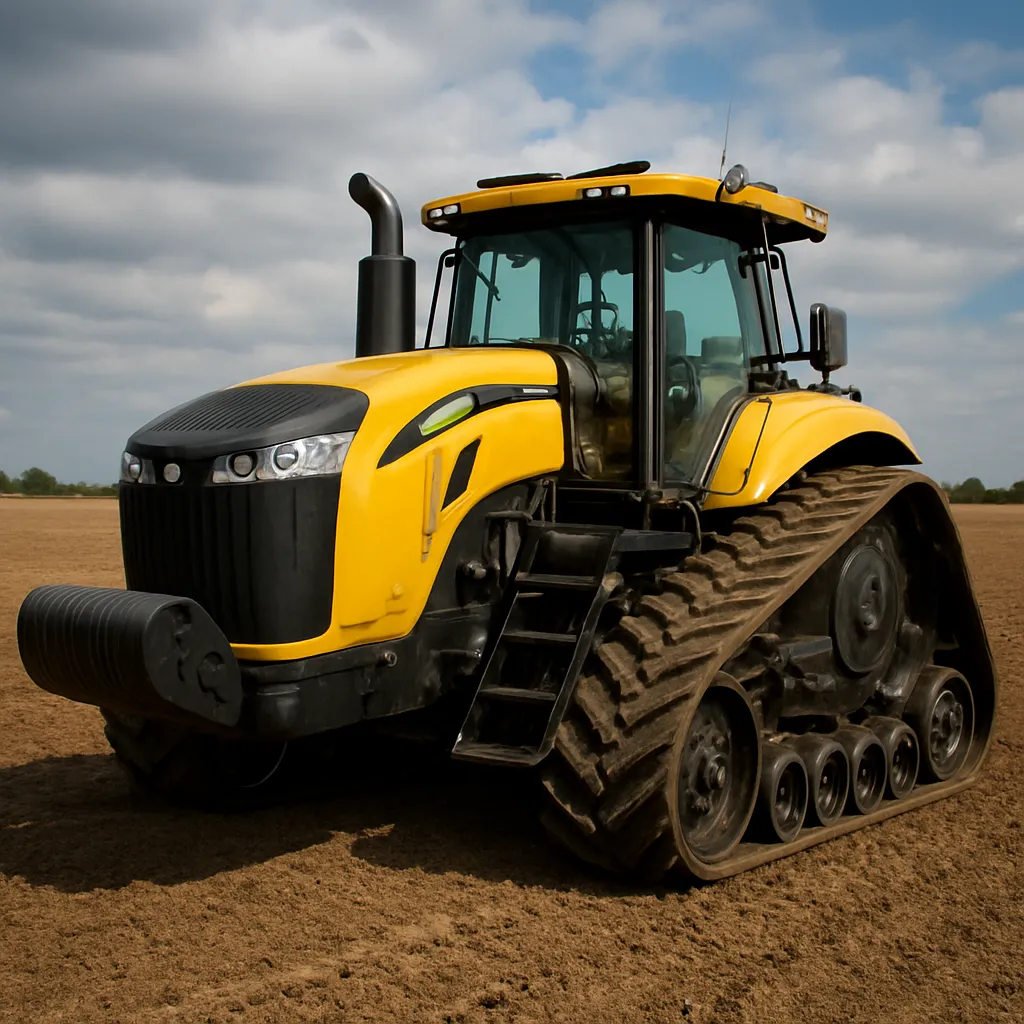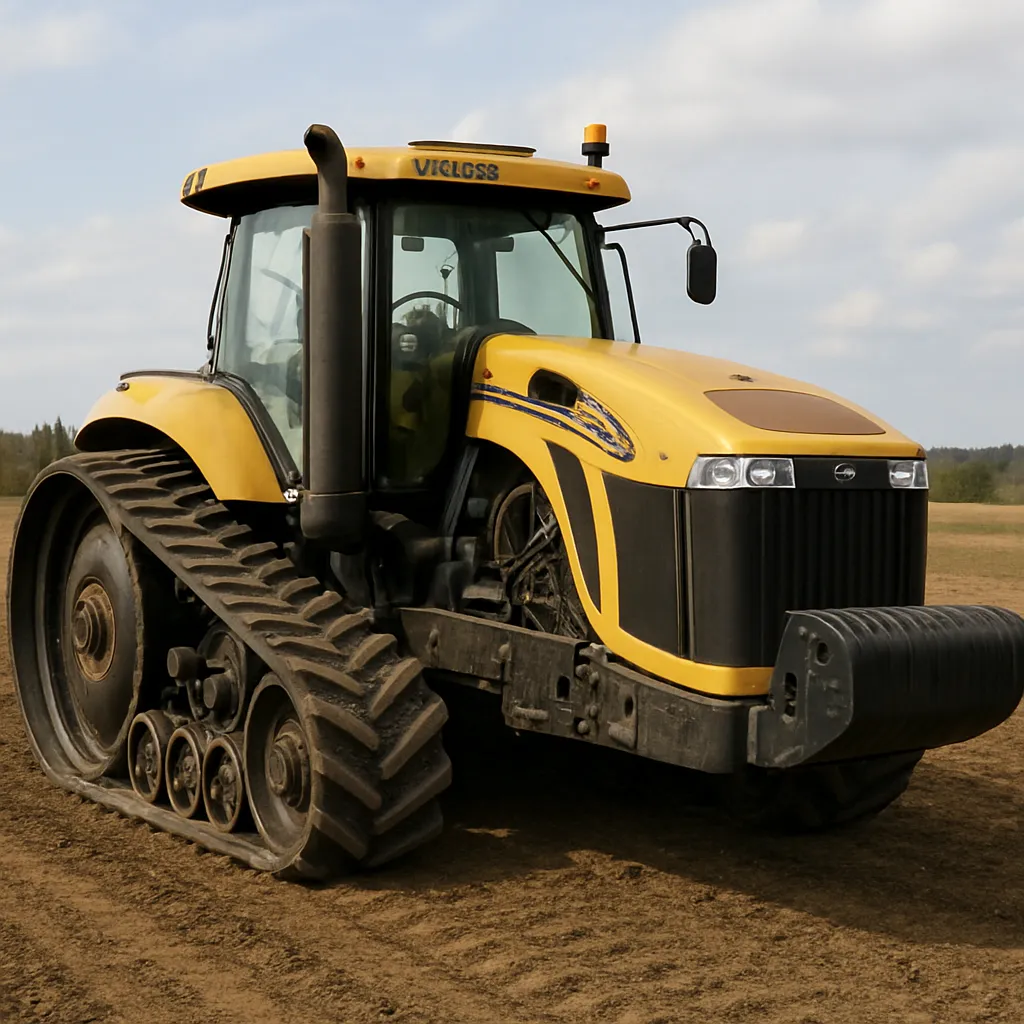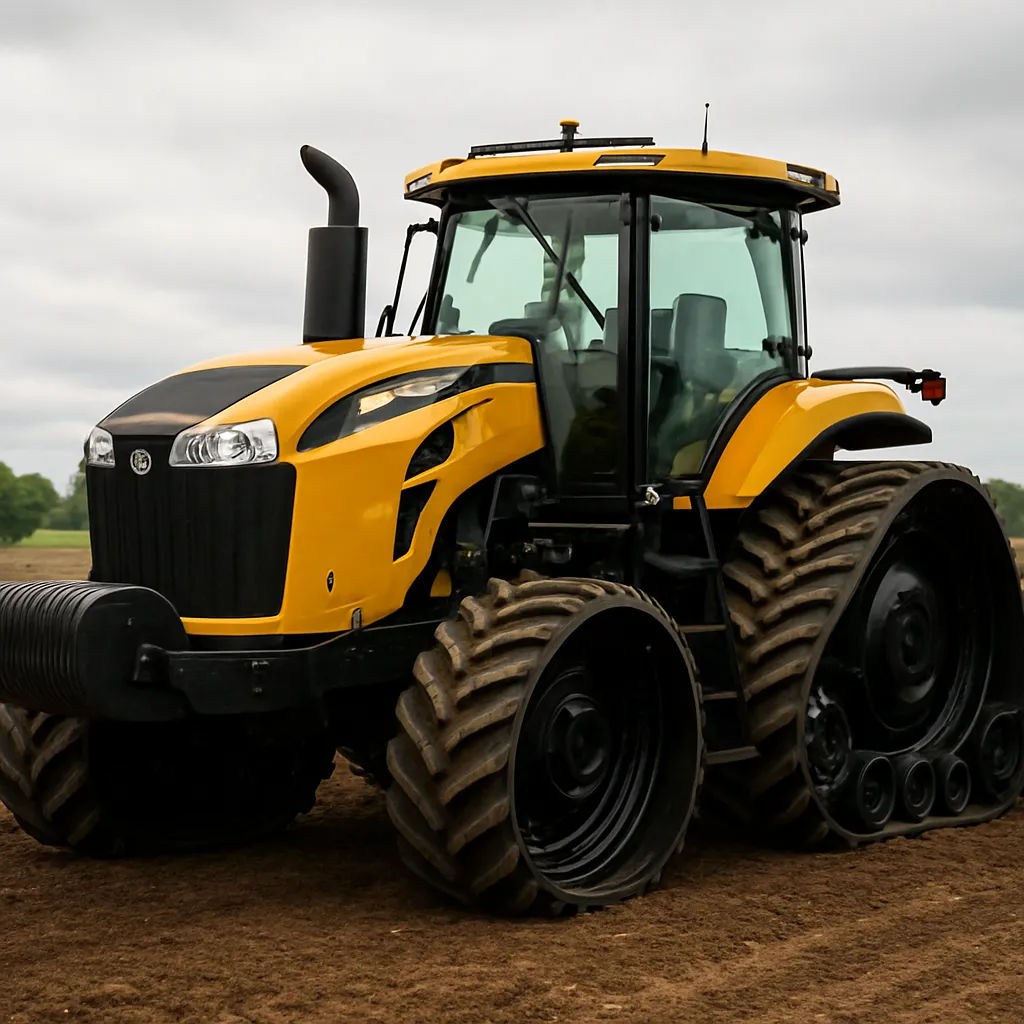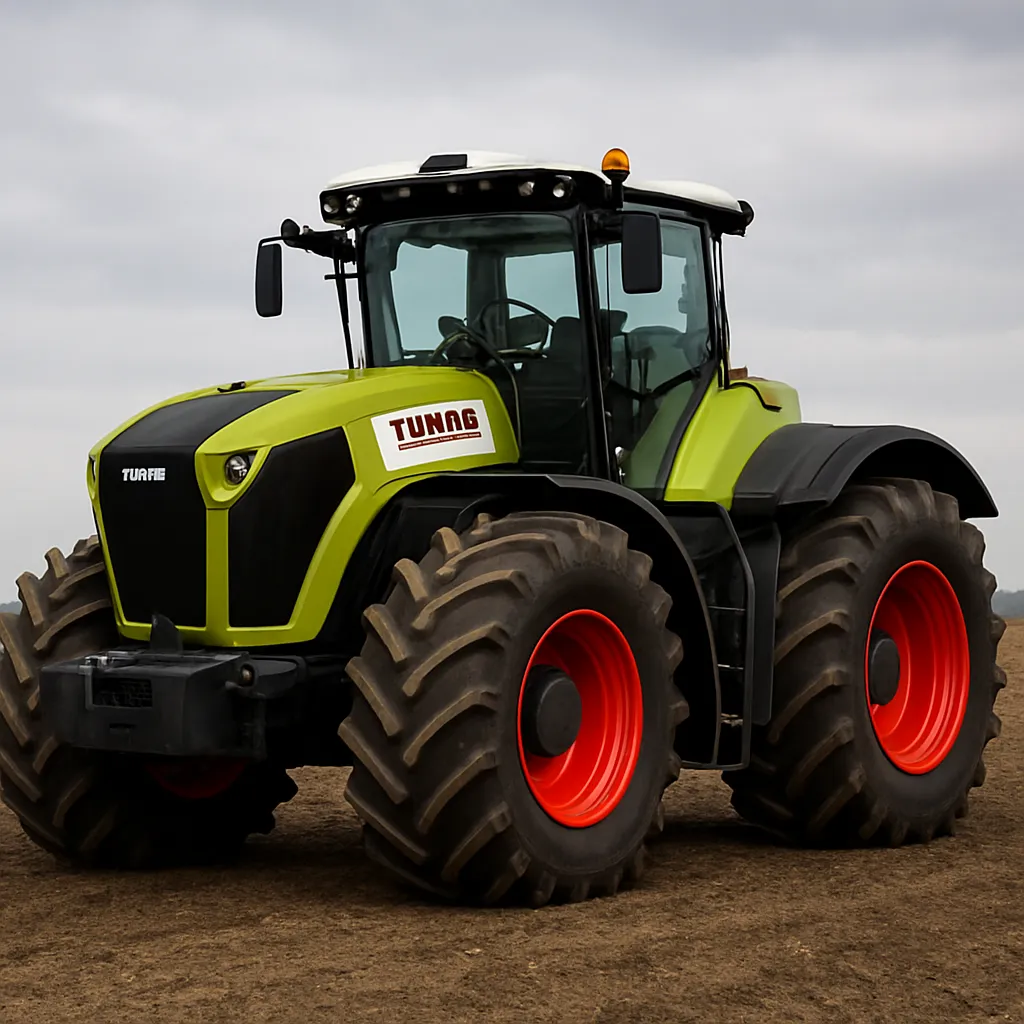
The Claas 6000 Proto is presented here as a conceptual exploration of what a modern prototype tractor from the German manufacturer Claas might embody. Drawing on the company’s heritage in agricultural machinery, this text examines potential design philosophies, applications in contemporary farming, technological innovations, and realistic performance ranges. Where exact public specifications for a vehicle labeled “Claas 6000 Proto” are not available, the article places the concept in the context of comparable tractors, offering representative statistics and practical insights that help farmers, engineers, and enthusiasts understand how such a machine could impact modern agriculture.
Design Philosophy and Intended Role
Claas has long been recognized for integrating powerful engineering with advanced electronics and user-centered design. A model designated 6000 Proto evokes the idea of a mid-to-high-range agricultural tractor intended to bridge robust mechanical capability with cutting-edge automation. The primary objective of such a prototype would be to deliver versatility across a wide range of chores while improving operator comfort, uptime, and fuel economy.
The 6000 Proto would likely be designed as an all-purpose workhorse for arable farms, mixed operations, and contractors, offering a balance of:
- power for demanding implements
- mobility and traction for fieldwork
- connectivity for precision agriculture
- durability for high-utilization applications
Key design decisions would focus on modularity: a flexible powertrain, configurable hydraulics, and optional guidance and telematics packages that let customers tailor the tractor to specific tasks, from primary tillage to transport and front-loader work.
Likely Technical Features and Systems
As a prototype, the Claas 6000 Proto would emphasize systems integration. The goal would be to combine reliable mechanical components with smart electronics to reduce operator workload and optimize performance.
Powertrain and Performance
Although precise engine specifications for a conceptual 6000 Proto are not publicly available, tractors in the 200–300 HP category typically use turbocharged, intercooled diesel engines with aftertreatment systems to meet emissions regulations. Typical characteristics would include:
- Engine configuration: 4- or 6-cylinder turbocharged diesel
- Power output: a representative range of 160 to 300 horsepower (continuous or rated power)
- Transmission: options could include continuously variable transmissions (CVT) or advanced powershift transmissions for smooth speed control
- PTO (Power Take-Off): multi-speed PTO options (540/1000 rpm) with electro-hydraulic engagement
Expected performance metrics might include a peak torque range typical for tractors in this class, for example several hundred to over one thousand newton-metres, enabling effective draft work and heavy implement operation. Fuel efficiency improvements would be targeted through engine mapping, adaptive transmission control, and intelligent idle management.
Hydraulics, Three-Point Linkage, and Lift Capacity
Modern tractors emphasize hydraulic flow and linkage versatility. The conceptual 6000 Proto would likely provide:
- High-capacity hydraulic pumps with selectable flow rates for powered implements and steering
- Multiple remote spool valves with electronic proportional control for precise implement control
- Rear three-point linkage with a lift capacity sufficient for large ploughs and mounted seeders, commonly in the range of 6,000–10,000 kg for machines in a similar class
- Front linkage and PTO options to support front-mounted implements and loaders
Operator Environment and Ergonomics
Prototypes focus heavily on operator experience. The 6000 Proto would probably include:
- Comfortable, adjustable cab with panoramic visibility and low noise levels
- Advanced user interface with touchscreen displays, customizable controls, and physical shortcuts for frequent tasks
- Integrated air conditioning, suspension seats, and adjustable steering columns to reduce fatigue
- Enhanced safety systems such as improved lighting packages, rollover protection, and easy access for maintenance
Connectivity, Automation, and Telematics
One of the defining features of a modern prototype tractor would be its focus on data and connectivity. Claas has invested in telematics and precision systems in existing product lines, so a 6000 Proto would likely push further into autonomous assistance and fleet management:
- Onboard telematics for machine health monitoring, remote diagnostics, and software updates
- ISOBUS compatibility to ensure seamless communication with a wide range of implements
- Autoguidance and RTK-capable GNSS receivers for centimeter-level positioning
- Features enabling semi-autonomous operation: task-based automation, headland management, and implement control synchronization
Applications and Use Cases
The Claas 6000 Proto concept would be suitable for a wide variety of agricultural operations. Its versatility stems from adaptable configurations and advanced electronics that allow it to switch roles quickly within a farm’s workflow.
Primary Tillage and Soil Preparation
In soil preparation, a tractor must deliver sustained tractive effort, consistent power delivery, and control when pulling multi-furrow ploughs or large disc harrows. The 6000 Proto would excel at:
- Ploughing heavy soils with high draft requirements
- Power-harrowing and rotary tilling where consistent PTO power is essential
- Operating mounted cultivators and seedbed preparation tools with precise depth control via electronic hydraulics
Seeding, Planting, and Precision Farming
For seeding and planting, accuracy matters. A tractor equipped with RTK-level autoguidance and ISOBUS implement control can markedly increase planting uniformity and reduce overlap:
- High-precision seed placement with section control to minimize overlap and seed wastage
- Variable rate application (seeding and fertilizing) guided by yield maps and field prescriptions
- Integration with farm management software for traceability and planning
Harvest Support and Transport
Although not a combine harvester, a versatile tractor plays a critical role during harvest season. Potential tasks include:
- Pulling grain carts, trailers, and high-capacity tankers
- Operating forage wagons, transport trailers, and bunker-blower units
- Acting as a mobile power source for belt conveyors and auxiliary equipment
Livestock and Mixed-Farm Operations
On mixed farms, tractors must handle a variety of tasks—bedding, feed handling, manure spreading, and loader duties. A robust front linkage and optional front loader would allow the 6000 Proto to:
- Move feed and bedding materials efficiently
- Operate large manure spreaders and slurry systems with appropriate hydraulic and PTO configurations
- Serve as a multi-functional tool with quick-attach systems for diverse implements
Efficiency, Sustainability, and Economic Considerations
Modern agricultural machinery must address not only performance but also environmental impact and total cost of ownership. A prototype like the Claas 6000 Proto would aim to improve productivity while reducing fuel consumption, emissions, and downtime.
Fuel Economy and Emissions
Efficiency gains can come from powertrain tuning, smart transmissions, and electrified auxiliaries. Typical strategies include:
- Engine maps optimized for common load profiles to reduce specific fuel consumption
- Auto-stop/idle management systems to cut fuel use during waiting periods
- Aftertreatment systems (DOC/DPF/SCR) to meet emissions standards while maintaining power density
While exact emissions figures for a conceptual 6000 Proto are not available, compliance with regional standards (e.g., Stage V in Europe or Tier 4 in North America) would be expected.
Electrification and Hybrid Options
Electrification is a growing trend in agricultural machinery. For a prototype, hybrid systems could deliver benefits such as:
- Electric-assist for transient loads to improve fuel efficiency and lower emissions
- Electrically driven hydraulics for reduced parasitic losses and improved response
- Battery buffers enabling limited zero-emission operation for specific tasks (e.g., in protected environments)
Full battery-electric tractors are still emerging; a prototype in the 600–kW-class would more realistically explore hybridization or 48V/400V electrified subsystems rather than full electric propulsion for heavy-duty fieldwork.
Total Cost of Ownership and Productivity Metrics
Farmers evaluate tractors by more than horsepower. Key economic considerations include:
- Acquisition cost vs. expected life and resale value
- Fuel consumption per hectare for common tasks
- Downtime and service intervals (longer intervals reduce operating costs)
- Productivity measured as hectares per hour for specific implements and conditions
Prototype features that reduce downtime—such as remote diagnostics, modular components for fast repair, and extended service intervals—can materially improve the tractor’s economic value. Connectivity and precision solutions can also increase effective productivity by reducing overlaps and optimizing passes across the field.
Safety, Maintenance, and Lifecycle Considerations
Durability and ease of maintenance are crucial for commercial tractors. The 6000 Proto would incorporate design choices to simplify routine service and enhance operator safety.
Serviceability and Diagnostics
Design for service would emphasize:
- Accessible service points for oil, filters, and fluids
- Onboard diagnostics with clear fault reporting to reduce troubleshooting time
- Modular components that can be swapped quickly to minimize downtime
Operator and Bystander Safety
Modern safety systems likely to be included:
- Enhanced lighting and camera systems for low-visibility operations
- Automatic parking brake interlocks and slope-assist features
- Predictive alerts from telematics to advise on service needs before failures occur
Representative Statistics and Contextual Benchmarks
Because there is no verified public dataset specific to a Claas 6000 Proto model, the following figures represent typical ranges and benchmarks for tractors that occupy a comparable market segment. These values are intended to provide context rather than exact specifications for a named prototype.
- Typical rated engine power for mid-to-high-range tractors: 160–300 HP
- Common hydraulic flow rates (main pump): 100–200 liters per minute in high-flow configurations
- Rear three-point lift capacity (at hitch points): frequently in the range of 6,000–10,000 kg for tractors around 200–300 HP
- Fuel tank capacities: often between 200–500 liters depending on role and long-range transport needs
- Autoguidance accuracy when using RTK correction: typically 2–3 cm pass-to-pass
- Average operational lifespan for well-maintained tractors: 10–20 years of service, depending on utilization and maintenance
These benchmarks reflect what operators might expect from a production tractor positioned similarly to the hypothetical Claas 6000 Proto. Claas’ actual models may differ in exact numbers due to brand-specific engineering choices and regulatory constraints in different markets.
Market Positioning and Future Outlook
Should Claas develop and field a 6000 Proto concept, the machine would likely be positioned to meet evolving farm demands: more automation, lower environmental impact, and higher versatility. Market acceptance would hinge on the balance of upfront cost, operational savings, and demonstrable gains in productivity.
Key trends the prototype would respond to include:
- Increasing farm sizes and consolidation that favor higher-capacity, multi-role machines
- Growing adoption of precision agriculture and data-driven decision-making
- Regulatory pressure to reduce emissions and improve resource efficiency
- Labor challenges prompting interest in automation and remote operation
Concluding Perspective
The Claas 6000 Proto, as a conceptual prototype, represents the intersection of reliable mechanical engineering and advanced digital technologies. By combining robust powertrain choices, flexible hydraulics and linkage systems, and integrated telematics and precision guidance, such a tractor would address the core needs of modern farming: higher productivity, lower operating costs, and improved sustainability. While specific verified specifications for a machine named Claas 6000 Proto are not publicly available, understanding typical performance ranges, likely features, and practical applications helps paint a realistic picture of what a next-generation Claas tractor in this class could offer to farmers, contractors, and agricultural service providers.