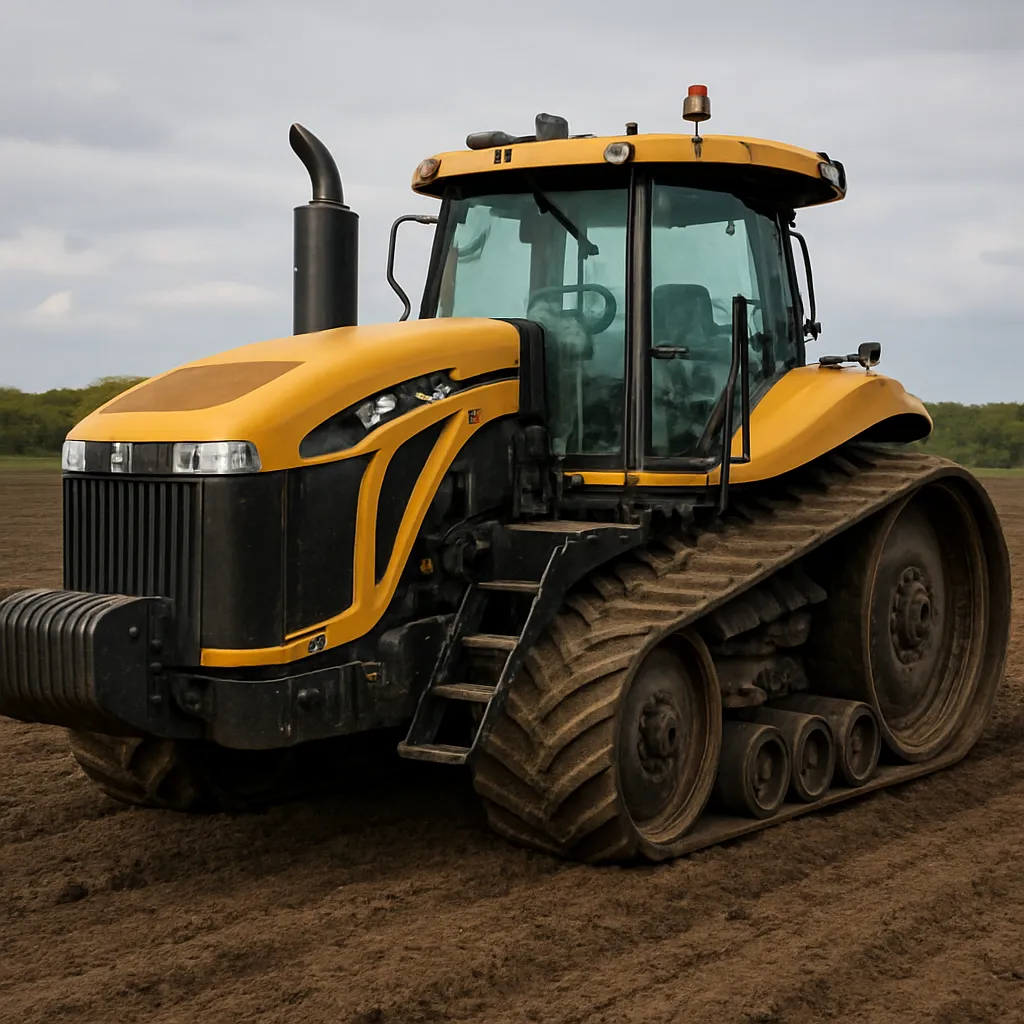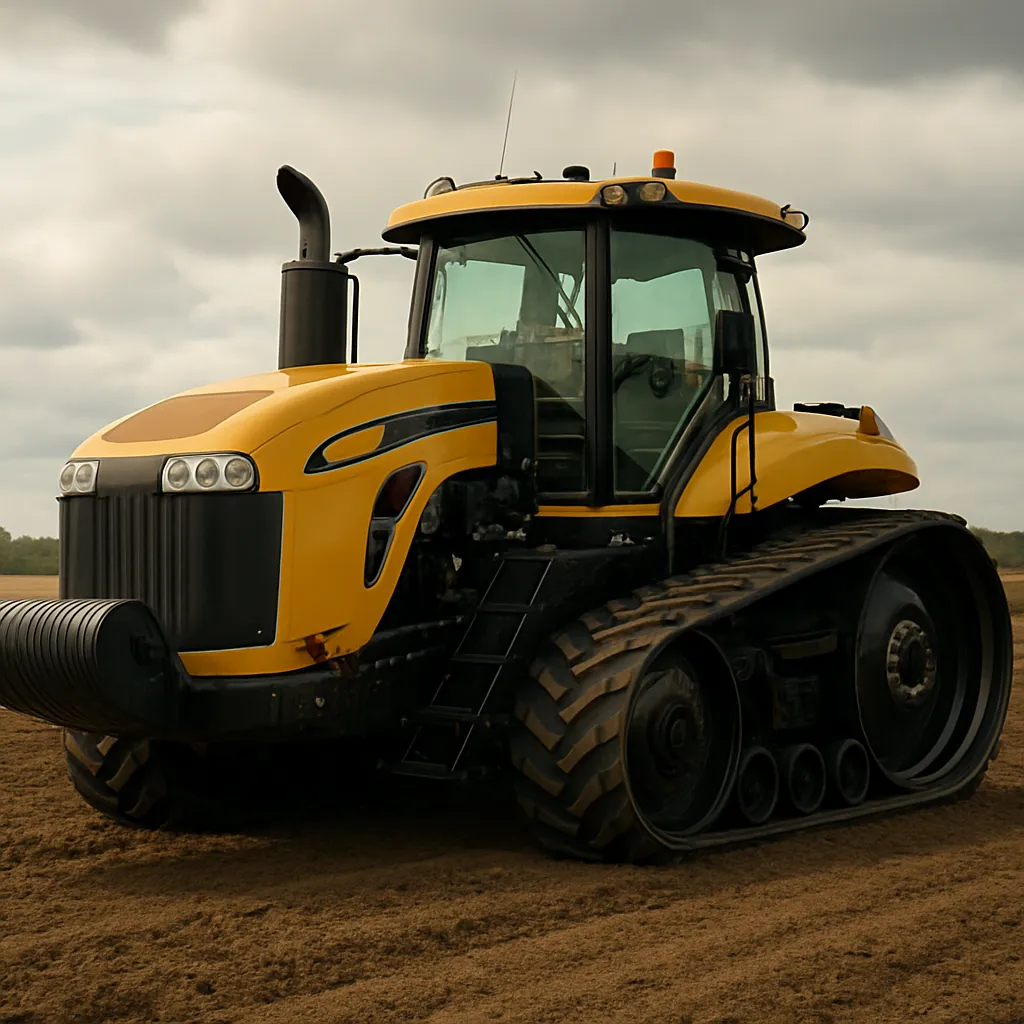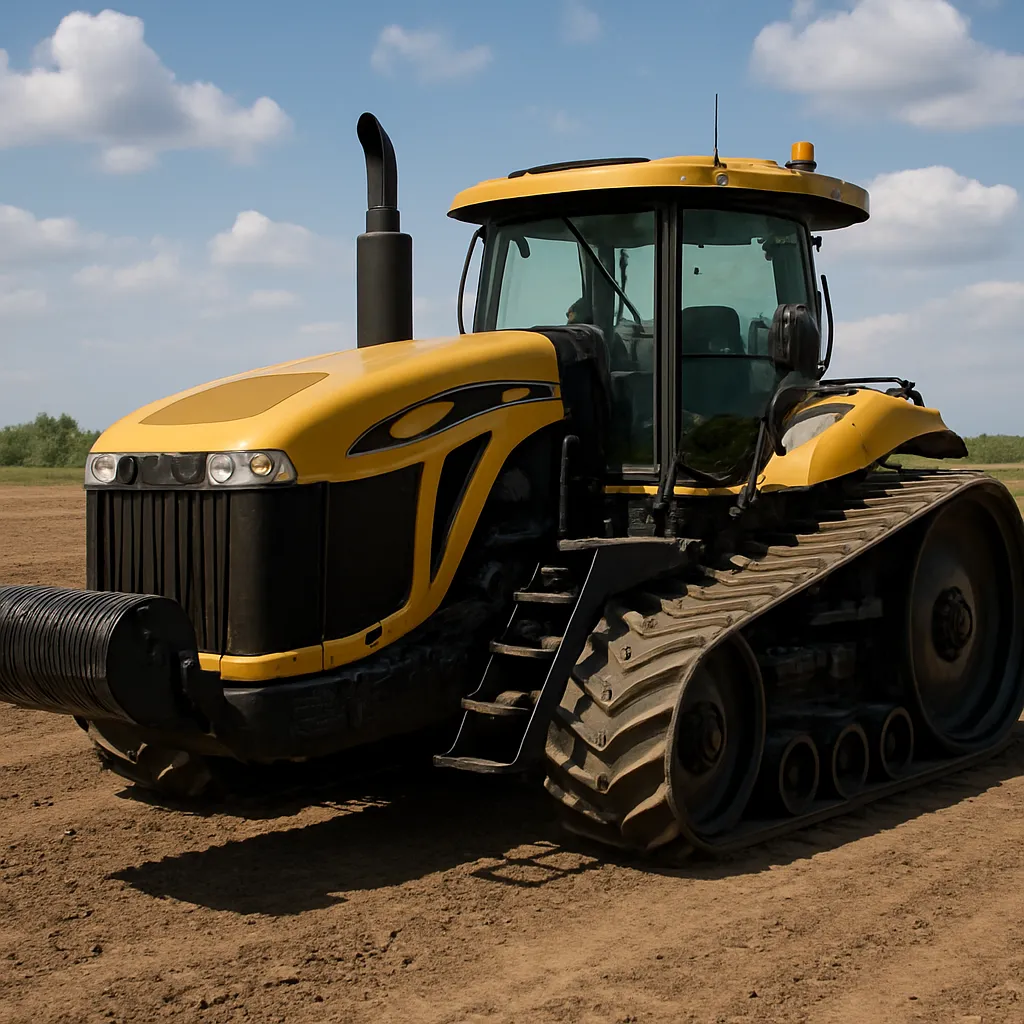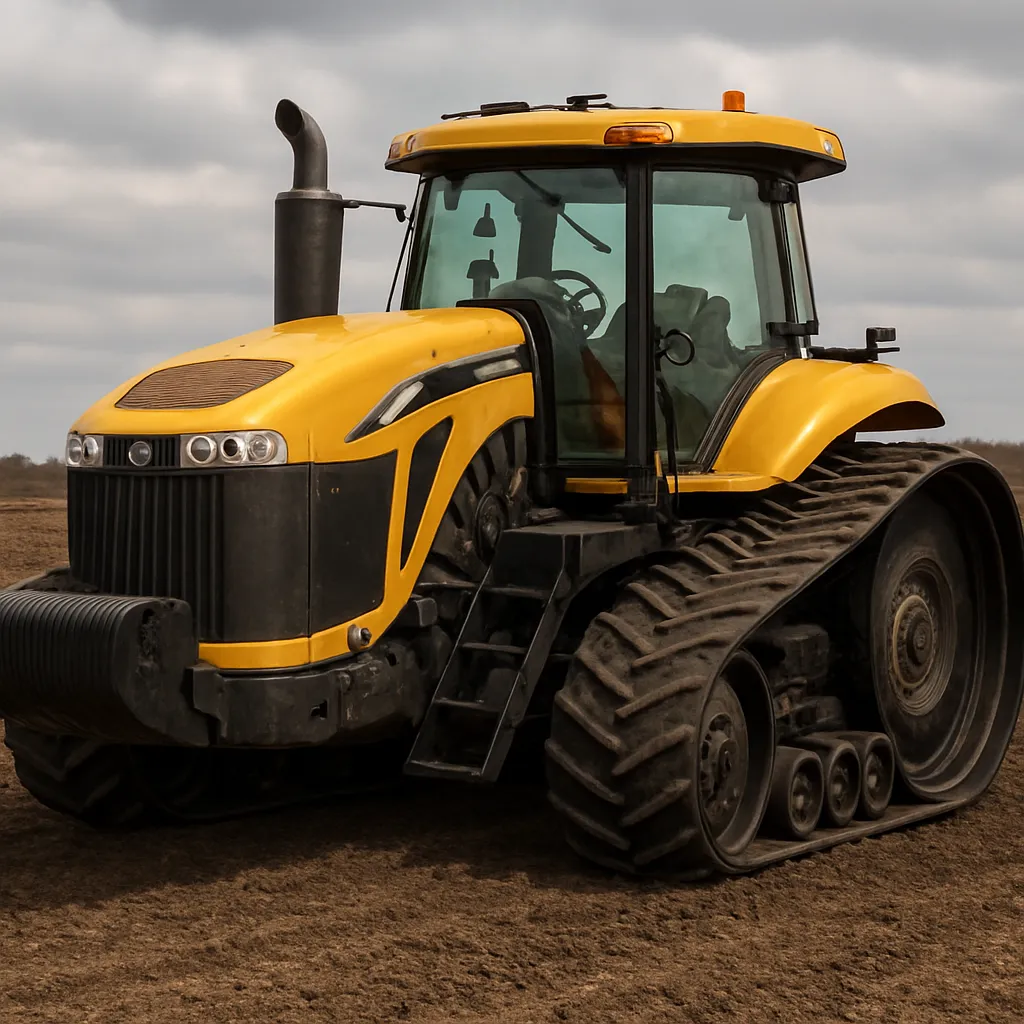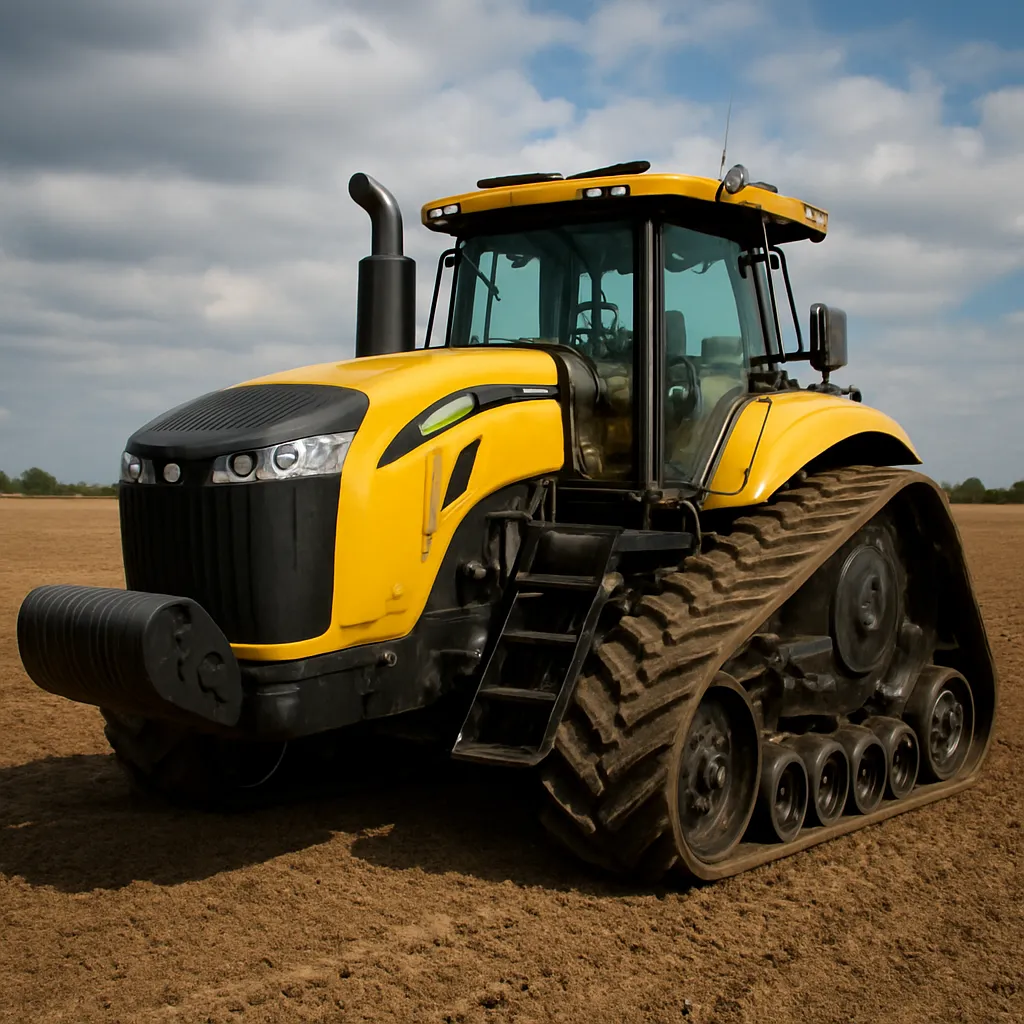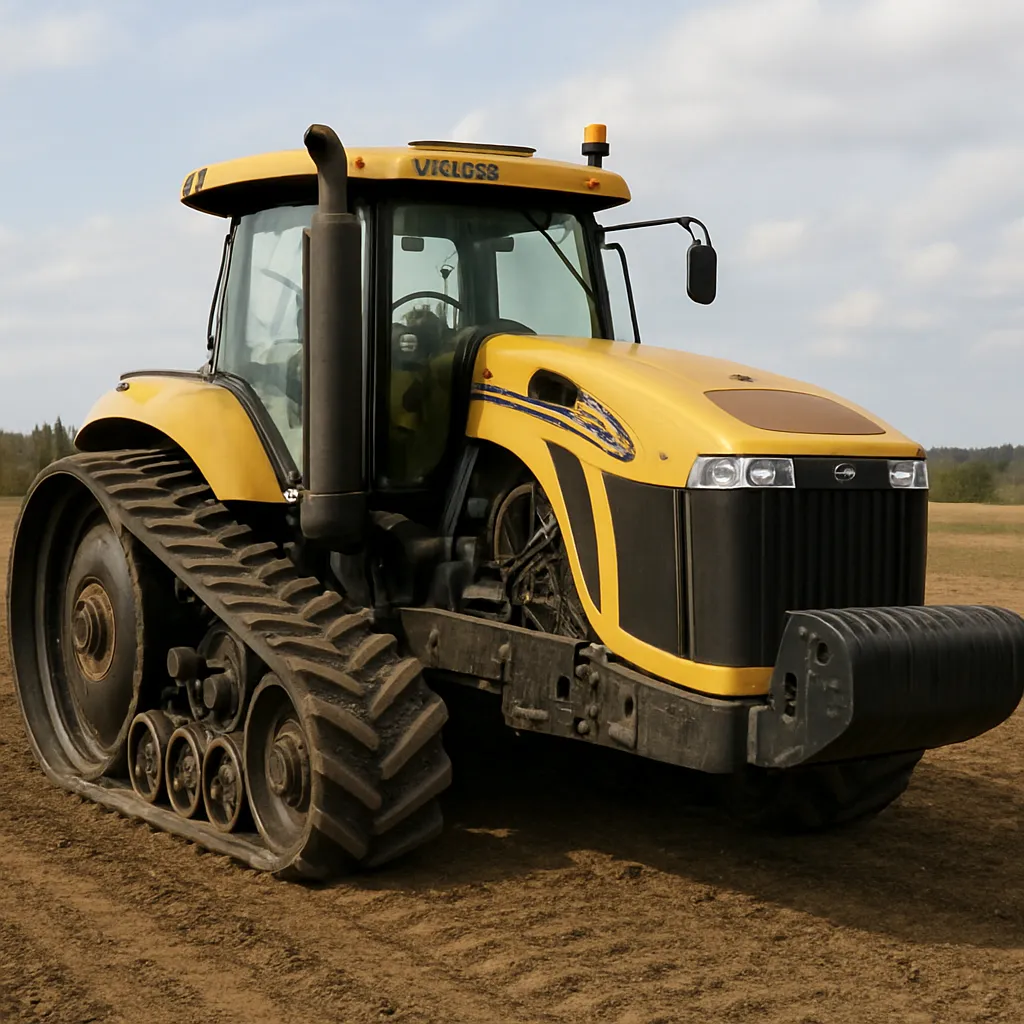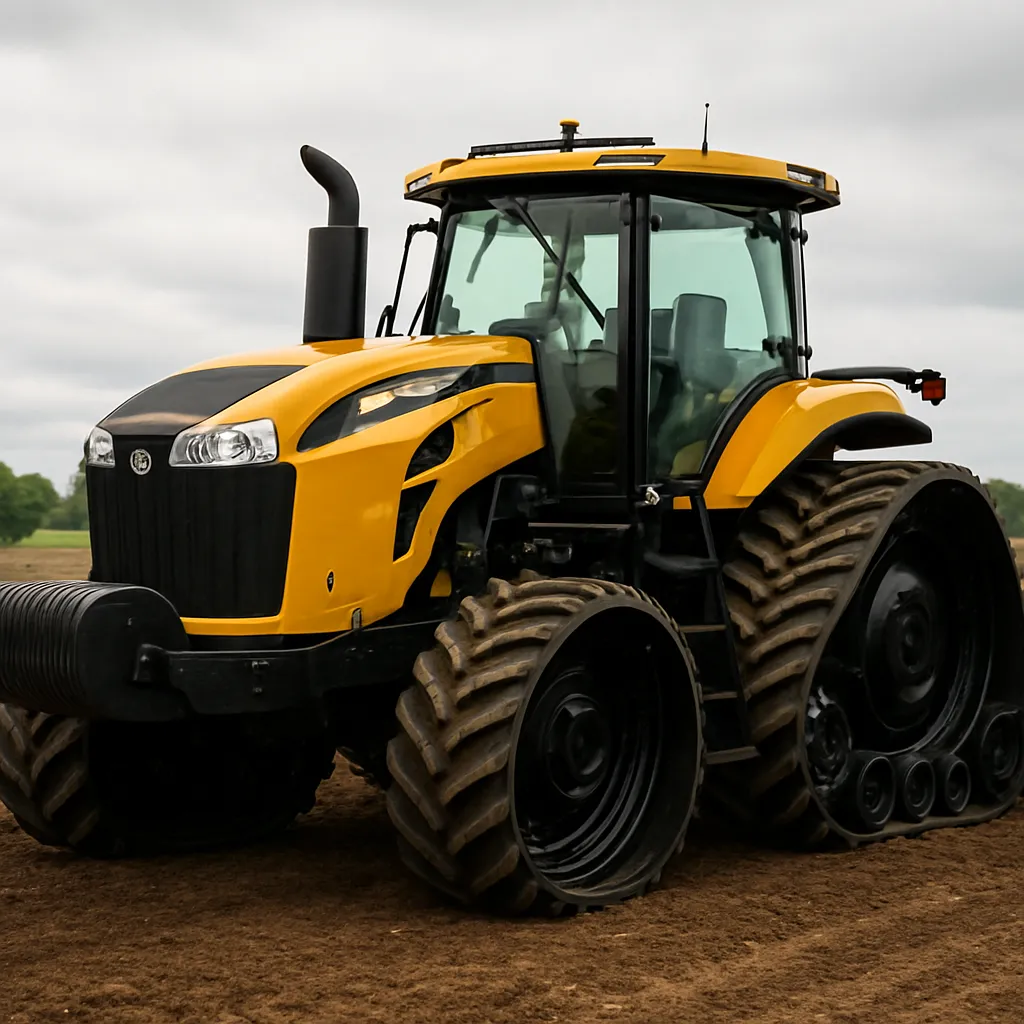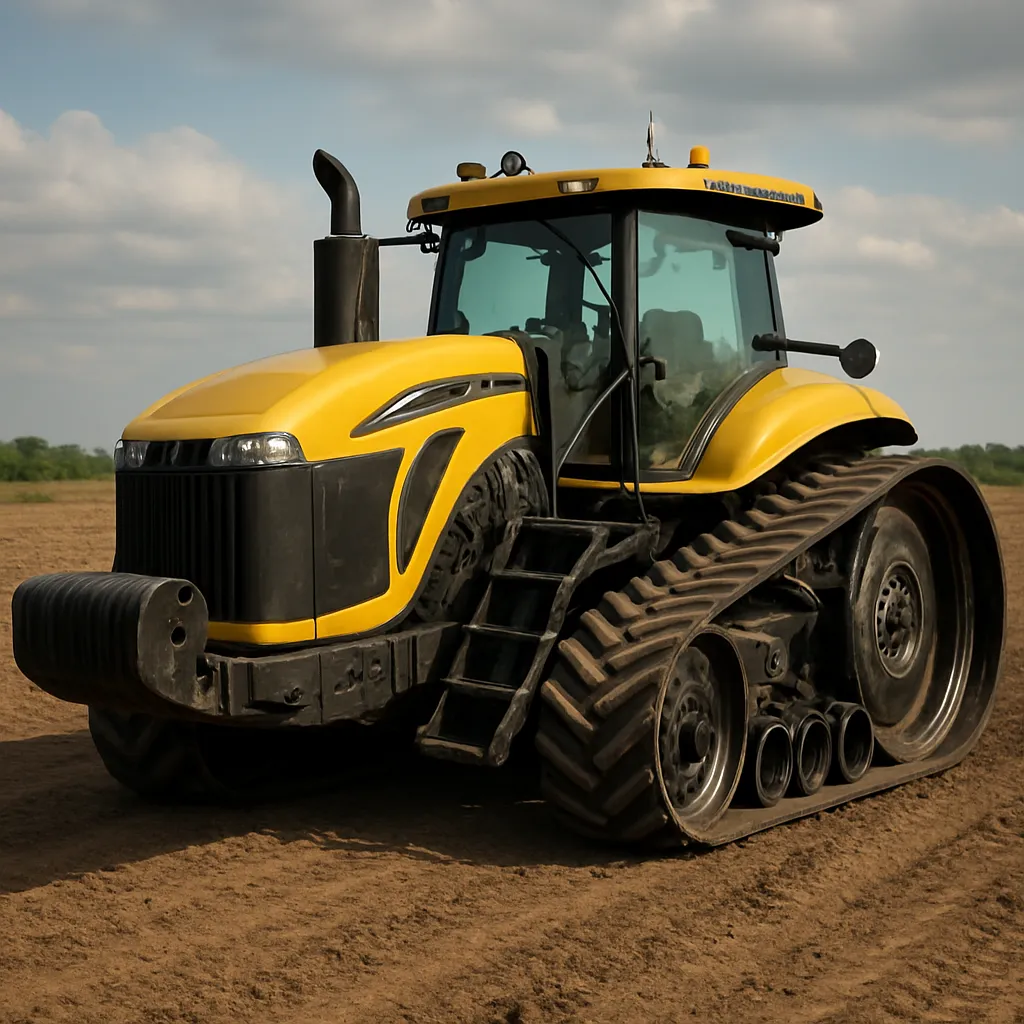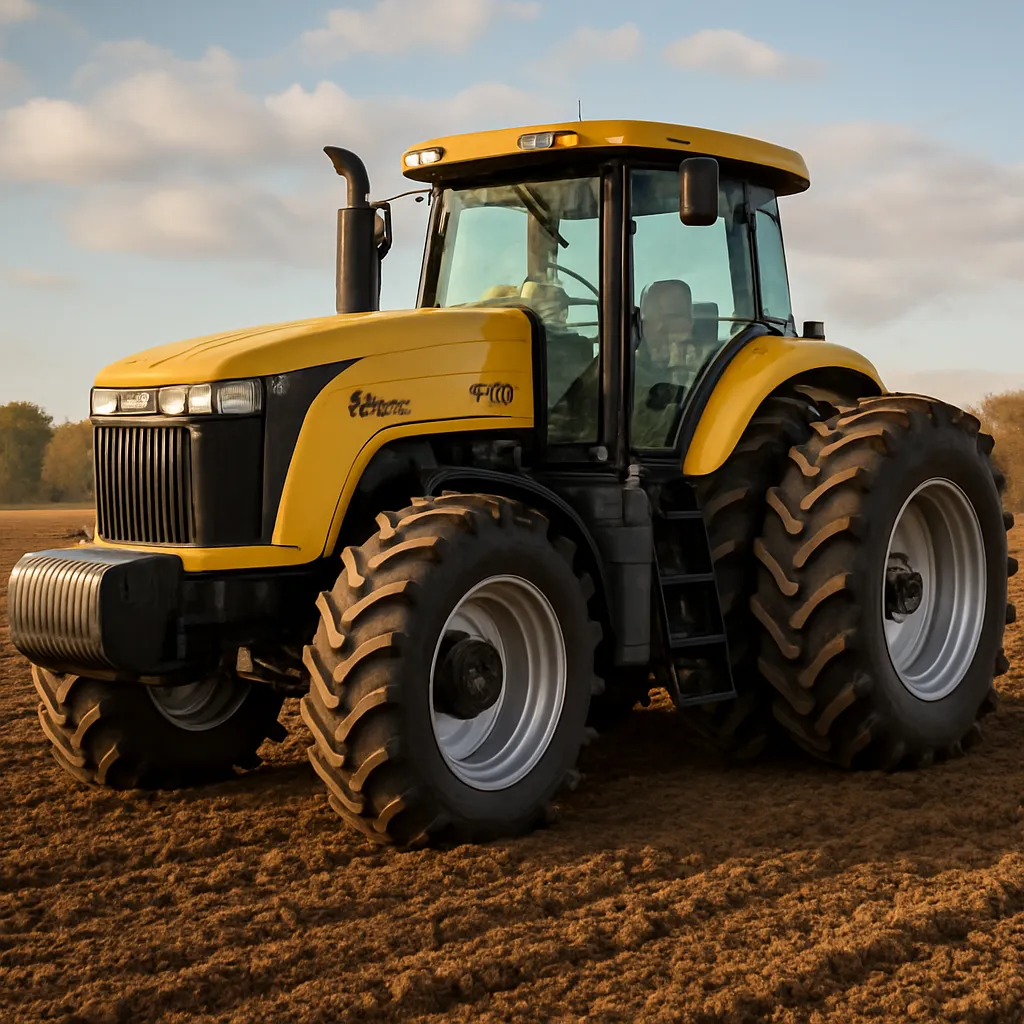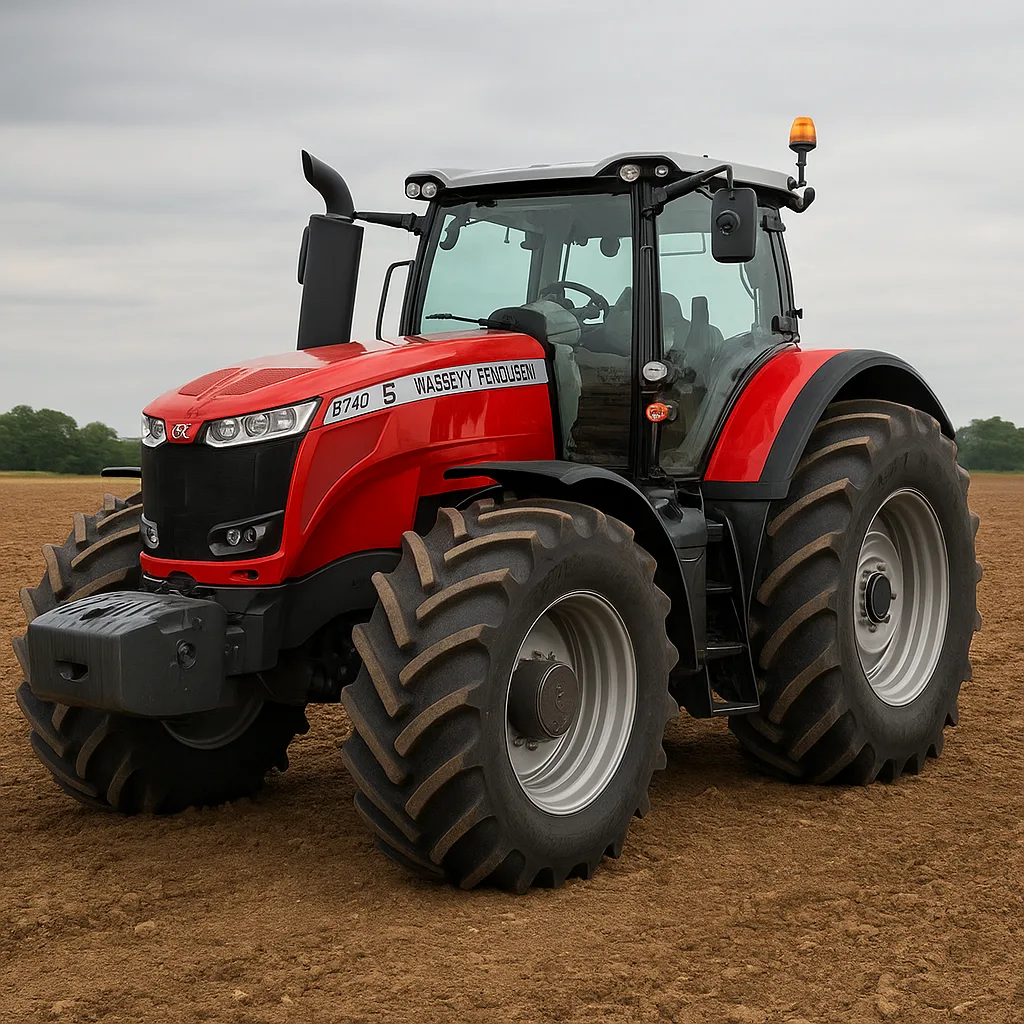
The Massey Ferguson 8740 S is a high-horsepower, heavy-duty agricultural tractor designed for large-scale farming, contracting and demanding fieldwork. Combining robust mechanical engineering with operator-focused comfort and modern electronics, the 8740 S addresses the needs of operations that require sustained performance, precise control and reliable uptime. Below you will find an in-depth look at its applications, technology, performance characteristics and practical considerations for owners and operators.
Overview and positioning
The Massey Ferguson 8740 S belongs to the top end of the Massey Ferguson tractor range, aimed at customers who need maximum on-farm versatility and continuous high output. It sits within the 8700 S series, a line developed to serve broad-acre arable farms, mixed operations with heavy tillage, and contractors who demand both road-speed travel and field robustness. Emphasis throughout the machine’s design is placed on long-term durability, predictable power delivery and operator environment that supports long hours in the cab.
The 8740 S fulfills several roles that modern large-scale agriculture requires: pulling large primary tillage implements, powering high-capacity seeders and planters, handling balers and forage equipment, and transporting heavy loads. It is frequently chosen for operations where both draft performance (soil-engaging tasks) and hydraulic/PTO output (implement-driven tasks) are equally important.
Key technical features and systems
The 8740 S combines proven drivetrain components with advanced electronic management. While specifications can vary by market and production year, the tractor typically features a high-displacement, turbocharged 6-cylinder engine with emissions technology to meet contemporary standards (such as Stage IV/Tier 4 Final in many markets). Notable systems and features include:
- Engine: A high-capacity diesel engine tuned for continuous power and torque delivery across a broad rev range, designed to maximize fuel efficiency during heavy load and transport tasks.
- Transmission: An advanced continuously variable or stepless transmission option (depending on configuration), giving smooth acceleration, fine control at low speeds and efficient road transit.
- PTO: Multiple PTO speed options (typically 540/1000 rpm) with robust clutch and control to operate high-demand implements such as large balers, shredders and mowers.
- Hydraulics: High-flow hydraulic circuits to service multiple remote valves and front/rear implements simultaneously—ideal for seeders, planters, loaders and variable-rate applicators.
- 3-point hitch: Heavy-lift rear linkage capable of operating large mounted or semi-mounted implements with secure electronic draft control for consistent depth and pressure settings.
- Cab and controls: An ergonomic cab with climate control, adjustable seating and modern control interfaces (touchscreen displays and joystick options). Telemetry and precision farming compatibility are commonly available, including GPS guidance and implement automation.
- Telematics: Integrated fleet management and remote diagnostics options are typically supported, enabling owners to monitor fuel use, operating hours and maintenance alerts.
Performance-related specs (typical ranges)
Exact figures depend on model year and options. The following figures represent commonly reported or factory-quoted ranges for tractors in the 8740 S performance class:
- Engine power: approximately 350–405 horsepower (ISO) depending on engine mapping and factory boost settings.
- Maximum torque: typically in the range of 1,600–1,900 Nm (approximate).
- Hydraulic flow: main hydraulic system flow commonly between 160–300 liters/min (depending on pump configuration and optional high-flow packages).
- Rear linkage lift capacity: often rated around 9,000–11,000 kg at the ball ends.
- PTO power: rated to transmit a high percentage of engine output with 540/1000 rpm selectable speeds.
- Fuel tank capacity: commonly between 500–800 liters to support long field days.
- Maximum road speed: typically 40–50 km/h depending on gearing and market options.
- Machine weight: unladen weight often ranges from 9,000–12,000 kg depending on configuration and tyres.
Primary applications and use cases
The MF 8740 S excels in tasks where sustained high power and reliability are required. Key applications include:
- Primary tillage: Pulling large ploughs, discs and cultivators across broad acreages. The tractor’s torque curve and traction management allow it to maintain consistent ground speed in heavy soils.
- Seeding and planting: Running wide seeding and drilling rigs with hydraulic and electrical control to manage depth, downforce and variable-rate seeding. The stability and lift capacity of the rear linkage aid in precise implement control.
- Forage and baling: Delivering PTO power and hydraulic flow necessary for high-capacity balers, mowers and forage harvesters in contractor and large-farm situations.
- Transport and haulage: Moving trailers, tanker loads and equipment between fields and yards at legal road speeds, while offering good cab comfort for long transit times.
- Loader work and yard operations: Especially when equipped with a front linkage and loader package—useful for material handling around the farm.
- Contracting: Contractors favor the 8740 S because it can adapt to multiple tasks, sustain long operational hours and is supported by dealer networks for maintenance and parts.
Why large farms and contractors choose the 8740 S
Operators who choose this tractor frequently cite a combination of factors: robust traction and draft performance, high hydraulic and PTO capacity, reliable cab ergonomics for long shifts, and integration with precision agriculture systems that increase overall productivity. The machine’s ability to run large implements at working speeds without excessive fuel burn or frequent downtime is central to its appeal.
Operator comfort, safety and electronics
The 8740 S places attention on the operator experience as a productivity factor. Long field days require comfort and clear controls—both for efficiency and operator wellbeing. Typical elements include:
- Spacious cab with excellent visibility and noise insulation.
- Adjustable, air-suspended seats, often with heating and multiple adjustment axes for operator ergonomics.
- Intuitive control layout with multi-function joystick, user-programmable shortcuts and an integrated display for machine settings and performance data.
- Advanced lighting packages for extended working hours in low-light conditions.
- Comprehensive safety features such as engine and implement interlocks, good braking performance and load-sensing hydraulics to prevent overload scenarios.
- Precision farming compatibility—factory fitment or dealer-installed options for auto-steering, section control, variable-rate application and data management systems.
Maintenance, reliability and operating costs
When considering a machine like the 8740 S, total cost of ownership and uptime are crucial. The tractor is designed with service intervals and component accessibility that reflect its commercial use. Points to consider:
- Routine service intervals are designed to be long enough to minimize downtime but frequent enough to protect major components—oil, filters, hydraulics and cooling systems are all part of scheduled maintenance.
- Emissions after-treatment systems (such as SCR and DPF arrangements where fitted) require occasional attention; however, they enable modern diesel engines to run cleaner and comply with regulations.
- Telematics and remote diagnostics reduce downtime by allowing proactive servicing and remote fault analysis.
- Parts support through Massey Ferguson dealer networks typically ensures availability of wear items, but spare part planning for busy seasons remains essential for contractors.
- Fuel efficiency varies with task but the engine control and transmission options are tuned to balance power and consumption. Operators often report competitive specific fuel consumption versus other tractors in the same class, particularly when using electronic management to keep the engine in its most efficient load band.
Practical tips for maximizing lifespan
- Follow the manufacturer’s service schedule and keep accurate maintenance logs.
- Use the correct lubricants and fuels; maintain after-treatment systems as recommended.
- Balance tyre pressure and ballast to reduce soil compaction and drivetrain strain.
- Use telematics data to plan preventative maintenance rather than reactive fixes.
- Train operators on efficient driving habits and correct implement matching to avoid overloading any system.
Customization, attachments and compatibility
A key strength of tractors in this class is flexibility. The 8740 S can be configured with different tyres, wheelbases, ballast packages, PTO options and hydraulic circuits to suit specific farm operations. Typical attachment categories:
- Rear-mounted and semi-mounted implements (ploughs, discs, cultivators)
- Front-end loaders for material handling
- Planters, seeders and air drills requiring high hydraulic and electrical integration
- Large balers and forage harvesters relying on robust PTO systems
- Spreaders and tankers for nutrient and slurry applications
Choice of tyres and ballast is particularly important. Wider tyres or duals reduce soil compaction and improve traction when pulling big implements, while correct ballast improves traction efficiency and fuel economy. Front ballast and rear wheel weights are common configurations for heavy draft operations.
Economic considerations and resale
Purchasing a tractor like the 8740 S is a significant investment; therefore, buyers weigh purchase cost, fuel and maintenance expenses, and expected resale value. High hours and contractor use can accelerate depreciation, but robust service histories and proper maintenance retain value. Resale markets for high-horsepower tractors remain steady in regions with large-scale arable farming and contracting industries.
Financing options, manufacturer support packages, extended warranties and service agreements are often used to manage cash flow and reduce unexpected repair costs. For those operating a fleet, standardizing on a single brand or model family can reduce the variety of spare parts needed and lower long-term operating costs.
Environmental and regulatory aspects
Modern high-power tractors must comply with emissions regulations. The 8740 S is typically equipped with after-treatment technologies to meet Stage IV/Tier 4 Final or equivalent regional standards. These technologies reduce NOx and particulate emissions, and while they add complexity, they allow operators to reduce environmental impact while maintaining high performance.
Additionally, the availability of precision agriculture features helps reduce over-application of inputs, improving environmental outcomes and lowering input costs through targeted application and documentation.
Real-world performance and operator feedback
Owners commonly praise the Massey Ferguson 8740 S for its consistent draft performance, comfortable cab and the flexibility to operate a wide range of implements. Contractor reviews often note the tractor’s ability to sustain high-power tasks under heavy loads and its capacity for long road transits. As with any high-capacity machine, correct implement matching, experienced operators and disciplined maintenance are essential to realize the machine’s full potential.
Typical owner-reported advantages include: improved daily hectare throughput, lower operator fatigue thanks to cab design and ergonomic controls, and reliable start-up and electrical systems in variable conditions. Areas where operators pay particular attention include ensuring the after-treatment system is functioning correctly and managing tyre and ballast combinations for optimal traction and soil preservation.
Conclusion
The Massey Ferguson 8740 S is built for demanding agricultural tasks where power, durability and operator-centric features matter. It is well-suited to large-scale tillage, planting, baling and transport, offering a broad range of options to tailor the machine to specific tasks. With modern emissions systems, integrated electronics and precision farming compatibility, the 8740 S provides a balance between traditional mechanical robustness and contemporary agricultural technology. For large farms and contractors seeking a dependable, high-capability tractor, the 8740 S represents a compelling choice when purchased and maintained in line with factory guidance.