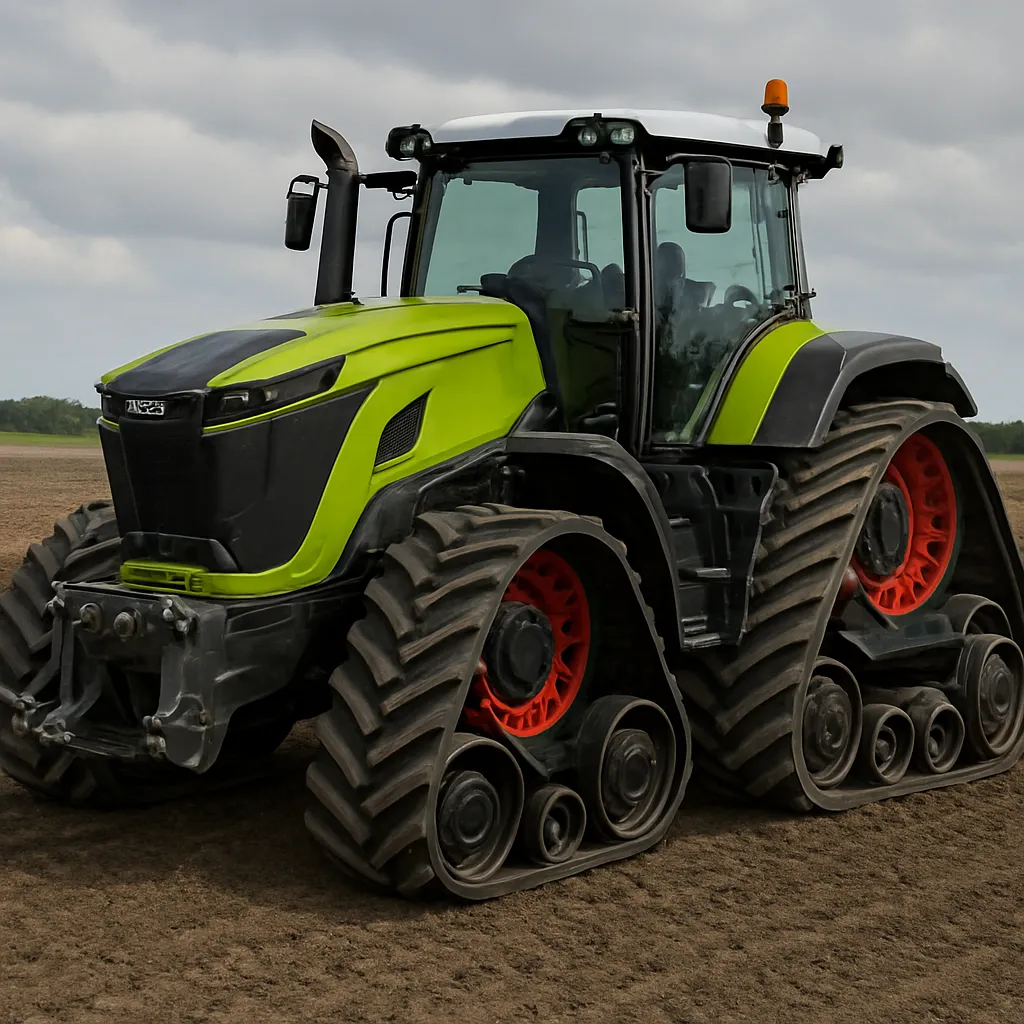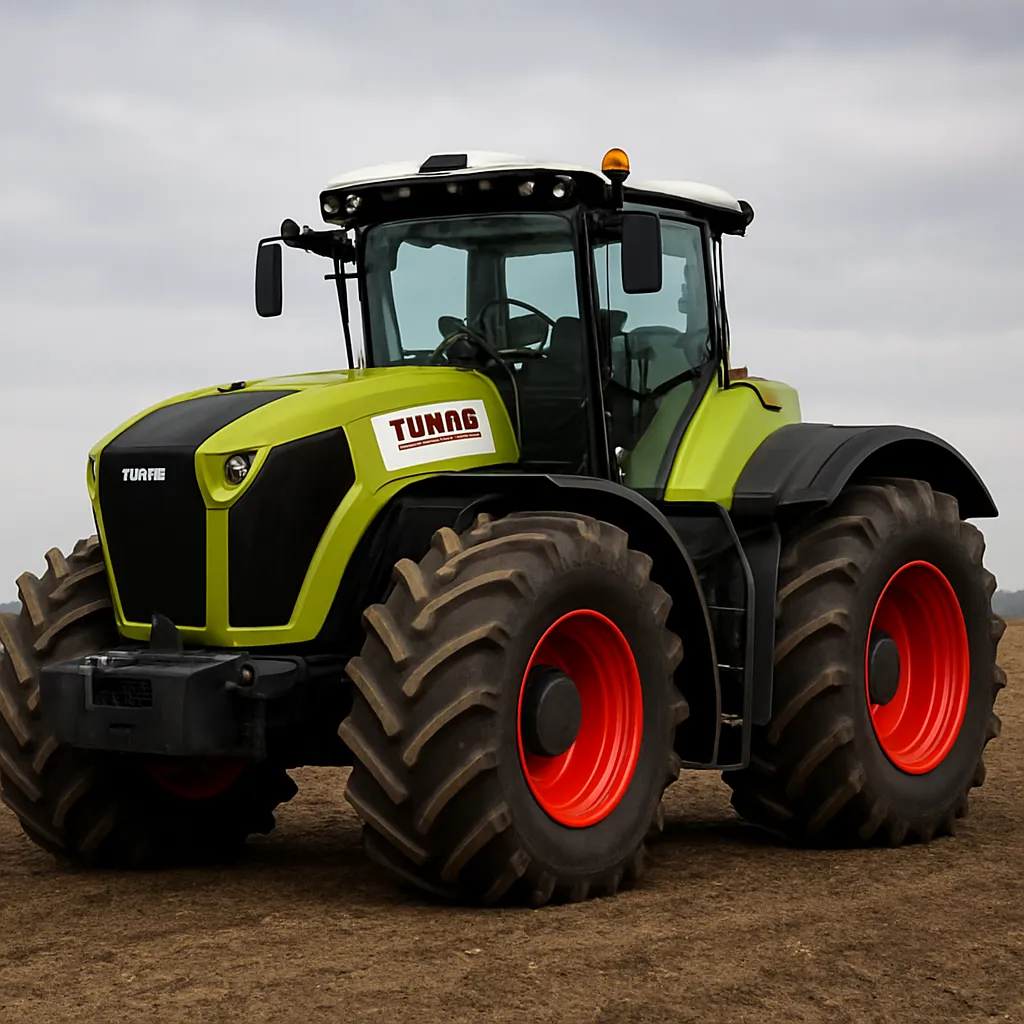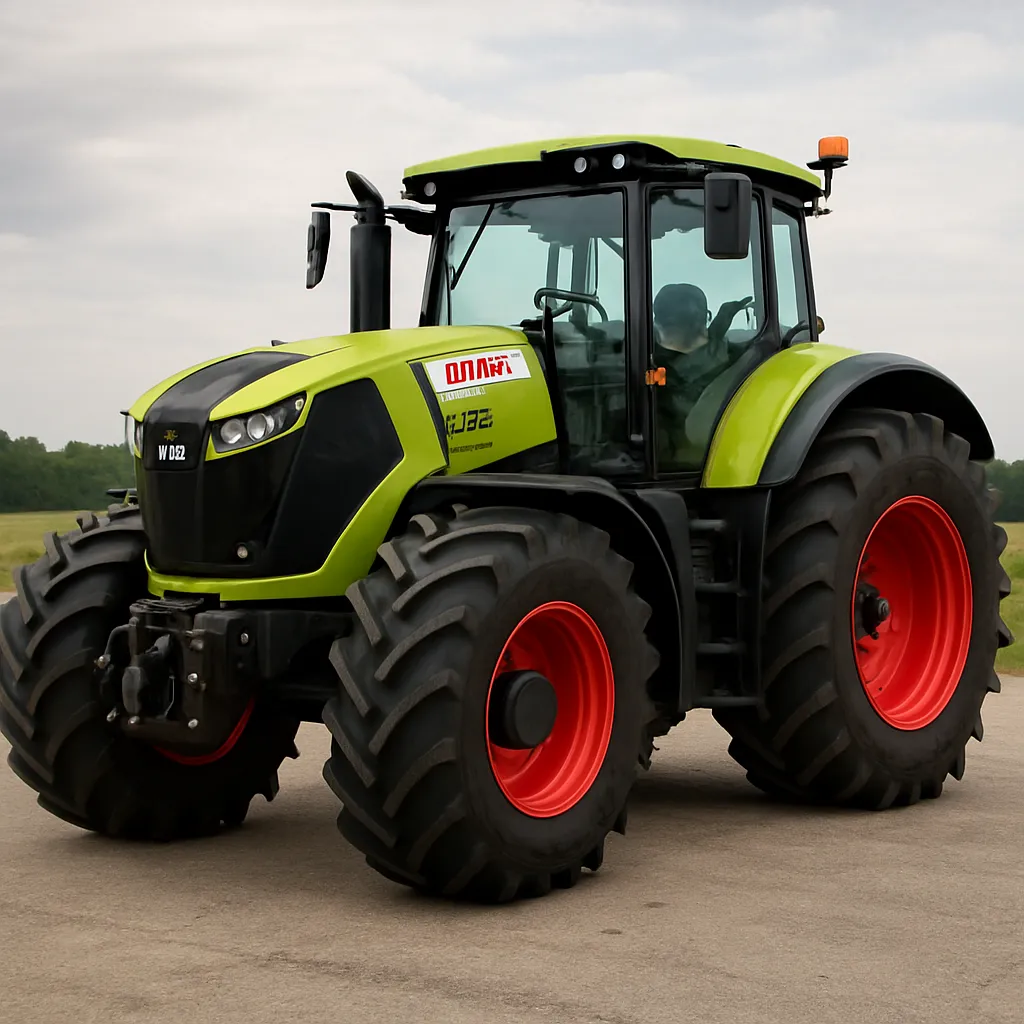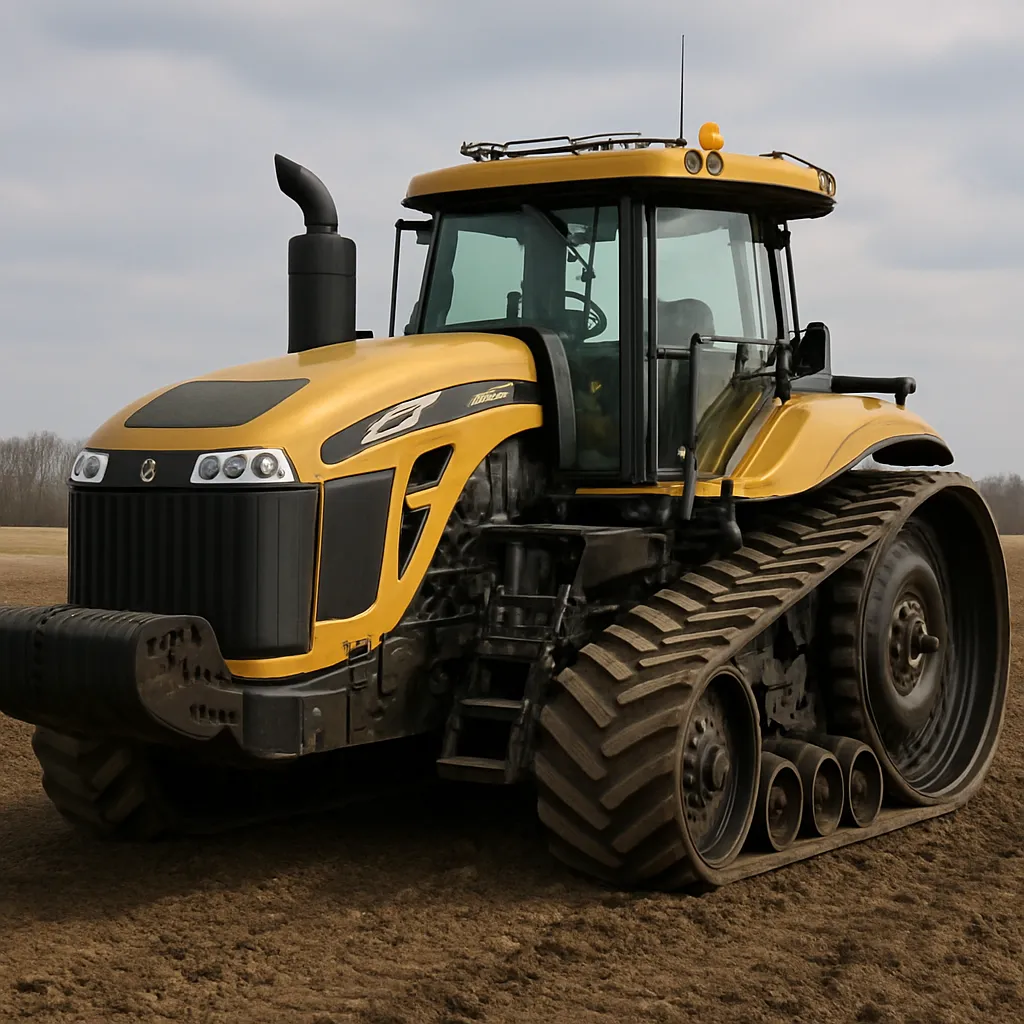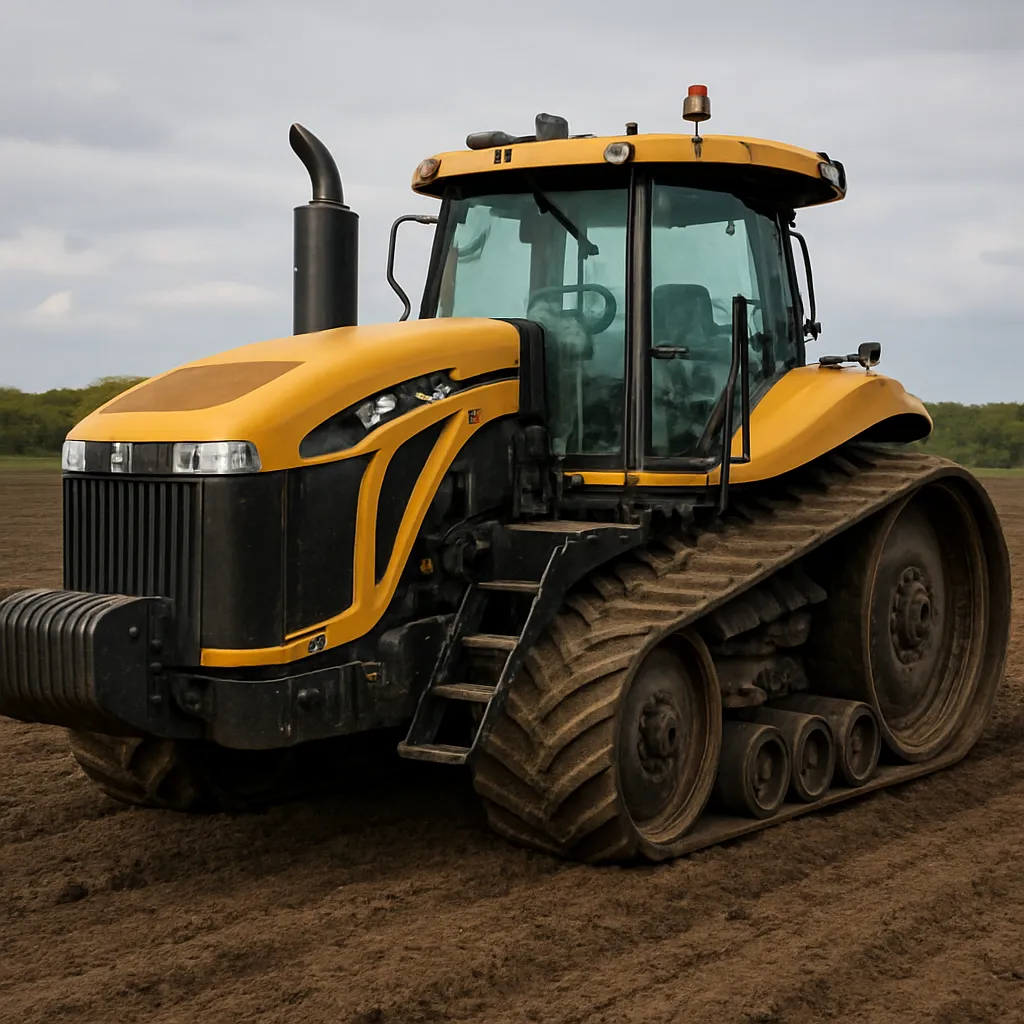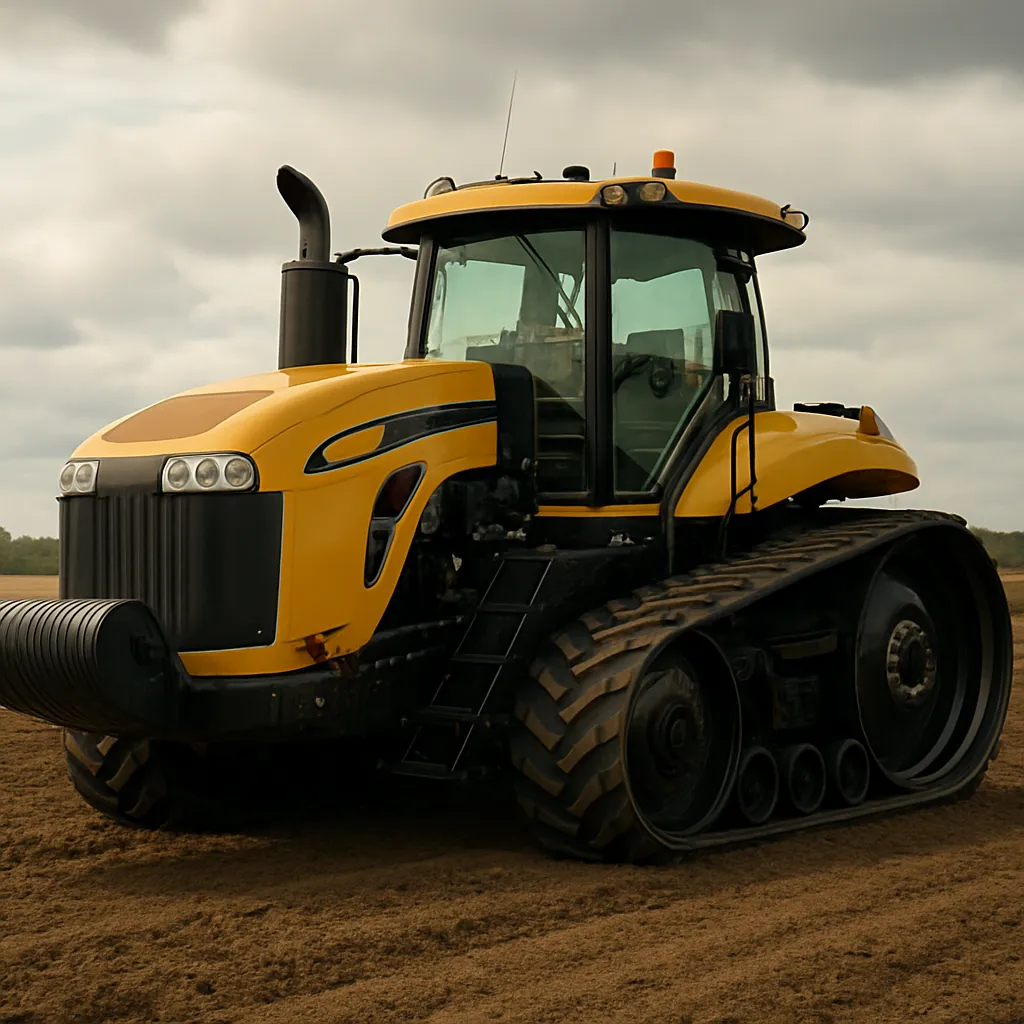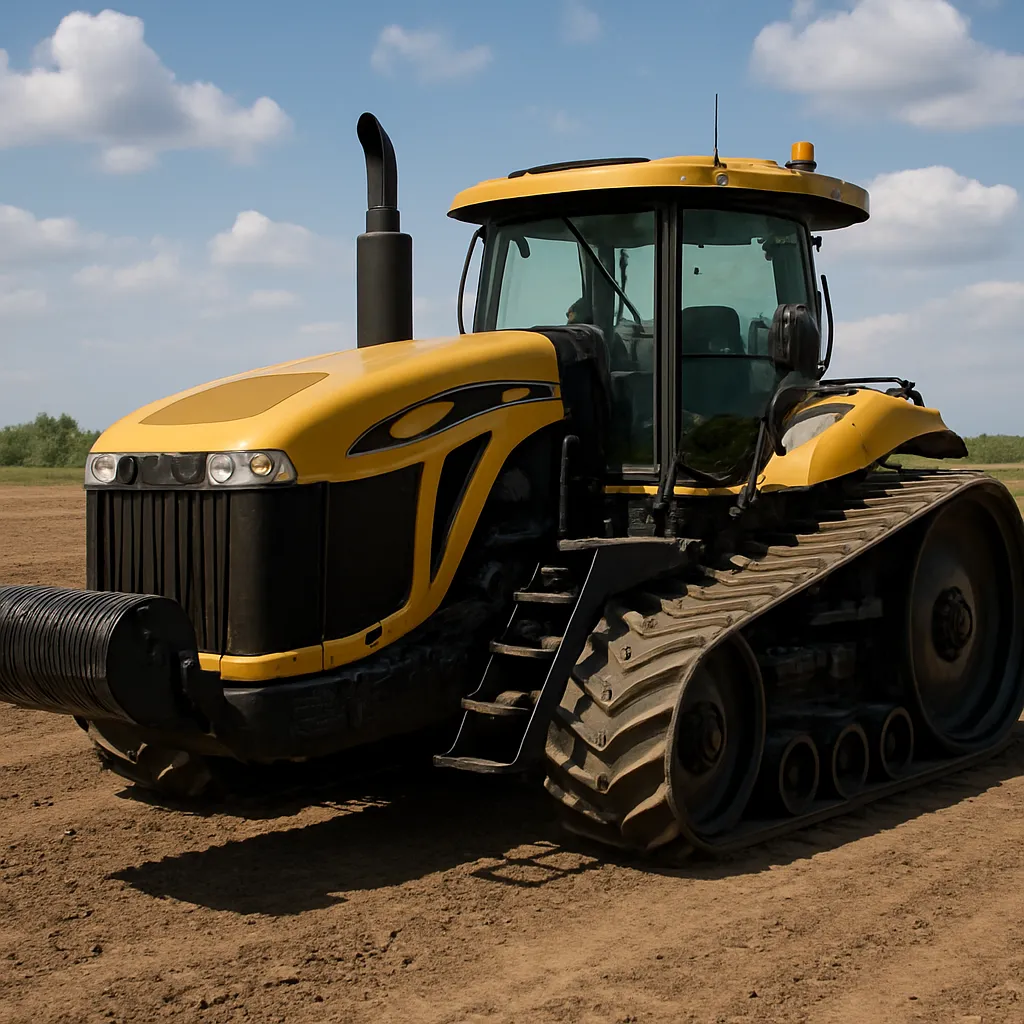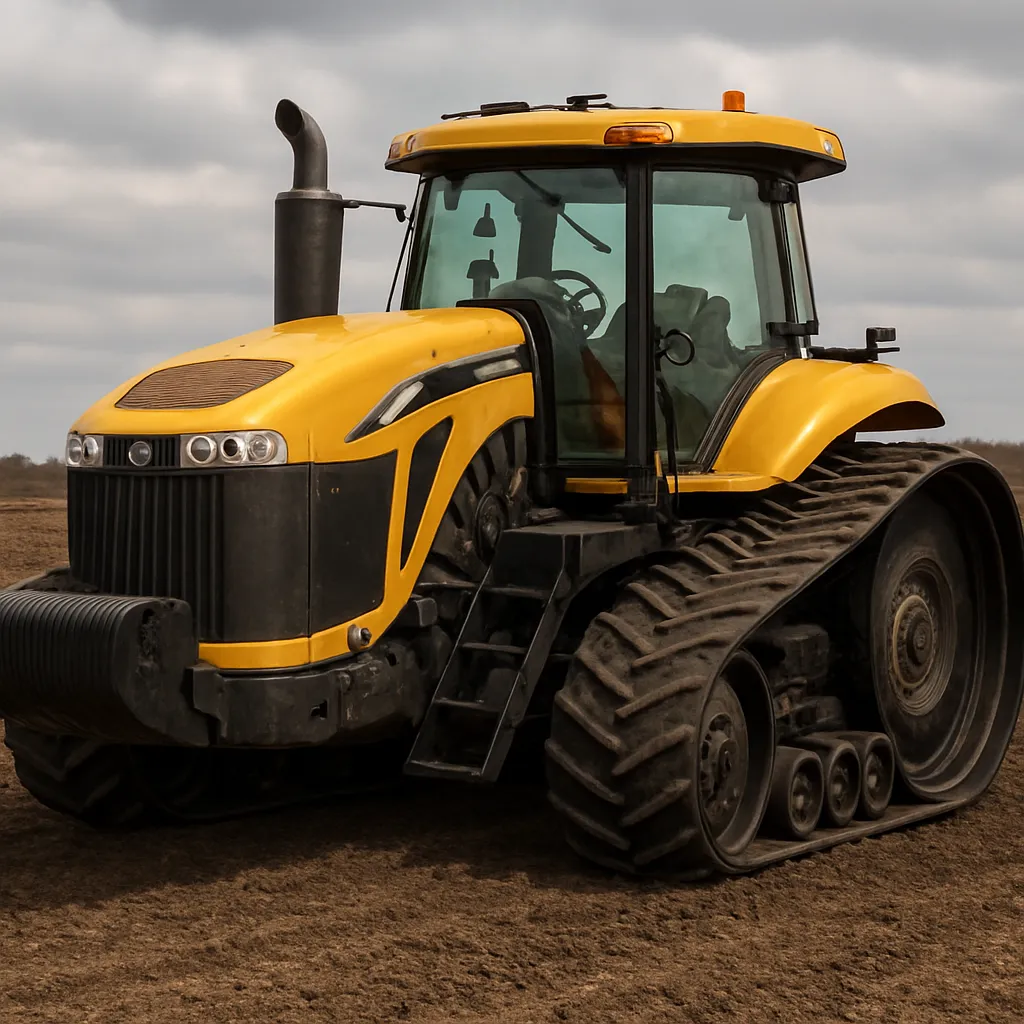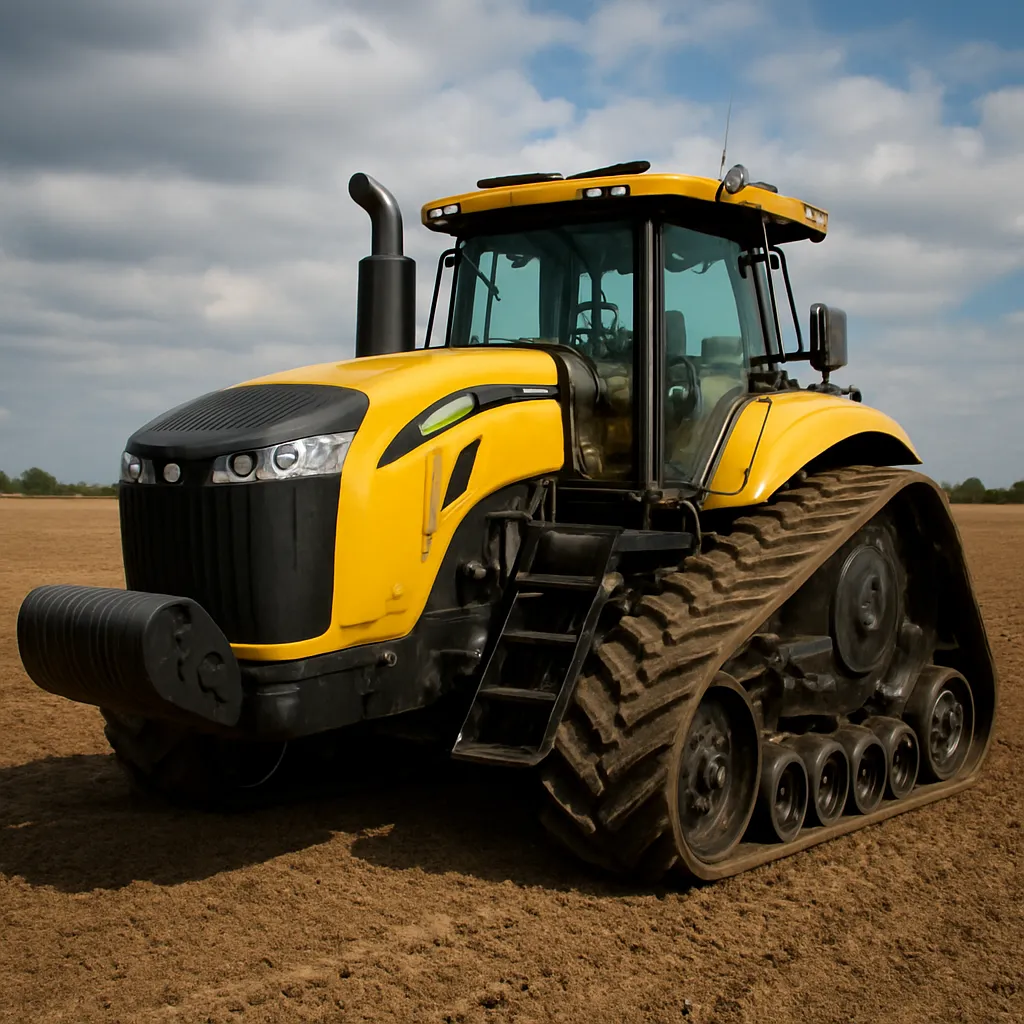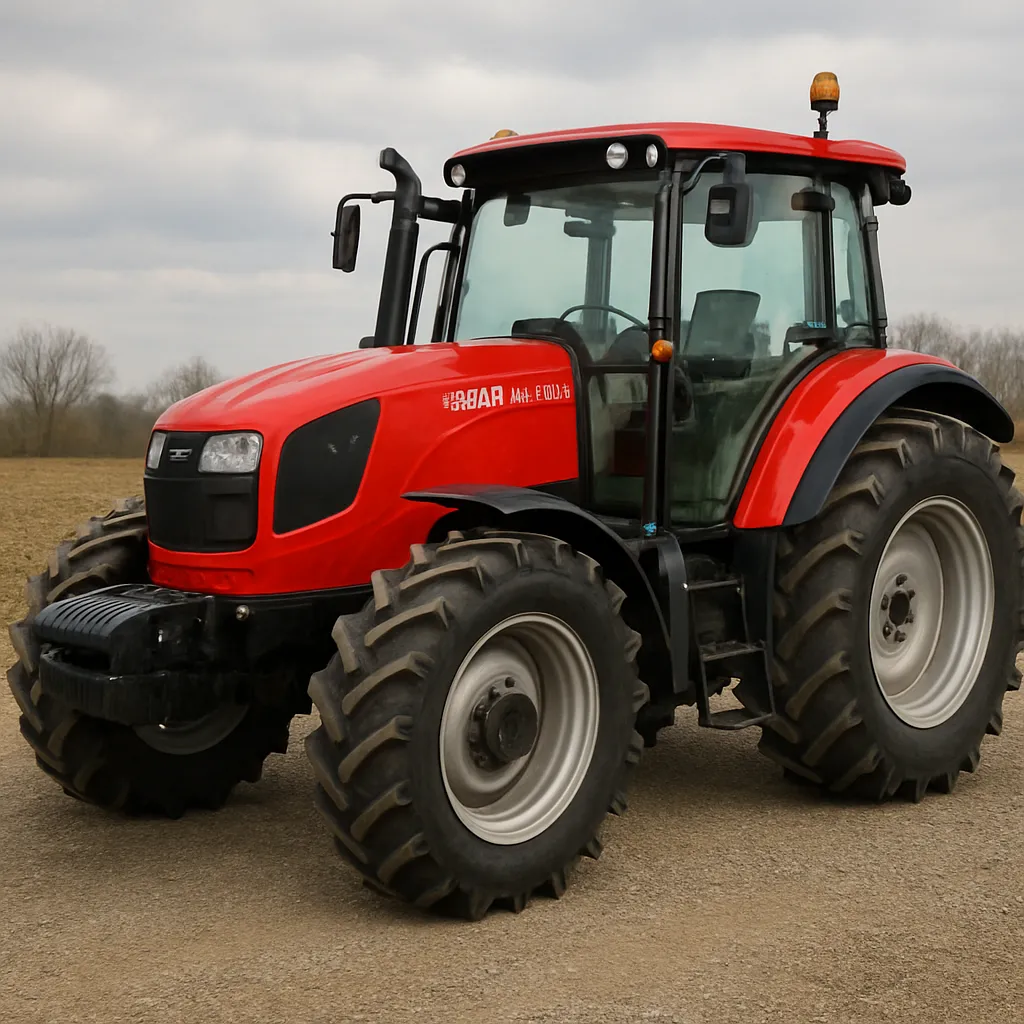
The SAME Iron 200 is a modern agricultural tractor that combines robust mechanical design with features aimed at improving farm productivity and operator comfort. Developed by the Italian manufacturer SAME, part of the SDF Group, the Iron 200 is intended for demanding tasks on medium to large farms and for contractor work. In the following sections we will explore the tractor’s design philosophy, typical applications, notable technical characteristics, maintenance and safety considerations, and its place in the market. The article highlights practical information for owners and operators as well as contextual insights useful for purchase decisions and day-to-day use.
Overview and design philosophy
The SAME Iron 200 belongs to the Iron series, a family of tractors developed to offer a balance between power, reliability and operational flexibility. The model name, Iron 200, suggests its orientation within the higher-powered segment of the range, aimed at users who need sustained performance for heavy draft and PTO work. The design emphasizes a strong chassis, durable drivetrain components and a comfortable cab environment that allows for long working hours with reduced operator fatigue.
Key design goals
- Durability: heavy-duty components and reinforced axles to handle high loads and intensive use.
- Versatility: compatibility with a wide range of implements including ploughs, seeders, balers, front loaders and more.
- Operator comfort: ergonomic controls, good visibility and climate control to enhance productivity.
- Serviceability: accessible service points and modular components for easier maintenance.
- Efficiency: engines and transmissions tuned for optimal fuel use across common field tasks.
Visually, the Iron series mixes traditional robust tractor aesthetics with modern touches: a compact hood line for visibility, a reinforced front axle for stability, and a well-insulated cab equipped with user-friendly controls. Same employed engineering choices to ensure the tractor can be used both in field operations and for transport tasks on farm roads.
Applications and field performance
The Iron 200 is tailored for operators who require a machine capable of performing a wide array of tasks across various farm types. It is particularly well-suited for arable farms, mixed farms, and agricultural contractors. Below are the most common areas of application and notes on performance characteristics in each.
Primary field applications
- Tillage: pulling large ploughs and cultivators. The tractor’s traction and weight distribution help maintain consistent draft and depth, important for uniform soil preparation.
- Seeding and planting: powering seed drills and precision planters; stable speed control and responsive hydraulics help achieve accurate seeding density and depth.
- Baling and forage: driving balers, choppers and forage wagons. The PTO and hydraulic systems provide the necessary power and flow to operate these implements efficiently.
- Transport and hauling: moving loads between fields and to storage; structural robustness and transmission gearing enable safe and efficient transport.
- Loader work: handling front-end loader duties like material handling, stacking and farm maintenance tasks; the front loader options are supported by a reinforced front frame and hydraulic flow capacity.
Performance under varying conditions
The Iron 200 is built to handle variable soil conditions and heavy workloads. Key performance attributes include consistent torque delivery, reliable traction from four-wheel-drive systems and differential locks, and a hydraulic system capable of sustaining implements with steady flow and pressure. On softer soils or steep terrain, ballast and tire choice can be optimized to improve traction and reduce soil compaction. For contractors who operate across many farms, the Iron 200’s adaptability to different implements and settings is a particularly valuable feature.
Technical features and typical specifications
While precise configurations can vary by year, market and optional packages, the Iron 200 typically features technologies and specifications consistent with higher-power agricultural tractors. Below we describe the main systems and their practical implications for users.
Engine and powertrain
- Engine architecture: a turbocharged diesel engine designed for robust torque across a wide rpm band, helping with heavy draft work and PTO applications.
- Power range: positioned for the upper middle to high power class; the model designation implies a focus on power output suited to medium-to-heavy operations.
- Emissions and compliance: engines are typically configured to meet the applicable stage or tier emissions regulations for the market in which they are sold, balancing emissions control with fuel economy.
- Transmissions: multiple transmission options are often available, from synchronised gearboxes to powershift or semi-powershift units, providing versatility from low-speed heavy draft to high-speed transport.
Hydraulics, PTO and hitch
- Hydraulic circuit: a dedicated implement hydraulic system with a pump sized to support contemporaneous use of multiple hydraulic functions (lift, steering, remote valves).
- Rear linkage: a robust three-point hitch capable of lifting heavy implements, often with electronic draft and position control to support precision farming tasks.
- PTO options: standard PTO speeds for common implements (e.g., 540/1000 rpm equivalents), sometimes with independent engagement and electro-hydraulic control.
Cab and ergonomics
Operator environment focuses on comfort and control clarity. Typical features include adjustable seating, clear instrument clusters, climate control, and an ergonomically arranged control console that reduces strain during long shifts. Visibility is optimized for implement monitoring and safe maneuvering. Noise insulation and vibration damping are also standard priorities for operator comfort.
Electronics and optional systems
- On-board electronics: control modules for engine and transmission management to improve fuel use and performance consistency.
- Guidance and precision farming: optional integration with GPS guidance, auto-steer systems, and telemetry for improved efficiency in seeding, spraying and harvesting operations.
- Implements management: electronic hitch control and remote valve sequencing to simplify complex implement operations.
Note: exact numbers for engine displacement, horsepower, hydraulic flow and three-point hitch lift capacity depend on specific model year and factory options. Prospective buyers should consult local dealer specifications to obtain precise figures for the chosen configuration.
Maintenance, reliability and operating costs
Owning an Iron 200 involves planning for regular maintenance tasks to sustain uptime and protect resale value. SAME and SDF typically design tractors with serviceability and long maintenance intervals in mind, but proper attention to wear items is essential for long-term reliability.
Routine maintenance schedule highlights
- Engine oil and filter: regular changes per manufacturer intervals to maintain lubrication and engine health.
- Air and fuel filters: replacement to prevent contamination and ensure consistent performance under dusty field conditions.
- Hydraulic oil and filters: monitoring fluid condition and replacing filters to keep hydraulic systems responsive and leak-free.
- Transmission and final drives: fluid checks and periodic service to preserve gearbox life and avoid costly repairs.
- Tire inspection and axle play: regular checks to ensure correct ballasting and detect wear or alignment issues early.
Reliability considerations
Reliability depends on both design and operator practices. Key factors that enhance long-term service life include correct maintenance, using recommended fluids and parts, avoiding sustained overload beyond design capacity, and addressing issues early before they escalate. SAME’s dealer network and availability of OEM parts contribute to manageable downtime for most owners.
Operating costs and fuel efficiency
Operating costs include fuel, routine maintenance, tires, and periodic major services. Fuel consumption for tractors in the Iron 200’s class is influenced by load, terrain, implement type and operator behavior. Efficient gear selection, correct tire pressures, and use of engine/transmission management features can substantially reduce fuel use across a season. For operations running many hours annually, implementing a proactive maintenance schedule and monitoring fuel use per task help optimize total cost of ownership.
Safety, operator training and ergonomics
Safety is a primary consideration for tractors of this power class. The Iron 200 incorporates standard safety features such as rollover protection, improved cab visibility, and modern braking systems. Nonetheless, operator training and sensible operating procedures remain crucial.
Recommended safety practices
- Operator training: ensure that all operators are trained on gear selection, PTO engagement, hitching procedures and emergency protocols.
- PPE and routine checks: use of appropriate personal protective equipment when performing maintenance and checks before starting work each day.
- Safe hitching: always ensure implements are secured correctly, hydraulic lines are properly connected and the hitch is rated for the load.
- Visibility and signaling: use lights and signals during road transport and maintain clear sightlines for implement monitoring.
Modern cabs reduce fatigue and increase situational awareness, but complacency must be avoided. Periodic refresher training and adherence to manufacturer safety bulletins are recommended.
Market positioning, resale and financing considerations
The Iron 200 typically competes in a segment where buyers expect robust performance, dependable service networks and flexible financing. SAME’s brand reputation in Europe and other markets is based on decades of tractor production, and the Iron series is positioned to appeal to professional users and contractors who require a balance between price and capability.
Resale and depreciation
Depreciation depends on hours of use, maintenance history, and local market demand. Tractors with documented service records, clean cabs and correctly maintained engines generally command stronger resale prices. Investing in preventative maintenance and using genuine parts can be cost-effective over the lifecycle of the tractor.
Financing and ownership models
- Purchase: outright purchase is common for farms with capital and for businesses that expect long-term use.
- Lease and hire-purchase: common alternatives that help manage cash flow and allow upgrades every few years.
- Contractor pooling: in some regions, contractors share access to mid- to high-power tractors to spread costs across multiple enterprises.
Practical tips for potential buyers and operators
Choosing and operating an Iron 200 successfully requires aligning machine capability with farm needs. Below are practical tips to guide purchase and everyday use.
- Match power to tasks: evaluate your primary implements and operations to ensure the tractor’s PTO and drawbar capabilities meet those needs.
- Consider optional packages: pay attention to hydraulic flow options, advanced transmission choices and cab comfort packages that improve productivity and reduce fatigue.
- Inspect service history: when buying used, request a full maintenance record to verify regular servicing and repairs.
- Plan for attachments: verify compatibility with loaders, front hitches and specialty implements relevant to your operations.
- Train operators: invest in training to ensure efficient and safe use; better operating technique prolongs service life and reduces fuel consumption.
Concluding remarks
The SAME Iron 200 is a capable agricultural tractor designed for operators who need reliable power and versatility in medium-to-heavy farm work. With a focus on durability, operator comfort and implement compatibility, it serves arable farms, mixed operations and contractors looking for a robust machine that can handle a wide range of tasks. As with any agricultural equipment purchase, prospective buyers should verify the exact specifications of the model year and options they are considering and consult authorized dealers for localized performance data, warranty conditions and service support. Proper maintenance, informed purchasing decisions and operator training are key to extracting the best value and performance from the Iron 200 over its service life.