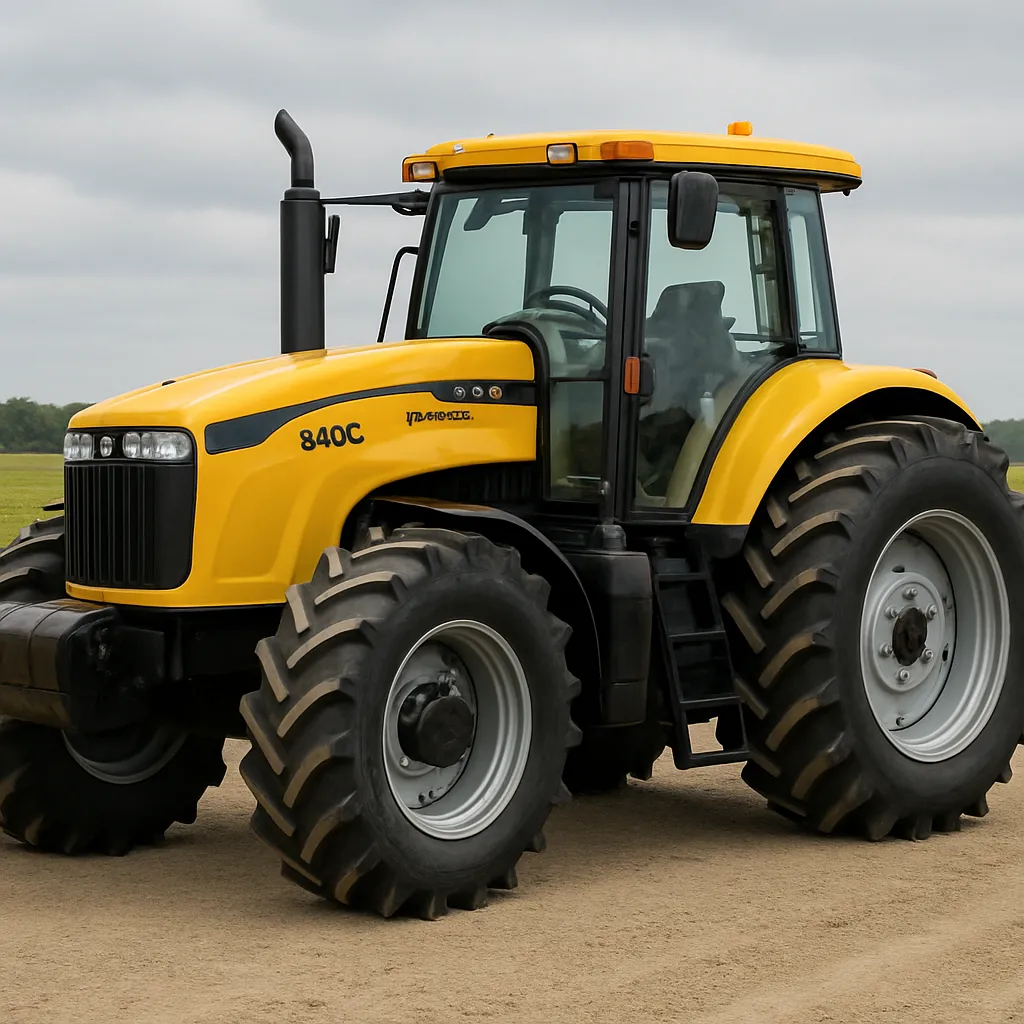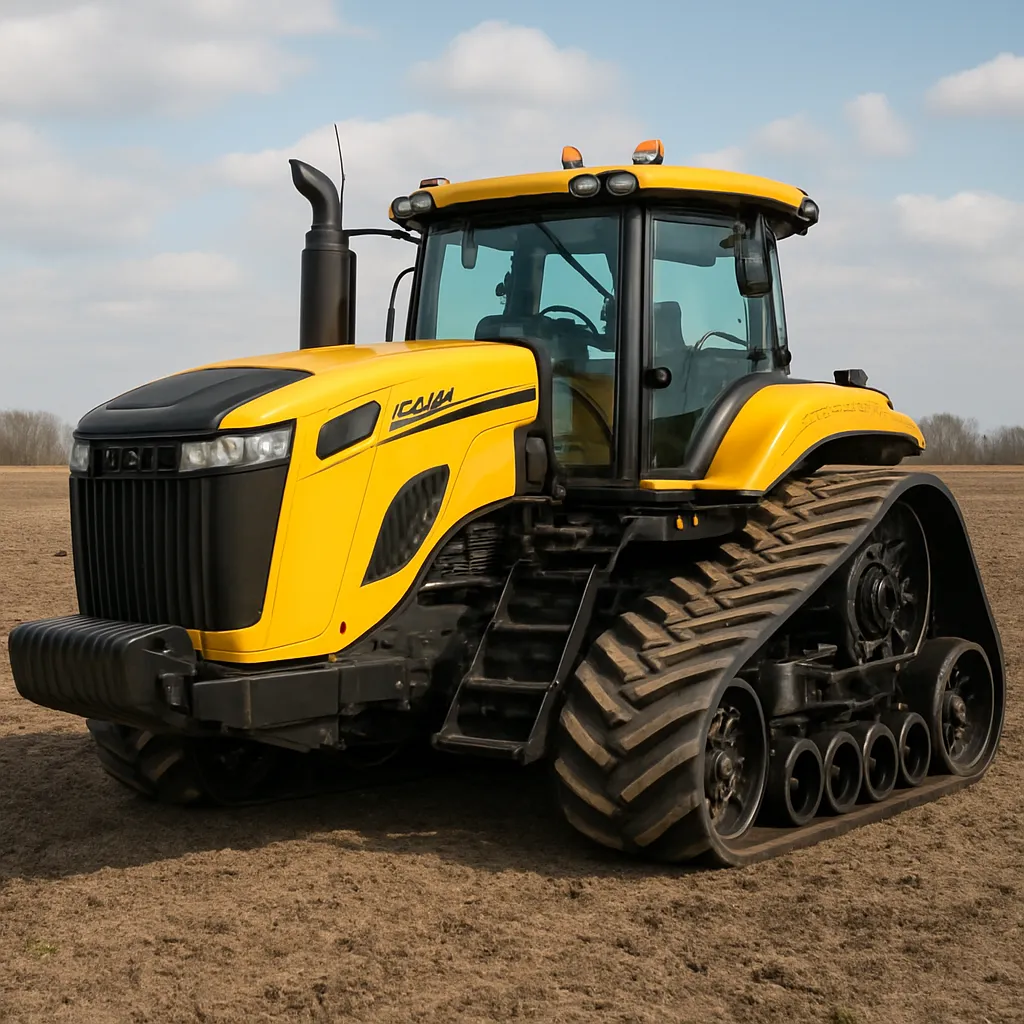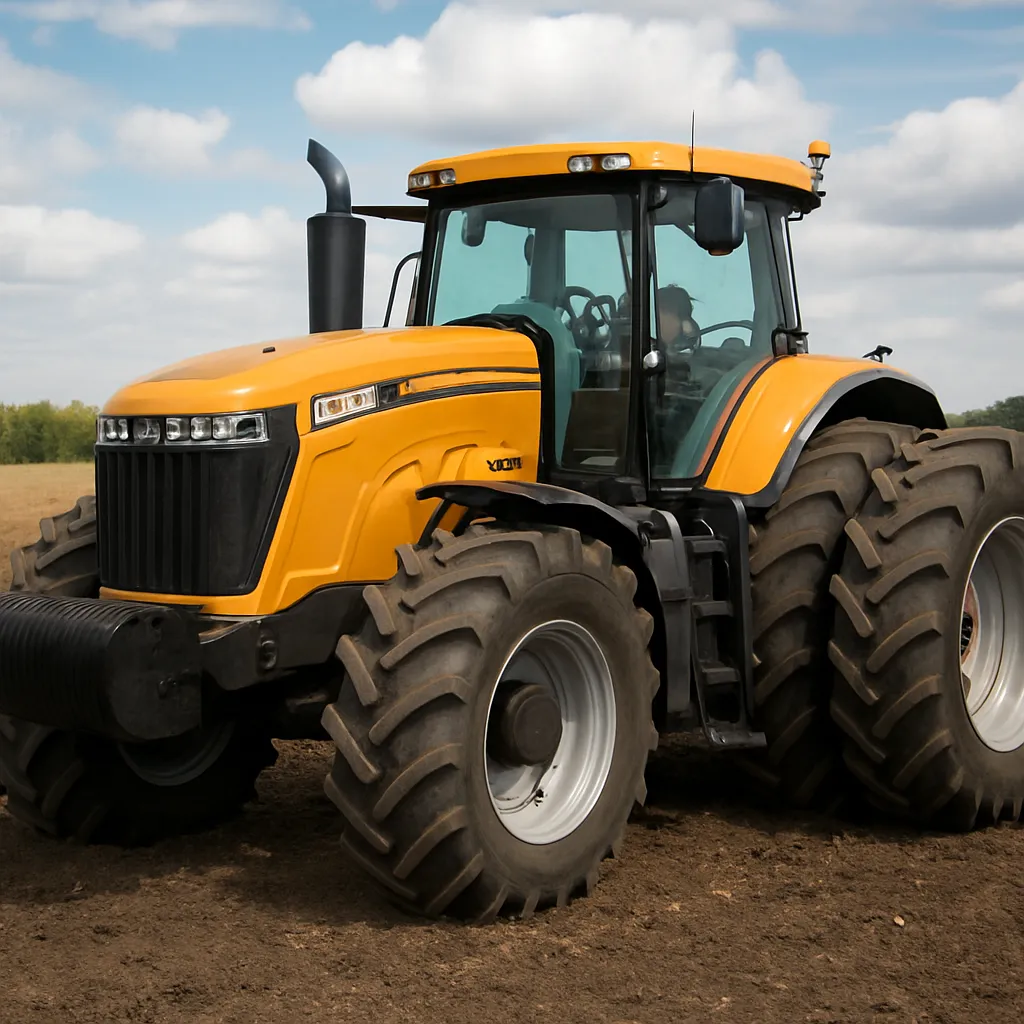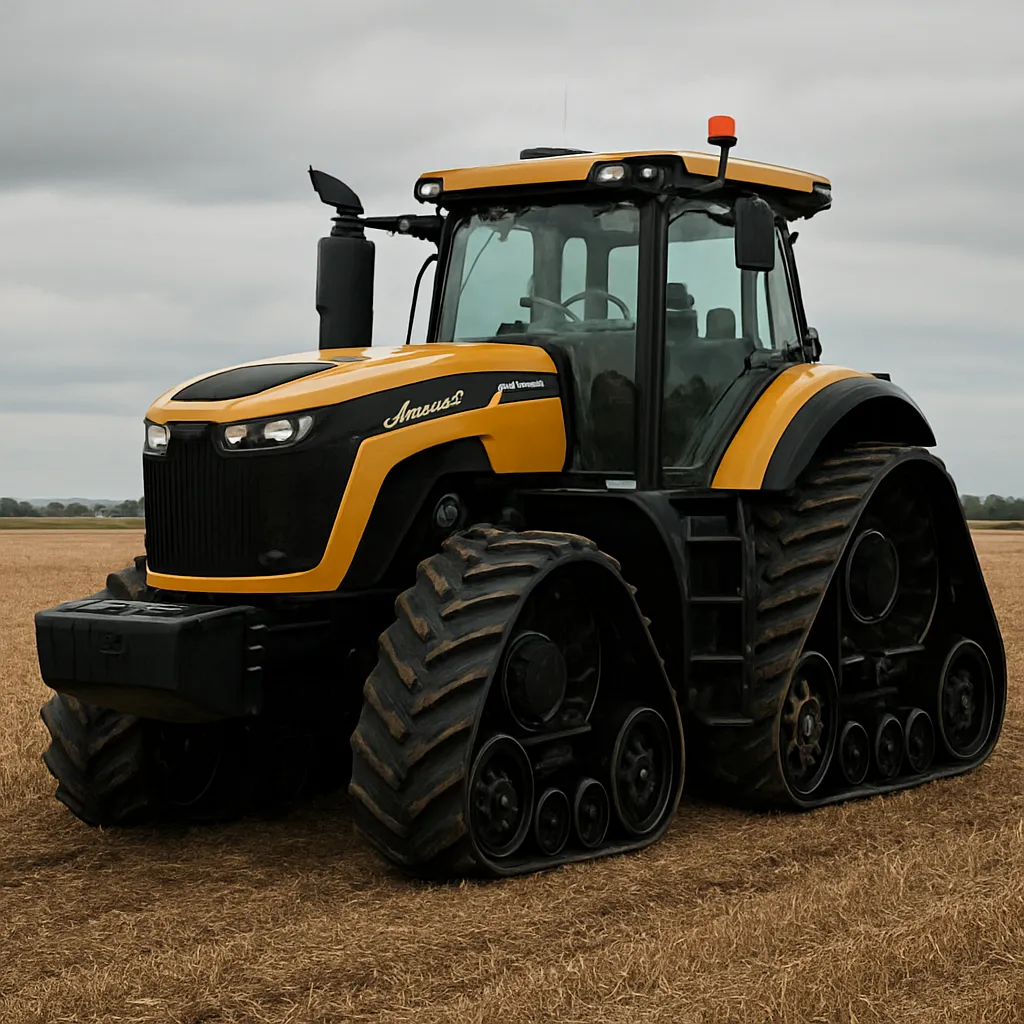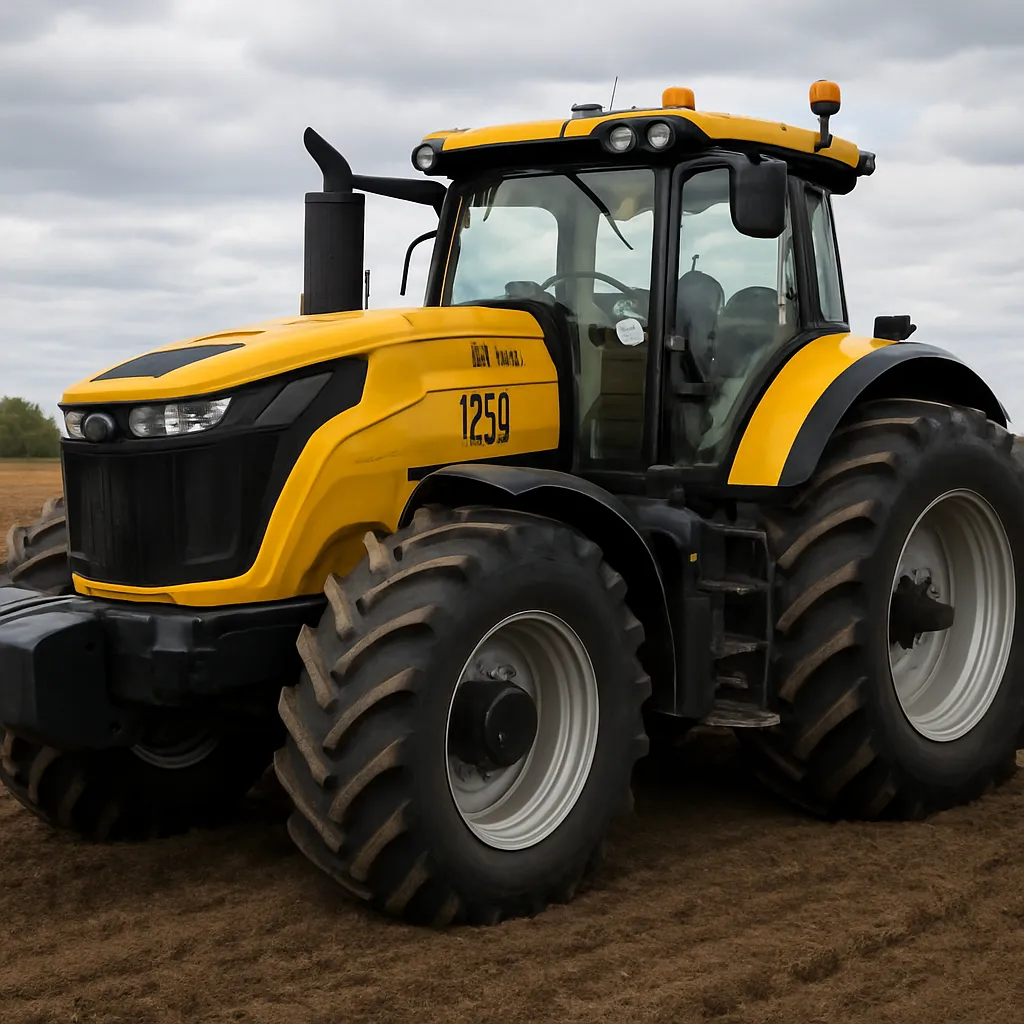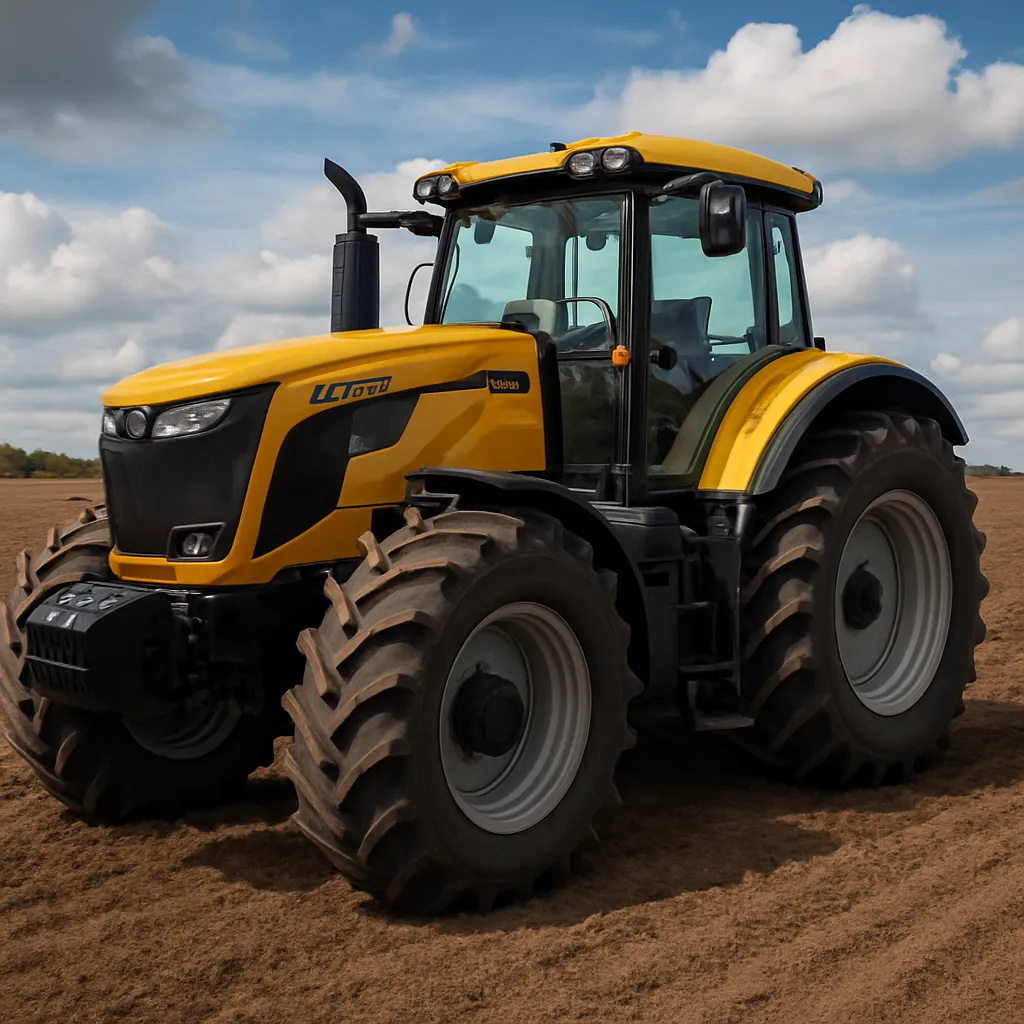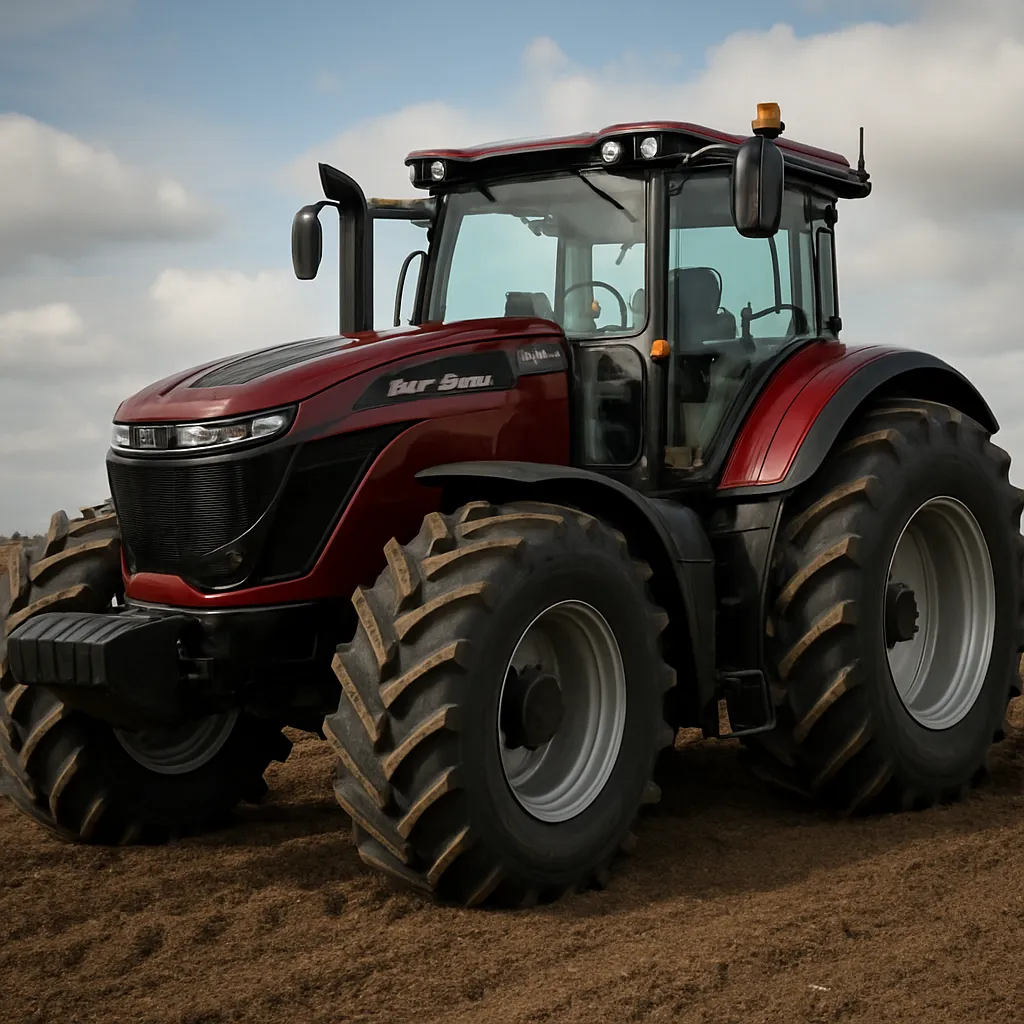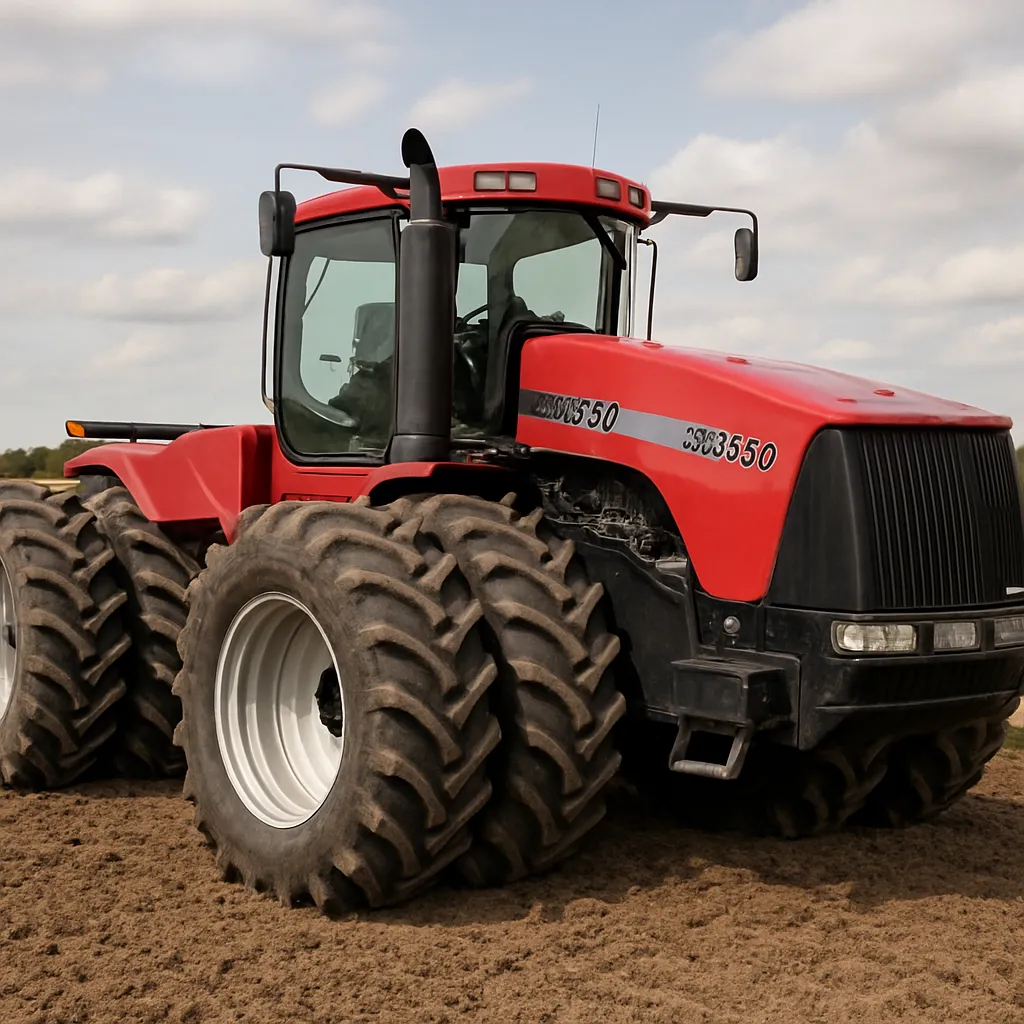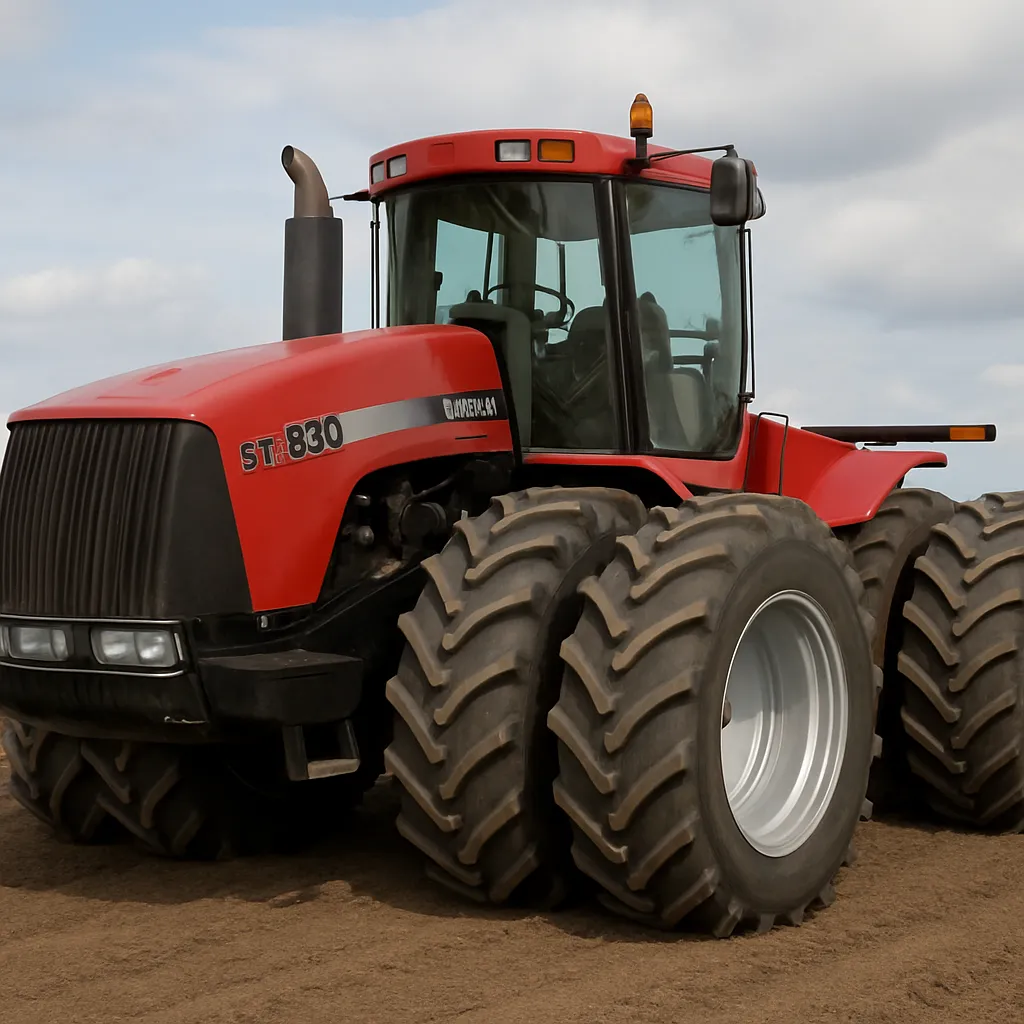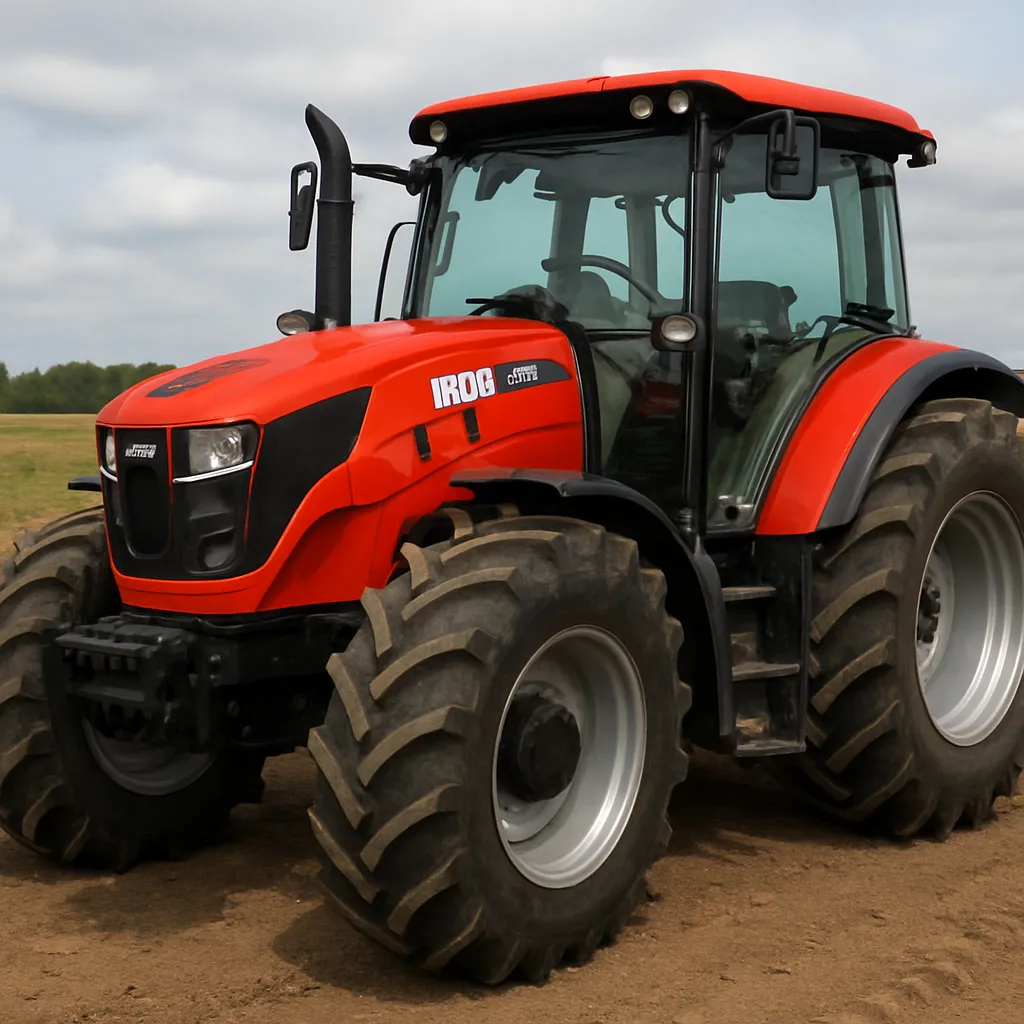
The SAME Iron 210 is a modern agricultural tractor aimed at farmers and contractors who need a balance of high performance, durability and versatility. In this article you will find an in-depth look at its technical characteristics, typical applications, operator features, maintenance considerations and market positioning. The discussion draws on common industry standards for this class of tractors and highlights the practical strengths that make the Iron 210 a useful tool in mid‑to‑large scale agricultural operations.
Design and Powertrain
The Iron 210 is designed as a robust machine for heavy fieldwork, transport and implement operation. At the heart of the tractor is a turbocharged diesel engine engineered to provide steady output across a wide rpm range. Manufacturers in this class typically fit a six‑cylinder engine to ensure smooth power delivery and acceptable fuel economy for prolonged operations. The model designation “210” usually indicates the tractor’s nominal engine output, which places this model in the upper mid‑power segment, where both traction and implement performance are priorities.
Engine characteristics
The engine for a machine of this category is commonly tuned for a balance of power and efficiency. Expect rated power in the neighborhood of 200–220 horsepower, with torque optimized for low‑end pull during heavy draft work. Modern variants of the Iron 210 are likely to include advanced combustion management, turbocharging and an aftertreatment system that conforms to contemporary emissions regulations (Stage V or equivalent, depending on market and year). These systems allow the engine to deliver strong tractive performance while controlling particulate and NOx emissions.
Transmission and driveline
One of the key choices on the Iron 210 is the transmission. Manufacturers often offer multiple transmission types for the 200+ hp category: mechanical synchro, powershift or a continuously variable/infinitely variable (CVT/TTV) option. A CVT or TTV variant provides seamless speed control ideal for loader work and transport, while powershift transmissions suit users preferring stepped ratios with strong creep and shuttle functions for headland maneuvers. The tractor will typically offer a robust rear PTO with selectable speeds (for example 540/1000 rpm), and an option for an independent PTO to drive heavy implements without interrupting travel.
Cooling, fuel and electrical systems
To sustain long working days, the tractor features an efficient cooling package and a sizable fuel tank; capacities for this class usually range from 300 to 450 liters depending on configuration and optional tanks. The electrical system supports modern implements, lighting packages and optional telematics modules, and the alternator is sized to manage additional auxiliary loads for field sensors, guidance systems and powered accessories.
Hydraulics, Lifting and Implement Compatibility
Hydraulic performance and hitch capacity are among the most important practical aspects that determine whether a tractor like the Iron 210 suits a given farm. In this power class, hydraulics are designed to handle heavy planters, large tillage implements, modern mowers and balers. The system is typically built to support high flow rates and multiple simultaneous circuits.
Rear lift and linkage
The rear three‑point hitch on the Iron 210 is engineered for heavy implements. Typical maximum lift capacities for tractors in this segment range from 6,000 to 8,500 kg at the ball ends, depending on specification and optional rear linkage enhancements. This enables the machine to lift and control large ploughs, seed drills and mounted cultivators with stability and precise draft control.
Hydraulic flow and remote valves
Modern configurations often include a closed‑center load‑sensing hydraulic system with a high‑flow pump capable of supporting multiple remote valves and powered implements simultaneously. Flow rates in this class commonly fall between 120 and 200 liters per minute in high‑flow variants. The availability of 3–5 remote spool valves, with electro‑hydraulic control and flow memory, improves implement responsiveness and operator convenience.
Applications and Field Performance
The Iron 210 is versatile and can be applied across a variety of agricultural tasks. Its design suits contractors and farmers who combine field work with road transport and loader duties. Thanks to its traction and lifting capabilities, the tractor is commonly used for primary and secondary tillage, seeding, slurry and manure application, large baling operations, and heavy trailers or tanker transport.
- Tillage and soil preparation: with sufficient horsepower and robust PTO/hitch systems, the Iron 210 can pull large ploughs and disc harrows, shortening field passes and increasing daily throughput.
- Planting and seeding: when configured with precise hydraulic control and ISOBUS-capable electronics, the tractor supports high‑speed planters and seed drills for efficient sowing windows.
- Hay and forage: front and rear implement compatibility makes it suitable for mowing, raking and large square or round baling operations.
- Lifting and loading: strong mid‑mount and front linkage options add usefulness with front loaders for feed handling, pallet work and silage operations.
- Transport and contractor work: robust drivetrain and road speeds (often up to 40 km/h or more in road gear) make it viable for long‑distance trailer work between fields.
Performance in different terrains
The Iron 210 is built to excel on varied terrain, including heavy loam, stony soils and rolling fields. Large ballast options, differential locks, and advanced traction control ensure stable power transfer to the ground, minimizing slippage and tyre wear. For contractors who work in wet conditions, traction enhancements and tyre choices are critical to maintain efficiency and reduce soil compaction.
Cab, Controls and Operator Comfort
Operator comfort on tractors like the Iron 210 contributes directly to productivity. Long days demand ergonomically arranged controls, clear instrumentation and effective climate control. Manufacturers in this segment focus on low noise, reduced vibration and convenient access to all control elements.
Ergonomics and visibility
A roomy cab with panoramic glazing provides excellent visibility to implements and the work area. Controls are typically organized on an armrest console that places frequently used levers and electronic controls within thumb reach. This layout reduces operator fatigue and speeds repetitive tasks. In addition, multiple lighting packages—both front and rear—allow safe, productive night work.
Technology and precision farming
To meet modern farm management needs, the Iron 210 often integrates with precision agriculture systems. Compatibility with ISOBUS, GPS guidance, auto‑steer and variable rate control systems enables fuel and input optimization, higher work accuracy and easier compliance with traceability. Telematics packages—either factory fitted or dealer options—allow fleet managers to track hours, fuel consumption and maintenance alerts remotely, improving machine uptime.
In terms of comfort features, options typically include air‑suspended seats, automatic climate control, a premium audio system and multiple storage compartments. All these elements support an efficient and comfortable working environment.
Maintenance, Serviceability and Reliability
Reliability is a prime consideration for a machine intended for heavy daily use. The Iron 210 is designed with service access in mind: large engine hoods, grouped service points and easy‑to‑reach filters and fill points minimize downtime. Scheduled maintenance intervals—oil and filter changes, coolant checks and hydraulic inspections—are aligned with industry norms to keep operating costs predictable.
Routine maintenance and parts
For a tractor of this class, routine maintenance might consist of engine oil and filter changes every 300–600 hours (depending on service schedule and oil grade), with larger inspections at 1,000 hours. Hydraulic oil and transmission service intervals vary by transmission type (powershift vs CVT), but both are engineered for long life under recommended service regimes. Availability of genuine spare parts and a strong dealer network are important for rapid repairs; SAME and SDF dealer networks in many regions provide this support.
Total cost of ownership
Total operating cost includes fuel, tires, maintenance, insurance and financing. Modern engines and transmissions reduce fuel consumption per hectare, especially when combined with precision farming techniques. Lifespan expectations for tractors in this segment frequently reach 8,000–12,000 hours or more with proper maintenance and periodic overhauls, making them durable investments for high‑use operations.
Safety, Emissions and Regulatory Compliance
Safety systems on the Iron 210 include robust rollover protection integrated into the cab structure, optional camera systems to monitor trailing implements, and advanced lighting for travel and night work. Braking systems are designed for heavy loads, often including wet disc service brakes and trailer brake valves for secure towing.
Regarding emissions, contemporary models typically meet the latest standards applicable in their sales regions—this may include EU Stage V, EPA Tier 4 Final or equivalent. Aftertreatment systems such as diesel particulate filters (DPF) and selective catalytic reduction (SCR) help reduce particulate matter and NOx, ensuring compliance with environmental regulations while maintaining engine performance.
Market Positioning, Economics and Comparative Strengths
In the market, the Iron 210 competes with tractors from other major manufacturers in the 180–230 hp class. Its competitive strengths lie in a balanced package that combines reliability, modular options and a dealer support network. Buyers often compare initial acquisition cost, fuel efficiency, service intervals and operator comfort when choosing among brands.
Purchase and resale considerations
Purchase price for a new tractor of this size varies significantly by country and specification. As a rule of thumb, the cost tends to reflect engine and transmission type, optional hydraulics, cab equipment and technology packages. Resale values for well‑maintained tractors in this class remain healthy because of steady demand among contractors and larger farms.
Return on investment
Economic returns are driven by reduced labor, faster fieldwork, and better implement efficiency. For larger operations, a high‑hour machine that reduces the number of passes per field and shortens the workable window during spring or autumn can justify the investment over a few seasons. Integrating the tractor with precision systems often yields measurable reductions in seed, fertilizer and fuel use, improving margins.
Tips for Buyers and Operators
- Assess the implements you will use most frequently; select hydraulic flow, hitch capacity and PTO options that match those implements.
- Decide on transmission type based on primary tasks: CVT/TTV for frequent transport and loader work, powershift for heavy draft and repetitive field shifts.
- Confirm emissions compliance and any DPF regeneration needs for your region; understand maintenance windows and any operational constraints.
- Check dealer support and parts availability in your area—quick access to spare parts reduces downtime.
- Consider telematics and precision guidance readiness if you plan to adopt variable rate application or autonomous guidance.
- When buying used, review service history, hours, hydraulic performance and look for signs of heavy draft wear such as frame or hitch stress.
Conclusion
The SAME Iron 210 is positioned as a capable and versatile tractor for demanding agricultural work. With emphasis on robust engine performance, flexible transmissions, and strong hydraulic/lifting capability, it suits contractors and larger farming enterprises that require dependable daily productivity. Modern cab comforts and precision farming compatibility add operator value and efficiency. While precise specifications depend on model year and options, the general package is designed to deliver high throughput, manageable operating costs and long service life when properly maintained. For many buyers seeking a machine in the 200+ hp class, the Iron 210 represents a solid option to consider alongside comparable offerings from other major manufacturers.