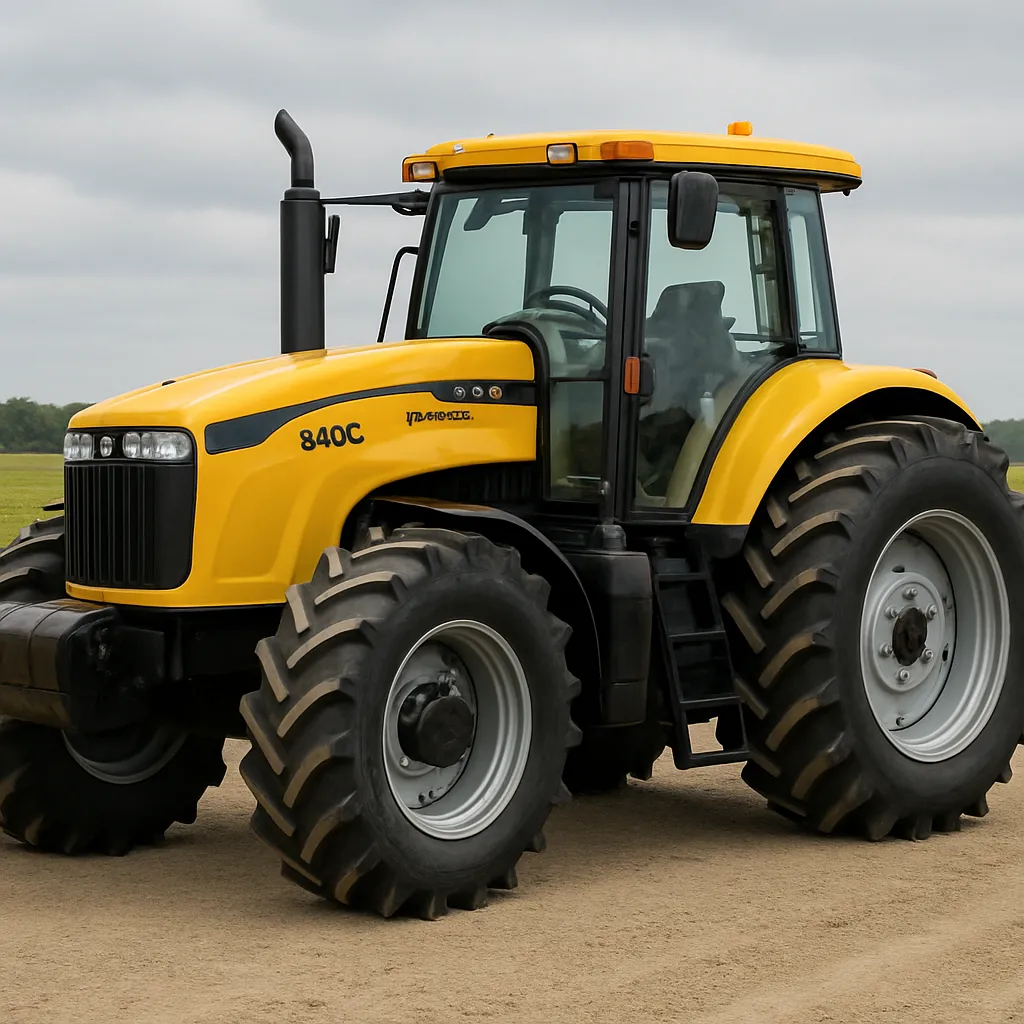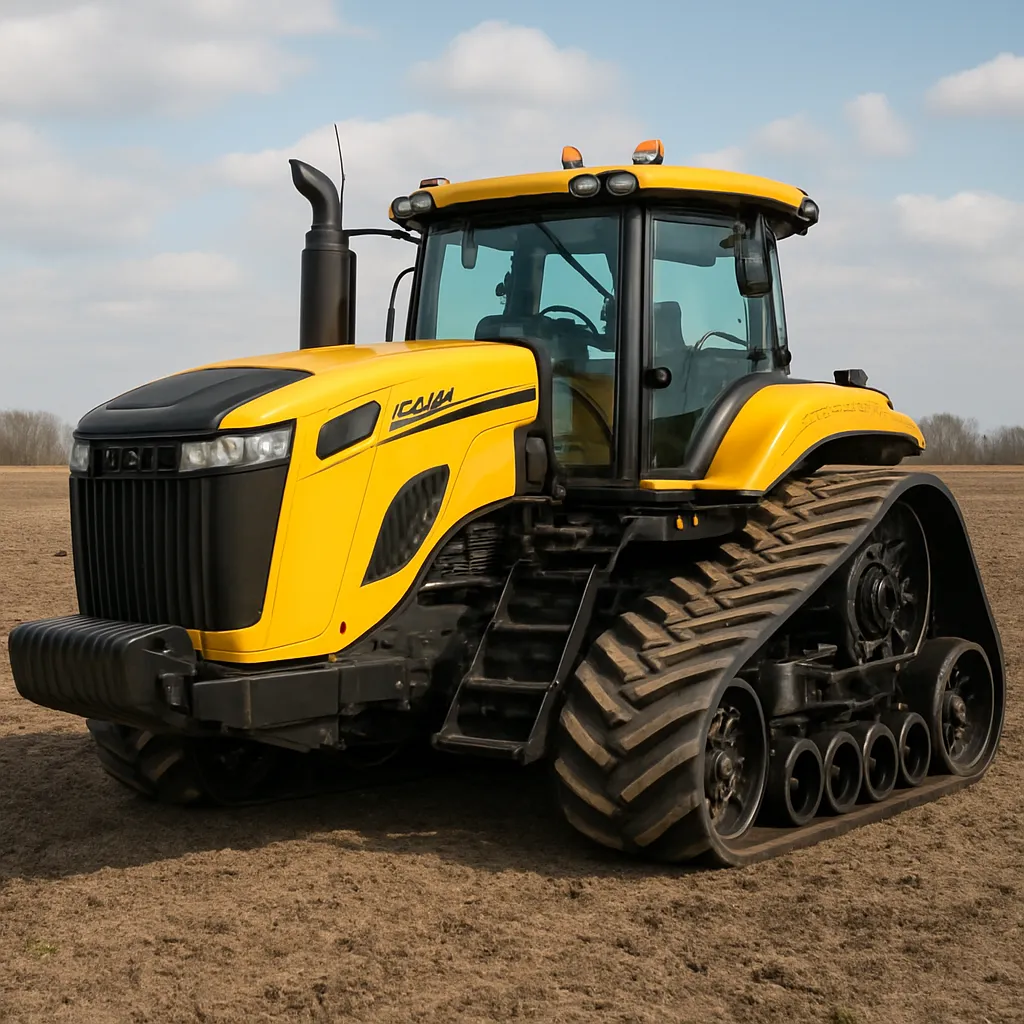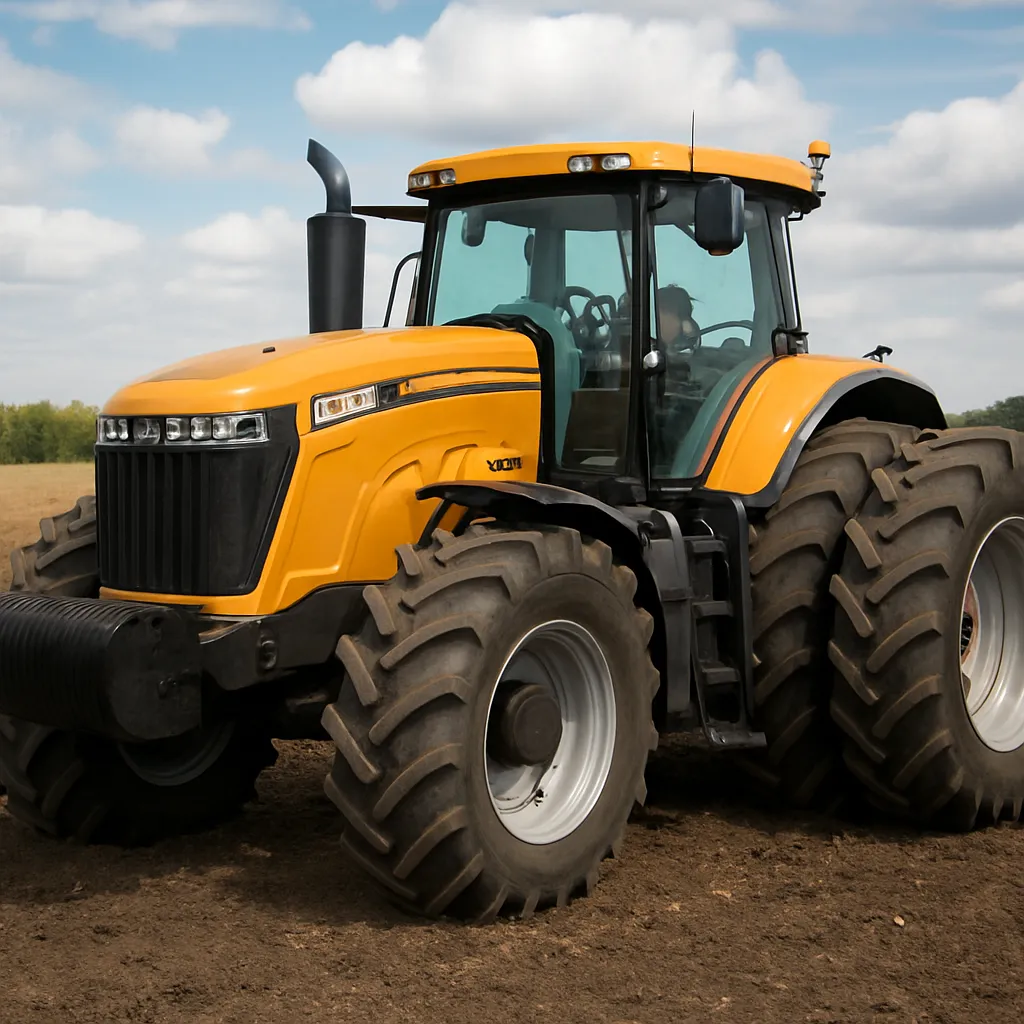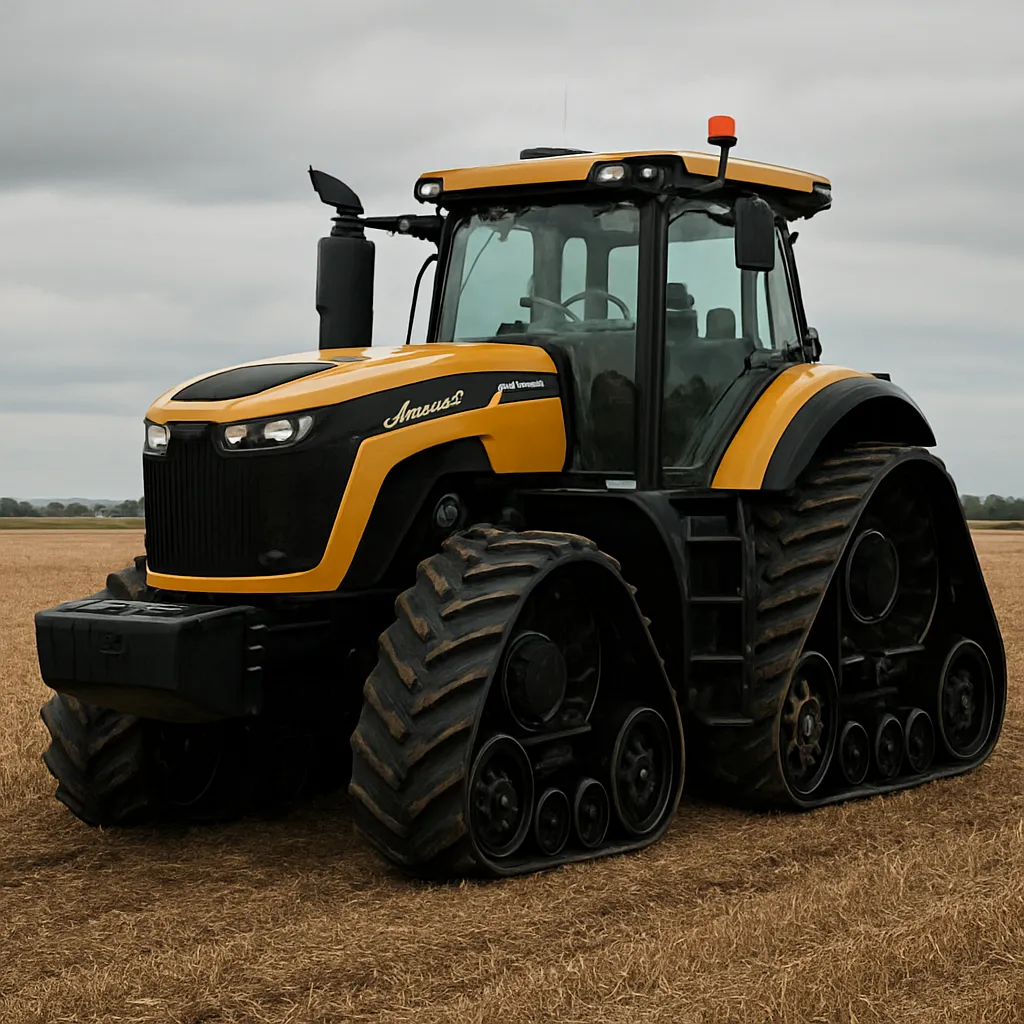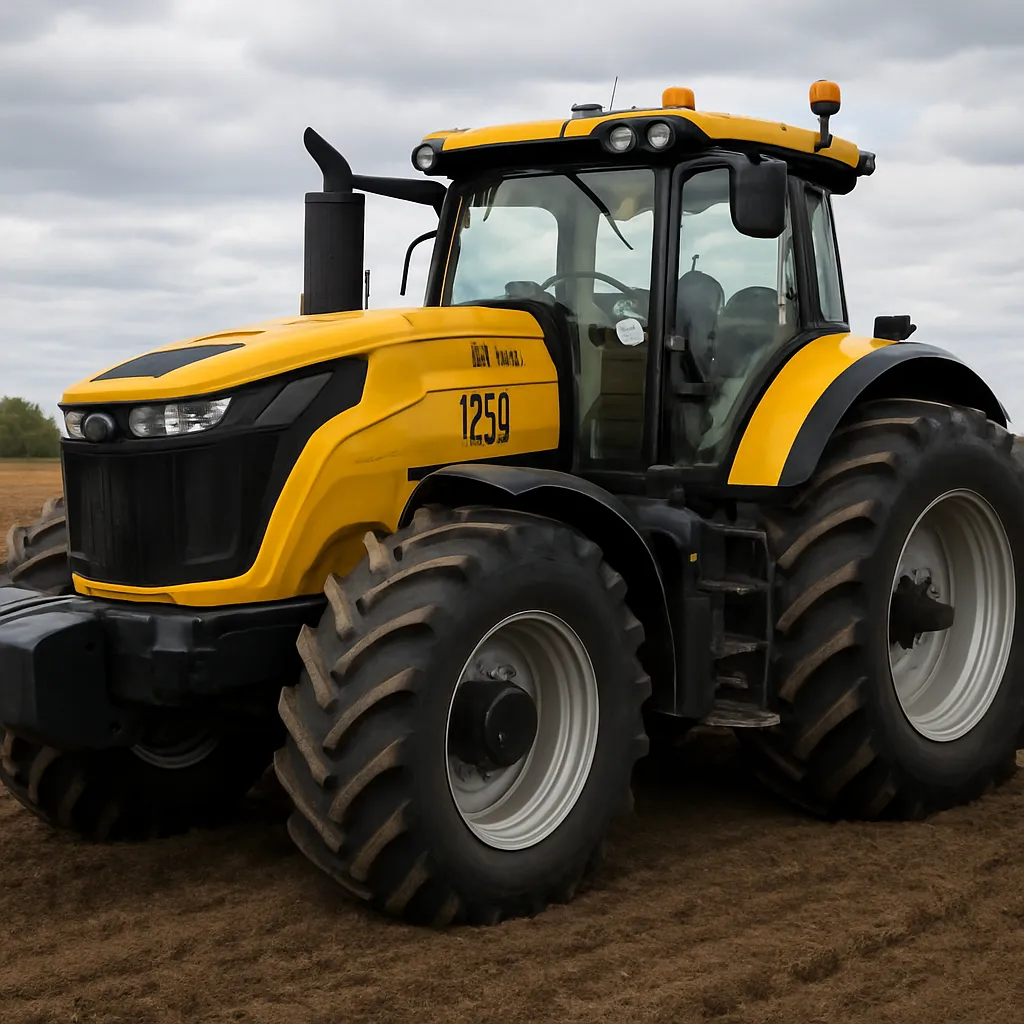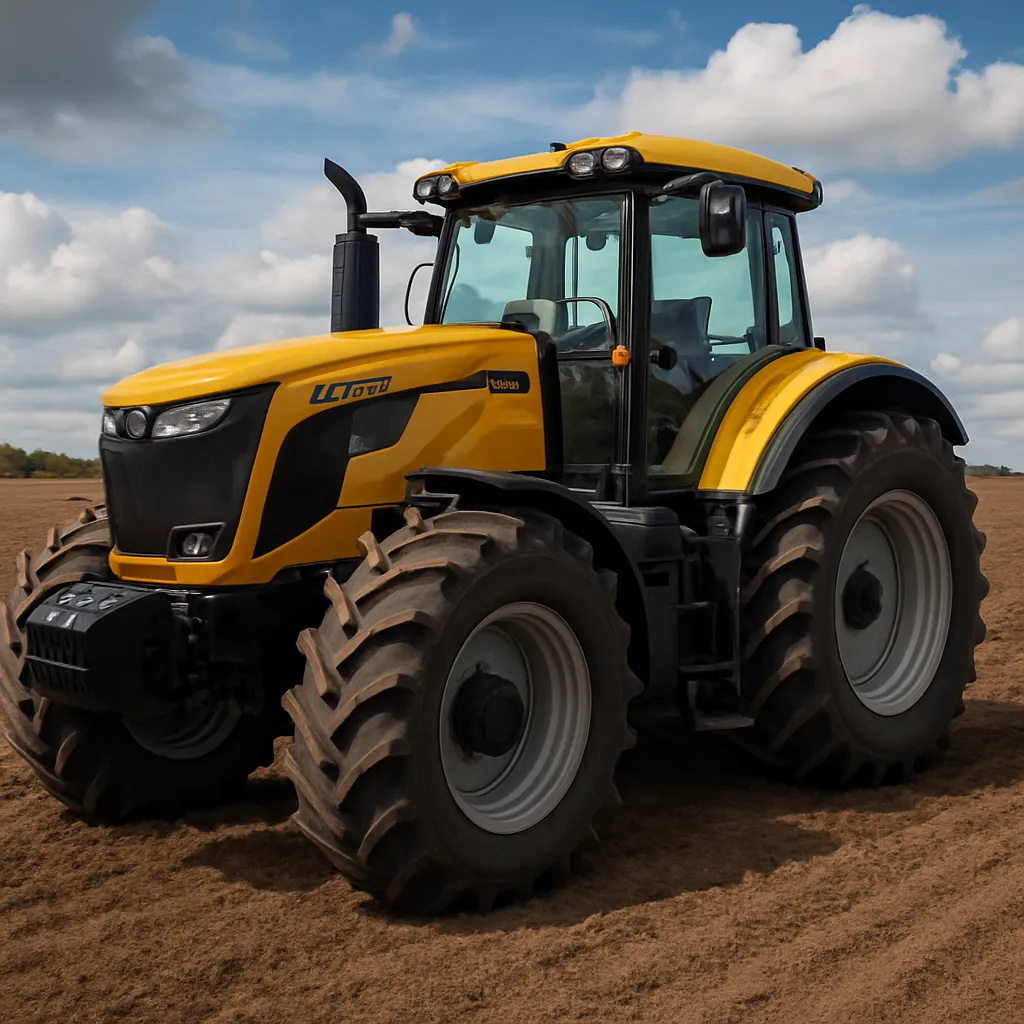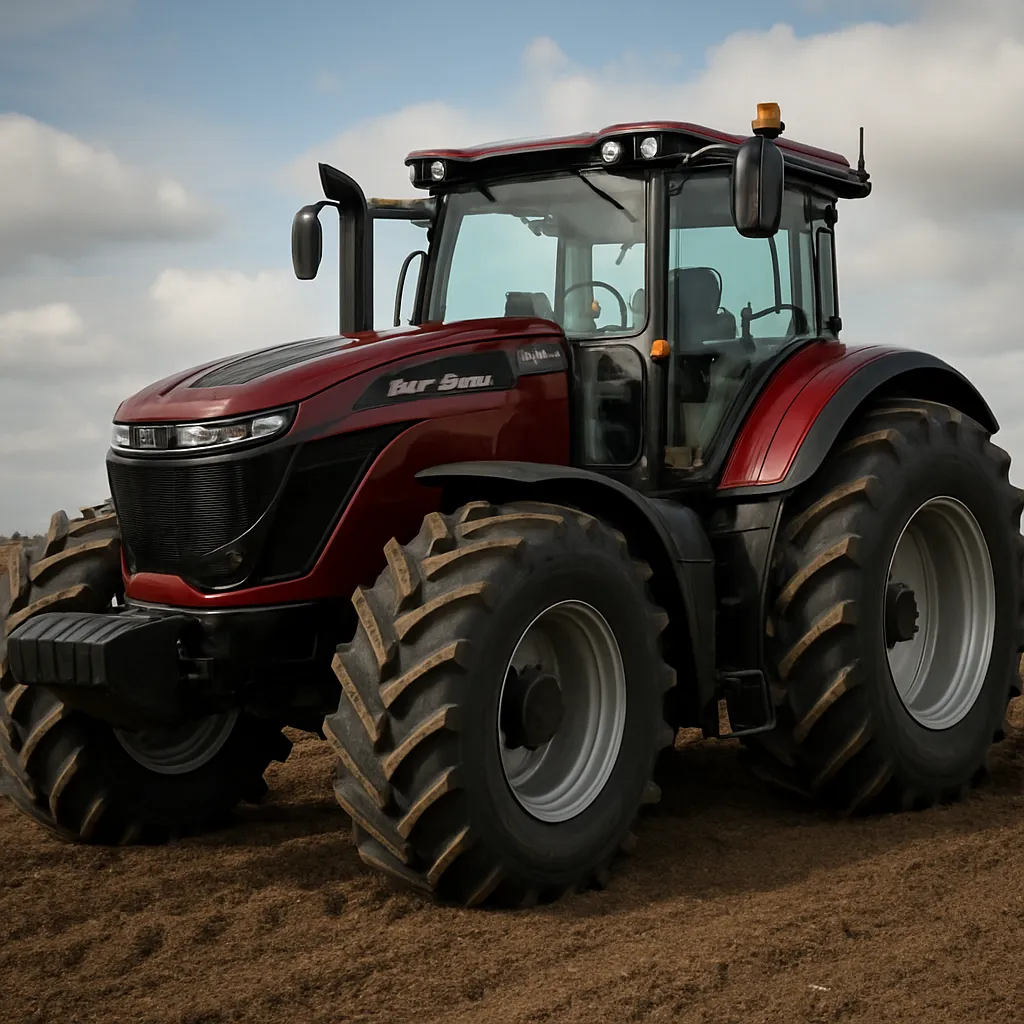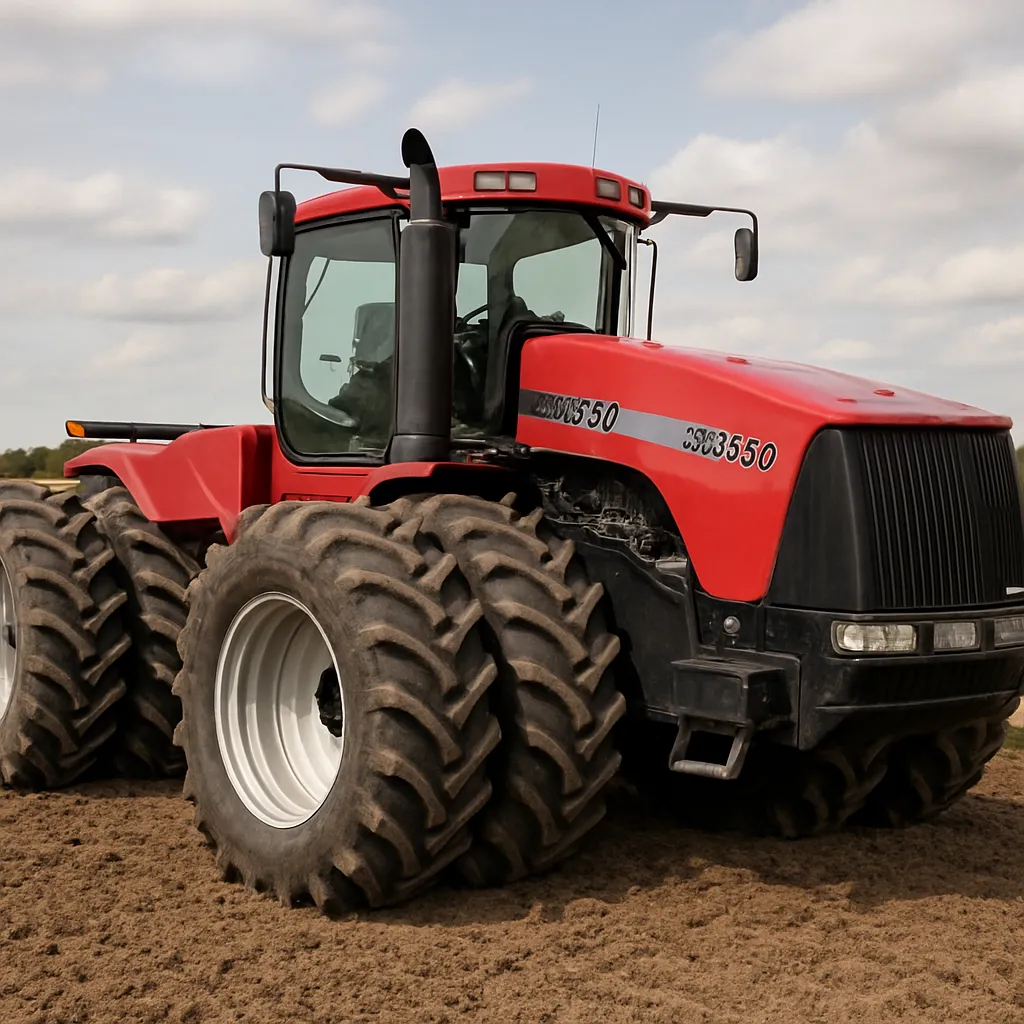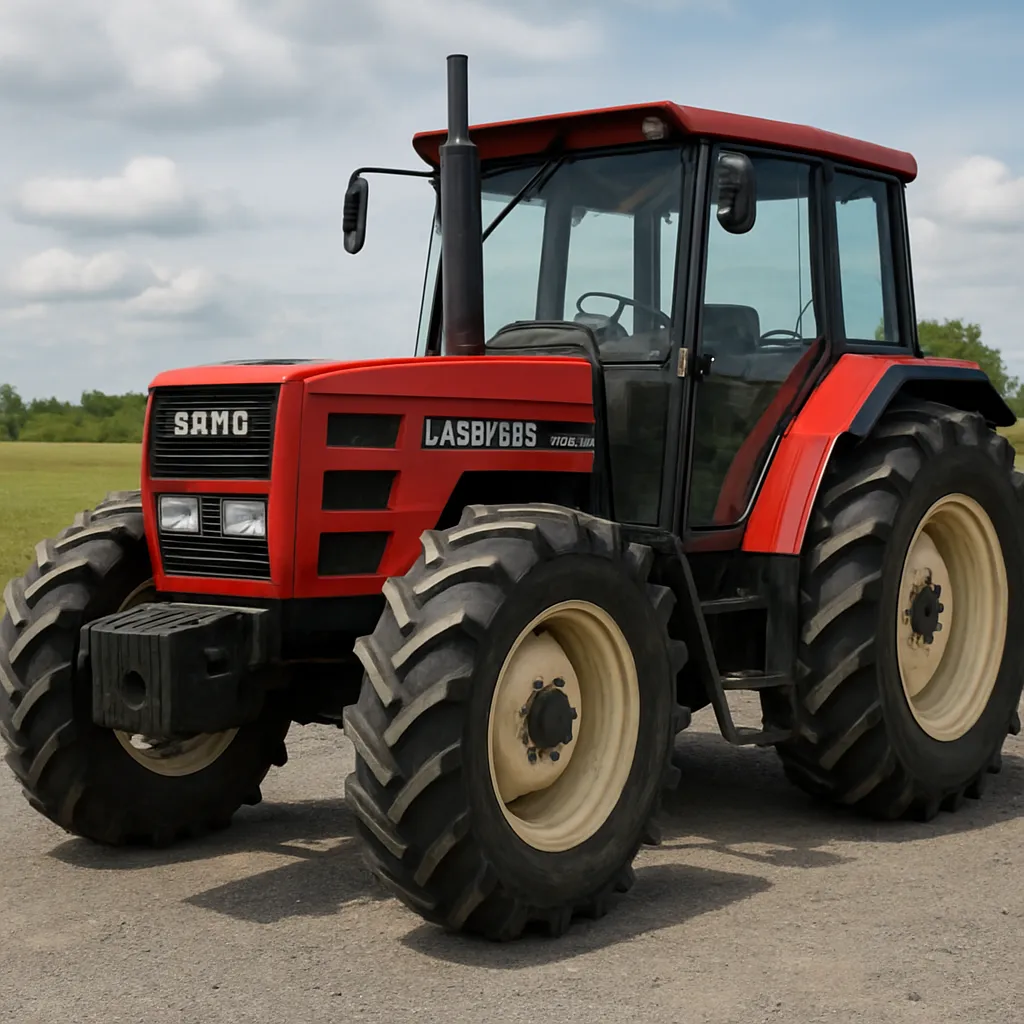
The SAME Laser 150 Turbo is a practical and widely recognized agricultural tractor that blends solid mechanical design with functional versatility. Popular among farmers and contractors who need a reliable mid-range machine, this tractor is often valued for its balance of power, simplicity, and adaptability to a variety of field tasks. In the following sections, we explore the Laser 150 Turbo’s technical characteristics, typical applications, maintenance considerations, and market presence, offering a comprehensive view for potential buyers, operators, and enthusiasts. Throughout the article, key terms and concepts are highlighted to guide readers to the most important aspects of this model.
Technical overview and design features
The Laser 150 Turbo is part of the Laser line from SAME, a brand with a long tradition in tractor manufacturing. While model specifications can vary by year and market, the Laser 150 Turbo is generally positioned in the mid-power segment, offering a combination of durability and straightforward engineering. Its design focuses on practical field performance rather than cutting-edge electronics, which appeals to users who prefer easy maintenance and robust construction.
Engine and powertrain
At the heart of the Laser 150 Turbo is a turbocharged diesel engine, tuned to deliver power in the vicinity of 150 horsepower at the flywheel (the “150” in the model name typically indicates nominal engine power). The turbocharging improves torque delivery at lower engine speeds, enhancing pulling capability and efficiency during heavy draft work. The engine is usually an inline configuration known for its mechanical simplicity and serviceability.
- Horsepower: approximately 150 hp (nominal, model-dependent)
- Turbocharged diesel engine for improved torque and mid-range performance
- Engine management: mechanical injection or simple electronic control depending on year
The transmission systems offered with the Laser 150 Turbo normally include multi-range gearboxes with synchronised gears and often a creeper option or powershift features on later variants. These transmissions offer a good spread of speeds for fieldwork and transport, enabling the operator to match engine load and ground speed efficiently.
- Multiple gears and ranges for flexible speed selection
- Options may include partial powershift or full powershift depending on trim
PTO, hydraulics and lifting capacity
PTO and hydraulic performance determine how versatile a tractor can be when paired with implements. The Laser 150 Turbo commonly provides standard PTO speeds (540 and often 1000 rpm), enabling it to operate a wide variety of implements from mowers and balers to rotary tillers and sprayers.
- PTO: typically 540/1000 rpm options
- Hydraulic flow: adequate for most mid-size implements, with open-centre or simple load-sensing systems on higher-spec machines
- Rear lift capacity: generally sufficient for heavy implements in the mid-range class (typical rated lift suitable for large mounted ploughs, seeders, and spreaders)
The three-point hitch often conforms to Category II or a mix between II/III depending on region, permitting connection of a wide range of mounted and semi-mounted implements. For larger implements, the robust rear linkage and optional front linkage increase functionality.
Chassis, axles and tyres
The Laser 150 Turbo is built on a sturdy chassis designed for stability and longevity. Front axle options usually include a mechanical front-wheel drive (4WD) with manual engagement or a fully synchronised 4WD system in higher trims. The front axle clearance and tyre configurations make it suitable for arable, mixed farming, and certain specialised tasks such as orcharding if configured appropriately.
- 4WD options for improved traction in soft or hilly terrain
- Weight and ballast packages available to increase traction and implement compatibility
- Tyre choices: row-crop, agricultural, or transport tyres depending on intended use
Applications and typical use cases
The Laser 150 Turbo is versatile and finds applications across a spectrum of agricultural, municipal, and contracting tasks. Its balance of power and mechanical simplicity makes it especially attractive where reliability and ease of repair are priorities.
Arable and mixed farming
In arable tasks, the Laser 150 Turbo is commonly used for primary tillage, seedbed preparation, and secondary cultivation. With adequate drawbar pull and hydraulic capacity, it can handle medium to large ploughs, cultivators, and heavy disc harrows. The turbocharged engine’s torque curve supports sustained draft work, making it suitable for prolonged operations in heavier soils.
- Primary tillage with multi-furrow ploughs
- Seedbed preparation and secondary cultivation
- Trailed planters and larger seeders in mixed farms
Hay and forage operations
The Laser 150 Turbo performs well in haymaking and forage tasks. It can operate mowers, tedders, rakes, balers and forage wagons. The availability of multiple PTO speeds and sufficient hydraulic flow ensures compatibility with most medium-to-large forage equipment.
- Mowing, raking and baling
- Forage harvesting support with forage wagons and loaders
Transport and heavy lifting
For transport duties, the Laser 150 Turbo’s transmission options provide comfortable road speeds and hauling capability for trailers and heavy implements. The robust chassis allows it to tow heavy loads; when fitted with ballast and appropriate tyres it becomes a dependable hauler for farm-to-farm movements and seasonal transport tasks.
- Trailed and semi-mounted implement transport
- Loader work with optional front loaders (silage, feed handling)
Specialised roles and municipal work
With suitable attachments, the Laser 150 Turbo can serve in municipal roles, such as road maintenance, mowing of roadside verges, and winter tasks when equipped with snowploughs or sweepers. Its straightforward systems make it easy to adapt for non-agricultural duties.
- Municipal mowing and verge maintenance
- Snow clearance and light civil works with front-mounted implements
Operator comfort, controls and ergonomics
While not a luxury-oriented model, the Laser 150 Turbo offers practical cab and control solutions that make long work days more manageable. Cab designs vary by year and trim, but many versions include a comfortable seat, clear instrument layout, and easily reachable controls.
- Cab or platform options depending on market and spec
- Visibility designed for implement monitoring and fieldwork
- Simple, intuitive control layout for ease of use
Higher trim levels or later production versions often add amenities such as improved heating, soundproofing, and better seating. These enhancements reduce operator fatigue and increase productivity over longer shifts.
Maintenance, reliability and operating costs
One of the strengths attributed to the Laser 150 Turbo and similar SAME models is mechanical simplicity. Fewer complex electronic systems in earlier models translate into easier diagnostics and simpler repairs. This aspect makes the tractor attractive in regions where service networks are limited or where operators prefer to perform routine maintenance themselves.
Routine maintenance tasks
- Regular oil and filter changes to protect the turbocharged engine
- Monitoring and servicing of the cooling system to avoid overheating
- Transmission and hydraulic fluid checks and scheduled replacements
- Tire inspection and correct inflation to maintain traction and reduce fuel use
Availability of parts and the mechanical straightforwardness commonly result in lower downtime and predictable maintenance budgets. Fuel consumption for a 150 hp class turbocharged diesel will depend on load and duty cycle, but efficient operation—matching gear selection and minimizing lugging—helps reduce fuel costs.
Reliability considerations
Key points that affect long-term reliability include maintenance discipline, the operating environment, and the quality of servicing. Proper attention to air filtration, fuel quality, and turbocharger care are especially important for maximising engine life. Where original manufacturer service networks are present, authorised maintenance can preserve value and ensure correct component replacements.
Market position, resale and availability
The Laser 150 Turbo occupies a market niche between lighter utility tractors and larger high-horsepower machines. It appeals to mid to large-scale farmers, contractors, and operations needing dependable horsepower without the complexity and cost of top-tier modern tractors. In many markets, well-maintained examples maintain good resale value due to their reputation for robustness.
- Positioned as a mid-range workhorse balancing power and simplicity
- Resale values held up by demand for dependable, serviceable tractors
- Used market availability varies by region and production year
When buying used, prospective owners should review service history, signs of heavy wear on hydraulics and gearbox, and overall condition of the engine and turbocharger. Evidence of consistent maintenance is typically the best indicator of remaining service life.
Comparisons and alternatives
In the mid-power segment, the Laser 150 Turbo competes with tractors from other European and global manufacturers offering similar horsepower and capabilities. Buyers often compare features such as transmission sophistication, hydraulic flow rates, cab comfort, and local dealer support when choosing between comparable models.
- Alternatives may offer more advanced electronics or more powerful hydraulic systems
- Laser 150 Turbo often preferred by buyers prioritising simplicity and ease of repair
- Trade-offs typically involve modern comforts and advanced transmission features versus straightforward, robust engineering
Environmental and fuel considerations
Like all diesel-fuelled agricultural machinery, the Laser 150 Turbo produces emissions consistent with its engine class and the regulations in place at the time of manufacture. Many operators implement best practices to minimise environmental impact, such as using the correct fuel quality, maintaining the emission-related components where fitted, and employing fuel-efficient operating techniques: matching load, avoiding unnecessary idling, and performing route planning for transport tasks.
- Fuel efficiency best practices improve operational economy
- Emission control technology varies by production year and regional regulations
Practical tips for owners and buyers
For prospective buyers and current owners, a few practical tips can help maximise the value and lifespan of a Laser 150 Turbo:
- Check maintenance records: regular oil and filter changes are critical
- Inspect the turbocharger and intercooler (if fitted) for leaks or wear
- Assess hydraulic responsiveness and check for signs of external leaks
- Verify PTO engagement and driveline condition, including clutch function
- Consider a professional inspection for used purchases to identify costly wear items
These checks are particularly important when purchasing used equipment, as they provide a clearer picture of upcoming maintenance costs and the tractor’s remaining operational life.
Concluding observations
The SAME Laser 150 Turbo is a practical and capable tractor for a wide array of agricultural and light industrial tasks. Its turbocharged engine provides the power and torque needed for demanding fieldwork, while the model’s general mechanical simplicity supports easier maintenance and repair. For operations seeking a dependable mid-range machine with good implement compatibility and reasonable operating costs, the Laser 150 Turbo remains a solid option.
Throughout its service life, what makes the Laser 150 Turbo particularly valuable is the balance of power, reliability, and versatility. Proper care—regular maintenance, attentive operation, and appropriate implement pairing—will help ensure the tractor remains productive for many seasons. Whether used in arable work, hay and forage operations, transport, or municipal tasks, the Laser 150 Turbo continues to be appreciated by operators who prefer robust machinery that is straightforward to service and operate.