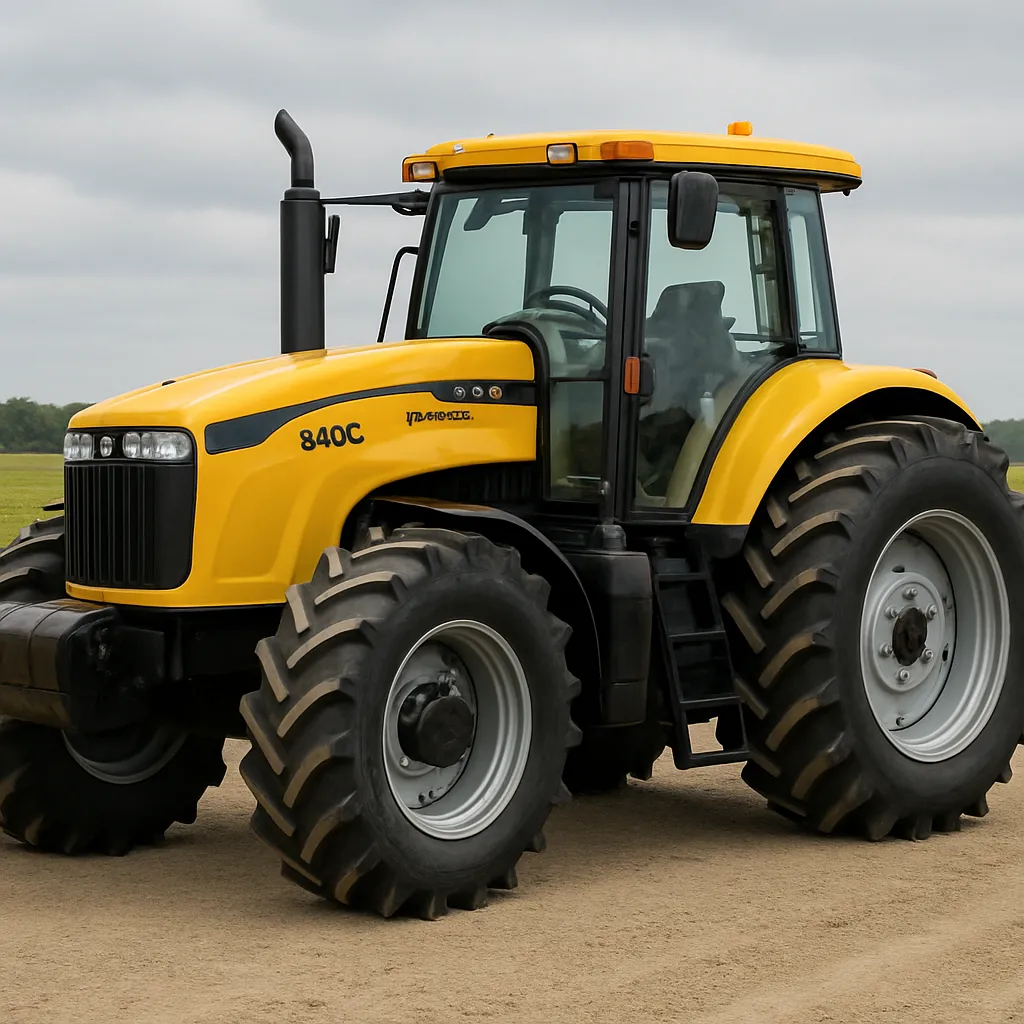
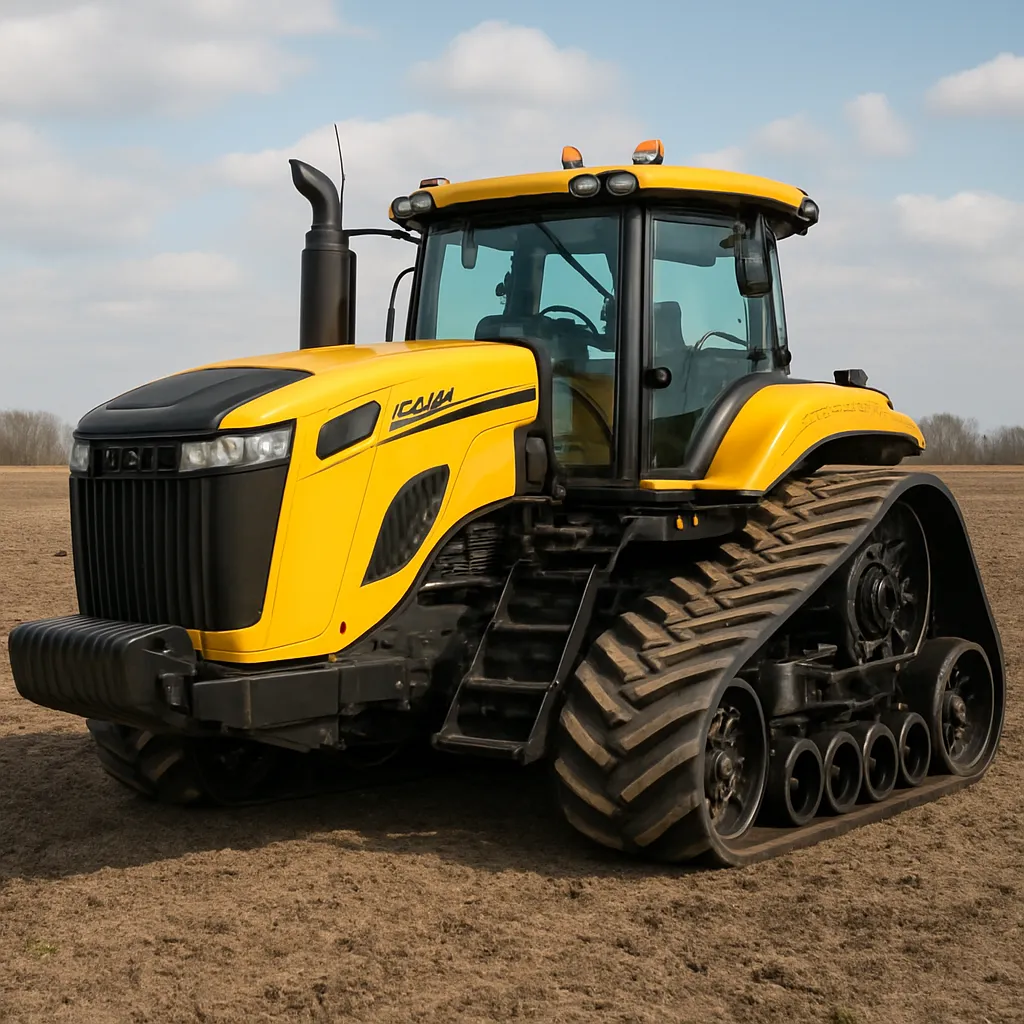
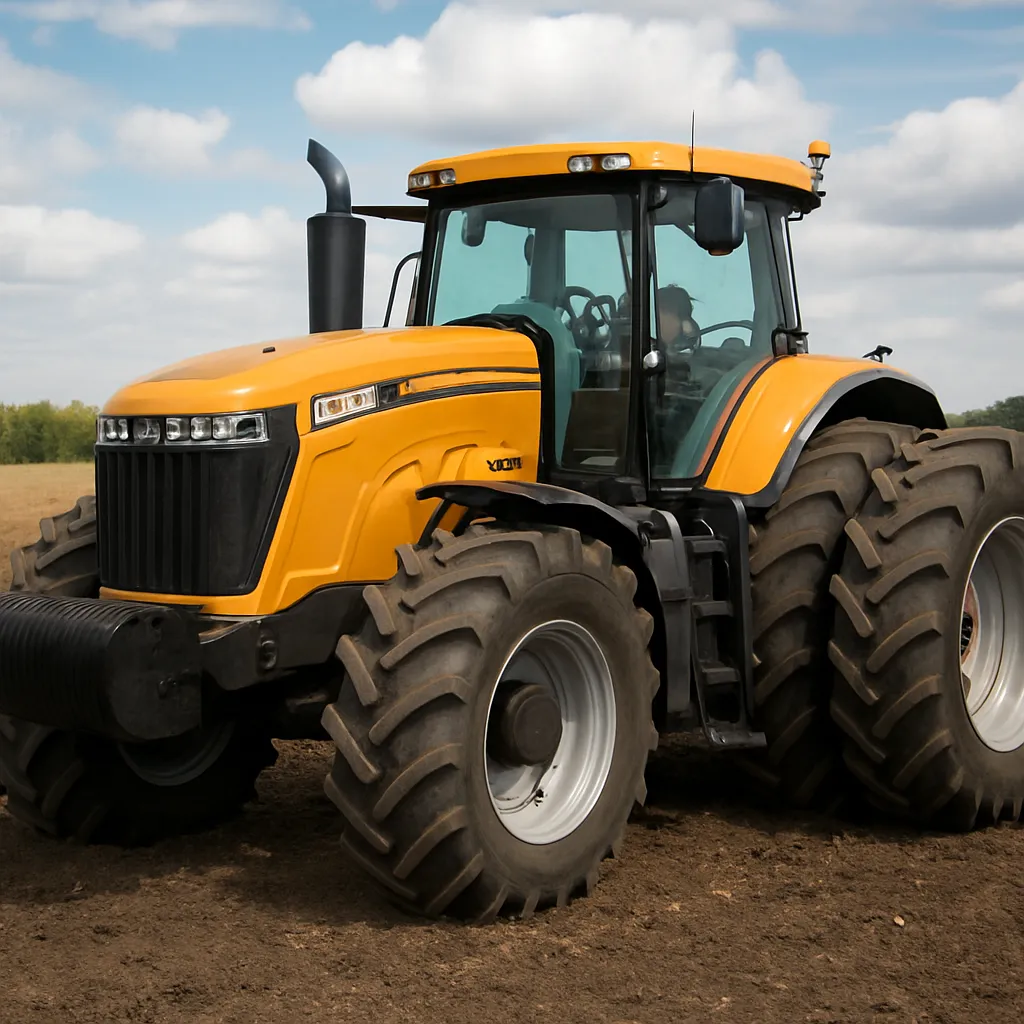
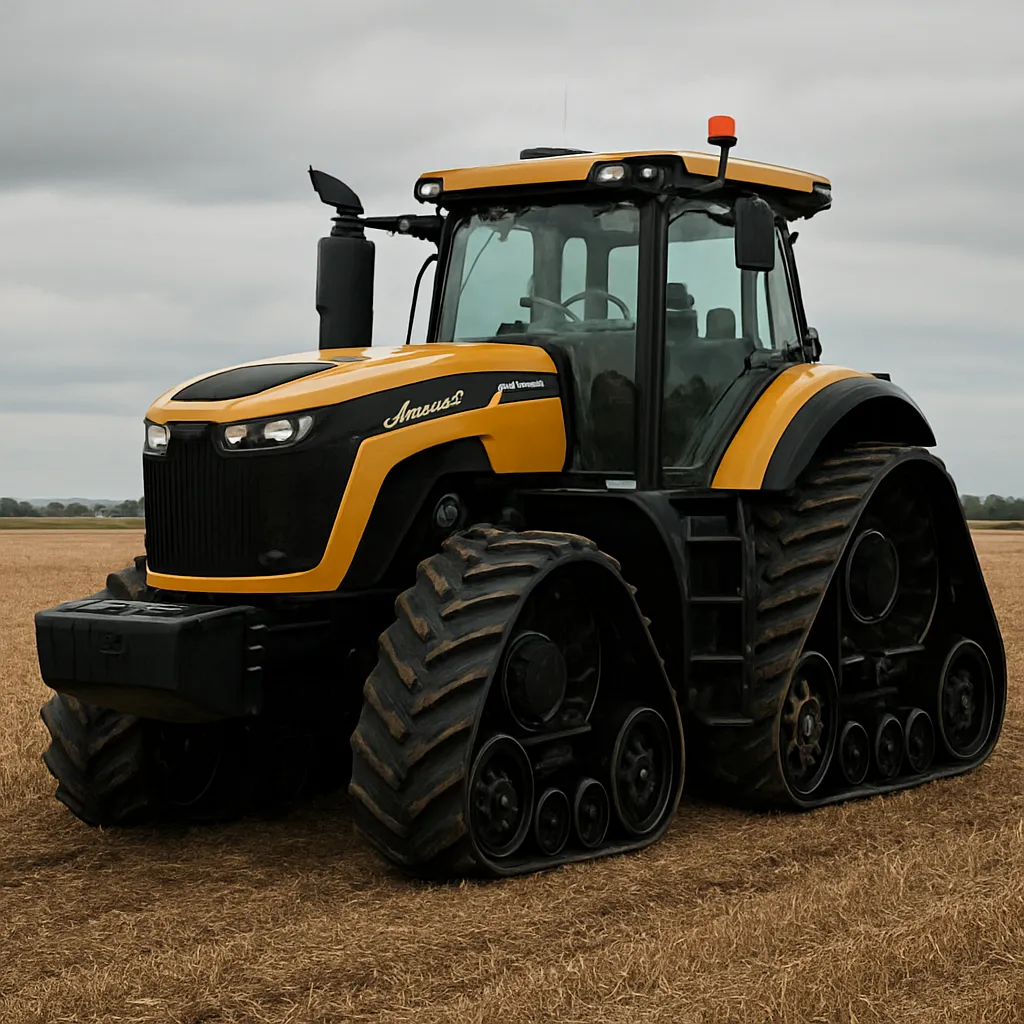
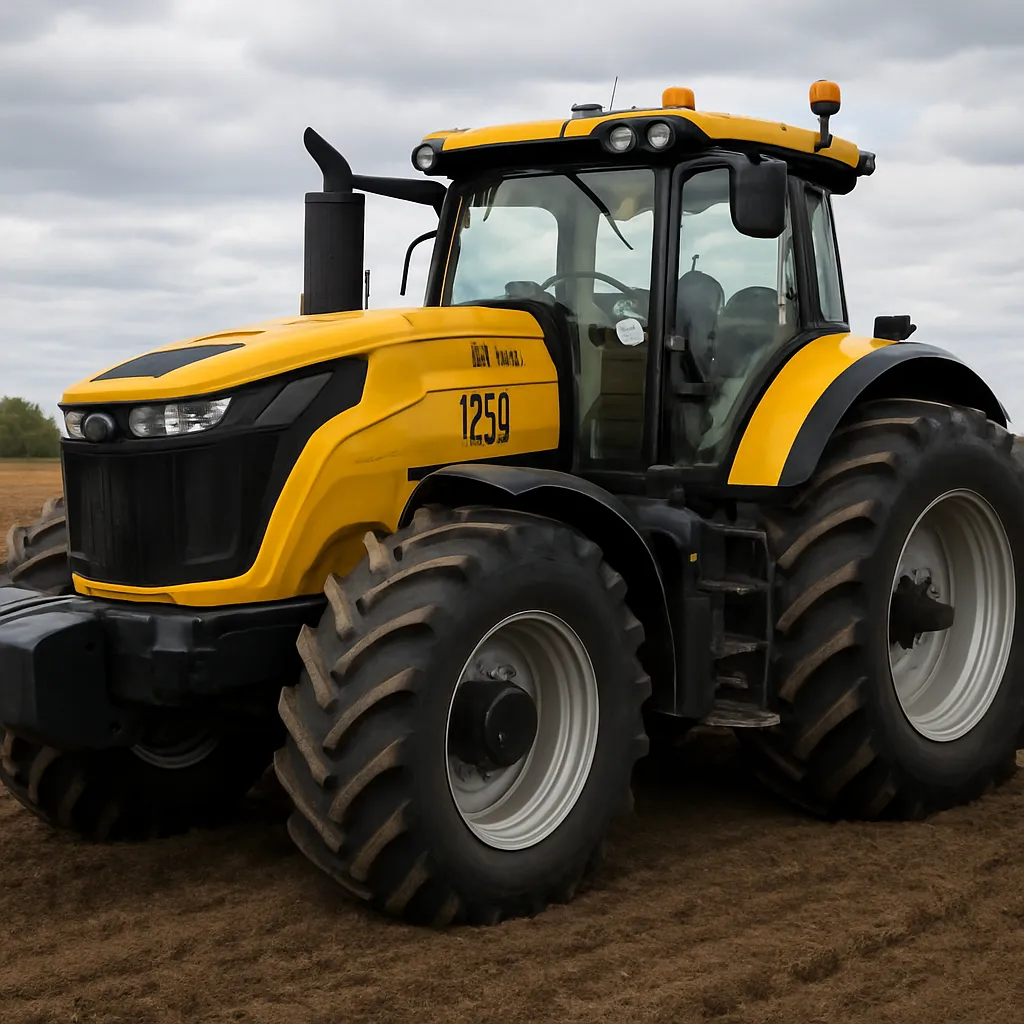
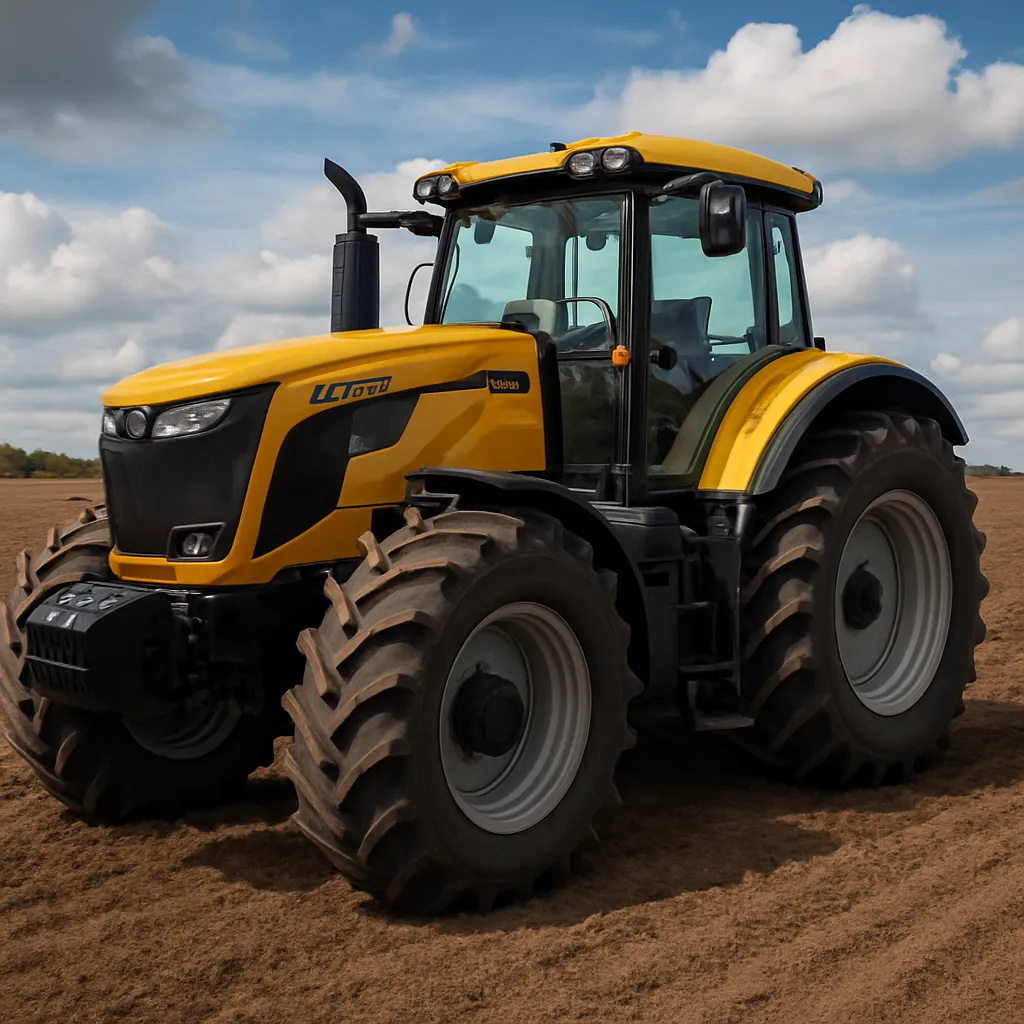
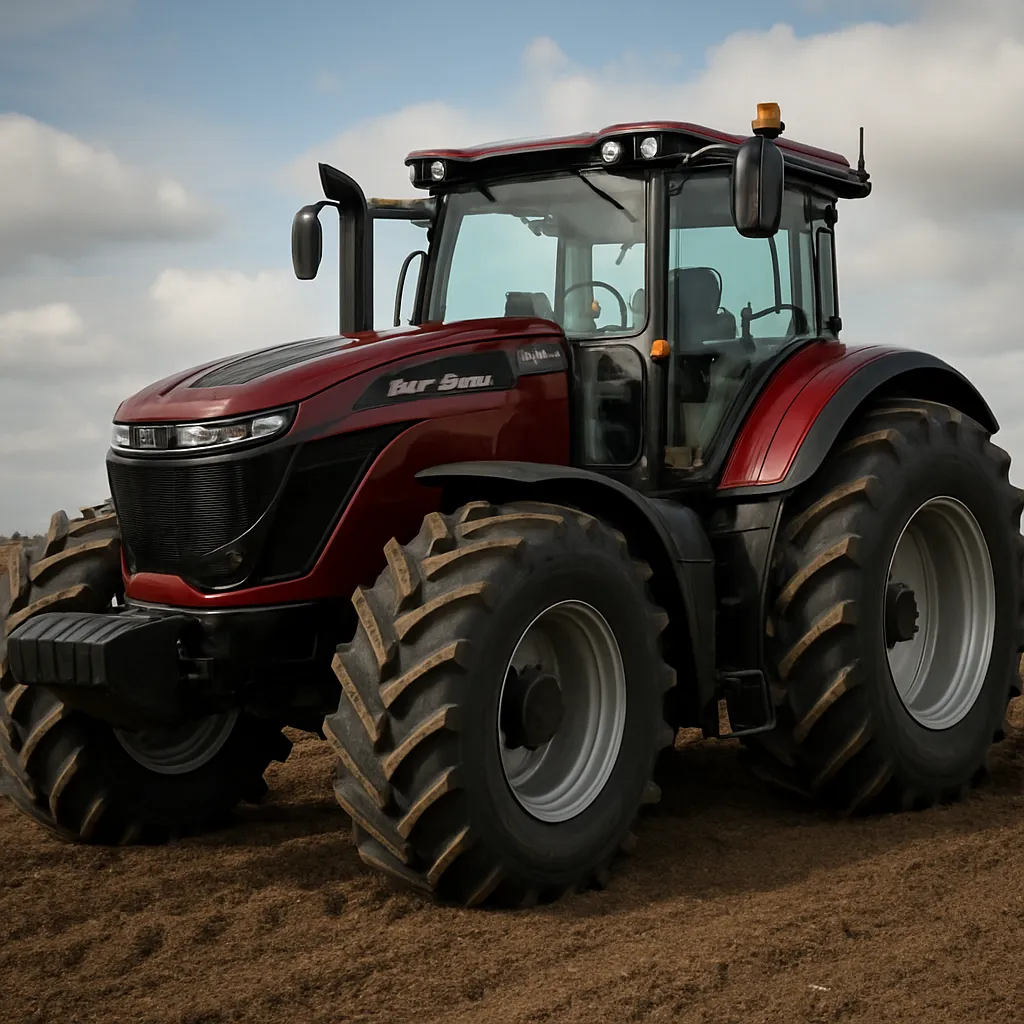
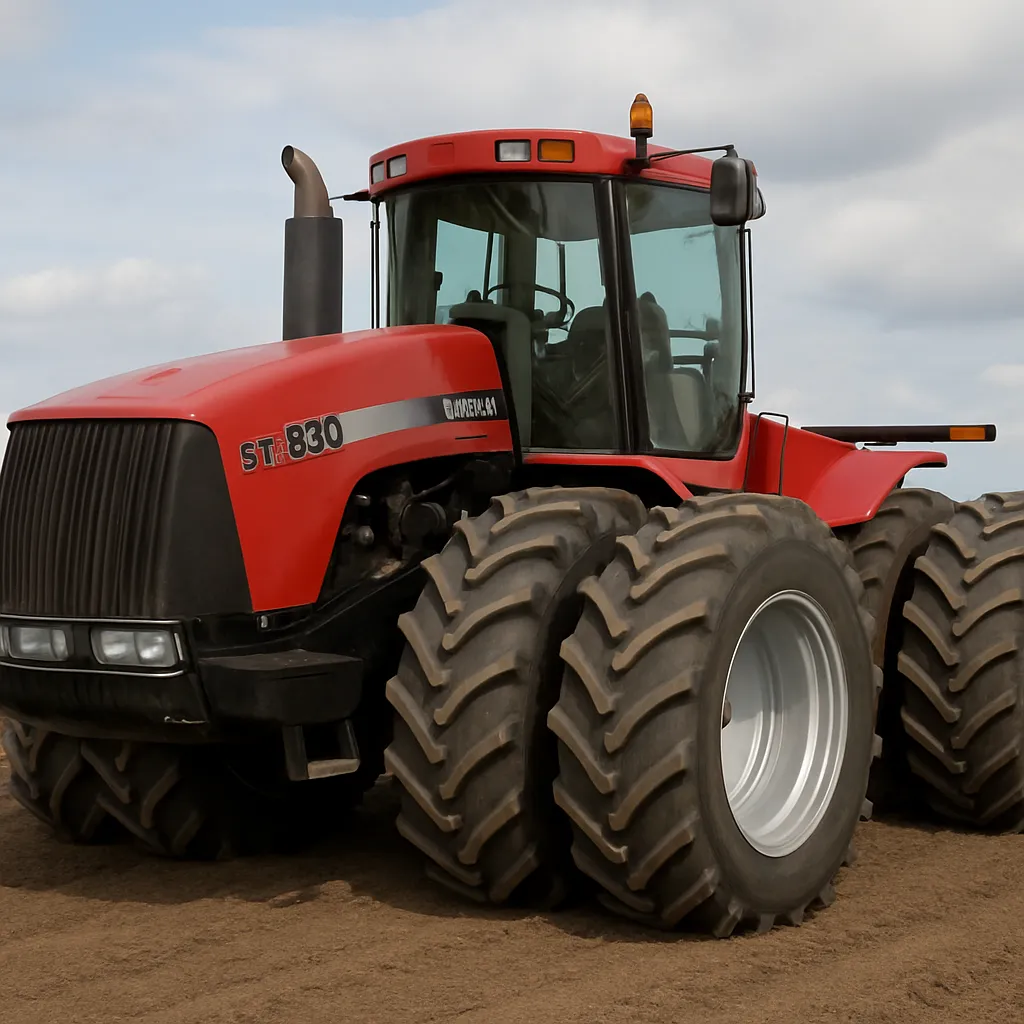
The Deutz-Fahr 7250 Warrior is a premium agricultural tractor that combines robust engineering, modern transmission technology and a focus on operator comfort. Designed for demanding arable and mixed farming tasks, the 7250 Warrior is frequently chosen by contractors and large-scale farmers who need a reliable machine capable of heavy draft work, transport and a wide variety of implement tasks. Below you will find a detailed overview of its design, typical applications, technical highlights, and practical considerations for purchase, operation and maintenance.
Design and engineering philosophy
The Deutz-Fahr 7250 Warrior is built on the manufacturer’s long tradition of blending German engineering with agricultural practicality. The Warrior edition represents a higher-trim variant of the 7 Series line-up with both aesthetic and functional upgrades designed to improve daily usability and resale appeal. From the outset, Deutz-Fahr targeted a balance between high continuous drawbar performance and comfortable long-day operation for the driver.
Key structural and visual features
- Chassis: a reinforced mainframe and durable front axle to withstand heavy field loads and frequent headland turns.
- Cab: a quiet, ergonomically arranged cab with good visibility, optional leather seating and premium trim on Warrior editions.
- Lighting: factory-fit LED work lights and improved front/rear lamp clusters on Warrior packages to extend safe working hours.
- Styling: unique decals, paint finishes and alloy wheel options that distinguish the Warrior from standard models.
The design places emphasis on service access and modular components: radiators, filters and battery packs are located for straightforward maintenance, reducing downtime during peak seasons.
Engine, emissions and transmission
The Deutz-Fahr 7250 Warrior is typically powered by a Deutz diesel engine paired with a continuously variable transmission. The precise specification can vary by year and market, but several stable features characterize the model:
- Engine type: inline six-cylinder Deutz turbocharged diesel (common in the 7 Series).
- Displacement: commonly around 6.0–6.2 liters (model-year dependent).
- Power range: often quoted in the region of approximately 200–260 hp, depending on country-specific tuning and emissions equipment.
- Emission control: SCR after-treatment and particulate control to meet modern emissions standards, providing a balance of power and compliance.
- Transmission: TTV (continuously variable transmission) offering smooth acceleration, optimal fuel use and excellent control when operating PTO-driven implements or during transport.
The TTV system is one of the hallmarks of this tractor class: it allows the operator to set a desired ground speed and the gearbox will automatically find the right engine rpm to maintain productivity and economy. This increases efficiency during tasks like mowing, baling or slurry spreading where constant speed is advantageous.
Hydraulics, PTO and linkage systems
For large implements and multi-function tasks, a tractor’s hydraulic and PTO capabilities are critical. The 7250 Warrior is engineered to cope with demanding hydraulic flows and linkage loads.
Main hydraulic features
- Hydraulic flow: high-flow pump options are usually available (typical ranges 110–170 L/min in this tractor class), which supports multiple remote valves and hydraulic motors for complex implements.
- Remote valves: multiple electronic spool valves with fingertip controls in the cab for convenience and precision.
- Rear linkage: strong lift capacity to handle heavy mounted implements; rated lift figures often reach into the several-ton range (exact values vary by specification).
- PTO: multiple standard PTO speeds (540/1000 rpm and sometimes 540 ECO) to match a wide variety of implements.
These systems are designed for easy hookup, fast implement recognition and reliable operation across seasons. Electronic linkage control and implement presets simplify repetitive tasks and improve consistency in the field.
Operator comfort, controls and technology
One of the standout areas for the Warrior edition is the level of onboard ergonomics and technology. Deutz-Fahr has invested heavily in cab comfort and intuitive controls so that long hours in the tractor are less fatiguing and more productive.
- Cab ergonomics: suspended cab and seat options reduce vibration and shock, increasing operator comfort during long working days.
- Controls: multifunction armrest with integrated joystick(s) for hydraulics and transmission control, and logically grouped switches for ease of use.
- Air conditioning and climate control: powerful HVAC systems keeping the operator comfortable in all weather conditions.
- Telematics and precision farming: compatibility with ISOBUS, GPS guidance systems and fleet telematics packages for remote monitoring, variable-rate control and task documentation.
On Warrior editions, additional features (upgraded infotainment, leather trims, and electronic mirrors) are commonly found, aimed at buyers seeking premium feel and better resale value.
Typical applications and use cases
The Deutz-Fahr 7250 Warrior is a versatile machine suited to many large-scale agricultural tasks. Typical uses include:
- Tillage and soil preparation: pulling heavy ploughs, discs and cultivators across large fields at efficient speeds.
- Seeding and planting: powering large planters and seed drills, where stable PTO/ground-speed management is essential.
- Crop protection: towing and powering self-contained sprayer units and booms.
- Forage and hay operations: mowing, raking, tedding, baling and loading — the TTV transmission and high hydraulic flow support consistent performance.
- Transport and hauling: rapid road speeds and powerful torque for moving heavy trailers between fields and markets.
- Contracting: favored by contractors who require a durable, multi-purpose tractor capable of handling varied implements and demanding schedules.
Because of its power and hydraulic capability, the 7250 Warrior also frequently appears in mixed-use environments, performing seasonal tasks such as snow clearance or municipal services when fitted with appropriate front loaders and attachments.
Fuel economy, operating costs and maintenance
Operating costs are a primary concern for owners. The 7250 Warrior is engineered to be efficient for tractors in its class, but fuel consumption and maintenance expenses will depend on duty cycle, implement load and driving patterns.
Fuel and efficiency
- Fuel economy: TTV transmissions and modern engine management tend to deliver competitive fuel use for the output; in fieldwork scenarios, operators often see fuel consumption that is optimized by maintaining consistent engine load.
- AdBlue and emissions systems: additional fluids and after-treatment components are part of modern emissions compliance, requiring periodic replenishment and filter servicing.
Maintenance and serviceability
- Easy filter access and grouped service points minimize downtime for daily checks.
- Scheduled service intervals follow manufacturer recommendations for oil, hydraulic fluids and air filters — adherence prolongs tractor life and maintains resale value.
- Aftermarket and dealer networks: Deutz-Fahr has an established dealer presence in many markets, easing parts availability and warranty servicing.
Overall lifecycle costs should be assessed against productivity gains; the higher initial price of a Warrior-trim model is often offset by improved operator efficiency and higher resale value.
Performance statistics and typical specifications
Exact specifications for the Deutz-Fahr 7250 Warrior can vary by market and model year. Below are representative figures commonly associated with similar 7 Series machines and Warrior editions; treat them as typical ranges rather than absolute guarantees.
- Engine displacement: around 6.0–6.2 liters.
- Horsepower (max): approximately 200–260 hp depending on tuning and year.
- Maximum torque: can reach values in the high hundreds of Nm (often cited up to ~1000 Nm in some configurations).
- Transmission: TTV (continuously variable), smooth speed control up to road speeds typically around 40–50 km/h, depending on gearing and local regulations.
- Hydraulic capacity: typical high-flow options in the 110–170 L/min range.
- Rear linkage lift capacity: commonly several tonnes — often configured to provide 7,000–10,000+ kg depending on specification.
- PTO: 540/1000 rpm standard, with economy PTO options on some models.
- Fuel tank: medium-to-large capacity to support long working days (exact liters vary with tanker and market).
- Weight: unladen mass typically in the multiple-ton range, balancing traction needs and soil compaction considerations.
Because manufacturers periodically update engines, control software and option packages to meet changing regulations and customer needs, consult a local dealer for the most precise and up-to-date specification sheet.
Market positioning, resale and comparisons
The 7250 Warrior sits in the premium segment of medium-to-high horsepower tractors. Its intended buyer is one who values a combination of reliability, operator comfort and modern control systems. Key selling points for the model include the TTV gearbox, robust hydraulics and the enhanced trim and features of the Warrior package.
Comparisons with competitors
In its class, the 7250 Warrior competes with similarly powered models from manufacturers such as John Deere, New Holland, CLAAS and FENDT. Differences often come down to:
- Transmission feel and control strategy (TTV in Deutz-Fahr vs. different CVT designs elsewhere).
- Cab ergonomics and visibility.
- After-sales support and dealer network in the buyer’s region.
- Optional precision farming and telematics features.
Resale values for Warrior editions tend to be slightly higher than base models, because well-equipped machines command more interest in the used market. Well-documented service history, low hours and inclusion of precision farming packages can further improve resale outcomes.
Practical buying considerations
If you’re evaluating a Deutz-Fahr 7250 Warrior for purchase, consider the following practical points:
- Match the tractor’s power and hydraulic capability to the heaviest implements you plan to use.
- Confirm fuel tank capacity and recommended service intervals to align with your operational rhythm.
- Ask about available precision farming features (ISOBUS compatibility, RTK GPS readiness and telematics) if future automation is important.
- Inspect cab condition, suspension options and Comfort Pack features — these affect operator productivity and comfort.
- Review warranty terms and local dealer support for parts and diagnostics.
Test drives under load, if possible, give the most realistic sense of transmission behaviour, noise levels and implement handling dynamics.
Environmental and safety considerations
Modern versions of the 7250 Warrior by Deutz-Fahr are built to meet strict emissions standards, incorporating SCR and particulate filtration. These systems improve air quality and ensure compliance with regional regulations, though they may require additional fluids (e.g., AdBlue) and occasional service attention.
- Safety systems: roll-over protection and strong cab structure, clear external lighting and mirror setups for safe road transport.
- Operator aids: cameras and sensors to assist with hitching and rear implement visibility on some packages.
Operators should follow manufacturer guidance for weight distribution, tyre selection and ballasting to reduce soil compaction and maintain traction while minimizing environmental impact.
Conclusion
The Deutz-Fahr 7250 Warrior is a robust, feature-rich tractor aimed at farmers and contractors who need a dependable, high-capacity machine that reduces operator fatigue while delivering strong performance across a wide range of tasks. Its combination of continuous variable transmission, powerful engine characteristics, and premium cab and finishing touches in the Warrior trim make it a compelling choice in the medium-to-high horsepower sector. For precise technical figures and the best configuration for your needs, contact a local dealer and request model-year specific documentation, because exact specifications and options differ by market and production year.