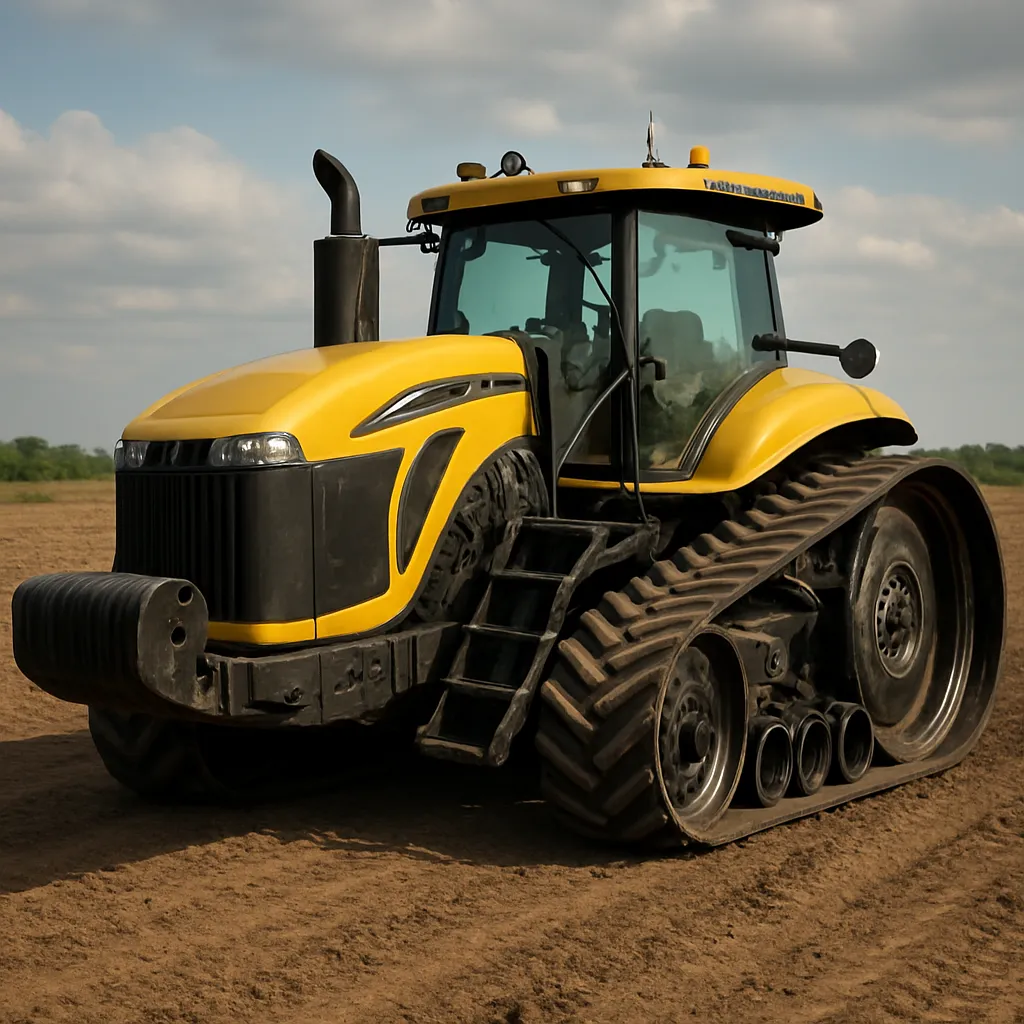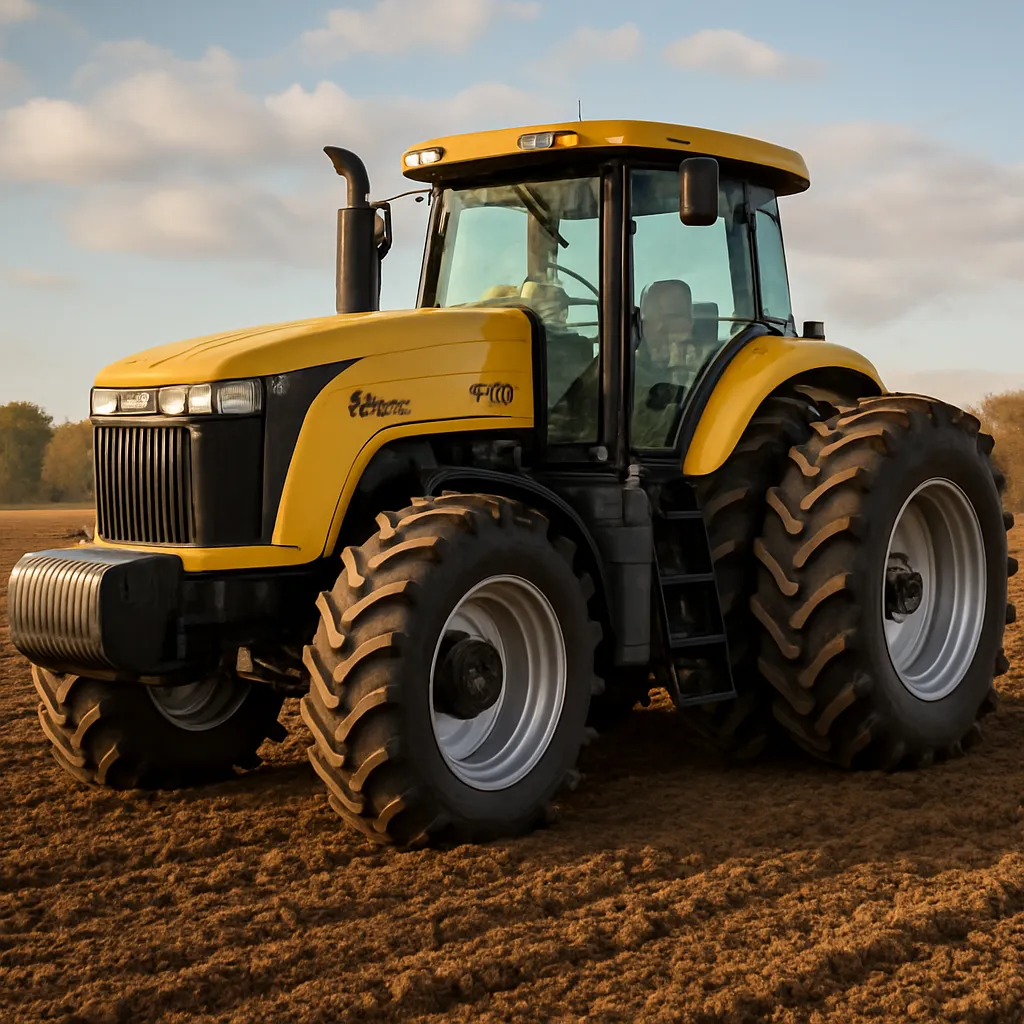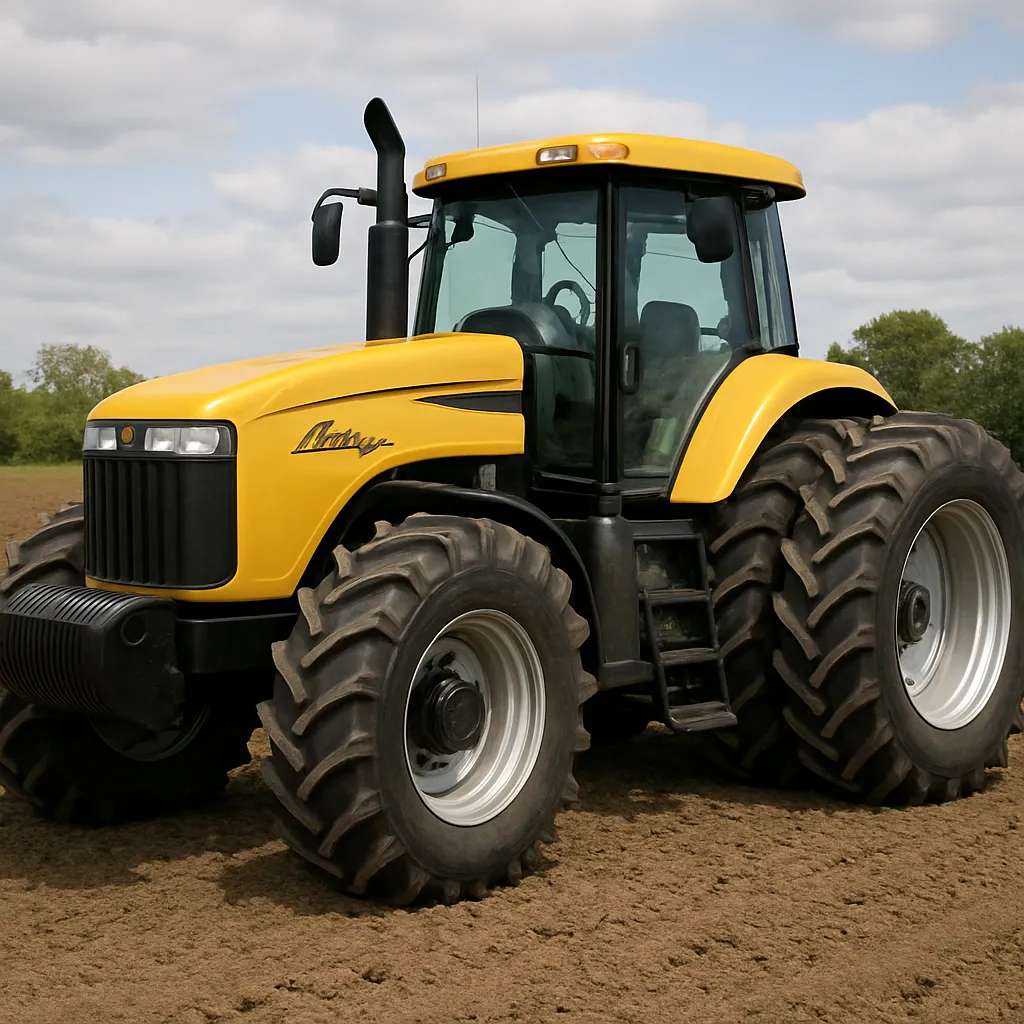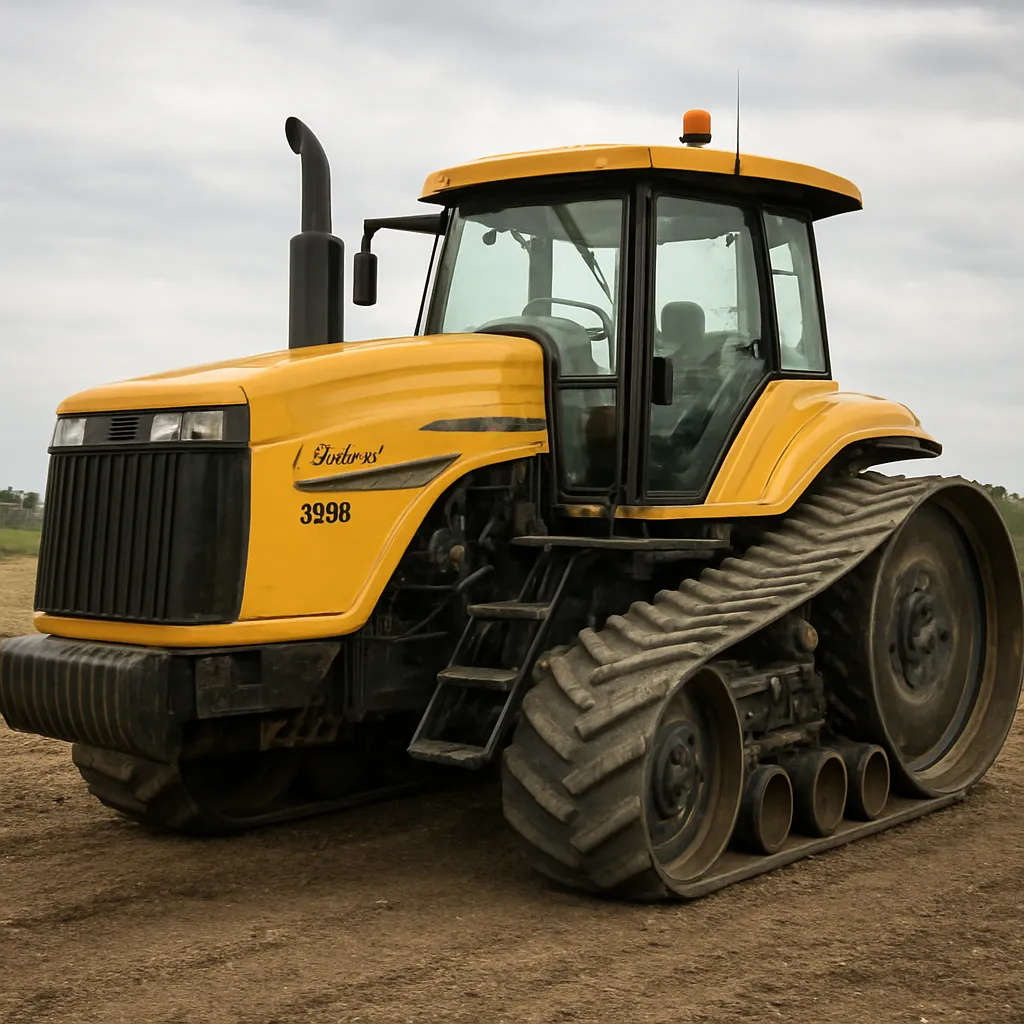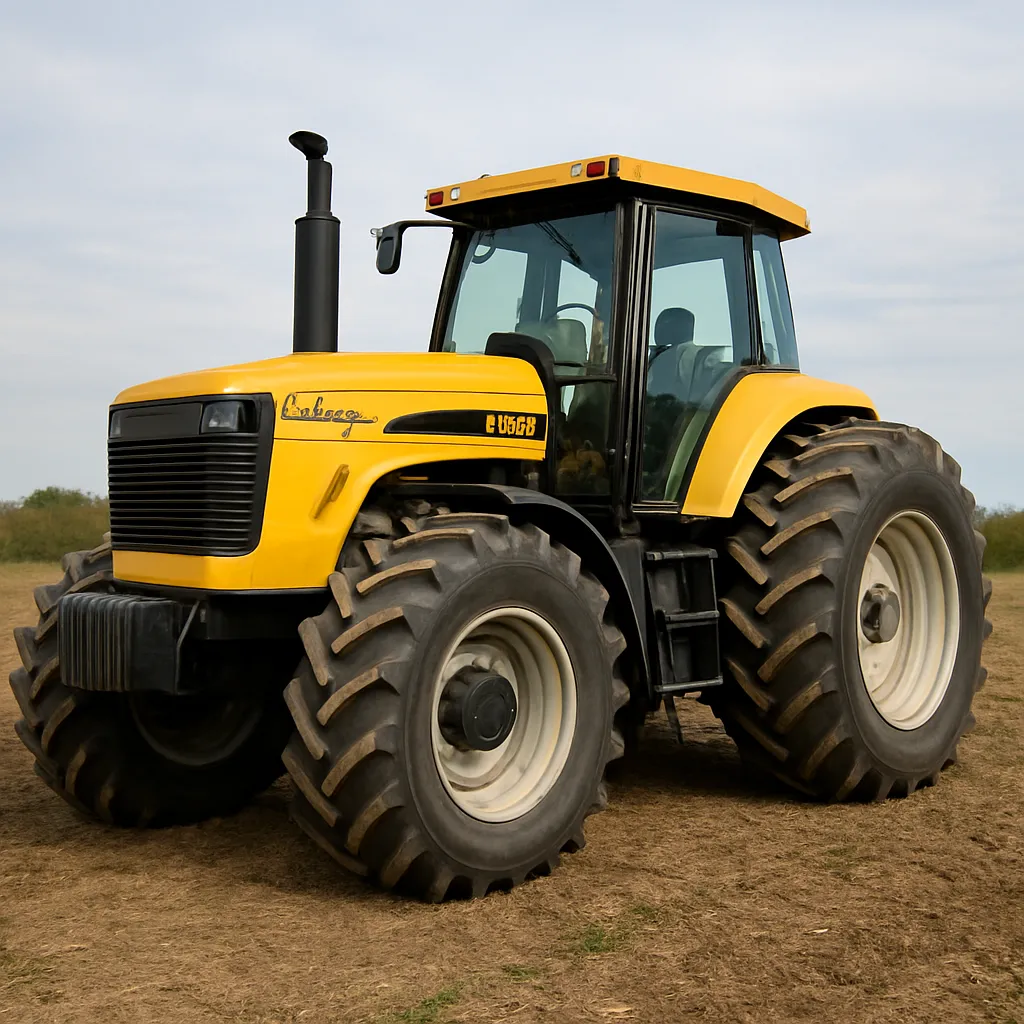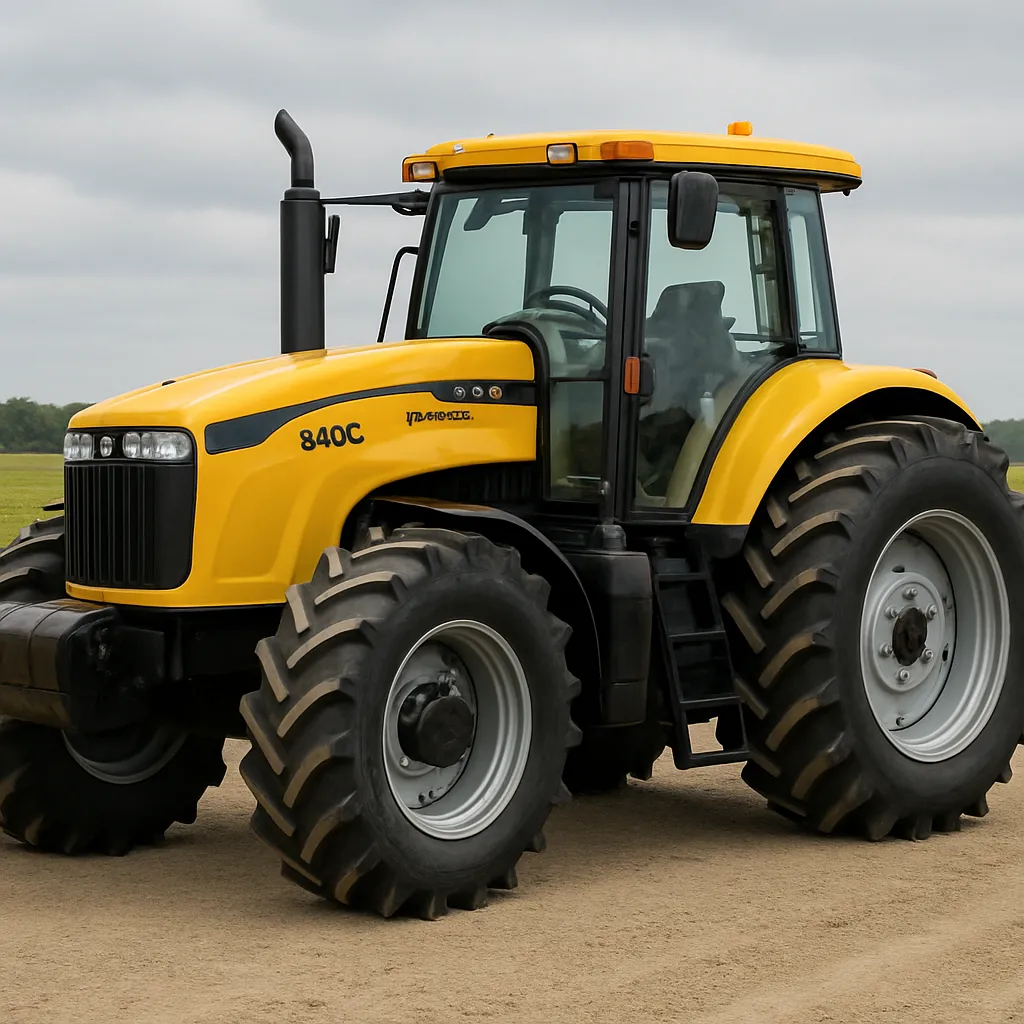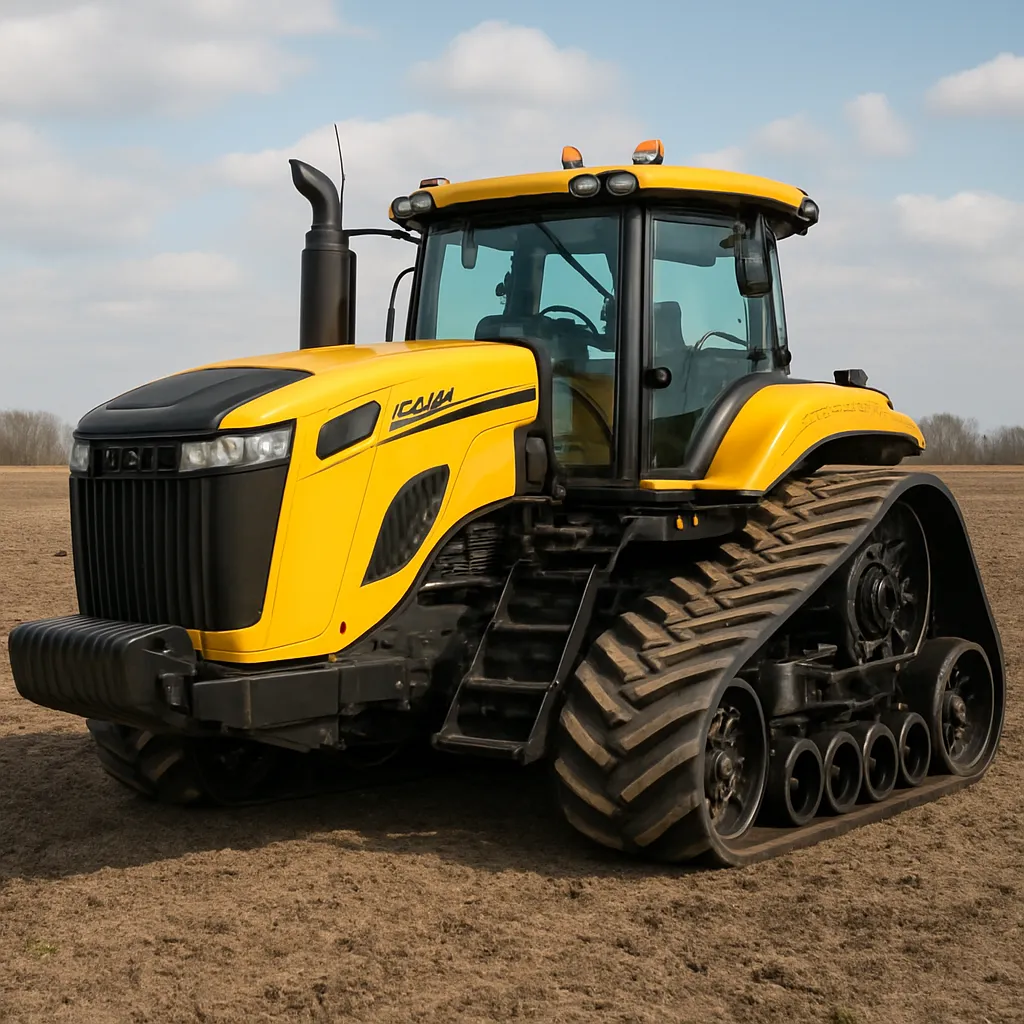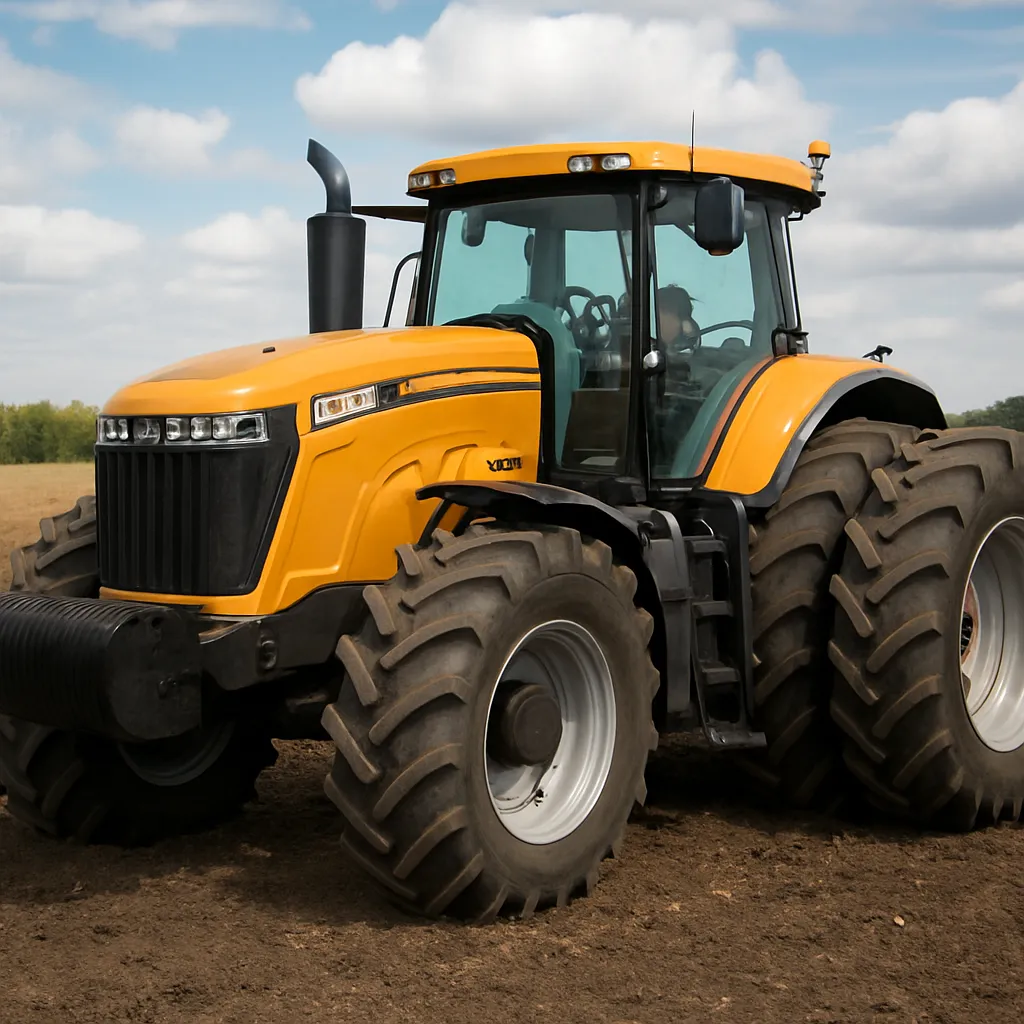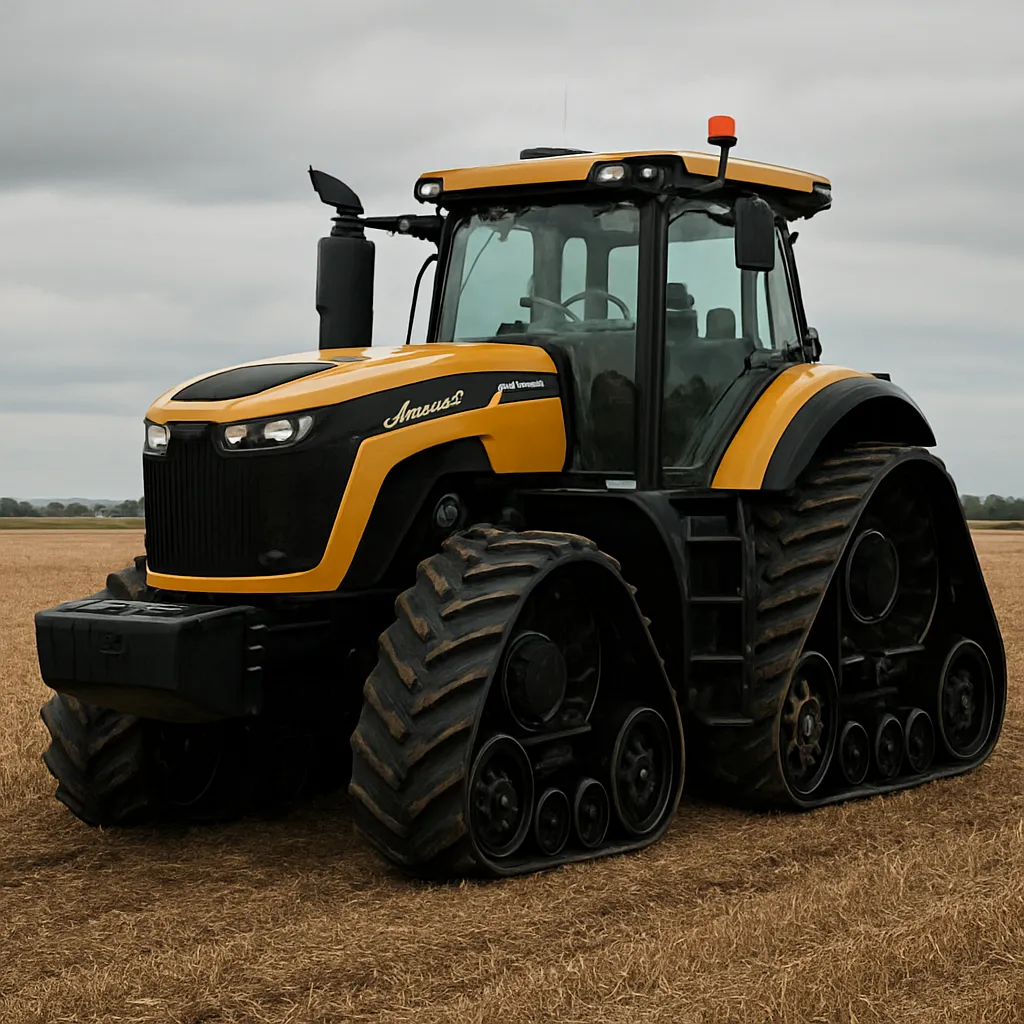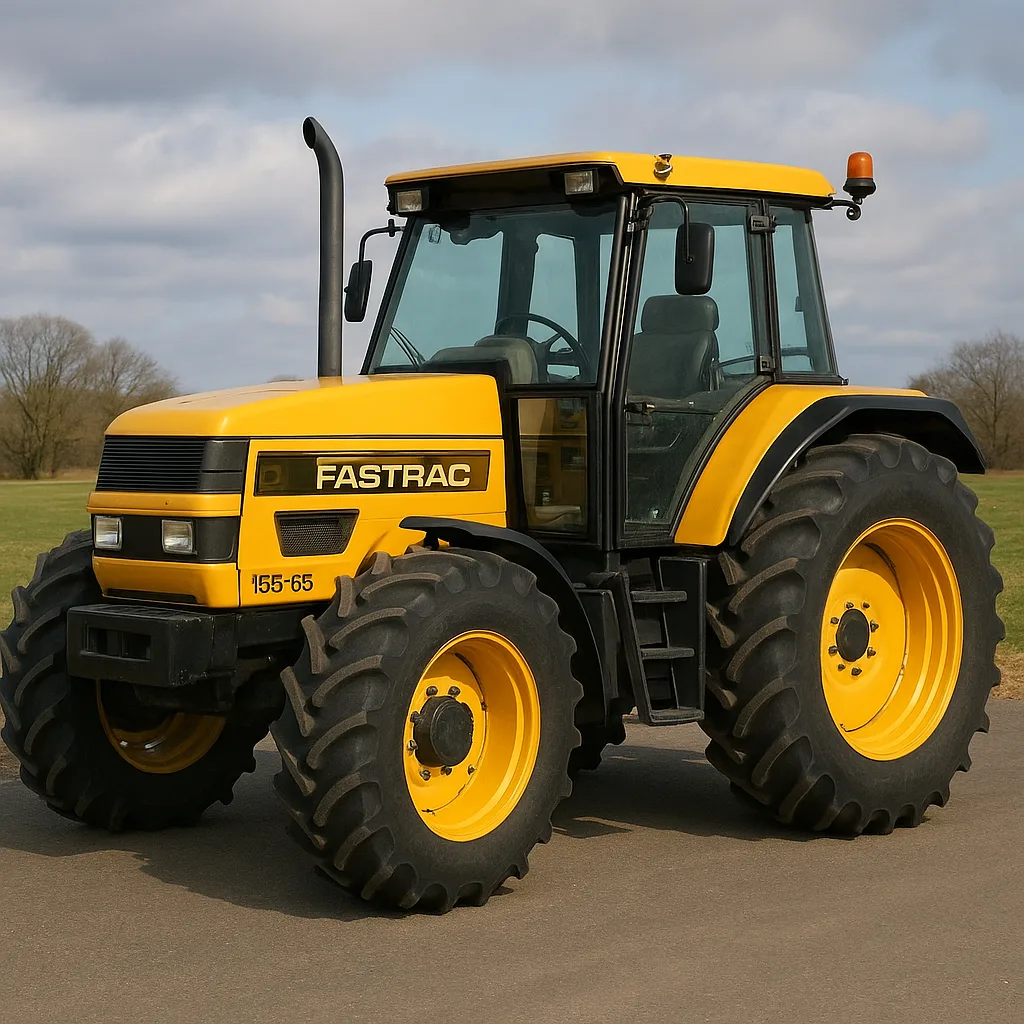
The JCB Fastrac 155-65 is a member of the Fastrac family: tractors designed to combine high-speed road travel with robust field performance. Known for blending agricultural capability with transport efficiency, this model is frequently chosen by contractors, mixed farmers and businesses that require fast, comfortable transit between job sites without sacrificing power. In the sections that follow, you will find an overview of its defining features, typical applications, operational advantages, maintenance considerations and market context.
Overview and key characteristics
The JCB Fastrac 155-65 is identified by two numbers in its name: the first referring to its nominal engine output (around 155 horsepower) and the second to its top road speed (approximately 65 km/h). That combination makes the 155-65 a mid-range Fastrac that balances power and mobility. The model sits in a class of machines designed for operators who value both field productivity and rapid transport between locations.
Design philosophy
Fastrac tractors were conceived to address a particular need: long-distance road travel with implements attached or trailers in tow, without the limitations of low-speed agricultural tractors. JCB achieved this through a dedicated chassis, advanced suspension systems and transmissions that allow sustained high-speed driving. The 155-65 inherits these elements, emphasizing stability and comfort at speed as well as dependable traction in the field.
Distinctive features
- High road speed: The 65 km/h capability reduces transit times and increases operational flexibility.
- Independent suspension: Many Fastrac variants feature advanced suspension on front and rear axles, smoothing ride quality and improving traction.
- Full-time four-wheel drive: Ensures traction for demanding field tasks and towing on mixed surfaces.
- PTO and linkage versatility: Rear and optional mid-mounted PTOs and robust linkage systems enable use of a wide range of implements.
- Operator comfort: Spacious cab, ergonomic controls and good visibility aimed at reducing fatigue on long transits.
Technical aspects and performance
While precise factory specifications vary with build year and optional packages, the 155-65 can be characterized by a set of technical attributes that support its dual-role performance.
Powertrain and transmission
The “155” suggests a rated output close to 155 hp (ISO). The engine is typically a modern turbocharged diesel with torque tuned for both road pulling and draft work. Transmissions in Fastrac tractors have historically ranged from powershift units to multi-range gearboxes and, in later models, more sophisticated electro-hydraulic controls that make gear selection smooth and efficient. The ability to cruise at 65 km/h without overstressing the drivetrain is a hallmark of the model.
Suspension and handling
A major differentiator for Fastrac machines is the suspension. The 155-65 benefits from chassis and cab mounting systems that absorb road shock and provide precise steering at speed. This translates into safer, faster movements between fields and lower wear on implements and trailers during transport. The tractor’s suspension also improves traction on uneven surfaces, meaning less slippage and better fuel economy under many working conditions.
PTO, hydraulics and linkage
Standard agricultural functionality includes rear PTO (commonly 540/1000 rpm options depending on configuration) and powerful hydraulic systems that support modern implements. Flow rates and remote valve counts may vary by specification, but the 155-65 is typically offered with hydraulics sufficient to run seeders, sprayers, balers and other mid-to-large implements, enabling high productivity in mixed-farming roles.
Dimensions, weight and capacities
Exact dimensions depend on tyre choice, axles and optional equipment. Operating weight for tractors in this horsepower class usually falls in the several-ton range, balancing ground pressure and stability. Fuel capacity on Fastracs is designed to support long working days, and tanks are sized accordingly to reduce downtime for refuelling during combined road-and-field operations.
Primary applications and use cases
The Fastrac 155-65 is versatile by design. Its strengths make it well-suited to a variety of roles across agriculture, contracting and specialized transport.
Arable and mixed farming
On arable farms the 155-65 can pull cultivators, seed drills, and large trailers while also serving in roles such as manure spreading and cultivation. The high travel speed is an advantage during busy seasons where moving between fields is frequent. Its hydraulic and PTO options support implements used in crop establishment and protection, making it a flexible choice for mixed holdings.
Transport and contracting
Contractors benefit from the model’s ability to haul implements and trailers on public roads at near-highway speeds. This reduces the need for additional transporters and increases billable hours. The tractor can tow heavy loads between sites quickly, improving logistics for tasks like baling, harvesting support or seasonal operations.
Livestock and fodder operations
For livestock farmers, the 155-65 is useful for silage transport, feed distribution and general yard work. Its combination of power and speed means it can shuttle loads across multi-field premises or between farm and feedlot efficiently.
Specialist roles
Specialist applications include highway verge mowing, municipal tasks, and niche agricultural services where a fast, comfortable platform that can both travel and work is valuable. In these roles, the tractor’s maneuverability and cab comfort are particularly appreciated by operators who spend long hours on the road.
Operator experience, ergonomics and safety
Comfort and safety are key selling points for the Fastrac range. The 155-65 focuses on reducing operator fatigue and increasing situational awareness.
Cab design
The cab typically offers exceptional visibility, user-friendly control layout, and adjustable seating to support long working days. Sound insulation and climate control systems help create a productive environment, and the ergonomic arrangement of levers and electronic controls minimizes strain during repetitive tasks.
Safety features
Standard and optional safety features include robust braking systems suited for high-speed travel, stability aids, and lighting packages for extended working hours. The design meets road-legal standards in many territories, which simplifies compliance when operating on public highways.
Maintenance, operating costs and reliability
Maintenance regimes for the 155-65 follow common best practices for medium-power tractors but with attention to systems unique to Fastrac designs: suspension, road-speed-rated drivetrains and cab systems.
Service intervals and care
Regular checks of engine oil, transmission and hydraulic fluids, as well as filters, are essential. The high-speed capability demands careful attention to wheel bearings, brakes and tyre condition. Following manufacturer service intervals and using quality lubricants and filters prolongs component life and preserves resale value.
Fuel consumption and economics
Fuel consumption depends on workload, speed profile, and attachments. In field tasks the tractor’s torque characteristics and efficient transmission can help optimize fuel use; on the road, cruising at higher speeds uses more fuel but saves time and reduces non-productive hours. For many businesses the operational savings from reduced transit times offset the slightly higher fuel consumption at speed.
Reliability and aftermarket support
JCB’s global dealer network and parts availability support downtime reduction. The Fastrac family is generally regarded as robust when properly serviced; nonetheless, the complexity of systems such as advanced suspension and electronic controls means that access to qualified service engineers is an advantage for maintaining long-term reliability.
Comparisons, strengths and limitations
Understanding where the 155-65 excels and where it may be less suitable helps prospective buyers decide if it matches their operational needs.
Strengths
- Speed and transport efficiency: Unique among many tractors in its class for sustained high-speed travel.
- Comfort: Cabin and suspension reduce operator fatigue on long transits.
- Versatility: Effective for a broad set of agricultural and contracting tasks.
- Stability: Designed to remain stable with implements attached at speed.
Limitations
- Higher initial cost compared with basic utility tractors focused solely on field work.
- Complex systems that may require specialized maintenance compared to simpler tractors.
- For purely heavy-duty field work where maximum drawbar power or specialist high-horsepower tractors are required, a larger or dedicated agrarian machine may be more cost-effective.
Market context and resale considerations
The Fastrac 155-65 appeals to a niche market where road speed and multi-site operations are priorities. Resale values tend to reflect the tractor’s versatility—machines maintained through scheduled servicing and with documented road and field usage typically retain value well. Optional features, such as advanced hydraulics, front linkage, or premium tyre packages, can influence resale desirability.
Who should consider the 155-65?
Ideal buyers include mixed farmers, contractors, large estates, and businesses that operate across dispersed locations. Operators who spend significant time moving between sites or require a single machine that can both transport and perform in the field will find the most value.
Environmental considerations and innovations
Modern Fastrac models have been developed with emissions standards and fuel efficiency in mind. Engines meet applicable emission regulations for their build years, and many operators benefit from technologies that optimize power delivery and reduce unnecessary fuel consumption. Innovations in transmission and electronic control systems further help manage emissions per unit of work.
Future trends
The agricultural machinery sector is moving toward electrification, hybridization and increased automation. While the 155-65 is a conventional diesel tractor, its platform could be adapted in future generations to accommodate alternative powertrains or advanced precision-agriculture systems, improving both environmental performance and operational efficiency.
Conclusion
The JCB Fastrac 155-65 is a purpose-built solution for operators who demand both field capability and road mobility. With approximately 155 hp of power and a top speed near 65 km/h, it bridges the gap between traditional tractors and dedicated transport vehicles. Its strengths—speed, comfort, stability and versatility—make it suitable for mixed farming, contracting, and any operation that values rapid, efficient movement alongside dependable agricultural performance. Prospective owners should weigh the higher initial cost and maintenance complexity against productivity gains from reduced transit times and improved operator experience.