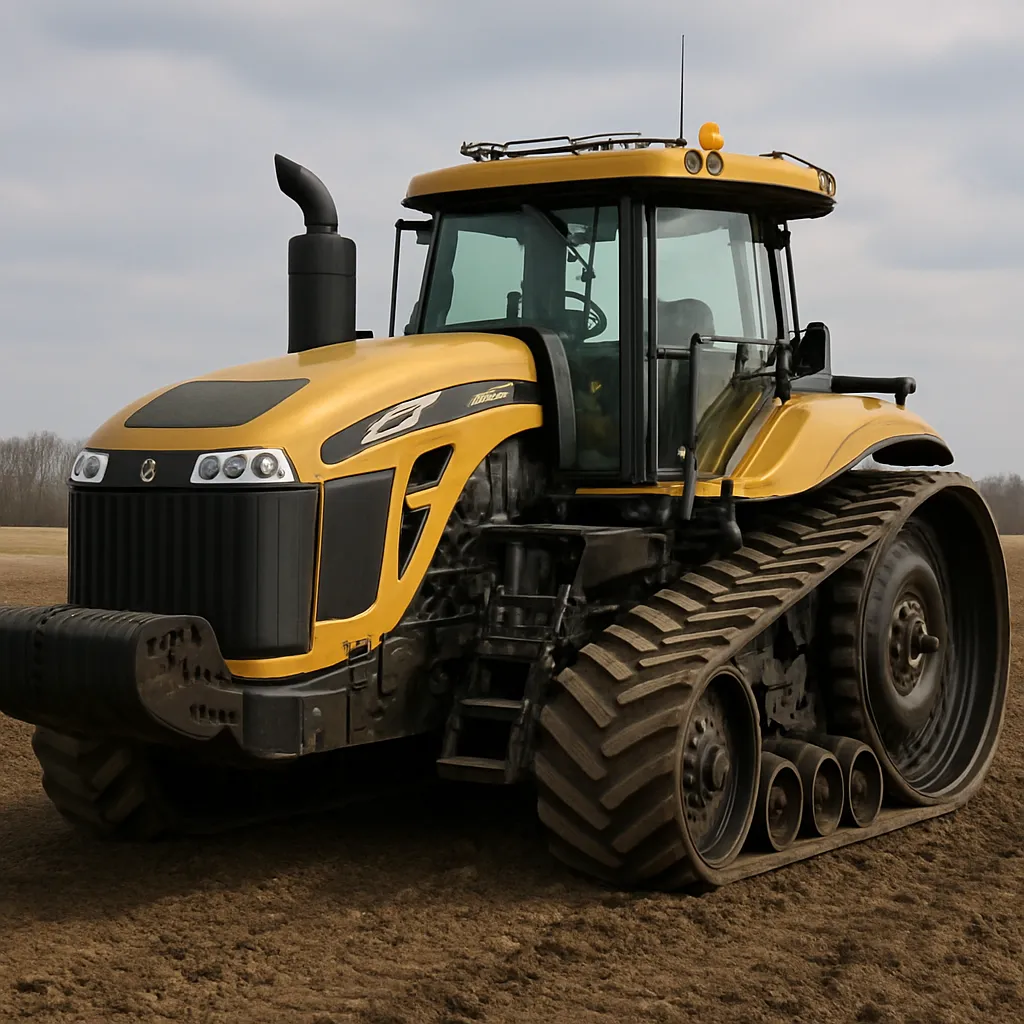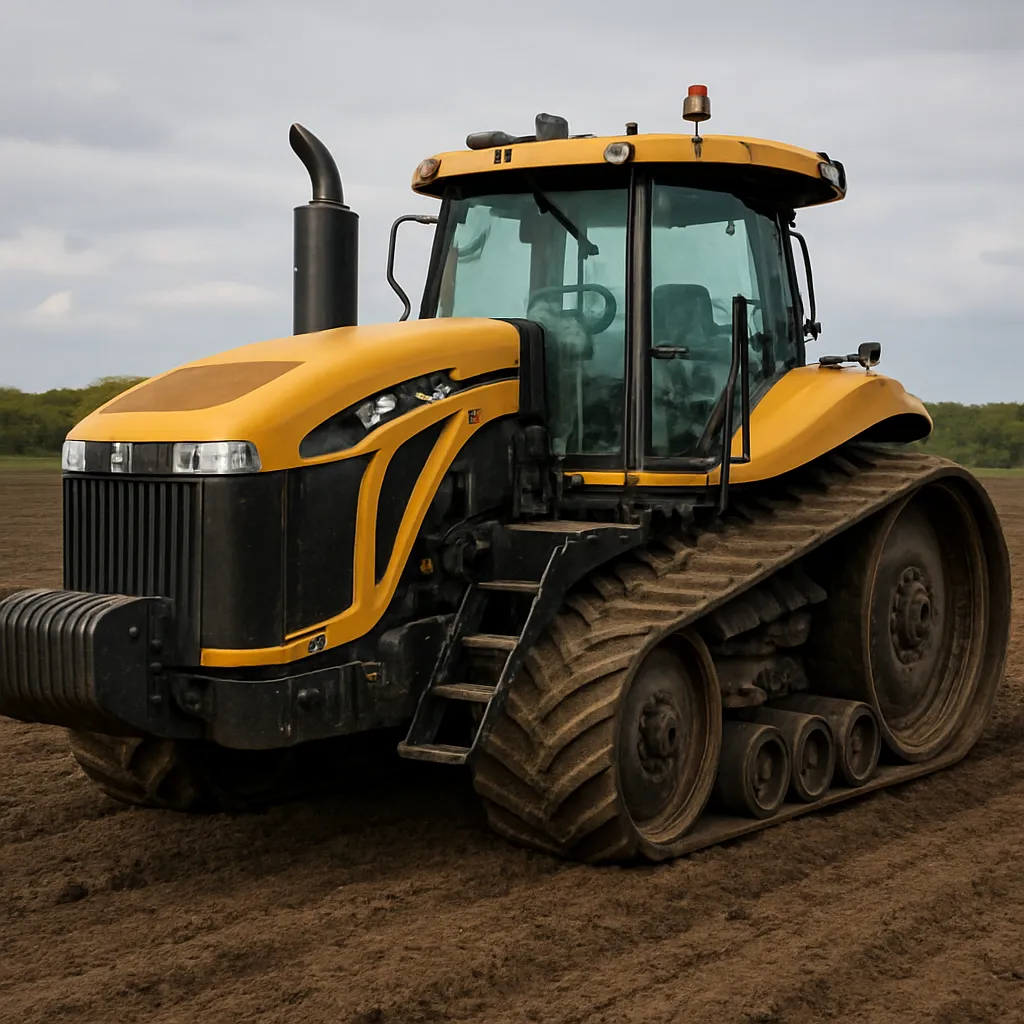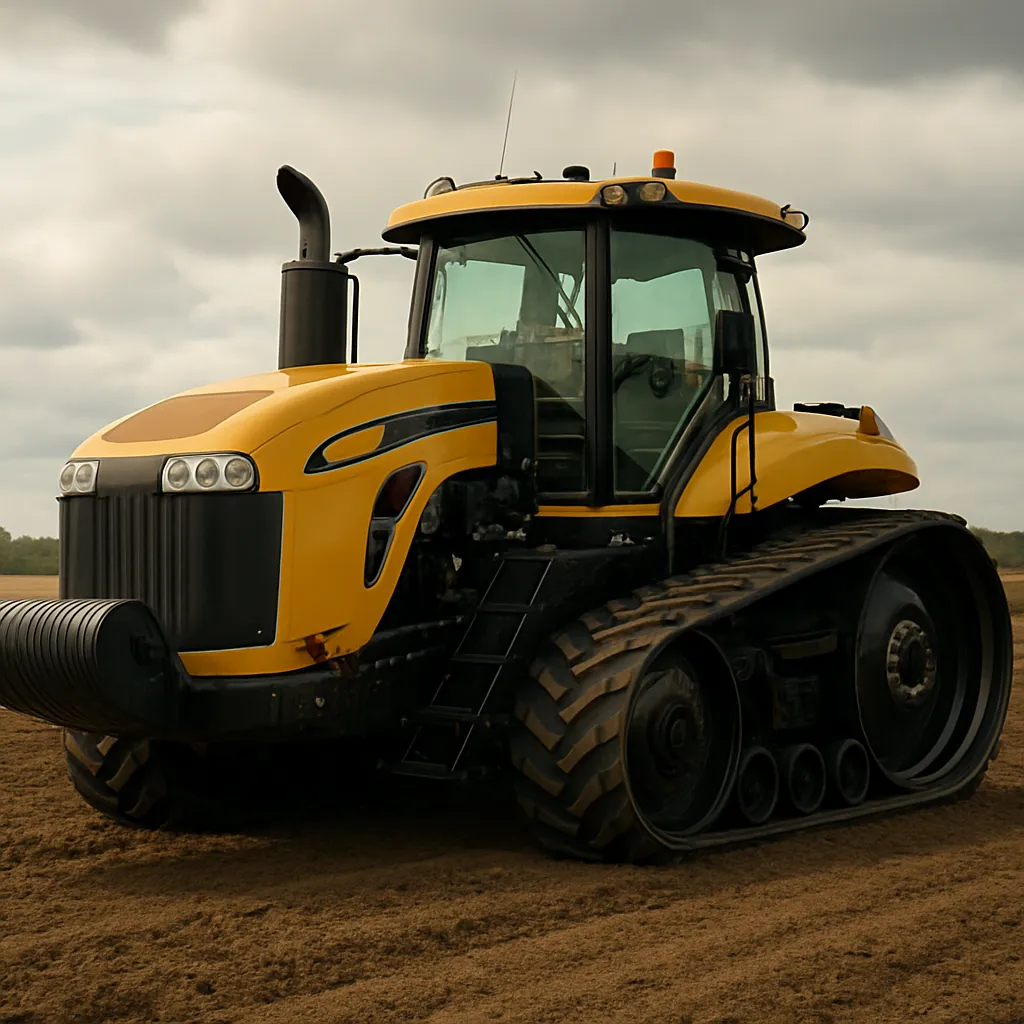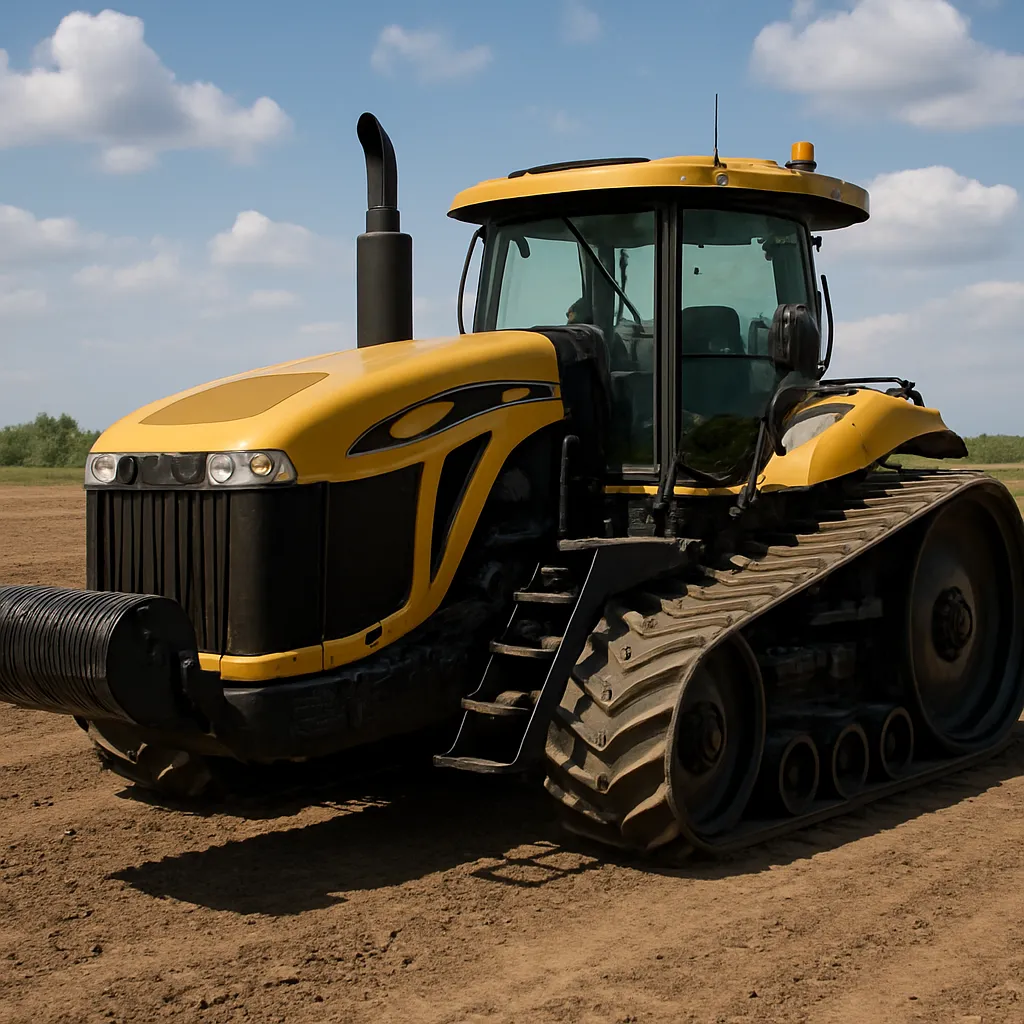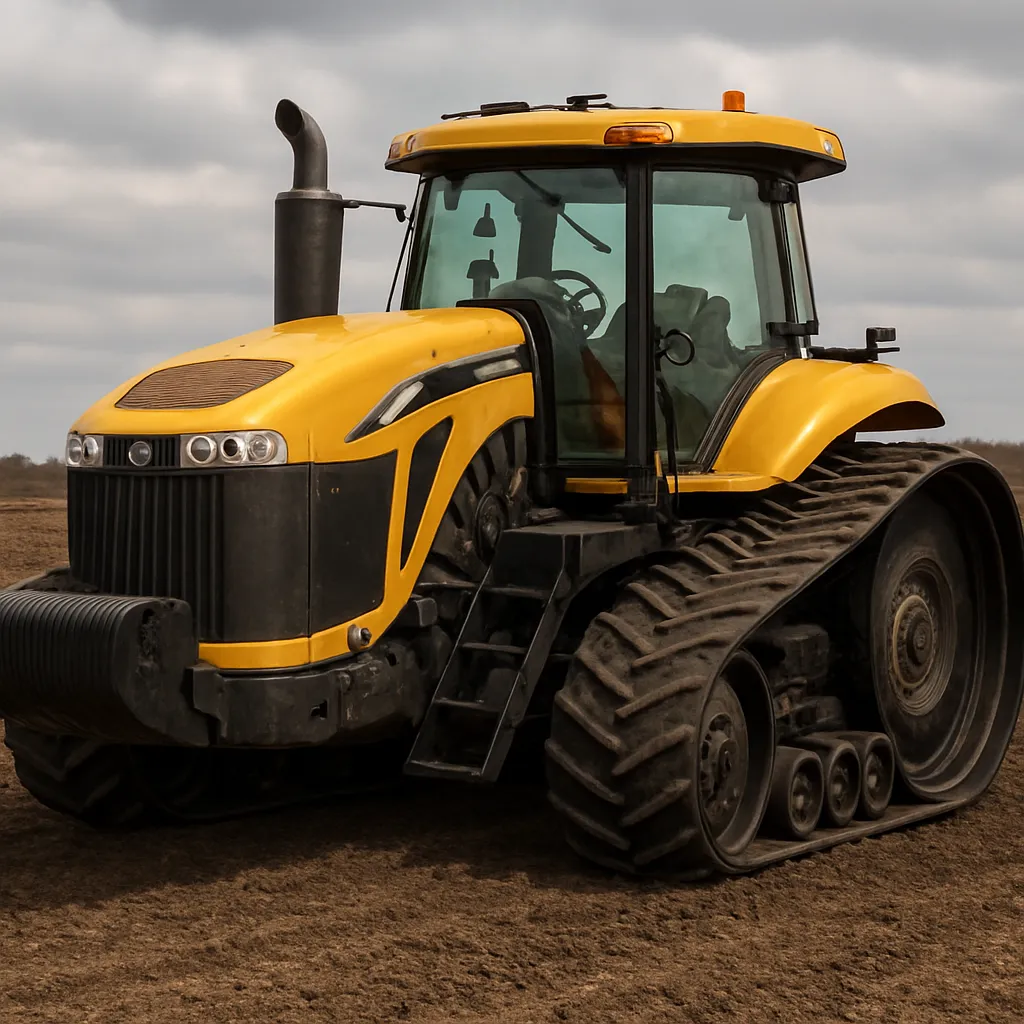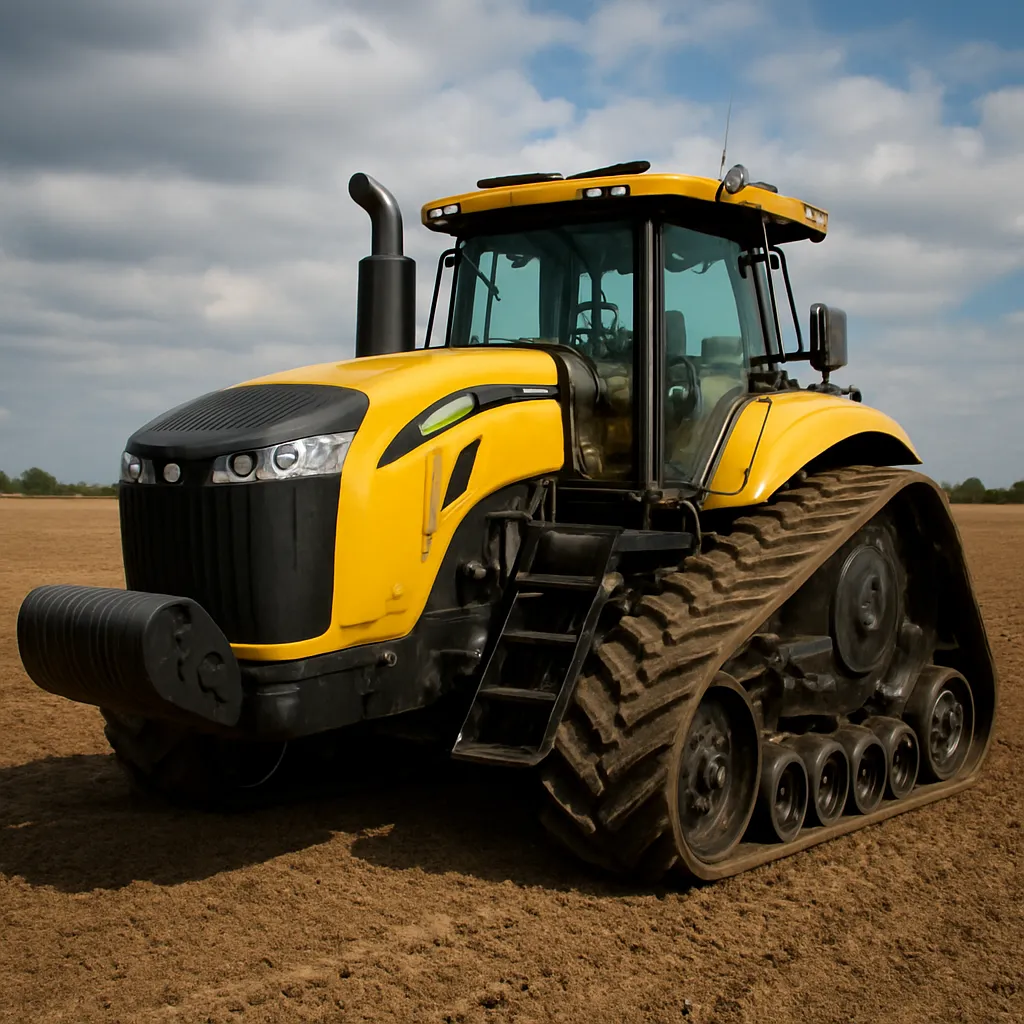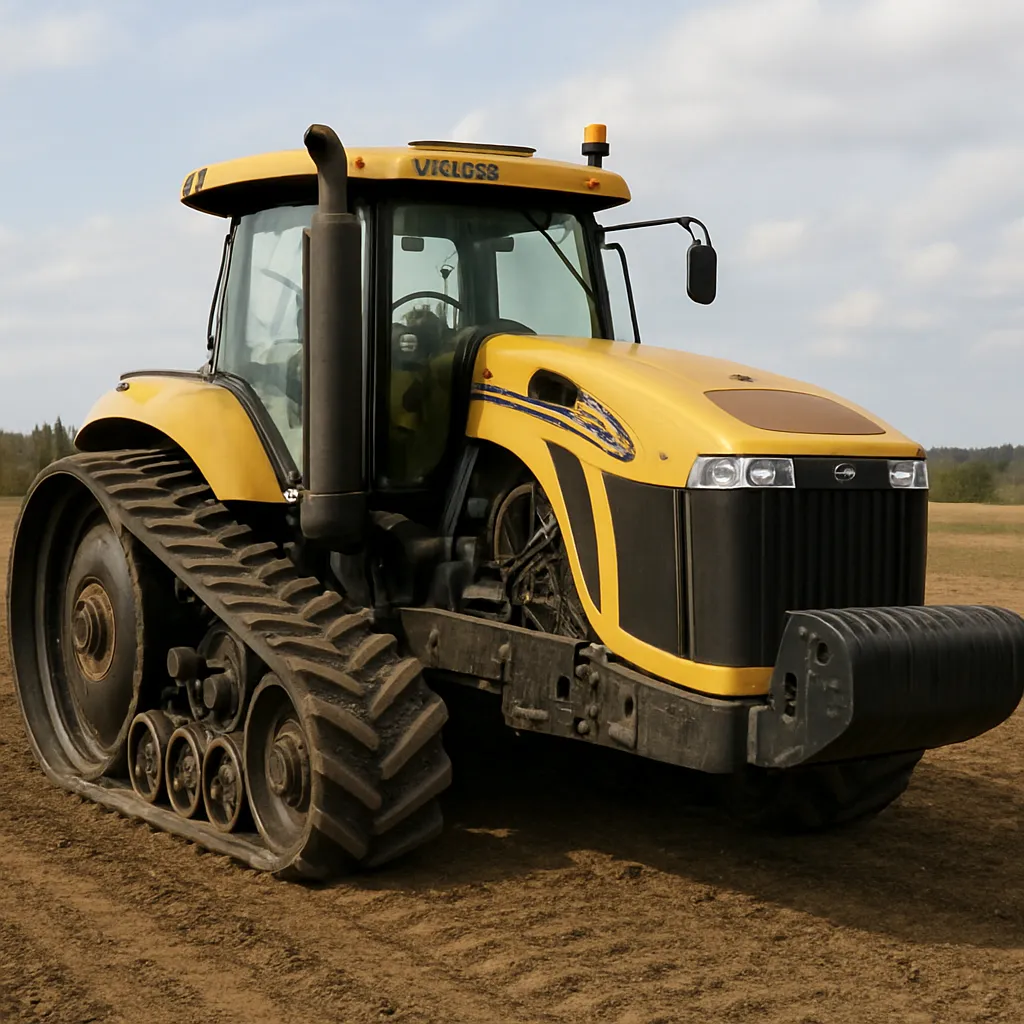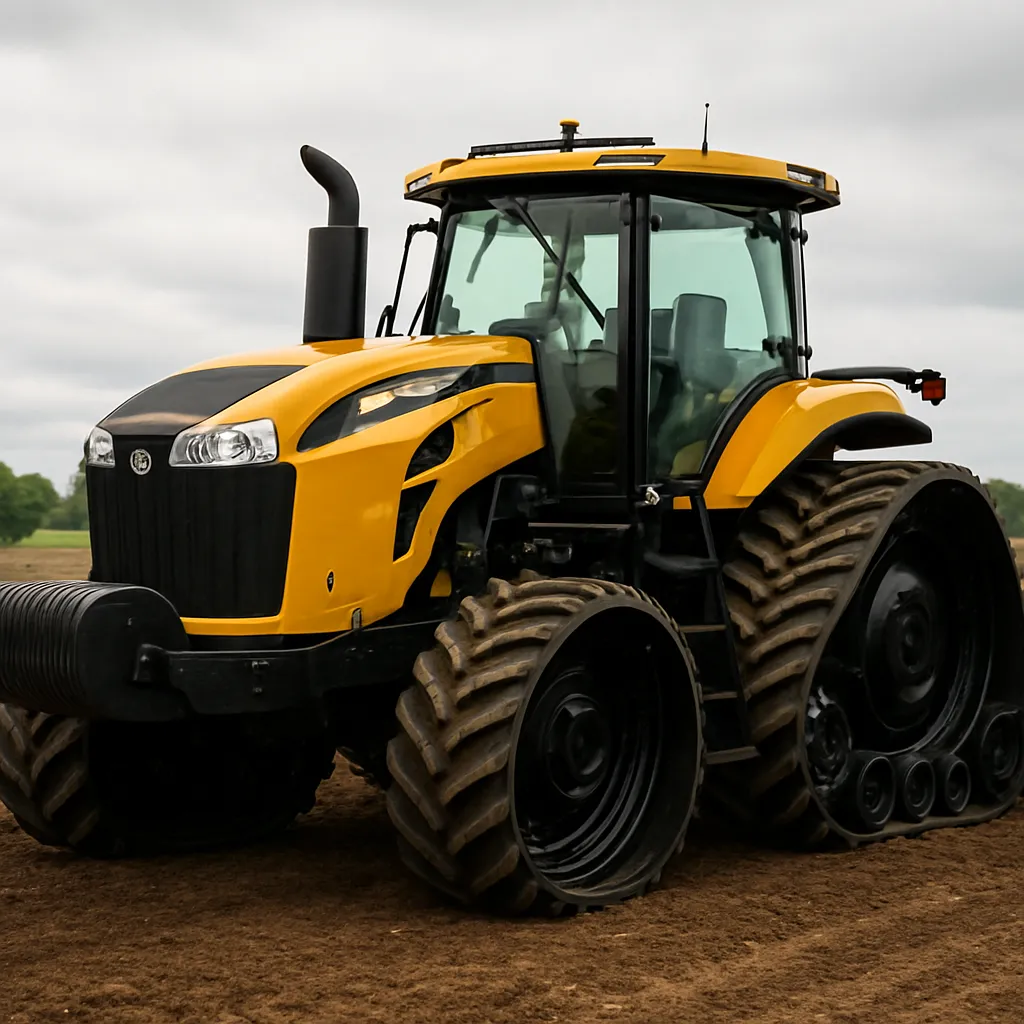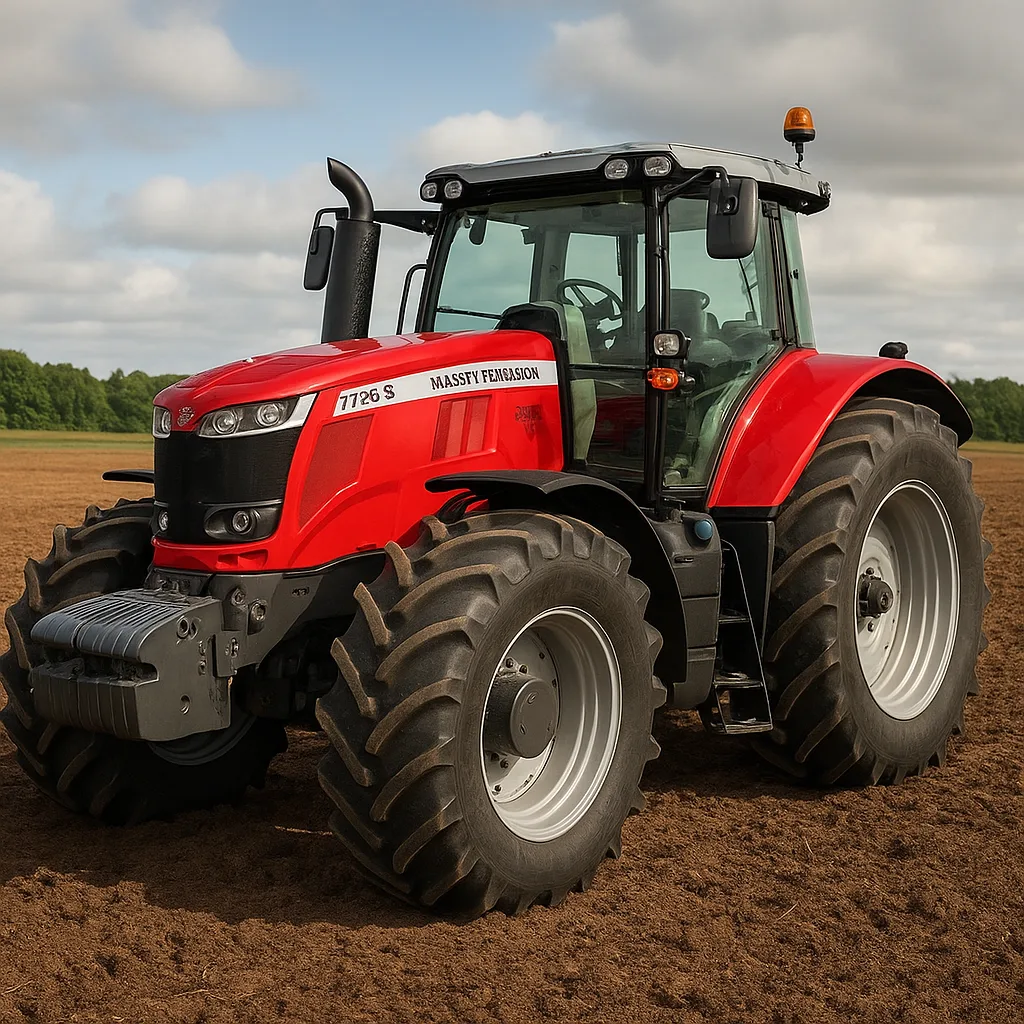
The Massey Ferguson 7722 S is presented by many operators as a proven workhorse in the medium‑to‑large tractor category. This article reviews its design, technical characteristics, typical applications, and operational considerations. It highlights why agricultural businesses, contractors and mixed‑use farms choose this model, and gives practical information on performance, maintenance and cost drivers. Wherever possible numerical data are shown as typical figures or ranges because final specifications depend on region, optional packages and the year of manufacture.
Design and engineering philosophy
The 7700 S series, of which the 7722 S is a member, was developed to meet the needs of modern farming: a balance of power, ease of use and multi‑role capability. The designers aim to offer a tractor with a strong focus on fuel efficiency, durability and operator ergonomics. Key design elements include a compact but powerful powertrain, modular hydraulic options, and a cab layout intended to reduce operator fatigue during long shifts.
Powertrain and emissions
At the heart of the machine is a six‑cylinder, intercooled turbocharged diesel engine sourced from the manufacturer’s trusted engine family. The exact displacement and aftertreatment system vary by market to meet regional emissions standards (Stage IV/Stage V in Europe, Tier 4 Final in North America, or equivalent). The engine is tuned to deliver steady torque across a wide rpm range, which supports work at low engine speeds—an advantage for both fuel economy and implement control.
Transmission options and drive system
The 7722 S is typically offered with several transmission choices to suit different work profiles. These commonly include semi‑powershift transmissions (multi‑range powershift) and continuously variable transmission (CVT) options for smoother speed control without disruptive gear changes. Four‑wheel drive is standard on most configurations, ensuring traction for fieldwork and reliable on‑road stability when transporting equipment.
Chassis and hydraulics
The chassis and axles are built for a combination of strength and maneuverability. The rear linkage and hydraulic system are designed to handle demanding implements. Standard hydraulic packages generally supply ample flow for a broad range of implements, while higher‑spec options suit hydraulic‑intensive attachments like seeders, sprayers, or front loaders.
Typical specifications and performance figures (approximate)
Specifications for the 7722 S vary by year and market. The following figures are representative of common factory configurations and optional packages. Use these numbers as a guideline rather than absolute facts for a specific unit.
- Engine: 6‑cylinder turbocharged diesel; displacement commonly between 6.6 and 7.4 liters depending on tune.
- Horsepower: nominal engine power around 220 hp (with peak or boost power slightly higher in some ratings).
- Max torque: designed to peak at mid‑range rpm for good pulling power at low throttle.
- PTO: rear PTO with standard 540/1000 rpm options; some markets offer economy PTO settings.
- Transmission: multi‑range powershift (e.g., Dyna‑6 style) or CVT (Dyna‑VT like in higher specs) — individual step counts and ratios depend on configuration.
- Hydraulics: standard open center or closed center systems with pump flows typically ranging from ~110 L/min to optional higher flows ~160 L/min for demanding implements; optional electronic remotes available.
- Rear linkage lift capacity: often in the region of 4,000–10,000 kg depending on specification and whether a heavy‑duty hitch option is fitted.
- Fuel capacity: tanks frequently sized between 300 and 500 liters to support long operating days without refuelling.
- Weights: operating mass commonly between 7,000 and 9,500 kg, depending on options and ballast.
These statistics show that the 7722 S is positioned to meet the needs of a wide range of operations, from heavy tillage and transport to seedbed preparation and high‑capacity PTO tasks.
Applications and practical uses on the farm and beyond
The 7722 S is inherently a multi‑role machine. Its combination of robust power and configurable hydraulics makes it suitable for:
- Tillage and primary cultivation: ploughing, discing and heavy subsoiling thanks to high tractive power and torque at low rpm.
- Seeding and planting: matched to large planters and seed drills, with steady ground speed control essential for accurate seeding rates.
- Spraying and spreading: when equipped with appropriate pumps and hydraulics, it can pull large sprayer booms and high‑capacity spreaders.
- Baling and forage work: providing reliable PTO power and hydraulic control for balers, mowers and rakes.
- Transport and logistics: road and field transport of trailers, grain carts and specialist equipment. Balance of on‑road speed and off‑road capability matters.
- Loader work and material handling: with a front‑loader package, the tractor is effective for feedlots, silage handling and farm maintenance.
- Contracting and municipal roles: some operators equip the model for roadside mowing, winter maintenance with ploughs or blowers, and other public‑sector tasks.
What makes the 7722 S valuable is its versatility: farmers who need a single machine to perform multiple tasks prefer a tractor that can be quickly reconfigured for different implements while still delivering consistent performance.
Operator environment and controls
Operator comfort is a priority in tractors of this class because long operating hours are common. The cab layout typically emphasizes visibility, ergonomics and intuitive control placement.
Cab features
- High‑visibility glazing and well positioned mirrors for safe implement monitoring.
- Comfortable seating with air suspension choices and multi‑adjustment seats to reduce fatigue.
- Climate control systems (air conditioning and heating) designed for consistent comfort in varying weather.
- Sound attenuation and vibration management to reduce operator stress over long shifts.
Controls and electronics
Modern variants of the 7722 S usually include an ergonomic armrest console with fingertip controls for hydraulics, PTO engagement and transmission modes. Electronic control units manage engine mapping, transmission shifts and hydraulic assignment to permit repeatable performance and easier diagnostics. Guidance and telematics systems may be factory‑fitted or dealer options, enabling GPS‑assisted steering, section control for sprayers, and remote fleet monitoring.
Maintenance, serviceability and lifecycle costs
Reliable uptime is critical to productivity. The 7722 S is engineered for straightforward serviceability with features intended to reduce downtime.
Maintenance points
- Accessible engine service points—oil, filters and belts—are positioned for relatively quick inspection and replacement.
- Cooling system access is designed to allow routine cleaning of radiators and intercoolers, which is important in dusty field conditions.
- Hydraulic filters and oil change intervals follow manufacturer recommendations; extended service intervals are often available with high‑quality oils and filters.
Warranty and dealer support
Warranty packages and dealer networks vary by country and dealer. Strong manufacturer and dealer support can significantly affect total cost of ownership through service plans, preventative maintenance packages and quick parts availability. For heavy users, extended warranty and maintenance contracts are commonly recommended to smooth out repair costs and ensure priority service during busy seasons.
Attachments and implement compatibility
One of the biggest strengths of a tractor like the 7722 S is how many implements it can run effectively. Typical categories include:
- Soil preparation: ploughs, cultivators, discs, subsoilers.
- Seeding/planting: large planters, pneumatic seeders and air drills.
- Crop care: sprayers, boom sprayers with section control and precision packages.
- Harvest support: balers, wrappers and forage harvest support equipment.
- Material handling: front loaders, pallet forks and silage grapples.
- Transport: high‑capacity trailers and grain carts for load‑and‑haul cycles.
Compatibility with ISOBUS implements and electronic control standards is a key consideration for modern farms. ISOBUS enables plug‑and‑play control of many implements using the tractor’s in‑cab terminal, simplifying operations and reducing the need for multiple control boxes.
Economic and operational considerations
Choosing the 7722 S is not only a technical decision but also an economic one. Key factors to consider include purchase price, residual value, fuel consumption, and ability to perform multiple tasks (thus reducing the need for multiple machines).
Fuel and efficiency
Factory engine tuning, transmission options and operator habits determine fuel consumption. CVT transmissions often provide marginally better fuel economy under varying load conditions because they keep the engine in an efficient torque band, but driver training and implement matching are equally important. Routine maintenance such as injector servicing, correct tyre inflation and clean air filters significantly influence real‑world fuel use.
Depreciation and resale
Resale values depend on hours, condition, service records and local market demand. Tractors with comprehensive service histories and well‑documented maintenance typically command higher resale prices. Investment in dealer‑backed service agreements can improve buyer confidence and thus resale values.
Safety, regulations and operator training
Safety systems on modern tractors include cab rollover protection, visibility aids, and interlocks for PTO and hydraulic systems to protect operators and bystanders. Compliance with local transport and emissions regulations is essential—especially when moving between fields and public roads or when exporting equipment between regulatory jurisdictions.
Operator training is critical: proper hitching, PTO use, load securement and awareness of stability limits are essential to prevent accidents. Many dealers and manufacturers offer training courses and certification programs for operators and fleet managers.
Comparisons and marketplace position
The 7722 S competes in a segment crowded with well‑known brands. Its strengths are usually highlighted as balanced performance, broad implement compatibility and operator comfort. Buyers comparing options should weigh:
- Engine and torque curves—how they match expected implements and soil types.
- Transmission choice—preference for a powershift or a CVT based on work cycle and driver skill.
- Dealer network and support for parts and service in the local market.
- Available options for hydraulics, hitch capacity and cabin equipment.
A careful comparison that includes estimated hourly costs, expected resale value and downtime risk will often show that a slightly higher initial investment can be justified by lower operating costs and higher uptime.
Practical tips for prospective buyers
- Define the main tasks the tractor will perform and match options (hydraulic flow, PTO types, linkage capacity) to those tasks.
- Ask for in‑field demonstrations with implements you use. Performance with a generic implement doesn’t always translate to your specific tools.
- Request full service history on used machines and inspect wear items, including tyres, hitch pins, and hydraulic hoses.
- Consider telematics packages for fleet management, which can improve scheduling, fuel management and preventative maintenance.
- Review warranty and extended service plans carefully—seasonal downtime can be very costly.
Conclusion
The Massey Ferguson 7722 S is engineered as a versatile medium‑to‑large tractor capable of serving mixed farms, contractors and transport roles. With a focus on a powerful and flexible engine, well‑matched transmission choices, and configurable hydraulics, it suits a broad array of tasks from primary tillage to precision seeding and material handling. Important operational advantages include attention to fuel efficiency, strong PTO capability, and comfortable cab comfort for long shifts. Prospective buyers should evaluate specific configurations against their primary needs and consider dealer support and service plans as part of the total cost of ownership. Diligent maintenance and operator training will maximize uptime and protect the tractor’s value over its service life.