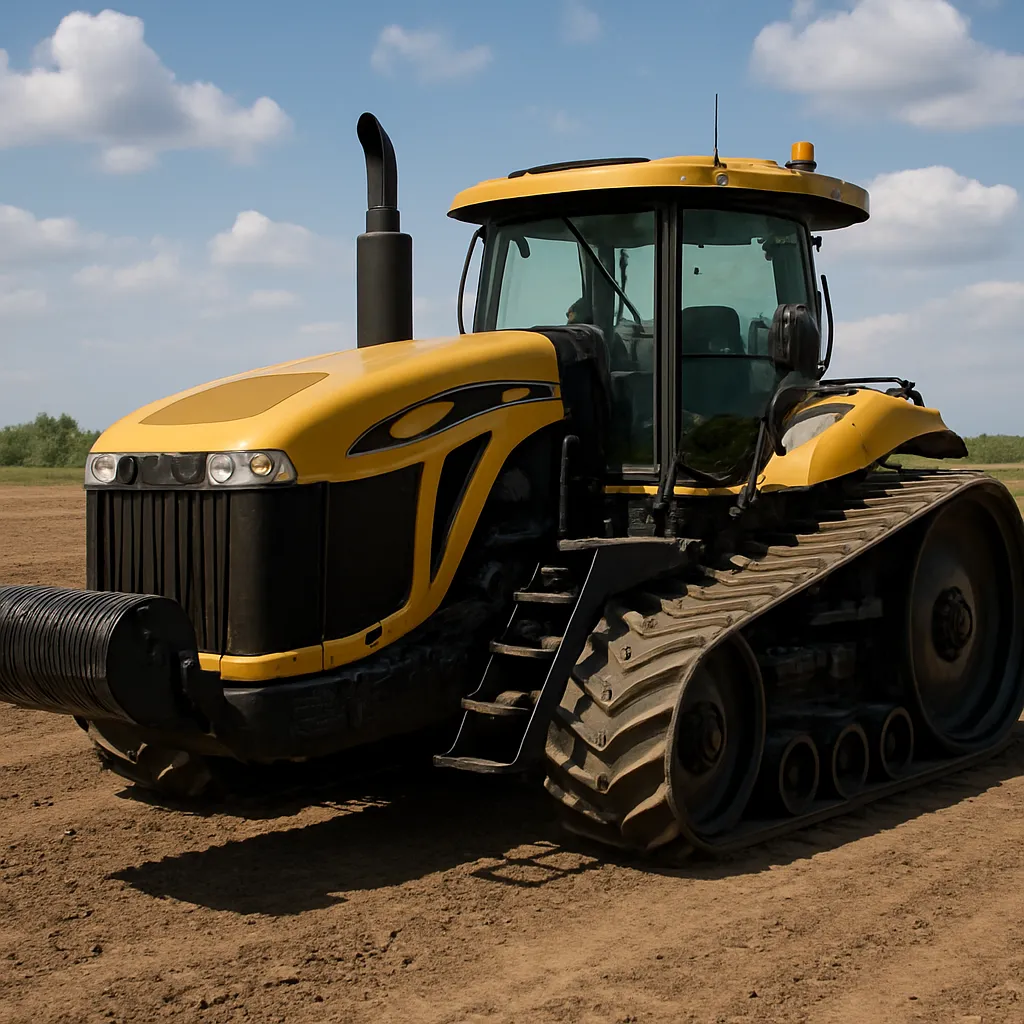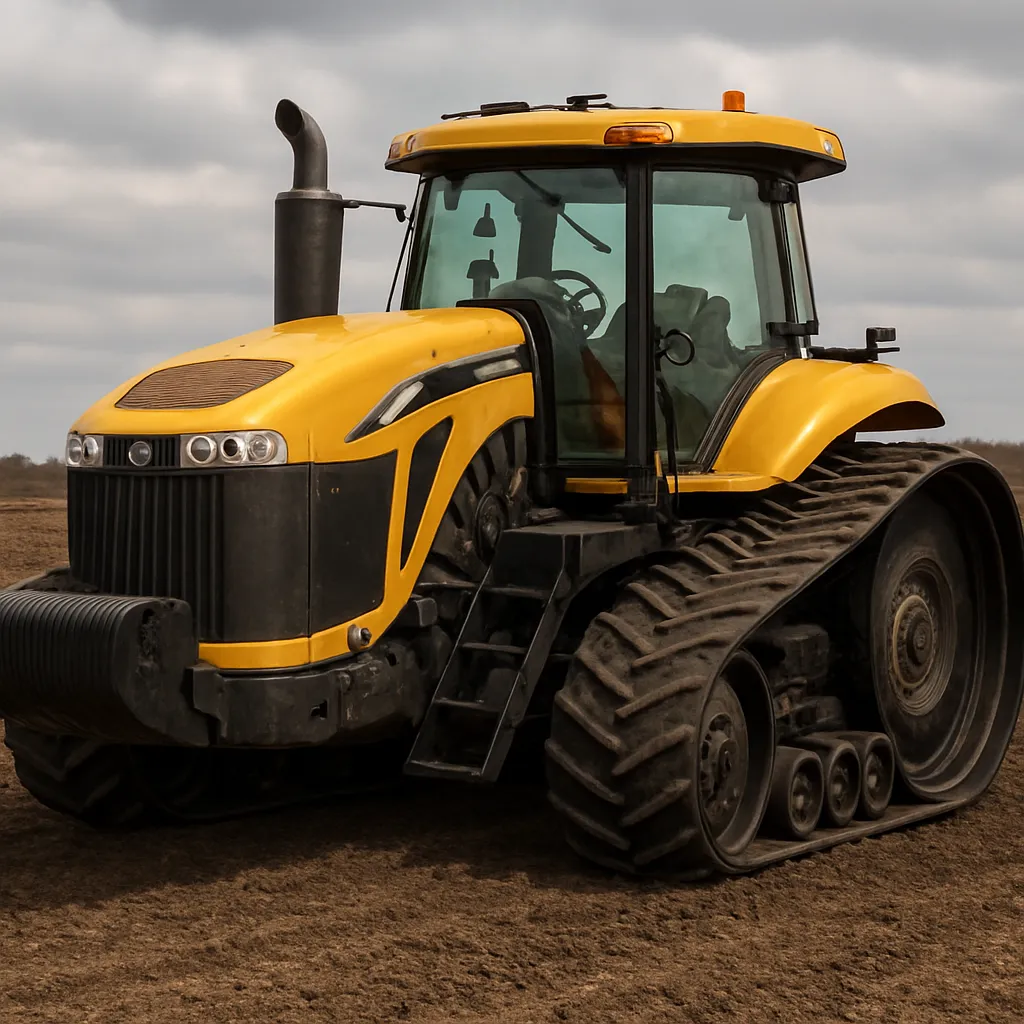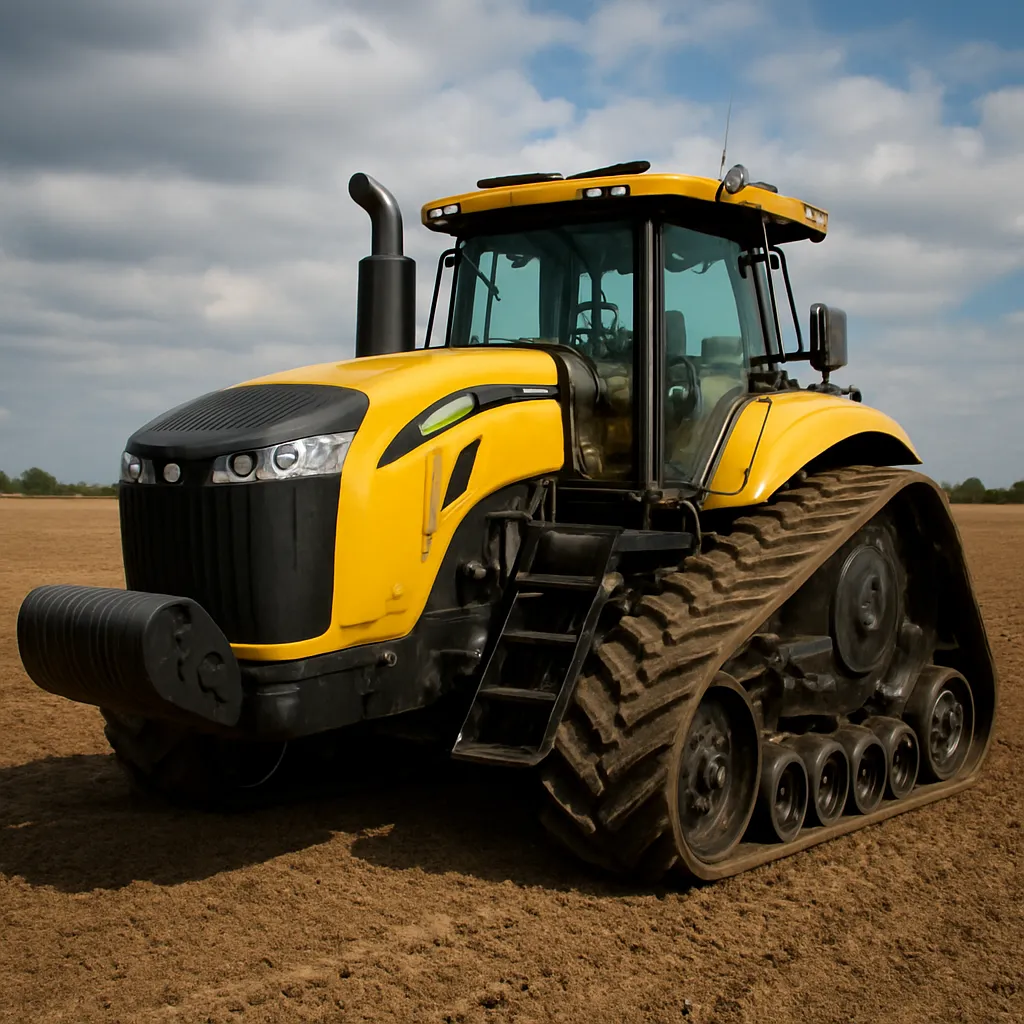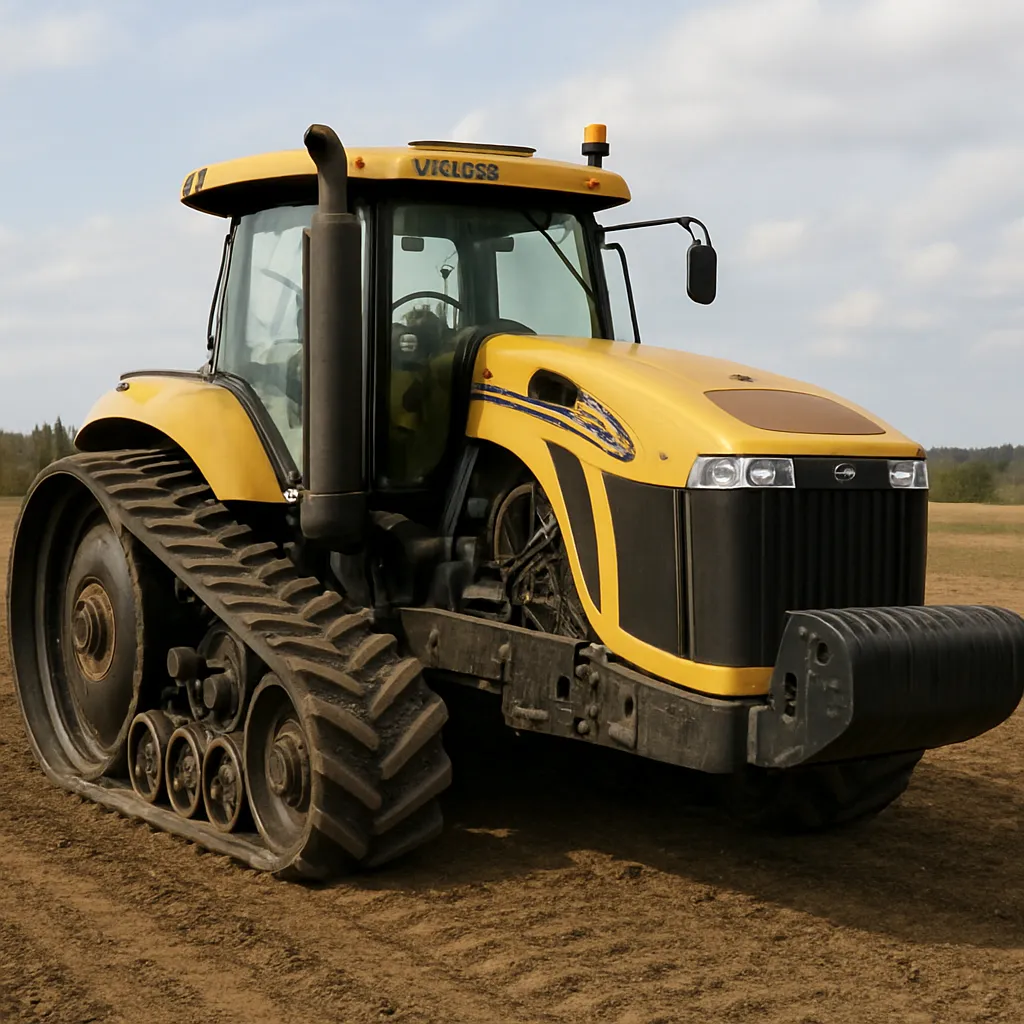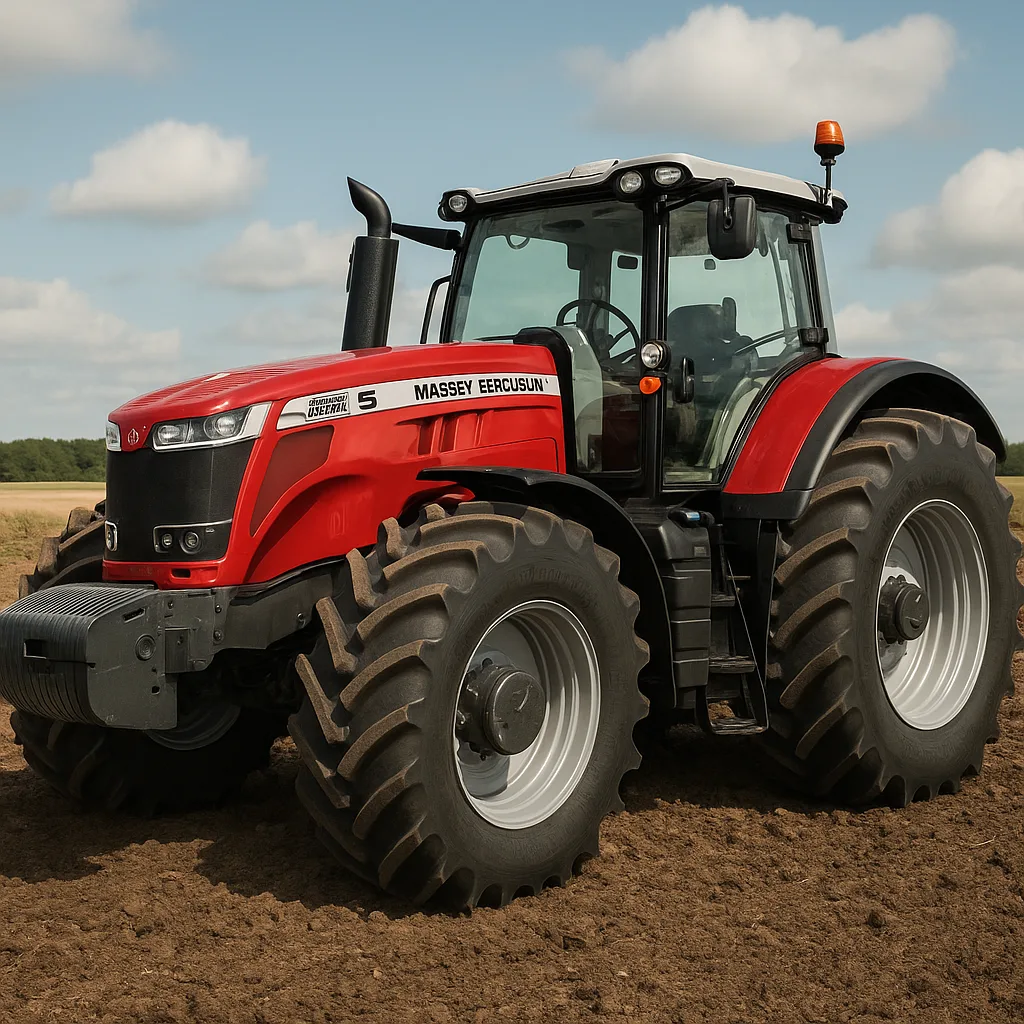
The Massey Ferguson 8730 S is a heavyweight among modern agricultural tractors, combining robust mechanical design with advanced electronics and comfort features. Built to handle large-scale farming tasks and demanding contractor work, the 8730 S is part of Massey Ferguson’s lineup aimed at maximizing productivity while keeping operator comfort and serviceability in focus. This article explores the tractor’s design, typical applications, technical characteristics, operator features, and ownership considerations, providing an overview for farmers, contractors, and equipment enthusiasts.
Design and engineering philosophy
The engineering behind the 8730 S reflects a balance of traditional durability and contemporary innovation. At its core, the tractor is engineered to deliver consistent performance under heavy loads, with emphasis on reliability, modular serviceability, and integration of electronic controls. Massey Ferguson developed the 8730 S to meet the needs of users who require high drawbar and hydraulic capacity, strong lift performance, and efficient fuel consumption across long operating days.
Structural and drivetrain design
The chassis and powertrain are built to handle both fieldwork and transport duties. A reinforced frame, heavy-duty axles, and robust three-point linkage combine to provide a stable platform for pulling large implements and lifting heavy rear-mounted equipment. The drivetrain options typically include modern transmissions that aim to balance torque delivery and fuel efficiency. Many users choose versions equipped with stepless or advanced powershift transmissions to achieve smooth, uninterrupted power delivery during variable-speed tasks.
The 8730 S typically features a 6-cylinder engine with sophisticated fuel management and emission controls. This combination enables a wide torque curve and consistent performance at low RPM, which improves fuel efficiency and reduces wear. Engineers prioritized electronic engine-management systems to optimize injection timing and turbocharging, ensuring the tractor maintains power during heavy draft conditions while meeting contemporary emissions standards.
Applications and typical use cases
The versatility of the 8730 S makes it suitable for a broad spectrum of agricultural and contracting operations. It is frequently chosen for large-scale arable farms and professional contractors where uptime, power, and hydraulic capacity are essential. Common applications include:
- High-speed cultivation and seedbed preparation – pulling large cultivators, disc harrows, and seed drills over wide working widths.
- Seeding and planting operations – providing steady, accurate draft and hydraulic control for heavy planters and air seeders.
- Heavy soil tillage – powering reversible plows, heavy subsoilers and deep tillage equipment.
- Transport and haulage – road transport of trailers and tankers, making use of robust gearing and engine torque.
- Lime and fertilizer spreading – supplying the hydraulic flow and linkage strength to operate large spreaders and tankers efficiently.
- Silage and forage operations – running front loaders, forage wagons and large mowers in demanding conditions.
- Specialist contracting tasks – such as forestry extraction and heavy site work where traction and lifting capacity are necessary.
Because the 8730 S is designed for sustained heavy-duty use, it is favored in operations where implementing wide implements or heavy mounted and trailed equipment is standard. Contractors value the tractor for its combination of power, hydraulic output, and durable components that reduce downtime.
Technical specifications and performance overview
Exact specifications can vary depending on the model year, regional configuration and optional packages, but several core technical features tend to define the 8730 S class. Below is a summary of typical characteristics and performance metrics you can expect:
- Engine architecture: 6-cylinder turbocharged diesel, typically in the mid to large displacement category (commonly around 7–8 liters for tractors of this class), emphasizing low-end torque and steady power delivery under load.
- Power output: Rated power generally falls in the upper mid-range for agricultural tractors. Typical rated horsepower for the 8730 S is approximately in the 250–320 HP band depending on tuning and market version, with higher transient boost available through torque rise under load.
- Torque characteristics: A broad torque curve providing strong pull at lower engine speeds, with peak torque often available within a useful RPM window enabling efficient fieldwork and road transport.
- Transmission: Options often include advanced stepless (CVT-like) systems or multi-step powershift transmissions, providing smooth acceleration and precise speed control for implements. These transmissions are optimized for both field speed management and efficient road travel.
- Hydraulic system: High-flow hydraulics to support multiple remote valves and high-demand implements. Typical flow rates for tractors in this category commonly approach or exceed 150–200 liters/min (L/min) when using combined pump arrangements, enabling fast hitch response and efficient operation of hydraulic motors and cylinders.
- Lift capacity: Rear linkage lift capacity is designed for heavy implements; it frequently exceeds 7,000–10,000 kg at the hitch in many configurations, allowing operation of large seeders, planters and heavy tillage equipment.
- PTO: Multiple PTO speed options are standard (e.g., 540/1000 rpm) with robust driveline components to handle high torque loads common in large-scale implements.
- Fuel capacity: Fuel tanks are sized for long working days, typically offering several hundred liters of capacity (common ranges are approximately 300–600 L depending on optional tanks), reducing the need for frequent refueling in extended operations.
- Weight and dimensions: Operating weights vary by configuration but are generally in the several-tonne range, with many units weighing between 7,000 and 11,000 kg depending on ballast, front loaders, and other options. Tire and track choices greatly influence ground contact and transport dimensions.
- Telematics and electronics: Integrated telematics systems (such as MF Connect and compatible onboard displays) provide data logging, remote diagnostics, and farm-management interoperability for task documentation and preventive maintenance scheduling.
Note: The figures above are representative ranges typical for tractors in the 8730 S class. Exact numbers for a specific unit should be verified from the manufacturer’s technical data sheet or an authorized dealer, since options and regional variants can materially alter capacities and performance.
Cab comfort, controls and operator-focused features
Modern tractors like the 8730 S place a strong emphasis on operator ergonomics and intuitive controls to minimize fatigue and maximize productivity during long shifts. The cab design typically includes:
- Spacious, climate-controlled environment with low noise levels and excellent visibility over the bonnet and to rear implements.
- Ergonomically designed seat, often air-suspended, with options for heating, ventilation and integrated controls for multiple functions.
- Advanced control consoles featuring multi-function joysticks, touchscreen displays, and logically grouped switches to control transmission, hydraulics, PTO and ISOBUS implements.
- ISOBUS compatibility for direct implement control and data transfer, reducing the need for multiple controllers and streamlining setup for implements from various manufacturers.
- Massey Ferguson’s telematics and guidance integration options, which allow precision farming tools such as auto-steer, section control and variable-rate application to be used effectively.
These features help the operator manage complex tasks with less cognitive load and greater accuracy, translating into better field performance and lower operator stress.
Precision agriculture and connectivity
Connectivity is a critical element for modern farm machinery, and the 8730 S typically supports a suite of precision agriculture tools. Typical capabilities include:
- Compatibility with auto-guidance systems to reduce overlap and operator fatigue, boosting field efficiency and input savings.
- Telemetry platforms that transmit machine performance data and location to farm management systems or dealer service centers for remote monitoring.
- ISOBUS and section-control compatibility to enable precise application of seed, fertilizer and crop protection products.
Integration of these systems makes the 8730 S suitable for farms looking to adopt data-driven practices, enabling measurable improvements in fuel use, input application efficiency, and traceability of field operations.
Maintenance, serviceability and lifecycle costs
Serviceability is a key consideration for heavy-use tractors. The 8730 S is designed for straightforward access to routine service points and modular components that allow quick replacement or repair. Typical maintenance considerations include:
- Routine intervals for engine oil, filters and hydraulic oil which, when adhered to, preserve engine health and hydraulic responsiveness.
- Easy access to air and fuel filters, battery, and cooling system components to minimize downtime during seasonal peaks.
- Diagnostic capabilities through onboard systems and dealer-level tools that accelerate troubleshooting and parts identification.
From an ownership perspective, lifecycle costs are influenced by initial purchase price, fuel consumption, maintenance plan costs, and resale value. Tractors like the 8730 S often retain solid resale values when maintained correctly, particularly in markets where capacity and modern features are in demand. Investing in a preventative maintenance plan and telematics-based monitoring typically reduces downtime and repair costs over the machine’s service life.
Comparisons and positioning in the market
Within Massey Ferguson’s own lineup and among competitors, the 8730 S is generally positioned toward the upper mid-to-high power band, appealing to users who need more capability than small- and mid-range tractors but do not require the absolute largest flagship models. Compared with smaller models, the 8730 S delivers greater hydraulic throughput, higher lift capacity and better suitability for wide implements. Against larger flagship machines, it may offer a more favorable balance of purchase cost and operating efficiency for many modern farms.
Key competitive considerations when evaluating the 8730 S include:
- Operating economics – comparing fuel consumption and service intervals.
- Implement compatibility – ensuring hydraulic flow, hitch capacity and PTO characteristics match intended implement fleet.
- Technology integration – evaluating guidance, ISOBUS, and telematics support against farm-management systems.
- Dealer support and parts availability – crucial for uptime in high-intensity operational contexts.
Practical tips for prospective buyers
If you are considering the Massey Ferguson 8730 S, here are several practical tips to guide the purchase decision:
- Assess your implement fleet and the tractor’s hydraulic flow, hitch capacity and PTO options to ensure compatibility without over-specifying power.
- Consider transmission choice based on typical work: stepless transmissions provide seamless speed control for precision tasks; powershift options can be simpler and more efficient for steady-duty haulage.
- Check optional packages for telematics and guidance if you plan to use precision farming tools—factory-fitted systems are often easier to integrate and support.
- Evaluate forward visibility and axle/tire options based on whether you prioritize field flotation or road speed and stability.
- Factor in dealer service contracts and warranty extensions, especially if you rely on the tractor for contract work where downtime is costly.
Environmental and regulatory considerations
Like other modern tractors, the 8730 S is engineered to meet prevailing emissions regulations in its target markets. Engine management systems, exhaust gas recirculation and selective catalytic reduction (where applicable) are typical technologies used to ensure compliance. These systems aim to reduce particulate and NOx emissions while maintaining fuel efficiency and power.
Farmers and contractors should be aware that ongoing regulations and regional emissions standards may affect future resale or operational permissions in certain jurisdictions. Choosing a tractor that complies with the latest standards and is supported by dealer networks can protect future value and usability.
Summary
The Massey Ferguson 8730 S is a capable, versatile tractor suited to large-scale farming and professional contracting. It combines robust mechanical foundations with modern electronics, operator comfort and connectivity features, making it a sound choice for users seeking high productivity, strong hydraulic performance and dependable lifting capacity. While exact specifications vary by configuration and market, the tractor’s design philosophy centers on delivering balanced performance with an emphasis on serviceability and efficient operation. For anyone needing a workhorse that supports heavy implements, long operating hours and precision farming technologies, the 8730 S should be evaluated as a potential core asset in a modern agricultural fleet.