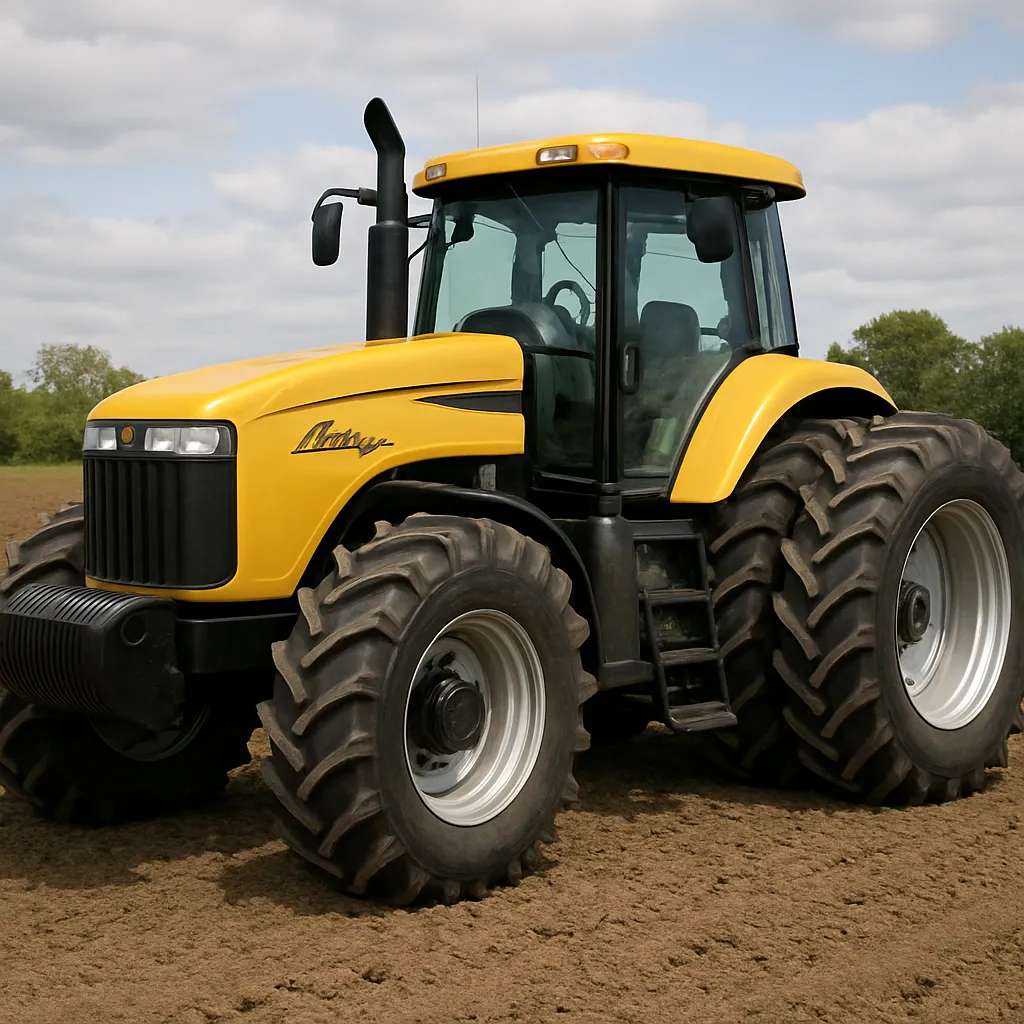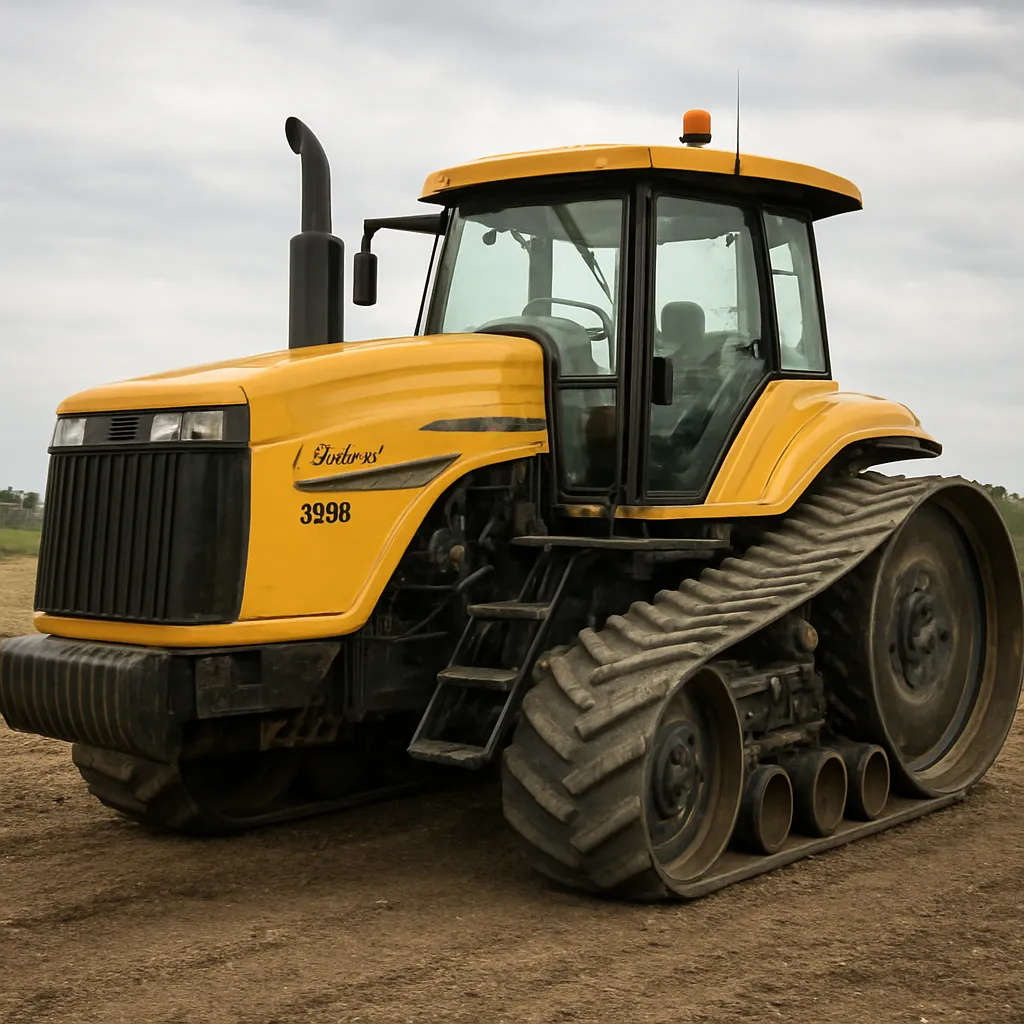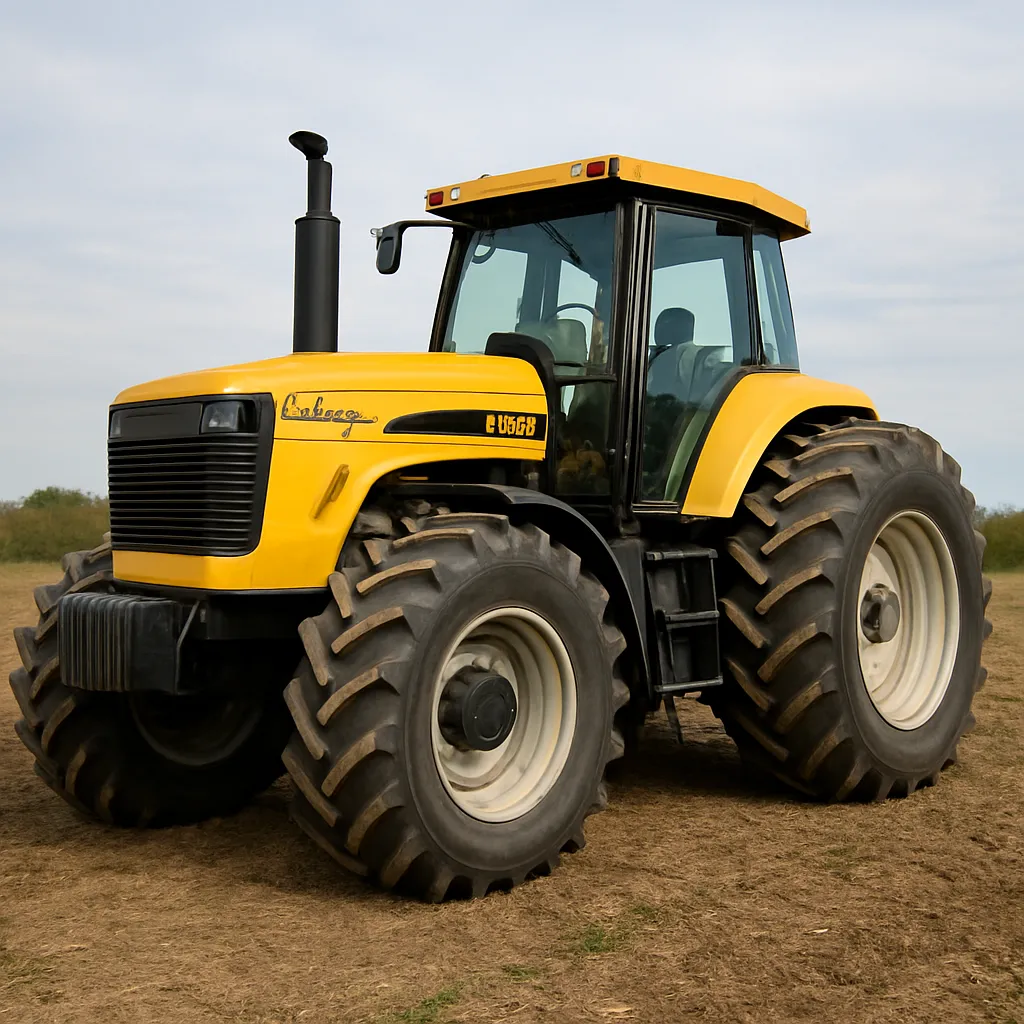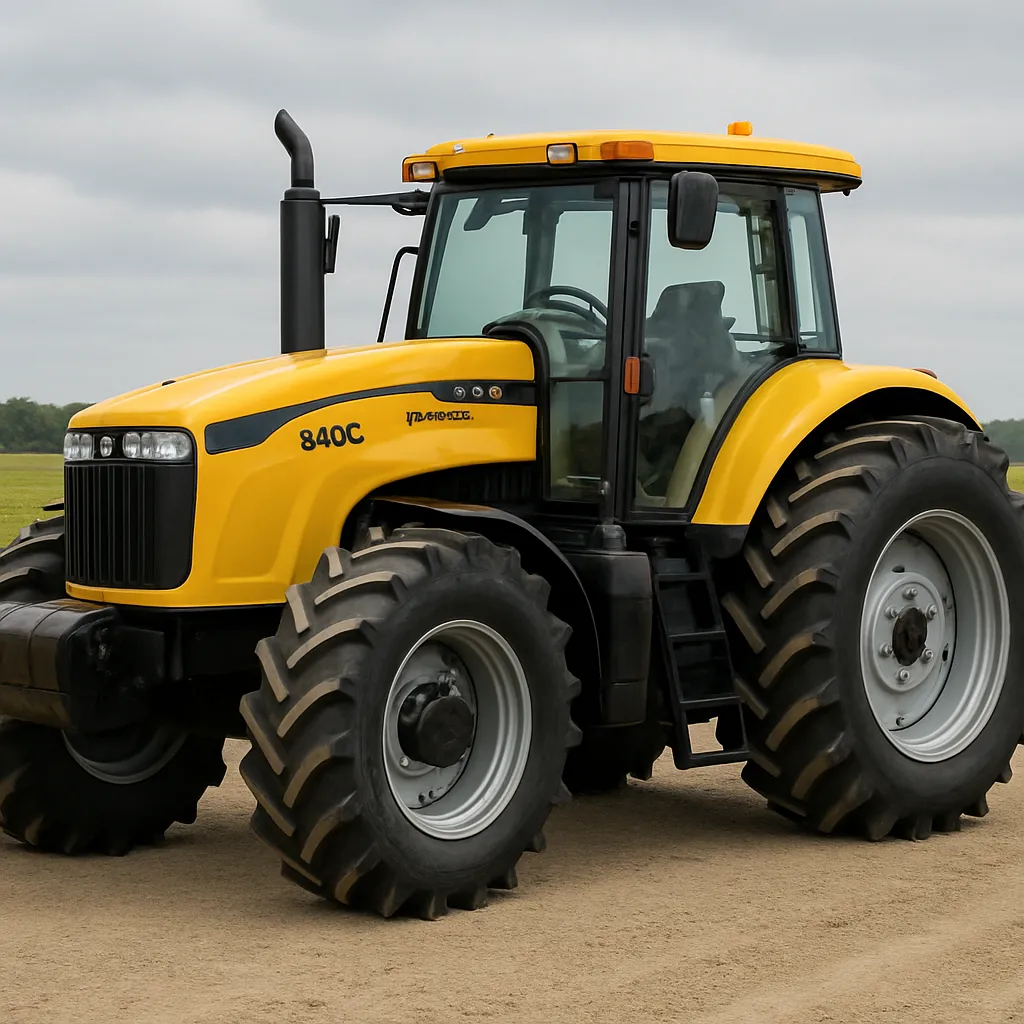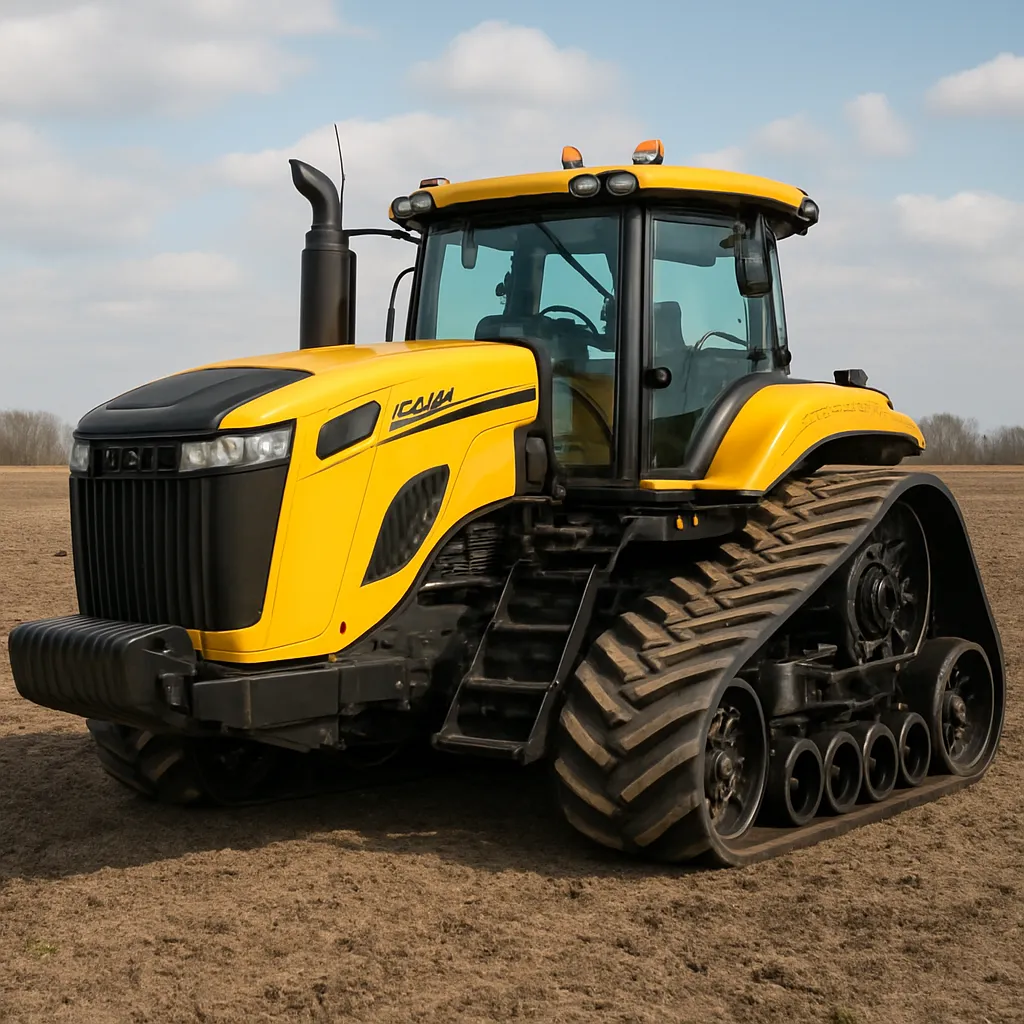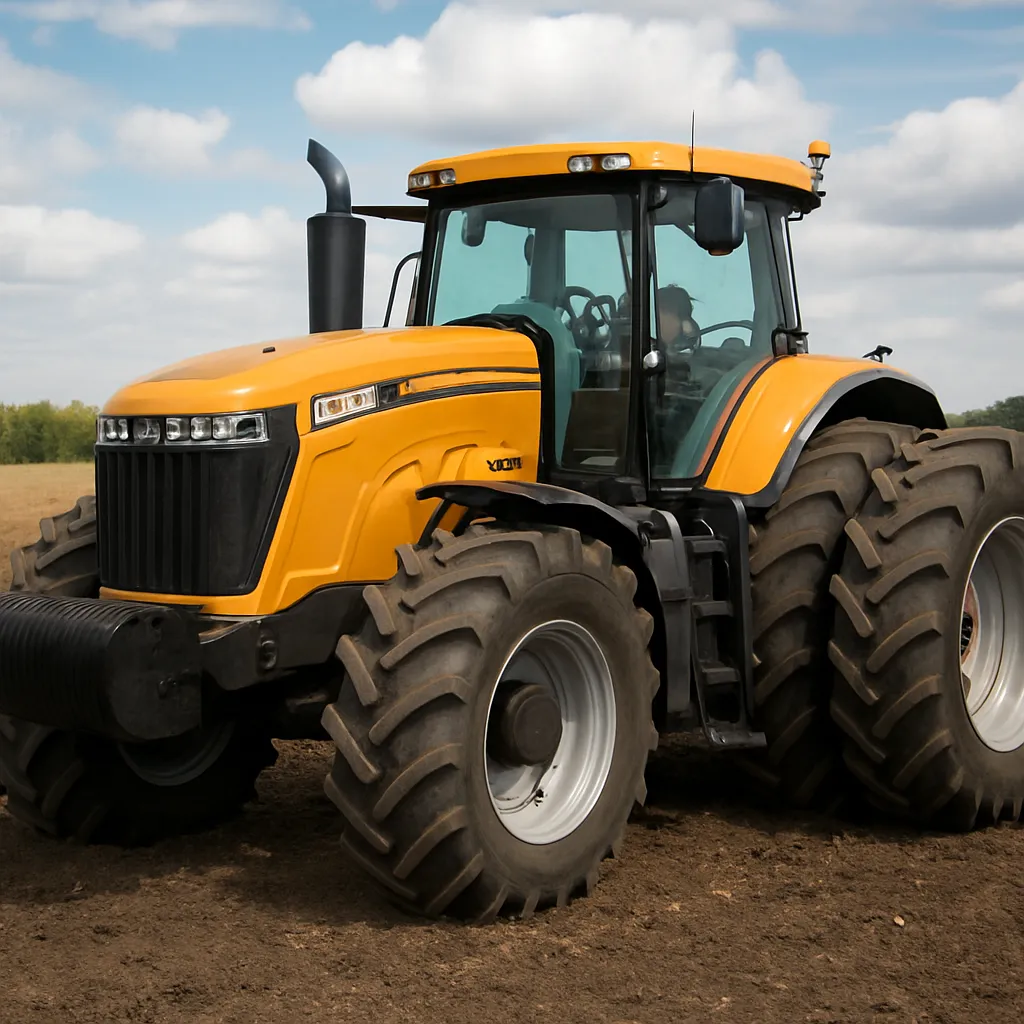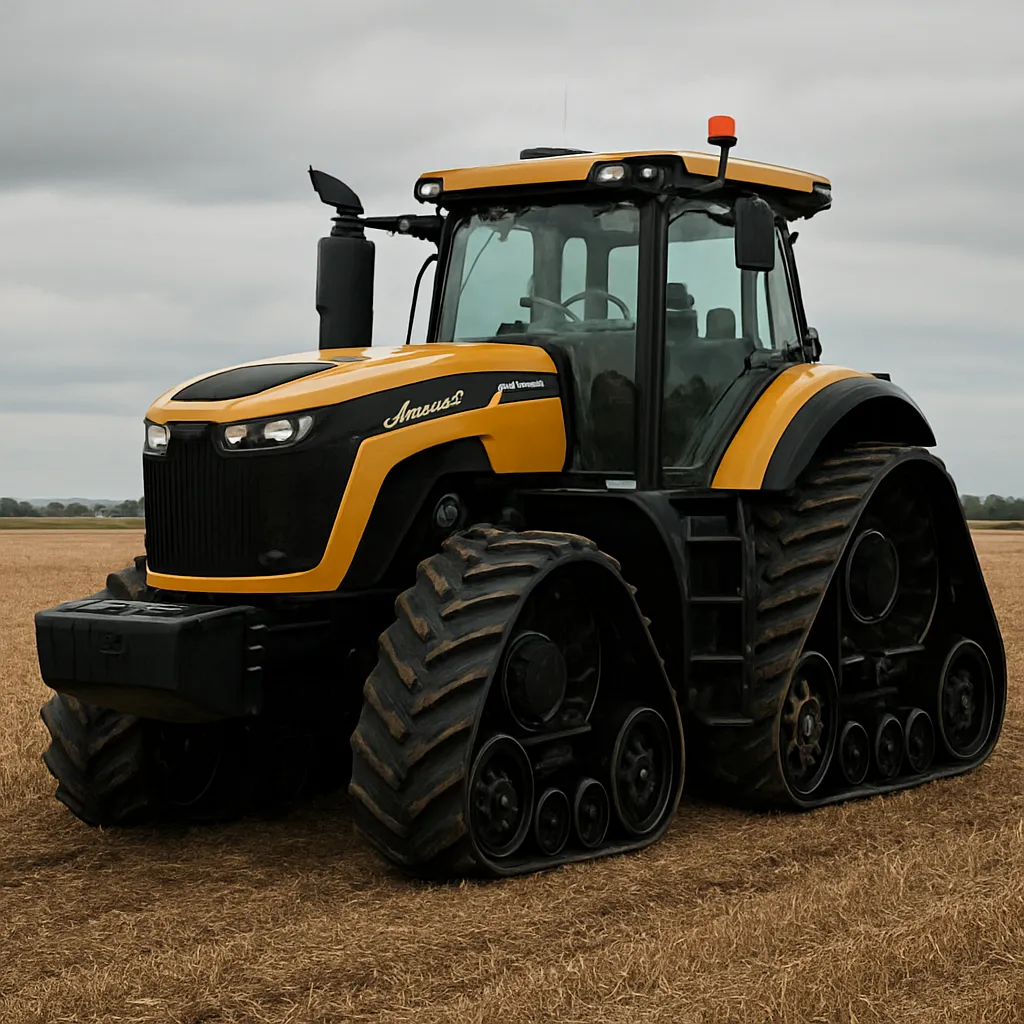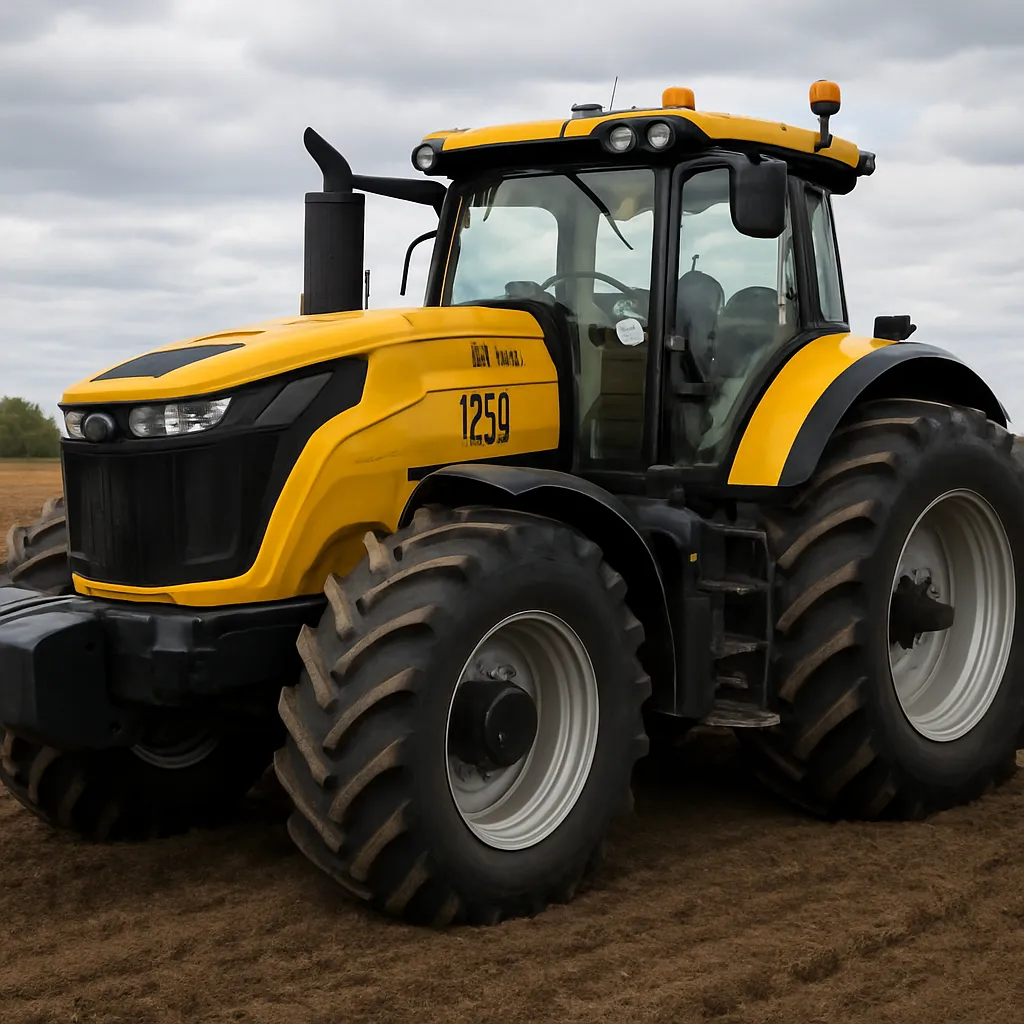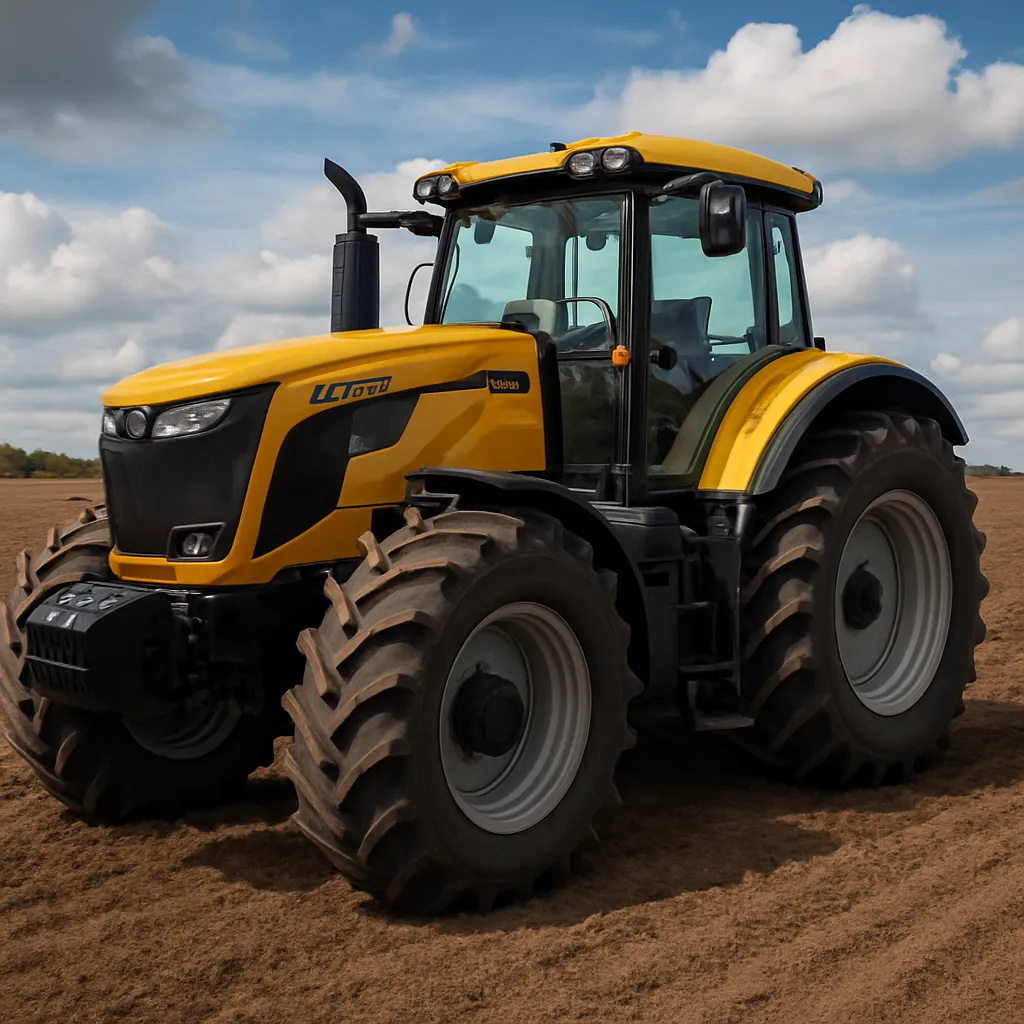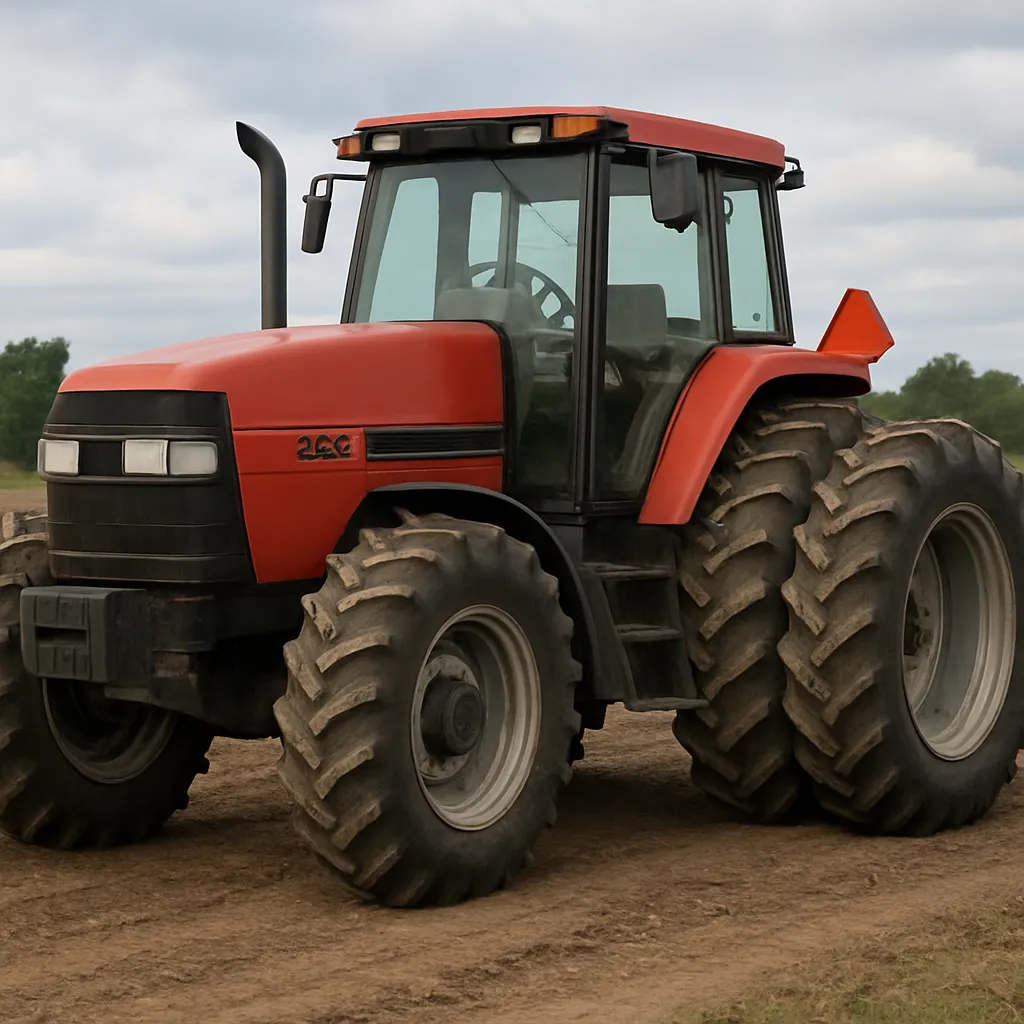
The Case 3294 is a tractor that has earned attention among farmers, contractors, and small-scale agricultural entrepreneurs for its balance of power, durability, and adaptability. In this article we explore the machine’s design, typical specifications, common applications, maintenance considerations, and market position. The goal is to provide a practical, well-rounded portrait of the tractor so readers can assess whether a Case 3294 suits their needs, what to expect from operation and upkeep, and how it fits into broader agricultural workflows. Throughout the text you will find highlighted, important concepts to help guide quick review and decision-making.
Design and technical characteristics
The Case 3294 was conceived as a mid-size agricultural tractor sized to handle a wide range of implements while remaining maneuverable and economical. Key elements of its design include a robust frame, a diesel powerplant, and multiple transmission and PTO configurations to match varied tasks. While exact factory specifications can vary by year and country of sale, certain characteristics are typical for this model family.
Engine and powertrain
- Case 3294 units are equipped with diesel engines designed for steady, low-end torque rather than extreme high-rpm performance. This trait favors implements such as ploughs, seed drills, and balers that demand pulling power.
- The nominal horsepower rating for tractors in this class is commonly in the mid-range, typically around 80–110 HP depending on tuning and emission controls. Exact figures depend on year, engine displacement, and whether the tractor is rated at the flywheel or PTO.
- Torque is prioritized to deliver consistent draft force; users often value tractors in this segment for their ability to maintain ground-engaging operations at low throttle settings.
Transmission and drivetrain
- Multiple transmission options are usually available: synchronized gearboxes, partial powershift, and sometimes fully-synchronized or semi-powershift transmissions on upgraded trims. These provide a range of forward and reverse speeds suitable for fieldwork and road travel.
- Rear-wheel drive is standard on many base versions, with four-wheel drive variants or front axle options offered to improve traction and stability on soft ground or steep terrain.
- The presence of a robust clutch and reliable shifting mechanisms contributes to the machine’s reputation for ease-of-use and longevity.
Hydraulics, PTO and lift capacity
- Hydraulic systems on the Case 3294 are designed for implement versatility: from two remote service valves for simple implements to multi-valve setups for loader and hay equipment. Good hydraulic flow supports responsive operation of mounted and trailed tools.
- Power take-off (PTO) options typically include a standard 540 rpm PTO, with some versions offering 1000 rpm. PTO ratings are often slightly lower than engine horsepower but adequate for most mid-size implements.
- The three-point hitch and rear lift capacity are engineered to manage common agricultural implements such as cultivators, mowers, and medium-sized ploughs; lift capacity will vary by year and specification but is aligned with the tractor’s rated power class.
Applications and field performance
Tractors such as the Case 3294 are valued for their versatility. They perform well in diversified farms, small commercial operations, and municipal or light construction roles. Below are typical applications where this tractor proves effective.
Primary field tasks
- Tillage: The steady torque and suitable hitch ratings allow the tractor to handle primary and secondary tillage equipment. It is well-suited to tasks like ploughing, subsoiling, and discing in medium-sized fields.
- Planting and seeding: Accurate ground speed control and reliable hydraulics make it dependable for seed drills, planters, and precision seeding operations.
- Harvest support: Pulling grain carts, running mower-conditioners, and powering small balers are typical roles where the tractor’s PTO and torque are sufficient.
Secondary and specialized uses
- Loader work: Many operators mount front-end loaders for material handling, manure management, and light earthmoving. With the correct loader package, the machine becomes a yard workhorse.
- Transport and towing: On-farm hauling and road transport of implements are typical; higher-gear transmissions and road speed options support short-distance transport tasks.
- Municipal and contract services: Snow clearing (with front ploughs or blowers), mowing, and light construction are common non-farming uses.
Operational performance metrics
Operators often evaluate tractors by effective field capacity, fuel burn per hectare, and downtime. For mid-range tractors like the Case 3294, typical observational performance figures are:
- Average field operating speed for tillage tasks: 4–8 km/h, depending on implement and soil conditions.
- Fuel consumption (generalized): around 8–18 liters per hour under varied loads—lower in light PTO tasks and higher in heavy draught work. Actual consumption depends heavily on implement, ground conditions, and operator practice.
- Typical PTO power available to implements is often 10–20% lower than rated engine horsepower; this is important to consider when matching the tractor to power-hungry equipment.
Maintenance, reliability and common issues
One of the strengths attributed to the Case 3294 lineage is its reputation for reliability when properly maintained. Regular preventive service extends service life and reduces downtime. Below are practical maintenance insights and common attention points.
Routine service items
- Engine oil and filter: change intervals vary by use intensity, but many operators service these every 200–300 engine hours or seasonally for less intensive use.
- Fuel filters and water separators: replace at regular intervals to avoid injector wear and contamination-related problems.
- Hydraulic fluid and filters: monitored and changed according to manufacturer guidance; cleanliness is crucial to prevent valve and cylinder wear.
- Cooling system: check coolant level and condition, clean radiators, and inspect hoses to avoid overheating in high-load situations.
- Transmission and final drives: service intervals depend on load and duty cycle; early detection of leaks or abnormal noises prevents major repairs.
Common wear points and troubleshooting
- Hydraulic leaks: seal and hose wear are common as tractors age; prompt replacement protects pumps and valves.
- Clutch and gearbox wear: heavy implement use and improper shifting accelerate wear. Adjustments and timely clutch replacement restore smooth operation.
- Electrical system: batteries, charging systems, and starter motors may require attention, especially on older machines or in cold climates.
Longevity and restoration
With consistent attention to the service schedule and timely part replacement, tractors like the Case 3294 can remain productive for several decades. Many machines continue productive life on small farms after primary owners upgrade. For enthusiasts and restorers, availability of parts and aftermarket support affects restoration feasibility; the Case brand typically benefits from an established network of parts suppliers and community knowledge which simplifies restoration projects.
Historical context, market and economic considerations
The Case 3294 occupies a place in the market as a dependable, mid-power tractor that appeals to diverse buyers. Understanding its market dynamics helps when evaluating purchase or resale decisions.
Market position and target buyers
- Target users include small to medium-sized farms, contractors needing a workhorse that balances capability and operating costs, and hobby farmers.
- Due to its versatility, it is often purchased as a second tractor on medium farms where a larger machine is used for main-field operations while the Case is assigned to secondary tasks and loader work.
Resale values and acquisition factors
Resale price depends on hours, condition, service history, and regional demand. Factors that influence value:
- Service records and recent major replacements (hydraulics, transmission, engine overhaul) raise value.
- Originality vs upgrades: replaced cabs, modern electronics, or engine retrofits can either increase or decrease appeal depending on buyer priorities.
- Local demand for mid-power tractors: areas with mixed farming often support stronger resale values.
Typical secondhand price brackets for mid-size tractors of this vintage and class can range widely; conservative estimates put prices between a few thousand to several tens of thousands of USD or EUR depending on condition and attachments. Buyers should compare unit hours, service history, and the cost of any immediate repairs when evaluating offers.
Practical buying advice and matching implements
When considering a Case 3294 for purchase, the following practical checklist helps determine fit and future costs.
- Confirm engine serial and service history to verify major overhauls and verify hours are plausible for machine age.
- Inspect hydraulic lines, PTO engagement, three-point hitch operation, and differential locks for smooth action.
- Test-drive under load where possible to detect transmission or clutch issues early.
- Match tractor PTO and lift capacity to the most demanding implement you plan to use; this avoids chronic underperformance or premature wear.
- Consider the cost and availability of spare parts locally or through online suppliers, especially for older or region-specific variants.
Conclusion
The Case 3294 is a practical choice for operators seeking a mid-range agricultural tractor with solid performance across a variety of tasks. Its balance of torque, hydraulic capability, and usability makes it well-suited to tillage, planting, loader work, and general farm duties. With regular maintenance and sensible matching of implements to the tractor’s ratings for engine power and PTO, owners can expect dependable service life and good value retention. For potential buyers, careful inspection, attention to service history, and understanding of expected operating costs—particularly in fuel consumption and hydraulic upkeep—are essential steps toward a successful purchase and long-term ownership.