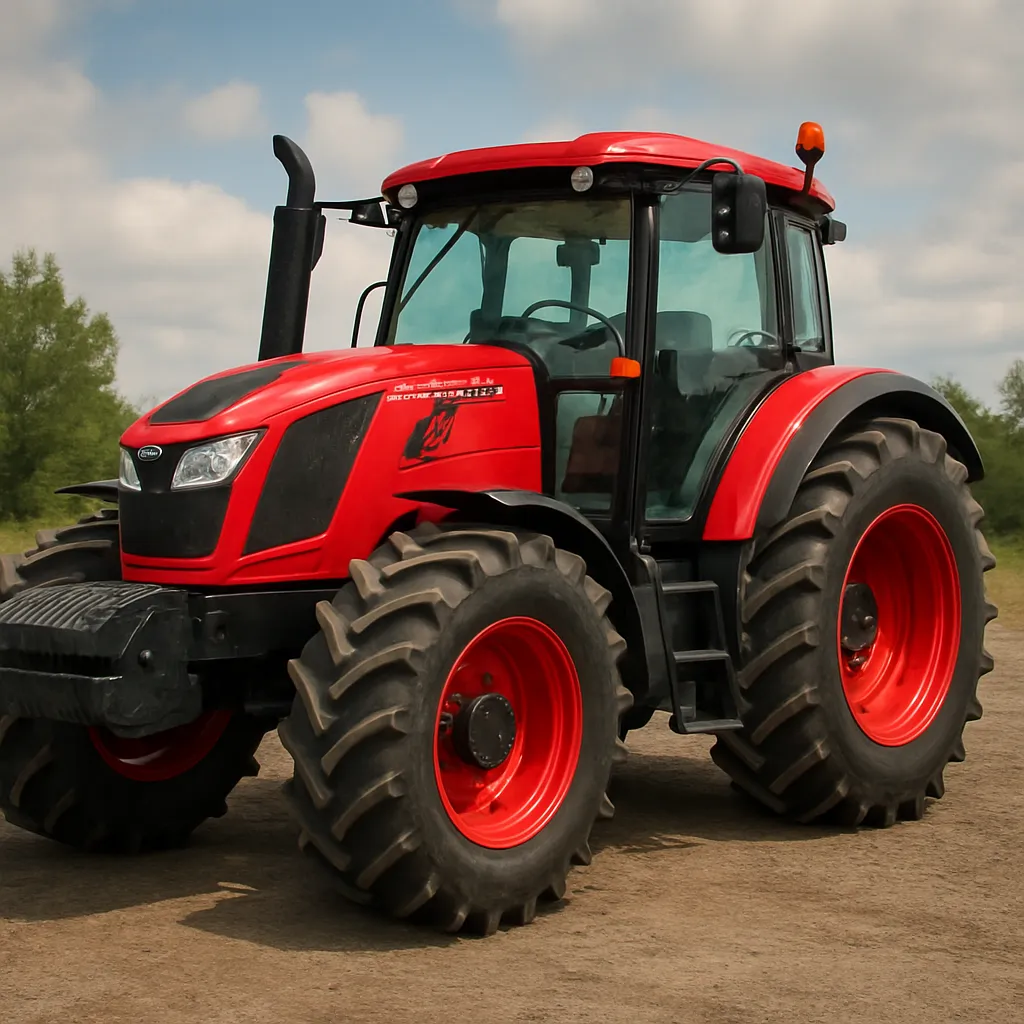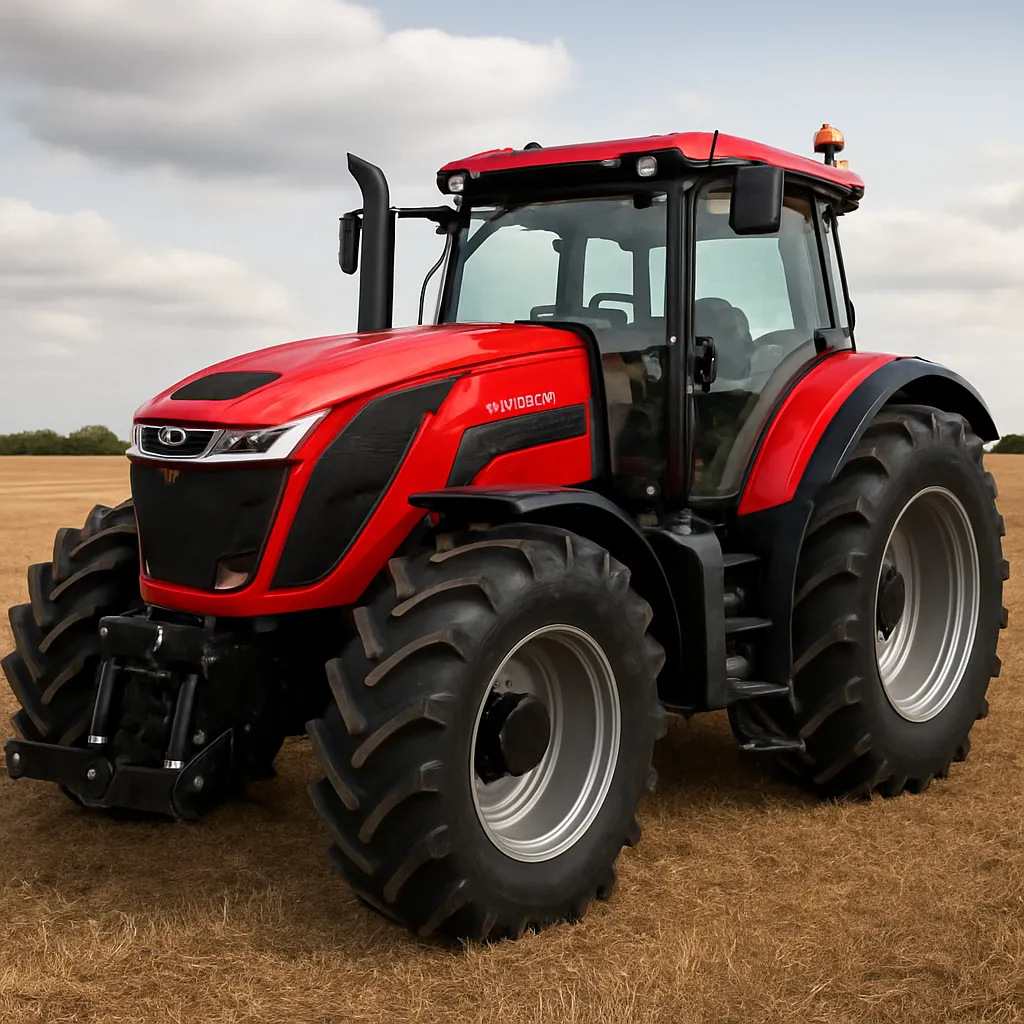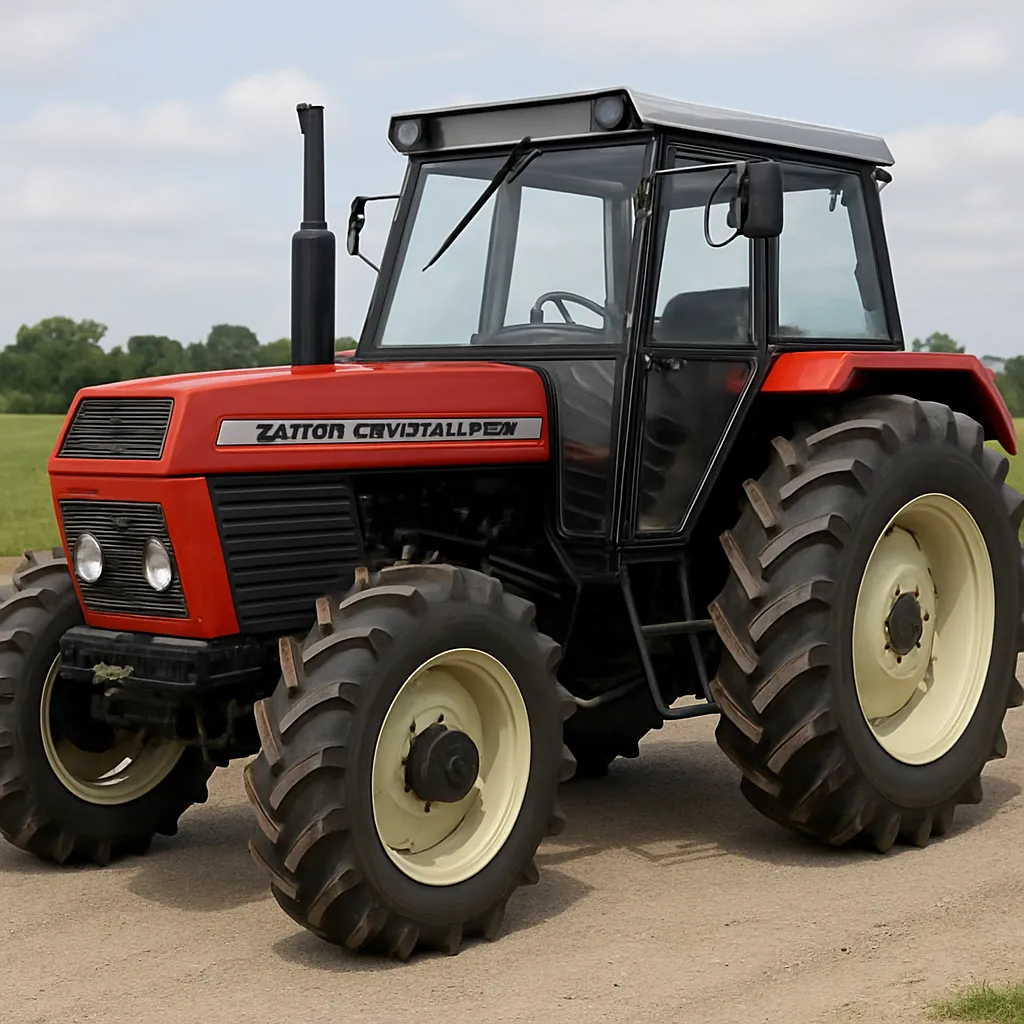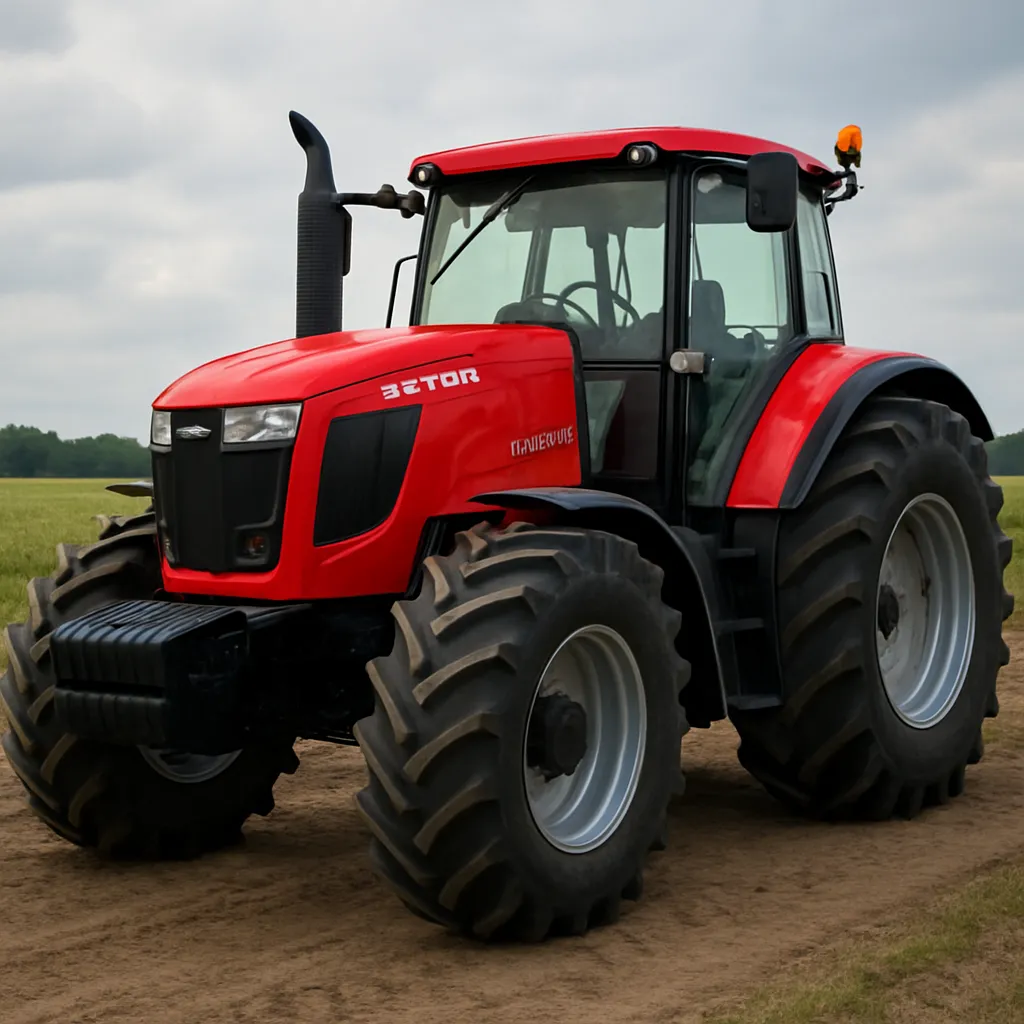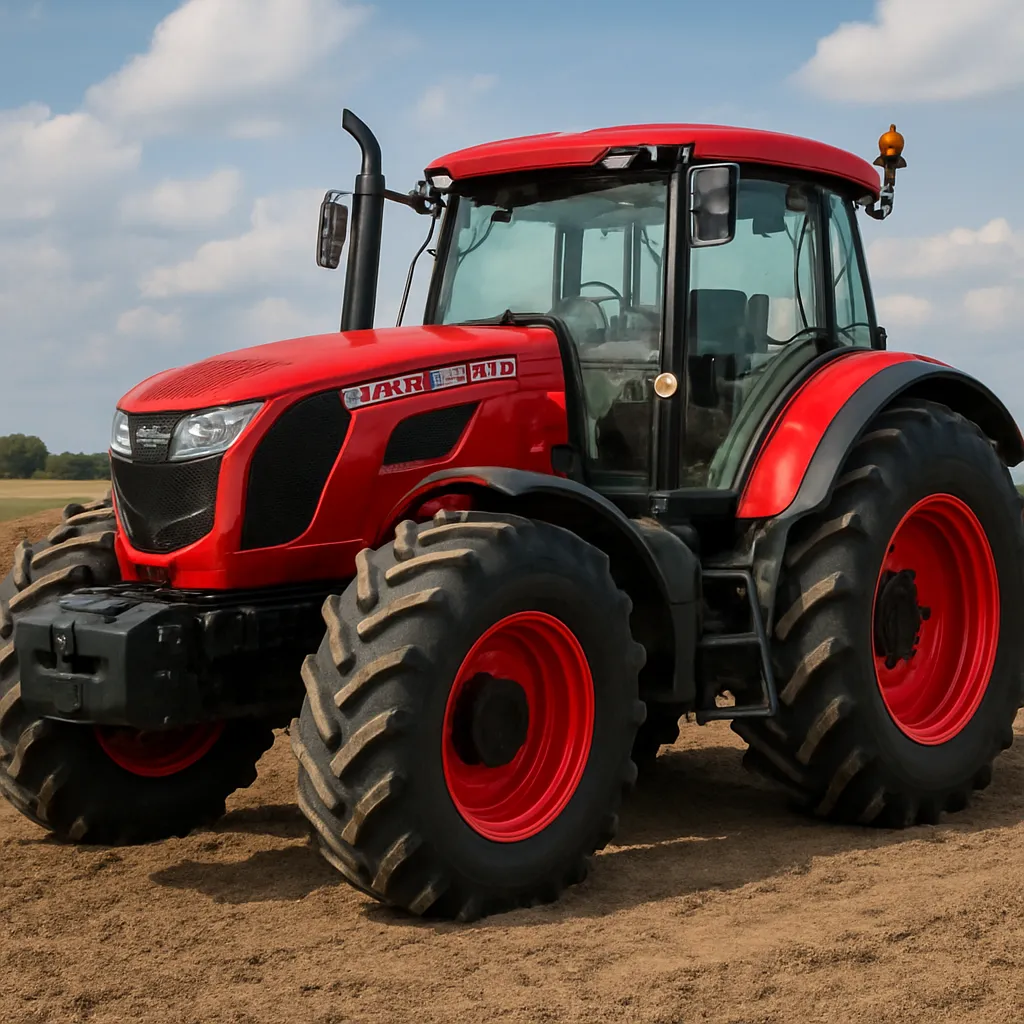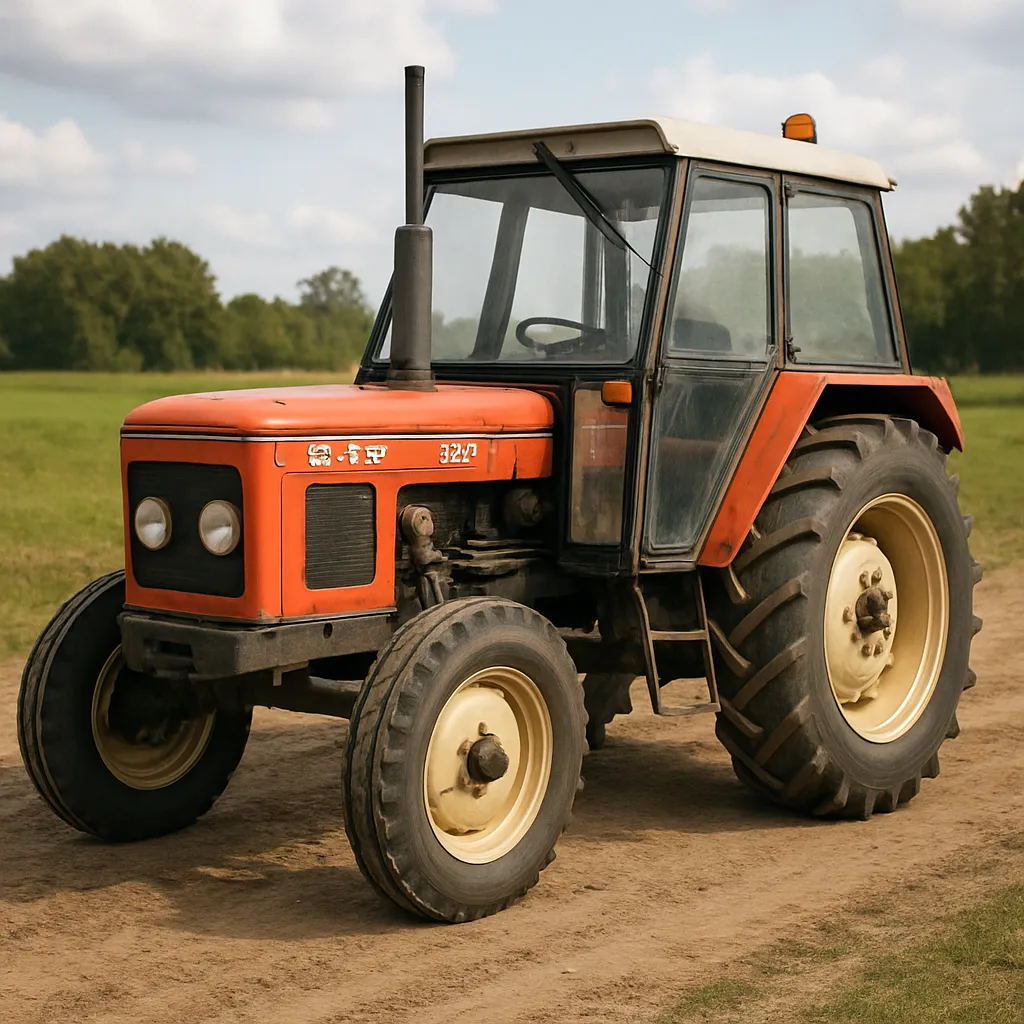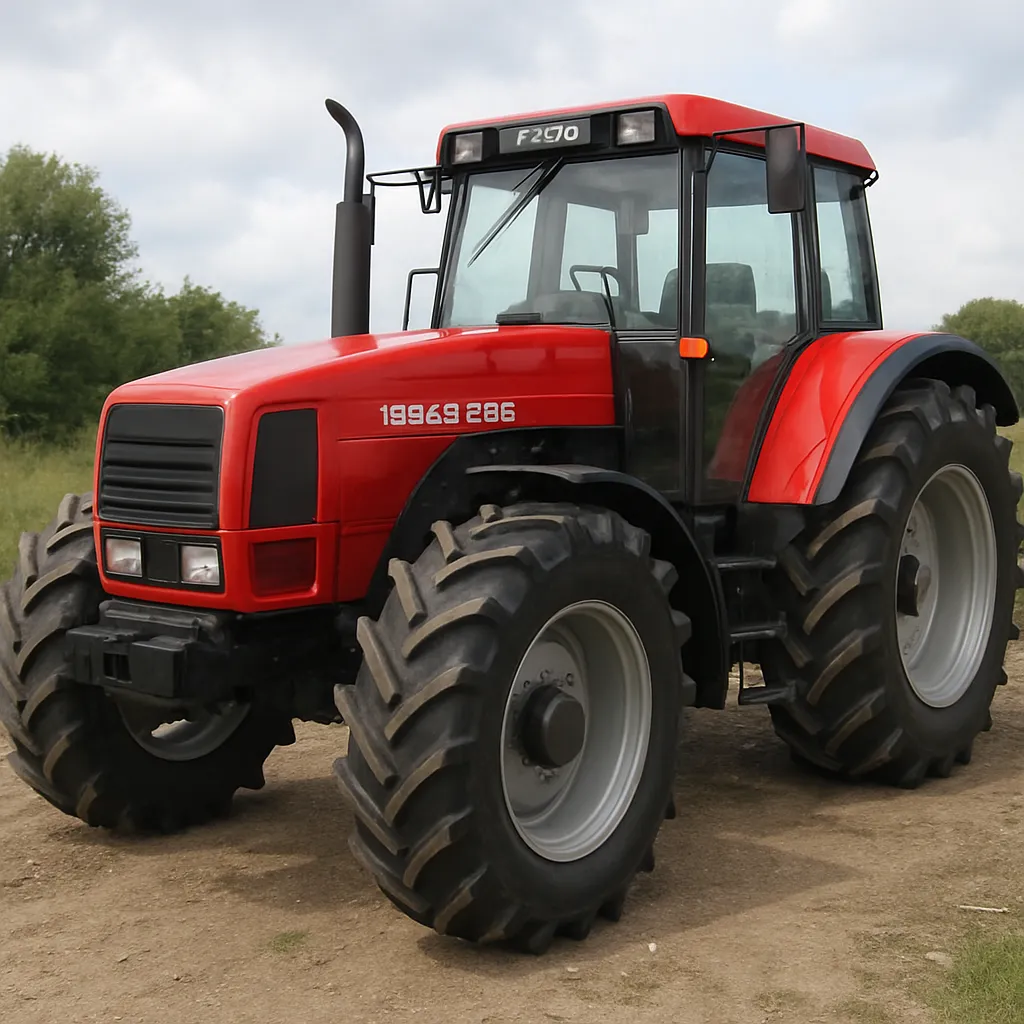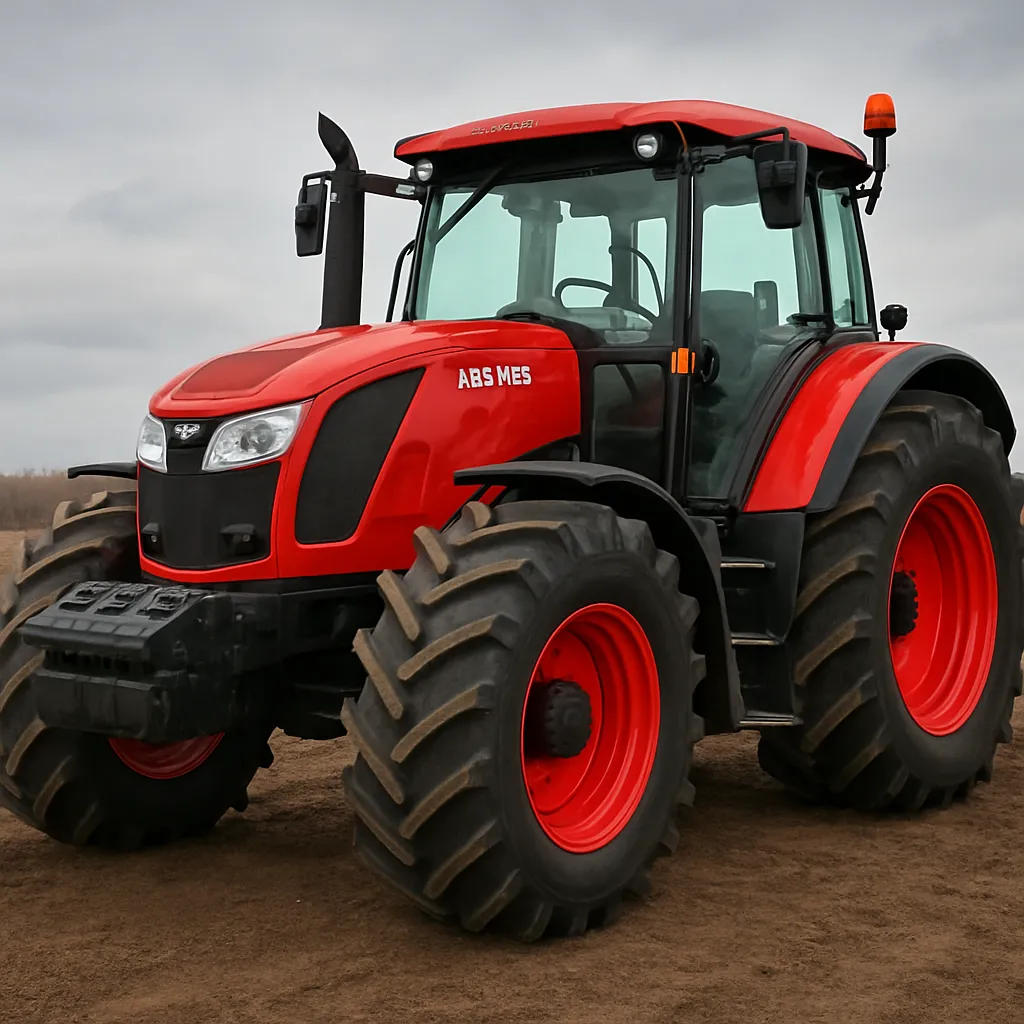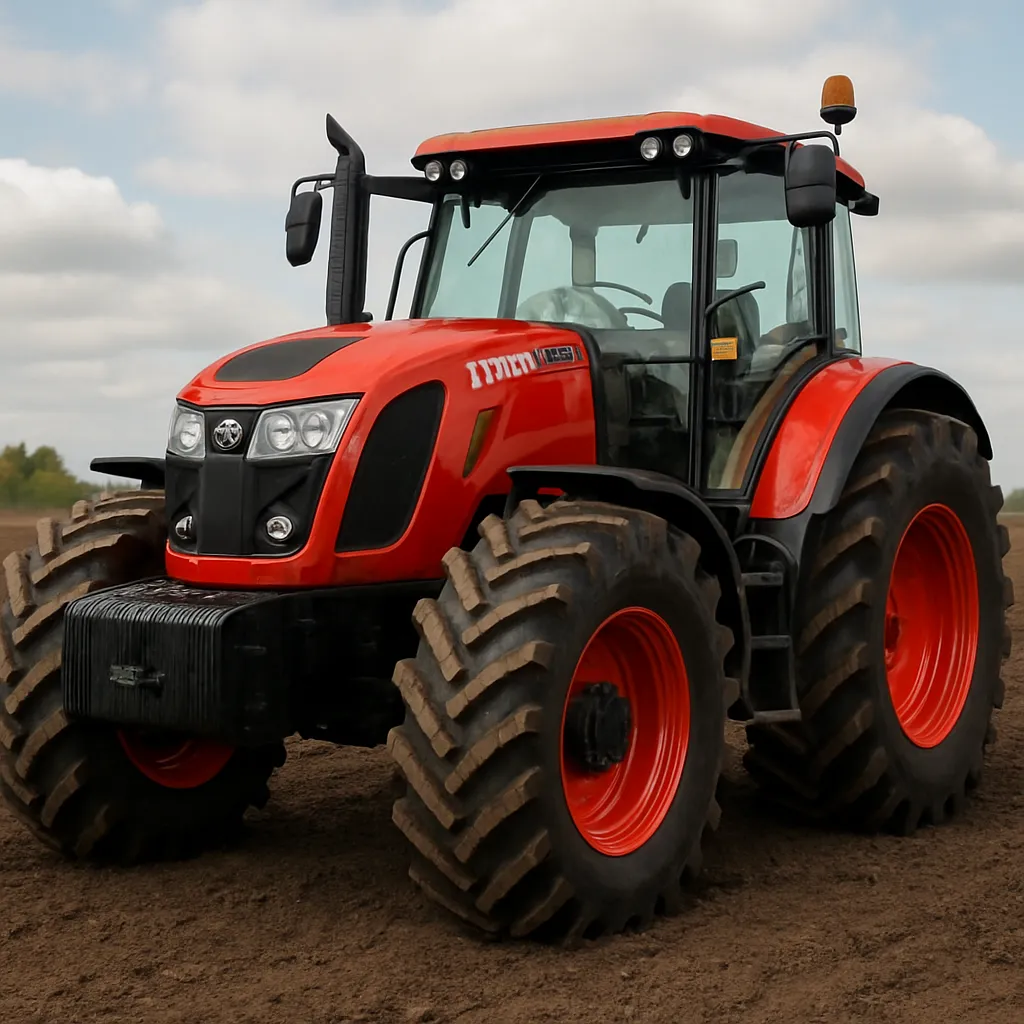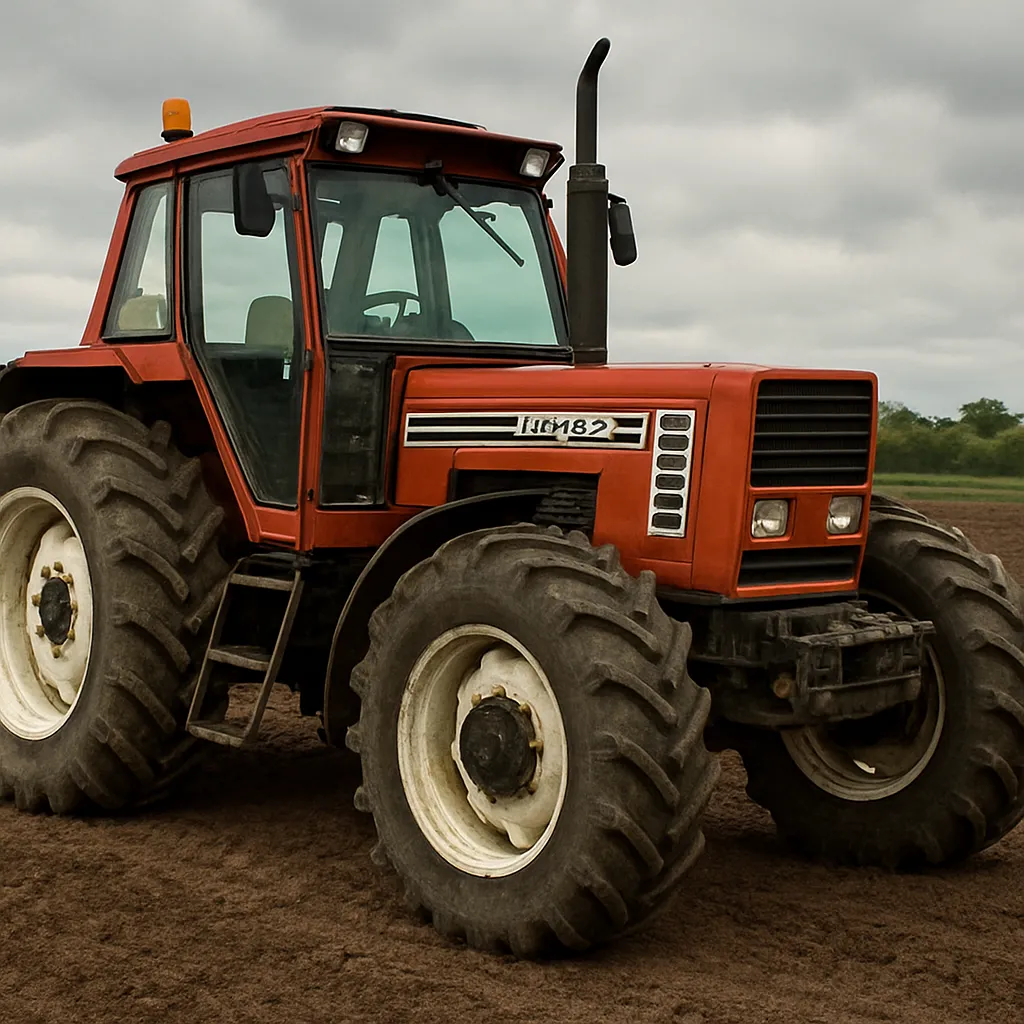
The Fiat 160-55 is a compact but capable agricultural machine that has earned a place in the toolboxes of small and medium-sized farms across Europe and beyond. Combining straightforward mechanical design with practical features, this tractor balances affordability with dependable performance. In the following sections, we will explore the model’s background, technical characteristics, common uses, maintenance and ownership considerations, and its legacy in the context of modern farming. Throughout the article, several important terms and themes will be emphasized to help highlight what makes the Fiat 160-55 a practical choice for many operators.
History and development
The Fiat 160-55 is a member of the long-running family of tractors produced under the Fiat banner and later under FiatAgri and New Holland brands as corporate structures evolved. Introduced in the late 1970s and continued through the 1980s and early 1990s in various markets, it served a market niche seeking a reliable, mid-range machine for mixed agricultural tasks.
Fiat Trattori’s approach during this period focused on creating machines that were mechanically simple, easy to repair, and versatile enough to handle many implements. The 160-55 is emblematic of that philosophy: not a high-tech flagship, but a workhorse targeted to family farms, contractors performing light fieldwork, and estate maintenance tasks. Over time, the model benefited from incremental updates—transmission choices, optional four-wheel drive, and improved hydraulic systems—while retaining the basic track-proven engine and frame design.
Technical specifications and performance
Specifications for tractors like the Fiat 160-55 can vary by year and market, especially when options (such as cab, 2WD/4WD, or PTO configurations) are fitted. The values below are representative figures commonly associated with this model or closely related series. Exact numbers should be checked against the machine’s data plate or manufacturer documentation when precision is required.
Engine and power
- Engine type: Four-cylinder diesel (naturally aspirated or in some versions turbocharged depending on market and year).
- Nominal power: Approximately 55 hp (≈41 kW) at rated engine speed — a figure that matches the model designation and places the tractor in the light-to-mid power category suitable for a wide range of implements.
- Displacement and torque: Typical for this class, displacement often ranged between ~3.5 and 4.5 liters; torque characteristics emphasize usable low-end pulling power for draft work.
Transmission and driveline
- Transmission options: Multiple-speed synchromesh transmissions were common, sometimes with multi-range options; creep gears or power shuttle variants could be available on later or upgraded examples.
- Top speed: Road speeds approximately 25–35 km/h depending on gearing and tire size; some variants could be specified for higher transport speeds for contractor use.
- 4WD availability: Many examples were offered in both 2WD and 4WD forms; 4WD improves traction for heavy draft and slippery conditions.
Hydraulics, PTO and lift
- Rear PTO: Standard rotational speeds (540 rpm) are typical, with optional 540/1000 rpm combinations on certain configurations.
- Hydraulic system: Open-centre hydraulics with a single or dual pump setup delivering moderate flow suitable for ploughs, mowers, and loaders; typical flow rates for tractors in this range are in the 25–40 L/min bracket depending on configuration.
- Lift capacity: Rear three-point hitch lifting capacity often falls in the 1,500–2,200 kg range — sufficient for medium-size mounted implements and trailers common on mid-sized farms.
Dimensions and operating weights
- Overall mass typically varied with configuration, from roughly 2,200 to 3,200 kg, depending on whether the tractor had a cab, 4WD components, or a front loader.
- Wheelbase and ground clearance were designed to strike a balance between stability and field maneuverability, making the model effective in orchards and general fieldwork.
Fuel consumption depends heavily on task and load: light transport or idling can be a few liters per hour, while heavy tillage could drive consumption into the 8–12 L/h neighborhood for tractors of this capacity, especially older naturally aspirated engines.
Typical applications and implement compatibility
The strength of the Fiat 160-55 lies in its adaptability. It was designed to be a multi-purpose machine capable of handling the everyday chores of mixed farming. Below are common use cases and the implements that pair well with the model.
Field and soil work
- Ploughing and harrowing: The tractor’s draft capacity allows operation of small-to-medium reversible ploughs, discs, and tandem harrows on farms with modest acreage.
- Seedbed preparation: Rotavators, power harrows and seed drills are within the capability envelope when matched correctly to the tractor’s PTO and hydraulic outputs.
Transport and general farm duties
- Trailed equipment: Trailers for feed, crops and general transport are a common use. The tractor’s hitch capacity and torque make it well-suited for hauling loads typical of family farms.
- Loader work: Many examples have been fitted with front loaders for material handling, manure shoveling, and yard tasks. With a loader, the tractor becomes an indispensable multi-use tool.
Livestock and specialized operations
- Mowing, baling and forage: Mowers, tedder-rakes and medium-sized balers are commonly powered by tractors in the 50–60 hp class.
- Orchard and vineyard work: Narrower versions and 2WD configurations offer the maneuverability and low-profile options important in fruit-growing operations.
Maintenance, reliability and owner experience
Owners of the Fiat 160-55 often praise its durability, simplicity of mechanical systems, and the relative ease of accessing service parts. These attributes are particularly important for farmers who prefer to perform routine repairs on-site.
Common maintenance practices
- Regular oil and filter changes: Diesel engines require periodic oil changes to protect internal components, typically on intervals recommended by manufacturer guidelines (often every 200–300 hours for older models, though this varies).
- Cooling system care: Maintenance of the radiator and coolant system is critical to prevent overheating, particularly in older machines or those used in heavy-draw applications.
- PTO and clutch inspection: Engagement systems and linkages wear with use; regular inspection and adjustment prolong lifecycle and ensure safe operation.
- Hydraulic checks: Monitoring hydraulic fluid levels, hoses and seals prevents leaks and maintains implement responsiveness.
Reliability and common issues
As with many tractors of this era, the Fiat 160-55’s longevity depends on how it has been used and maintained. Typical issues reported by owners include wear to the clutch and transmission components under heavy use, occasional hydraulic leaks, and the need for turbocharger or fuel injection work on higher-hour engines. However, the mechanical design’s simplicity means many repairs are straightforward for experienced mechanics.
Operator comfort and ergonomics
Cab and comfort packages vary. Many tractors were supplied with a basic open station or cab with minimal climate control in early production. Later models or retrofitted examples could include more comfortable seating, improved controls and better sound insulation. Despite variations, the layout prioritizes functionality and visibility.
Market, resale and parts availability
The Fiat 160-55 occupies a niche where simplicity and cost-effectiveness are important. In many regions, good examples continue to trade on the used market as economical choices for smallholdings and hobby farmers.
Resale values and demand
- Affordability: When compared to newer, more feature-rich tractors, older Fiat models usually offer lower purchase prices — attractive to buyers needing basic capability rather than advanced electronics.
- Demand drivers: Demand is strongest in regions with many small farms, where the balance between purchase price, maintainability and operational capability matters more than absolute horsepower.
Parts and support
One advantage of a widely distributed tractor line is the relative ease of sourcing spare parts. Fiat has a long history in agricultural manufacturing, and many components—filters, belts, hydraulic seals, PTO parts—remain available through dealers, aftermarket suppliers and salvage yards. Enthusiast communities and online forums also provide practical knowledge for repairs and restorations.
Variants, upgrades and modern adaptations
Over time, owners and small workshops have adapted Fiat 160-55 tractors for modern use by retrofitting cabs, upgrading hydraulics, or fitting more efficient aftermarket implements. Common upgrades include:
- Improved hydraulic pumps for higher flow to power modern implements like bale wrappers and front-mounted equipment.
- Power take-off conversions to support 1,000 rpm implements or add PTO clutches for smoother engagement.
- Engine tuning or fuel system upgrades to improve efficiency and emissions slightly while retaining original durability.
- Electrical upgrades to add lighting, alternators with higher output for accessories, or better instrumentation for safety and convenience.
These pragmatic modifications allow older machines to remain useful, which is particularly valuable for farms looking to reduce capital expenditure while maintaining operational capacity.
Comparisons and how it stacks up today
In today’s market, tractors with similar rated power are available with modern features such as electronic engine management, advanced transmissions (CVT or powershift), and sophisticated hydraulics. Compared to those, the Fiat 160-55 is less sophisticated but often more affordable and easier to repair. For small farms, contractors on a budget, or restoration enthusiasts, it remains a viable option.
- Pros: Simple mechanics, good parts availability, strong value proposition, adaptable to multiple tasks.
- Cons: Lack of modern safety/electronic features, potentially higher fuel consumption per unit of work compared to newer engines, and comfort levels often below modern cabs.
Practical buying advice and final thoughts
When considering a Fiat 160-55 for purchase, prospective buyers should:
- Inspect the engine and record of maintenance — look for signs of oil leaks, smoke under load, and compression issues.
- Check the transmission and clutch operation, listening for unusual noises under gear changes.
- Confirm hydraulic integrity — look for leaks and test live hydraulic function under load if possible.
- Assess the suitability for intended implements — confirm PTO speeds and hitch lift capacity match the tools you plan to use.
- Review availability of local parts and mechanics familiar with Fiat-era equipment.
For many operators, the Fiat 160-55 represents a blend of practicality and dependability. It is not the most advanced machine by modern standards, but for routine agricultural tasks, small-to-medium-sized farms, and owners who value straightforward serviceability, it remains a sensible choice. With proper care, these tractors can provide many years of productive use and continue to be a familiar sight across fields where cost-effectiveness and mechanical simplicity are prioritized.