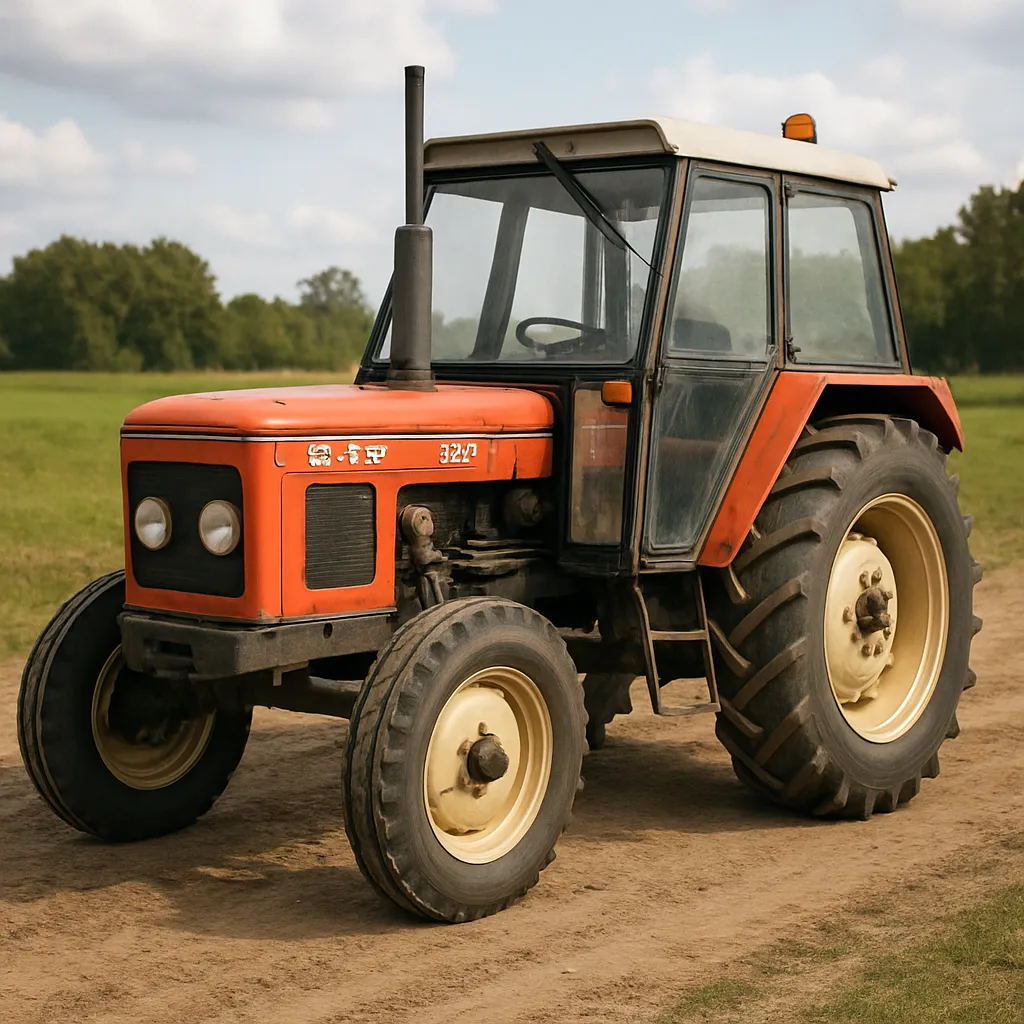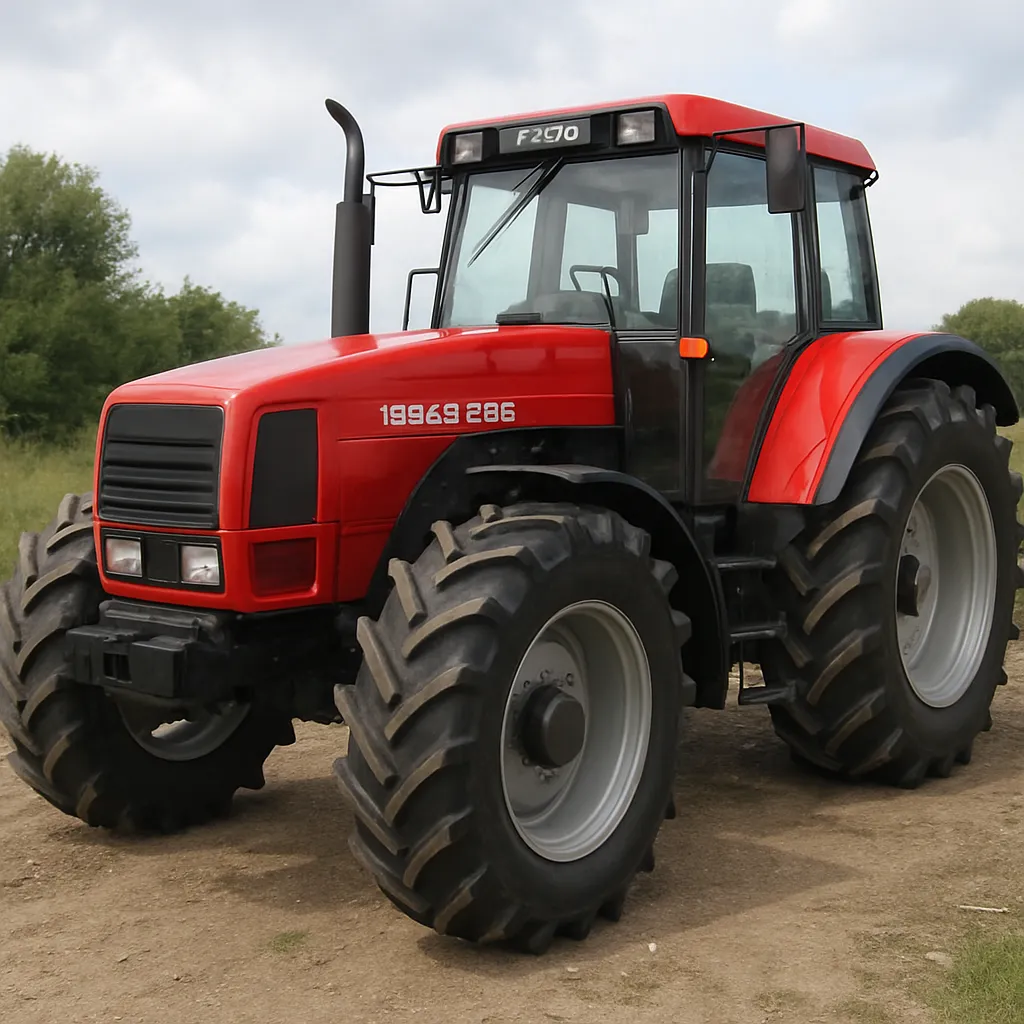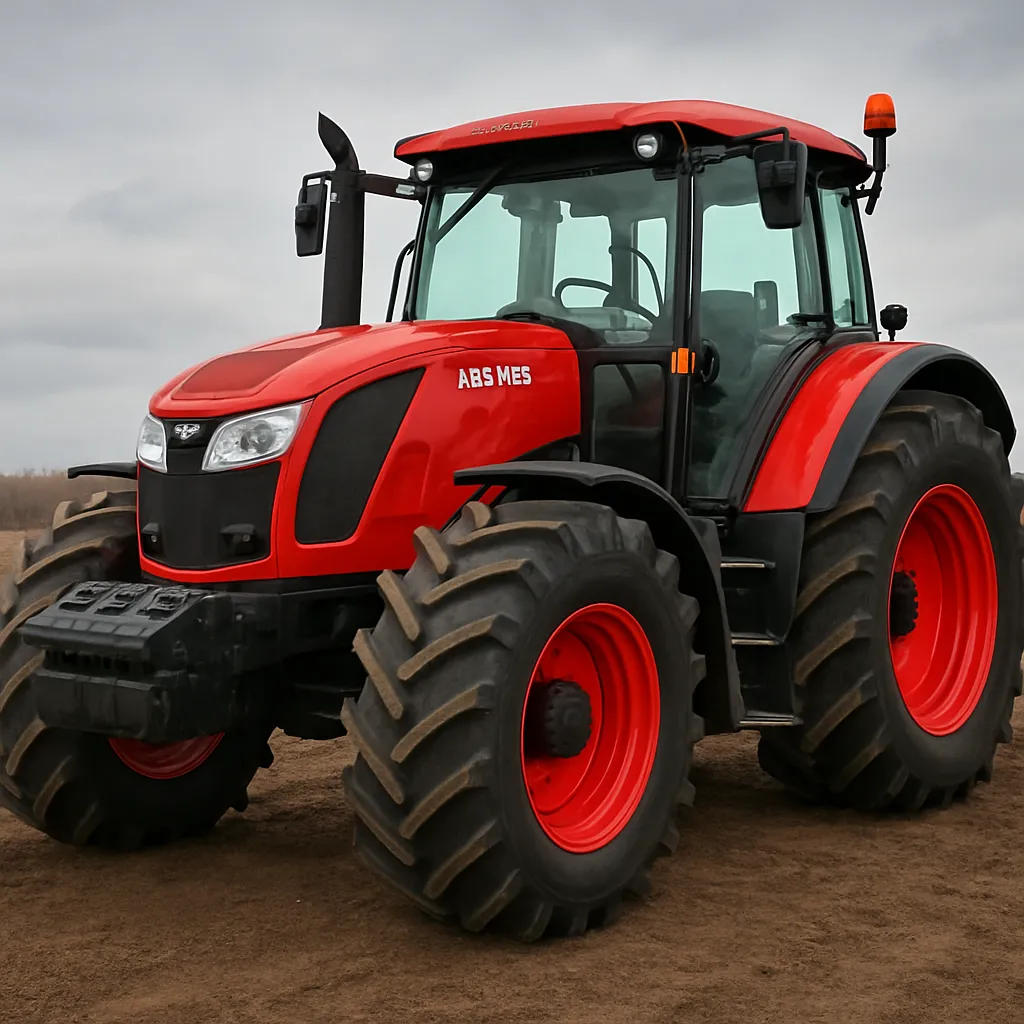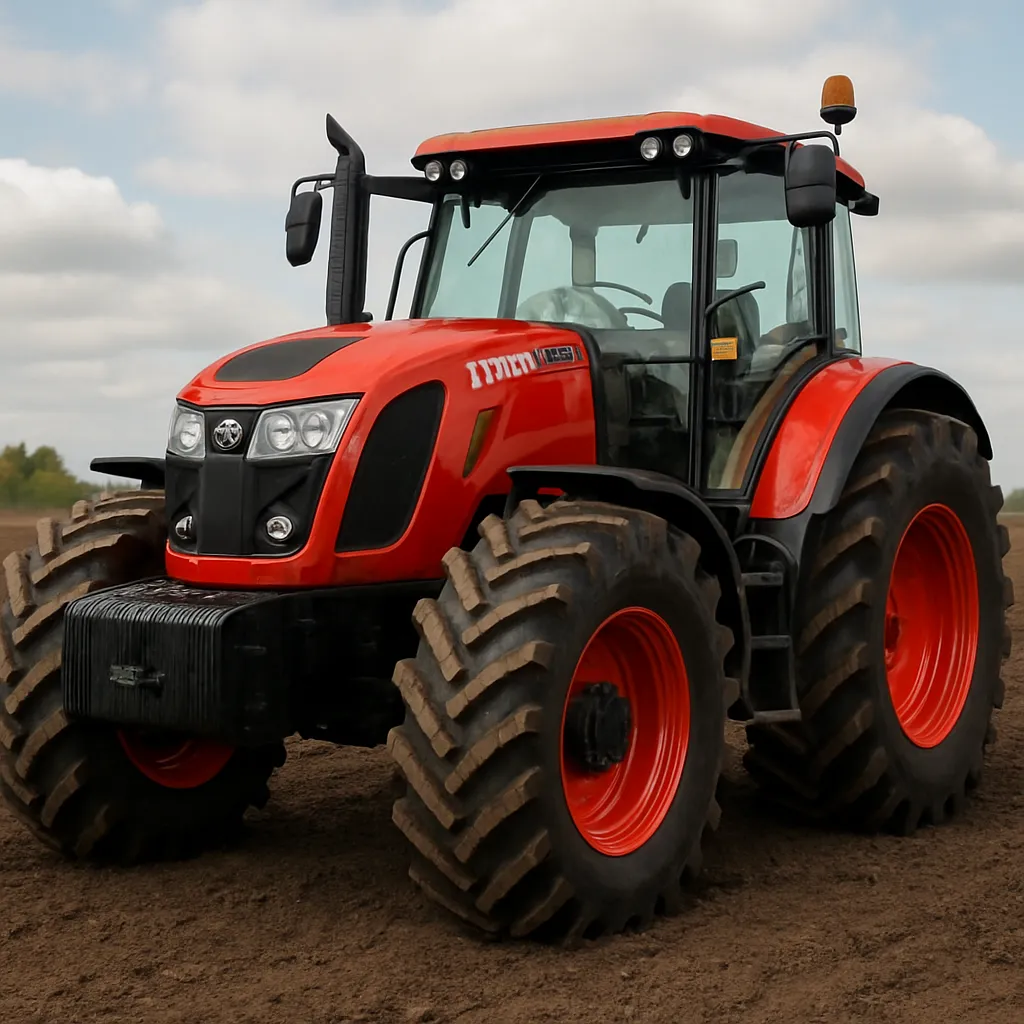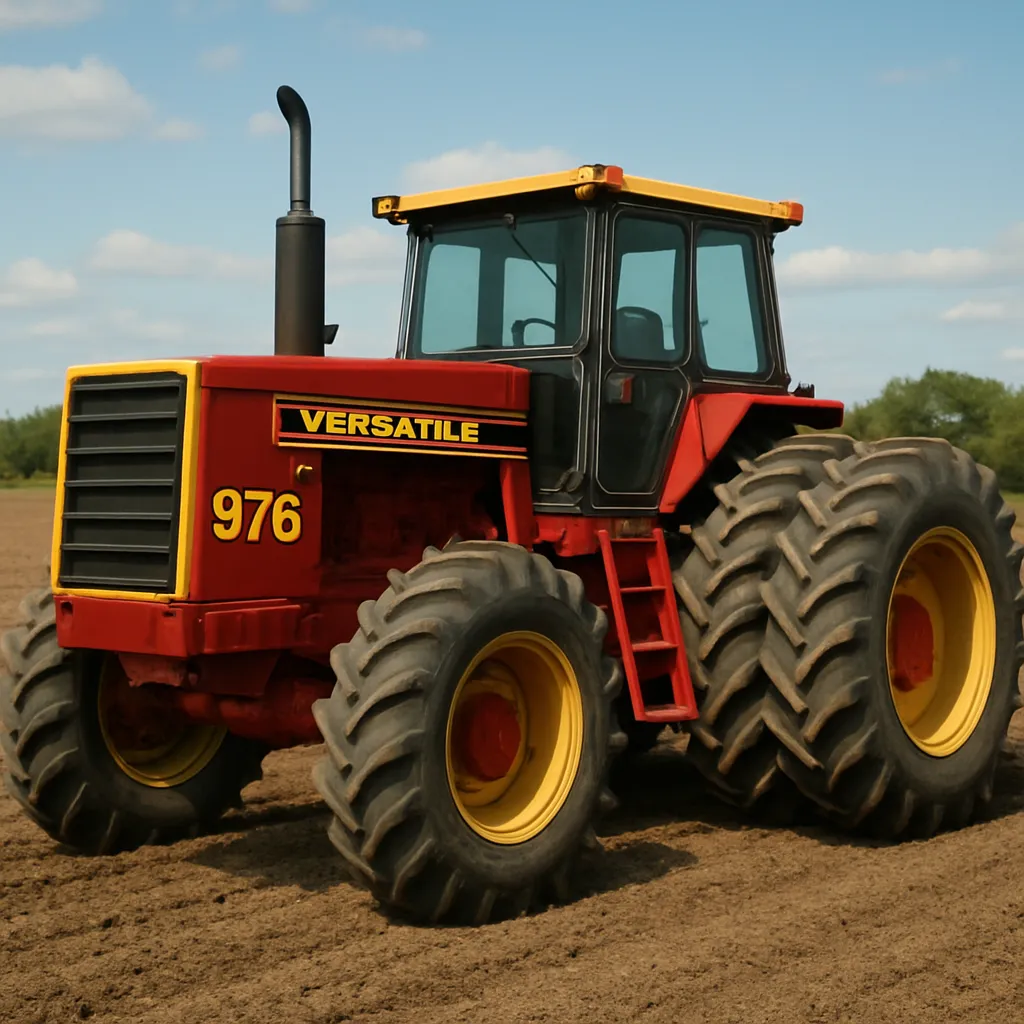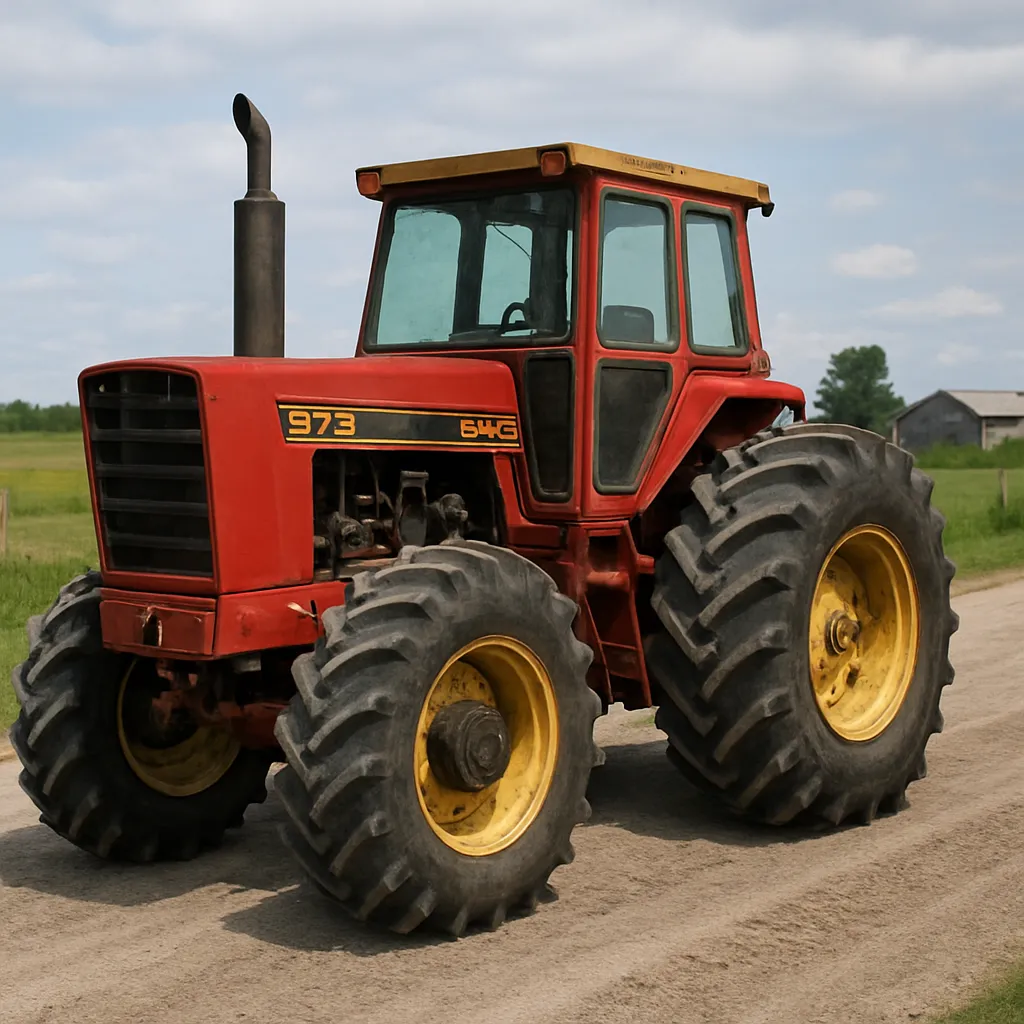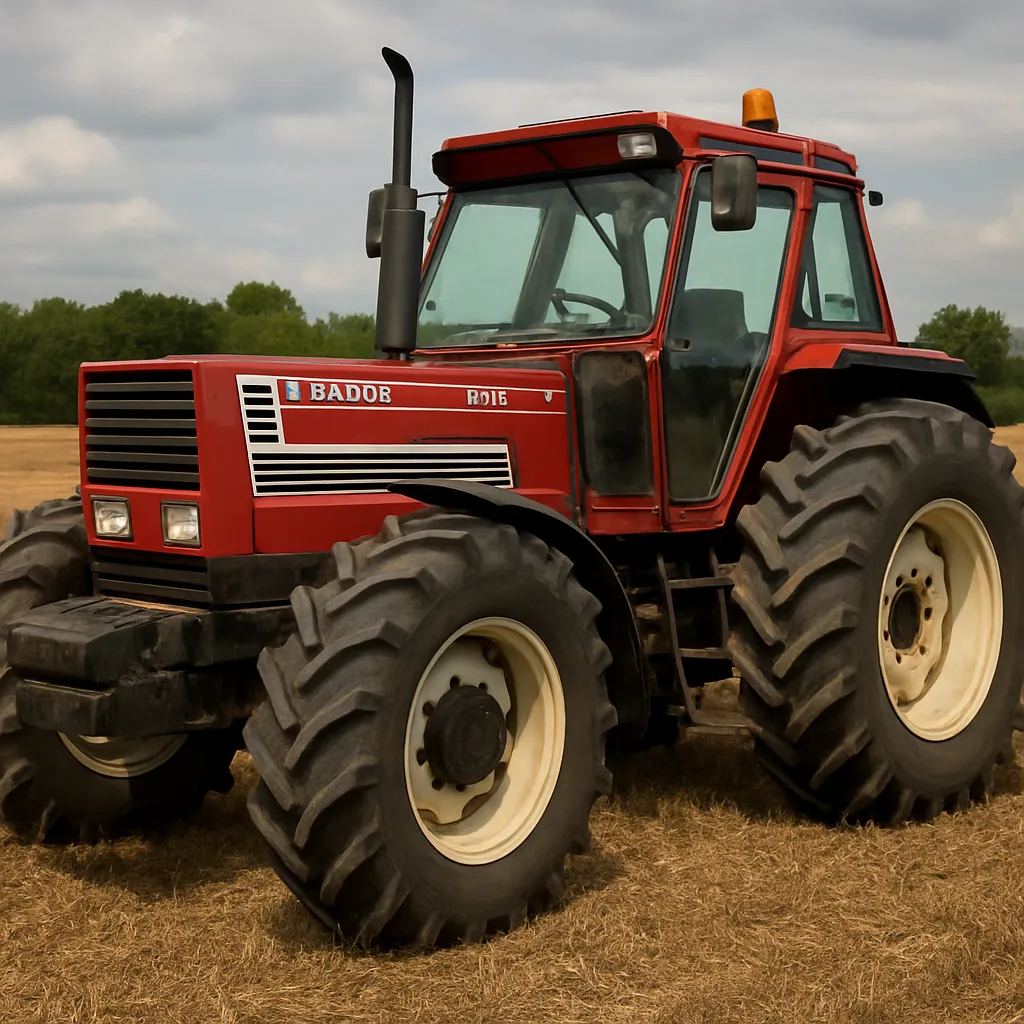
The Fiat 160-90 DT stands out as a robust workhorse from a period when agricultural mechanization demanded both power and simplicity. Designed to perform heavy-duty tasks on large farms and in demanding conditions, this tractor combined tried-and-true mechanical systems with features that made it versatile across seasons and regions. In the following sections, we explore its technical characteristics, practical applications, maintenance considerations, historical context and the most commonly cited specifications. Wherever possible, numerical values are given as approximate figures because exact setup and output could vary by year, market and optional equipment.
Design and technical characteristics
The Fiat 160-90 DT was built around a core philosophy: deliver dependable power and straightforward mechanics that are easy to service in the field. The model designation itself is informative—”160″ indicates the general power class (around 160 horsepower) and “DT” denotes a two-axle drive configuration with emphasis on traction and durability.
Engine and performance
- The tractor is typically powered by a 6-cylinder, turbocharged diesel engine. Displacement values commonly cited fall in the neighborhood of 6.0 liters, though exact figures depend on production year and specific block tuning.
- Rated engine power is approximately 150–165 hp (roughly 110–123 kW), with a peak torque designed for heavy draft implements.
- Power delivery favors low-end torque for pulling heavy loads and for tasks such as deep tillage or seedbed preparation.
Transmission and driveline
- Transmission options varied by market and year; typical configurations include multi-range gearboxes with synchronized shift and a variety of speed steps (for example 12 forward and 4 reverse up to options with 16/8 or more gears when a creeper was fitted).
- The DT variant generally features a robust 4WD drivetrain with locking differentials available or fitted as standard on some versions, improving traction in loose or wet soils.
- PTO (power take-off) systems were designed to deliver a high and steady PTO output suitable for large balers, mowers, and forage implements; PTO ratings commonly quoted range from 120–140 hp depending on configuration.
Hydraulics, hitch and lifting capacity
- The tractor was fitted with a hydraulic system capable of handling heavy implements. Three-point hitch lifting capacities often fall in the range of several thousand kilograms—typical quoted figures run from about 3500 to 5000 kg depending on linkage and optional equipment.
- Auxiliary hydraulic circuits and spool valves were available to operate complex implements; flow rates and pressure depend on pump size and factory or aftermarket choices.
Cab, ergonomics and safety
- Fiat placed emphasis on operator comfort for long working days: the cab offered a practical layout with good visibility, basic heating and ventilation, and an instrument cluster focused on essential readouts.
- Safety equipment included roll-over protection structures (ROPS) or fully enclosed cabs on many variants, and robust braking systems suitable for towing heavy trailers on public roads.
Applications and everyday use
The Fiat 160-90 DT was designed for the mid-to-large scale farm where horsepower and endurance were critical. Its utility extended beyond straightforward ploughing; farmers and contractors used it in a wide range of activities.
Primary agricultural roles
- Tillage: The tractor excelled in primary tillage—pulling large reversible ploughs, subsoilers and heavy discs across demanding soils.
- Seedbed preparation: With adequate ballast and the correct tires, it provided stable traction for cultivators and power harrows.
- Seeding and planting: Paired with large planters and seed drills, the tractor’s steady PTO and hydraulic capacity ensured even operation across wide working widths.
- Harvest support: It served as a prime mover for trailers, self-propelled carts and implements used during harvest seasons—baling, hauling and loading tasks were common.
Contracting and specialised uses
- Contractors favored the model for heavy-fieldwork contracts because of its durability and ability to work long hours under load.
- With front-mounted implements and suitable power takeoffs, the tractor could be adapted for mowing, snow clearing, and road verge maintenance.
- In some regions, adapted versions and aftermarket kits made the unit useful in forestry operations for skidding and winching tasks.
Adaptability and seasonal utility
- One attraction was the machine’s adaptability: farmers could switch from deep spring ploughing to summer transport to winter snow clearing with relatively quick changes in attachments.
- Fitted with dual wheels or tracks, the tractor’s traction and flotation could be optimized for wet or soft soils to minimize compaction while maximizing pull.
Operation, maintenance and common modifications
Like all tractors intended for heavy use, the Fiat 160-90 DT rewards regular, preventive maintenance. Many owners report decades of service when maintenance is respected. The mechanical simplicity compared with modern electronically controlled units makes it approachable for small workshops and farm mechanics.
Routine maintenance
- Regular oil and filter changes for engine and hydraulic systems are the backbone of long service life. Diesel fuel quality and timely fuel filter replacement are essential to prevent injection system wear.
- Periodic checks of the turbocharger, if equipped, and attention to cooling system condition (radiator, hoses, thermostat) extend engine longevity.
- Transmission and final-drive oil changes at manufacturer intervals preserve gear integrity, particularly important under heavy load operations.
Common wear items and repairs
- Fuel injection pumps and injectors are typical wear items in older diesels; proper tuning and clean fuel reduce failure rates.
- Hydraulic seals and hoses may require attention after hard seasonal use; leaks are common in high-hour tractors and are repairable with standard parts.
- Clutch and gearbox components may need refurbishing in tractors that have spent years under heavy traction loads or frequent road travel.
Popular modifications and upgrades
- Many owners fit front weights or ballast to balance large rear-mounted implements and improve traction.
- Upgrades to modern auxiliary systems—such as improved lighting, hydraulic remotes or even basic GPS guidance—are common to improve usability.
- Some owners retrofit more comfortable seats, improved cab insulation, or aftermarket control panels to raise operator comfort without altering the core mechanicals.
Historical context and market impact
Produced during an era when mechanical resilience was as valuable as raw horsepower, the Fiat 160-90 DT occupies a practical niche in tractor history. Fiat’s agricultural machinery division had built a reputation for producing rugged machines that could be serviced in rural areas where specialised dealers were not always available.
Role in mechanisation
- Large farms and agricultural contractors in Europe, South America and other regions adopted models like the 160-90 DT to scale operations and reduce reliance on animal traction.
- The tractor’s design philosophy reflected a transitional era between purely mechanical machines and the later integration of more electronics and advanced hydraulics in the 1990s and 2000s.
Resale, longevity and collector interest
- Because of its straightforward mechanics, the Fiat 160-90 DT is still present on secondary markets; well-maintained examples retain value for buyers seeking reliable, low-tech power.
- There is a modest collector and enthusiast community for classic Fiat tractors; restoration projects are common and replacement parts—either original or aftermarket—are reasonably available in many regions.
Specifications and commonly reported statistical data
The following figures are representative and intended to give a practical view of what owners and spec sheets typically report. Exact numbers vary with year, market and option packages, so treat them as approximate ranges rather than absolute factory values.
- Engine configuration: 6-cylinder, turbocharged diesel (approx. 5.8–6.2 L displacement).
- Rated power: ~150–165 hp (110–123 kW) at rated RPM.
- PTO power: ~120–140 hp, depending on drive losses and engine tune.
- Maximum road speed: Typically up to 40 km/h in higher-speed gearbox options.
- Transmission: Multi-range synchronized gearbox; common configurations include 12/4, 16/8 or variants with creeper ranges for very low-speed work.
- Hydraulic flow and lift capacity: Hydraulic pump flow varies by option; three-point hitch lift capacities often quoted between 3500 and 5000 kg.
- Weight: Operating weight commonly ranges from approximately 5,000 to 6,500 kg depending on equipment and ballast.
- Fuel tank: Typical capacity around 200–250 liters, giving long operational range between refuels.
- Tire sizes: Rear tires commonly 18.4–38 or similar; front tires vary around 12.4–24 depending on application.
Practical buying advice and final notes
If you are considering acquiring a Fiat 160-90 DT—whether as primary equipment, a backup workhorse, or a restoration project—here are practical points to weigh:
- Inspect maintenance records, focusing on engine service, injection system work and gearbox condition.
- Check for evidence of heavy clutch slippage, overheating history or hydraulic leaks—these indicate likely near-term expense.
- Confirm whether the tractor has had major modifications; well-documented, reversible upgrades can add value, while undocumented changes might complicate repairs.
- Because many components are mechanical rather than electronic, sourcing a knowledgeable mechanic familiar with older Fiat tractors will pay dividends in upkeep and diagnosis.
In summary, the Fiat 160-90 DT represents a period-appropriate balance of durability, straightforward engineering and sufficient power for large-scale agricultural tasks. Its performance profile makes it suitable for primary tillage, transport and heavy PTO-driven implements, and its relative simplicity facilitates long service life with routine attention. For farms and contractors prioritizing resilient, easy-to-service machines, the 160-90 DT remains a practical choice even decades after its primary production run.