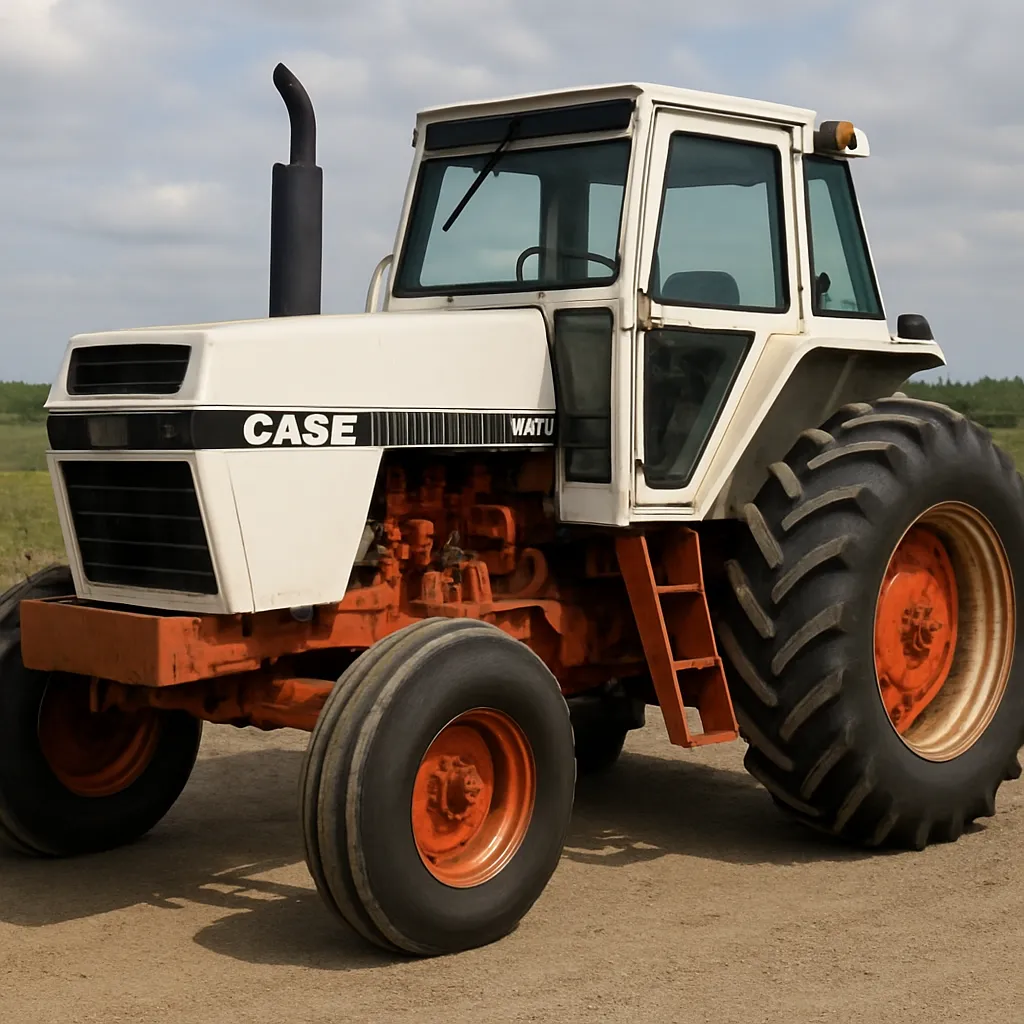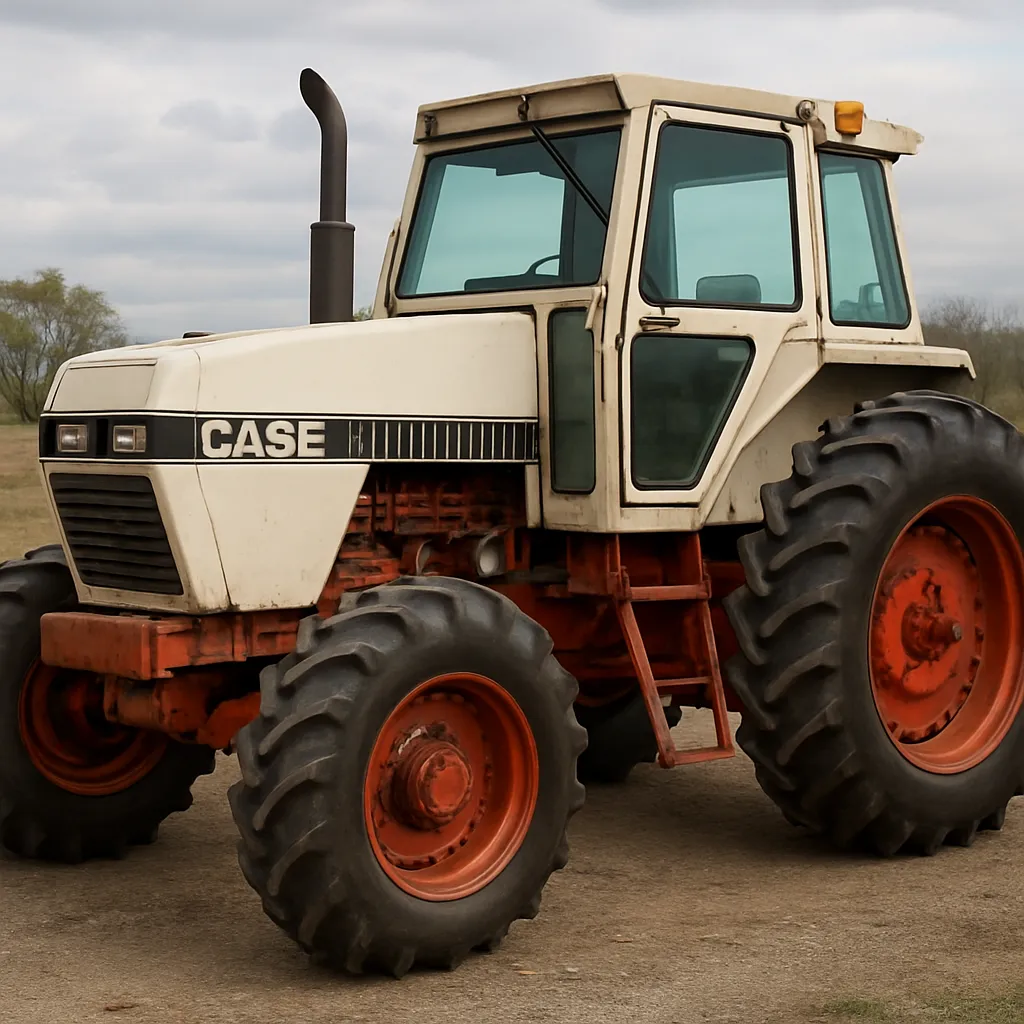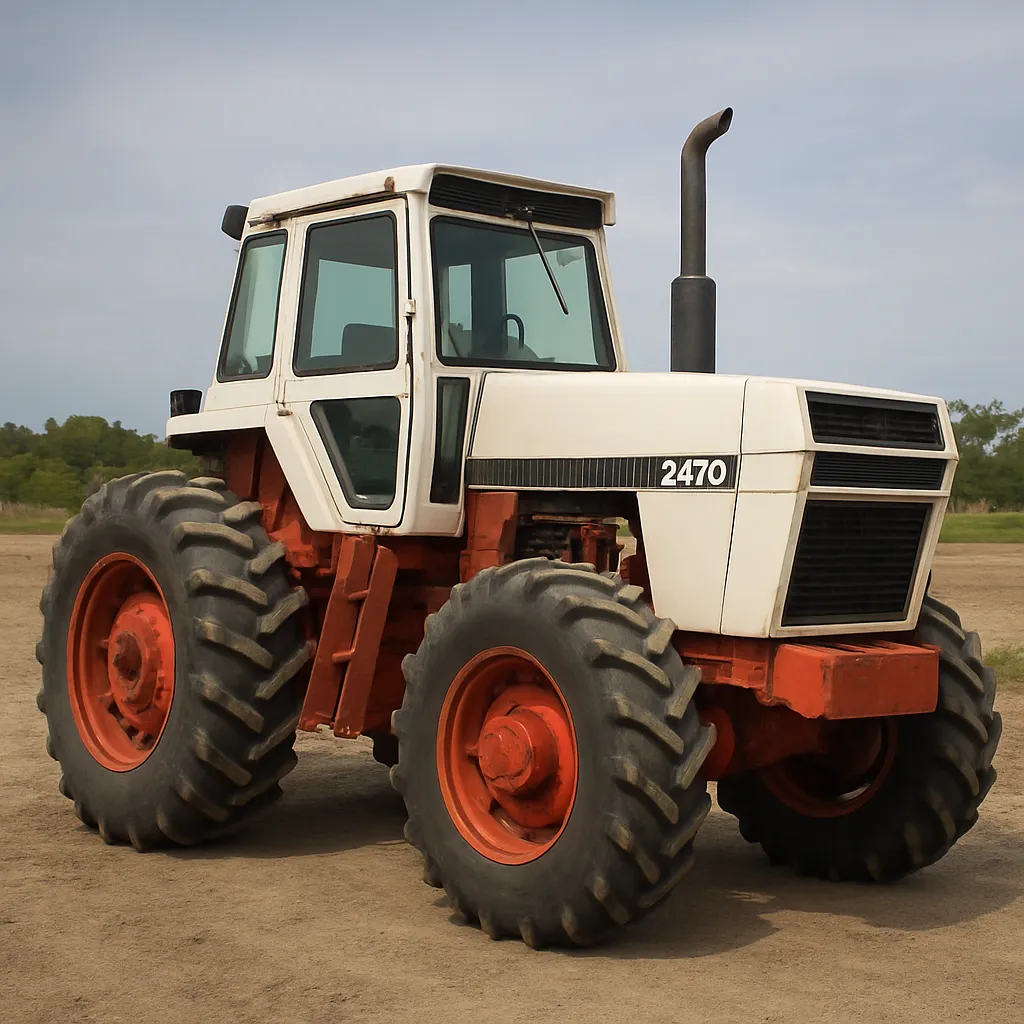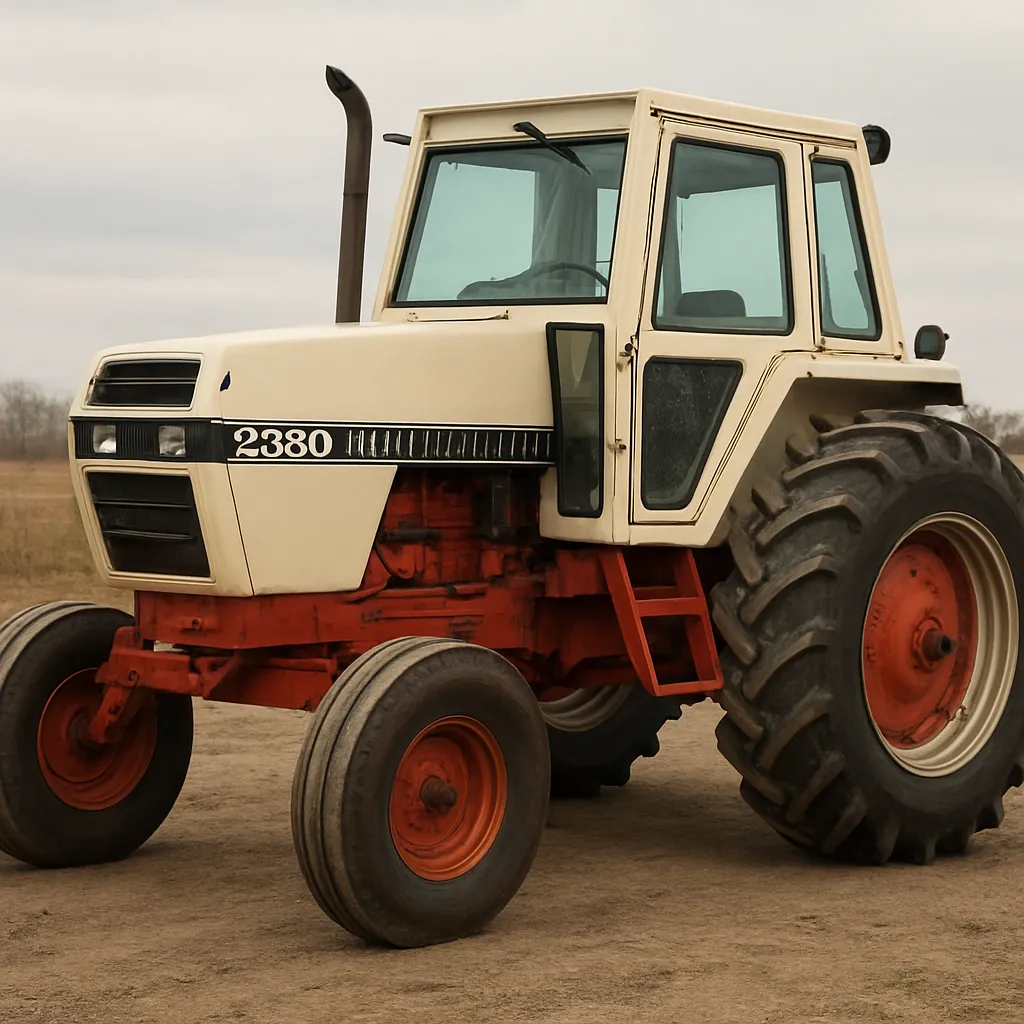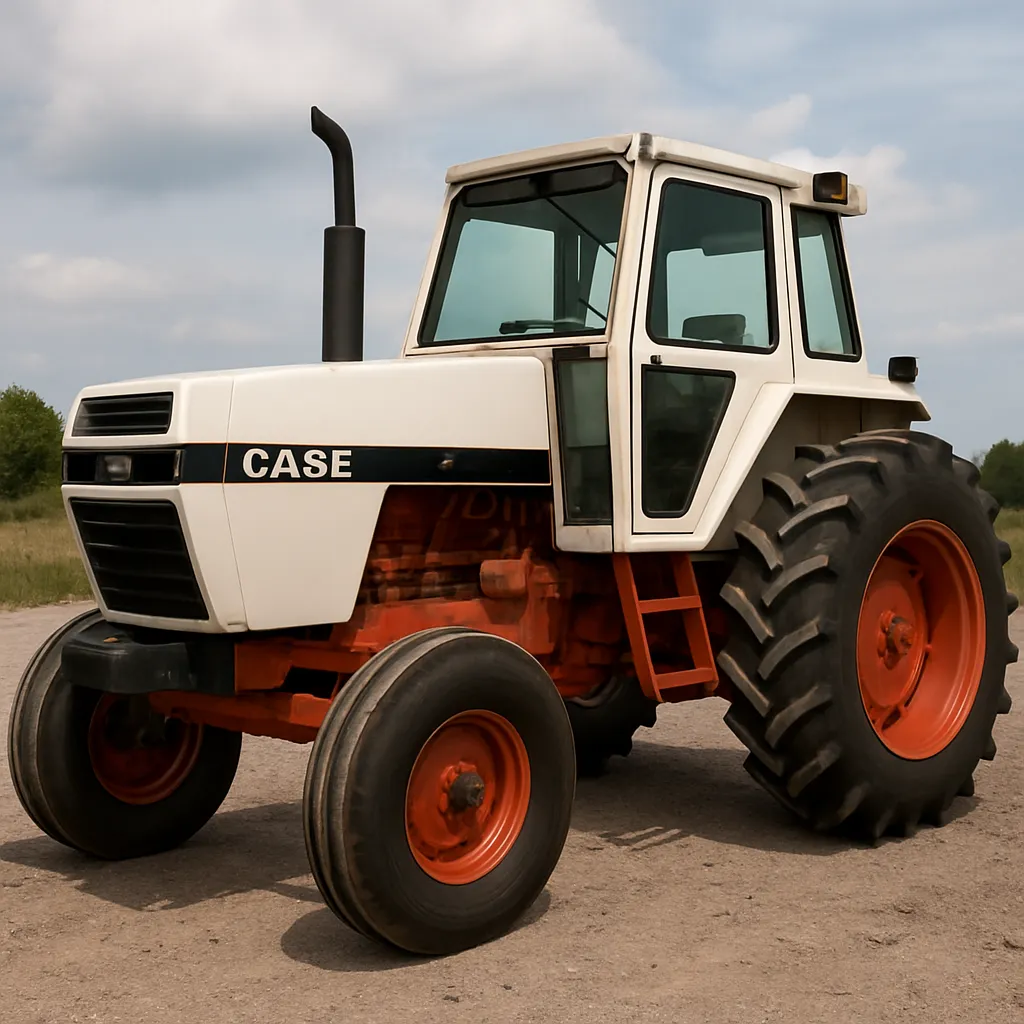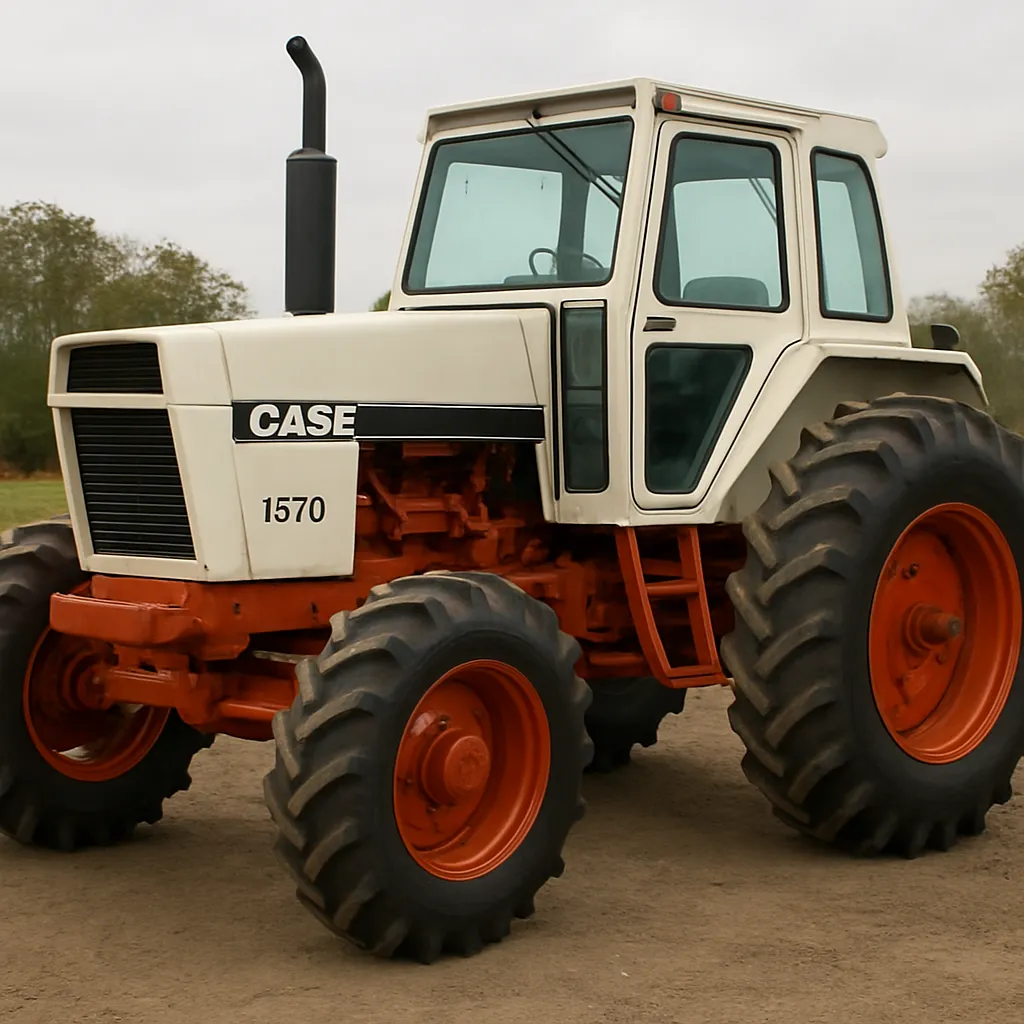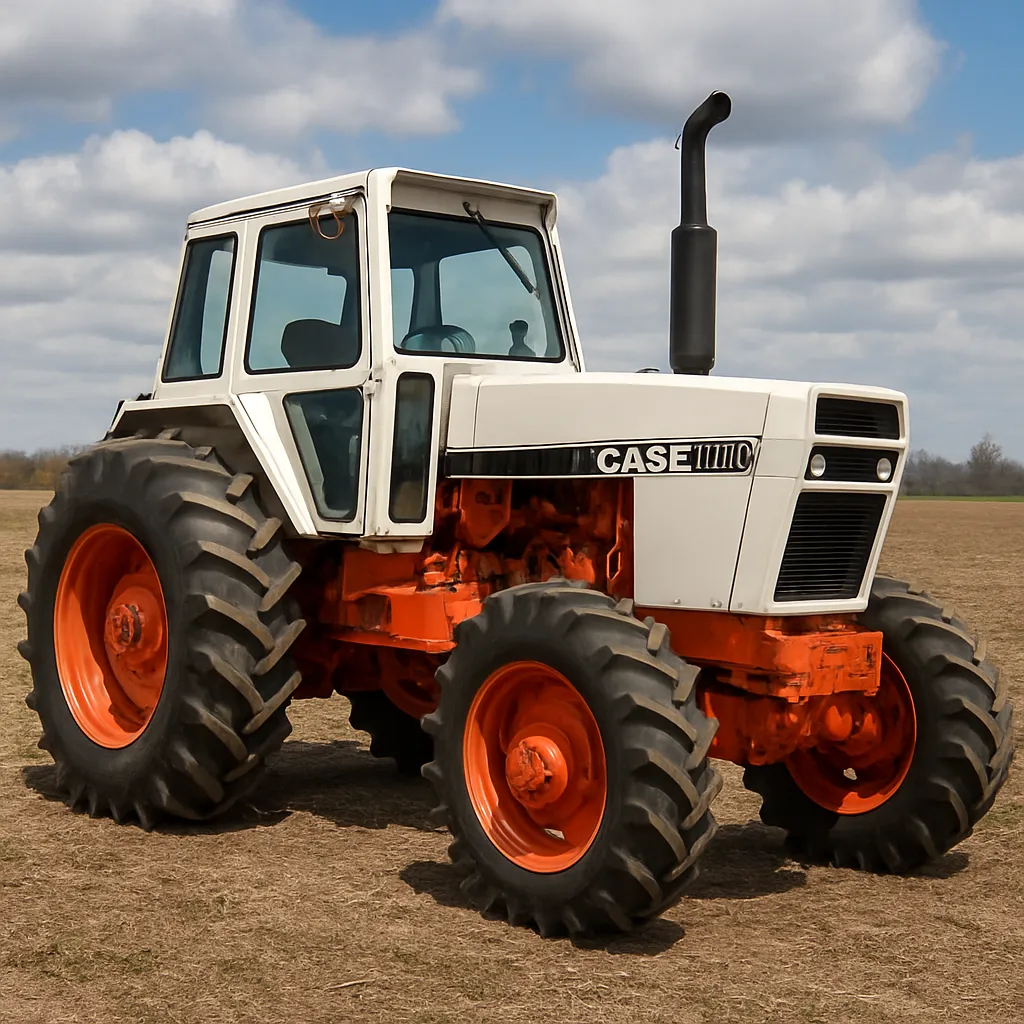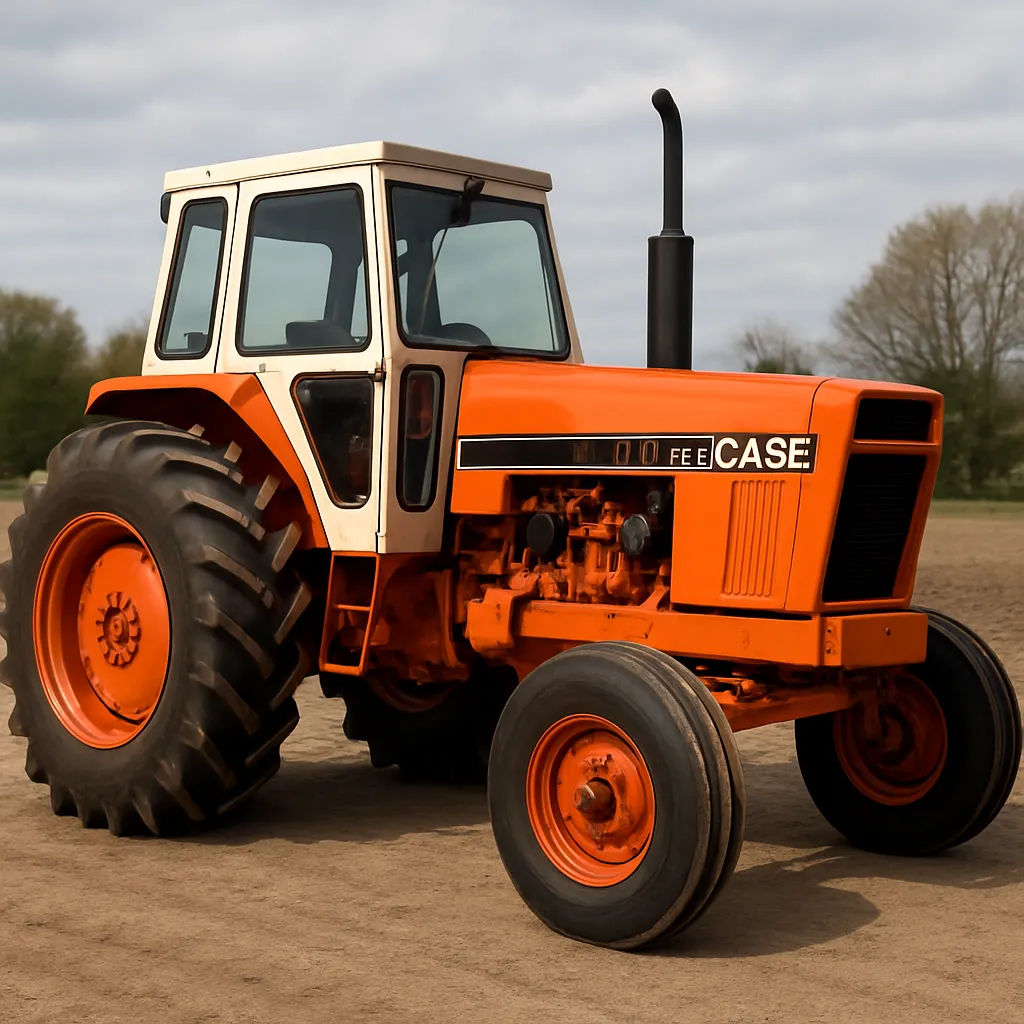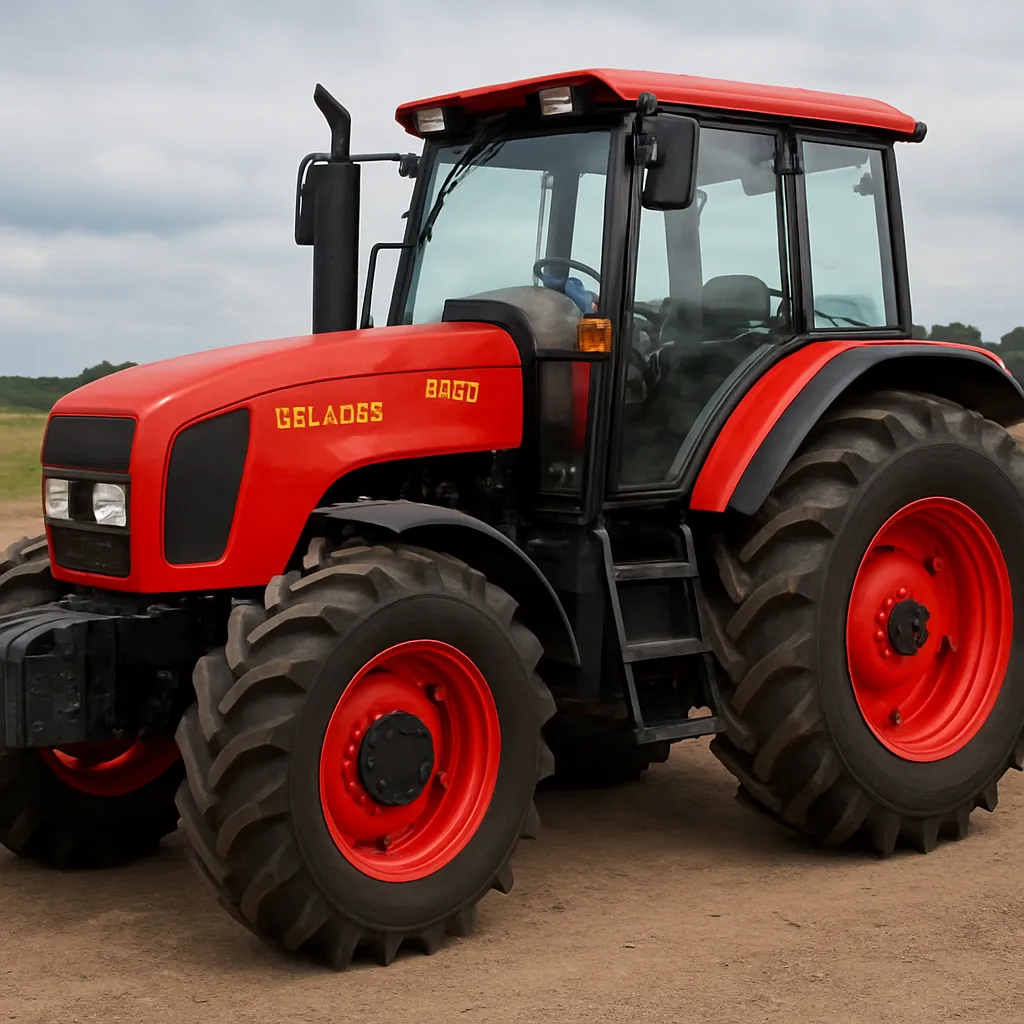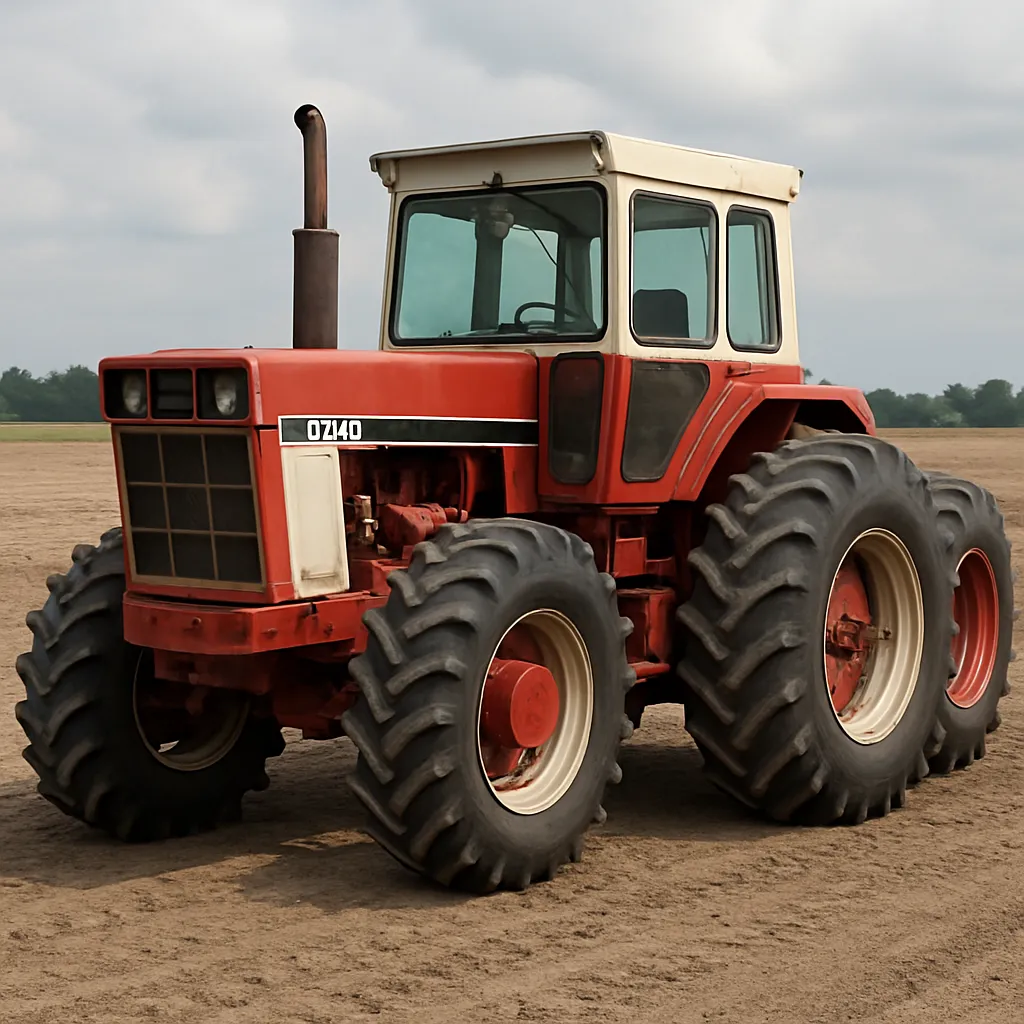
The International Harvester 4366 occupies a special place in the landscape of mid- to late‑20th century agricultural machinery: a machine associated with durability, practical design and versatility. This article explores the background, technical character, uses and ongoing interest surrounding the 4366 model. Because documentation specific to the “4366” name can be inconsistent in secondary sources, the discussion below synthesizes factory-era design principles, commonly reported owner experiences and the typical roles machines with this numerical lineage performed on farms and in contractor fleets. Where precise factory figures are uncertain, ranges and context are provided to help frame expectations.
Historical context and development
The company known as International Harvester (IH) was one of the dominant agricultural equipment manufacturers for much of the 20th century. IH produced a wide spectrum of tractors and combines, and over the decades its model numbering sometimes overlapped or was re-used in different markets. The “4366” identifier appears in a few scattered references and may be conflated in some records with closely numbered models from the same era. Nevertheless, tractors and machines within this numbering family share common design philosophies: robust mechanical systems, relatively simple electronics (in older units), and a focus on reliable field performance.
International Harvester’s agricultural division became part of broader corporate changes in the 1980s. In 1985, parts of IH’s agriculture business were acquired and consolidated with other manufacturers, leading to the formation of the Case IH brand. This corporate transition affects how records and spare parts streams are traced today. For owners and restorers of IH tractors, this history explains why some components are sourced through legacy networks, aftermarket suppliers or from other models with compatible parts.
General design and technical characteristics
The 4366—when referenced as a tractor model in owner literature and classifieds—is typically associated with a platform emphasizing steady drawbar power, simple serviceability and versatility across farm tasks. Below are characteristic technical themes and components commonly attributed to IH tractors in the same performance class.
Engine and powertrain
- Engine type: Diesel inline engine is most common in mid‑century IH tractors—reliable, torque‑focused designs intended for field work. Depending on configuration, turbocharged variants may exist, particularly in later or higher‑spec models.
- Horsepower: Exact ratings for machines labeled 4366 vary in owner reports. Tractors in this range from IH typically produce anywhere from roughly 60 to 120 HP at the drawbar or PTO, depending on year and configuration. The wide range reflects multiple transmissions, PTO options and optional turbocharging available on related models.
- Transmission: Manual synchromesh gearboxes, partial powershift or multi‑range transmissions were common. These provided flexibility for both fieldwork and transport speed.
- 4WD and two‑wheel drive: Some examples may be two‑wheel drive with a heavy rear axle; other configurations or retrofit conversions include front‑wheel assist or full four‑wheel drive for improved traction in soft soils.
Hydraulics, PTO and three‑point hitch
- Hydraulic system: A mid‑sized open‑center hydraulic system with draft control for three‑point hitch implements was standard on many IH tractors; auxiliary valves for remotes could be factory‑fitted or added.
- PTO (Power Take‑Off): Standard PTO speeds offered were the industry norms (540 RPM and, on some units, 1000 RPM), enabling use with a broad range of implements.
- Three‑point hitch: Category 2 (or adaptable between Cat I and II, depending on market) hitches were typical, allowing for plows, cultivators, mowers and mid‑sized seeders.
Electrical and operator environment
Older IH tractors place a premium on simplicity: nominal 12‑volt electrical systems, basic instrumentation (tachometer, ammeter or voltmeter, oil pressure and temperature indicators) and functional operator stations. Cab options ranged from basic rollover protection frames and canopies to enclosed cabs with heating and ventilation in higher trim levels or later years. Comfort features were practical rather than luxurious, reflecting the machine’s utilitarian purpose.
Applications and typical field roles
The strength of models in this class is their adaptability. The International Harvester 4366—as with its numerical peers—was used for a wide range of agricultural and light industrial tasks.
Common agricultural uses
- Primary tillage: pulling moldboard plows, chisel plows and subsoilers where steady low‑end torque and reliable draft control are essential.
- Seedbed preparation: operating disk harrows, cultivators and packers to ready fields for planting.
- Planting and seeding: powering planters and drills via hydraulic lift and PTO where needed.
- Hay and forage work: running mowers, balers (square and round), rakes and forage wagons using PTO power and drawbar capability.
- Transport: moving heavy loads on trailers or grain carts during harvest season.
Non‑agricultural roles
- Contract mowing, grading and light earthmoving when fitted with front loaders, box scrapers or subsoilers.
- Municipal tasks such as snow clearing (with attachments), roadside mowing and small construction support.
- Utility work on estates, orchards and vineyards when modified for narrow rows or fitted with specialized implements.
Maintenance, common issues and longevity
One reason IH tractors from this family remain in service is their straightforward, rugged mechanical design. With proper upkeep, many units can last decades. The following guidance synthesizes common owner experiences.
Routine maintenance priorities
- Engine oil and filter: Regular changes using the correct viscosity for the climate and operating hours prolong engine life. Diesel engines benefit from attention to injectors and fuel filters.
- Cooling system: Radiator cleanings, coolant changes and thermostat checks prevent overheating under heavy loads.
- Hydraulics: Periodic hydraulic fluid and filter service preserve trifling control and prevent premature pump wear.
- Transmission and final drives: Gear oil checks and sump servicing maintain smooth shifting and axle durability.
- PTO and hitch linkage: Greasing, inspecting splines and checking hitch components reduces drift and wear.
Common mechanical issues
- Wear in clutch assemblies and synchronizers on older transmissions due to heavy use.
- Hydraulic pump wear or leaks, especially on units with high hours or contaminated fluid.
- Corrosion in electrical connections—cleaning and protecting contacts reduces intermittent faults.
- Fuel system contamination or injector wear causing rough running or loss of power.
Longevity and rebuild potential
Many IH engines and drivetrains are rebuildable with widely available parts, either new old stock (NOS), aftermarket or reconditioned components. For owners who invest in systematic restoration—overhauling injectors, reconditioning the transmission and refreshing seals and bearings—a tractor in this class can remain productive for decades. Because of the relatively simple mechanical architecture compared with modern electronically managed machines, skilled mechanics can often perform major overhauls without specialized diagnostic equipment.
Parts availability, restoration and collector interest
Parts and knowledge networks are central to long‑term ownership. Owners of IH machines benefit from active enthusiast groups, independent suppliers and salvage markets.
Parts sourcing
- Legacy suppliers and salvage yards often carry mechanical parts, axles and transmission components compatible across similar IH models.
- Aftermarket manufacturers produce gaskets, seals, bearings and many consumables that fit IH tractors.
- For rare castings or accessories, owners sometimes rely on casting shops, machine shops and specialist restorers who can fabricate or repair components.
Restoration community
Restoration of IH tractors is a popular niche among collectors and hobby farmers. Restored machines are valued both for functional use and historical preservation. Clubs, online forums and regional shows provide exchange of expertise and occasionally parts-swapping. The aesthetic appeal of a well‑restored IH—bright red, clean metalwork and period attachments—remains strong with vintage equipment enthusiasts.
Performance metrics, fuel use and operational economics
Exact factory performance metrics for a model denoted “4366” can be inconsistent in secondary documentation; however, it is possible to outline realistic operational ranges and economic considerations for tractors of comparable capability.
Fuel consumption and efficiency
- Diesel consumption for a mid‑sized agricultural tractor under typical field loading commonly ranges from roughly 6 to 20 liters per hour depending on engine size, load, ground conditions and implement type. Lower values apply to light transport and idle; higher values occur under heavy draft during plowing or pulling large implements.
- Improving fuel efficiency is a matter of correct gearing, maintaining correct tire pressure and using implements sized appropriately for the tractor’s drawbar and hydraulic capacity.
Work rates
Work rate depends heavily on implement width, soil conditions and operator choices. For example, a mid‑sized tractor pulling a 6–10 foot cultivator will cover more ground per hour in dry, even soils than under wet, sticky conditions. Matching implements and operational speed to the tractor’s rated drawbar horsepower is critical to efficient performance.
Safety, operator training and best practices
Safe operation extends equipment life and reduces the risk of injury. Older tractors like those in the IH family sometimes lack modern safety features, so prudent operator practices are essential.
Key safety practices
- Roll‑over protection (ROPS): Ensure ROPS are present and that seat belts are used when ROPS are fitted.
- PTO guards: Keep all PTO shields in place and never operate PTO‑driven implements without proper guards.
- Regularly inspect brakes, steering linkages and tires prior to operation, especially when changing implements.
- Be mindful of center of gravity when handling front‑mounted loaders or heavy rear equipment to avoid tipping.
Training and documentation
Operators should be familiar with the tractor’s operating manual where available. When original manuals are missing, many community archives and enthusiast clubs publish scanned manuals and overlays that help with safe operation, routine service and wiring diagrams.
Market values and resale considerations
Market values for vintage and utility tractors fluctuate with condition, local demand and rarity. A few guidelines help set expectations.
- Project tractors suitable for parts or restoration typically sell for modest sums—often a few hundred to a few thousand dollars depending on local salvage value and the demand for parts.
- Running, well‑maintained examples that are functionally sound tend to command higher prices, particularly if accompanied by desirable attachments such as loaders, backhoes or cultivators.
- Fully restored tractors with documented provenance can be of significant interest to collectors and may command premiums in specialty auctions or shows.
Comparisons with contemporary and successor machines
When evaluating an IH tractor like the 4366 against contemporary machines or modern equivalents, several tradeoffs emerge:
- Durability and simplicity versus modern comfort and efficiency: Older tractors often require more hands‑on maintenance but are easier to repair without electronic diagnostic tools.
- Fuel efficiency and emissions: Modern tractors typically offer better fuel economy and lower emissions thanks to electronic engine management, common‑rail injection and aftertreatment. However, the mechanical robustness of older IH engines remains attractive for low‑tech environments.
- Implement compatibility: Many older tractors remain compatible with a wide array of implements, and adapters or conversions can bridge some differences with modern equipment.
Practical tips for prospective buyers and owners
Whether purchasing a working machine or restoring a piece of agricultural history, certain checks and strategies help ensure a sound acquisition.
- Inspect for major structural issues: frame cracks, axle integrity and engine block condition. Small cosmetic rust is often repairable; structural damage is costlier.
- Ask for service records: evidence of regular oil changes, transmission service and hydraulic maintenance is valuable.
- Test run under load where possible: a short field test or pulling a trailer can reveal clutch slip, transmission noise or overheating tendencies.
- Confirm parts availability for critical components: if a rare stamped or cast part is hard to source, factor repair or fabrication costs into your purchase decision.
- Connect with local IH clubs or online forums: experienced owners can provide practical advice on serial number interpretation, correct fluids and retrofit options.
Final thoughts
The International Harvester 4366—viewed within the broader family of IH mid‑sized tractors—represents the values many operators still prize: ruggedness, adaptability and straightforward serviceability. While precise factory documentation for the 4366 name may be uneven across sources, machines of this class consistently show up as dependable workhorses on farms, in contractor fleets and within the vintage restoration community. For anyone considering ownership, an informed inspection, a plan for parts sourcing and respect for routine maintenance go a long way toward making a 4366‑era tractor a productive and rewarding investment.