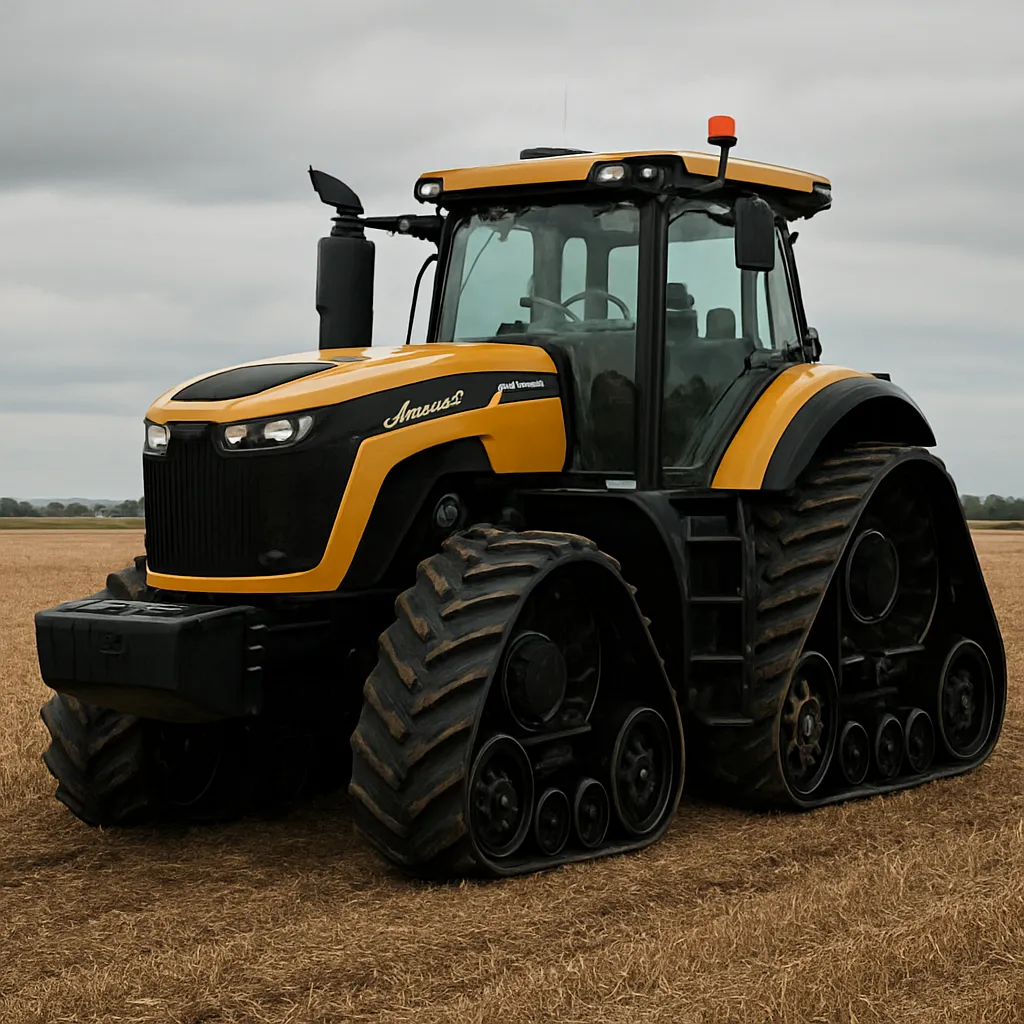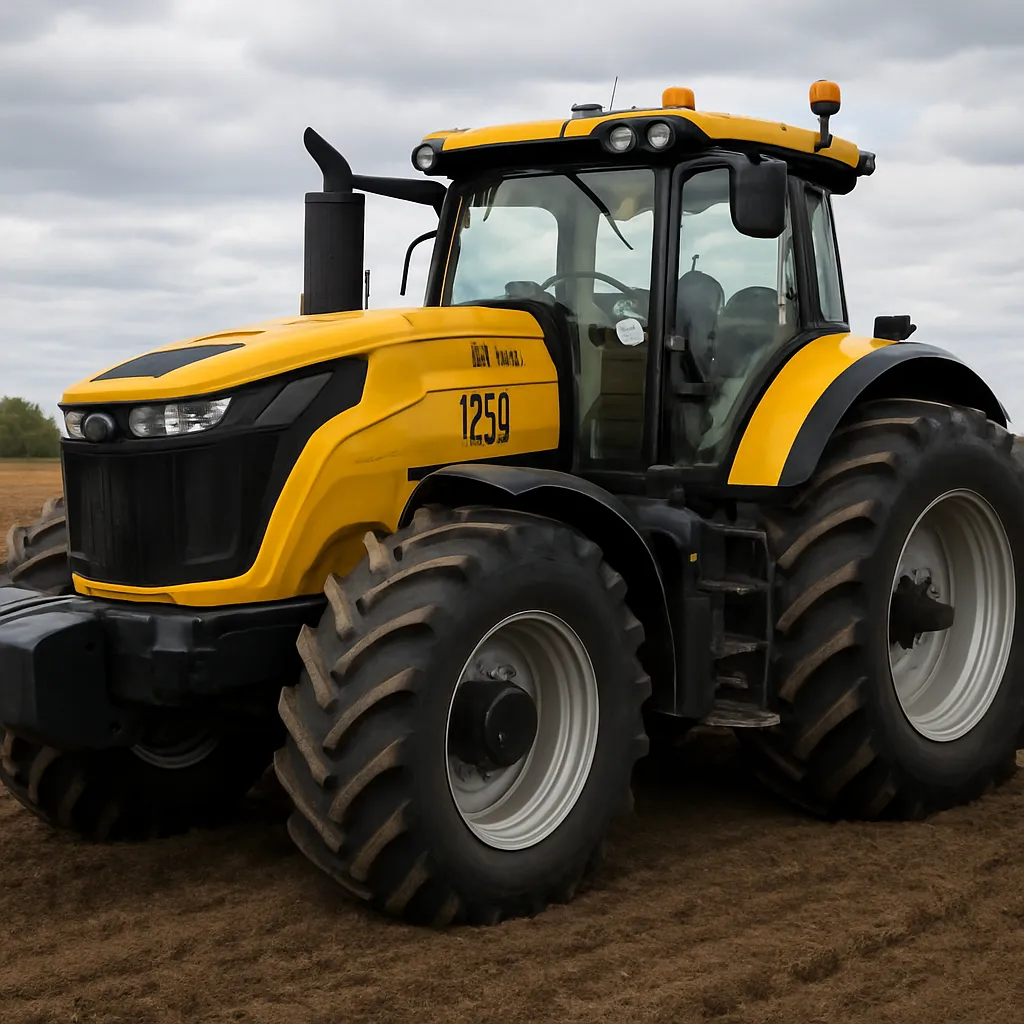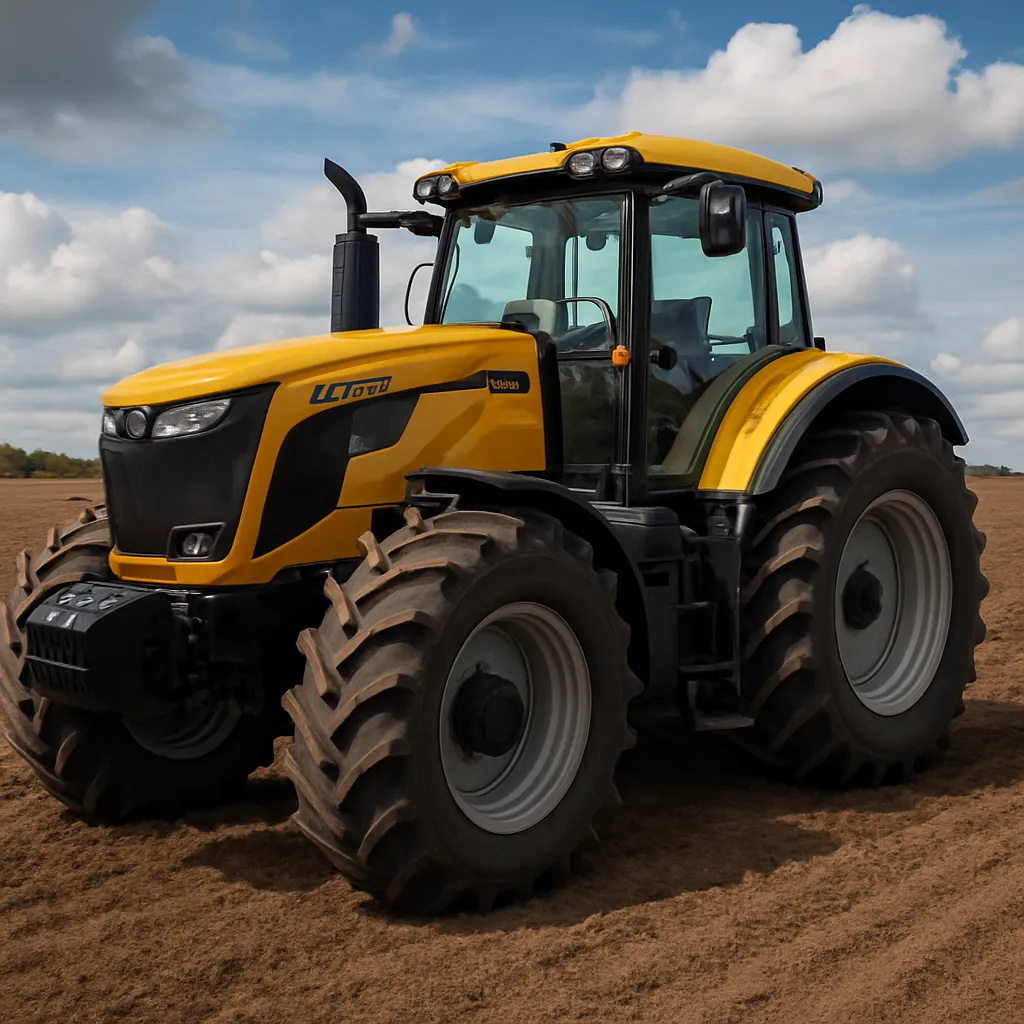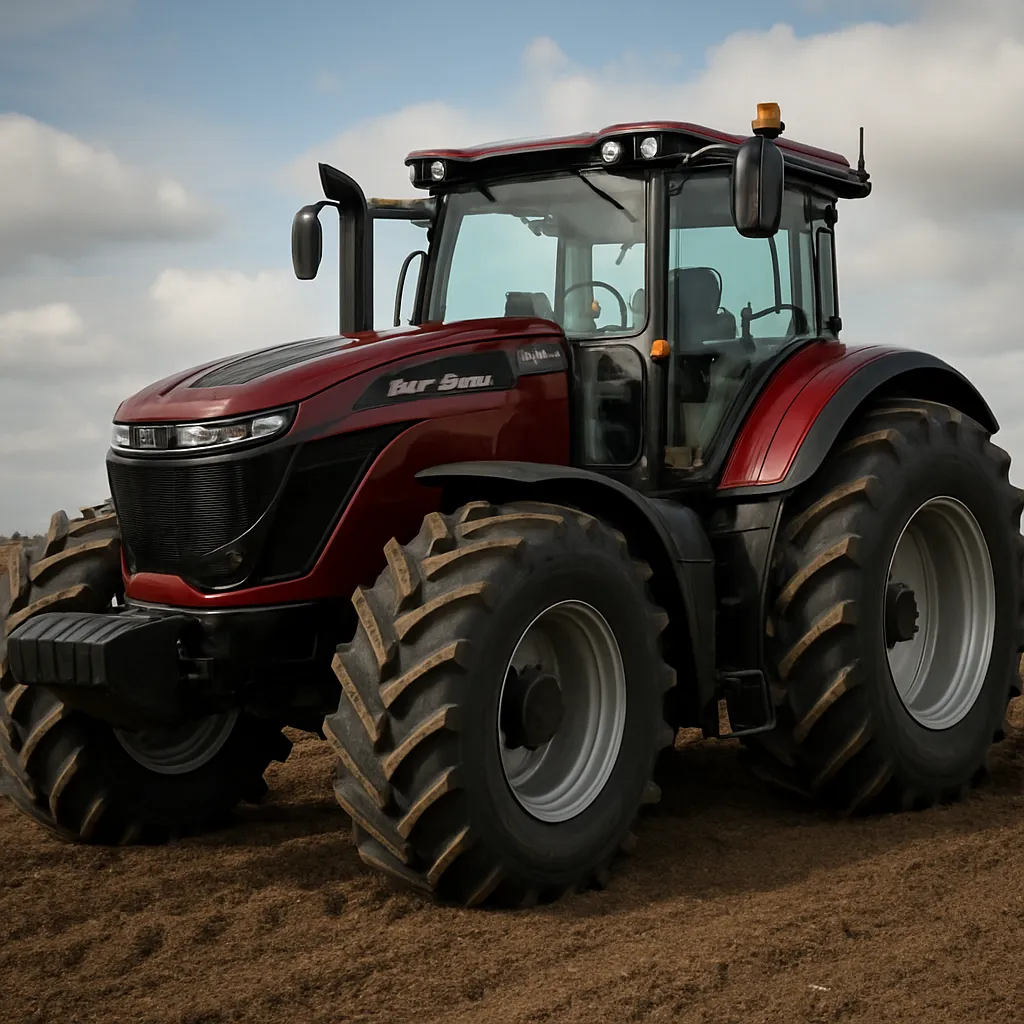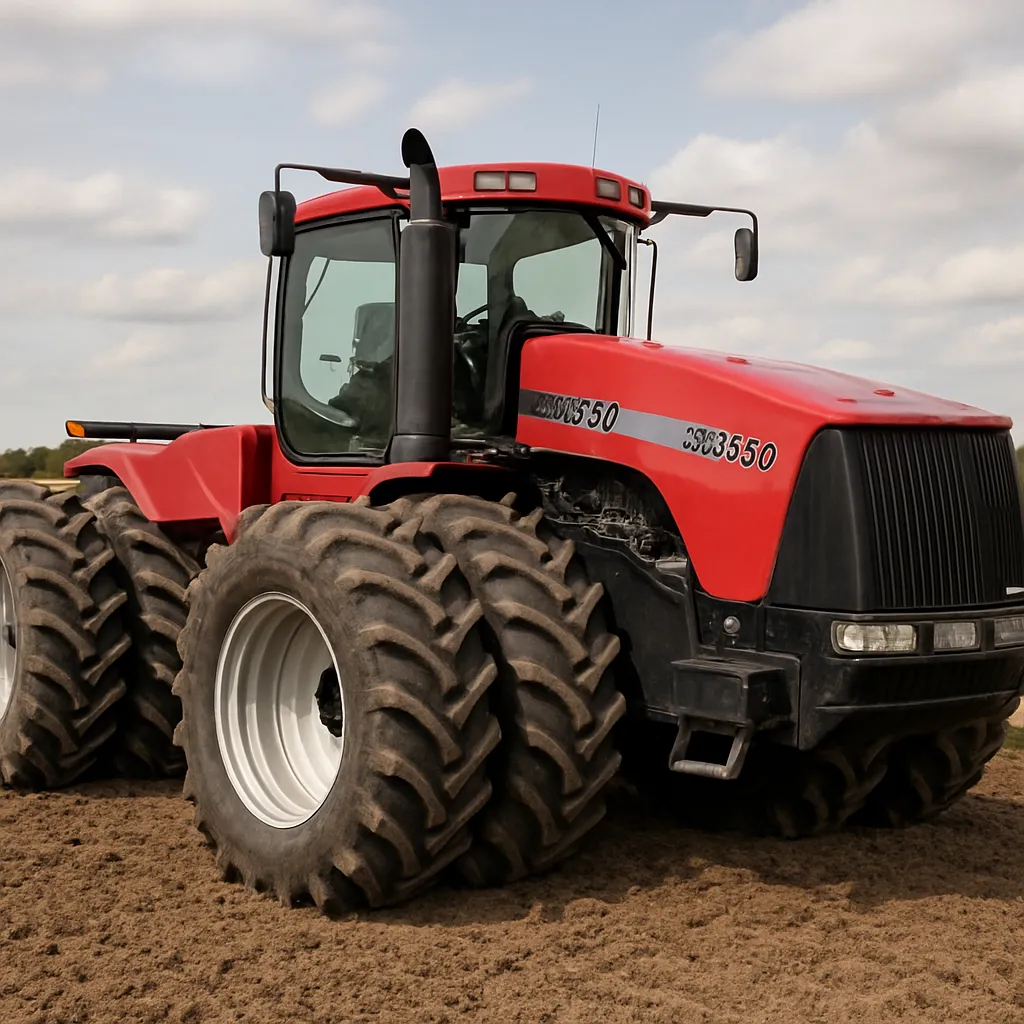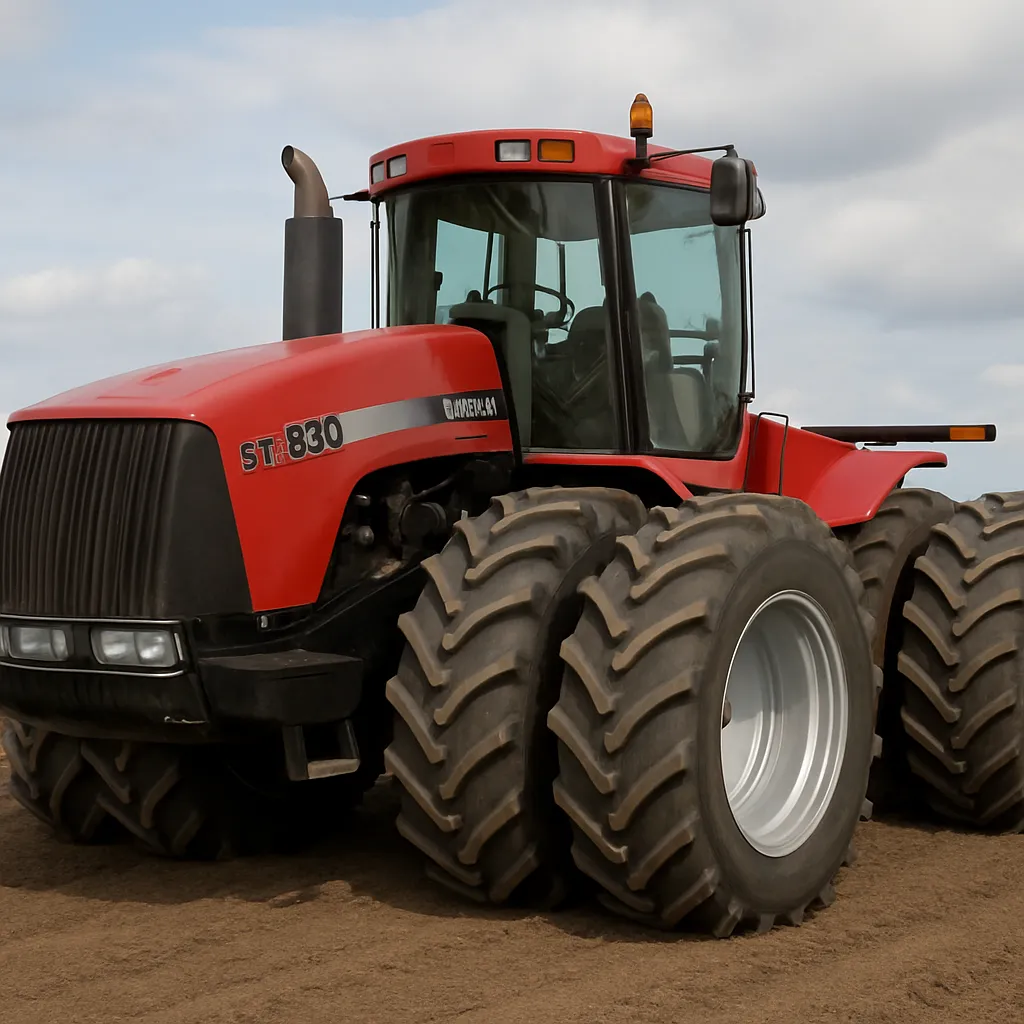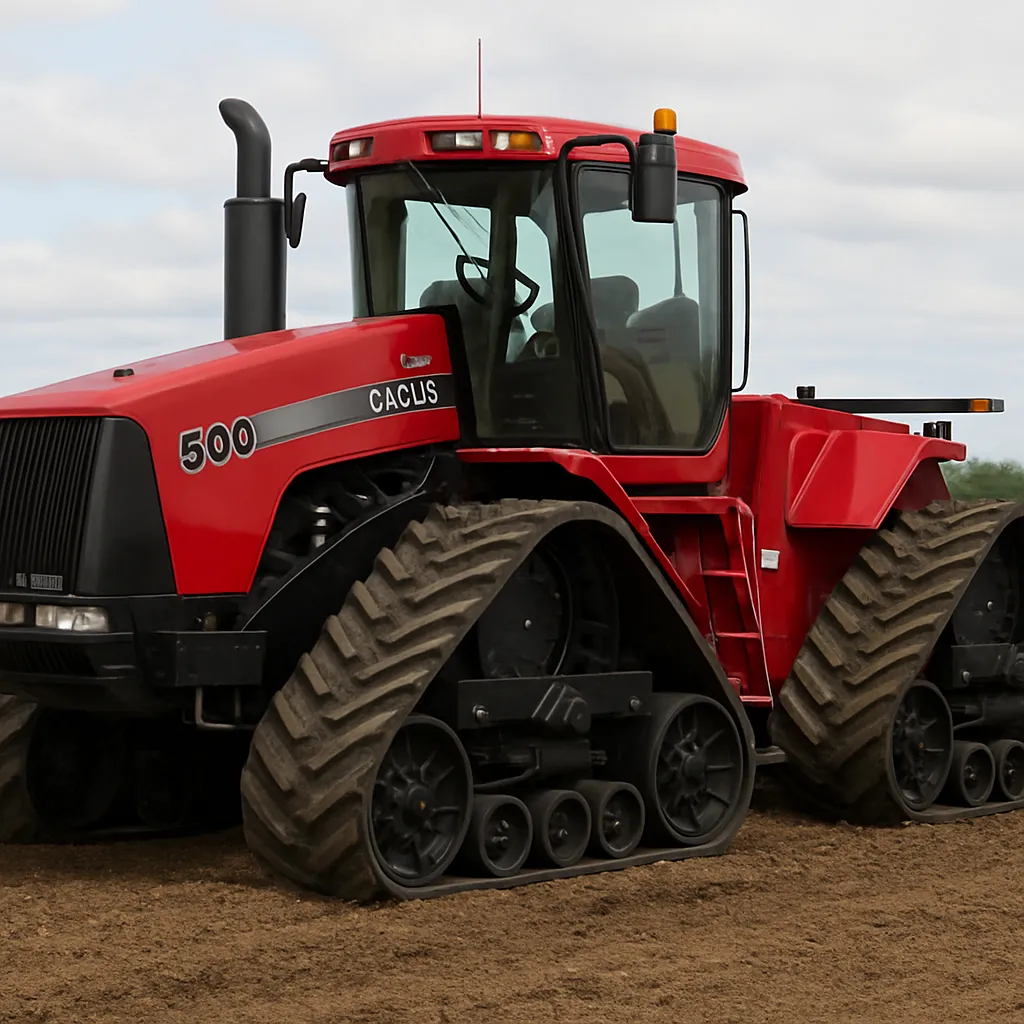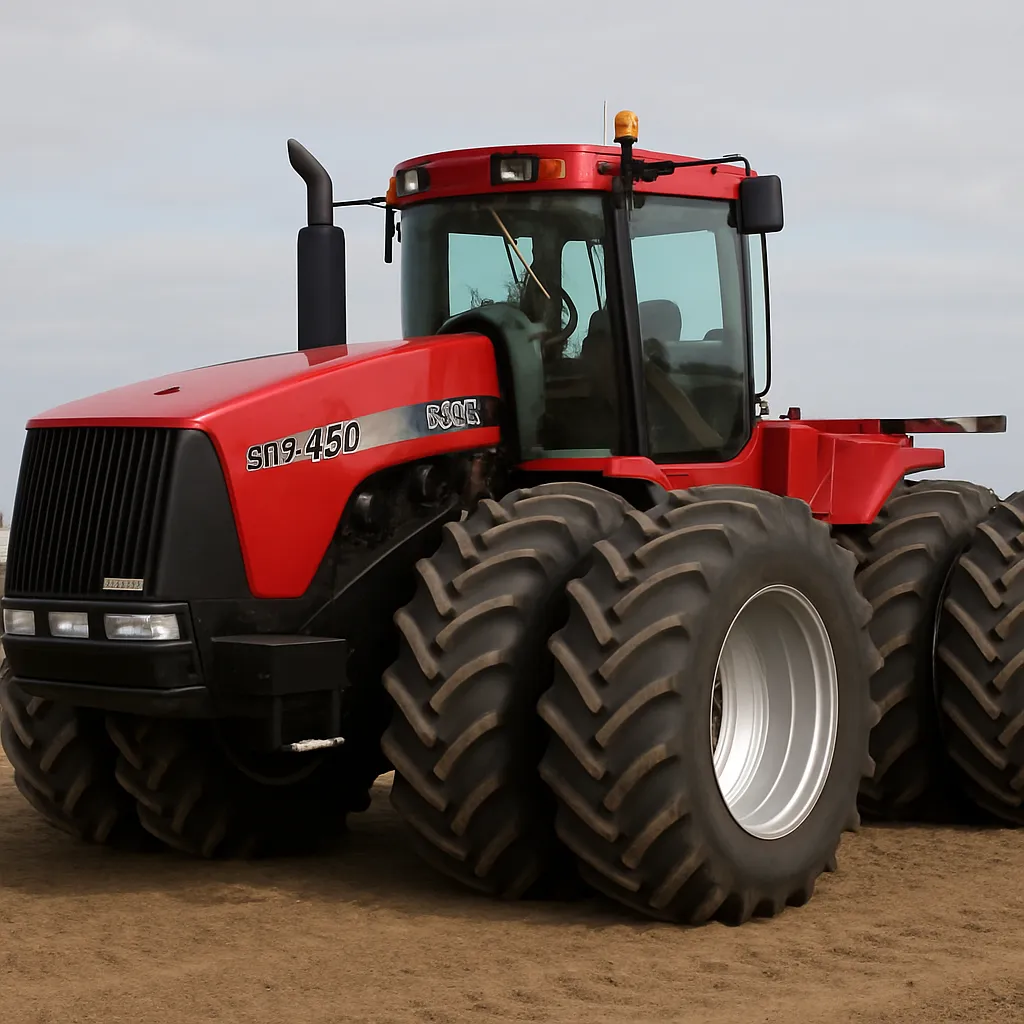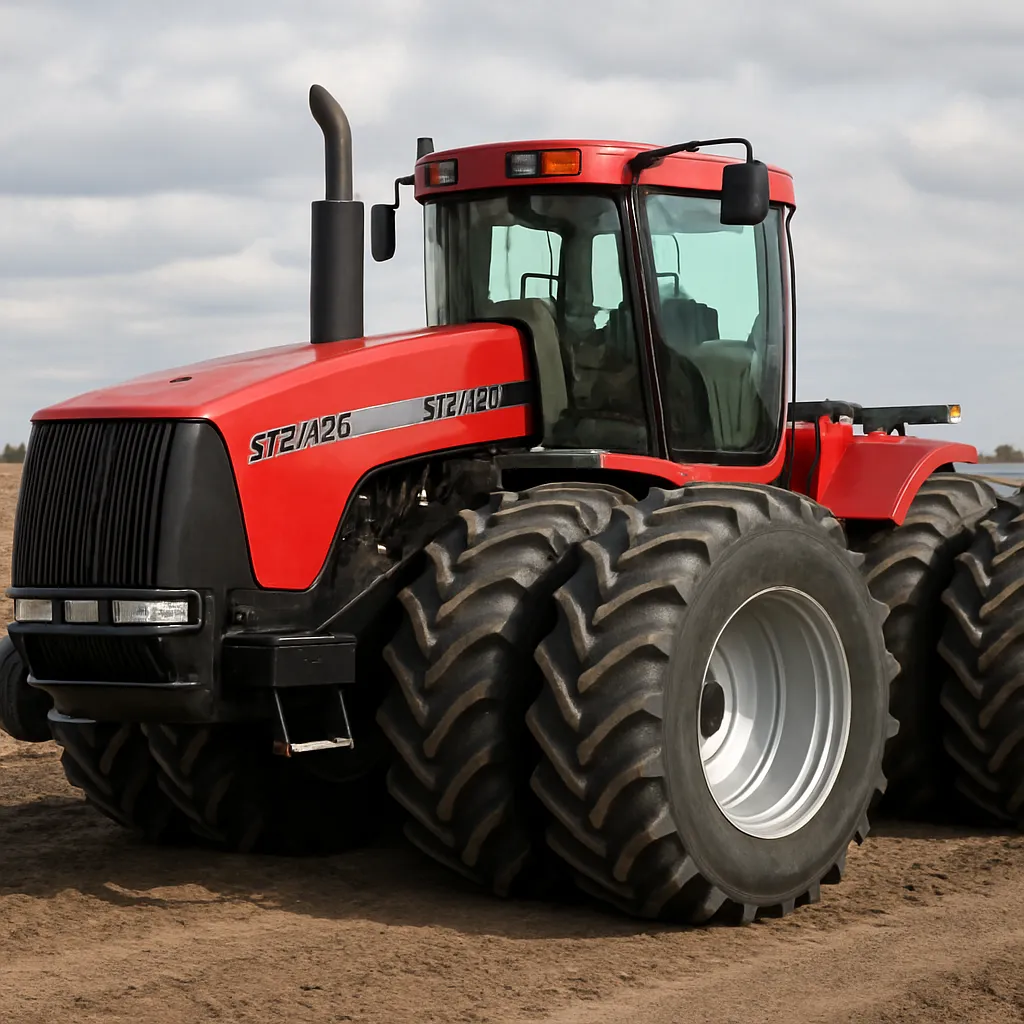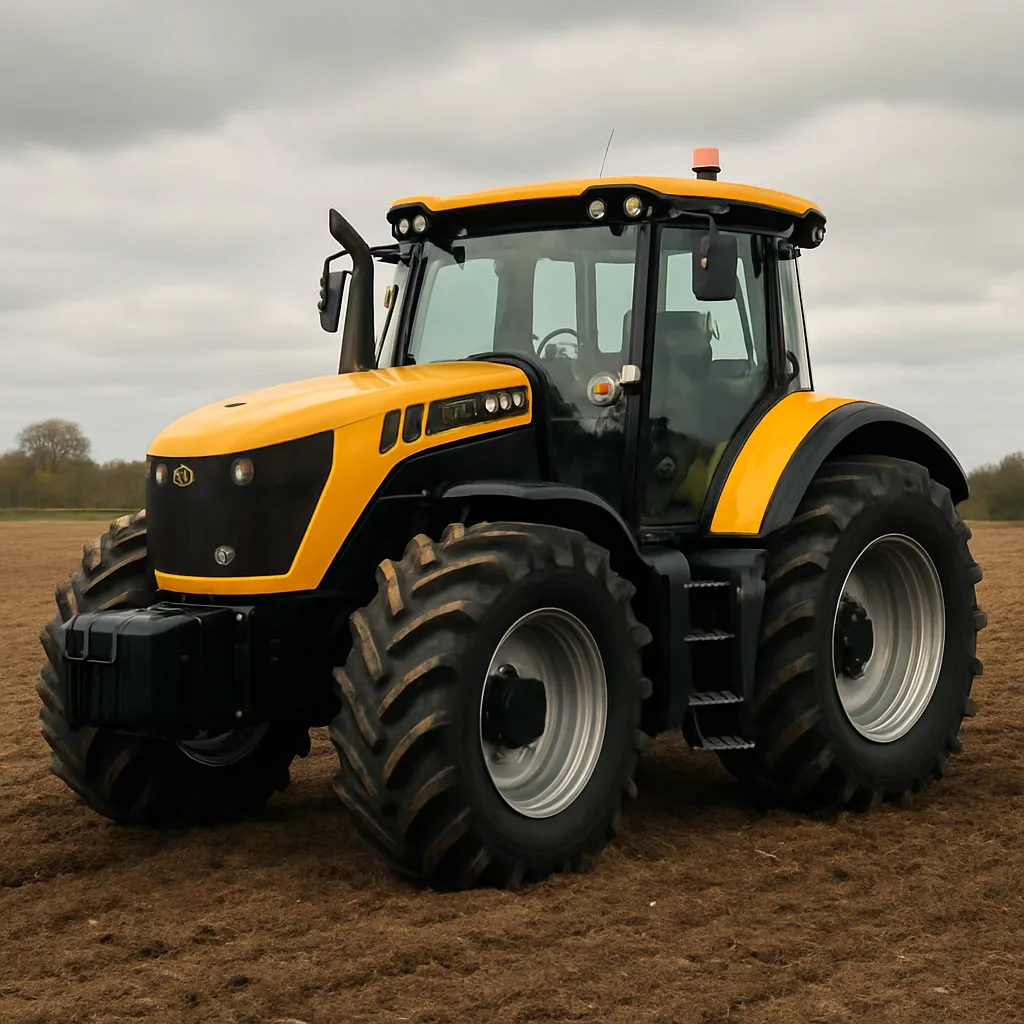
The JCB 8255 represents a practical example of JCB’s approach to building versatile, reliable farm and utility machinery. This article examines the tractor’s intended uses, notable technical and design elements, practical applications across sectors, and considerations for maintenance, safety, and ownership. Wherever helpful, the text highlights comparative and operational points that help potential buyers, operators, and fleet managers evaluate whether the JCB 8255 meets their needs.
Overview and core characteristics
The JCB 8255 is presented as a compact to mid-size utility tractor suitable for a wide range of tasks on farms, estates, and in light construction or municipal work. While specific trim levels and options vary by market and production year, this model is typically built around a robust, diesel-powered platform emphasizing ease of use, serviceability, and multi-role capability.
Design philosophy
JCB’s design intent for models like the 8255 favors a balance between simple, durable mechanical systems and operator comfort. Key design aims include low-cost ownership, straightforward maintenance access, and modularity so customers can select the configurations and attachments that match their work profile. The emphasis is on a machine that can handle general-purpose tasks effectively rather than on niche specialization.
Key components and features
- Engine: A turbocharged diesel power unit tuned for torque and fuel efficiency at working speeds, with an emphasis on low-end pull for draft work and loader tasks.
- Transmission: Multiple transmission choices are often offered (synchronized shuttles, hydrostatic ranges, or powershift-style options in some markets) to suit either fieldwork or loader-centric use.
- Hydraulics: A mid-range hydraulic system designed to support front loaders and common rear implements, with options for higher-flow pumps where loader cycle time or hydraulic attachment performance is critical.
- Chassis and lifting: Robust rear linkage with standard three-point hitch compatibility; front subframe and loader mounting points engineered to sustain frequent attachment changes.
- Cab and ergonomics: Available open-station, ROPS, or enclosed-cab configurations providing increasing levels of operator comfort and weather protection.
Applications and practical use cases
The JCB 8255 is intended for users who need a dependable, flexible machine capable of handling a variety of tasks. Its most common roles include:
- Agriculture: Tillage, seeding support, haulage, bale handling, and general farmyard chores. The tractor’s balance between compact footprint and lifting capacity makes it suitable for mixed farms, smallholdings, and larger operations seeking a versatile utility tractor for ancillary tasks.
- Horticulture and viticulture: Maneuverability and moderate width allow work between narrow rows in some setups. Low-weight variants reduce soil compaction risks in sensitive horticultural soils.
- Municipal and grounds maintenance: Grass cutting, sweeping, snow clearance, and loader duties in parks, campuses, and municipal facilities.
- Light construction and landscaping: Earthmoving with a front loader or backhoe (where configured), material handling, site cleanup, and loading trucks.
- Contracting and mixed enterprises: Subcontractors who require a single machine to perform multiple tasks benefit from a model that accepts a broad set of attachments and easy linkage changes.
Why it suits multi-role operations
What makes machines like the JCB 8255 attractive in multi-role environments is their accessory ecosystem. With quicker attachment change capability and hydraulic control schemes designed for loader and implement use, operators can switch from mowing to baling to loader work with minimal downtime. The tractor’s footprint typically balances stability with maneuverability—an important factor when operating in yards or between rows.
Attachments, versatility and customization
One of the defining strengths of a utility tractor is how it integrates with attachments. The 8255 supports a broad range of implements that enhance its usefulness across sectors.
- Front loaders and buckets: From general-purpose buckets to multi-purpose 4-in-1 designs, loaders increase the value of the tractor by enabling material handling and light excavation.
- Backhoes (if available): For small excavation and trenching jobs, a backhoe package can convert the tractor into a compact digger for landscape and light construction work.
- Rear implements: Ploughs, cultivators, seeders, mowers, flail mowers, rotary tillers, post-hole augers, and manure spreaders are examples of rear-mounted implements typically compatible with this class of tractor.
- Hydraulic and PTO-driven tools: Tools requiring hydraulic flow or PTO input are well suited to the 8255’s mid-range hydraulic and PTO capabilities, provided the selected options match the implement’s demands.
Attachment management and operational efficiency
Quick-coupler systems, standardized hitch points, and auxiliary hydraulic circuits allow work to proceed faster and reduce downtime. For operations where many attachment swaps are routine, investing in ergonomic quick-hitch systems and color-coded or keyed hydraulic couplers pays dividends in both safety and productivity.
Operation, maintenance and ownership costs
Owning and operating a JCB 8255, like any tractor, involves evaluating purchase price, running costs, maintenance ease, and expected lifespan. JCB designs its utility machines to be repairable with broad access to parts and service, which helps manage life-cycle costs.
Routine maintenance practices
- Regular oil and filter changes (engine oil, hydraulic oil and filters, fuel filters) to preserve component life.
- Cooling system checks and coolant replacement schedules, as overheating drastically shortens engine life.
- Transmission and final drive service according to hours of operation—important where heavy loader cycles or draft loads are frequent.
- Scheduled greasing of pivot points, linkage bearings, and loader pins to prevent premature wear.
- Tire and axle inspections to identify wear patterns or alignment issues early.
Fuel and fluid efficiency
Efficient operation depends on matching engine speed and gear selection to the task. For example, field PTO work typically requires sustained, steady engine RPM while loader work benefits from responsive torque at lower revs. Operators trained to work efficiently can reduce fuel consumption significantly. Where available, economy or cruise modes and modern engine management systems further optimize fuel use.
Depreciation and resale
Resale value is influenced by hours of operation, maintenance history, condition, and the local demand for that class of tractor. Well-documented service histories and retained manufacturer or dealer service records improve resale prospects. Machines used in corrosive or extreme environments may show accelerated wear and lower residual value if not properly cared for.
Safety, ergonomics and operator environment
Safety is central to tractor design. The JCB 8255 platform typically includes a number of features aimed at preventing accidents and reducing operator fatigue.
- ROPS and seat belts: Rollover protection structures are essential and commonly included; seat belts are critical to their effectiveness.
- Operator visibility: A high-visibility bonnet and elevated seating position improve forward sight lines while loader arms are lowered, crucial for material handling tasks.
- Controls layout: Logical, reachable controls reduce the chance of error and lower operator fatigue during long shifts.
- Access and egress: Anti-slip steps, grab handles, and well-placed steps make mounting and dismounting safer.
- Lighting: Work lights and road lighting options extend operating hours and improve safe operation in low-light conditions.
Training and best practices
Proper operator training on PTO safety, correct hitching procedures, loader handling, and weight distribution significantly reduces the risk of tip-overs, implement accidents, and damage to both machine and surroundings. Routine safety checks before operation—fluid levels, tire pressure, lights, and hitch security—are inexpensive insurance against disruptive breakdowns.
Environmental considerations and emissions
Modern tractors must balance performance with emissions compliance. JCB engines and equipment—depending on the model year—are configured to meet regional emissions regulations using technologies such as common-rail fuel systems, turbochargers, and, where required, aftertreatment systems like DOC or SCR.
- Fuel economy initiatives: Engine tuning and transmission options can reduce overall fuel use.
- Emissions compliance: Ensure the tractor’s engine certification aligns with your jurisdiction’s current and forthcoming standards, especially if operating in emission-restricted zones.
- Sustainable practices: Adopting efficient work patterns, using appropriate tire pressures to minimize soil compaction, and recycling lubricants and filters responsibly help reduce environmental impact.
Market positioning, comparisons and buyer guidance
Within the utility tractor segment, machines like the JCB 8255 compete on reliability, attachment ecosystem, dealer support, and total cost of ownership. Buyers typically weigh several factors:
- Intended use profile: Choose the tractor whose PTO, hydraulic capacity, and lifting capability align with your most frequent tasks.
- Operating environment: Narrow lanes, steep slopes, or corrosive environments demand specific features (protective coatings, differential locks, compact width).
- Service network: Local dealer presence and parts availability shorten downtime and make the ownership experience more predictable.
- Warranty and support: Factory warranty terms and available extended coverage can be decisive in fleet purchases.
Used machines and inspection checklist
For those considering pre-owned units, inspect for frame cracks, hydraulic leaks, transmission behavior under load, engine smoke, and verify the hour meter against service records. Test the PTO and hitch under load, and check the condition of tires or tracks and hydraulic hoses. A compression test and oil analysis can reveal hidden engine problems before purchase.
Case studies and real-world performance
Operators across small farms, landscape businesses, and municipalities often report that machines in this class deliver high utility when properly specified. Typical positive feedback centers on:
- Reliable performance for loader work and general farm chores.
- Ease of service access for routine maintenance tasks.
- Flexibility to adapt between seasonal workstreams, improving machine utilization rates.
Conversely, limitations are observed if the tractor is used continually beyond its class—heavy-duty continuous ploughing or large baler work may require a higher-horsepower machine tailored to those demands. Matching a tractor to the majority of your tasks is the best way to ensure efficiency and longevity.
Maintenance planning and lifecycle considerations
Effective maintenance planning prolongs machine life and reduces total ownership cost. Recommended practices include scheduled preventative maintenance aligned with operating hours, seasonal inspections before peak workloads, and keeping a small inventory of critical wear parts to avoid long downtimes. Lifecycle considerations should also include planned replacement cycles based on hours of usage, anticipated repair trends, and resale timing to maximize return on investment.
Conclusion
The JCB 8255 stands as a representative utility tractor platform designed for operators who need a reliable, adaptable machine for agricultural, municipal, and light construction tasks. Its combination of practical hydraulics, adaptable attachment compatibility, and straightforward maintenance makes it a compelling choice for users seeking value through versatility. When evaluating any tractor, match the machine’s hydraulic and PTO capacities to the implements you intend to use, confirm dealer support in your region, and prioritize a strong maintenance program to safeguard performance and resale value.
JCB 8255 tractor engine hydraulics loader attachments durability maintenance efficiency