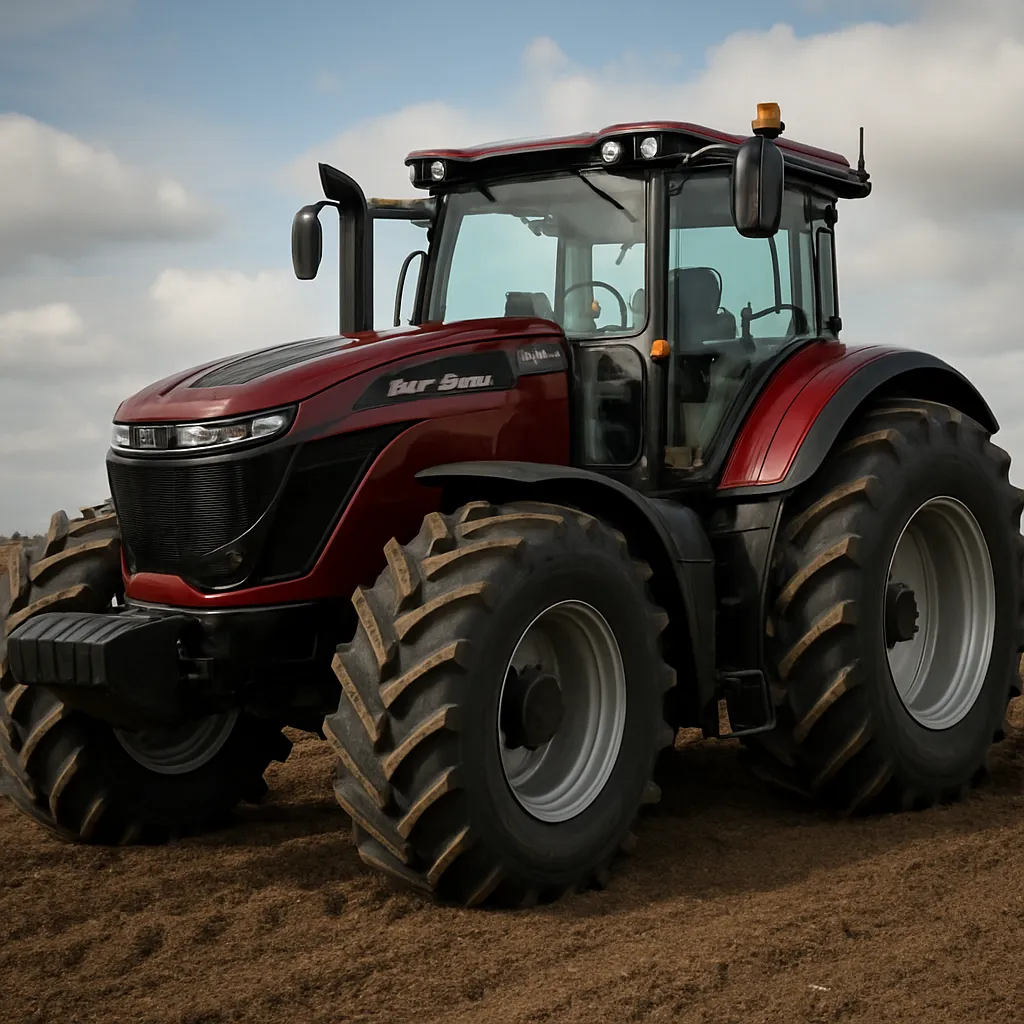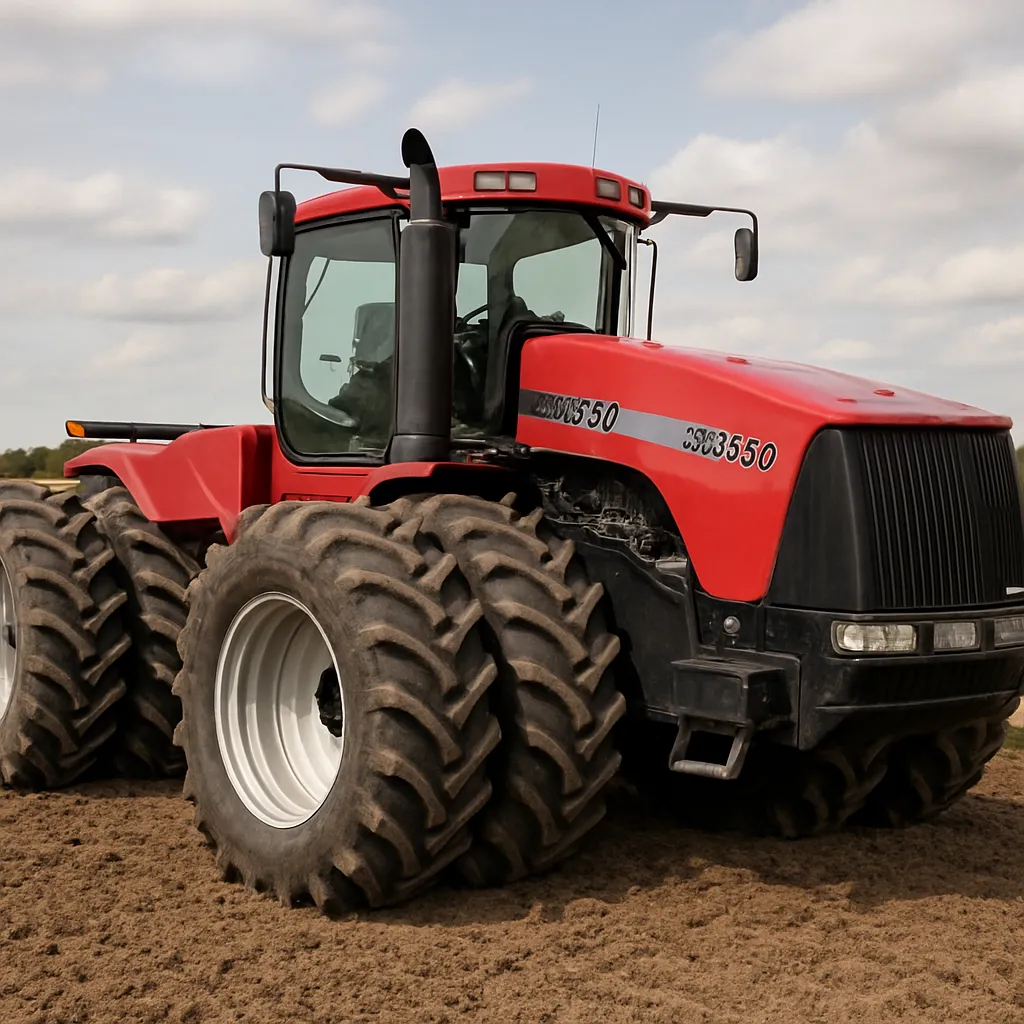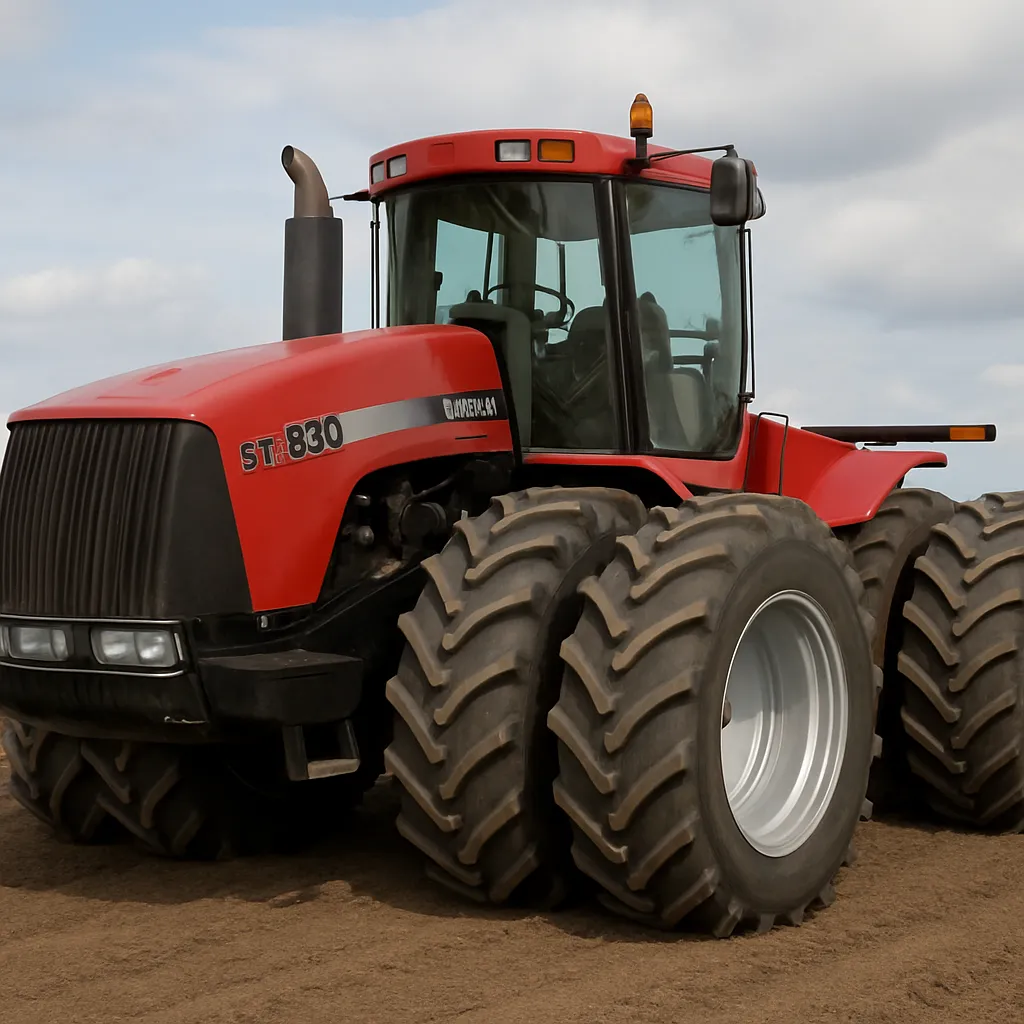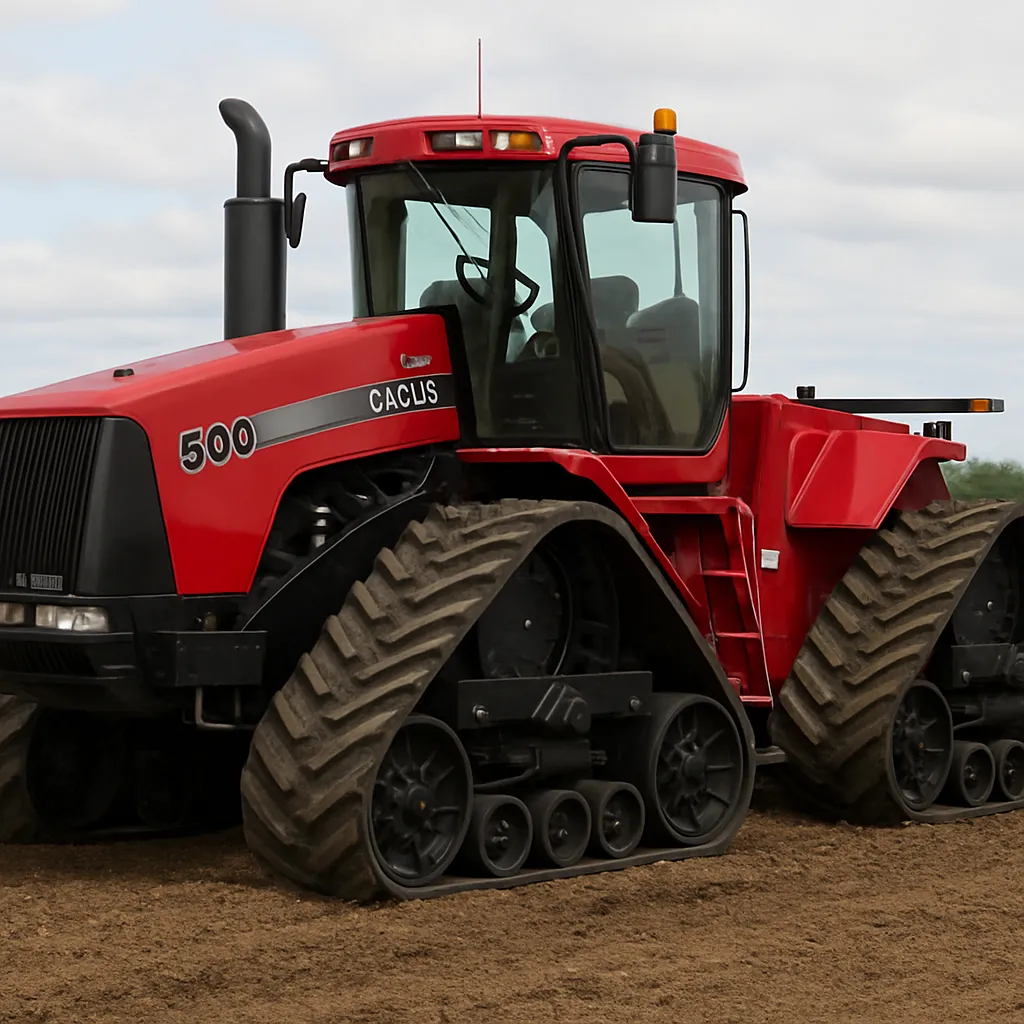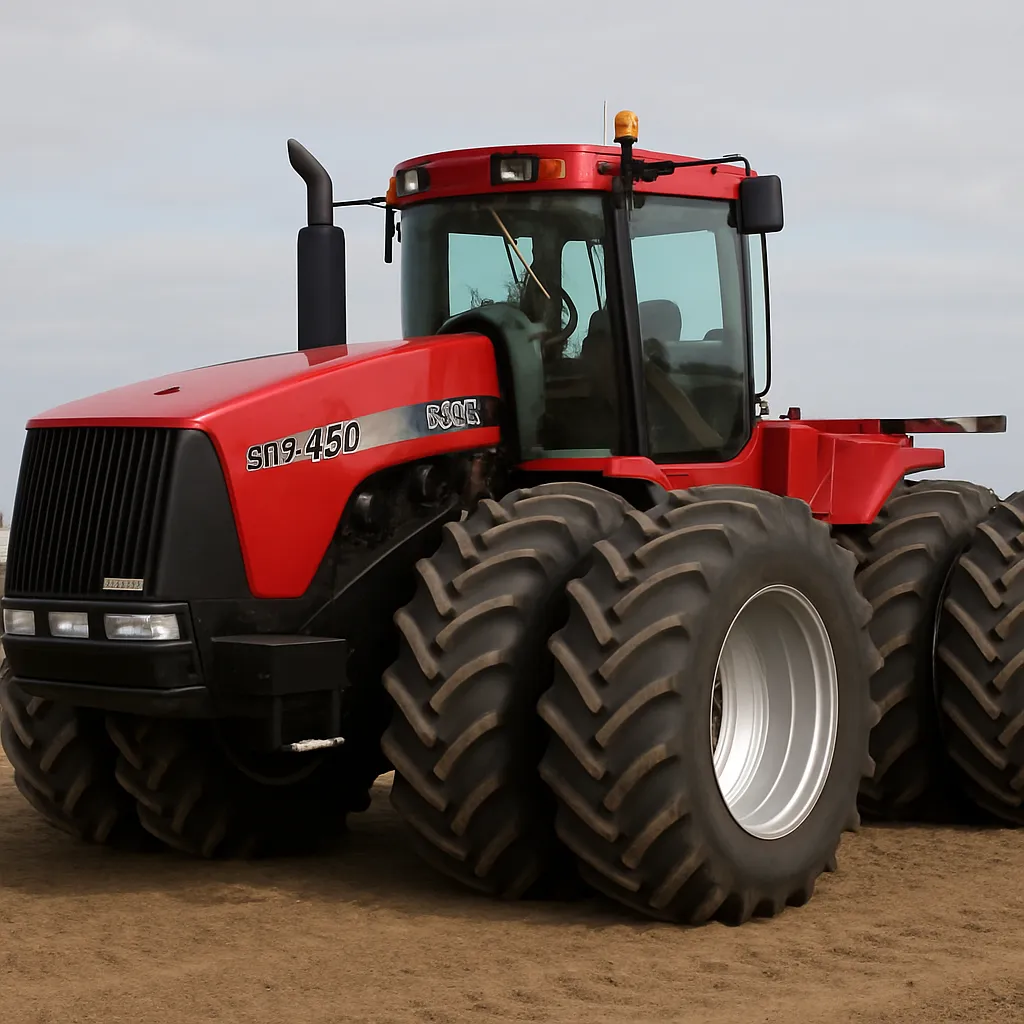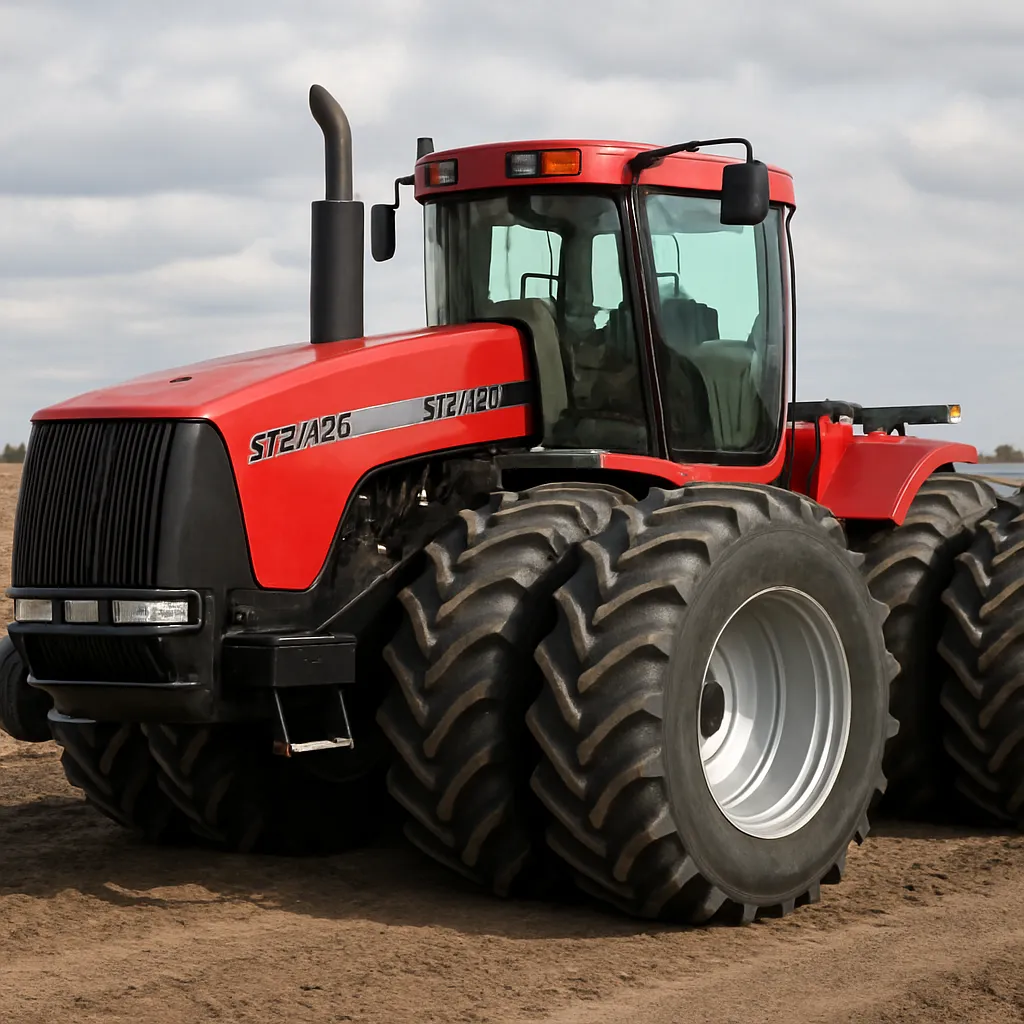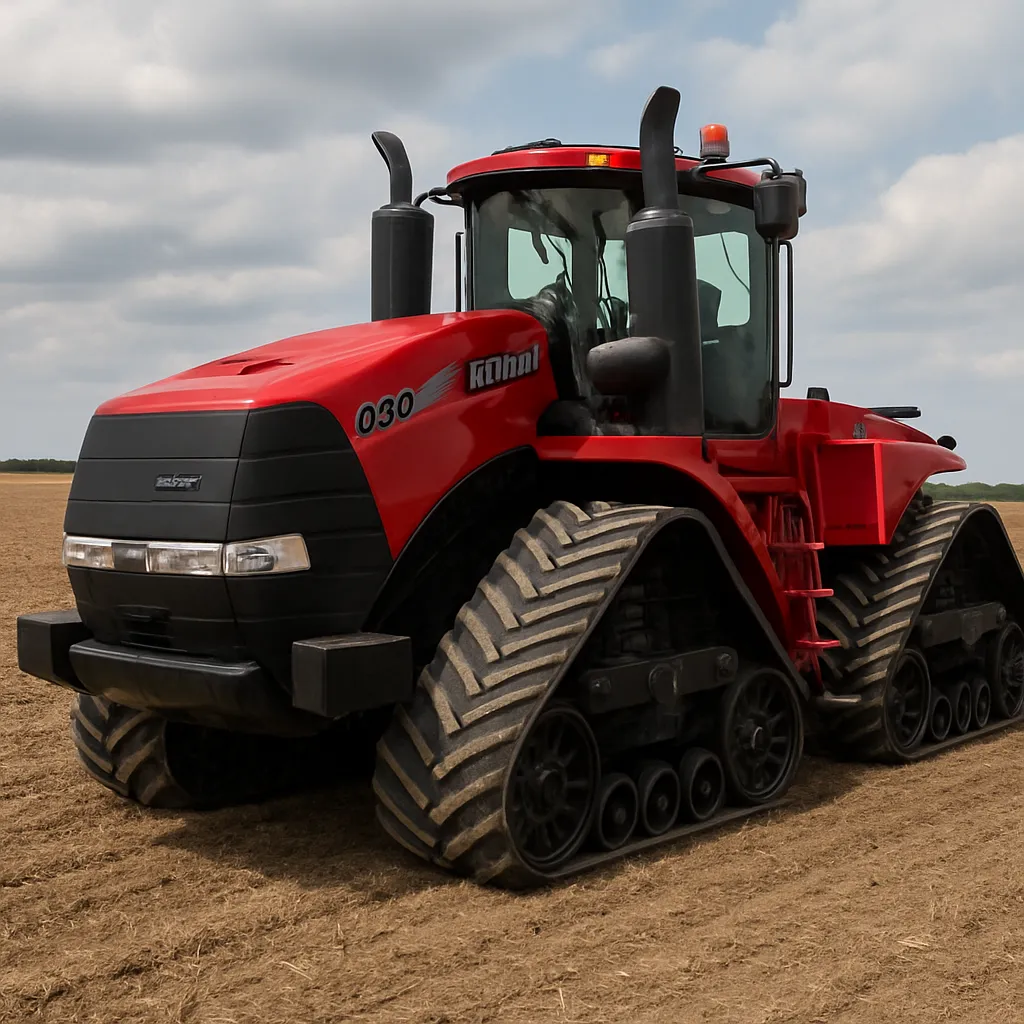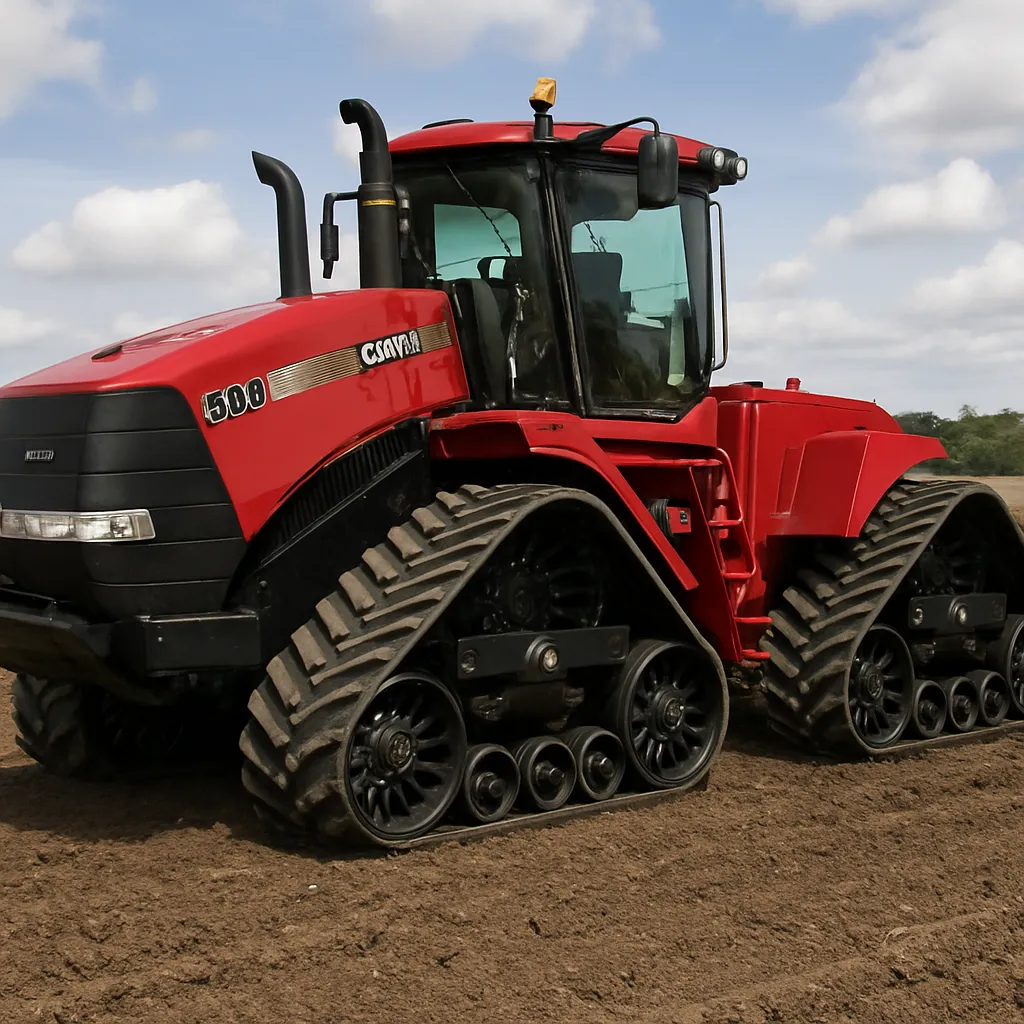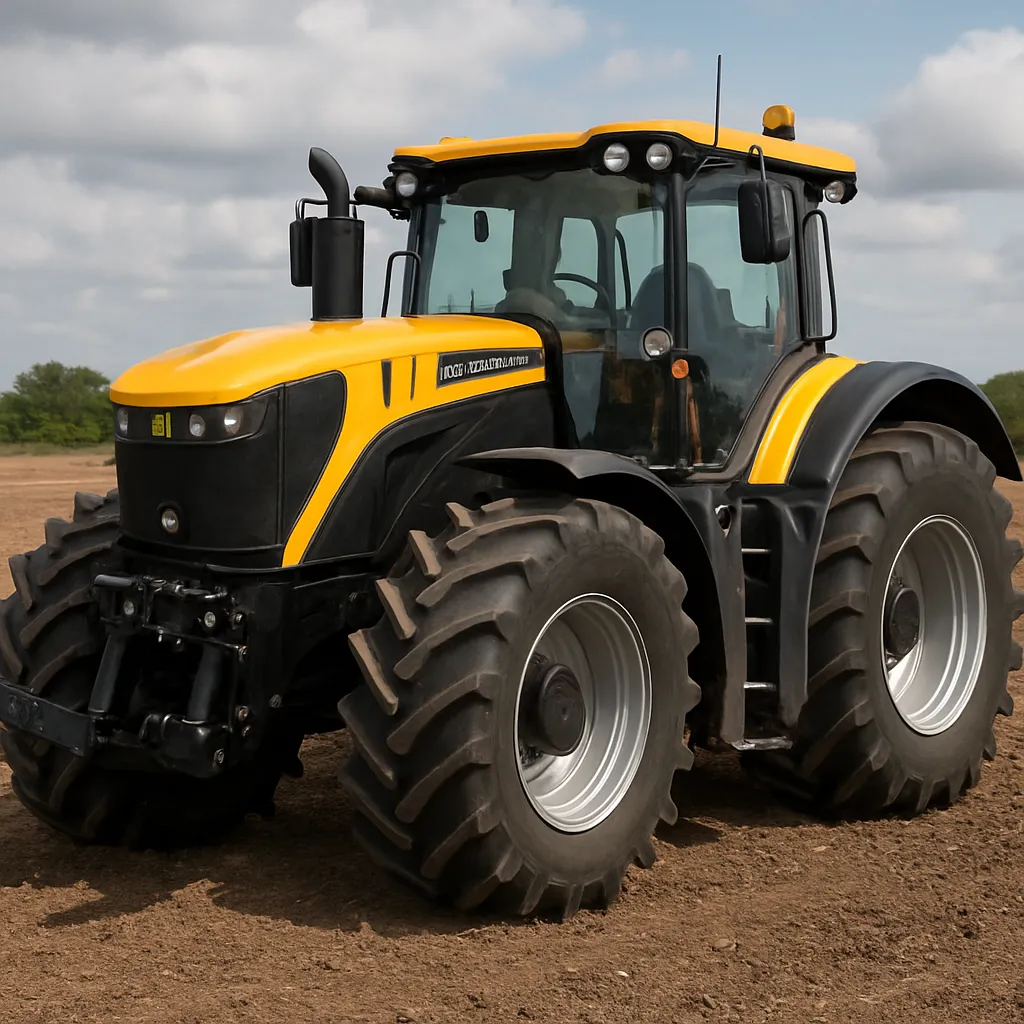
The JCB 8310 is part of the family of versatile agricultural tractors known for combining on-road speed with field capability. Developed by the British manufacturer JCB, the 8310 blends innovative engineering with practical features that make it suited to a wide range of tasks on modern farms, from heavy fieldwork to fast transport between sites. This article explores the design, typical specifications, practical applications, and operational considerations for the JCB 8310, as well as some contextual and statistical information useful for farmers, contractors, and machinery enthusiasts.
Overview and historical background
The JCB 8310 belongs to a line of tractors that embody the company’s push to create machines that are not only powerful in the field but also capable of maintaining higher speeds on public roads. JCB, founded in the mid-20th century in the United Kingdom, expanded from construction equipment into agricultural machinery with a strong emphasis on innovation. One of JCB’s signature concepts in its agricultural range has been the Fastrac idea — tractors offering improved on-road speeds and full suspension — and the 8310 sits within that evolutionary story.
Unlike many traditional tractors designed primarily for slow, heavy draft work, models in this family are engineered to reduce transit times between locations and to offer improved ride quality for the operator. The 8310 exemplifies that balanced philosophy, aiming to be a true multi-role machine for both owner-operators and contractors.
Design highlights and key features
The JCB 8310 combines several engineering choices that influence its versatility and performance. While specific configurations may vary depending on year, market, and options fitted, the common design elements include:
- All-wheel suspension: One of the most distinctive features is the presence of suspension on both the front and rear axles or a fully suspended frame on some variants. This improves traction and comfort, particularly during high-speed road travel and rough-field operations.
- High road speed capability: Compared with conventional tractors, the 8310 family is designed to offer relatively high maximum speeds, allowing faster movement between fields, yards, and farm sites. This is a major advantage for contractors and farms covering large areas.
- Robust chassis: A frame designed to handle both heavy implements and the stresses induced by higher travel speeds. This translates to improved durability for mixed duty cycles.
- Multiple transmission options: Depending on the model year and market, the 8310 could be specified with different gearboxes, including stepped powershift units and more advanced continuously variable or stepless transmissions on later or upgraded variants.
- PTO and hydraulic flexibility: The tractor typically supports standard rear PTO speeds and is compatible with a wide range of hydraulic implements, whether for tillage, seeding, baling, or transport equipment.
- Operator environment: A cab designed with comfort and visibility in mind, including ergonomic controls, good sightlines to the front and rear, and provision for modern instrumentation.
Typical technical specifications (approximate)
Exact specifications for the JCB 8310 vary by year of manufacture, market, and optional equipment. The following figures should be treated as representative ranges rather than definitive numbers for every unit:
- Power output: Approximately 150–190 horsepower (hp) at the engine flywheel, depending on tuning and emission stage.
- Engine type: Turbocharged diesel engines with electronic management; number of cylinders typically four to six depending on variant.
- Maximum road speed: Many Fastrac-style models are capable of sustained road speeds in the region of 40–50 km/h (25–31 mph), with some configurations or later models rated higher.
- PTO: Standard rear PTO with selectable speeds (commonly 540/1000 rpm), and optional ground speed PTOs or economy PTO settings on some configurations.
- Transmission: Multi-range powershift transmissions or stepless/CVT options depending on the unit; forward/reverse ranges for effective fieldwork and transport.
- Hydraulic flow: Implement hydraulics with competitive flow rates for running multiple hydraulic implements; auxiliary valve circuits for front loaders, seeders, sprayers.
- Weight: Typical operating weight often falls in the mid-tonne range for large tractors (for example, roughly 6–9 tonnes depending on ballast, tyres, and attachments).
- Fuel capacity: Tanks sized to allow long working days between refuels; common capacities are in the order of a few hundred liters depending on configuration.
These specifications reflect the 8310’s position as a powerful, transport-capable agricultural tractor designed to handle a broad set of jobs.
Primary applications and sectors of use
The JCB 8310 finds a home in operations that value a single machine capable of performing a variety of tasks. Its typical uses include:
- Tillage and soil preparation: Pulling ploughs, cultivators, and discs where its power and traction help in medium-to-heavy tillage operations.
- Seeding and planting: Providing stable draft and hydraulic capacity for large seed drills and planters.
- Transport and haulage: The higher on-road speeds make the 8310 very efficient for moving trailers, slurry tanks, or modular equipment between fields and yards, reducing downtime.
- Baling and forage work: Running balers, mowers, and forage harvest equipment where responsive hydraulics and PTO capability are essential.
- Loader and material handling: When equipped with a front loader, it can serve yard-handling and feed tasks, thanks to a strong front linkage and hydraulic system.
- Contracting work: Contractors often choose such tractors to minimize transit times and increase daily productivity, especially on large, dispersed sites.
Performance indicators and statistical context
Precise statistical data for every JCB 8310 across its lifetime is not centralized here, but several performance characteristics and market facts are notable:
- Fuel efficiency: Fuel consumption depends on task, terrain, and load, but machines in this class are often optimized to offer reasonable specific fuel consumption for their output class. Operators typically observe that higher-speed transit and reduced idle times can improve daily operational efficiency.
- Utilization rates: In mixed farms and contracting operations, tractors like the 8310 are commonly used 1,000–2,000+ hours per year when serving multiple functions and traveling between sites — utilization varies widely by region and farm size.
- Resale and lifespan: With proper maintenance, tractors of this size and class often remain in productive service for 10–20+ years depending on hours, care, and upgrades. Resale values hinge on hours, maintenance history, and specification.
- Market placement: The JCB 8310 and similar machines serve a niche between heavy field-only tractors and transport-focused agricultural vehicles, attracting customers who want a genuine all-rounder.
Real-world performance notes
Farmers and contractors using tractors like the 8310 typically report advantages in:
- Shorter turnaround times due to higher travel speeds.
- Improved operator comfort and reduced fatigue due to suspension and refined cab ergonomics.
- Greater flexibility to attach diverse implements without the need for separate specialized machines for field and transport roles.
Operator comfort, safety, and controls
Operators of the 8310 benefit from a focus on ergonomics and safety that matches its role as a high-speed implement carrier. Features worth noting:
- Cab comfort: Roomy cabs with adjustable seating, intuitive control layouts, and climate control systems to reduce fatigue during long shifts.
- Visibility: Large glazing areas and well-placed mirrors enhance sightlines when performing precision tasks and when driving on public roads.
- Safety systems: Robust braking systems, rollover protective structures (ROPS), and provisions for modern lighting packages for road travel and night work.
- Control electronics: Depending on the year and spec, electronic aids such as cruise control, engine management systems, and implement control help improve repeatability and efficiency.
Maintenance, reliability, and total cost of ownership
Maintenance strategy is central to maximizing the life and value of a JCB 8310. Practical points include:
- Scheduled servicing: Adhering to manufacturer intervals for oil, filters, and hydraulic servicing preserves engine longevity and hydraulic pump performance.
- Tyres and suspension: Because of higher travel speeds, attention to tyre condition and suspension integrity is important for safety and ride quality.
- Spare parts and support: JCB has a broad service network in many markets; ensuring a good relationship with dealers improves parts availability and downtime minimization.
- Telematics and monitoring: Where available, telematics systems can track hours, fuel use, and maintenance needs — useful for fleet management and minimizing total cost of ownership.
Implement compatibility and customization
One of the strengths of tractors like the 8310 is the breadth of implements they can run. Typical examples include:
- Ploughs, discs, and cultivators for primary & secondary tillage.
- Seed drills, planters, and air seeders for planting windows.
- Sprayers and spreaders for crop protection and nutrition tasks.
- Bale wrappers, balers, mowers, and rakes for forage production.
- Slurry tankers and trailers for nutrient management and haulage.
- Front loaders and pallet forks for material handling in yards.
Customization packages often involve choice of tyres, ballast, hydraulic circuits, and hitch options so the machine can be matched precisely to an operation’s needs.
Environmental and regulatory considerations
As with all modern agricultural machinery, emissions regulations and environmental performance are relevant. Over successive model years, engines were updated to meet evolving emission standards, meaning later examples typically feature advanced exhaust treatment and electronic engine controls to reduce particulate and NOx output. Efficient use, correct tyre pressures, and matching implement sizes to tractor power help reduce fuel consumption and soil compaction.
Comparisons and market position
The JCB 8310 competes with other versatile, high-speed agricultural tractors produced by several global manufacturers. Its primary differentiators are the emphasis on ride quality, on-road speed, and a chassis designed for both transport and fieldwork. Buyers often weigh the following when comparing models:
- Nominal horsepower vs. fuel economy in actual tasks.
- Speed capability and how much time is spent in transit.
- Operator comfort for long days and multi-day contracts.
- Service network availability and parts pricing in the local market.
Practical advice for potential buyers
For those considering a JCB 8310, whether new or used, practical buying tips include:
- Assess real power needs: match tractor power to the largest implements you intend to use rather than purely chasing peak horsepower figures.
- Check the maintenance record: documentation of service intervals, hydraulic servicing, and any suspension work is valuable.
- Verify road-use equipment: lighting, mirrors, brakes, and tyre condition are essential for safe, legal on-road travel.
- Test on mixed tasks: if possible, trial the tractor at both field speeds and road speeds to judge ride comfort and handling.
Notable advantages and limitations
Advantages:
- Versatility: Good balance between field performance and road transport capability.
- Productivity: Faster transit times can increase daily operational output.
- Comfort: Suspension and cab comforts reduce operator fatigue.
Limitations:
- Higher initial cost compared with simpler, field-only tractors in the same horsepower class.
- Potentially higher complexity in maintenance due to suspension components and advanced transmissions if fitted.
- Weight and size may limit use in very small or highly constrained farms.
Closing observations
The JCB 8310 represents a pragmatic approach to modern agricultural work: a machine designed to do many tasks well rather than excelling in a single narrow niche. For medium-to-large farms and contractors who value timely transport, comfortable long-hours operation, and the ability to switch between tasks, a tractor in this class can be a cornerstone of efficient daily operations. When chosen with the right options and well maintained, such a tractor offers a compelling mix of efficiency, durability, and operational flexibility.