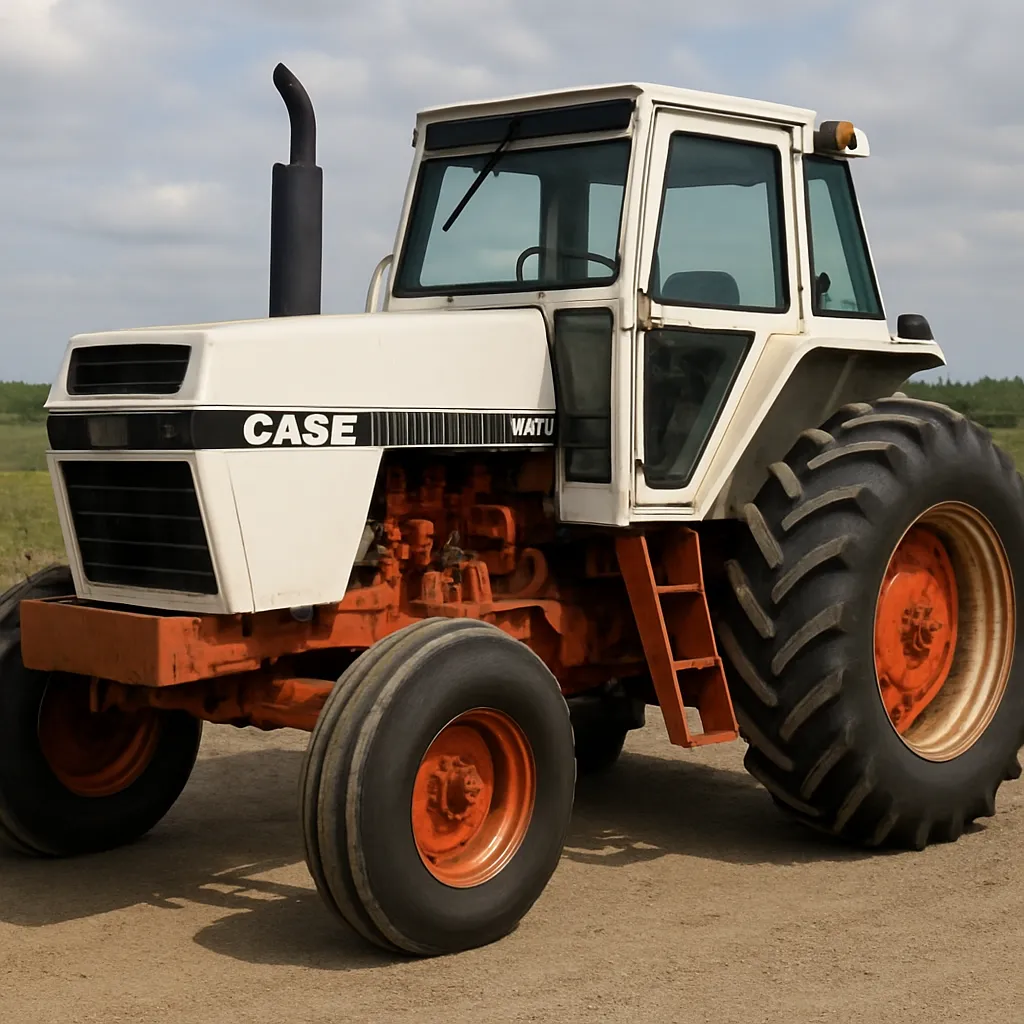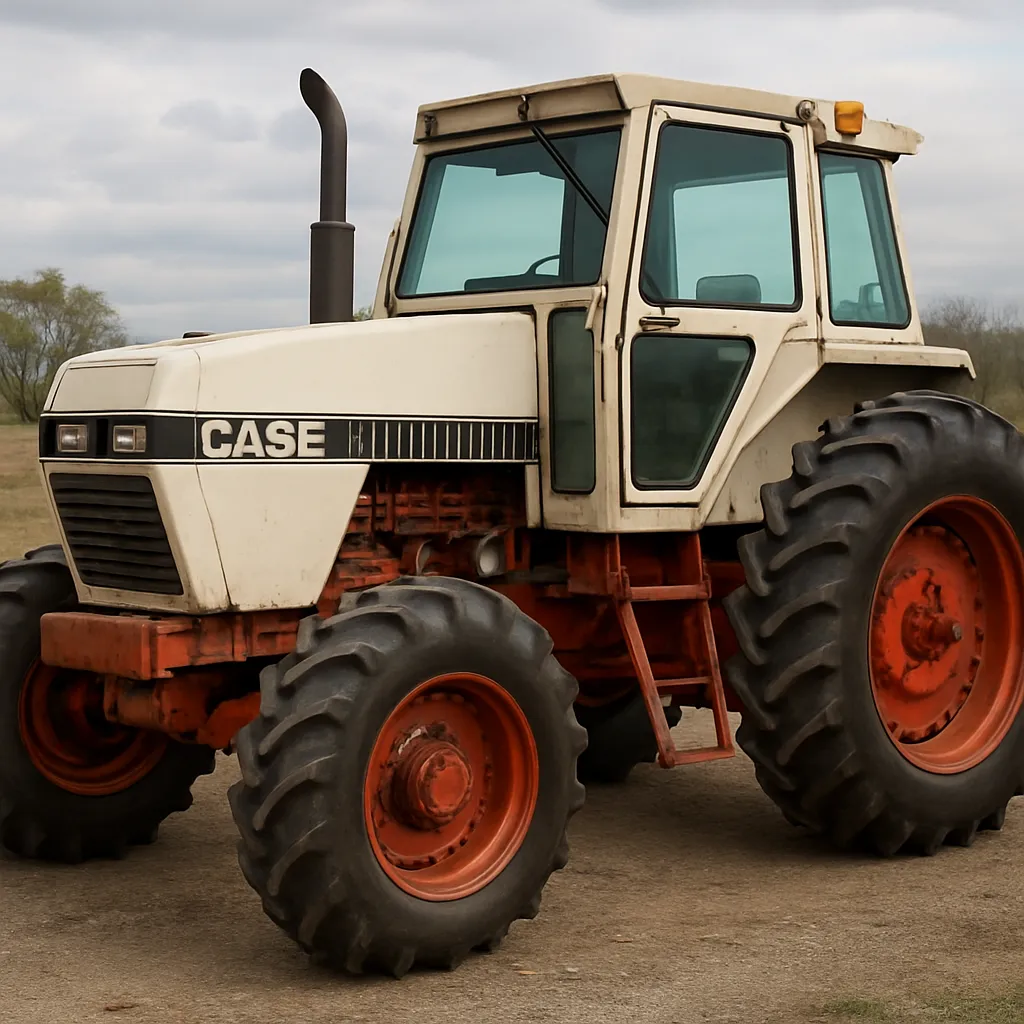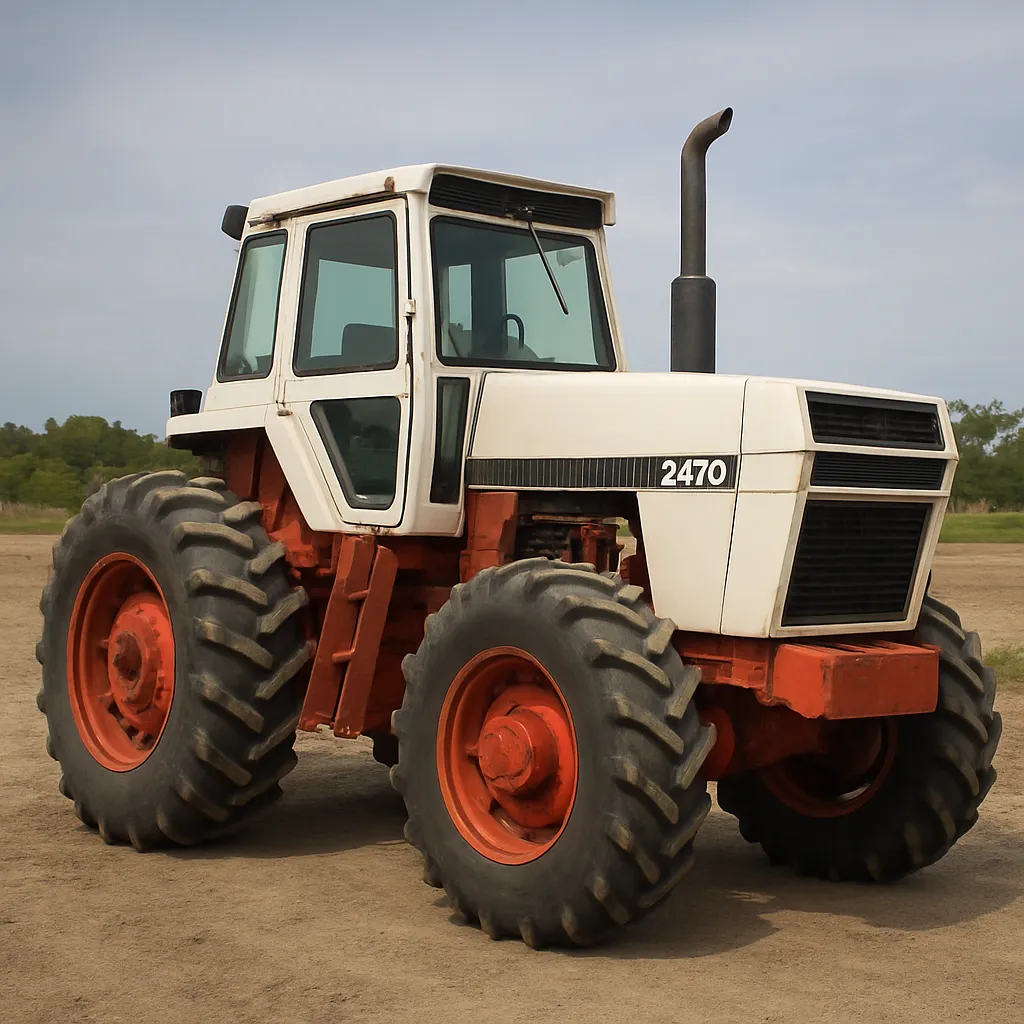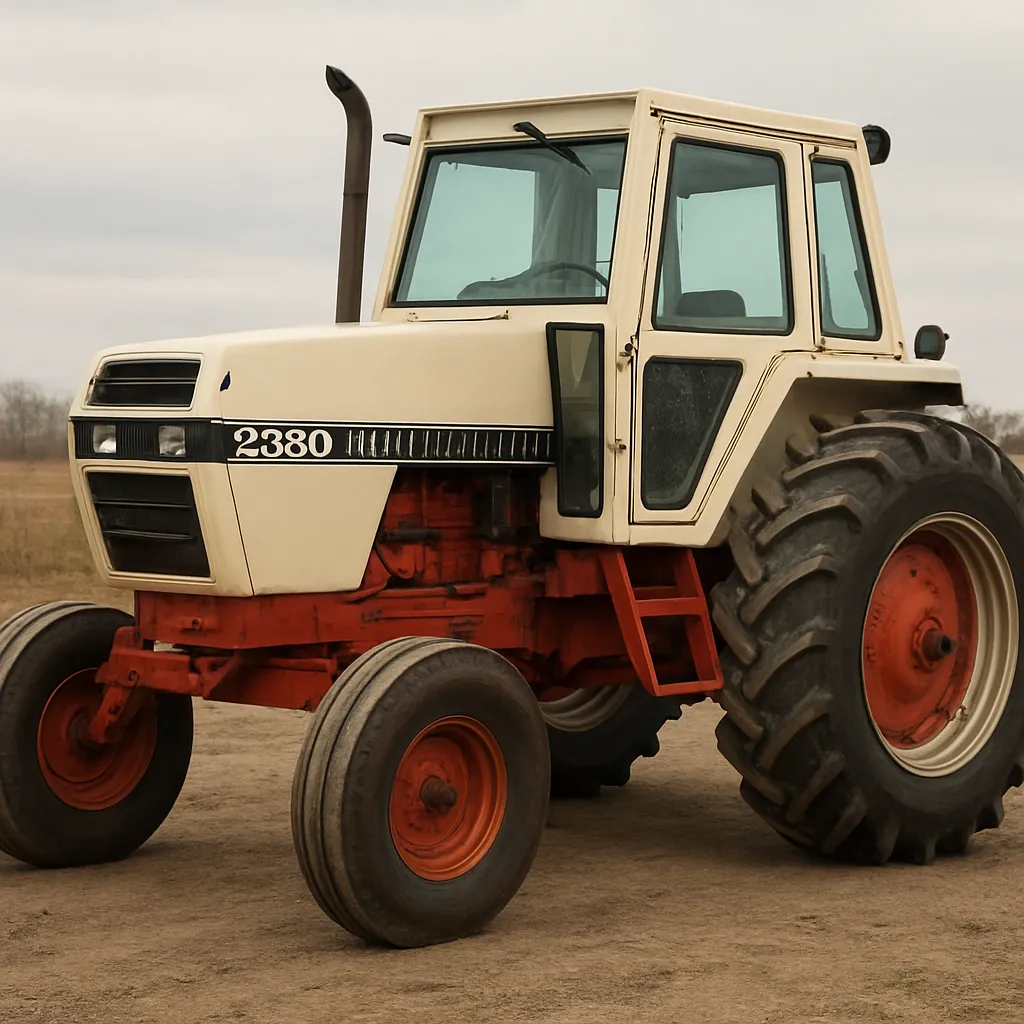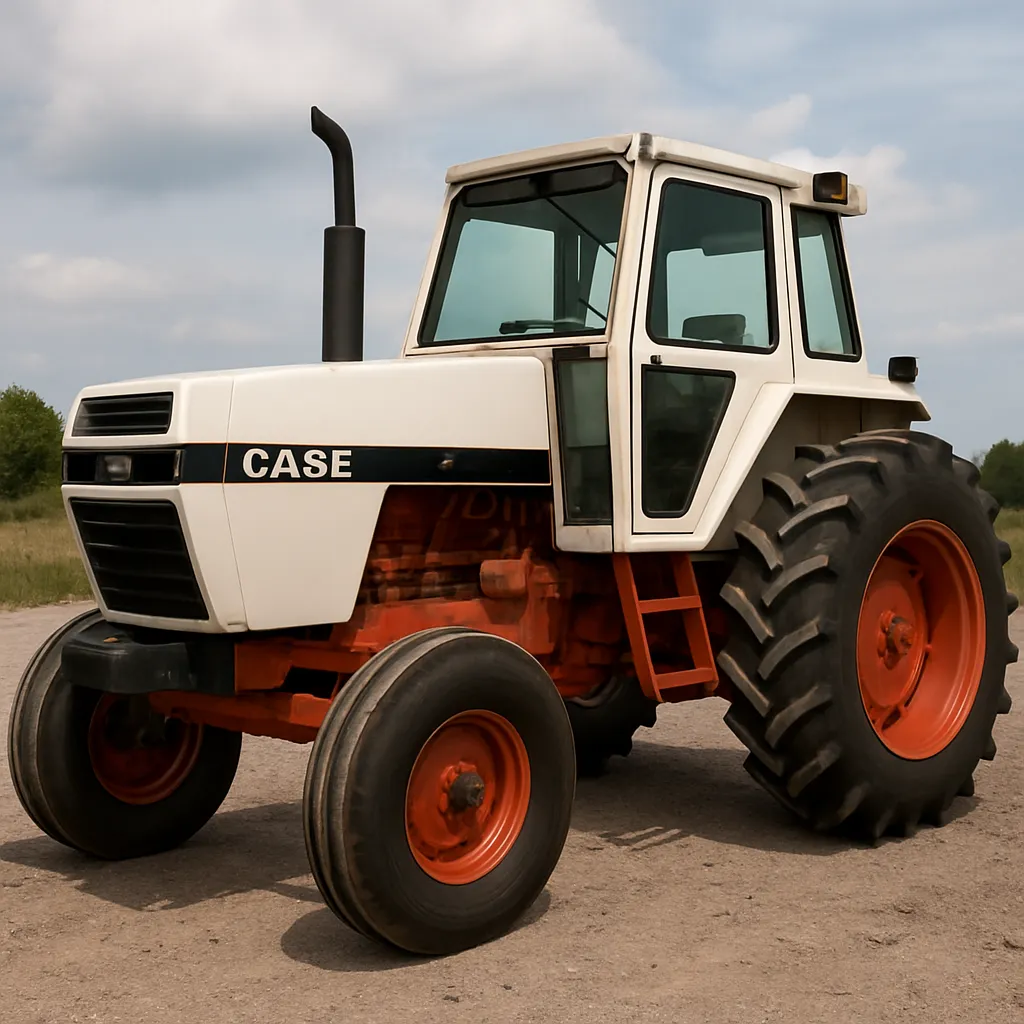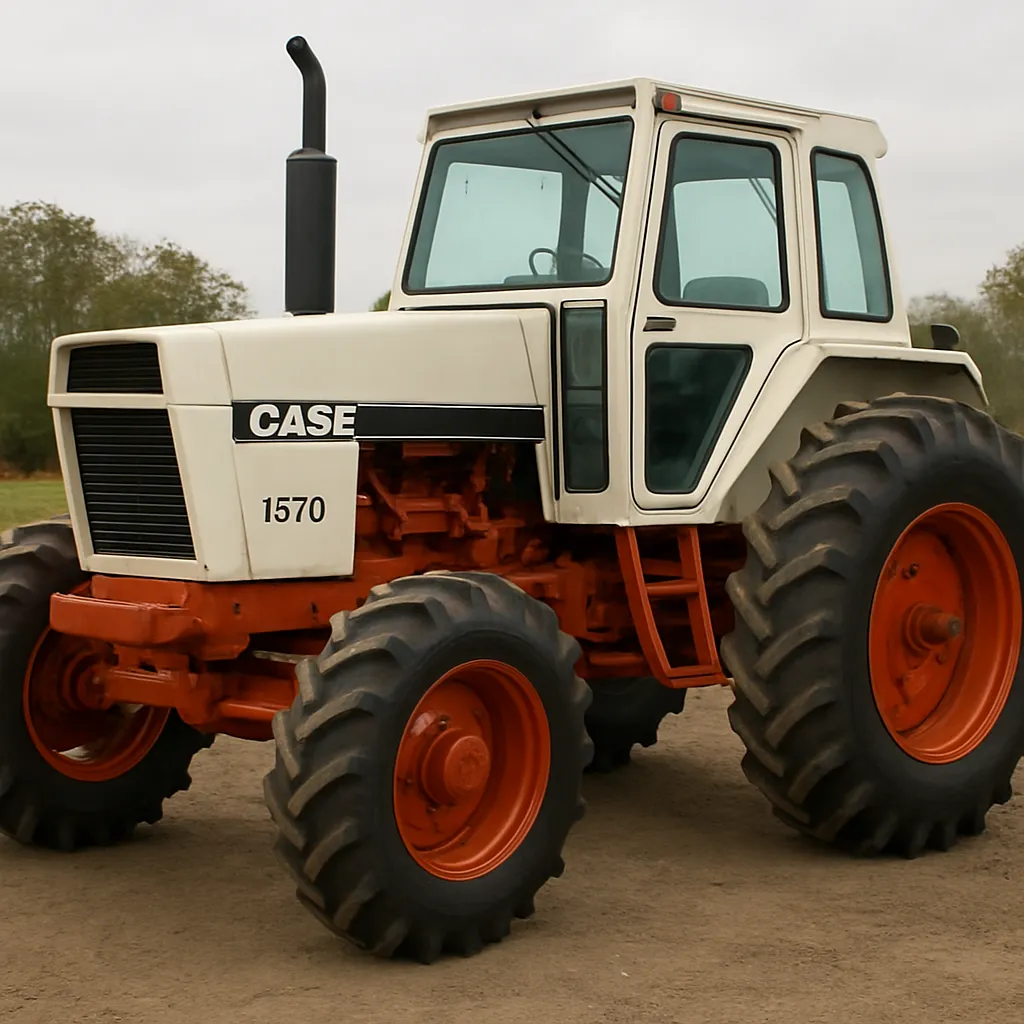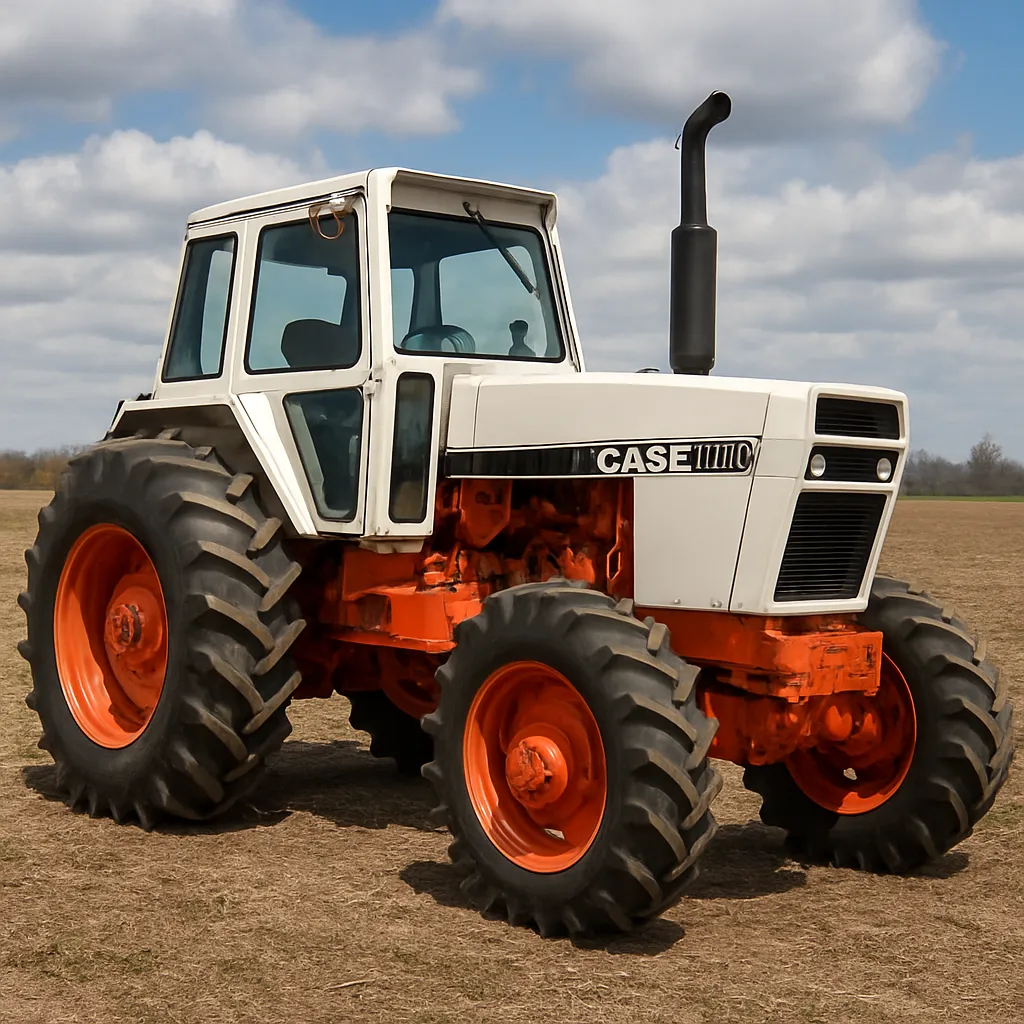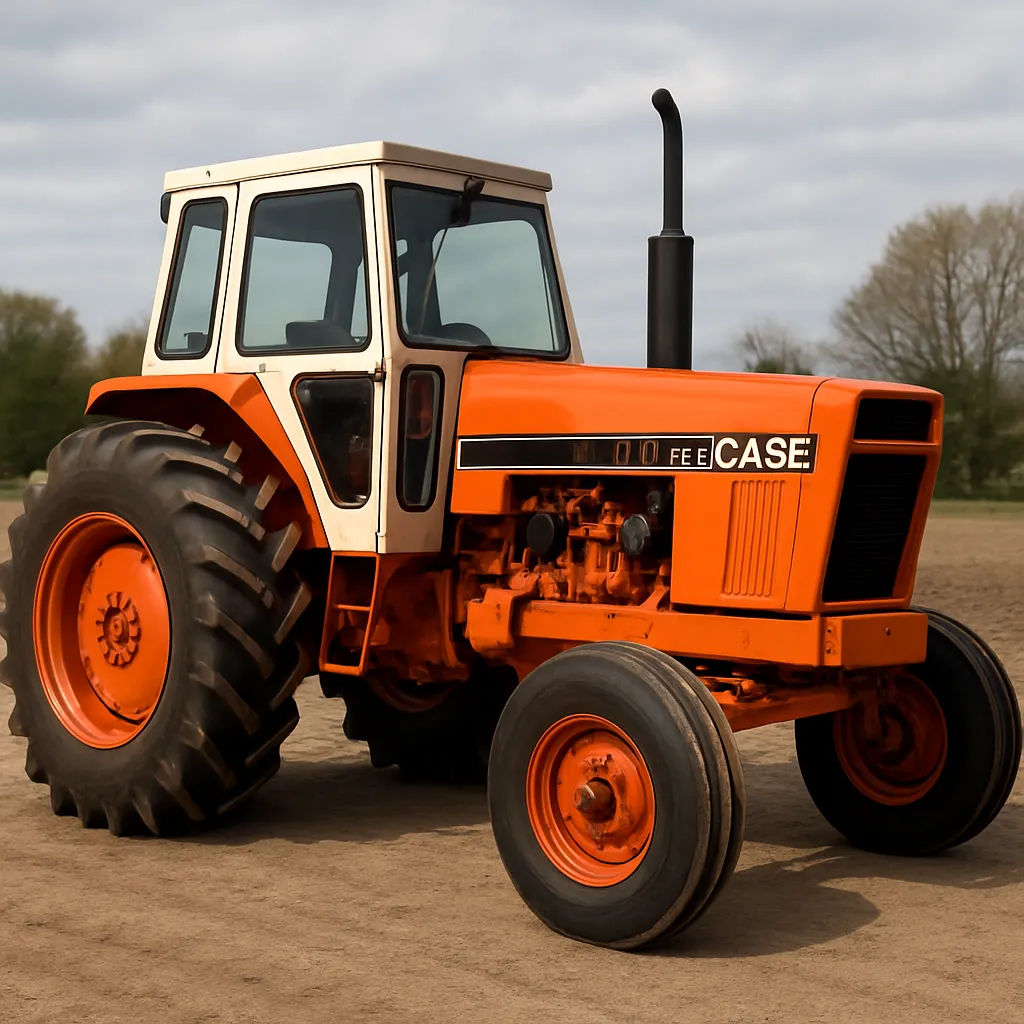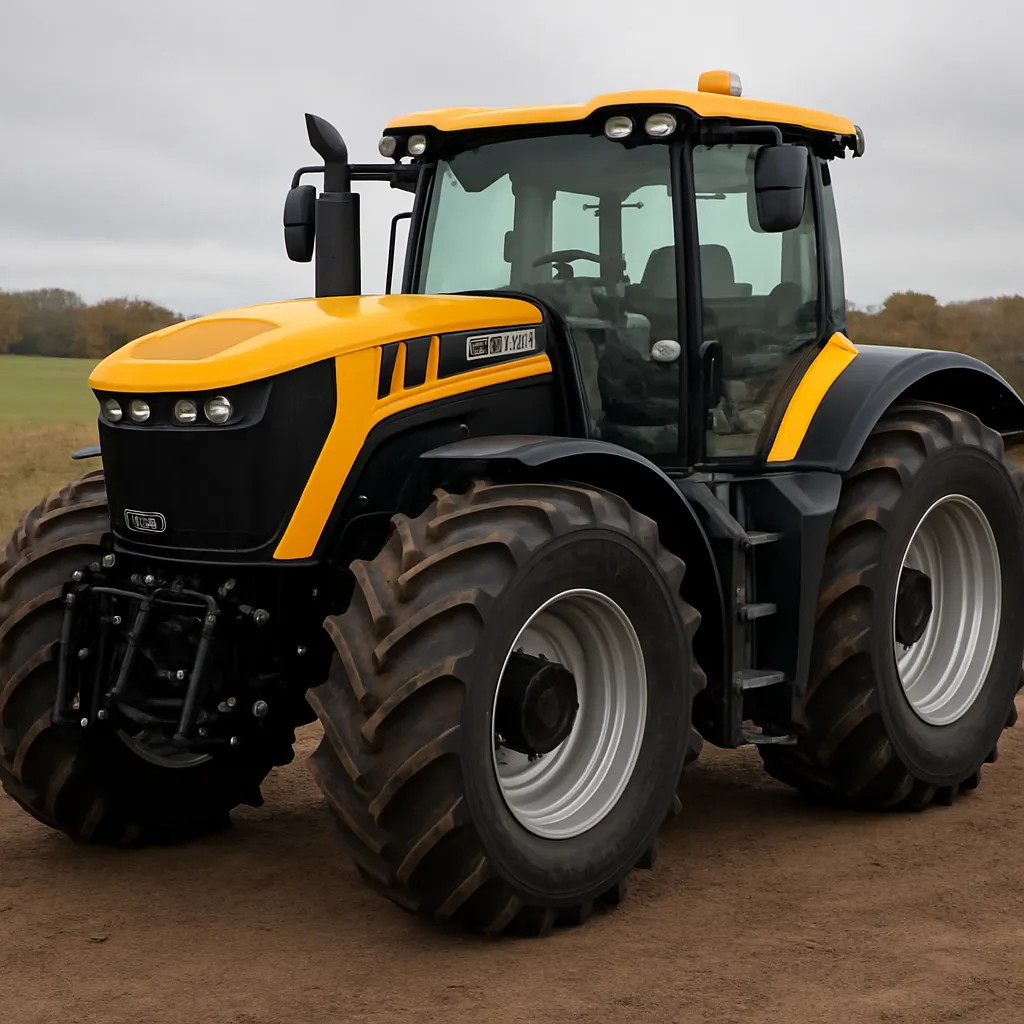
The JCB 8360 Development is a modern agricultural and industrial tractor platform that represents a blend of robust engineering, versatile attachments and contemporary control systems. Designed for demanding farming tasks, transport and multifunctional field operations, this model emphasizes efficiency, operator comfort and adaptability. In the following sections, we will explore the design philosophy, practical applications, technical highlights, maintenance considerations and market context surrounding the JCB 8360 Development, as well as practical tips for operators and fleet managers.
Design and engineering philosophy
At the heart of the JCB 8360 Development is a commitment to modularity and durability. JCB has historically focused on machines that can perform in mixed workloads — from heavy towing and primary tillage to loader work and seasonal transport. The 8360 platform continues this approach, pairing a strong chassis with a flexible powertrain layout and an emphasis on serviceability.
Key elements of the design include a reinforced frame engineered to withstand continuous heavy-duty use, a carefully tuned suspension and axle configuration for stability during on-road transport, and a cab designed to maximize operator visibility and ergonomics. The model integrates modern control systems that allow for precision in hydraulic flow, transmission behavior and power management.
Several components reflect current industry trends: a focus on reducing fuel consumption through powertrain optimization, increased use of electronics for diagnostics and telematics, and simplified access panels for faster routine servicing. These design choices make the machine attractive to contractors and farmers who need a dependable, low-downtime unit.
Primary applications and use cases
The versatility of the JCB 8360 Development is one of its strongest selling points. It is suitable for a wide range of roles across agriculture, municipal services and light construction. Typical applications include:
- Arable farming — primary and secondary tillage, seedbed preparation, and heavy discing.
- Livestock operations — feed distribution, manure handling and silage work when fitted with front loaders or bale handlers.
- Transport and haulage — moving trailers and implements over public roads and between fields, thanks to a comfortable cab and stable on-road dynamics.
- Contracting — hiring operations that demand a rugged machine capable of quick implement changes and consistent performance across varied tasks.
- Municipal and utility work — winter services, verge mowing and road-side maintenance when equipped with the appropriate attachments.
The 8360 also suits specialized roles when fitted with purpose-built attachments: high-capacity loaders for material handling, PTO-driven equipment for mowing and baling, and heavy-duty hitching systems for large cultivators. Its adaptability makes it popular in mixed-farm environments where a single machine must do many jobs.
Technical highlights and performance characteristics
While exact factory figures vary by configuration and model-year changes, the JCB 8360 Development is engineered to deliver reliable high-performance results. Its technical strengths include an efficient powertrain, responsive hydraulics and ergonomic operator interfaces.
Powertrain and transmission
The powertrain is designed with an emphasis on fuel efficiency and torque delivery. The engine map typically delivers strong low-end torque to handle heavy draft work, while allowing higher-speed travel for transport. Transmission options are commonly offered to match operator needs: from synchronized gearboxes for simplicity and durability to powershift or continuously variable transmission (CVT)-style systems for smoothness and efficiency during field-to-road transitions.
Hydraulics and implement control
The hydraulics package is a critical determinant of a tractor’s utility. The 8360 Development offers a versatile hydraulic system with multiple remote couplers, high-flow options for intensive loader operations and proportional control for precision implements. Load-sensing hydraulic systems are often implemented to improve energy management and reduce fuel consumption during variable demand tasks.
PTO, hitch and implement compatibility
Power take-off (PTO) options support a wide range of powered implements. Rear three-point hitch categories and hitch capacity are designed to carry large implements required in modern arable farming. Electronic linkage control with automatic draft and depth management is frequently included or offered as an option, improving repeatability and reducing operator fatigue.
Cab, ergonomics and controls
A modern cab is central to productivity. The 8360 Development’s cab focuses on layout efficiency, climate control, low vibration and excellent visibility. Adjustable seats, a logical control cluster and clear instrumentation (including optional touchscreen displays) support long workdays. Integrated telematics enable remote monitoring of machine health, location and fuel usage, contributing to optimized fleet management.
Innovations and technologies
The JCB 8360 Development incorporates a set of technologies aimed at increasing productivity and lowering total cost of ownership. Some of these technologies are widely used across the agricultural sector, while others represent JCB’s specific engineering refinements.
- Telematics and fleet connectivity — built-in telematics modules allow fleet managers to monitor machine location, operating hours, fuel consumption and error codes in real time. This data supports preventative maintenance and efficient allocation of assets.
- Fuel management systems — optimized fuel maps, automatic idle shutdown and effective load-sensing hydraulics help reduce fuel burn without compromising productivity.
- Operator assistance — optional guidance systems and automated hitch/implement settings reduce overlap, improve pass-to-pass accuracy and lower operator learning curves.
- Emissions compliance and aftertreatment — modern exhaust aftertreatment systems keep engines compliant with regional emissions standards while minimizing maintenance impact on operators.
These technologies not only contribute to improved operational performance but also support better environmental outcomes by reducing unnecessary fuel consumption and emissions when machines are deployed efficiently.
Maintenance, serviceability and total cost of ownership
A strong selling point of the JCB 8360 Development is its emphasis on serviceability. JCB typically designs access panels for quick daily checks, centralized filter locations and modular components to make replacement straightforward. These design choices reduce downtime and labor costs over the life of the machine.
Routine maintenance tasks
- Daily visual checks: fluid levels, tire condition, hydraulic lines.
- Scheduled oil and filter changes, typically at manufacturer-recommended hour intervals.
- Air filter maintenance, especially in dusty environments.
- PTO and linkage lubrication and inspection.
- Telematics and onboard diagnostics checks to identify pending issues early.
Owning a modern tractor also means factoring in the cost of software updates, telematics subscriptions and possible aftertreatment service intervals. However, the overall aim of these features is to lower lifetime operating costs by preventing major failures and improving fuel efficiency.
Market reception and statistical context
The JCB brand is well-regarded in the agricultural and construction equipment markets for building durable and innovative machines. The 8360 Development, positioned as a heavy-duty, versatile tractor, has attracted attention from contractors and large-scale farmers seeking a reliable workhorse for mixed tasks.
Specific production and sales numbers for a particular configuration of the 8360 Development are influenced by regional demand, emissions regulations and dealer inventories. In general, modern tractors in this class — high-horsepower, multifunction units — represent a significant portion of agricultural equipment expenditures for medium-to-large farms. Key market trends affecting the 8360’s reception include:
- Increased demand for telematics-enabled machines that support precision agriculture and fleet management.
- Growth in mechanized contracting services, which drives demand for durable, multi-function tractors.
- Emissions regulations requiring more advanced aftertreatment systems, influencing resale values and operating costs.
Where exact statistical datasets are not publicly distributed by manufacturers for individual models, prospective buyers often consult dealer networks or independent market reports to obtain region-specific figures on sales, common uptime percentages and average fuel consumption in operational profiles. Such reports commonly show that machines in this category achieve operational uptimes of 85–95% under good maintenance regimes, and fuel usage depends heavily on operating conditions, with fieldwork typically showing higher fuel intensity than transport tasks.
Operational tips and best practices
To maximize the usefulness and longevity of a JCB 8360 Development, operators and fleet managers should adopt several best practices:
- Plan implement compatibility — select implements that match the hitch capacity and hydraulic flow ratings to avoid overloading the tractor.
- Use telematics data — monitor fuel consumption, engine idling time and fault codes to inform operator training and maintenance schedules.
- Maintain a proactive service schedule — regular oil, filter and wear-part checks prevent costly repairs and maintain resale value.
- Train operators — consistent operation techniques, such as matching engine speed to load and avoiding unnecessary high-rev work, improve fuel efficiency and lower mechanical wear.
- Seasonal preparation — ensure cooling systems and batteries are checked prior to peak seasons, and verify attachment points and PTO shields before heavy-use periods.
Following these practices helps protect the investment and ensures the machine performs reliably across diverse tasks and seasons.
Comparisons and positioning
When evaluating the JCB 8360 Development against peers, consider these positioning points:
- Versatility — the 8360 is aimed at buyers who want one machine to perform many roles rather than a fleet of specialist units.
- Serviceability — JCB’s engineering emphasizes accessible maintenance points, which supports lower downtime compared with some competitors.
- Technology integration — with telematics and optional precision guidance, the 8360 competes well in markets where data-driven operations are expanding.
- Resale and lifecycle value — a well-maintained JCB typically retains value due to brand reputation and build quality, though market dynamics and regulatory changes influence residual value over time.
Potential buyers should perform side-by-side comparisons focusing on hydraulic flow, hitch capacity, dealer support and the specific features required for intended applications.
Environmental considerations
Modern tractors like the JCB 8360 Development are designed to balance performance with environmental responsibilities. Key elements include:
- Emission control technologies — selective catalytic reduction (SCR) and diesel particulate filters (DPF) to meet emission standards.
- Fuel efficiency features — power-management strategies and load-sensing hydraulics reduce fuel consumption in mixed-duty cycles.
- Durability and parts longevity — longer service intervals and modular components reduce waste and the frequency of part replacements.
Integrating the tractor effectively into farm management plans also contributes to broader sustainability goals by enabling precision application of inputs and reducing overlap and waste during field operations.
Conclusion
The JCB 8360 Development represents a modern approach to tractor design that blends durability, adaptability and technological integration. Suited to diverse agricultural and municipal roles, it supports operators with robust hydraulics, flexible implement compatibility and telematics-driven fleet management. Practical advantages include accessible maintenance, a focus on operator comfort and an emphasis on fuel efficiency. While exact statistical figures for a single model configuration vary by market and specification, the 8360 stands out as a compelling option for those seeking a reliable, multi-role tractor capable of meeting the demands of contemporary farming and contracting operations.