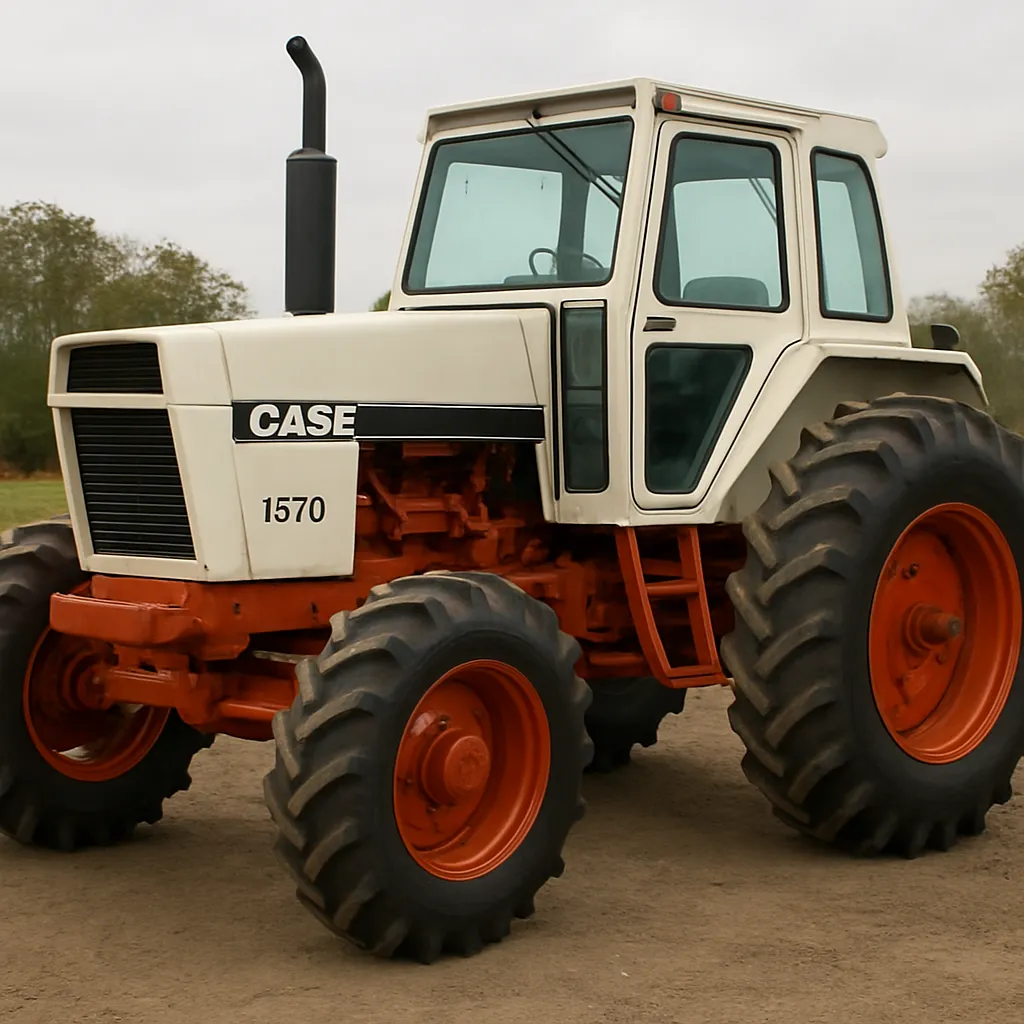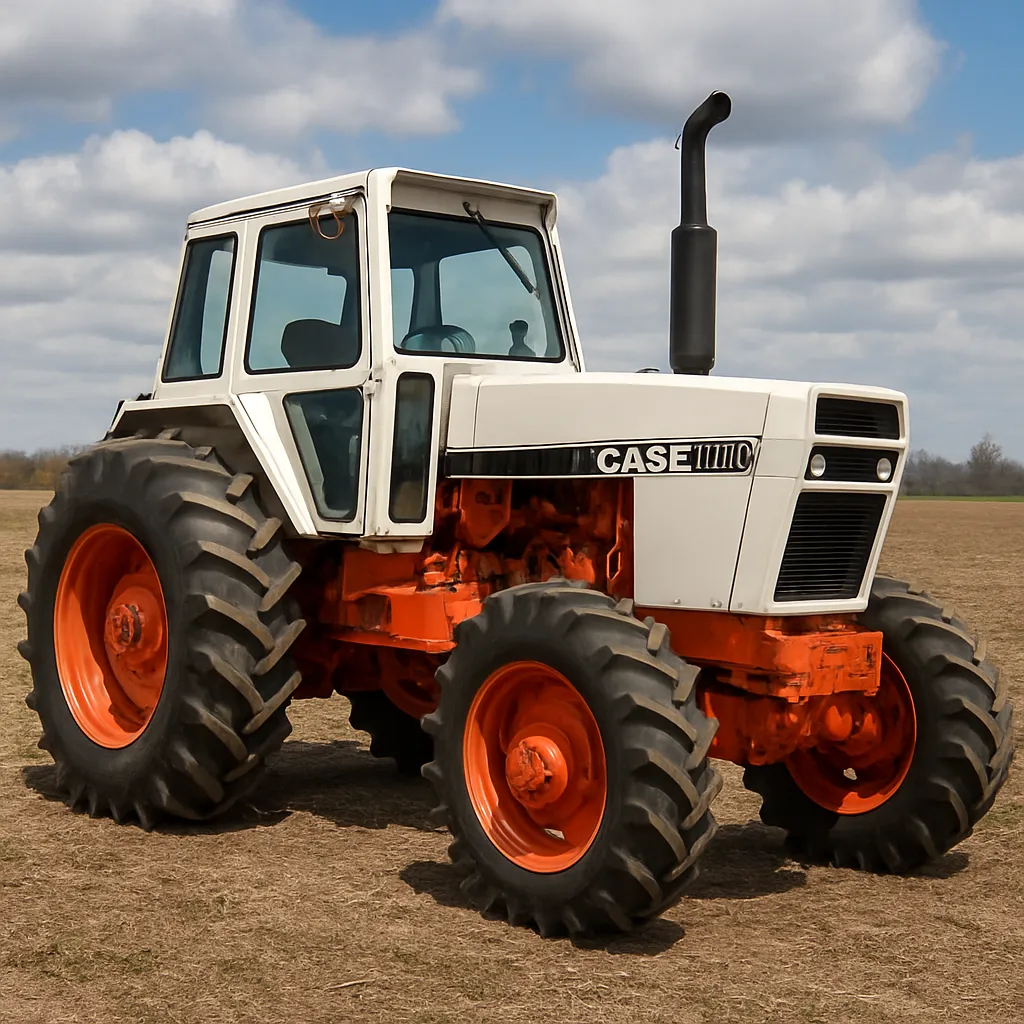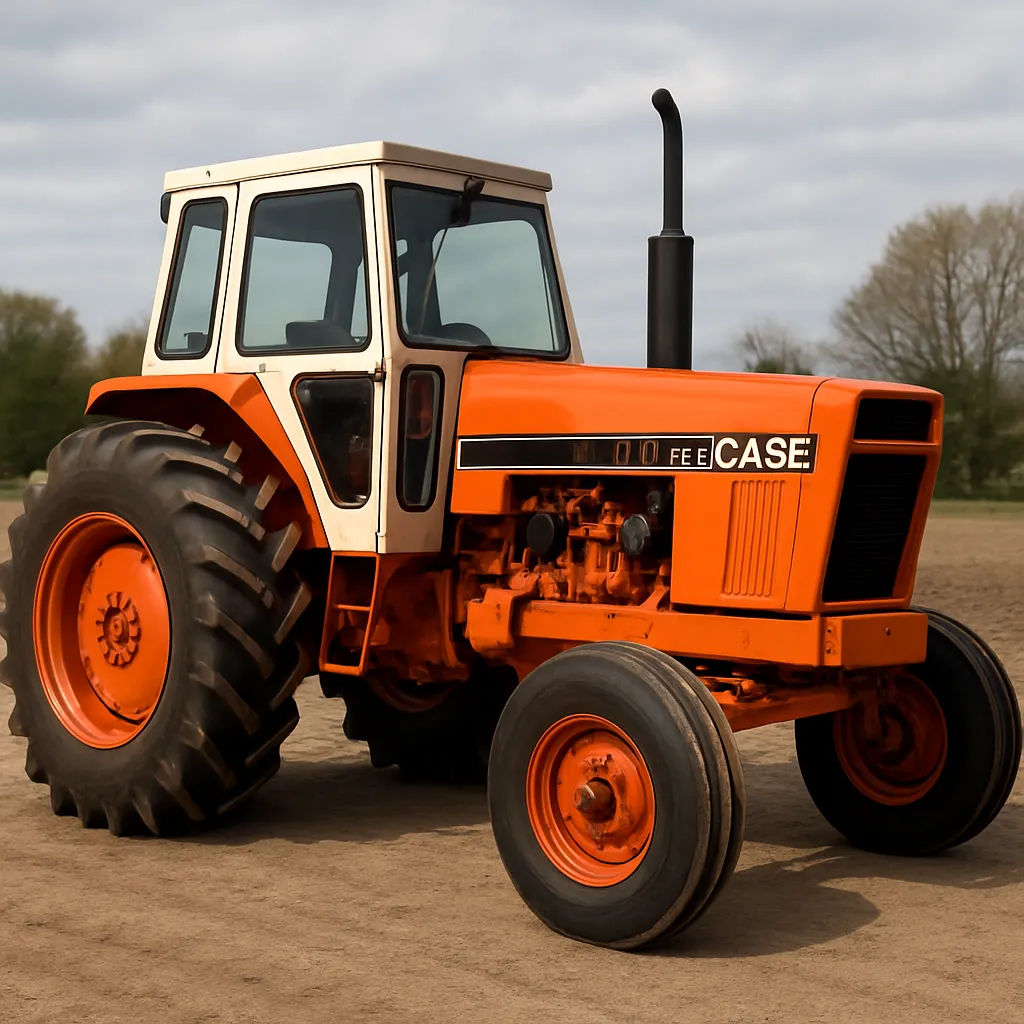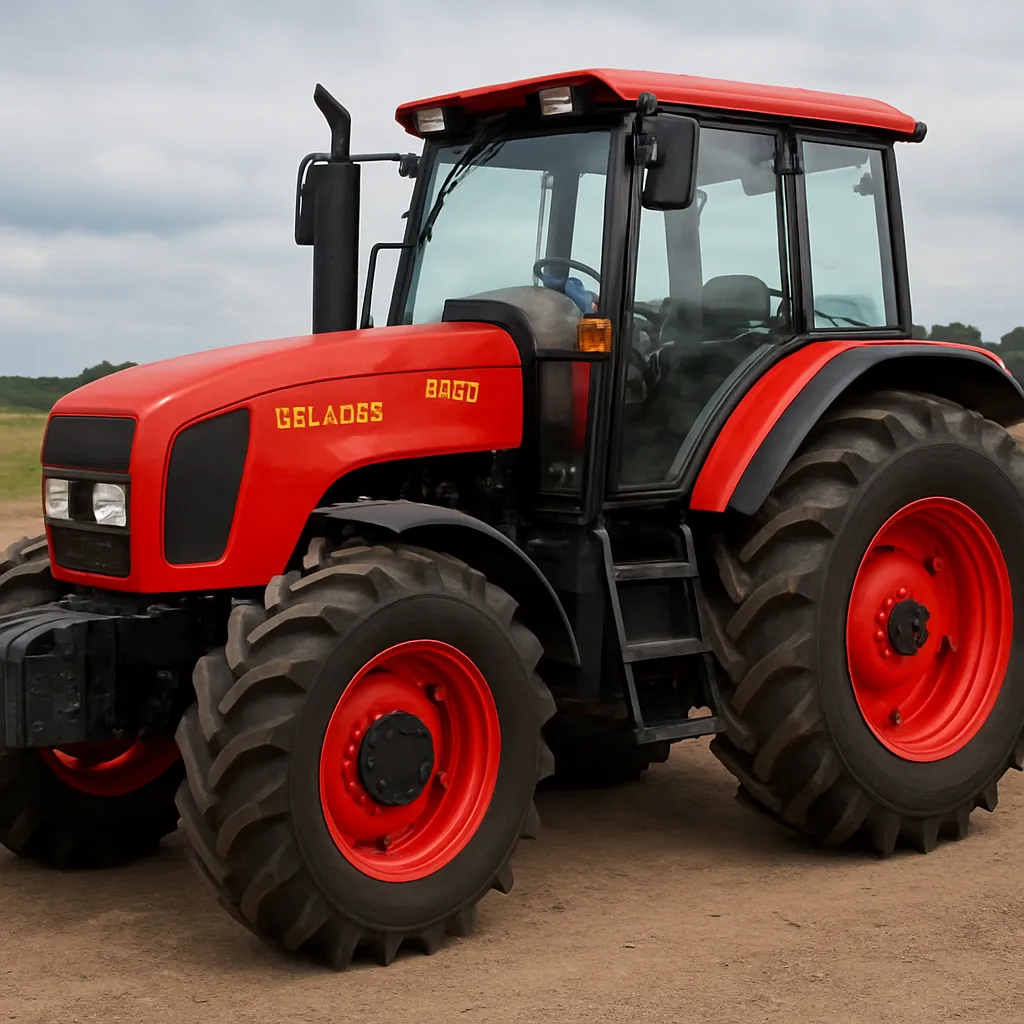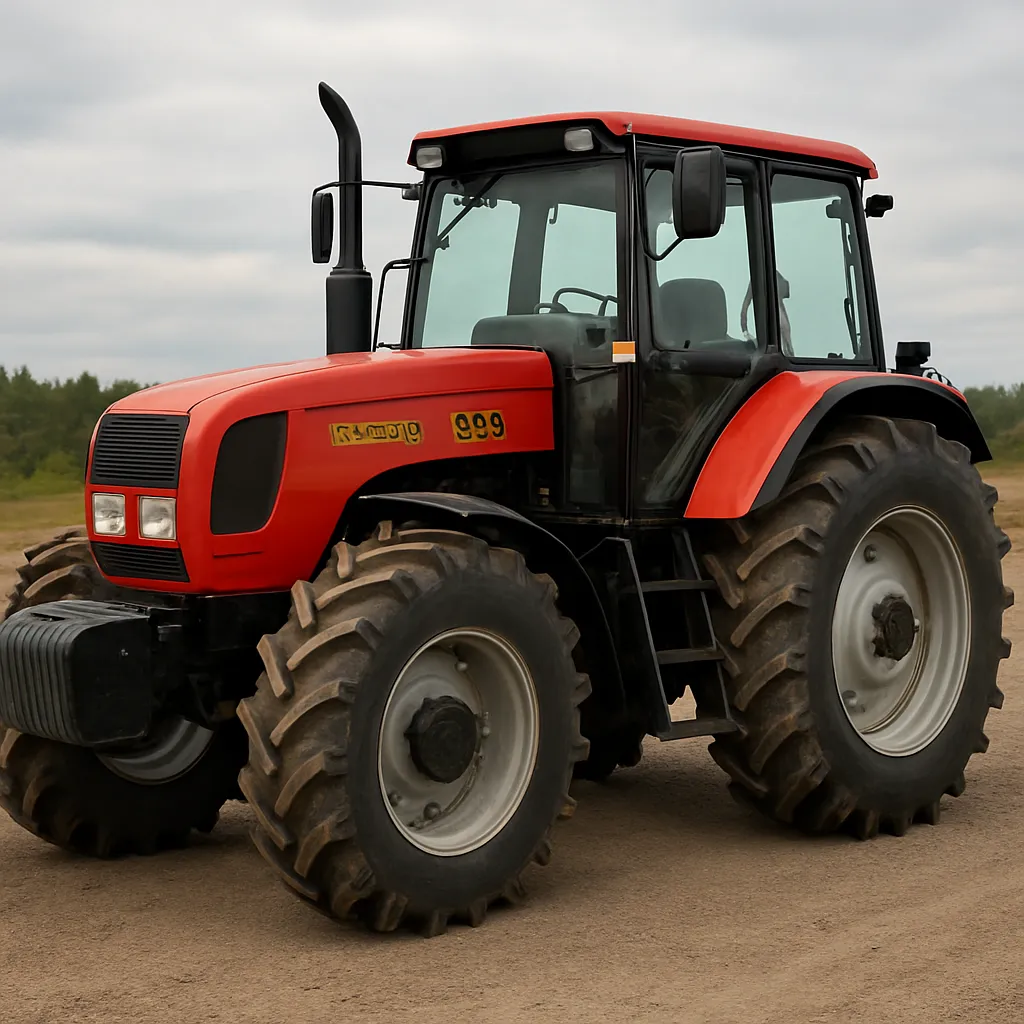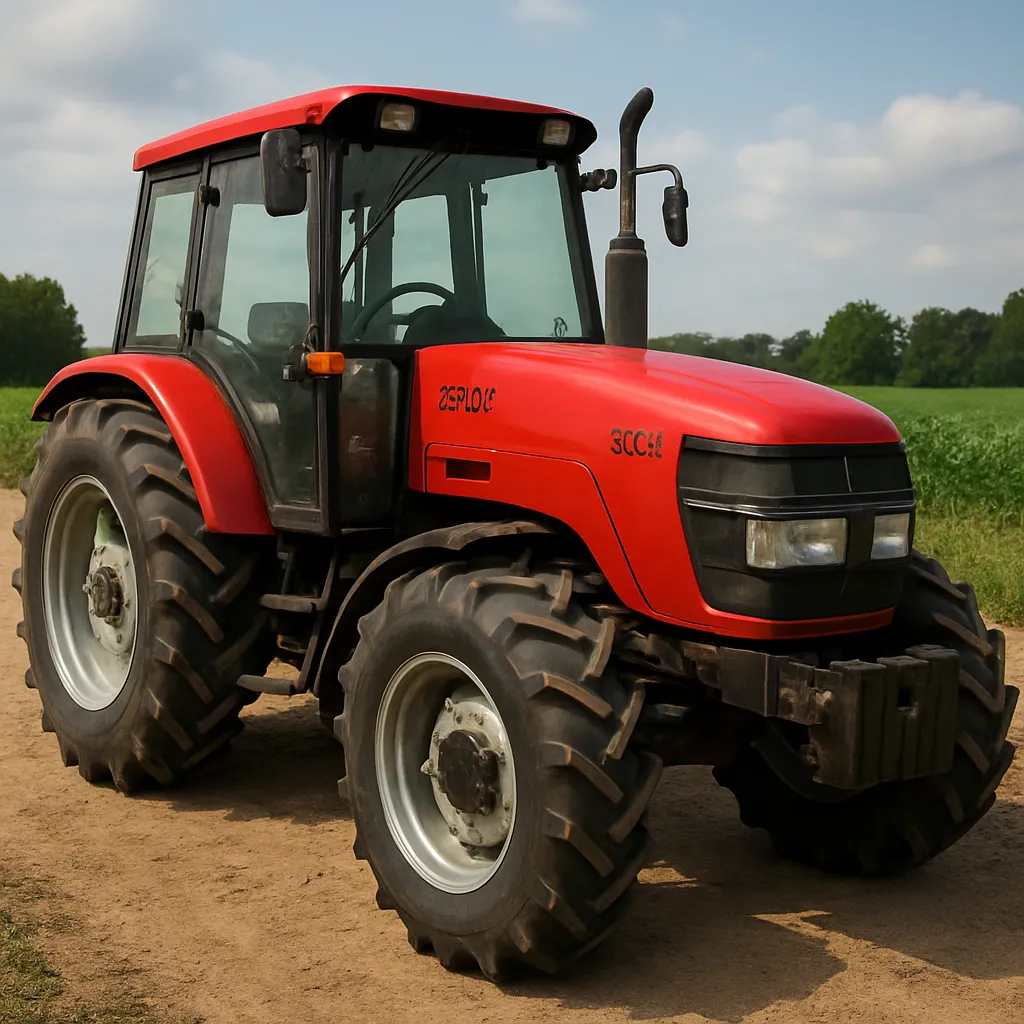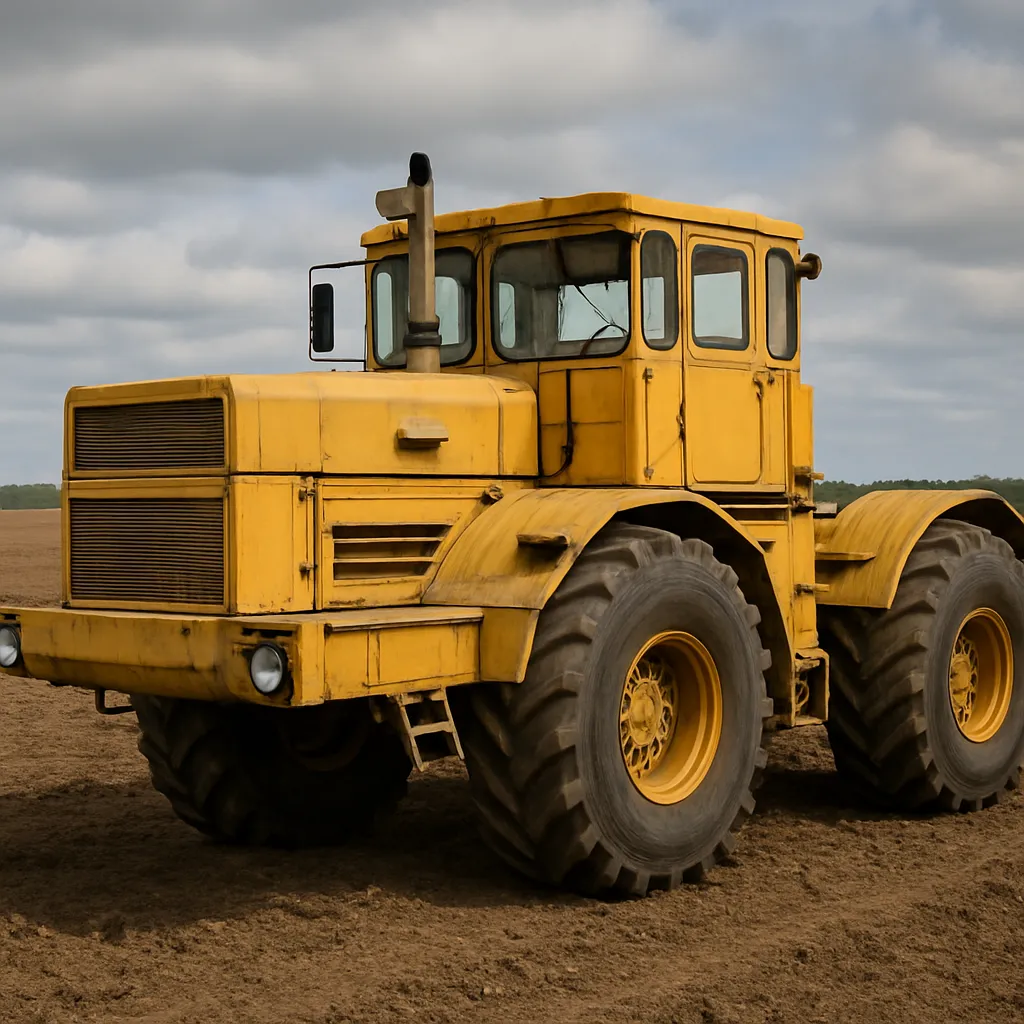
The Kirovets K-701 is an iconic example of Soviet-era heavy agricultural machinery that has continued to find a place in large-scale farming and industrial roles well into the 21st century. Built around a philosophy of extreme durability and mechanical simplicity, the K-701 and its family are designed to move large implements, carry heavy loads and work in demanding environments where lesser machines would struggle. This article explores the history, design, technical characteristics, practical applications and cultural significance of the K-701, along with useful operational considerations and notable variants.
History and development
The story of the Kirovets tractors begins in the Soviet Union during the post-war expansion of collective and state farms. The K-700 family was developed to meet the need for a powerful, reliable tractor capable of working on vast tracts of land with large mounted and trailed implements. The work was carried out at the Kirov Plant and associated design bureaus, producing a distinctive, articulated four-wheel-drive machine with robust construction and a reputation for longevity.
Through the late 1960s and 1970s the basic design was refined into several models; the K-701 is commonly referenced as one of the larger and more powerful iterations in the family. Although the core silhouette — a long hood, central articulation joint and large wide-set wheels — remained consistent, the K-701 incorporated improvements in engine performance, hydraulics and operator comfort compared with earlier models. Over the decades, the production line has seen further modernizations to meet changing regulatory and market demands, and Kirovets machines have been exported across the Eastern Bloc, developing countries and beyond.
Design features and technical overview
The K-701’s design centers on a set of elements that together provide its distinctive capabilities:
- Articulated frame: The tractor uses a central pivot articulation for steering and power transmission, allowing large traction forces while keeping a relatively compact turning radius for its size.
- Four-wheel drive: Permanent 4WD and differential locks (in many variants) provide traction in soft soils and adverse conditions.
- Heavy-duty construction: A robust chassis, heavy axles and large-diameter wheels are designed to withstand the stresses of deep plowing and continuous heavy towing.
- Hydraulic and PTO systems: Powerful hydraulics and a standard Power Take-Off allow it to drive large implements and auxiliary equipment.
- Simple, serviceable mechanical systems: Emphasis on ease of repair and field maintenance — a practical advantage in remote operations.
Engine and performance (approximate ranges)
- Engine type: multi-cylinder turbocharged diesel — industrial agricultural engines designed for torque and longevity.
- Rated power: commonly placed in a broad range; many K-700 family tractors, including K-701 variants, are found with power outputs in the approximate range of 220–400 horsepower (roughly 160–300 kW), depending on the engine version and tuning.
- Torque characteristics: high low-end torque designed for drawbar and draft applications rather than high-speed travel.
- Top speed: typically limited compared with road vehicles; operational top speeds are often in the vicinity of 30–40 km/h (approximate), prioritizing tractive performance.
Transmission, hydraulics and drive
The Kirovets K-701 utilizes a robust mechanical transmission with multiple gear ranges suited for heavy draft work. Many examples feature powershift or semi-synchronized gearboxes with several forward and reverse ranges to provide flexibility across transport and fieldworking speeds. The hydraulic system is sized to operate large implements — lift capacity and hydraulic flow were key design considerations to enable the tractor to carry and control modern heavy agricultural equipment.
Dimensions and weights (indicative)
Given the family nature of the K-700 series and localized variants, exact dimensions vary, but the K-701 is generally a very large tractor compared to standard farm tractors:
- Operating weight: typically in the multi-ton range; many sources place machines of this class between approximately 10,000 and 14,000 kg, depending on configuration and ballast.
- Ground clearance and track: designed for use in fields and off-road conditions with wide tires or duals to distribute weight and reduce soil compaction when necessary.
Applications and roles
The practical strengths of the K-701 come from its ability to move large loads and sustain continuous heavy use. Its principal uses include:
- Agricultural primary tillage: pulling large ploughs, subsoilers and cultivators across vast fields. On large farms and state-scale operations, the K-701 can replace multiple smaller tractors for heavy draft tasks.
- Seeding and soil preparation: providing the traction and hydraulic control needed for large seeders and planters.
- Transport and towing: hauling trailers and heavy equipment on unpaved surfaces in rural or industrial settings.
- Construction and earthmoving: adapted in some regions as a prime mover for graders, scrapers or as a tow unit for construction tasks.
- Forestry and logging: in rough-terrain roles where robustness and traction are paramount; some operators fit protective equipment and specialized implements.
- Municipal and seasonal work: snow clearing, road maintenance and airport snow removal, where powerful traction is required.
Because of its size and power, the K-701 is rarely used for light-duty tasks on small farms; it is best deployed where scale and continuous heavy draft work justify its operational costs. Its ability to pull very wide implements makes it particularly well suited to large-scale grain production and reclamation projects.
Practical operation, fuel use and maintenance
Running a K-701 effectively requires planning around its strengths and limitations. The tractor is designed for long working hours, but its fuel consumption, servicing needs and transport logistics differ from smaller machines.
Fuel consumption and efficiency
Large diesel engines naturally consume significant fuel when delivering high draft power. Fuel economy varies widely with load, implement, soil conditions and engine tuning. Operators commonly monitor work rate per hectare to assess overall efficiency — when a single K-701 can replace multiple smaller tractors, the trade-off may be favorable despite higher absolute fuel use.
Maintenance and reliability
The K-701 is famed for mechanical reliability and the ability to be repaired with relatively simple tools in the field. Key maintenance considerations include:
- Regular engine oil and filter changes to manage heavy-duty usage.
- Hydraulic system inspections and periodic fluid replacement under high loads.
- Axle and articulation lubrication; the central pivot bearing is a critical component.
- Cooling system maintenance — larger engines and long operating hours require effective cooling, especially in hot climates.
- Periodic gearbox servicing and clutch checks due to heavy draft stresses.
Spare parts availability varies by region; in areas with a strong tradition of Kirovets use, parts and specialist servicing are readily found, while in remote export markets operators may rely on local fabrication and adapted components.
Variants, modernizations and contemporary production
The original K-700 family spawned several variants and modernized versions to meet evolving needs. Modifications have included:
- Different engine options — from original domestic diesel units to later re-engined versions using modern turbocharged powerplants to improve efficiency and emissions.
- Cabin improvements — modern cabs with better ergonomics, heating and sound insulation for operator comfort during long shifts.
- Hydraulic and electrical upgrades — contemporary auxiliary systems, improved hydraulic flows and updated PTO arrangements to support modern implements.
- Export and industrial adaptations — versions with non-agricultural fittings for construction, logging or military logistics.
In recent decades, the manufacturer and third-party companies have introduced upgrades such as electronic engine management, improved transmissions and emission control measures. This has extended the working life of the design and allowed Kirovets tractors to meet stricter local regulations in some markets.
Global distribution and impact
The Kirovets K-701 and its relatives found users across the Soviet Union and in allied countries as part of state equipment programs. Exports and licensed production also made them visible in Asia, Africa and parts of Latin America, where their rugged character suited operations in remote or harsh environments.
Despite the end of the Soviet era and the proliferation of Western agricultural manufacturers, the K-701 retained a niche for operations that require:
- Large draft force at a relatively low capital cost compared with some international alternatives.
- Machines that are easy to repair with basic tools and locally available materials.
- Tractors that can be adapted to non-standard or improvised tasks thanks to a robust mechanical layout.
Strengths, weaknesses and economic considerations
Understanding where the K-701 excels and where it falls short helps potential users decide if it is the right tool for their operation.
Strengths
- Durability and mechanical simplicity make it highly serviceable in remote areas.
- High drawbar power and dump capacity for heavy implements and challenging conditions.
- Proven track record in continuous heavy use situations.
- Modularity and adaptability — many aftermarket and local modifications exist.
Weaknesses
- Relatively high fuel use and operating costs compared with modern optimized tractors with advanced efficiency systems.
- Size and weight can cause compaction issues on lighter soils unless tires or duals are properly chosen.
- Transport logistics — moving the tractor between fields or regions can require permits or specialized transport due to its width and mass.
Cultural and symbolic significance
Beyond its technical role, the K-701 functions as a cultural symbol in many regions — a reminder of industrial-scale agriculture and a visible emblem of a certain design philosophy: build big, build strong, and build to last. Photographs of massive orange Kirovets tractors working oversized implements are common in agricultural exhibitions and online communities, and restoration and preservation projects exist where enthusiasts maintain historic examples.
Notable uses and public presence
Examples of notable roles include use in large-scale tillage campaigns, reclamation of steppe and prairie lands, and conversion for special heavy tasks in forestry or construction. Enthusiast clubs and museums in countries that historically used Soviet-era machinery sometimes display well-preserved K-701s, and the model appears in period documentaries and industrial photography collections.
Summary
The Kirovets K-701 is a heavy, purpose-built tractor whose design emphasizes power, longevity and field serviceability. Best suited for large-scale agriculture and demanding industrial roles, it remains relevant where its strengths outweigh concerns about fuel consumption and transport logistics. Over decades it has been modernized, adapted and maintained by operators worldwide. Its enduring presence speaks to a straightforward engineering approach: deliver robust mechanical performance that can be repaired and kept working under conditions that would challenge more delicate machines.
Quick reference (high-level)
- Manufacturer: Kirov Plant and associated producers (Kirovets brand).
- Type: Large articulated agricultural and industrial tractor.
- Power: typically in the region of 220–400 hp depending on variant (approximate).
- Drive: articulated chassis with permanent 4WD and heavy axles.
- Best use: heavy draft work, large-scale tillage, industrial towing, forestry and specialist roles.
Operational decisions about acquiring and using a K-701 should weigh the machine’s excellent heavy-work capabilities and ease of field maintenance against contemporary expectations for fuel efficiency, emissions and transportability. For large estates, reclamation projects or industrial applications that demand raw pulling power and ruggedness, the K-701 remains a compelling option.