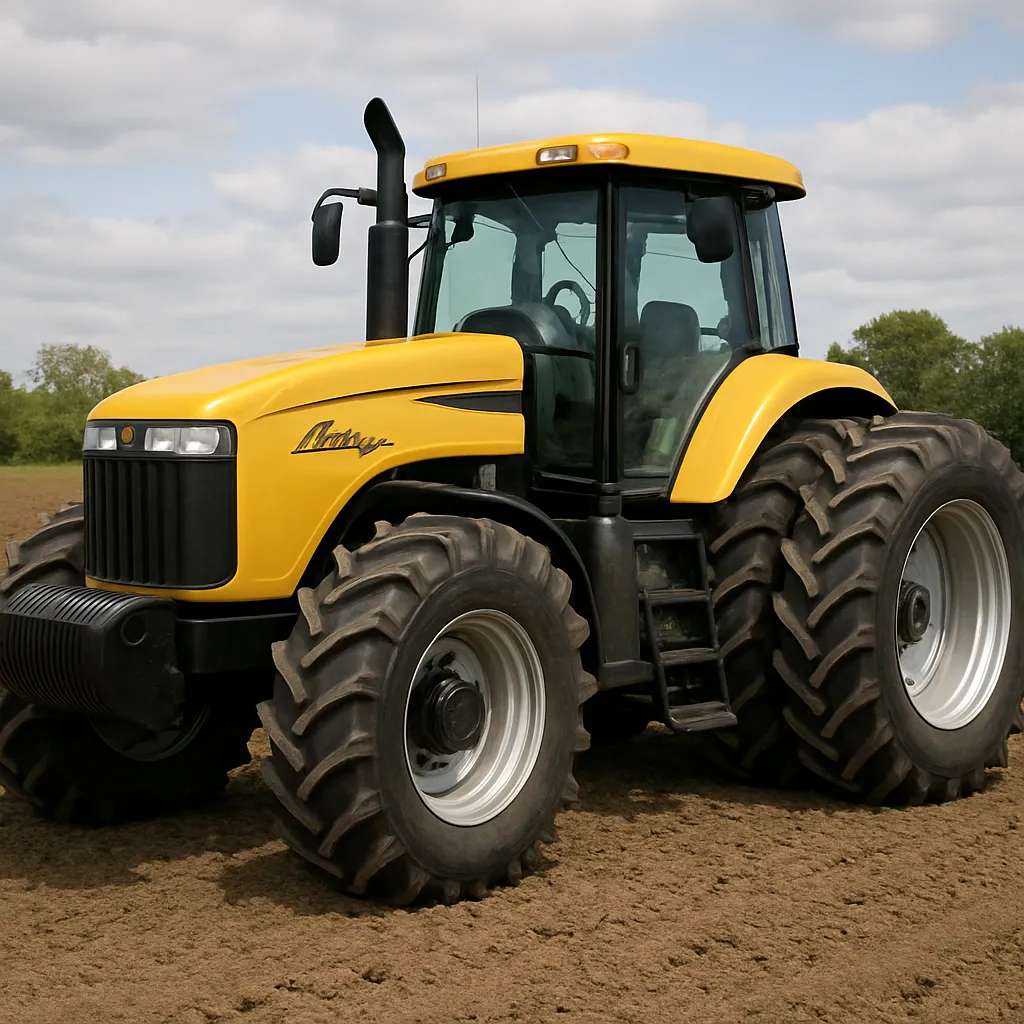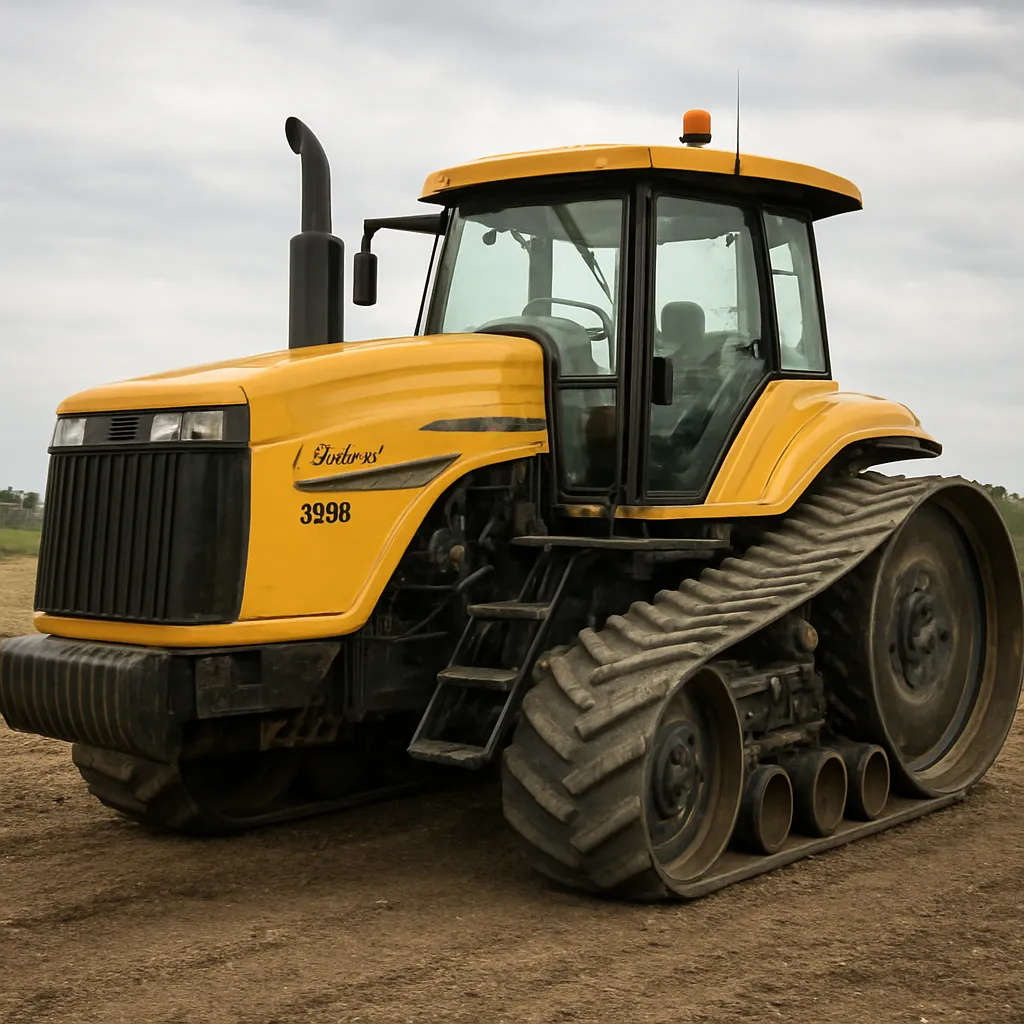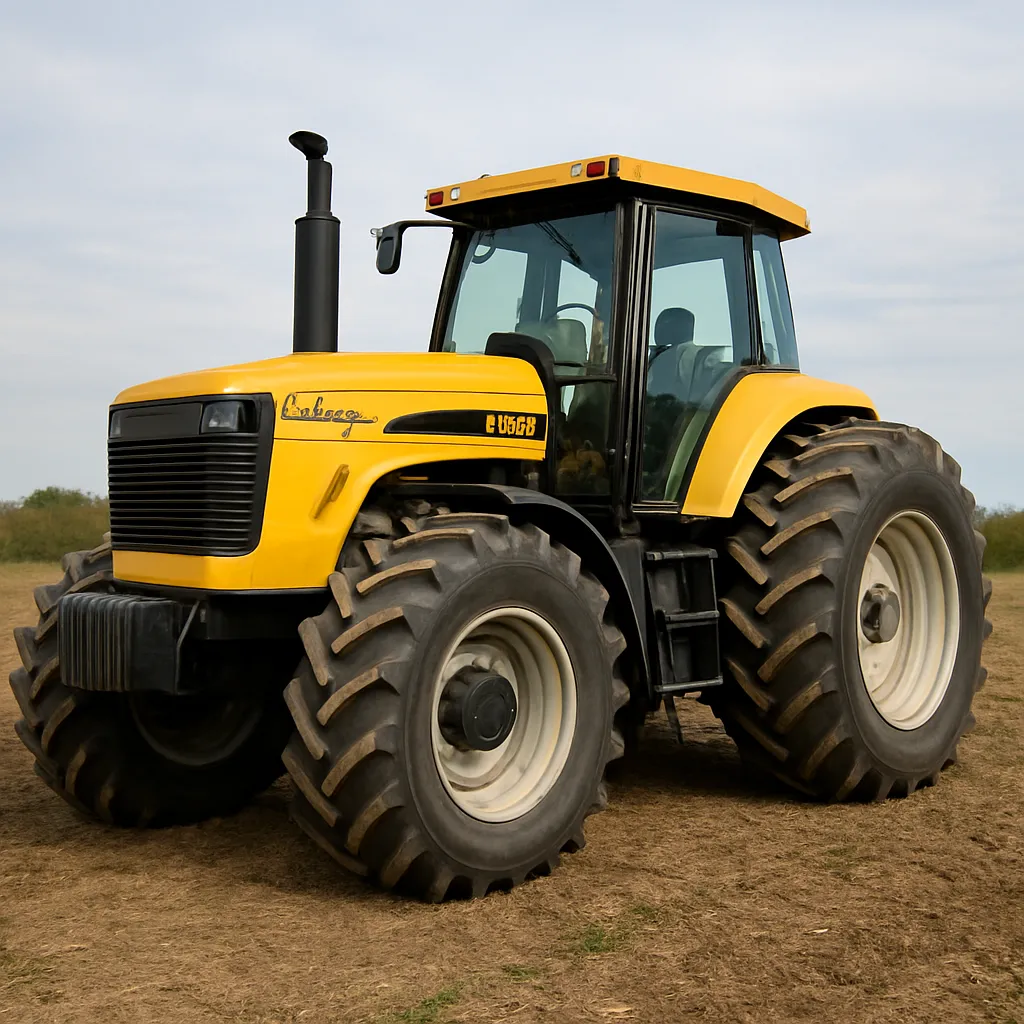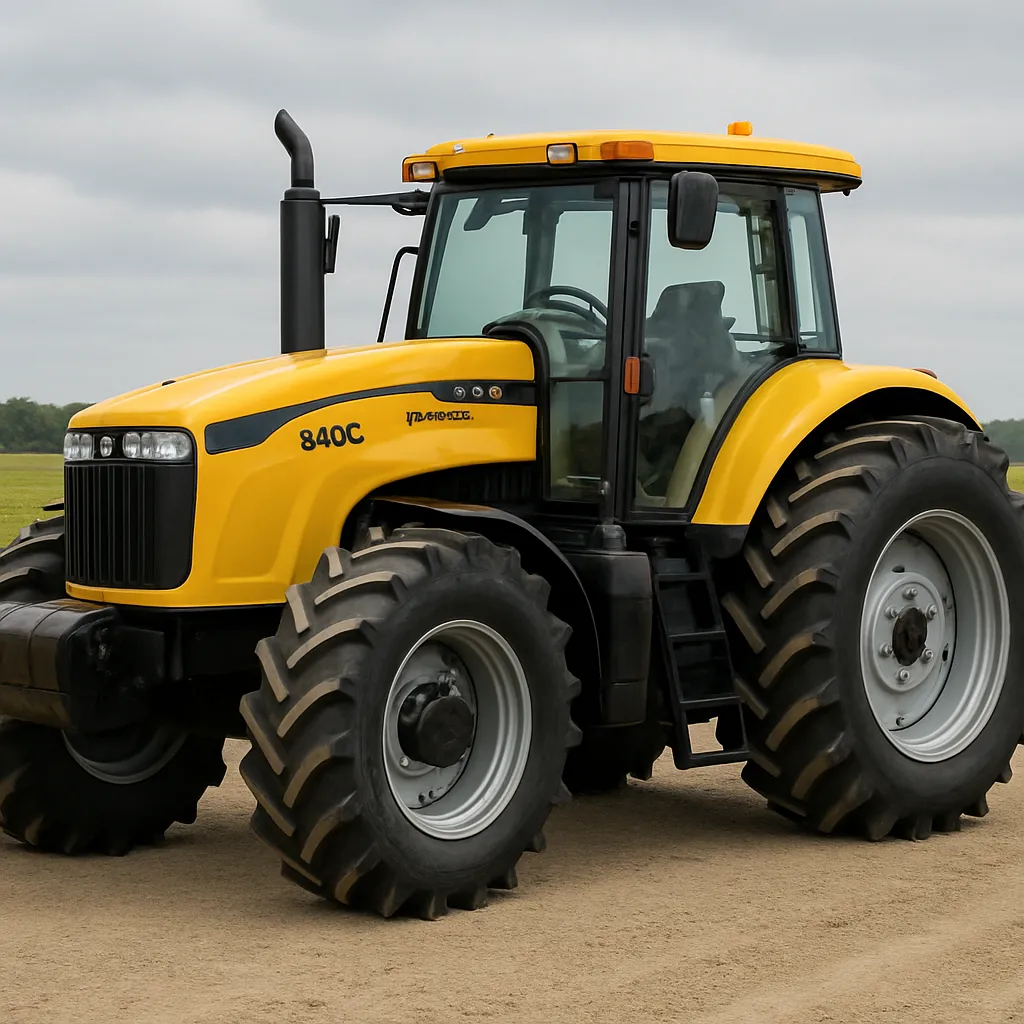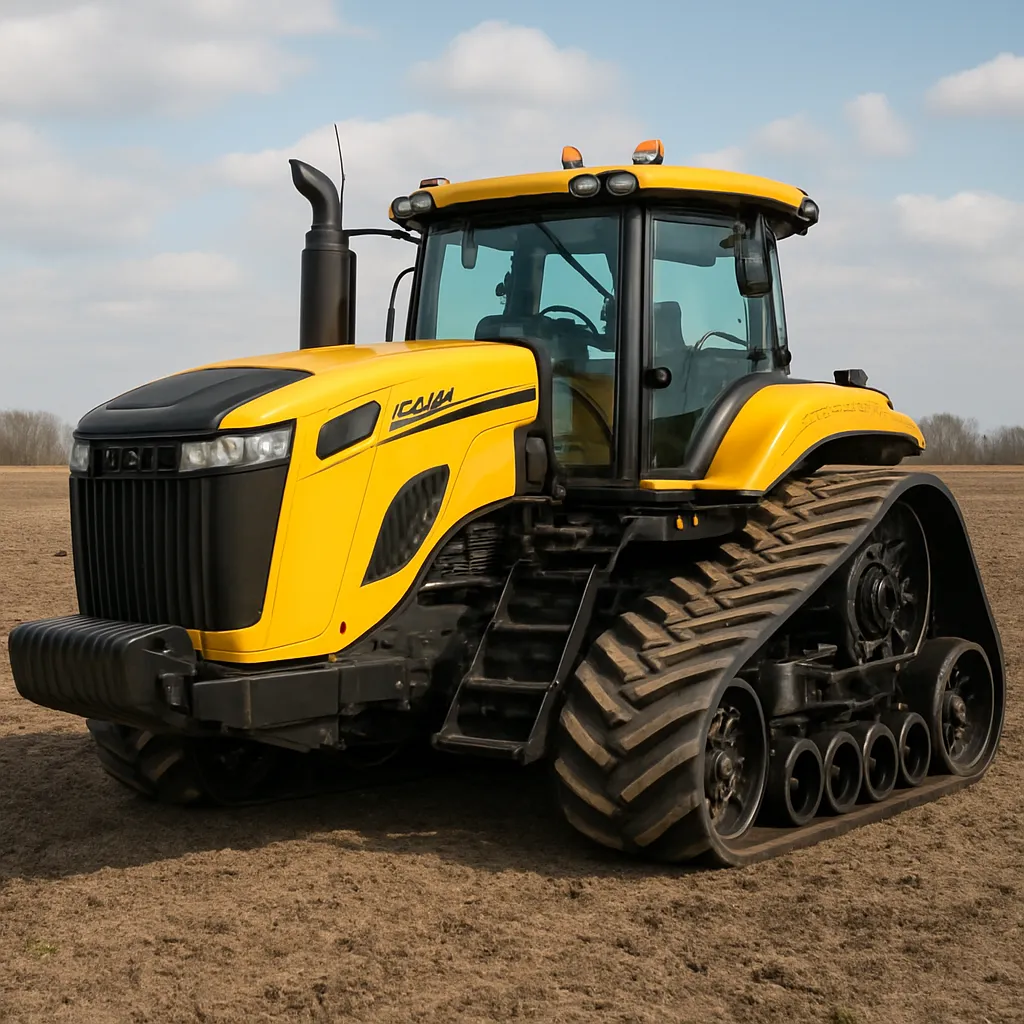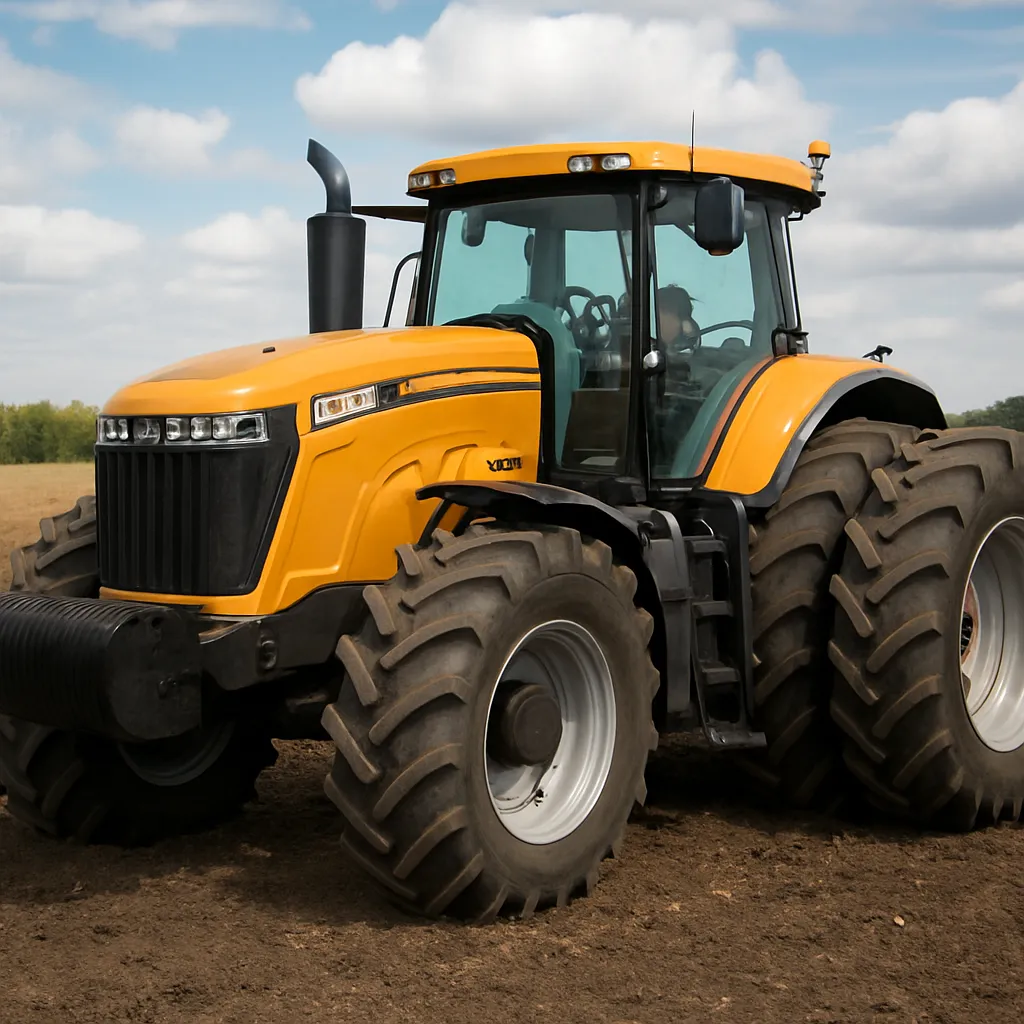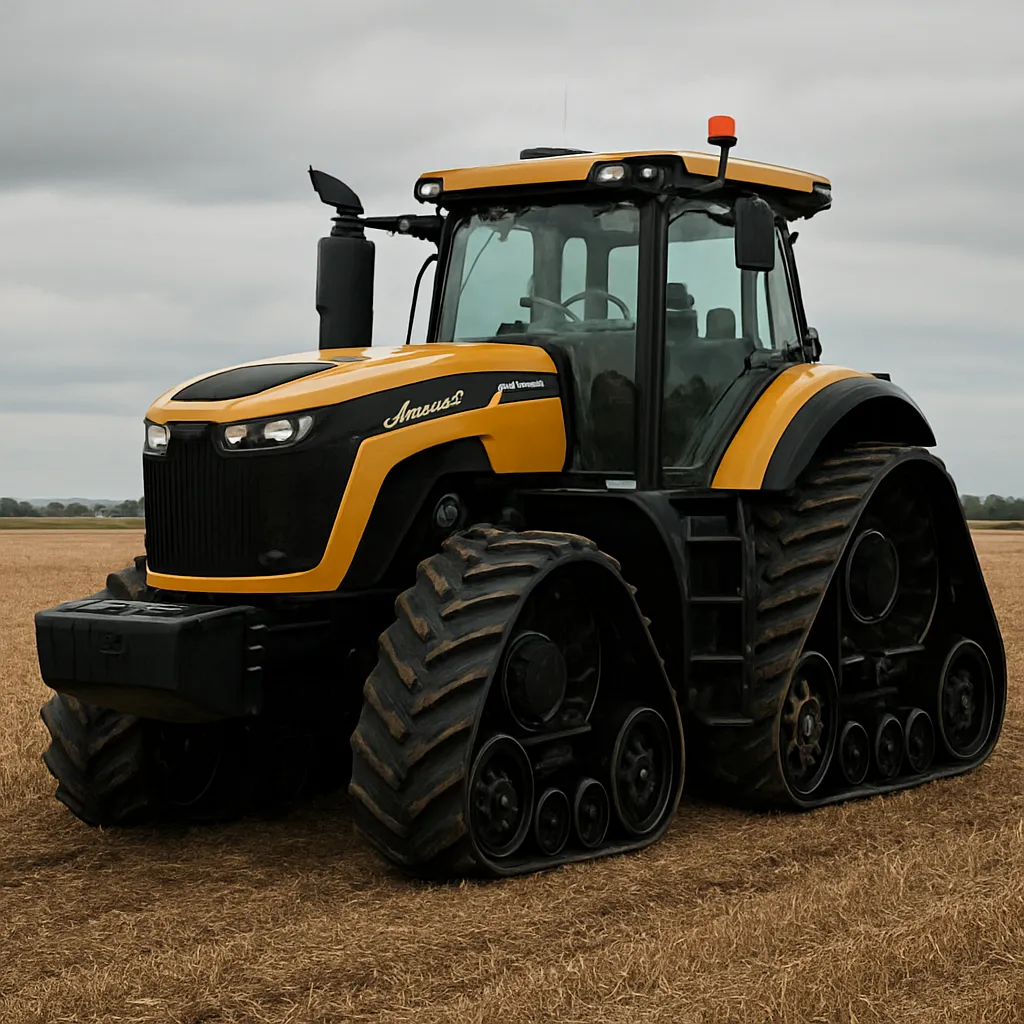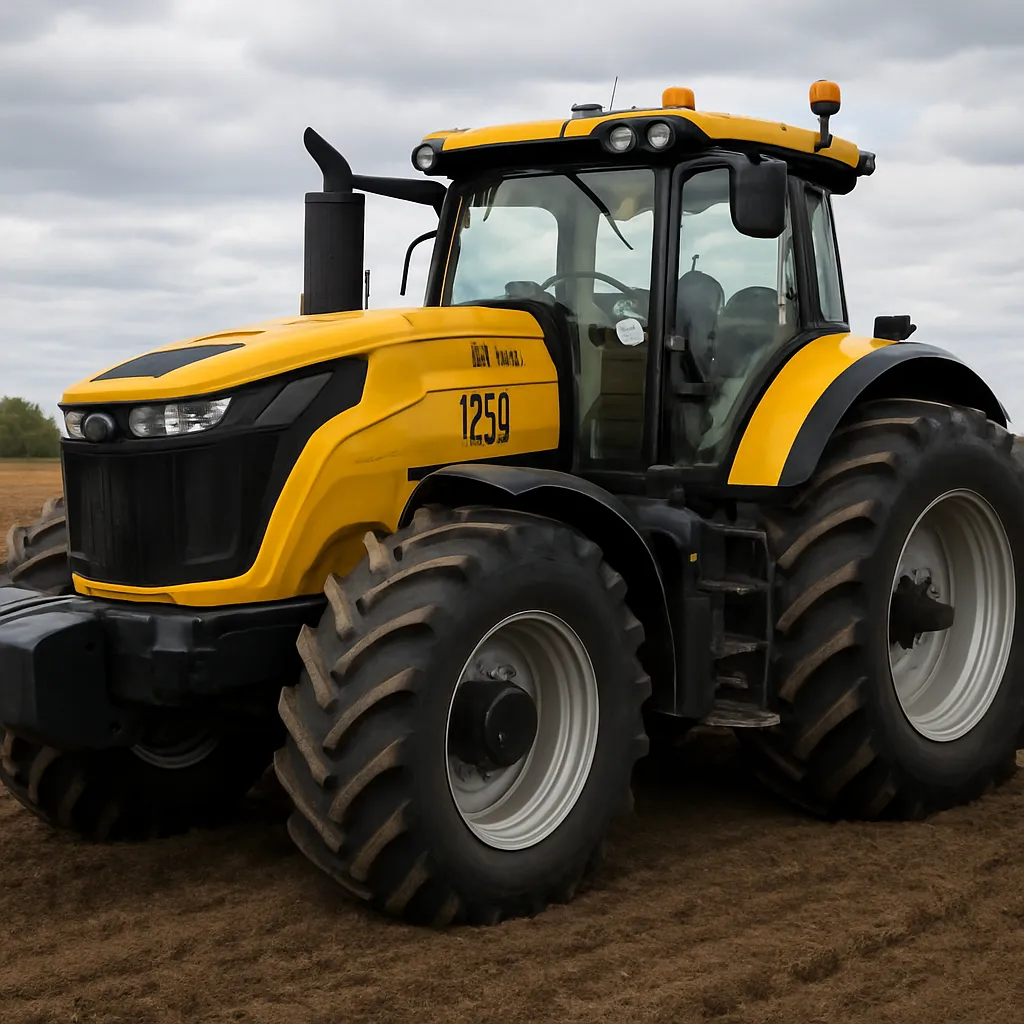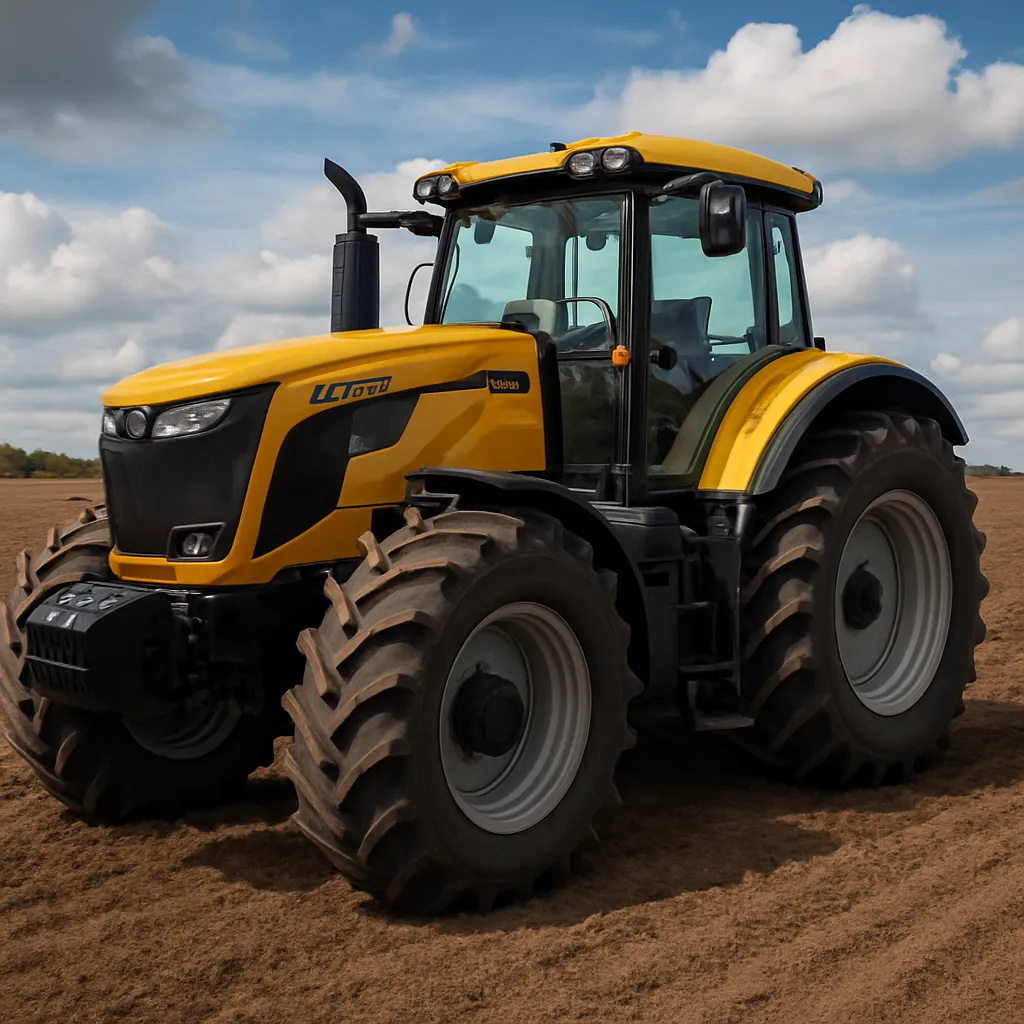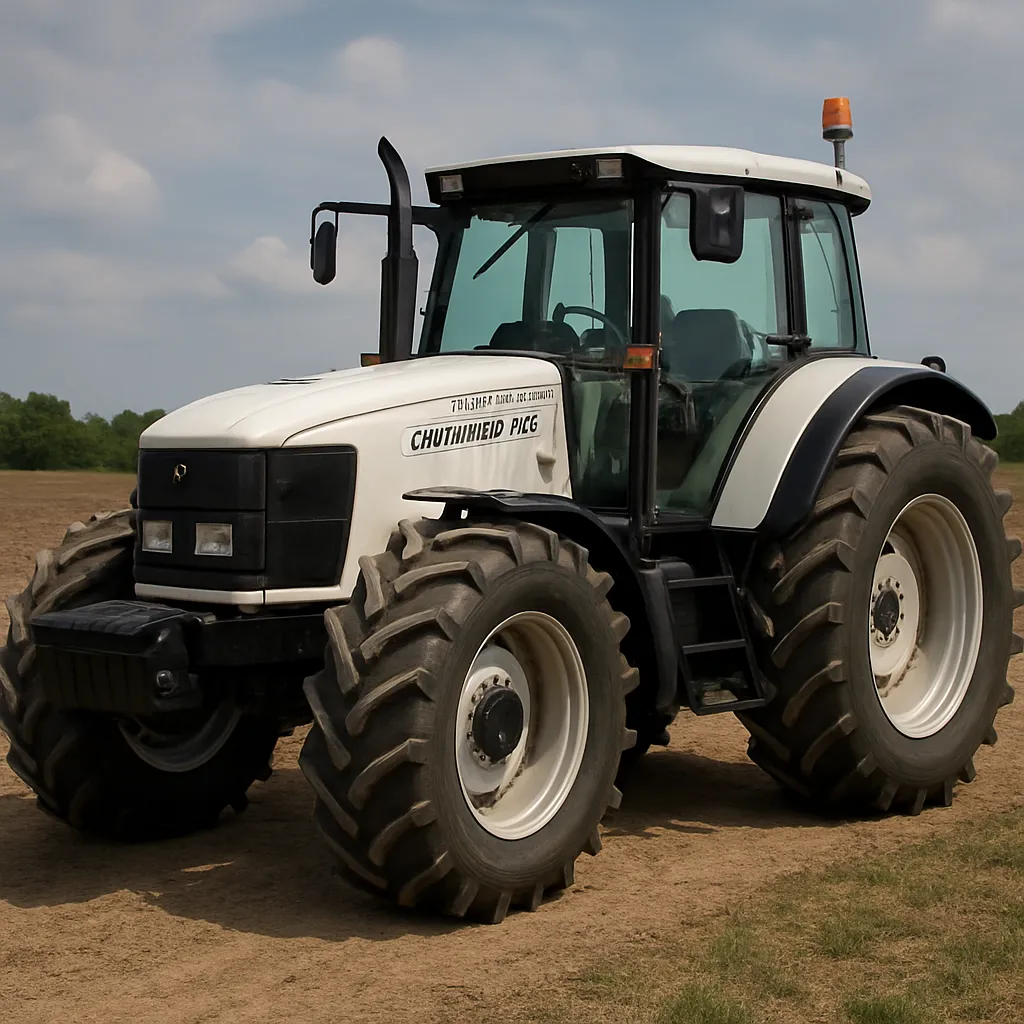
The Lamborghini Champion 180 is a model that represents the brand’s effort to combine robust agricultural performance with Italian engineering and comfort. Designed for operators who need strong pulling power, dependable hydraulics and modern cab amenities, this tractor is aimed at medium-to-large farms, contractors and specialty operations that require a reliable machine for heavy-duty fieldwork. In the following sections you will find a detailed look at the Champion 180’s background, typical specifications, applications, operational strengths and considerations for purchase and maintenance.
Background and design philosophy
The Lamborghini name is well known beyond agriculture, primarily because of the legendary sports cars; however, Lamborghini Trattori has a long heritage in the tractor market dating back to the mid-20th century. The Champion series was developed to address farmers and contractors who required a blend of power, versatility and operator comfort. The number 180 in the model designation generally signals the class of engine output—placing the Champion 180 in the roughly 170–190 horsepower segment, making it suited for heavy tillage and demanding PTO-driven implements.
Design priorities for this class include sturdy construction of the frame and drivetrain, modularity to accept a variety of transmissions and hydraulic packages, and a well-appointed cab for long shifts. The Lamborghini Champion line follows those principles—balancing agricultural functionality with ergonomics familiar from other high-end tractor manufacturers.
Brand and production context
- Lamborghini Trattori originated as an independent tractor maker and later became part of larger agricultural machinery groups, which allowed access to broader R&D and component sharing across brands.
- Models such as the Champion 180 were positioned to compete in the utility and row-crop market against other established manufacturers by offering a combination of engine performance and a refined operator environment.
- Production of models and variants often included several options for transmission, hydraulics and cab equipment to suit different regional markets and farming systems.
Technical specifications and variants
Exact specifications for specific serial years or configurations of the Lamborghini Champion 180 can vary depending on market and options. Below are the characteristic technical details and typical ranges you can expect for a tractor of this category, along with notes where model-specific values are often found.
Engine and power
- Rated power: approximately 180 horsepower (model designation implies output in this range). This rating is typically given at the engine flywheel and may differ slightly between different homologation standards.
- Engine type: turbocharged, intercooled diesel unit with electronic fuel management on more recent variants to improve efficiency and emissions.
- Emissions: later models are often configured to comply with contemporary regulations (Tier/Stage levels depending on year and market), sometimes using EGR or DOC/DPF aftertreatment systems.
Transmission and drive
- Transmission options: the Champion 180 has been offered with multiple transmission choices across its life cycle—ranging from synchronized mechanical gearboxes to semi-automatic powershift units and in some instances advanced continuously variable transmissions (CVT) or stepless systems in comparable tractor classes.
- Typical gear counts: variants often include 12/12, 16/16, 24/24 or larger ranges when creeper gears and splitters are included, giving flexibility for field and transport speeds.
- Drive: 4WD with robust front axle designs; some configurations include front axle or cab suspension for improved ride and traction on undulating ground.
PTO, hydraulics and lift capacity
- PTO: standard rear PTO with selectable speeds (commonly 540/540E/1000 rpm on machines of this power class). Some units may offer front PTO or independent PTO as an option.
- Hydraulics: closed-center or open-center hydraulic systems with multiple spool valves are typical, delivering hydraulic flows that commonly range from 60 to over 120 liters per minute depending on pump configuration—important for power-hungry implements.
- Rear linkage lift capacity: tractors in the 180 hp class typically provide a lift capacity in the range of 5,000–8,000 kg at the drawbar or linkage points; exact figures depend on the hydraulic pump and linkage design installed.
Chassis, weight and dimensions
- Weight: curb weights for this class often fall between 5,500 and 8,000 kg depending on equipment and ballast. The mass contributes to traction for heavy draft work but also affects soil compaction and transport considerations.
- Dimensions: wheelbases and overall lengths are designed to balance stability with maneuverability for standard and wide implements. Tire options ranging from narrow agricultural to wide flotation tires enable adaptation to various soil types.
Cab and operator environment
- Cab features: soundproofing, ergonomic seat with suspension, adjustable steering column, multi-function joystick(s), and a digital instrument cluster for monitoring engine and implement parameters.
- Comfort and safety: climate control (A/C and heating), good visibility, and integrated lighting packages for long workdays and low-light operations.
Applications and field performance
The Lamborghini Champion 180 is designed for tasks where sustained power and dependable hydraulics are required. The class of tractors around 180 hp is a workhorse for many modern farms and contractors. Below are the main application areas and how the Champion 180 typically performs in each.
Tillage and primary soil cultivation
- Deep plowing, heavy disc harrowing and multi-pass cultivations are well within the capabilities of a 180 hp tractor, especially when paired with appropriate ballast and traction-enhancing tires. The tractor’s torque and weight allow it to pull large ploughs and discs efficiently.
- Operators value the stable power delivery and responsive hydraulics for controlling implement depth and angle under variable soil conditions.
Sowing, drilling and seedbed preparation
- When used with seed drills, air seeders or precision planters, the Champion 180 offers consistent PTO and hydraulic support, enabling high-speed field operations and large-area coverage—critical during narrow planting windows.
- Electronic controls and optional ISOBUS compatibility in some configurations make precision agricultural implement control feasible.
Forage harvesting and hay operations
- Powerful PTO and high hydraulic flow are advantageous for choppers, mowers and balers. A 180 hp tractor can operate large forage harvesters or systems that demand continuous high power.
- Front-end loader work for bale stacking also benefits from the sturdy front linkage and optional loader-specific hydraulics.
Transport and specialized contracting
- With adequate gearing and a comfortable cab, the Champion 180 can be used for road transport of implements and trailers at legal transport speeds, offering good fuel economy on the road when configured with efficient transmissions.
- Contractors who require multi-role machines appreciate the adaptability: the tractor can pull heavy soil-working equipment in the morning and tow trailers or work as a loader in the afternoon.
Operational strengths and considerations
Choosing a Champion 180 means weighing several strengths against practical considerations. Below are factors that make the model attractive and some realities owners commonly face.
Strengths
- Power and torque suitable for large implements and heavy draft tasks.
- Robust build quality and a reputation for durability in heavy use cases.
- Comfortable cab and operator-focused controls reduce fatigue during long working days.
- Flexible configuration options (transmission, hydraulic packages, tires) that allow customization for specific farming systems.
- Strong aftermarket support in regions where Lamborghini tractors are established, including parts and service networks associated with broader agricultural groups.
Considerations
- Operating costs: fuel consumption in the 180 hp class can be significant under full load, so matching the tractor to implement size and task is important for economic efficiency.
- Weight and soil compaction: heavy machines require careful tire selection and sometimes duals or tracks to reduce compaction on sensitive soils.
- Complexity: advanced engines with emission aftertreatment and electronic controls demand skilled maintenance to retain peak performance.
- Resale and parts availability may vary by region; buyers should check local dealer support for specific models and vintage years.
Maintenance, lifecycle and resale
Proper maintenance is essential to keep a Champion 180 productive over years of service. The following guidance reflects standard best practices for tractors in this performance category.
Preventive maintenance checklist
- Regular oil and filter changes for engine, transmission and hydraulics according to manufacturer intervals.
- Fuel system care: use clean fuel, change fuel filters frequently, and inspect the fuel injection system for signs of wear or contamination.
- Cooling system upkeep: check coolant levels, hoses and radiator condition to prevent overheating under heavy loads.
- PTO and linkage: inspect driveline joints, PTO shafts and linkage pins for wear, replace bearings and seals as required.
- Electrical and control systems: ensure battery health, wiring integrity and sensor function—especially important where electronic engine management affects emissions and fuel economy.
Expected working life and resale trends
With attentive maintenance, tractors in this class can provide 10–20 years of reliable service, and often longer in low-hour contractor or mixed-use operations. Resale values depend on the machine’s hours, service history and region. Generally, well-maintained models with documented service records hold value better. Upgrades such as modern cab electronics or added hydraulics can improve attractiveness to buyers.
Market context and comparisons
Understanding where the Lamborghini Champion 180 sits in the broader market helps buyers choose the right machine. Below are points of comparison and market considerations.
Competitors and comparable classes
- Tractors in the 150–200 hp range from other established manufacturers are the direct competitors. Buyers often compare transmission choices, hydraulic flow, lift capacity and cab features.
- Where dealer support and parts logistics are strong, Lamborghini-branded tractors can be a compelling alternative thanks to distinctive styling and operator comfort.
Total cost of ownership
- When evaluating purchase, consider fuel consumption, maintenance intervals, ease of service, availability of parts and local dealer competence.
- Attachment and implement compatibility (standardised hitches, PTO speeds and control protocols such as ISOBUS) can reduce long-term costs by enabling the use of a wider range of implements without extensive adaptation.
Final remarks
The Lamborghini Champion 180 is representative of a class of tractors built for demanding agricultural and contracting roles. Its blend of approximately 180 horsepower, versatile hydraulic and transmission options, and a comfortable cab make it well-suited to large-scale tillage, seeding, forage work and transport tasks. While specific technical data can vary between years and configurations, prospective buyers should focus on matching engine and hydraulic capacity to their implements, assessing dealer support, and maintaining disciplined preventive service to maximise both productivity and resale value. For farms and contractors needing a durable, high-power machine with operator-focused design, the Champion 180 remains a worthy consideration.